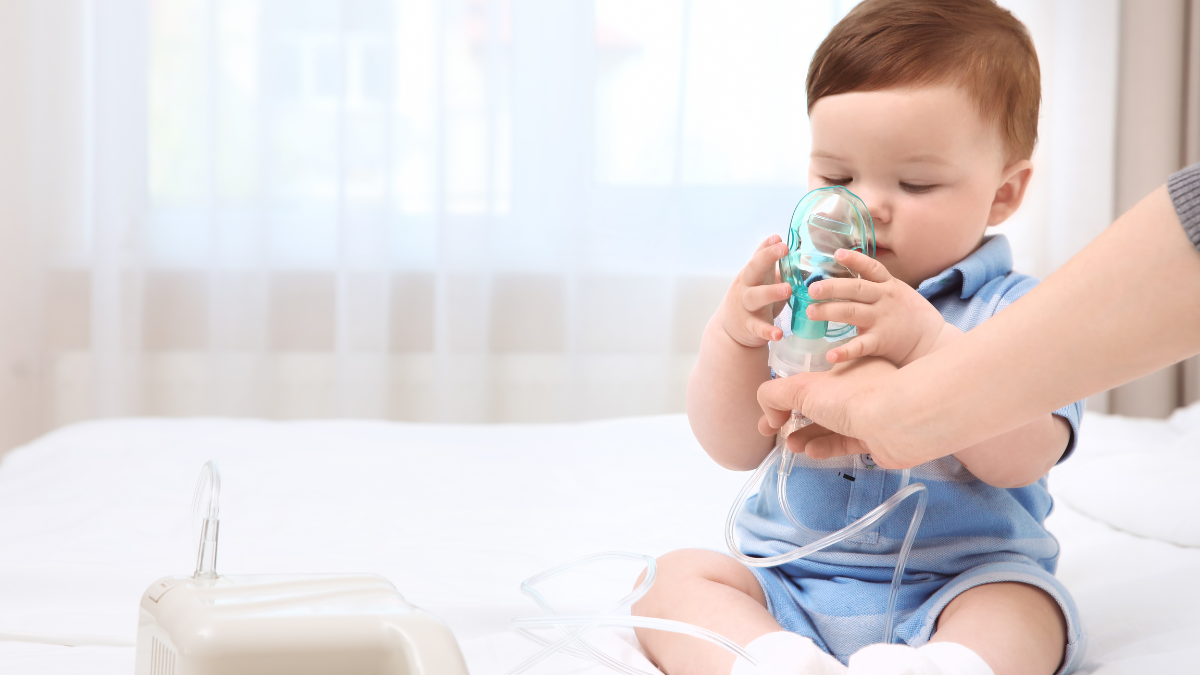
You notice your baby yawn halfway through a feeding, during playtime, or after waking at night, and your first thought may be, “Is something wrong?” In most cases, yawning in babies is a normal early sign of tiredness, especially during the newborn months when sleep needs change quickly and wake periods are short.
Frequent yawning can also appear when your baby is overstimulated, recovering from a busy stretch of activity, or struggling to settle because of a stuffy nose. Yawning itself usually doesn’t need to be healed or treated, but yawning alongside poor feeding, fever, unusual difficulty waking, blue lips, or fast and labored breathing needs prompt medical attention. If congestion is part of the problem, these newborn cold symptoms and care tips may help you keep your baby comfortable while you watch for changes.
Next, we’ll look at the common causes of baby yawning, safe ways to soothe a tired or congested baby, and the warning signs that mean it’s time to call your pediatrician. For a visual overview, watch this video about excessive yawning in babies.
Yawning in Babies: Causes and Ways to Soothe Them
Baby yawning usually means your little one is becoming sleepy, waking up, or moving between different states of alertness. Newborns shift quickly between quiet sleep, active sleep, drowsiness, and brief periods of calm attention, so an occasional yawn is expected.
Yawning alone is usually harmless. It isn’t a diagnosis, and it doesn’t automatically mean your baby is sick or isn’t getting enough oxygen. The more useful clue is what happens around the yawn.

Common reasons your baby may yawn
Sleepiness is the most common cause. Your newborn may yawn near the end of a short awake period, after feeding, or following a busy stretch of looking, listening, and moving. Some babies also yawn while waking, especially when they shift from sleep into alertness.
Look for other newborn sleep cues, including:
- Droopy eyelids, staring, or a glazed expression.
- Looking away from your face, lights, or toys.
- Stretching, finger-sucking, or losing interest in play.
- Reduced responses, fussiness, or jerky arm and leg movements.
When yawning appears with several of these signs, offer sleep rather than trying to keep your baby awake. You can find more examples in these baby sleep cues in the first 12 weeks.
Overstimulation can also bring on repeated yawns. Bright lights, loud sounds, visitors, or too much handling may leave your baby tired but unable to settle. A quieter room, slower movements, and fewer distractions often help.
When congestion or illness may be involved
A stuffy nose can make feeding and sleeping harder. Your baby may yawn, pause during a bottle or nursing session, or seem tired because breathing through the nose takes more effort. In that situation, you are soothing the congestion, not treating the yawn itself.
For mild nasal stuffiness, the American Academy of Pediatrics recommends keeping your baby flat on their back on a firm, level sleep surface. You can also use saline drops for infant congestion as directed, followed by gentle suction when needed. Avoid pillows, sleep positioners, inclined sleepers, and over-the-counter cold medicine unless your pediatrician recommends them.
A sleepy baby usually improves after rest. A baby with breathing trouble may remain tired, struggle to feed, or work hard with every breath.
Call your pediatrician if yawning comes with poor feeding, unusual difficulty waking, fever, marked limpness, or a clear change in behavior. Seek emergency help for blue lips or face, severe breathing effort, grunting, pauses in breathing, or an inability to cry normally. Online information cannot replace an evaluation by your baby’s pediatrician, especially when your instincts tell you something has changed.
The Most Common Reasons Babies Yawn During the Day and Night
A baby may yawn during a quiet afternoon, halfway through a feeding, or after waking at night. The meaning depends on your baby’s age, recent sleep, surroundings, and behavior. Yawning is more reassuring when your baby feeds well, breathes comfortably, wakes normally, and acts like themselves.
Sleepiness, overtiredness, and changing baby sleep patterns
Yawning is one of several early tired signs. You may also notice your baby rubbing their eyes, staring into space, turning away, moving more slowly, or losing interest in a toy or your face. Drooping eyelids, a glazed expression, and mild fussiness can appear next.
Newborns sleep in short, changing periods, so a yawn doesn’t always mean they are ready for a long nap. Your baby may yawn while shifting from active play to drowsiness, waking from a brief sleep, or moving between lighter and deeper sleep. Older babies can yawn after waking, during a quiet activity, or when their wake period has lasted too long.
Try offering sleep when the first cues appear, rather than waiting for crying. Crying is often a late tired sign, and an overtired baby may have a harder time settling. Missed naps, travel, visitors, a busy day, or an inconsistent routine can push your baby past their comfortable sleep window. These signs your baby is overtired can help you spot the change earlier.

Night waking remains normal during infancy, including around six months. The American Academy of Pediatrics explains that a 6-month-old may wake during the night and return to sleep after a few minutes. A yawn during that brief waking doesn’t automatically mean something is wrong.
Too much stimulation can bring on yawns
A full day can wear out a baby even when they haven’t had much physical activity. Loud noise, bright lights, frequent handling, visitors, and constant social interaction may leave your baby tired or overwhelmed. Older babies may also yawn after an exciting outing or a long stretch of active play.
Watch what happens around the yawn instead of assuming your baby is bored or emotionally upset. If your baby turns away, stiffens, becomes fussy, or stops engaging, move to a calm, dim room and slow the pace. Hold them gently, reduce talking, and offer a nap or quiet break.
Yawning alone doesn’t prove that your baby feels unhappy. It usually tells you to pause and check the bigger picture, including sleep timing, feeding, breathing, and your baby’s usual behavior.
Could yawning signal congestion, illness, or a breathing problem?
Yawning becomes more important to assess when it appears with other symptoms. The number of yawns matters less than the pattern around them. A baby who yawns several times but feeds well, wakes normally, and breathes comfortably may simply need sleep.
However, repeated yawning that is new or persistent deserves closer attention, especially in a newborn or young infant. Look at your baby’s face, breathing, feeding, alertness, and wet diapers rather than treating the yawn by itself.

Signs that point to a tired baby instead of an illness
A tired baby often gives several familiar sleep cues before crying. They may yawn, look away, grow quiet, close their fists, suck their fingers, stare into space, or lose interest in your voice and toys. Their eyelids may droop, and their movements may slow.
Offer a calm nap when these signs appear. Dim the lights, reduce noise, and hold your baby gently if they enjoy being held. When tiredness is the cause, your baby should become easier to settle and more alert after sleeping. These early warning signs of infant illness can help you compare normal tiredness with a concerning change.
Illness often affects more than sleepiness. Contact your pediatrician if your baby is difficult to wake, feeds poorly, vomits after repeated feeds, breathes faster than usual, coughs persistently, wheezes, or seems much less responsive. A noticeable change in behavior matters too. Your baby may stop making their usual sounds, lose interest in interaction, or seem weak and unusually sleepy.
A tired baby usually recovers with rest. A baby who remains hard to wake or struggles to feed needs medical advice.
How a blocked nose can affect feeding and sleep
Babies mainly breathe through their noses, so congestion can interrupt both feeding and sleep. While nursing or taking a bottle, your baby may suck for a few seconds, pause to breathe, pull away, and then try again. That extra effort can leave them frustrated, tired, or unable to finish a feed.
A blocked nose can also cause restless sleep. Your baby may wake often, breathe noisily, cough, or yawn repeatedly because they aren’t comfortable. The American Academy of Pediatrics recommends asking your baby’s doctor about safe congestion care, especially for very young babies. Its guidance on safe sleep with a stuffy nose emphasizes keeping infants flat on their backs on a firm, level surface.
Monitor how much your baby drinks and how often they wet diapers. Fewer wet diapers, repeated vomiting, a fever, worsening congestion, wheezing, or breathing that looks hard or fast can point to a problem beyond ordinary tiredness. Seek prompt medical advice for a fever of 100.4°F or higher in a baby younger than three months, or whenever your instincts tell you your baby is becoming less responsive.
Safe ways to soothe a yawning baby and support better sleep
Yawning usually needs a calm response, not a treatment. When your baby shows early tired cues, lower stimulation, offer comfort, and prepare for sleep without trying to stretch the nap or nighttime period.
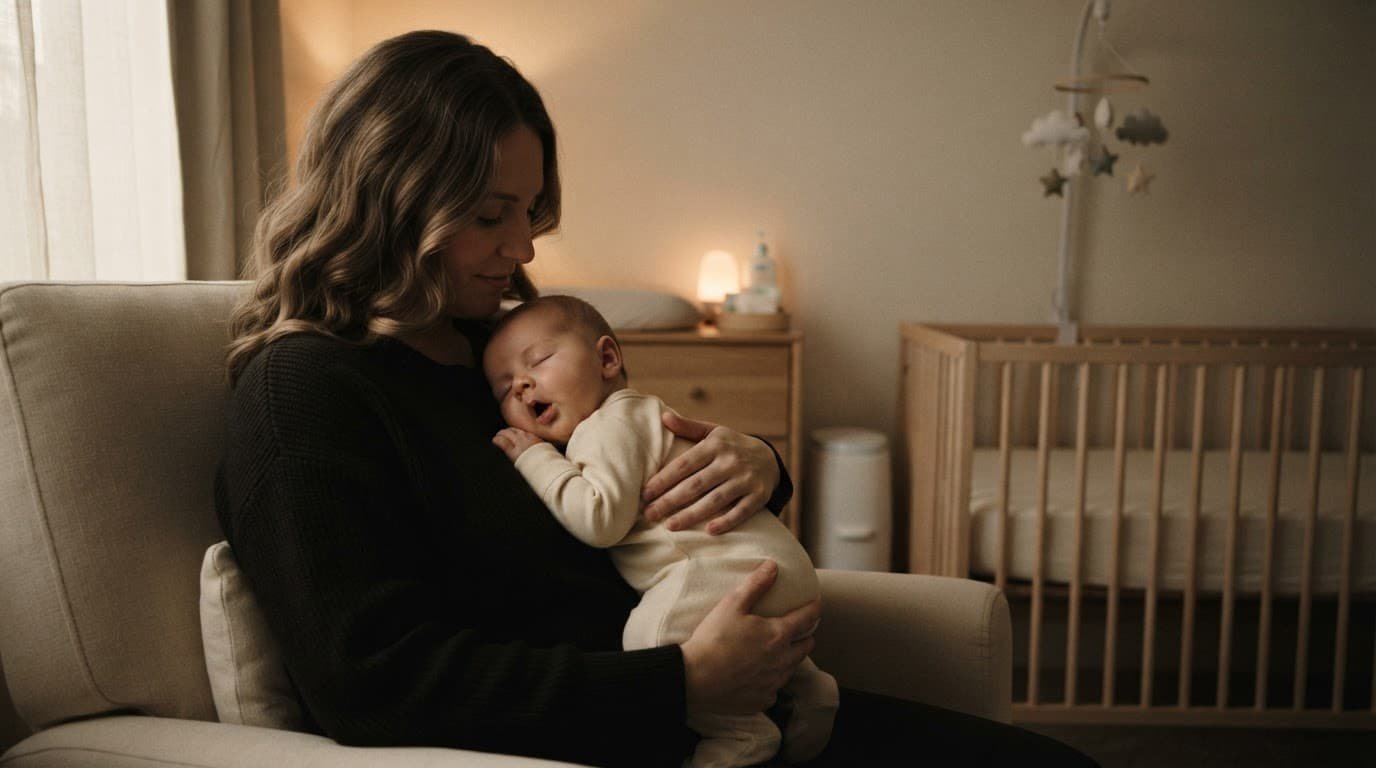
A calm response when yawning is simply a sleep cue
Start when you notice yawning, staring, droopy eyelids, or turning away. Dim the lights, silence background noise, and pause active play. Hold your baby calmly if they enjoy being held, using slow movements and a soft voice.
A short, familiar routine can help your baby recognize that sleep is coming. You might change a diaper, close the curtains, sing briefly, and offer a feed if it’s part of your usual routine. Then place your baby in their sleep space when they are drowsy but still awake, when possible.
Gentle consistency works better than trying to stop a yawn. Keeping a baby awake in hopes of creating a longer nap or nighttime stretch can lead to overtiredness, which often makes settling harder. If your baby seems comfortable and alert after waking, allow a quiet period instead of forcing sleep.
Congestion relief that stays within safe baby care
A blocked nose can make feeding and sleeping uncomfortable. When appropriate, plain saline drops followed by gentle nasal suction may help before a feed or sleep. Follow the product directions, use clean equipment, and ask your pediatrician how to do this safely, especially with a newborn. These saline nasal drops for babies are drug-free, but they don’t treat yawning itself.
A cool-mist humidifier may also ease dry, stuffy air. Keep it out of your baby’s reach, change the water as directed, and clean it regularly to limit buildup. Never put cotton swabs deep into the nose, use adult decongestants, or give honey to a baby younger than one year. Ask the pediatrician before using medicine, vapor products, essential oils, or other remedies.
Keep the mattress flat. Propping up the crib mattress or using pillows and inclined products can create a dangerous sleep position, even when congestion is present.
Safe sleep habits that matter more than stopping yawns
For every nap and nighttime sleep, place your baby on their back in a separate, approved sleep space. The crib, bassinet, or portable play yard should have a firm, flat mattress with only a fitted sheet. The CDC’s safe sleep guidance also advises keeping pillows, blankets, bumpers, and soft toys out of the sleep area.
Room-sharing without bed-sharing can make nighttime care easier while keeping your baby in their own space. Keep the room smoke-free, and move a sleeping baby from a car seat, swing, couch, or adult bed to a firm, flat sleep surface as soon as practical. Exhaustion is real, so focus on the next safe step rather than perfection.
When frequent yawning means your baby needs medical attention
Frequent yawning deserves medical attention when it appears with changes in breathing, feeding, hydration, or alertness. The yawn itself is rarely the emergency. The surrounding symptoms tell you whether your baby needs rest, a pediatrician’s advice, or immediate help.

Breathing red flags that should never be ignored
Watch your baby’s chest, nose, lips, and overall effort when they breathe. Call 911 or your local emergency number immediately if your baby has serious breathing trouble or a major color change. Don’t wait to count yawns, finish a nap, or see whether rest fixes the problem.
Seek emergency help for:
- Nostrils that flare open with each breath.
- Grunting, wheezing, or other harsh, noisy breathing.
- Skin pulling in between or beneath the ribs, or at the base of the neck.
- Breathing that stays much faster than usual, even after your baby settles.
- Long pauses, stopped breathing, or repeated episodes of apnea.
- Choking, gasping, or an inability to cry, nurse, or take a bottle because breathing feels difficult.
- Blue, purple, or gray lips, face, or skin.
- Severe sleepiness paired with breathing changes or an inability to wake normally.
These are signs of possible respiratory distress, not ordinary tiredness. Nationwide Children’s breathing distress guidance also lists nasal flaring, retractions, increased breathing rate, color changes, and unusual sleepiness among symptoms that need prompt attention.
Infants younger than four months may face a higher risk of breathing pauses during some respiratory illnesses. A very young baby can also show illness through decreased activity or trouble feeding before obvious congestion appears. Keep the threshold for calling low when your baby is small, premature, or has a heart or lung condition.
Poor feeding, dehydration, and unusual sleepiness
Illness may first show up during a feeding. Your baby might refuse several feeds, suck weakly, tire before finishing, vomit repeatedly, or keep stopping because breathing takes too much effort. Fewer wet diapers, a dry mouth, fewer tears, or a sunken soft spot can point to dehydration. Learn more about signs of dehydration in babies so you know what changes to track.
A sleepy baby who wakes for feeds, responds to your voice, and returns to their usual behavior after rest is different from a baby with reduced alertness. Extreme difficulty waking, unusual unresponsiveness, limpness, or a clear loss of normal interaction needs urgent evaluation.
Contact your pediatrician promptly about worsening fussiness, poor feeding, fewer wet diapers, persistent cough, ongoing wheezing, repeated vomiting, or behavior that feels unlike your baby’s normal pattern. For infants younger than three months, a temperature of 100.4°F (38°C) or higher needs urgent medical advice.
While you wait for guidance, write down the timing of yawning, feeds, wet diapers, temperature, breathing changes, and sleepiness. That clear record helps the pediatrician judge whether your baby needs an office visit, urgent care, or emergency treatment.
How to Track Yawning and Decide When to Call the Pediatrician
You don’t need to count every yawn. Instead, watch for a pattern across sleep, feeding, breathing, alertness, and diapers. A simple record can help you notice changes and give your pediatrician a clearer picture of what your baby is experiencing.

Questions to prepare for a medical visit
Before calling the pediatrician, write down when the yawning began and whether it appeared suddenly or gradually. Note whether it happens during feeds, after a short sleep, during play, or while your baby is trying to settle at night.
Also record:
- How often your baby wakes and whether they wake for feeds without help.
- Whether the yawning improves after rest or continues when your baby is awake.
- How much your baby eats compared with their usual amount.
- The number of wet diapers in the past 24 hours.
- Any fever, cough, congestion, vomiting, or unusual breathing.
- Whether breathing seems faster, noisier, or harder than usual.
- Changes in alertness, movement, crying, eye contact, or interest in feeding.
Share your baby’s age, birth history, and any medical conditions with the office. Prematurity, recent illness, heart or lung conditions, and a history of feeding problems can change how quickly a clinician wants to assess new symptoms. Tell them about current medications, supplements, allergies, and known contact with someone who is sick.
If you can do so safely, record a short video of unusual breathing, repeated movements, or a concerning episode. Keep your baby in a safe position, avoid waking or handling them just to capture footage, and never delay emergency care while trying to record. A video can help the clinician understand what you saw when the episode has stopped by the time of the visit.
Why the baby’s whole pattern matters
Yawning frequency alone doesn’t determine whether your baby is ill. A baby who yawns often but breathes normally, feeds well, wakes as expected, and returns to their usual behavior after sleep is generally less concerning.
In contrast, even a few yawns deserve attention when they appear with poor feeding, fewer wet diapers, unusual sleepiness, or breathing trouble. A baby who tires during feeds or becomes difficult to wake needs prompt medical advice. You can also review these signs of breathing trouble in babies before calling.
Call when the pattern continues despite rest, when your instincts say something has changed, or when your baby is very young or has a health condition. For infants younger than three months, a rectal temperature of 100.4°F (38°C) or higher requires immediate medical guidance. The American Academy of Pediatrics breathing symptom guide can help you recognize breathing changes that need urgent care.
Common Mistakes to Avoid When a Baby Yawns Often
Yawning can make caregivers feel as if they need to fix something right away. Usually, the better response is to pause and look at the full pattern: Is your baby tired, congested, feeding normally, breathing comfortably, and waking as usual?
Yawning alone cannot diagnose low oxygen, dehydration, or another medical condition. It is a sleep cue, not a home test. Well-meaning attempts to stop the yawning can sometimes create new risks or delay needed care.

Avoid treating the yawn instead of the cause
You don’t need to stop a normal yawn. If your baby looks sleepy, reduce noise and light, offer comfort, and allow a nap. Keeping a tired baby awake to prevent daytime sleep can lead to overtiredness, which may make settling harder and cause more fussiness.
When congestion is present, address the stuffy nose rather than the yawn. Ask your clinician about age-appropriate care, such as plain saline and gentle suction before a feed or sleep. You can also review these signs of congestion-related illness in infants so you know which changes deserve a call.
Avoid giving an infant over-the-counter cough or cold medicine unless a healthcare professional specifically tells you to use it. The FDA and CDC caution against these products for young children because serious side effects can occur. Smoke exposure can also worsen breathing and congestion, so keep your baby’s air free from tobacco and vaping smoke.
If your baby has blue or gray lips, severe breathing effort, repeated pauses in breathing, poor feeding, fewer wet diapers, or unusual difficulty waking, skip home remedies and seek medical care. A baby who looks or acts much less alert needs an evaluation, even if yawning seems like the obvious explanation.
Do not sacrifice safe sleep for a longer stretch
Infant sleep can feel like a revolving door of short naps and frequent wakings. Still, congestion or exhaustion doesn’t make an inclined sleeper, pillow, wedge, positioner, loose blanket, couch, or adult bed safe. These products and surfaces can allow a baby’s head to fall forward or create gaps that raise the risk of suffocation.
Place your baby on their back for every nap and nighttime sleep, on a firm, flat, noninclined surface with only a fitted sheet. Keep pillows, blankets, stuffed toys, and positioners outside the sleep space. The AAP’s safe sleep guidance explains why a clear crib is safer, even when your baby has a stuffy nose.
If you feel yourself nodding off while holding your baby, move them to their crib, bassinet, or approved play yard. Room-sharing can make care easier, but bed-sharing on a couch or adult mattress is not a safe substitute. A normal yawn can wait. Safe breathing and safe sleep come first.
Trust your baby’s usual pattern, but trust your instincts when your baby looks or acts different.
Conclusion
Most yawning in babies is linked to normal drowsiness, waking, or a shift in alertness. It usually doesn’t need to be healed. When your baby yawns, pause active play, lower the lights, offer comfort, and follow a calm sleep routine. Placing your baby on their back in a firm, flat sleep space remains important for every nap and nighttime sleep.
If congestion makes feeding or sleeping harder, ask your pediatrician about gentle care such as plain saline drops and careful suction. A yawn becomes more concerning when it appears with breathing difficulty, blue or gray lips or skin, pauses in breathing, poor feeding, fewer wet diapers, or unusual unresponsiveness. A baby who stays hard to wake or doesn’t return to their usual behavior after rest needs prompt medical advice. You can also review these warning signs of excessive sleepiness in babies when you aren’t sure whether your baby’s tiredness looks typical.
You know your baby’s usual sounds, movements, feeding habits, and alertness best. Contact your pediatrician whenever yawning feels new, persistent, or connected to a change that concerns you.

- Dry Cough in Kids: 5 Causes and Safe Solutions - September 23, 2026
- How to Help a Child Deal With Anxiety at Home - September 12, 2026
- How to Prepare Your Child for the First Day of School - September 12, 2026