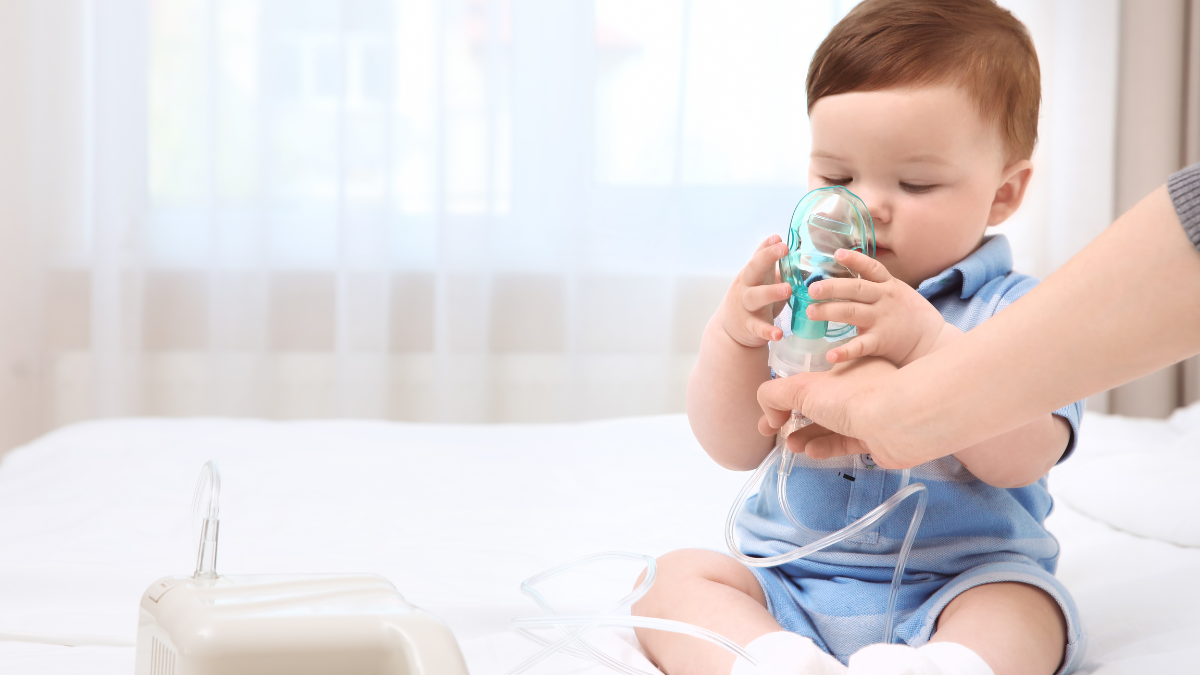


A baby can’t tell you when breathing feels hard, so you have to watch the clues in their body language and breathing pattern. When something is off, the signs can be subtle at first, but they can also turn serious fast.
Signs your baby might be struggling to breathe include fast breathing, nostril flaring, grunting, chest pulling in, head bobbing, wheezing, and a blue or gray color around the lips or skin. Some of these changes need urgent medical help, so it helps to know what normal looks like and what does not.
If you’re worried, trust what you see and act quickly. The next section breaks down each sign so you can spot trouble sooner and know when it’s time to call for help.
What normal breathing looks like in a baby
Normal baby breathing can look a little uneven, and that often worries new parents. The good news is that babies usually breathe faster than older children and adults, especially when they are crying, feeding, or sleeping lightly. Their breathing can also be noisy at times, yet still be normal.
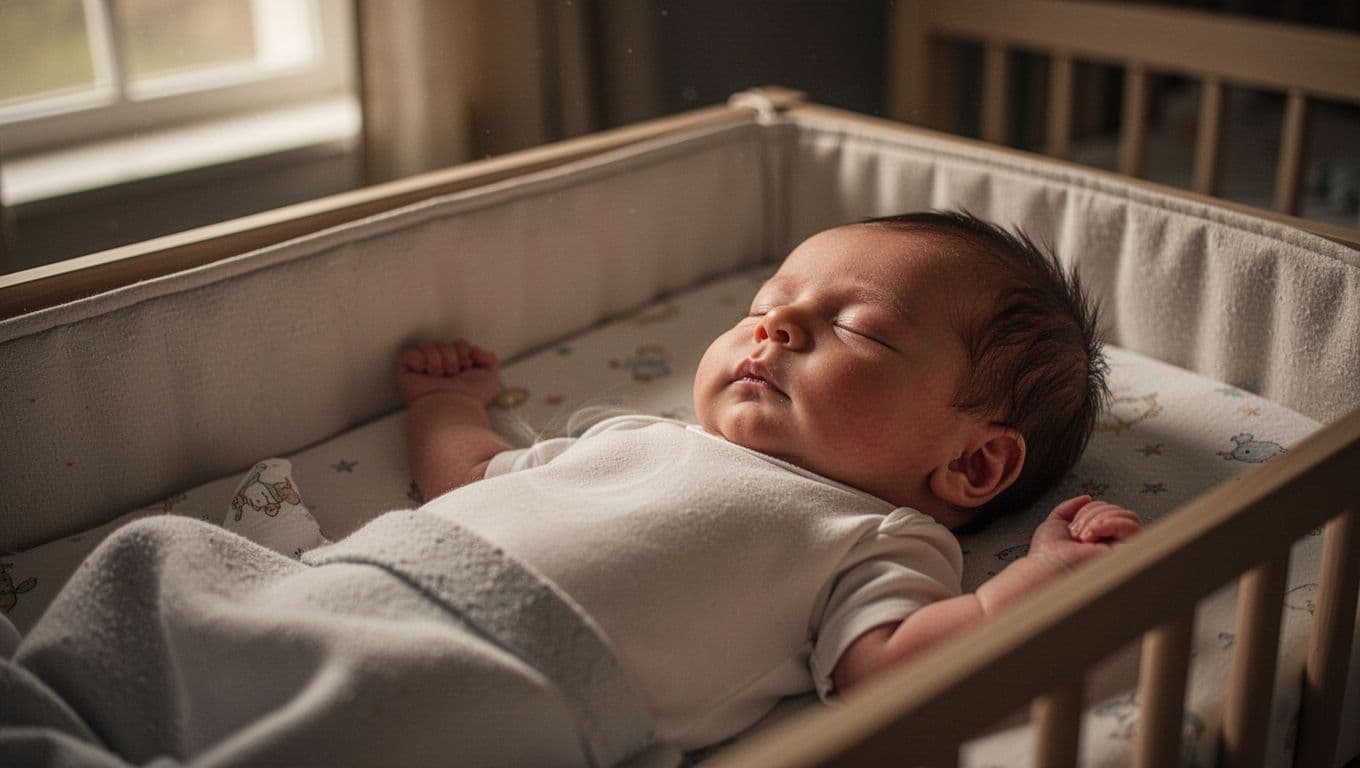
A calm baby should breathe without effort. The chest and belly should rise and fall smoothly, without pulling in around the ribs or neck. If you want a helpful benchmark, newborns often breathe around 40 to 60 times per minute when they are awake and calm, and breathing may slow a bit during sleep. For a quick reference on normal ranges, AAFP’s newborn exam guide lists a newborn respiratory rate of 40 to 60 breaths per minute.
How fast is normal for newborns and infants?
A simple baseline helps. Newborns often breathe about 40 to 60 times per minute, and older infants may slow down a little as they grow. When a baby is calm, that range gives you a useful starting point.
Still, rate alone is not the whole story. A baby who is breathing a little fast but also looks relaxed may be fine for the moment. A baby who is breathing fast and working hard may need help, even if the number is only slightly high.
Knowing your own baby’s usual pattern makes this easier. Some babies are naturally a little faster, some pause more often, and some breathe more loudly. When you watch them on normal days, changes stand out sooner.
Count breathing when your baby is calm, because crying can make the number jump for a short time.
Signs that look normal versus signs that do not
Brief pauses, especially during sleep, can be normal in young babies. Fast breathing during crying or after a feeding can also settle once the baby calms down. These patterns usually do not come with chest pulling, color change, or distress.
What does not look normal is breathing that seems hard. Watch for flaring nostrils, grunting, chest pulling in, head bobbing, or a baby who cannot settle their breathing after calming down. A baby may also look tired, feed poorly, or seem hard to wake.
In short, trust the full picture. The clock helps, but your eyes matter just as much.
The 7 signs your baby might be struggling to breathe
Breathing trouble in babies can start with small changes. A baby may look tired, sound different, or seem to work harder just to get air. Because babies cannot tell you what feels wrong, these signs matter.
Watch your baby when they are calm, not only when they are crying or feeding. Fast breathing alone can happen for a short time, but when it keeps going or shows up with other signs, it needs attention. The signs below can help you spot trouble early.
Breathing faster than usual
Fast breathing, also called tachypnea, means your baby is taking more breaths than normal. You may see quick, small breaths that seem hard to slow down, almost like your baby is trying to catch up. In newborns, breathing that stays above the usual range can be one of the earliest warning signs.
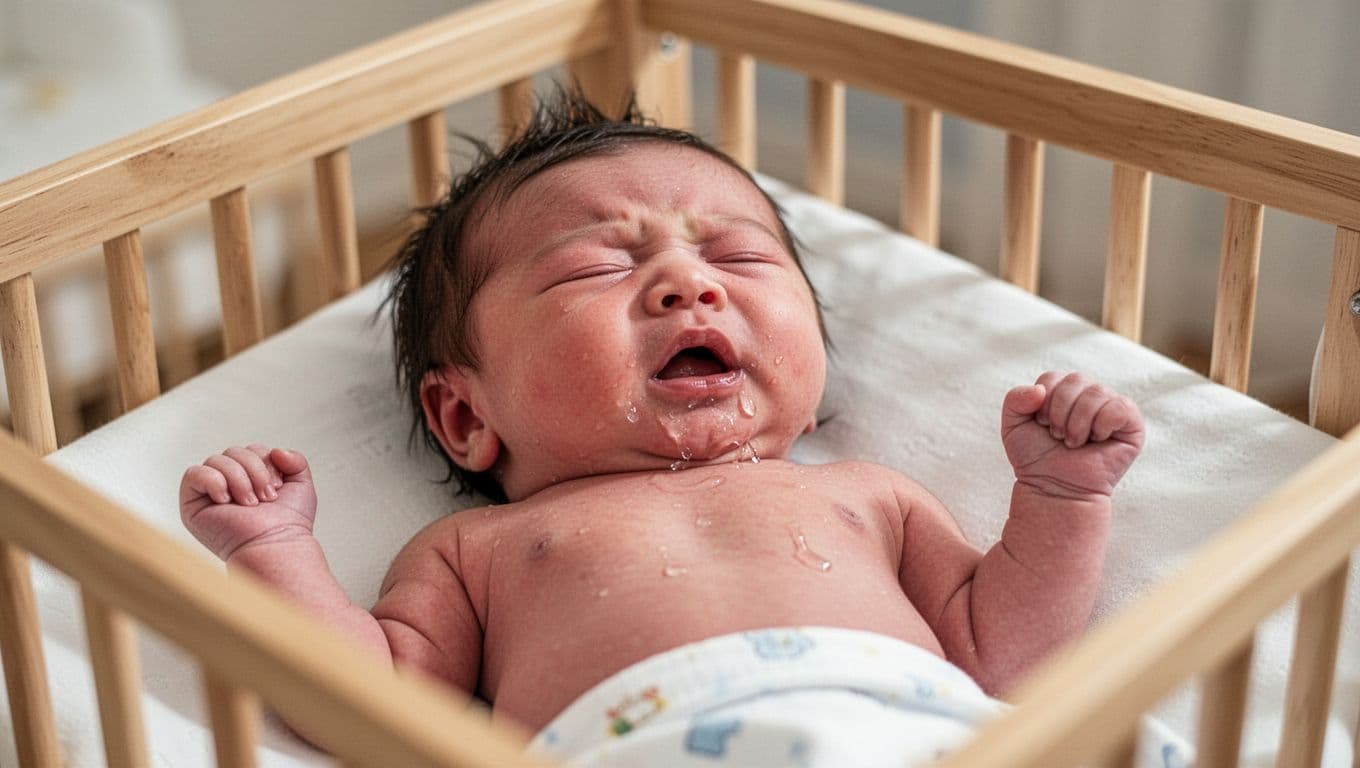
A baby may breathe fast for harmless reasons, such as crying, a fever, or a warm room. Still, breathing should settle when the baby calms down. If the fast pace keeps going, especially at rest, it can point to breathing distress or another health problem.
Fast breathing that does not ease up is a sign to watch closely, especially if your baby also looks uncomfortable.
If you want a deeper look at normal and abnormal breathing patterns, newborn breathing warning signs can help you compare what you see at home.
Nostrils flaring with each breath
Nostril flaring happens when your baby opens the nostrils wider with each breath in. It means they are trying harder to pull air into their lungs. At first, this can be subtle, especially in a tiny baby, so it helps to watch the nose during quiet breathing.
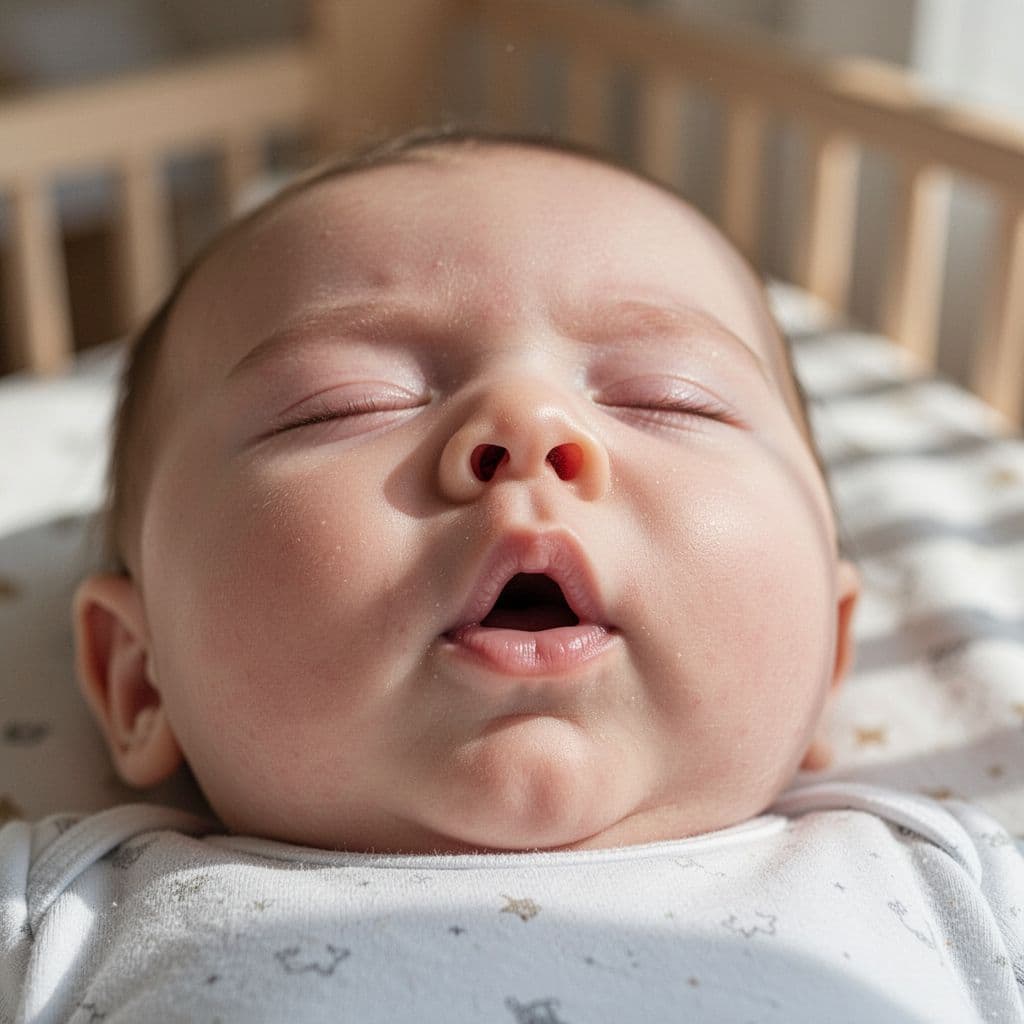
Think of it as extra effort. Your baby is not just breathing, they are working to breathe. That extra work can show up before more obvious signs appear, which is why nostril flaring should not be brushed off.
Watch the nose for a few breaths in a row. If the nostrils keep flaring, especially along with fast breathing or chest pulling in, your baby may be struggling more than they can handle on their own. The NHLBI’s newborn breathing symptoms list nostril flaring as a key warning sign.
Chest or ribs pulling in with breathing
Retractions are when the skin sinks in around the ribs, under the breastbone, or near the collarbones as your baby breathes. It can look like the chest is being tugged inward with each breath. This usually means your baby is using extra effort to move air.
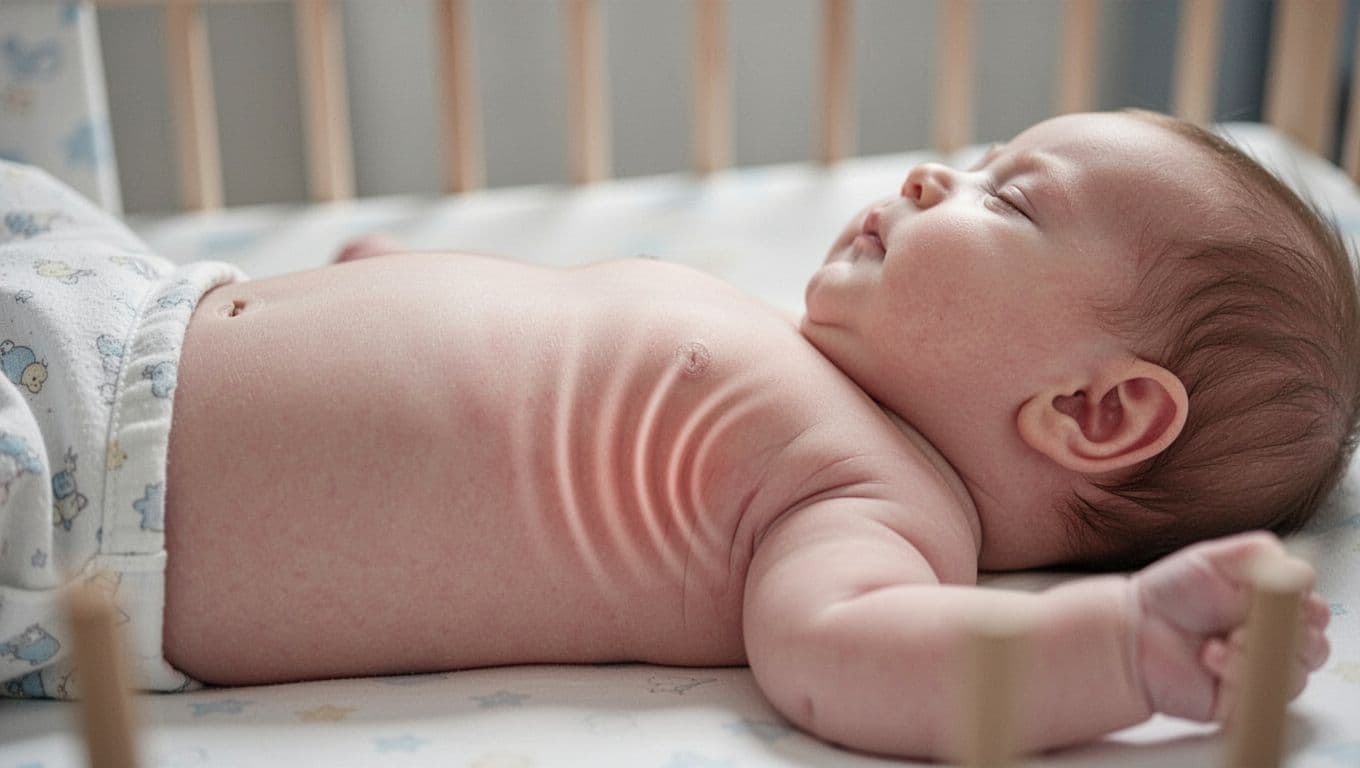
This sign is more serious than noisy breathing alone. Some babies make odd sounds when they are congested, but retractions mean the muscles are working hard just to breathe. That added strain can wear a baby out fast.
Look at the chest, not just the sound. If the skin is pulling in between the ribs or below the neck, your baby needs prompt medical attention. For a parent-friendly guide on what retractions look like, Stanford Children’s newborn warning signs gives a clear example.
Grunting, wheezing, or other strained sounds
A grunting sound on the exhale is one of the classic signs of breathing trouble. Babies sometimes make little noises, but a repeated grunt often means they are trying to keep air in their lungs longer to help them breathe. Wheezing or other unusual sounds can also point to narrowed airways or distress.
A grunt may sound low and short, almost like a tiny push of air. Wheezing can sound whistly or tight. Either way, the sound matters because it often means breathing is not easy or smooth.
Do not wait for the sound to get worse. If your baby is making strained noises while breathing, especially with fast breathing or retractions, get medical help. The NHLBI symptom guide includes grunting as a warning sign for a reason.
Blue, gray, or pale color around the lips or skin
Color changes can mean your baby is not getting enough oxygen, and that is urgent. Depending on skin tone, the change may show up as blue, gray, or unusually pale skin. You may see it on the lips, tongue, face, or fingernails.
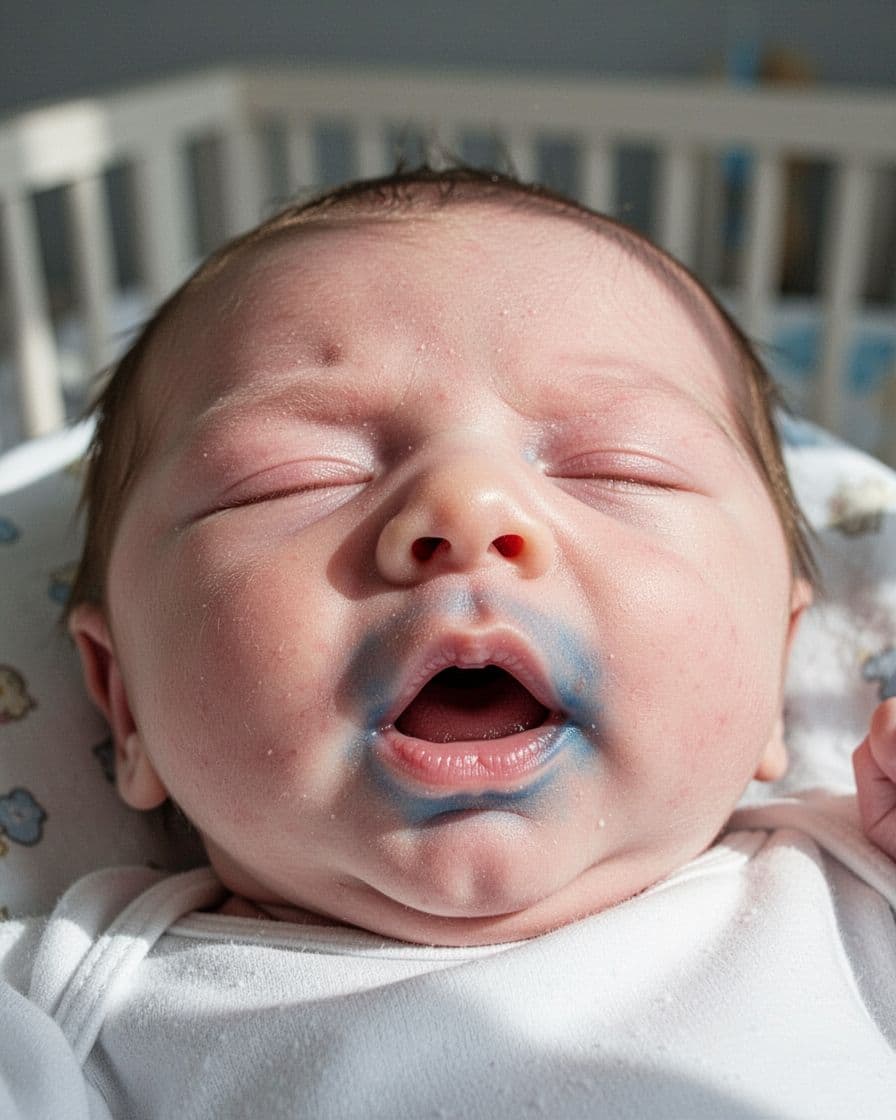
This sign needs quick action. A baby can look pale for a lot of reasons, but a new or ongoing color change during breathing trouble should never be ignored. The color may come and go at first, yet that does not make it safe.
If you notice this, treat it as urgent. Babies with low oxygen can get worse fast. The HealthyChildren breathing trouble symptom checker also lists color change as a key warning sign parents should act on.
Poor feeding, unusual sleepiness, or trouble staying awake
A baby who is struggling to breathe may tire out before finishing a feed. You might see weak sucking, short feeds, or a baby who keeps stopping because the effort feels too much. Some babies also get unusually sleepy or hard to wake.
Breathing takes energy. When a baby spends that energy just trying to get air, feeding becomes harder. That can leave them too tired to eat well, and a baby who cannot feed normally may not be getting enough air or energy.
This sign can be easy to miss because it may look like simple fussiness or sleepiness. However, when poor feeding shows up with fast breathing, flaring nostrils, or chest pulling in, it deserves attention. A baby who is too weak to eat needs medical evaluation.
Sweating, shaky breathing, or a baby who seems very tired and weak
Some breathing problems show up in the whole body, not just the chest. Your baby may feel clammy, sweat on the head, cry with less strength, or seem too tired to keep going. Breathing can look shaky or uneven as the body runs out of steam.
These signs often show that your baby is working hard behind the scenes. You may also notice fussiness that does not settle, or a weak cry that sounds different from usual. A fast heartbeat can happen too, but you usually cannot see that at home. Doctors often check it because it can go along with breathing distress.

When these whole-body clues show up together, your baby may be more stressed than they appear. In other words, the problem is not just a noisy breath or a brief bad moment. It may be affecting how the entire body is coping.
If you also want to understand what can make breathing worse, these baby safety habits include a few common risks that can affect airflow and sleep safety.
When to call the doctor and when to get emergency help
Some breathing changes need a same-day call to your pediatrician. Others need urgent help right now. The key is to act on what you see, not to wait and hope it clears on its own.
If your baby is awake but breathing seems off, do not brush it aside. Fast breathing, feeding trouble, and worsening congestion can still point to a bigger problem. A good rule is simple: if the pattern is not settling, call today.

Call your pediatrician right away if you notice mild but persistent symptoms
Call your baby’s doctor the same day if fast breathing keeps going after your baby calms down. Do the same if feeding gets harder, your baby tires out during feeds, or congestion seems to be getting worse instead of better. A baby can still be alert and breathing too hard.
These are the kinds of situations that should not wait until tomorrow:
- Breathing stays fast at rest, even after crying stops.
- Feeding slows down because your baby has to pause for air.
- Congestion makes it hard for your baby to nurse, bottle-feed, or sleep.
- Your baby seems more tired than usual but is still waking up.
- Breathing sounds more strained than earlier in the day.
If you need a quick parent-friendly reference, HealthyChildren’s trouble breathing guide lists warning signs that need prompt care. When in doubt, call. A short phone call can save you from waiting too long.
Get emergency help now for blue lips, severe retractions, or trouble waking
Some signs need immediate care. Call 911 or go to the nearest emergency room right away if your baby has blue, gray, or very pale lips or skin, severe chest pulling in, or trouble waking up. These are not symptoms to watch overnight.
Get help now if breathing looks like a struggle with every breath, your baby cannot cry normally, or breathing gets very noisy and tight. If your baby stops breathing, seems limp, or is hard to rouse, treat it as an emergency. The HealthyChildren emergency breathing symptoms also points parents to emergency care for severe distress.
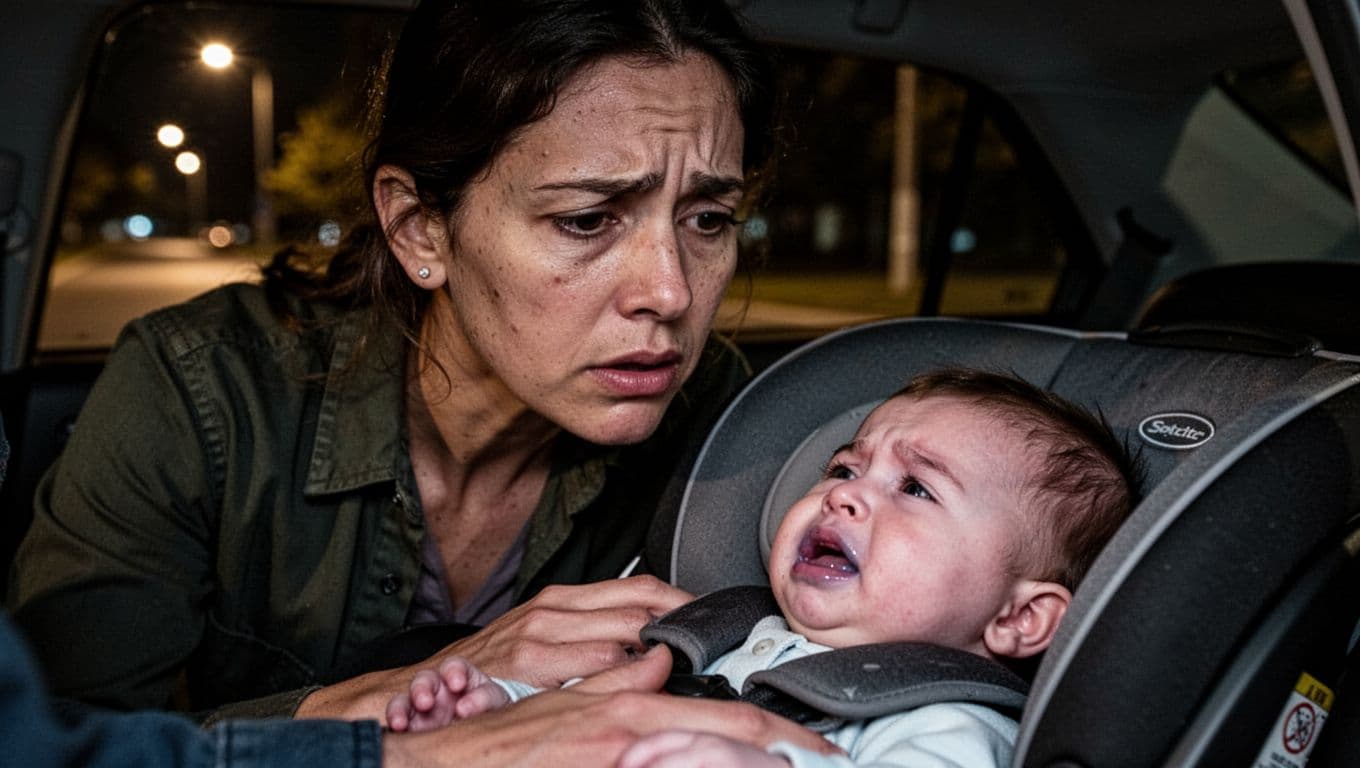
If your gut says something is very wrong, trust it and seek help right away.
With baby breathing problems, timing matters. Mild symptoms deserve a same-day call, but blue color, major retractions, or trouble waking need urgent care now.
What to do while you are waiting for medical help
While help is on the way, focus on simple steps that keep your baby safe and make breathing easier. Stay calm, because your baby will often settle better when you stay steady and move with purpose. If the baby looks worse at any point, follow emergency instructions right away.

A calm hold can help more than panic ever will. If your baby seems more comfortable upright, keep them against your chest or in your arms with the head and neck supported. You can also loosen tight clothing around the neck or chest so nothing presses on the airway. Gentle contact, like the kind used in skin-to-skin bonding for newborns, may help your baby feel safer while you wait.
Keep your baby upright and remove anything that blocks airflow
Hold your baby upright if that position seems to help them breathe. Support the head and neck, keep the chin from dropping forward, and make sure the nose and mouth stay clear. If clothing feels tight around the neck, loosen it right away.
Keep the area around your baby simple and open. Move blankets, pillows, toys, or anything else that could cover the face. If your baby is in a car seat or carrier, check that the head is not bent forward and the face stays visible.
Use only gentle comfort steps. Do not shake your baby, and do not try home remedies that could make breathing harder.
Do not force feeding if breathing looks hard
Skip feeding if your baby is working to breathe. Sucking and swallowing can take too much energy, and a baby who is short of breath may choke or wear out fast.
If your baby wants to feed but keeps stopping, gasping, or looking distressed, stop and focus on breathing first. Feeding can wait until a doctor says it is safe again. If emergency services give you instructions, follow them exactly and keep watching your baby’s breathing, color, and alertness.
Conclusion
A baby who is breathing fast, flaring the nostrils, pulling in at the ribs, grunting, or changing color needs close attention. Poor feeding and unusual tiredness matter too, because babies often show breathing trouble through behavior before they can show it in words.
The main takeaway is simple: you know your baby best. If something looks off, it is better to check early than wait and hope it passes. Quick action can make a real difference when breathing is involved.
Stay calm, watch for changes, and trust what you see. If your baby seems to be working too hard to breathe, get help right away.
Save pin for later

- 20 Tough Boy Names and Their Meanings - September 20, 2026
- 10 Reasons Babies Cry While Pooping and When to Worry - September 20, 2026
- 10 Signs Your Baby Can’t Breathe Properly - September 20, 2026