
Every baby cry can sound the same at first, especially when you’re tired and trying to guess what your little one needs. The good news is that many baby cries do follow patterns, and once you notice the sound, timing, and body cues, they get easier to read.
This guide breaks down 10 common cry types, what they often sound like, what they may mean, and the first thing to try. If your baby’s crying is unusual, nonstop, or high-pitched, check with your pediatrician, because crying can be normal, but some cries need a closer look.
For extra help understanding those patterns, this video is a helpful place to start: Every Type of Baby Cry Explained.
Why baby cries can sound similar but mean different things
A baby’s cry can feel impossible to decode at first. That makes sense, because babies cry to communicate needs, not to manipulate. The sound may seem the same at a glance, but the details tell more than the noise alone.
The real clues come from sound, timing, body language, and context working together. A cry that sounds familiar one moment can mean something different the next, which is why no single cry always points to one issue.
What to listen for in the sound itself
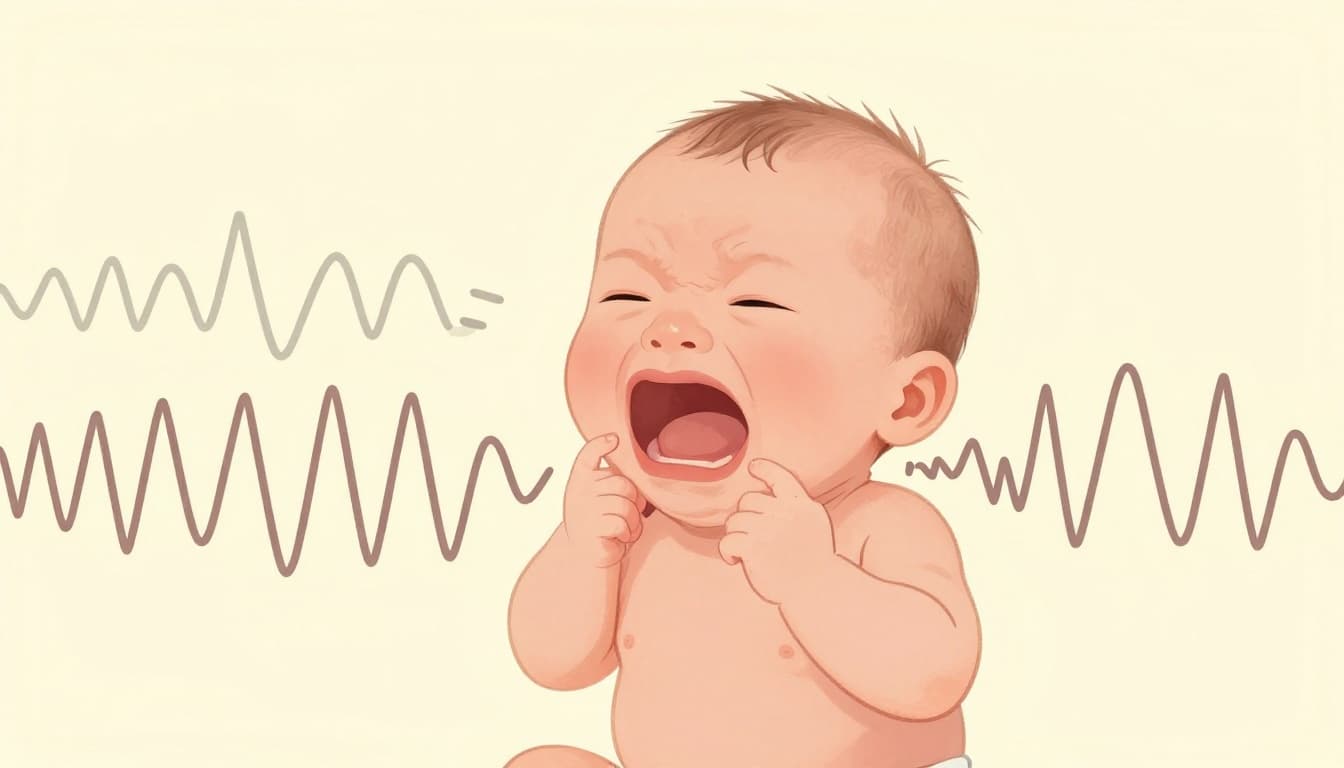
Start with the basics: rhythm, pitch, intensity, and how the cry begins. Some cries come in a steady pattern, while others break apart or rise fast. That difference matters.
A hungry cry often sounds rhythmic and repeated, almost like a steady call that keeps coming back. Pain cries can sound sharp, sudden, and intense, with a louder edge that cuts through the room. Tired cries often sound whiny, broken, or uneven, as if your baby is fading in and out of protest.
Pay attention to whether the cry starts soft and builds, or bursts out at full volume right away. A gradual build often points to discomfort or hunger. A fast, forceful cry can point to pain, frustration, or overstimulation.
The same baby can sound different from one day to the next, so listen for the pattern, not just the volume.
If you want a broader look at how cry patterns fit common baby needs, the American Academy of Pediatrics’ guidance on baby cries is a helpful reference.
Why context matters just as much as the cry
Sound alone rarely tells the full story. What happened right before the crying started can change the meaning completely. A diaper check, feeding time, nap window, room temperature, or a loud stretch of play all shape the reason behind the tears.
For example, a cry after a long nap gap may point to hunger or tiredness. The same sound after a wet diaper often means discomfort. If your baby just had a busy, noisy stretch with lots of holding, lights, or visitors, the crying may come from being overstimulated rather than needing food.
That is why it helps to ask a few simple questions in your head:
- When was the last feeding?
- Does the diaper need changing?
- Was nap time missed?
- Is the room too warm or too cold?
- Was there a lot of noise, touch, or activity just before the crying began?
Once you pair the cry with the moment around it, the message gets clearer. If diaper discomfort is a common trigger in your home, quick diaper change tips can help you rule that out faster.
As your baby gets older, these patterns usually become easier to spot. Practice helps, and so does paying attention to repeated clues. A cry may still sound confusing, but over time, it starts to feel less like static and more like a signal you can read.
The 10 most common baby cries and what they usually mean
Once you know what to listen for, baby cries start to make more sense. The sound, face, and body clues often point to a basic need, and the first fix is usually simple.
Use this section as a quick guide when your baby starts crying and you need a fast read on what to try next. If the crying looks unusual, feels nonstop, or comes with fever, vomiting, breathing trouble, or a weak cry, call your pediatrician.
The hungry cry

A hungry cry often starts as a rhythmic, repetitive fuss. It can sound like sucking, a small whimper, or a steady cry that builds fast if feeding is delayed.
Look for rooting, turning the head toward touch, sucking on fists, lip smacking, or an open mouth. The first step is simple, offer a feeding early, before your baby gets upset enough to cry hard.
The sleepy or overtired cry
An overtired cry often sounds whiny, low, or a little hoarse. It usually shows up when your baby has missed the sleep window and can no longer settle easily.
You may also see eye rubbing, yawning, staring off, or fussing that gets worse with more stimulation. Lower the noise, dim the lights, and start the sleep routine sooner, because an overtired baby often needs help winding down.
If sleep is a frequent struggle, baby sleep routines for newborns can help you build a calmer pattern.
The gas or burp cry

A gas cry often sounds short, jerky, or uncomfortable. Babies may squirm, pull their legs up, or stiffen when trapped air is the problem.
This cry often shows up after a feeding, especially if your baby needs a burp. Try holding your baby upright, burping gently, doing bicycle legs, or giving a soft tummy massage.
For more help with soothing routines, newborn massage benefits can be a useful next step.
The pain cry
A pain cry sounds sudden, sharp, and intense. It usually sounds different from normal fussing, almost like a cry that cuts through everything else.
You may notice a grimace, body stiffening, arching, or a strained face. Check for anything obvious, such as a bump, hair wrapped around a finger or toe, or signs of fever. If the cry is severe, keeps going, or comes with other warning signs, get medical help.
A sudden cry that feels very different from your baby’s usual pattern deserves attention, especially if your baby seems unwell.
For general baby cry guidance, HealthyChildren’s crying and colic advice is a solid resource.
The discomfort cry
Sometimes a baby cries because something just feels off. A wet diaper, tight clothing, being too hot or too cold, or even a hair wrapped around a finger can all set it off.
This cry often sounds tense, nasal, or fussy rather than desperate. Start with the basics, change the diaper, loosen clothes, and check your baby’s temperature. Small fixes often settle this kind of cry fast.
The bored or lonely cry
A bored or lonely cry is usually softer at first. It may grow when your baby wants attention, interaction, or a different activity.
Your baby may look around, reach out, or make small fussing sounds. Pick them up, talk to them, sing, or offer safe play, but keep the moment calm so it doesn’t turn into overstimulation.
The overstimulated cry
A baby can cry hard after too much noise, bright light, activity, or too many new faces. This cry often sounds frantic, whiny, or hard to settle.
You may see flailing arms, looking away, or a baby who seems overwhelmed. Move to a quiet space, slow things down, and reduce the input around them. Many babies calm faster when the room feels simpler.
The frustrated or angry cry
This cry can sound loud, abrupt, and demanding. It often shows up when a baby can’t reach something, feels stuck, or wants help right now.
Babies may kick, arch, or push away when frustration builds. Reposition your baby, help with the problem, and use a steady voice. Calm, simple help works better than trying to talk them out of it.
The teething cry

A teething cry often sounds sore and whiny. It may come with drooling, gum chewing, or swollen gums when teeth are getting ready to break through.
Teething often starts around the usual teething age range, which is different for every baby. Try a chilled teething toy, gentle gum rubbing, or another safe comfort method. Before using any pain relief, check with your doctor first. For more ideas, soothe teething baby can help you compare options.
The colic or illness cry
A colic or illness cry can be long, intense, and hard to soothe. Some babies cry with a red face, clenched fists, or a tight belly, which can make the sound feel more urgent.
Colic is a cry pattern, while illness can also cause intense crying. If your baby has a fever, nonstop crying, breathing trouble, vomiting, a weak cry, or other concerning signs, call your pediatrician right away. The Mayo Clinic colic guide explains the pattern well, but medical symptoms always need closer attention.
If your baby cries often and you can’t spot the reason right away, start with the basics in this order:
- Check for hunger.
- Check the diaper and clothing.
- Look for sleep cues.
- Check temperature and comfort.
- Watch for pain or illness signs.
That simple reset often gets you to the right answer faster. Even when the cry sounds confusing, the body clues usually point you in the right direction.
How to tell the difference between a normal cry and a cry that needs help
Some crying is part of normal baby behavior, especially when your baby is hungry, tired, gassy, or overstimulated. The concern starts when the cry feels different from your baby’s usual pattern, or when it comes with signs that point to illness, pain, or dehydration.
A normal cry often settles after a basic need is met. A cry that needs help usually keeps going, sounds unusual, or shows up with other symptoms that don’t fit a simple fix.

Warning signs parents should never ignore
Some symptoms need fast attention, even if your baby has been crying only a short time. Fever, feeding trouble, and changes in alertness can point to a medical issue, especially in young infants.
Call your pediatrician right away if your baby has any of these signs:
- Fever in a young infant, especially 100.4 F (38 C) or higher in a baby under 3 months.
- Trouble feeding, weak sucking, or refusing several feeds in a row.
- Vomiting, especially repeated vomiting or green vomit.
- A rash, especially if it spreads fast or comes with fever.
- Fewer wet diapers, dry mouth, or no tears when crying.
- Limpness, low energy, or trouble waking up.
- Breathing changes, such as fast breathing, grunting, or pauses.
- A cry that suddenly sounds high-pitched, weak, or very different.
If the crying seems paired with fever or dehydration signs, don’t wait to see if it passes. The HealthyChildren symptom guide for crying babies lists several situations that need a doctor call, including nonstop crying, poor feeding, and vomiting.
When a baby’s cry sounds unlike their normal cry, pay attention to that change first. Parents usually notice the difference before anyone else does.
A simple home check helps you sort out the obvious causes. Check the diaper, temperature, feeding schedule, and body position, but move to medical advice quickly if the baby seems unwell. For a broader look at sickness signs, Mayo Clinic’s sick baby guide gives clear signs for when to call.
When to trust your instincts and call the doctor
If something feels off, call. You don’t need to wait for a dramatic symptom before asking for help, because you know your baby’s usual cry, behavior, and energy level better than anyone else.
That matters most when the crying is mixed with a small change that still worries you. Maybe your baby is eating less, sleeping more than usual, or just does not seem like themselves. Early advice can stop a small problem from becoming a bigger one.
Trust your instincts especially when the crying:
- keeps going and won’t settle
- sounds weak, hoarse, or unusually high-pitched
- comes with trouble breathing or feeding
- happens with fewer wet diapers or dry lips
- is paired with unusual sleepiness or hard-to-wake behavior
If your baby’s cry is new, severe, or hard to explain, call the doctor the same day. For parents who want a calm next step after a tough night, help your baby sleep better at night can also help you rule out overtired crying and build a better routine.
A good rule is simple, if your baby looks sick, acts weak, or cries in a way that doesn’t match their normal pattern, get advice early. That kind of quick action gives you answers faster and helps you protect your baby’s health.
A simple step-by-step way to calm a crying baby
When your baby is crying hard, the fastest way forward is a simple routine. Start with the most likely cause, then move to soothing if the basics don’t fix it. That keeps you from guessing at random and helps you stay steady when the crying ramps up.
A calm plan also helps your baby calm faster. Babies pick up on your pace, so a clear order matters.
Start with the basics: feed, change, burp, and check comfort
Begin with the easiest needs first. Hunger, a wet diaper, trapped gas, temperature, and scratchy clothing cause a lot of crying in the first months.
Use this order:
- Offer food first if your baby is due for a feeding or showing hunger cues.
- Check the diaper and change it if it’s wet or dirty.
- Burp your baby after feeds, or try gentle leg movement if gas seems likely.
- Check temperature by feeling the neck or chest, then adjust layers if your baby seems too hot or too cold.
- Look at clothing and position. Tight waistbands, twisted fabric, tags, or hair wrapped around a finger can all upset a baby.
If your baby settles after one of these checks, you don’t need to keep piling on more fixes. Simple is often enough.
If diaper discomfort is part of the problem, quick diaper change tips can help you move faster through this first step.
Use calming tools that match your baby’s age and mood
If the basics don’t work, switch to soothing. Keep it gentle and try one method at a time so you can tell what helps.
A few common options are:
- Rocking or bouncing softly in your arms.
- Swaddling, if your baby is young and not rolling yet.
- White noise or a soft shushing sound.
- Skin-to-skin contact, which can help your baby feel secure.
- Dim lights and less noise, especially if your baby seems overstimulated.
What works for one baby may do nothing for another. Try one approach for a few minutes before switching, and keep the room calm while you test it. For more on touch-based soothing, skin-to-skin contact to calm newborns can be a good place to start.

Watch for patterns so you can learn your baby’s unique cues
The more you notice timing and triggers, the easier crying gets to read. Some babies cry before every nap. Others fuss after feeds, after visitors, or in the evening when they are worn out.
A simple note on your phone can help. Write down when the crying started, what happened before it, and what finally worked. Over time, those small details can reveal a pattern that isn’t obvious in the moment.
This is especially helpful in the first few months, when your baby’s needs change quickly. If the same trigger keeps showing up, you’ll spot it sooner and respond with more confidence.
Conclusion
Learning the different types of baby’s cries takes time, and that is normal. The best clues come from sound, body language, and context together, not from the cry alone.
Once you start spotting patterns, the guesswork gets easier. Most parents get better at this faster than they expect, because babies repeat the same cues over and over.
If a cry sounds unusual, or your baby seems unwell, call your pediatrician. Trusting that instinct is part of caring for your baby well.
Save pin for later


- How to Stop Using a Pacifier: Benefits and Weaning Tips - September 20, 2026
- 20 Mountain Baby Names for Boys and Girls With Meaning - September 20, 2026
- 20 Tough Boy Names and Their Meanings - September 20, 2026