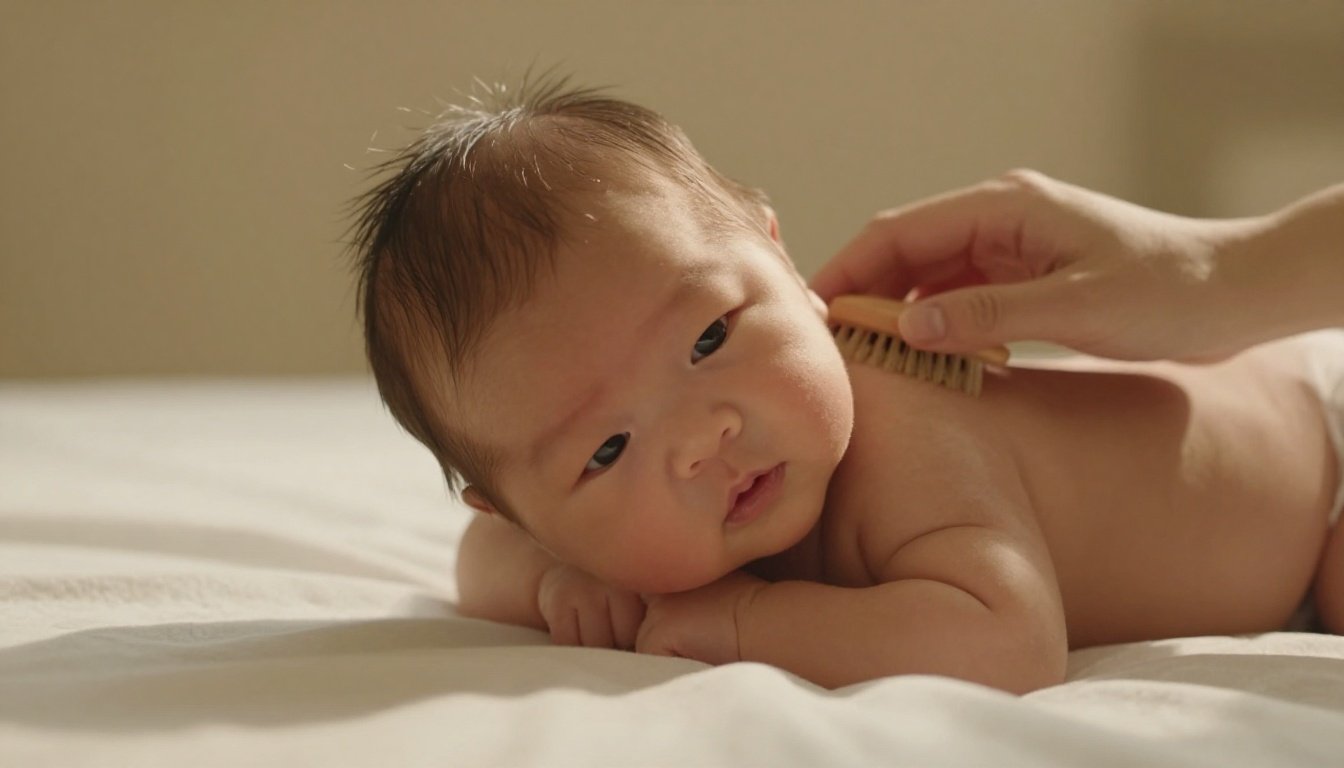
You may find yourself studying your baby’s thin or patchy hair, wondering why it seems to grow so slowly. Newborn hair often sheds naturally because of normal hormone changes, with the biggest changes commonly happening during the first 3 to 6 months. Understanding your newborn’s hair can make this stage feel less worrying.
No safe method can force faster growth, but gentle scalp care, careful washing, soft brushing, avoiding tight hairstyles, reducing friction, and other baby-safe habits can protect the scalp as new hair returns. We’ll walk through 10 practical ways to support healthy growth, plus the signs that deserve a pediatrician’s advice; this general information isn’t a substitute for your child’s medical care. For a helpful visual explanation, watch this pediatrician’s video about baby bald spots.
Can You Really Make Baby Hair Grow Faster?
Baby hair usually follows its own schedule, and no safe hack can speed up the growth cycle. You can protect your baby’s scalp and reduce breakage, but hair growth depends mostly on genetics, hormones, and the natural timing of each follicle.

Why newborn hair sheds
Many babies are born with a soft layer of hair called lanugo, along with finer scalp hair that grew during pregnancy. After birth, hormone levels change, and many hair follicles shift into a resting phase at the same time. The resting phase is called telogen, while the temporary shedding process is known as telogen effluvium.
Shedding often begins around 2 to 3 months, although the timing varies. You may notice loose strands on a blanket, more scalp showing near the temples, or an overall thinner appearance. The follicles remain healthy beneath the skin, so new hair can grow later. The American Academy of Pediatrics hair loss guidance also describes infant hair loss as a process that often improves with time.
The new hair may look different from the hair your baby had at birth. It could grow in lighter, darker, curlier, straighter, finer, or thicker. Many babies begin showing noticeable regrowth between 6 and 12 months, but some take longer. Hair color and texture can continue changing during the toddler years.
Why the back of the head may look thinner
A separate type of temporary thinning can appear on the back of a baby’s head. Babies spend many hours lying on their backs, so repeated rubbing against a mattress, crib surface, stroller, or infant seat can loosen fragile hairs in the occipital area.
This friction-related loss is often called occipital neonatal alopecia or friction alopecia. It usually affects the hair shaft rather than damaging the follicle. A published study on neonatal occipital hair loss found that this pattern commonly begins during early infancy and later fills in as babies spend more time sitting and moving.
Sparse baby hair usually says little about a baby’s overall health. Hair thickness is not a reliable measure of nutrition, development, or wellbeing.
Shaving your baby’s head won’t create more follicles, and brushing more often cannot make follicles grow faster. Special oils, supplements, and hair-growth products also can’t change the number of follicles your baby has. Some products may irritate delicate skin, so keep your routine simple and follow these safe baby hair growth tips.
Normal shedding is usually gradual and leaves healthy-looking skin. Contact your pediatrician if hair loss becomes sudden or sharply patchy, or if the scalp develops redness, swelling, scaling, sores, or persistent itching. Those changes can point to a scalp condition that needs a closer look.
10 Gentle Hacks to Help Your Baby’s Hair Grow Faster Safely
These habits won’t speed up your baby’s natural hair-growth cycle. They can protect delicate follicles, reduce breakage, and keep the scalp comfortable while new hair appears.
Wash gently and keep the scalp comfortable
Hack 1: Wash with a mild, fragrance-free baby shampoo. Use lukewarm water and a small amount of shampoo, usually once or twice a week or when the scalp is visibly dirty. Babies with cradle cap may need more frequent washing, sometimes every other day, under pediatric guidance. Avoid daily washing unless your baby’s doctor recommends it, since too much cleansing can dry the scalp.
For a simple routine, wet the scalp, smooth shampoo over it, and rinse until no product remains. You can find more safe baby bath and hair-washing tips before starting.

Hack 2: Clean with your fingertips, not your fingernails. Use clean fingertips or a soft washcloth to make small, gentle motions. Never scrub, scratch, or pick at the scalp. A light massage may feel soothing and help spread natural oils, but there’s no evidence that massage makes baby hair grow faster. Rinse thoroughly, then pat the head dry with a soft towel instead of rubbing.
Handle cradle cap without damaging new hair
Hack 3: Soften stubborn flakes before washing. Apply a small amount of plain mineral oil, petroleum jelly, or another emollient approved by your pediatrician. Leave it on for a short period before bath time, then shampoo it away. Avoid food oils such as olive or peanut oil unless your child’s clinician specifically advises otherwise. You can also learn more about how to identify cradle cap.
Hack 4: Lift only flakes that loosen easily. After softening the scales, use a soft baby brush with almost no pressure. If a flake resists, leave it alone. Pulling it away can remove attached hair, create tiny skin injuries, and raise the risk of infection. Don’t leave oil or petroleum jelly sitting on the scalp, because heavy buildup may clog follicles or encourage irritation and infection.
Skip essential oils, adult dandruff shampoo, medicated products, and harsh home remedies unless a medical professional recommends them for your baby.
Prevent rubbing, pulling, and everyday hair breakage
Hack 5: Add supervised tummy time while your baby is awake. Tummy time reduces constant pressure on the back of the head and helps build neck strength. The American Academy of Pediatrics recommends starting soon after hospital discharge and gradually working toward 15 to 30 total minutes daily by about 7 weeks.
Tummy time is never a sleep position. Place your baby on their back for every nap and nighttime sleep, on a firm, clear surface. Stay beside your baby during tummy time, and stop if they become tired or distressed.
Hack 6: Leave fragile hair loose. Tight bows, rubber bands, headbands, cornrows, and braids can pull on the scalp and cause traction-related thinning. Friction can also make hair look sparser, especially around the back of the head.
Choose soft, properly fitted clothing and avoid accessories that leave marks or make the scalp red. If a style causes soreness, bumps, or visible pulling, remove it immediately.
Support growth with feeding, sleep, and safe routines
Hack 7: Stick with your baby’s normal feeding plan. Breast milk or iron-fortified formula supplies the energy and nutrients babies need for growth and development. Hair thickness isn’t a reliable measure of nutrition. Don’t start biotin, collagen, vitamins, or herbal remedies for hair growth without your pediatrician’s advice.
Hack 8: Keep the scalp cool, dry, and clean. Heavy oils, thick creams, hats, and product layers can trap heat and moisture. Use a hat only when needed for weather protection, and remove it indoors when your baby is comfortable. Sleep won’t directly speed hair growth, but a calm, healthy routine supports your baby’s whole body.
Choose baby-safe products and track changes calmly
Hack 9: Read every product label. Choose simple, fragrance-free products made for babies, especially when your child has sensitive skin. Don’t apply a new product to irritated skin. If redness, swelling, bumps, or a rash appears, stop using it and contact your pediatrician if the reaction continues.
Hack 10: Track changes without checking every day. Hair growth is slow, so daily inspections can make normal changes feel alarming. Take an occasional photo in similar lighting and keep a short record of shedding, flaky areas, redness, and products used.
Genetics largely determine when hair returns and how thick it becomes. Contact your pediatrician if the scalp becomes painful, swollen, very red, foul-smelling, or starts draining fluid, or if hair loss forms sudden, sharply defined patches.
A Simple Baby Scalp Care Routine From Bath Time to Bedtime
A gentle routine protects your baby’s scalp without trying to force hair growth. Keep each step calm and brief, then let the follicles follow their natural schedule.
Start with a gentle bath-time sequence
Before adding water, look over the scalp in good light. Check for redness, swelling, open skin, oozing, unusual odor, or sharply defined bald patches. If the skin looks healthy, use this simple order:
- Use lukewarm water. Test it with your wrist. The water should feel comfortably warm, never hot. Keep the bath short, and support your baby’s head throughout.
- Wet the scalp slowly. Shield your baby’s eyes and face with your hand or a soft cloth. Pour water gently rather than spraying it directly.
- Cleanse with a small amount of mild, fragrance-free baby shampoo. Massage with clean fingertips, using light circles. Fingernails, vigorous scrubbing, and scratching can irritate the scalp and loosen fragile hairs.
- Rinse well. Shampoo left behind can cause dryness or irritation. Use clean water until the scalp feels free of product.
- Pat dry. Press a soft towel against the head instead of rubbing. Dry the creases behind the ears and at the neck, too.
Parents who prefer a sponge bath can follow these safe newborn scalp-cleaning tips before the umbilical cord stump falls off.

Most babies don’t need a hair wash every day. Washing two or three times a week is often enough, although visible buildup or cradle cap may call for a different schedule. The American Academy of Dermatology’s cradle cap guidance explains when more frequent shampooing may help.
Care for the scalp on non-wash days
Between baths, leave the scalp alone if it looks clean and comfortable. You don’t need to add oil, lotion, powder, or hair products. If sweat or milk collects near the hairline, wipe the area with a clean, damp cloth and pat it dry.
Brush only when your baby’s hair needs smoothing or a loose flake needs help coming away. Use a clean, soft baby brush and barely any pressure. Avoid brushing over irritated skin, and never pull at a tangle or attached scale. Frequent brushing won’t make hair grow faster.
Handle cradle cap without picking
For loose cradle cap flakes, soften the area with a small amount of mineral oil or petroleum jelly. Leave it on for a few minutes, then gently massage the scalp and wash the product away with baby shampoo. A soft brush can lift flakes that are already loose. Stop immediately if a scale resists.
Stop home care and contact your pediatrician if the scalp becomes crusted, weepy, painful, swollen, foul-smelling, or develops pus-filled bumps. Ask for advice if the rash spreads beyond the hairline or hair loss becomes sudden and sharply patchy.
Keep bedtime simple and safe
Once the scalp is dry, dress your baby in comfortable, breathable sleepwear. Place your baby on their back for every sleep, on a firm, flat surface with a fitted sheet. Keep pillows, sleep positioners, loose hats, blankets, toys, creams, oils, and other products out of the crib. A wearable blanket may provide warmth, but weighted sleep products are not safe.
Finally, skip the scissors, razor, and clippers. Shaving or buzzing a baby’s hair changes the length and appearance of the ends, not the number or strength of the follicles. New hair may look thicker as it grows evenly, but cutting cannot make it grow faster.
Baby Hair Products and Supplements to Skip
Online advice can make sparse baby hair seem like a problem that needs fixing. However, most babies don’t need hair-growth products. Their follicles follow a natural schedule, and adding more products can expose delicate skin to unnecessary irritation.
Choose simple, fragrance-free baby care instead of products promising thicker or faster-growing hair. These gentle skin care products for newborns are designed for a baby’s sensitive skin barrier.
Avoid hair-growth oils and adult treatments
Hair-growth oils may look harmless, but natural doesn’t always mean baby-safe. Castor oil can leave a heavy coating on the scalp, trap moisture, and worsen irritation. Leaving any oil on for long periods may also create buildup around hair follicles.
Essential oils are more concentrated than ordinary plant oils. A baby’s skin can react with redness, burning, swelling, or a rash. If your baby rubs the scalp and then puts their fingers in their mouth, accidental ingestion becomes another concern. Some essential oils can be poisonous when swallowed.
A small amount of mineral oil or petroleum jelly used briefly to soften cradle cap is different. In that situation, you apply it for a short time, loosen only the flakes that release easily, and wash the product away. Leaving oil on the scalp as a daily growth treatment is not the same kind of care.
Skip these products unless your pediatrician prescribes or approves them:
- Adult minoxidil, which is a medication for hair loss and can cause harm if a baby absorbs or swallows it.
- Strong dandruff shampoos, including products with medicated ingredients intended for adult scalps.
- Hair relaxers, texturizers, and permanent chemical treatments, which can burn the scalp and damage the eyes or skin.
- Heavily scented shampoos, lotions, oils, and sprays, which may trigger irritation or allergic reactions.
Keep every medication, oil, and hair product out of reach. If your baby swallows a product, gets it in their eyes, or develops breathing trouble, call Poison Control at 1-800-222-1222 in the United States. For severe symptoms, call 911.
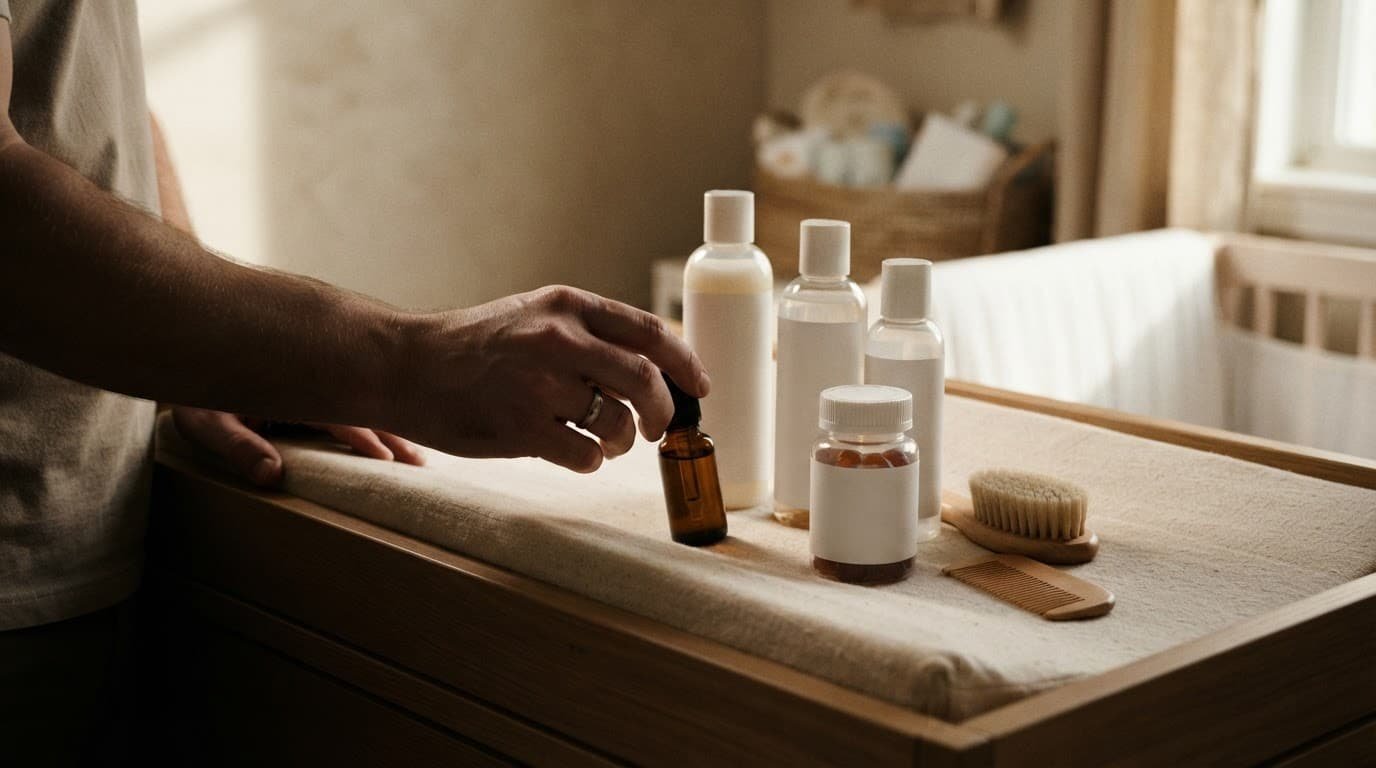
Be careful with vitamin gummies and hair supplements
Vitamin gummies, biotin, collagen powders, and herbal hair supplements aren’t routine treatments for baby hair. Gummies can look like candy, so a curious baby may swallow several before you notice. Too much of certain vitamins can cause poisoning, vomiting, or other serious problems.
A healthy baby who receives appropriate breast milk or iron-fortified formula usually doesn’t need a hair supplement. Some infants need vitamin D or iron for feeding-related reasons, but the dose depends on age, birth history, milk intake, and health. The AAP vitamin D guidance summarized in federal child nutrition guidelines supports discussing the correct amount with your child’s clinician.
If you suspect a deficiency, ask your pediatrician for an assessment before starting treatment. Sparse hair alone doesn’t prove that your baby lacks a nutrient.
When Slow or Patchy Baby Hair Growth Needs a Pediatrician
Most newborn hair shedding is temporary, especially during the first few months. Still, slow regrowth deserves attention when the pattern changes, the scalp looks unhealthy, or your baby seems unwell. A pediatrician can tell the difference between normal shedding, friction-related thinning, and a condition that needs treatment.
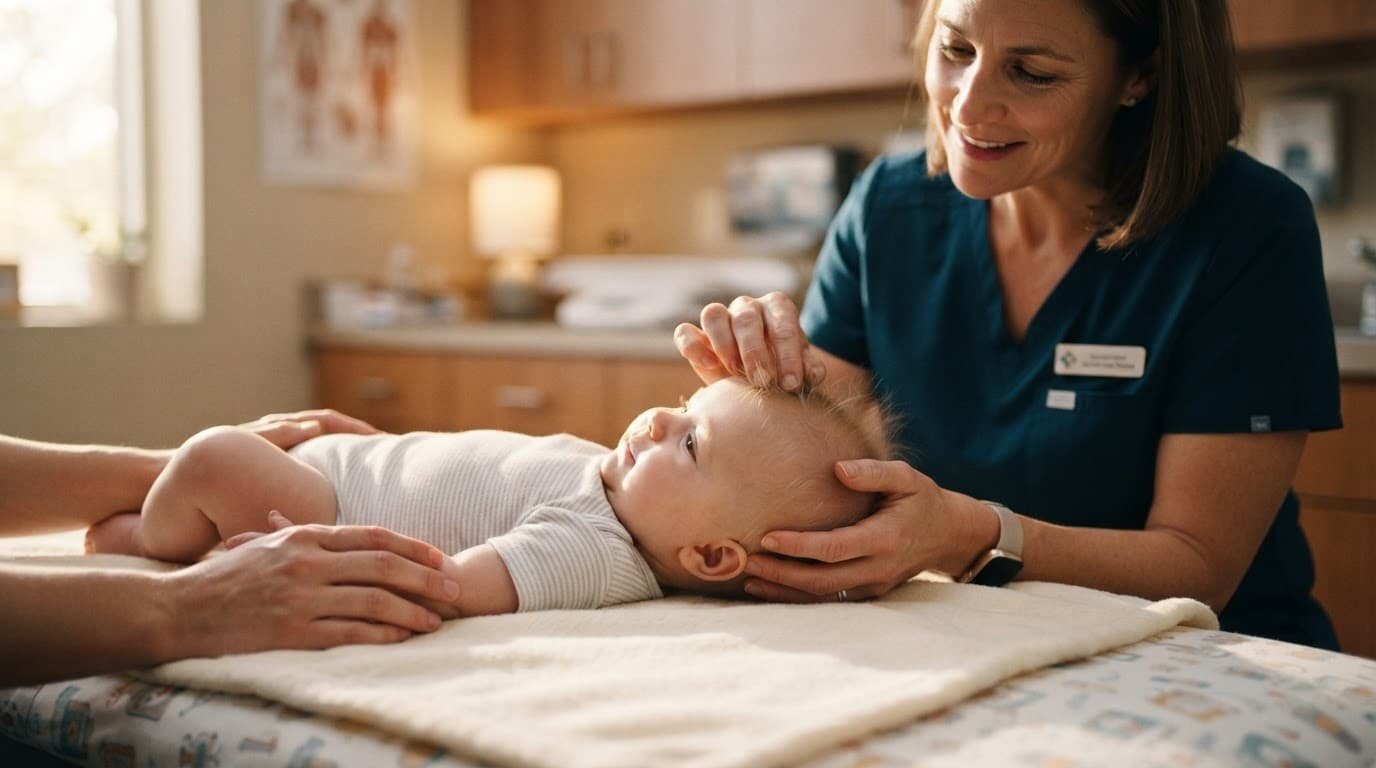
Warning signs that need medical advice
Call your pediatrician if your baby’s hair loss is sudden, keeps spreading, or forms sharply defined bald patches. A small thin area at the back of the head may come from friction, but an expanding patch deserves a closer look.
Contact the office if you notice:
- Broken hairs, black dots, or stubble-like hairs inside a bald area.
- Severe redness, swelling, tenderness, bleeding, open sores, or thick crusts.
- A bad odor, drainage, pus, or skin that feels warm and painful.
- Intense itching or a ring-shaped area with scaling.
- Hair loss that extends beyond the scalp, including thinning of the eyebrows or eyelashes.
- New hair loss alongside changes in energy, feeding, skin, weight gain, or growth.
Ring-shaped, scaly patches can point to scalp ringworm, which causes hairs to break and fall out. The American Academy of Pediatrics explains more about hair loss and alopecia in children, including causes that need medical care.
A smooth, healthy-looking patch may have a different cause than a patch with redness, scaling, or broken hairs. The scalp’s appearance gives your pediatrician useful clues.
When slow regrowth becomes worth discussing
Hair may shed during the first six months, and many babies begin growing new hair between 6 and 12 months. Some children take longer, so a birthday is not a rigid deadline. However, persistent hair loss or no clear regrowth by around 12 months deserves a conversation with your pediatrician.
Make an appointment sooner if the hair loss continues to worsen or your baby’s scalp develops any warning sign. You can also call during regular office hours when you’re unsure whether a change looks normal. The AAP’s pediatric hair-loss symptom guide lists newborn shedding, rubbing, tight hairstyles, and scalp ringworm among possible causes.
Before the visit, take clear photos in natural light. Capture the affected area from more than one angle, and note when you first noticed the change. Bring the names or containers of shampoos, oils, creams, supplements, and medicines used on the scalp. Your pediatrician may check for cradle cap, infection, inflammation, traction from hairstyles, nutritional concerns, or another cause.
You can also review these warning signs of scalp irritation in babies before the appointment. Trust your instincts if your baby’s skin or behavior seems different. A timely check can provide reassurance or help your child receive the right care.
The Biggest Mistakes That Can Slow Healthy Hair Care
Baby hair grows according to its own timetable, but rough care can cause breakage and scalp irritation. Most mistakes don’t change the number of hair follicles your baby has. They can still make hair look thinner while the scalp recovers.

Washing, brushing, and flake mistakes
Over-washing can dry the scalp and strip away helpful natural oils, especially when you use hot water or a strongly scented shampoo. Most babies only need a mild wash when the scalp is dirty. However, cradle cap may need more frequent shampooing, sometimes every other day, to loosen buildup. The American Academy of Dermatology’s cradle cap advice explains how to adjust washing without scrubbing delicate skin.
Vigorous brushing creates friction against fragile hair shafts. Use a soft baby brush only when you need to smooth loose hair or lift scales that have already softened. Picking flakes is worse because it can scratch the skin, pull out attached hairs, and introduce infection. If a scale resists gentle pressure, leave it in place.
Leaving oil on the scalp for hours can also cause trouble. Oil may soften stubborn cradle cap, but you should wash it away afterward. A greasy layer can trap sweat, worsen buildup, and irritate sensitive skin. Avoid treating oil as a daily hair-growth product.
Tight styles and adult treatments
Headbands, tight bows, rubber bands, braids, and small ponytails can pull on a baby’s roots. Repeated tension may cause thinning along the hairline or other areas where the style tugs. Choose loose, soft accessories, and remove anything that leaves a mark or makes the scalp red.
Adult hair treatments create another risk. Minoxidil, medicated shampoos, relaxers, essential oils, and strong styling products aren’t appropriate for a baby’s scalp unless a clinician specifically recommends them. A product designed for adult hair can irritate infant skin or cause harm if it reaches your baby’s mouth or eyes.
Don’t compare your baby’s hair
Siblings can have different hair patterns, even when they share the same parents. Social media images also hide lighting, styling, age, and natural variation. One baby may have thick curls early, while another has fine hair that fills in later. Comparing photos can turn normal shedding into a daily source of worry.
Hair thickness is a poor measure of a baby’s health. Look at the scalp and your baby’s overall wellbeing instead.
Use this simple decision guide:
- Leave normal shedding alone when the scalp looks smooth, comfortable, and healthy.
- Use gentle care for comfort when hair needs cleaning or loose flakes need softening.
- Call the pediatrician when the scalp looks inflamed, painful, infected, or unusually scaly, or when hair loss forms sudden, sharply defined patches.
For bath-related irritation, these gentle bathing tips for sensitive baby skin can help you simplify the rest of your routine.
Conclusion
Thin or uneven baby hair can look worrying, but it is often a normal part of infancy. Hair shedding commonly peaks during the first few months, especially at the back of the head, and many babies grow fuller hair between 6 and 12 months. Your baby’s hair may also return with a different color, texture, or pattern than the hair they had at birth.
The most helpful approach is gentle protection, not aggressive growth treatments. Wash the scalp with a mild, fragrance-free shampoo, soften cradle cap before bathing, and lift only flakes that loosen easily. Keep hairstyles loose, follow your baby’s usual feeding plan, choose simple baby-safe products, and avoid supplements or adult hair treatments unless your pediatrician recommends them. These habits protect the scalp and reduce breakage, but they can’t guarantee faster hair growth. You can also review these gentle baby scalp care tips as you refine your routine.
Above all, your baby’s health matters far more than hair thickness. Trust your instincts and seek medical advice if hair loss continues, fails to show regrowth around the first birthday, or appears with pain, inflammation, unusual patches, odor, scaling, or sores. With time and calm, consistent care, most parents find that those sparse spots gradually become part of a fuller head of hair.

- Dry Cough in Kids: 5 Causes and Safe Solutions - September 23, 2026
- How to Help a Child Deal With Anxiety at Home - September 12, 2026
- How to Prepare Your Child for the First Day of School - September 12, 2026