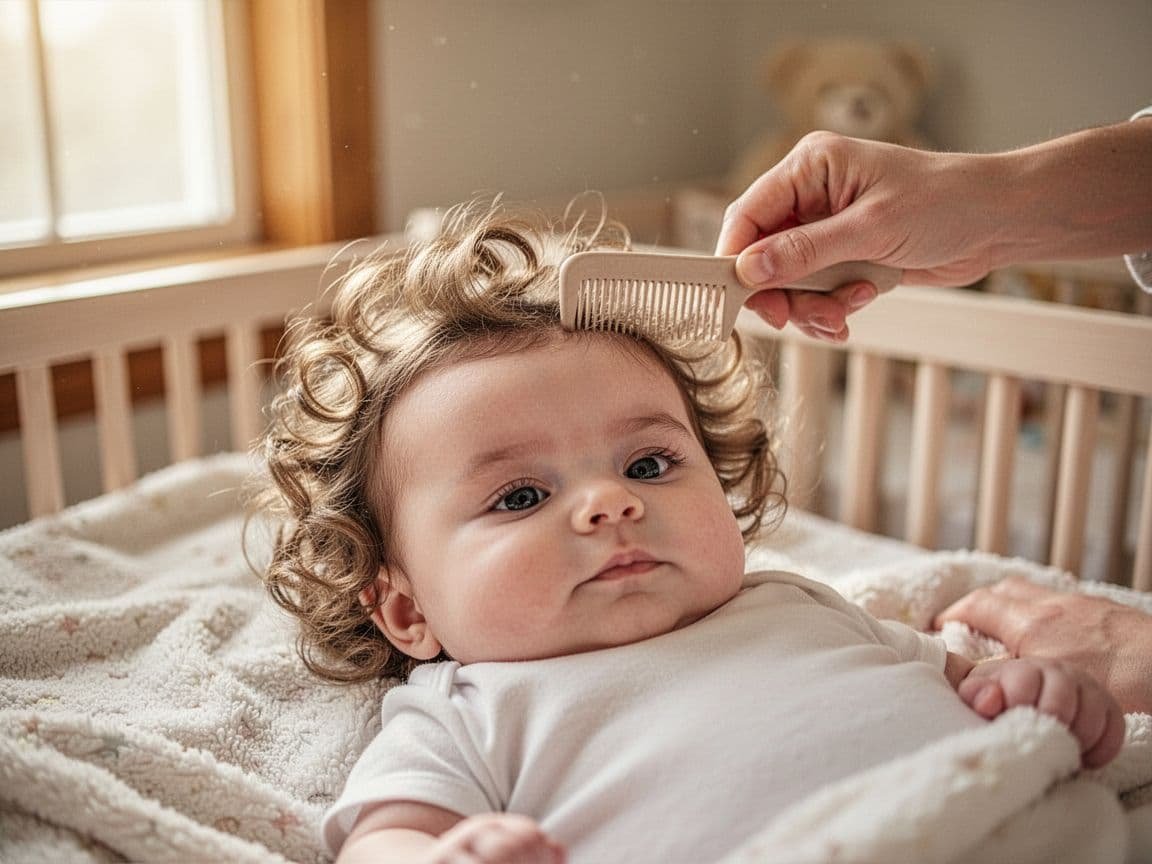
It is completely normal to notice that your little one’s hair is growing slowly, or perhaps not at all in certain spots. Most of the time, this is simply down to genetics, natural shedding, or hormonal shifts that happen after birth. You don’t need to hunt for miracle fixes, as baby hair growth is a gradual process that takes time to unfold.
The goal here isn’t to force rapid growth, but rather to protect your baby’s delicate scalp and keep their existing strands healthy. By focusing on simple care habits, you can reduce breakage and create the best environment for those new hairs to sprout. Learning these practical tips for making newborn life easier can help you manage your expectations and feel more confident as you navigate these early stages.
You can watch this video on natural hair care to see how gentle, consistent routines help support your baby’s unique hair journey.
What actually affects your baby’s hair growth
Understanding why your baby has a full head of hair or just a few fine wisps often starts with looking at your own family tree. Hair development is a deeply personal journey shaped by unique biological blueprints rather than any single external product or routine. While you might want to encourage thickness or speed, nature holds the reins here.
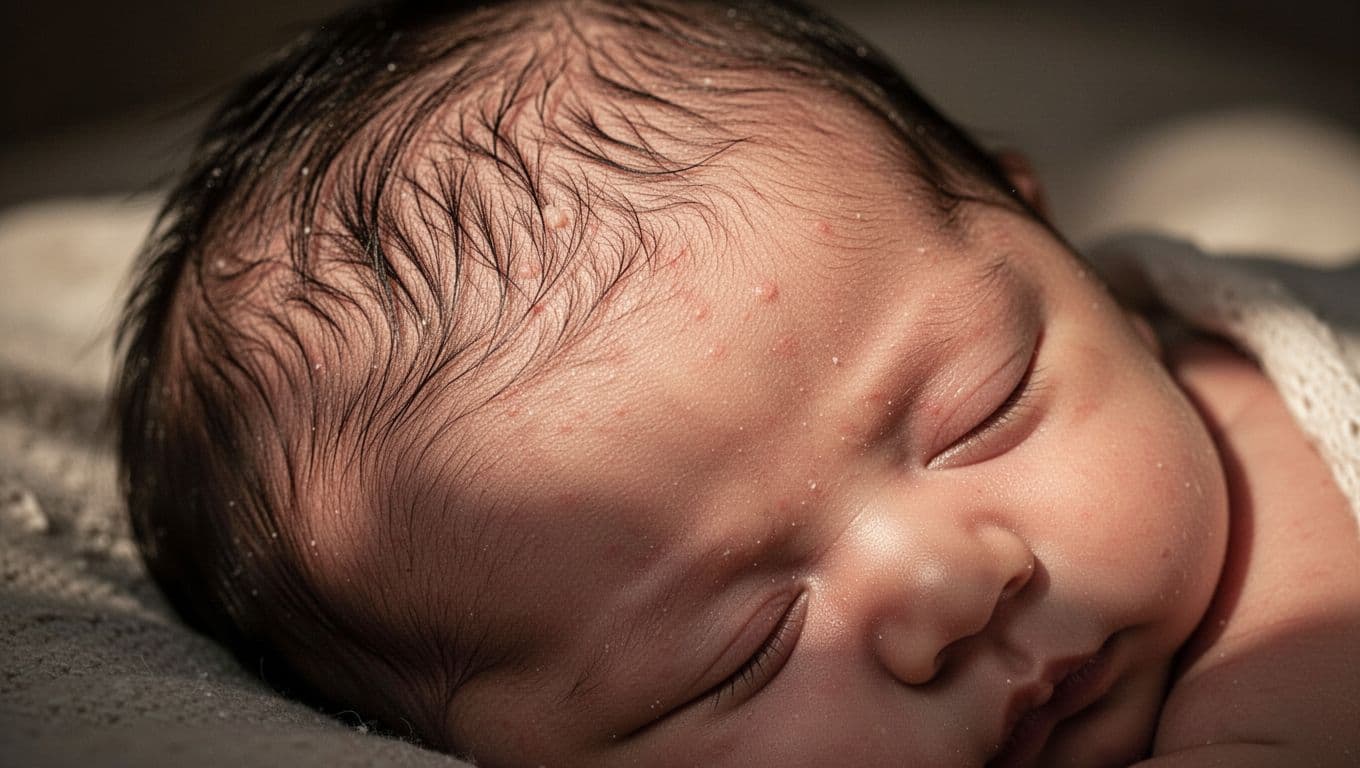
Why genetics matter more than most people think
Your baby’s hair is largely decided before they even arrive. Traits like color, texture, and how fast those strands sprout are dictated by a complex combination of genes passed down from both parents. There isn’t one “hair gene” to blame for a lack of volume or a specific curl pattern. Instead, dozens of genetic factors work together to define the unique way your child’s hair behaves.
It’s helpful to remember that no amount of brushing or specialized oils can rewrite this internal code. If your family history leans toward fine hair or slow growth, your little one will likely follow that same path. While you cannot change these inherited traits, your role is to provide a gentle environment. Using safe baby hair growth habits keeps the scalp healthy, which allows whatever hair nature provides to flourish without unnecessary breakage or irritation.
Why newborn hair can change in the first year
Don’t be surprised if the hair your baby was born with starts to vanish within the first few months. This process is a normal part of their development as their body adjusts to the world outside the womb. During pregnancy, high hormone levels often support hair growth, but these levels drop sharply after birth. This change triggers a shift in the hair cycle, frequently leading to patches of thinning or even temporary hair loss.
This transition period might look like a setback, but it is just a natural reset. Some infants lose their initial “birth hair” entirely before the new, permanent growth starts to appear. You can find more understanding of newborn hair growth patterns as you navigate these early changes. Patience is your best tool here because the patchy stage is almost always temporary.
When slow growth is still normal
It’s easy to worry when a friend’s baby has long locks while yours seems to be taking their time. However, variations in growth speed are entirely standard. Some babies are born with a fine layer of fuzz that remains thin for a year, while others don’t show real progress until they are well into their second year. Uneven patches or slow development are rarely signs of a problem.
If you find yourself obsessing over every millimeter, take a deep breath and watch for the big picture instead of daily changes. Normal growth is often irregular and can seem to stall for weeks at a time. The Bump’s guide on changing baby hair explains that these fluctuations are expected as the body finds its rhythm. As long as your baby is healthy and active, slow hair growth is simply part of their individual pace.
Gentle care habits that protect baby hair from breakage
Your baby’s hair is incredibly fine and delicate, making it susceptible to tangles and structural damage. Developing a consistent, low-stress routine is one of the most effective ways to support healthy growth while keeping the scalp comfortable. Small adjustments to your daily care habits can go a long way in preventing unnecessary hair loss and breakage.
Use a soft touch when washing and combing
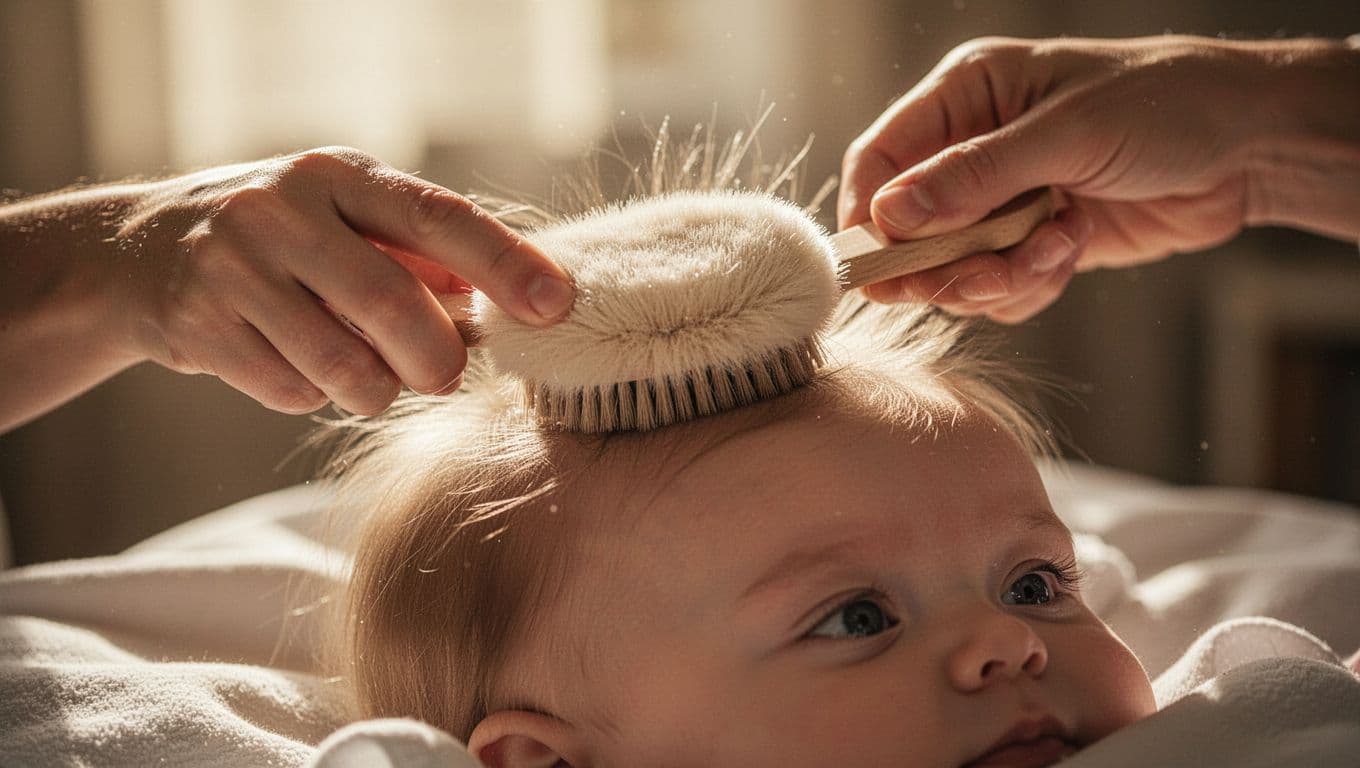
When you handle your baby’s hair, imagine you are caring for a soft, silk fabric. Always start with a mild baby shampoo specifically formulated for an infant’s sensitive skin, as harsh soaps can strip away essential moisture. Apply a tiny amount to your palm and gently massage it onto the scalp with your fingertips. Avoid any rough scrubbing, as friction is a primary cause of breakage for fragile baby strands.
Rinse the hair thoroughly with warm water, making sure no soap residue remains behind. When it comes time to detangle, choose your tools wisely. A soft-bristled brush works wonders for smoothing away stray hairs without pulling on the scalp. If their hair is prone to tangles, use a wide-tooth comb and start from the ends, slowly working your way up to the roots. Keeping these newborn hair care practices in mind will ensure that grooming feels like a relaxing massage rather than a chore.
Do not wash too often
It is tempting to scrub your baby’s hair during every bath, but daily washing is usually too much. Over-washing strips the scalp of natural oils that keep strands flexible and strong. Without these oils, hair becomes brittle and prone to snapping. Most babies only need a hair wash about one to three times a week, depending on their age and activity level.
Newborns typically require less frequent washing, while older, more active babies might need more attention if they get sweaty or messy. You can easily work this into a calm morning rhythm, which often makes essential newborn sleep habits and general caregiving feel more consistent. If your baby has cradle cap, you may find that gentle, more frequent cleaning helps, but always follow the advice of your pediatrician regarding specific skin conditions.
Keep drying and styling low stress
After bath time, skip the aggressive towel-drying that leaves hair frizzy and tangled. Instead, gently pat the hair dry with a soft, absorbent towel to soak up excess moisture. Avoid heat tools like blow dryers entirely, as they are far too harsh for a baby’s developing scalp. If you need to style their hair, keep it simple and skip tight bands or clips that pull on delicate follicles.
Steer clear of adult styling products, as these contain chemicals that can irritate the skin or leave a heavy, damaging buildup. If you need to tame flyaways, a drop of natural baby oil or simply a damp, soft cloth is sufficient. Maintaining this low-stress approach protects the hair from the mechanical tension that causes long-term thinning. As you develop these habits, you might find that pairing them with effective newborn sleep strategies creates a soothing, predictable flow to your entire day.
Best ways to support a healthy scalp and hair follicles
A thriving head of hair starts beneath the surface. While you cannot rush the biological timeline of growth, you can cultivate a calm, nourished environment for those tiny follicles. Focus on gentle practices that maintain moisture and comfort, ensuring the scalp remains a healthy foundation for whatever hair nature decides to grow.
Try a light scalp massage
A few moments of gentle touch can be quite soothing for a baby. Using your fingertips, move in slow, circular motions across the scalp. This light pressure encourages circulation to the area, which delivers essential nutrients to the hair follicles.
Keep your touch soft, as if you are smoothing over a delicate surface. Sessions should remain brief, lasting only a minute or two. Many parents find that this rhythm works well during quiet times, such as before a nap or right after a warm bath. It is less about a formal routine and more about helping your little one feel relaxed while supporting their natural hair health.

Use baby-safe moisture only if the scalp is dry
Not every baby needs extra hydration for their scalp. If you notice slight flakiness or dry patches, a tiny amount of moisture can provide relief. Choose a high-quality, baby-safe oil or a gentle moisturizer designed specifically for infant skin.
Apply a minimal amount, using only what you need to cover the dry area. Remember that less is almost always better when it comes to a baby’s skin. Overloading the scalp with products can clog pores or create an environment where irritation thrives. If your baby’s skin remains soft and clear, you can skip the oil altogether. Always prioritize keeping the skin clear and breathable above all else.
Watch for signs that the scalp needs attention
Even with the most careful routine, skin sometimes reacts in ways you might not expect. Keep a close watch for signs like persistent redness, excessive flaking, itching, or any visible soreness. These indicators suggest the scalp needs a break from external products.
If you notice these changes, pause your current routine and let the skin return to its natural state. Should the symptoms persist or look painful, consult your pediatrician for guidance. They provide the best advice for specific skin conditions like cradle cap. Taking a cautious approach helps you avoid unnecessary irritation and keeps your baby comfortable while their hair growth continues at its own pace.
Food and nutrients that can help hair grow well
Feeding your baby is a major step in their development, and it naturally influences their physical growth, including the hair on their head. While you cannot influence the genetic blueprint that dictates hair texture or speed, you can provide a foundation of health through well-rounded nutrition. When your baby begins to explore solid foods, those choices contribute to their overall vitality and wellness.
Focus on balanced solids when your baby is ready
Once your pediatrician confirms your baby is ready for solid food, you can introduce a variety of nutrients. Foods rich in iron are especially important for healthy growth, as iron helps carry oxygen throughout the body. You might offer mashed beans, iron-fortified cereals, or finely ground lean meats to start. Soft proteins, such as scrambled eggs or pureed lentils, provide the building blocks necessary for hair strands to form.
Fruits and vegetables bring essential vitamins into the mix. You can serve mashed avocado, soft berries, or cooked sweet potatoes to provide a boost of vitamins that support scalp health. It helps to keep things simple by introducing one food at a time to check for reactions. If your child is still exclusively breastfed or formula-fed, remember that those feeds already provide all the primary nutrients they need for this stage. Think of these new solids as a gentle supplement to their core diet rather than a quick fix for hair growth.
Do not expect supplements to be a shortcut
It is tempting to look for vitamins or supplements to speed up the process, but your baby’s body works best with nutrients from real food. Supplements should only enter the picture if your pediatrician identifies a specific need or deficiency. Excess vitamins can sometimes do more harm than good for a developing system. Your primary goal is to foster a healthy appetite for a variety of wholesome foods. Trust the natural timeline of your baby’s development, as their hair will grow when their body is ready to support it.
Hydration and overall health matter too
Healthy eating is only one part of the bigger picture. Adequate fluid intake, whether from breast milk, formula, or small amounts of water as they grow, keeps your baby’s skin and scalp hydrated. This internal moisture prevents the scalp from becoming tight or dry, which is important for keeping follicles comfortable. Beyond nutrition, regular checkups with your doctor ensure that everything is developing as it should. Keeping your baby active, rested, and well-nourished creates the best conditions for them to thrive. Every small, consistent effort you make supports their general health, which in turn shows up in their hair.
What not to do if you want healthier baby hair
Protecting your baby’s hair requires as much focus on what you avoid as what you do. Many well-meaning habits can accidentally weaken those delicate strands or cause unnecessary scalp irritation. By steering clear of common pitfalls, you create a safe space for natural growth to unfold without the burden of external damage.
Skip shaving myths and old wives’ tales
You might hear advice suggesting that shaving your baby’s head helps hair grow back thicker or faster. This is simply not true. Hair thickness and growth speed depend entirely on genetics rather than how short you trim the strands. Shaving only removes the visible part of the hair, leaving the root completely unchanged.
It also risks irritating a sensitive, soft scalp or causing tiny nicks that can become infected. Your baby’s skin requires gentle care, not the friction of a blade. Instead of looking for a quick fix through trimming, trust the natural, slow pace of their hair development.
Avoid tight styles that pull on the roots
It is easy to reach for elastics, clips, or tiny headbands to keep hair out of your baby’s eyes. However, tight styles often put too much pressure on soft, developing follicles. Ponytails, braids, or accessories that tug at the hair can eventually cause thinning edges or permanent breakage.
This condition is sometimes called traction alopecia, and it happens when hair experiences constant, heavy tension. Opt for soft fabric headbands if you need to keep stray hairs away, or let the hair fall naturally. If you must use a clip, ensure it is lightweight and never pulls at the scalp. Giving the roots total freedom is the best way to prevent long-term damage.

Leave harsh products and heat out of the routine
Adult hair products often contain chemicals or heavy fragrances that are far too aggressive for a baby. Strong formulas can strip away essential natural oils, leaving hair brittle and prone to snapping. The same rules apply to styling tools like blow dryers or flat irons.
Infant hair is incredibly thin and reacts poorly to direct, artificial heat. Even a low setting on a dryer can quickly dehydrate the scalp, leading to flaking or discomfort. Stick to mild, fragrance-free cleansers designed specifically for newborns. If you notice flyaways, a simple damp cloth is usually enough to smooth them down. Keeping their routine free from harsh substances and heat preserves the integrity of every strand.
When baby hair loss or slow growth needs a doctor’s advice
Most babies experience minor changes in their hair throughout their first year. While thinning or slow growth is often a normal part of development, there are times when you should seek professional guidance. Trusting your instincts is vital. If something feels off or your concerns persist, reaching out to your pediatrician provides clarity and peace of mind.
Signs that are worth checking soon
You know your baby best. While minor patchiness is common, specific changes to the scalp or growth pattern are worth a quick conversation with your doctor. Keep an eye out for these red flags that may indicate an underlying issue:
- Unexplained redness or swelling: An irritated, angry, or inflamed scalp is not standard.
- Persistent scaling or crusting: While cradle cap is common, thick or spreading scales that do not respond to gentle cleaning require a closer look.
- Spreading bald spots: Hair loss that appears to move outward or creates large, smooth patches might signal a fungal infection or other skin concerns.
- Noticeable thinning elsewhere: If you see hair loss extending beyond the back of the head, it is wise to investigate.
- Unusual texture or breakage: Brittle, broken, or sparse hair that seems distinct from normal baby fuzz warrants an assessment.

What a pediatrician may look for
When you visit your doctor, they will likely evaluate the situation through a few different lenses. The goal is to rule out common skin issues or nutritional gaps while identifying the root cause of the change.
Your pediatrician will typically check the scalp for signs of irritation or infection. They might ask about your baby’s feeding history to ensure they receive the right nutrients for healthy growth. They will also consider the baby’s overall development and behavior. This checkup is a helpful way to confirm that your little one is thriving. It allows you to address any skin concerns early, ensuring your baby stays comfortable and healthy while their hair grows at its own pace. Getting an expert opinion is rarely about finding a quick fix; it is about ensuring your baby has the best start possible.
Final Thoughts
Baby hair growth is a slow, natural process that varies for every child. You do not need to hunt for magic cures, because your baby follows a unique biological path. Genetics ultimately determine the pace, color, and texture of those soft strands.
Gentle daily habits remain your best tools for success. Keep the scalp clean, avoid tight styles, and prioritize good nutrition as you introduce solid foods. Patience is the most important part of your routine. These small, consistent steps protect delicate hair and help it grow healthily over time.
Save pin for later

- What Causes a Flat Head Shape in Babies? - September 20, 2026
- Baby Massage for Gas Pain: Step-by-Step Instructions - September 20, 2026
- Newborn Skin Peeling: Common Causes and Warning Signs - September 20, 2026