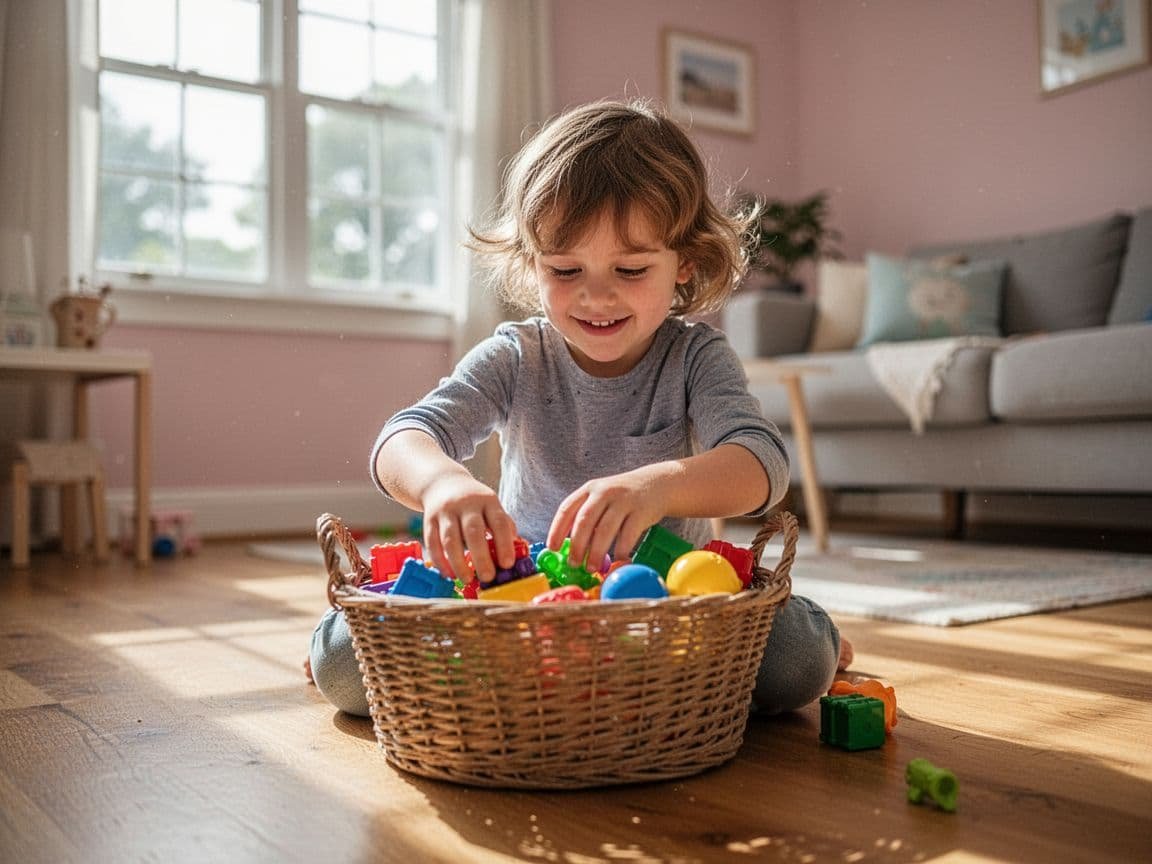
Chores offer your child more than just a clean house. When children participate in the daily rhythm of home life, they develop a lasting sense of responsibility and gain confidence in their own abilities. This practical work prepares them to become capable individuals who value teamwork and understand how their contributions help the entire family thrive.
It is normal to wonder which tasks fit your child best at different stages of their growth. This guide breaks down age appropriate chores for kids to help you choose responsibilities that match their developmental level. By starting with simple tasks, you build a foundation of independence and consistency that supports their growth for years to come.
Why chores help kids grow into capable helpers
Chores offer far more than just a clean house. When children participate in the daily rhythm of home life, they develop a lasting sense of ownership. This practical work prepares them to become independent individuals who understand that their effort directly impacts the people around them. As children master small tasks, they gain a clearer view of their own capability, which builds a strong foundation for their future development.
How chores build responsibility and confidence
Finishing a simple task teaches a child that their actions have real results. When a toddler puts toys away or a pre-teen clears the table, they experience the satisfaction of completion. This small victory reinforces their belief in their own abilities. As they repeat these tasks, they learn to follow through on commitments without needing constant reminders.
Developing these habits helps children feel like competent members of their household. They stop viewing themselves as passive residents and start seeing themselves as active contributors. This shift is powerful. It replaces a feeling of helplessness with a sense of pride. You can learn more about how chores help build self-esteem in children by observing their reactions after they finish a job well done.
### Why family teamwork matters for children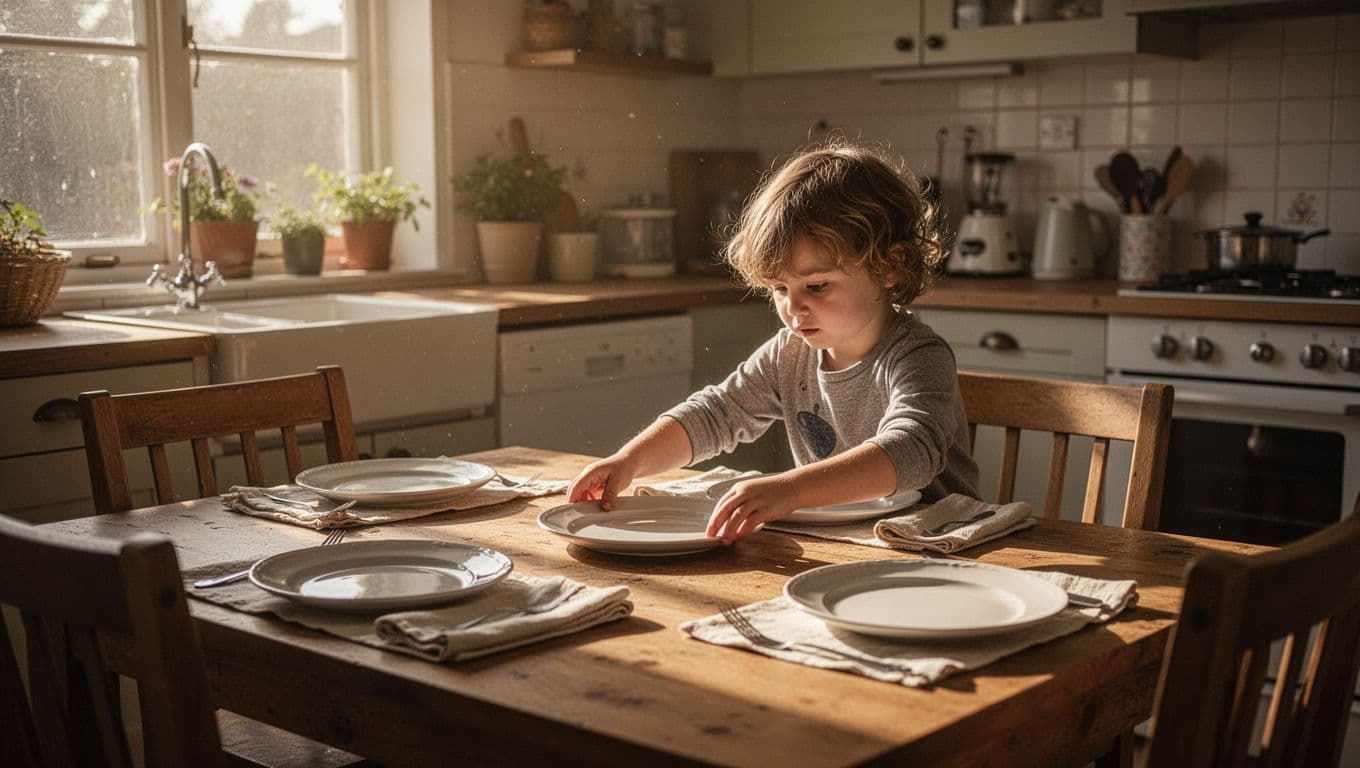
A home functions best when every person contributes to its upkeep. Chores show children that being part of a family involves mutual support and shared goals. When kids see their parents working alongside them, they learn that no one person is solely responsible for the comfort of the group. This fosters a deep sense of belonging and teaches them that their presence matters.
Children crave being needed. When you invite them to help with dinner preparation or laundry folding, you send a clear message: you are part of our team. This simple inclusion strengthens their bond with you. Over time, these shared experiences teach empathy, as they begin to notice the effort required to maintain a home. You can find effective family organization systems that encourage this spirit of cooperation among all age groups.
What parents should remember before assigning chores
Keep expectations realistic as you introduce new responsibilities. A task should always match a child’s current age, attention span, and physical strength. If a job is too complex, a child will naturally feel discouraged rather than empowered. Focus on progress rather than perfection. Your goal is to shape habits over time, not to achieve a spotless home instantly.
Be patient with mistakes, as they are a natural part of the learning process. A child who misses a spot while dusting is still learning the value of focus and effort. Use encouragement to keep the momentum going. Consistent practice often leads to better outcomes than demanding a perfect performance. By staying flexible, you make it easier for your child to find joy in helping out.
Age-appropriate chores for toddlers and preschoolers
Inviting your little ones to help around the house transforms daily tasks into meaningful bonding moments. At this stage, you aren’t looking for a finished chore list or spotless floors. Instead, your goal is to spark curiosity and show them that their contributions truly matter to the family team.
When you introduce tasks at this age, choose items that are safe, quick, and easy to understand. Visual cues often work better than long verbal instructions, so demonstrate the action once or twice before asking them to try. Praise their effort rather than the result, as this builds the confidence they need to keep helping as they grow.
### Simple chores for ages 2 to 3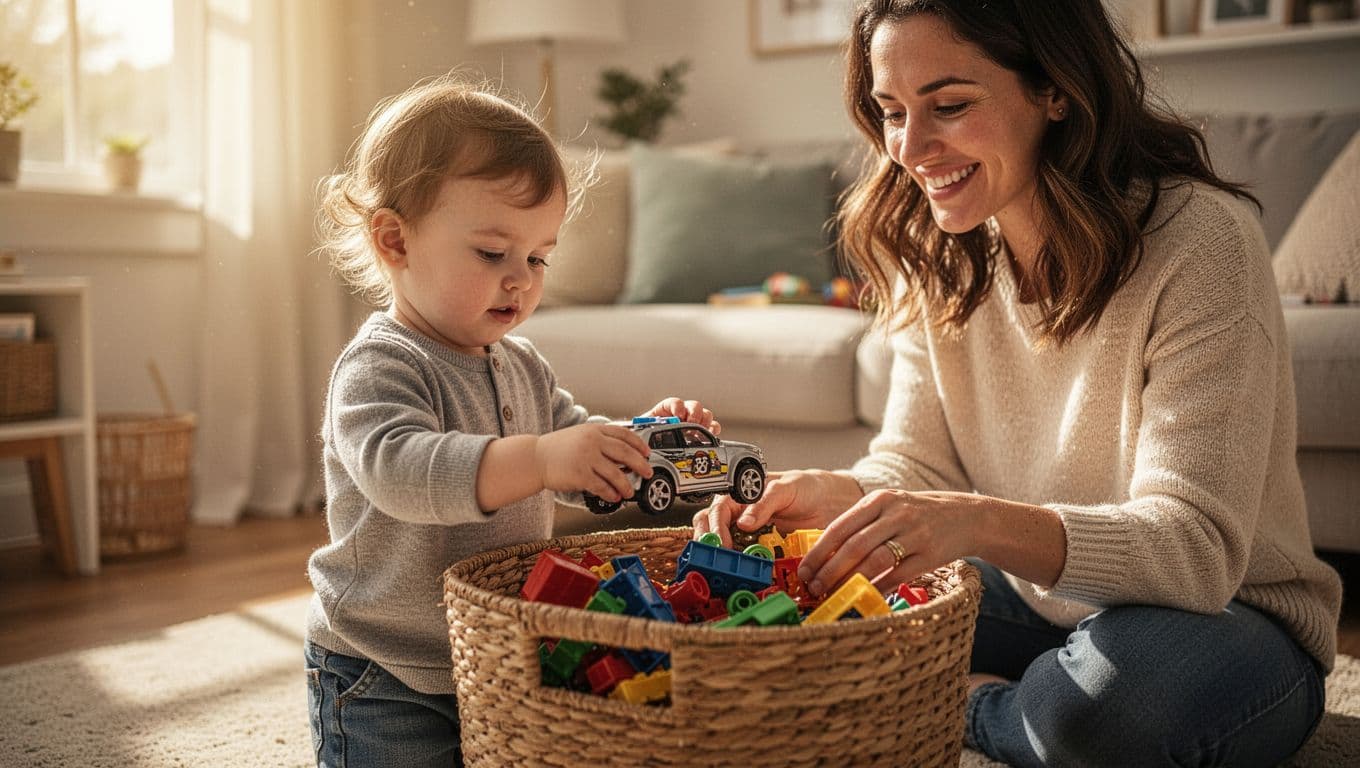
At two and three years old, children are naturally observant and eager to mimic your actions. Keep things playful during this phase. If you treat a chore like a game, they stay interested much longer. The focus here is strictly on participation. If your toddler puts a toy in the bin but it ends up sideways, that is perfectly fine.
Try these simple starting points to help them find their rhythm:
- Toy collection: Turn cleanup time into a race. Have them gather stray blocks or cars and drop them into a designated basket or box.
- Laundry assistance: Ask them to toss their dirty pajamas into the hamper. This simple habit teaches them where clothes belong at the end of the day.
- Spill management: If they knock over a drink, hand them a small towel. Even if you have to finish the job later, letting them wipe helps them take ownership of their small accidents.
- Safe lifting: Let them carry non-breakable items, such as pillows from the couch to a chair or books to a shelf.
You can learn more about assigning age-appropriate chores for kids by looking at routines that prioritize manageable, bite-sized tasks.
Good starter chores for ages 4 to 5
By age four or five, your child has more coordination and a clearer desire to feel useful. They often want to do things on their own without your direct help. This is a great time to introduce tasks that require a bit more focus or physical steps. You can find a complete list of age-appropriate chores to help you expand their responsibilities as they gain these new skills.
At this age, try integrating these routines into their day:
- Setting the table: Hand them napkins, silverware, or plastic cups. They love the feeling of preparing a meal for the rest of the family.
- Caring for nature: Give them a small cup to water household plants. This teaches them how to be gentle with living things.
- Pet feeding: Supervision is still required, but a five-year-old can often scoop dry food into a bowl or refill a water dish with your guidance.
- Bedtime setup: Ask them to pull up their blankets or stack their pillows. It doesn’t have to look perfect, but the effort builds a sense of pride in their personal space.
- Sorting tasks: After a wash, let them help separate socks or put away clean items from the dishwasher that have no sharp edges.
Encouraging these small wins helps establish simple routines for kids that stick. When they see their work making a difference, they become more willing to step in and help without being asked.
Chores that fit early elementary kids
Moving into the early elementary years brings a shift in how children interact with household responsibilities. Your child now possesses the focus and motor skills to manage tasks that require more precision and consistency. This period is a prime window to build steady routines that transform simple help into lasting habits. By giving them ownership over specific parts of the day, you help them understand that their role in the home is both unique and necessary.
### Best chores for ages 6 to 7
At this age, children thrive when they follow clear, predictable schedules. You can move beyond simple cleanup games and introduce tasks that provide real help to the household. Because six and seven-year-olds are often eager to demonstrate their growing maturity, they appreciate being trusted with consistent jobs. Start by assigning roles that occur at the same time each day, as this repetition cements the habit.
Effective ways to channel their energy include:
- Sorting laundry: They can easily match socks or separate light clothes from dark ones before you wash them.
- Putting away clothes: Once you fold the laundry, let them carry their own stack of shirts or pants to their dresser drawers.
- Sweeping and dusting: A small broom or a microfiber duster gives them a sense of control over their personal space.
- Tidying bedrooms: Encourage them to organize books, art supplies, and toys so the floor remains clear.
- Packing lunch: They can help choose items for their lunchbox and place them inside with your guidance.
- Carrying light groceries: Allowing them to handle non-perishable bags from the car to the kitchen builds a sense of being a strong team member.
When you build independence in children, you provide them with the tools they need to navigate the world. Use these opportunities to talk about why their work matters to the whole group.
Helpful chores for ages 8 to 9
As children approach age nine, their ability to follow multi-step directions improves significantly. You can now expect them to manage tasks that require a bit more judgment and attention to detail. While they are more capable of working alone, they still require your supervision to ensure safety and quality. Clear expectations are the key here, so explain the entire process before they begin.
Consider these tasks to expand their contribution:
- Loading the dishwasher: They can safely place plates, cups, and silverware into the racks, provided you watch the heavier or sharper items.
- Putting away groceries: After you unpack the bulkier items, they can organize pantry shelves or restock the refrigerator.
- Vacuuming: Most eight-year-olds have the physical coordination to operate a stick vacuum or an upright model across common areas.
- Making simple snacks: Let them assemble their own fruit plates, yogurt bowls, or sandwiches for an afternoon snack.
- Folding laundry: This task improves their dexterity and patience, teaching them to line up seams and smooth out fabric.
- Washing the table: A quick wipe-down after dinner keeps the kitchen surface ready for the next day.
- Meal preparation: Invite them to measure ingredients, stir bowls, or help plate dinner for the family.
You might want to check the ultimate list of age-appropriate chores to find even more ways to involve your child as they develop new skills. Remember that these tasks are not about achieving a perfect home, but about teaching your child to value their part in the family unit. Patience during this transition phase pays off when they start to manage their responsibilities without needing a gentle nudge from you.
Chores older kids can handle with more independence
As children enter their pre-teen and teenage years, they move from being casual helpers to essential members of the household team. This transition is a bridge to adulthood where they gain the skills needed to manage their own living spaces later on. Trust becomes your primary tool now. When you empower them with real responsibilities, you show that you value their capability, which boosts their confidence and willingness to contribute.
### Practical chores for ages 10 and up
At this stage, you can assign tasks that require sustained effort and attention to detail. Older kids can handle jobs that impact the entire home, moving beyond just their own belongings. These chores offer them a clear look at what it takes to keep a household running.
- Complete laundry cycles: They are now old enough to sort, wash, dry, fold, and put away their own clothing from start to finish.
- Bathroom deep cleaning: Let them take charge of scrubbing the sink, mirrors, and toilet area to keep shared spaces sanitary.
- Kitchen mastery: Beyond just clearing the table, they can load and unload the dishwasher, wipe down counters, and even prepare simple meals for the family.
- Window washing: Using safe tools and a bit of elbow grease, they can tackle dust and smudges on reachable windows.
- Changing bed linens: This is a great skill that teaches them how to manage larger household textiles.
- Yard maintenance: With your supervision, they can handle tasks like mowing the lawn or weeding garden beds.
- Supporting siblings: When you are nearby, they can step in to read to younger siblings, help with homework, or supervise playtime.
You can find a helpful list of chore ideas for teenagers to keep these routines fresh and varied as they get older.
How to know when your child is ready for a harder chore
True readiness hinges on maturity and focus rather than just a birth date. A child who handles instructions well and maintains interest in a task is often ready to step up. Watch how they navigate their current responsibilities before you introduce more complex work.
Look for these signs of growing capability:
- Instruction retention: They follow multi-step directions without needing you to repeat every detail.
- Sustained focus: They stay on task until the job reaches completion, even when they could easily walk away.
- Safety awareness: They handle tools and cleaning supplies with care and respect for their environment.
- Self-correction: They notice when they miss a spot or make a mistake and fix it without being told.
Gradually scale up their workload by adding one new responsibility at a time. For instance, if they master kitchen cleanup, perhaps the next step is planning a dinner menu. General guidelines for household chores suggest that building these habits slowly is far more effective than forcing a heavy workload all at once. By staying observant, you can offer them the right amount of challenge to grow their skills without overwhelming them.
How to make chores easier to follow at home
Managing a household feels like a constant balancing act. You likely struggle to keep everything tidy while juggling work, meals, and family needs. Instead of feeling overwhelmed by a long list of jobs, focus on systems that make the work automatic. Small changes in how you organize tasks often lead to big improvements in how your family responds.
Use routines instead of random reminders
Randomly asking for help usually leads to resistance or forgetfulness. Children thrive on predictability, so try anchoring chores to specific times of the day. When a task becomes a natural part of a sequence, it feels less like a chore and more like a habit.
Connect duties to recurring events such as breakfast, dinner, or bedtime. For instance, clearing the table becomes a standard part of the dinner routine. Putting away pajamas becomes an automatic step before heading to the bedroom. When these moments become rituals, you stop needing to issue reminders. Your children learn what to expect, which saves you from the cycle of nagging and frustration.
Keep instructions short and age-friendly
Long, detailed explanations often lose a child’s attention before they even begin. Keep your directions simple, direct, and focused on one task at a time. If you ask for too much at once, the sheer volume of work can paralyze a young child.
Show them exactly what to do first, rather than just telling them. You might demonstrate how to wipe a counter or fold a towel by doing it alongside them once or twice. Use clear, concrete words that leave no room for confusion. Instead of saying “Clean your room,” try “Please put your books back on the shelf.” This specific approach helps them feel confident because they know exactly how to reach the goal.
Praise effort, not just perfect results
Encouragement acts as the fuel that keeps children moving forward. If you only praise the finished product, your child might feel discouraged when they make a small mistake. Recognize the energy they spend trying, even if the final result is slightly imperfect.
When you notice them putting in the work, say so clearly. Phrases such as “You really tried hard on this,” or “I trust you can do this,” build their internal motivation. Remind them that “We make this house work together” to foster a sense of belonging. Appreciation transforms a dull task into a way to contribute to the family team. When children feel seen and valued, they naturally take more pride in their responsibilities.
How to handle resistance without turning chores into a fight
Resistance often surfaces when children feel overwhelmed or when a task feels disconnected from their reality. You might face complaints, forgotten assignments, or flat-out refusal. These moments are not signs of failure; they are simply bumps in the road of learning. Stay calm and firm to ensure the home remains a space for growth rather than a battleground.
Set expectations before the task starts
Children respond best when the path ahead is clear. Before a chore begins, explain exactly what needs to be done, when it should be finished, and what happens if the work remains incomplete. Keep your tone steady and firm. When you remove the guesswork, you also remove the power struggle.
A simple, consistent structure helps children internalize their role. For example, tell them clearly that the play area needs to be tidy before they can start their screen time. If they fail to finish, explain the outcome calmly without resorting to anger or threats. This approach teaches them that their actions carry natural weight. It shifts the dynamic from you nagging them to them managing their own time.
Use rewards wisely, not bribes
Small rewards often bridge the gap between reluctance and cooperation. You might offer stickers, extra reading time, or a special weekend activity as a sign of appreciation. Use these tools sparingly to highlight a job well done rather than treating them like a transactional bribe.
The goal is to foster a habit of responsibility, not to create a dependent relationship with prizes. Keep the rewards clear and limited. When a child completes their chores consistently, acknowledge their effort specifically. This recognition reinforces their sense of capability. Eventually, the pride they feel in their own contribution will outweigh the need for a tangible reward.
### Correct mistakes without scaring kids
Failure is a normal part of life, not a reason to stop trying. When your child performs a chore incorrectly, guide them back to the right path with patience. Shaming them for a messy bed or a missed spot only breeds fear, which makes them less likely to try again.
Treat mistakes as feedback instead of a character flaw. Show them how to adjust their approach if they encounter trouble. When you encourage them to fix their own errors, you build their confidence and problem-solving skills. Remember that your calm response teaches them that they are capable, even when they get things wrong at first. This environment allows them to keep growing without the weight of perfectionism.
Conclusion
Chores provide children with more than just a clean living space. They offer a path toward becoming capable, self-assured, and helpful individuals. By taking part in the daily upkeep of the home, your child learns that their presence makes a difference. This realization builds the confidence they need to tackle challenges beyond your front door.
Consistency remains your most powerful tool. You don’t need a spotless house or a rigid system to see results. Small, steady contributions create the habits that last a lifetime. Focus on progress over perfection, and celebrate the effort your child puts into the process.
Pick one or two simple tasks from your child’s age group to start today. You will soon see the benefits as they grow into reliable members of your family team.
Save pin for later


- 20 Tough Boy Names and Their Meanings - September 20, 2026
- 10 Reasons Babies Cry While Pooping and When to Worry - September 20, 2026
- 10 Signs Your Baby Can’t Breathe Properly - September 20, 2026