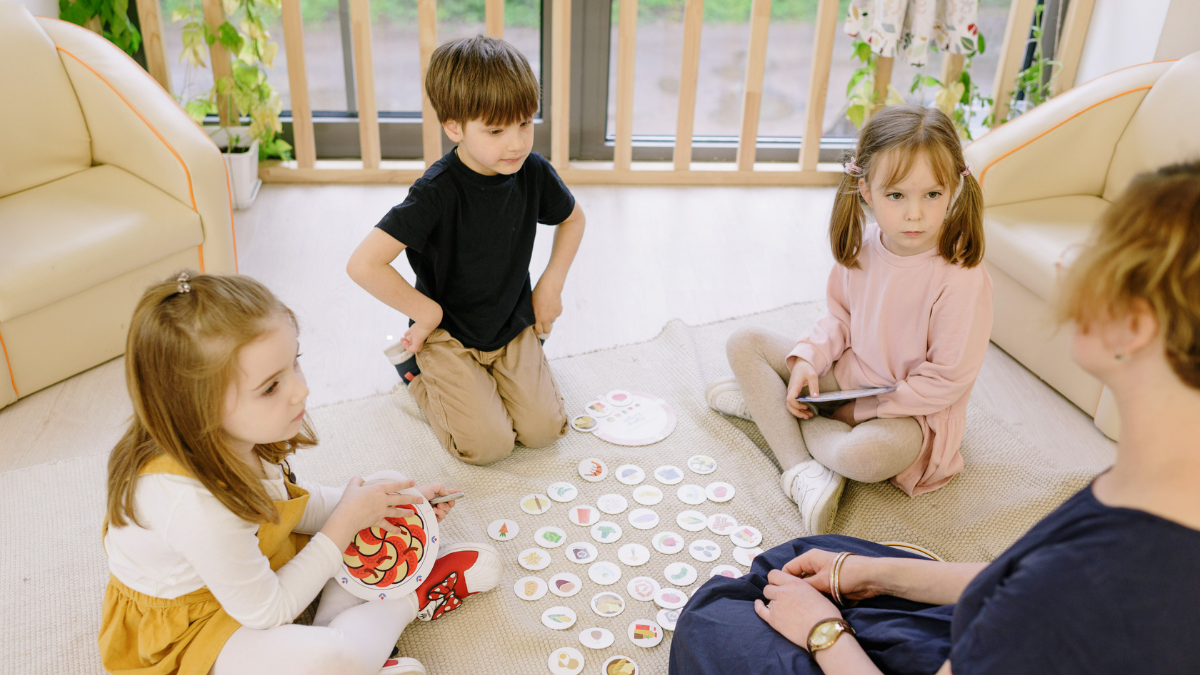
Picture a small child standing at the edge of the playground, eyes scanning the climbing frame with a mix of focus and hesitation. They reach for the first bar, wobble, steady their hands, and finally pull themselves up with a grin that lights up their whole face. It is not about them performing perfectly or being the loudest kid in the room. Real confidence is simply a quiet sense of being capable, safe, and truly valued for who they are.
You can help your child find this inner strength through steady love, meaningful small wins, and the freedom to try again after a stumble. It is less about fancy theories and more about creating a home where they feel seen every single day. If you want to dive deeper into raising confident and independent children, these practical habits offer a clear path forward for your family.
What Confidence Looks Like in Children
Confidence in a child often appears as a quiet sense of readiness. It is not about being the loudest person in the room or acting as though they never experience doubt. A truly confident child is someone who feels safe enough to be themselves, even when things get difficult. They understand their worth and trust their ability to learn as they go.
### Signs your child is growing confidence
You might expect confidence to look like constant, bold energy. However, it often shows up in small, everyday actions that reveal a willingness to engage with the world. Keep an eye out for these positive behaviors:
- They speak their mind: A confident child expresses their thoughts, feelings, and needs without worrying that they might get into trouble for having an opinion.
- They try again: When a puzzle piece does not fit or a task feels overwhelming, they look for another way to approach it rather than immediately giving up.
- They seek help: Instead of seeing a request for assistance as a failure, they understand it as a way to solve a problem effectively.
- They make choices: Even simple decisions, like picking out a shirt or choosing a game, show that they trust their own preferences.
- They explore the unknown: They approach new environments or situations with curiosity, even if they show a little bit of natural hesitation at the start.
Recognizing these traits helps you see that confidence is present, even during quiet moments. It is helpful to understand the signs you are raising a child with positive self-confidence to differentiate between healthy growth and other patterns. A confident child is not the same as an arrogant one; while the latter seeks to act superior to others, a confident child simply believes in their own capacity. They also differ from a perfectionist, who often fears failure and avoids tasks that are not guaranteed to go perfectly.
Why confidence is built, not born
Children arrive as blank canvases, and their self-assurance grows through a long series of small, intentional experiences. You cannot expect a child to have a fully formed sense of self overnight. It is a slow, steady process that happens through practice and support.
Every time your child manages a new task or finds their way through a small disappointment, they add a layer to their internal foundation. They need you to act as their safe base while they venture out to test their limits. As parents provide consistent encouragement, children learn that they have the internal resources to handle whatever comes their way.
Confidence is essentially a habit built on these repeated small wins. By focusing on the effort they put into their day, you help them see that they are capable of growth. Remember, you have many parenting strategies for independent kids that can turn these daily moments into long-term habits. It is not about reaching a final destination; it is about keeping the momentum going as they learn to trust themselves.
Create a home that feels safe, steady, and encouraging
A house becomes a sanctuary when children know they belong there regardless of their performance. You provide the foundation for their confidence when you prioritize connection over achievement. When your child feels secure, they explore the world with a sense of curiosity instead of constant worry. This environment relies on clear rhythms, gentle guidance, and love that never wavers.
### Show love that does not depend on performance
Children often worry that your affection is tied to their grades, chores, or how neatly they behave. When you detach your love from these outcomes, you give them the freedom to take risks. They learn that failure is just a part of the process instead of a reason to lose your approval.
Think of your love as a steady anchor. It holds firm even when your child makes a mistake or struggles with a difficult task. You can practice expressing love-no-matter-what by separating their behavior from their identity. If they bring home a bad grade, focus on their effort or their day rather than just the number on the paper.
Try using these supportive phrases after a tough moment:
- “I love being your parent, especially when things are hard.”
- “I am proud of you for trying, even though it didn’t go as planned.”
- “Let’s figure out a new way to handle this together.”
When you offer this kind of support, you build positive parenting techniques for bonding that last a lifetime. It reminds them that their worth is internal and constant, not something they earn through high marks or perfect behavior.
Use routines to give kids a sense of order
Chaos often fuels anxiety, while predictable days create a natural sense of safety. Routines act as a soft guardrail for your child. When they know what happens next, their brain settles and they can focus on playing, learning, and growing.
Establish morning rhythms that help them start the day with purpose, such as a simple checklist or a set order for getting dressed. Bedtime rituals are equally important; they offer a quiet pause that helps your child feel seen and heard before they fall asleep. These moments are essential child development tips for parents because they replace uncertainty with reliability.
When life feels busy, keep your daily habits simple. You do not need an elaborate schedule to help your child feel grounded. A predictable flow for meals, play, and rest is enough to let them know the day is safe. They will naturally feel more comfortable moving through their day when they trust that you have a plan.
Keep correction calm and specific
Discipline is a chance to guide your child rather than a moment to criticize who they are. When you correct their actions, focus strictly on what happened instead of attacking their character. Harsh labels, like calling a child messy or slow, stick in their mind long after the moment passes.
Correcting behavior calmly helps your child stay focused on fixing the problem. If they spill a drink, help them clean it up without using angry words. This approach teaches them that they are capable of fixing mistakes. It also helps you encourage self-reliance and problem solving while maintaining a peaceful home.
State clearly what you want them to do next. Instead of dwelling on why they failed, point them toward the solution. Your calm tone shows them that they are safe even when they get things wrong. It gives them the confidence to step forward and try again.
Give your child chances to do hard things on their own
True confidence is not about doing everything correctly the first time. It is about believing in one’s ability to handle challenges, learn from mistakes, and try again. When you allow your child to encounter small hurdles, you offer them a vital chance to build that internal reservoir of grit. It is tempting to pave the way, but every time you solve a problem for them, you accidentally signal that they aren’t capable of handling it themselves. By stepping back and letting them do hard things, you show them that they possess the skills to navigate the world. These moments of independent action help fostering responsibility and self-assurance in ways that words alone cannot.
### Let them make small choices every day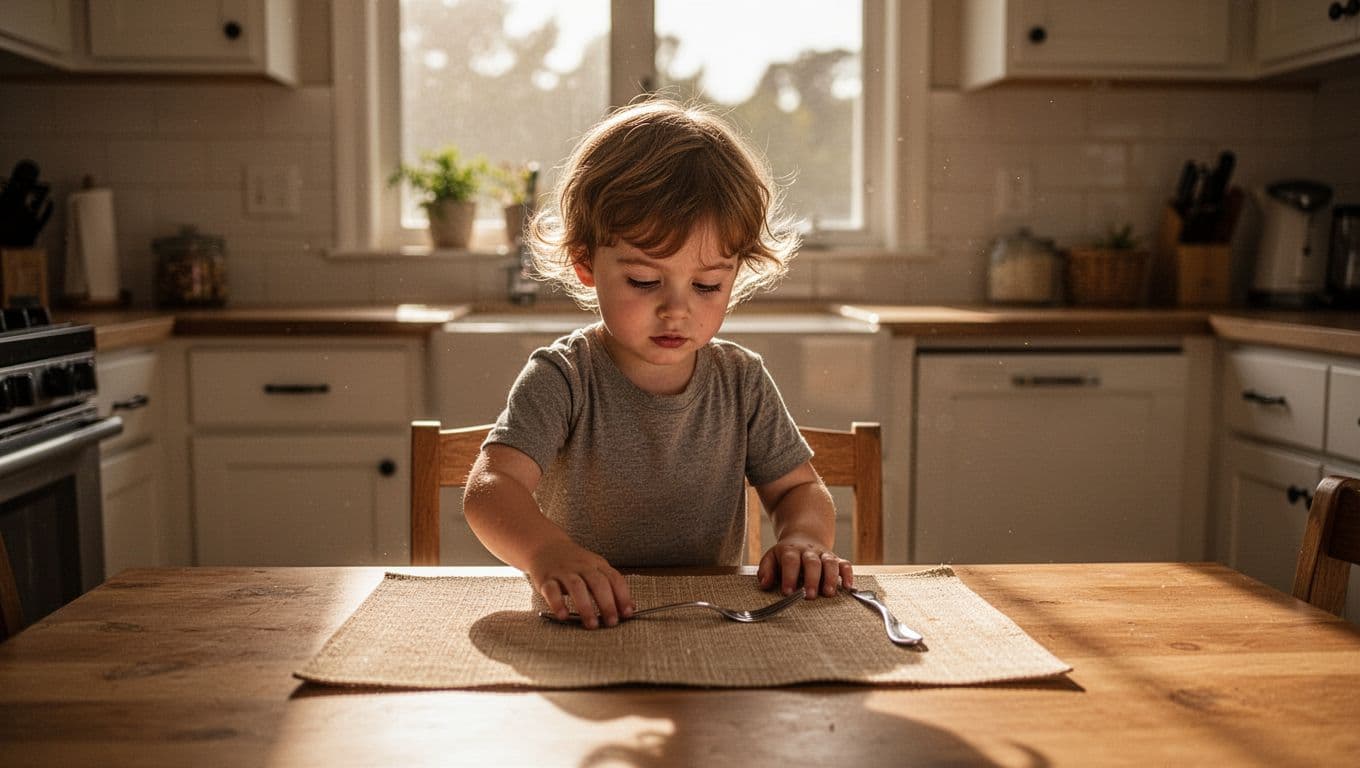
Small choices are the building blocks of sound judgment. When children decide which shirt to wear, whether to have an apple or crackers for a snack, or even which book to read first, they practice listening to their own preferences. This autonomy confirms that their thoughts have value and that they are the primary architects of their daily lives. You can start by offering two acceptable options, such as asking, “Would you like to start with your math homework or your reading assignment?” By narrowing the field while still providing a choice, you reduce overwhelm and help them feel in control. This constant practice builds the self-trust needed for larger, more complex decisions later in life.
Resist the urge to fix everything
It is a natural instinct to jump in when you see your child struggle with a stuck zipper, a tricky puzzle piece, or a social frustration. However, rushing to rescue them every time sends the message that difficulty is something to be avoided rather than conquered. Next time, try to pause and observe. You can coach them from the sidelines with encouraging questions instead of taking over the task. “How could we move that piece to make it fit?” or “What do you think is making this zipper catch?” When they manage to succeed after a few tries, the pride on their face is genuine. This process teaches them that they are capable of working through frustration to find a solution.
Build confidence through simple responsibilities
Feeling useful is a powerful way to bolster a child’s sense of self. When children contribute to the household, they move from being passive participants to active members of the family team. Simple tasks like clearing the table, feeding a pet, or putting away toys provide clear, tangible proof of their competence. These acts of service help children see that they have an impact on their environment. Research indicates that children who have a set of chores often display higher self-esteem and better frustration tolerance. Encourage them to help, express gratitude for their contribution, and let them know that their work makes a real difference in the home. When they own a task, they own the accomplishment that follows.
Praise effort, growth, and courage instead of only results
The words you choose act as a mirror for your child. When you focus solely on the end result, like a high grade or a winning goal, you signal that their value comes from being perfect. However, when you celebrate the process, you teach them that their brain is a muscle that grows with use. This shift in perspective creates a foundation where your child feels safe to experiment, fail, and try again.
### Say what they did well, not just that they are smart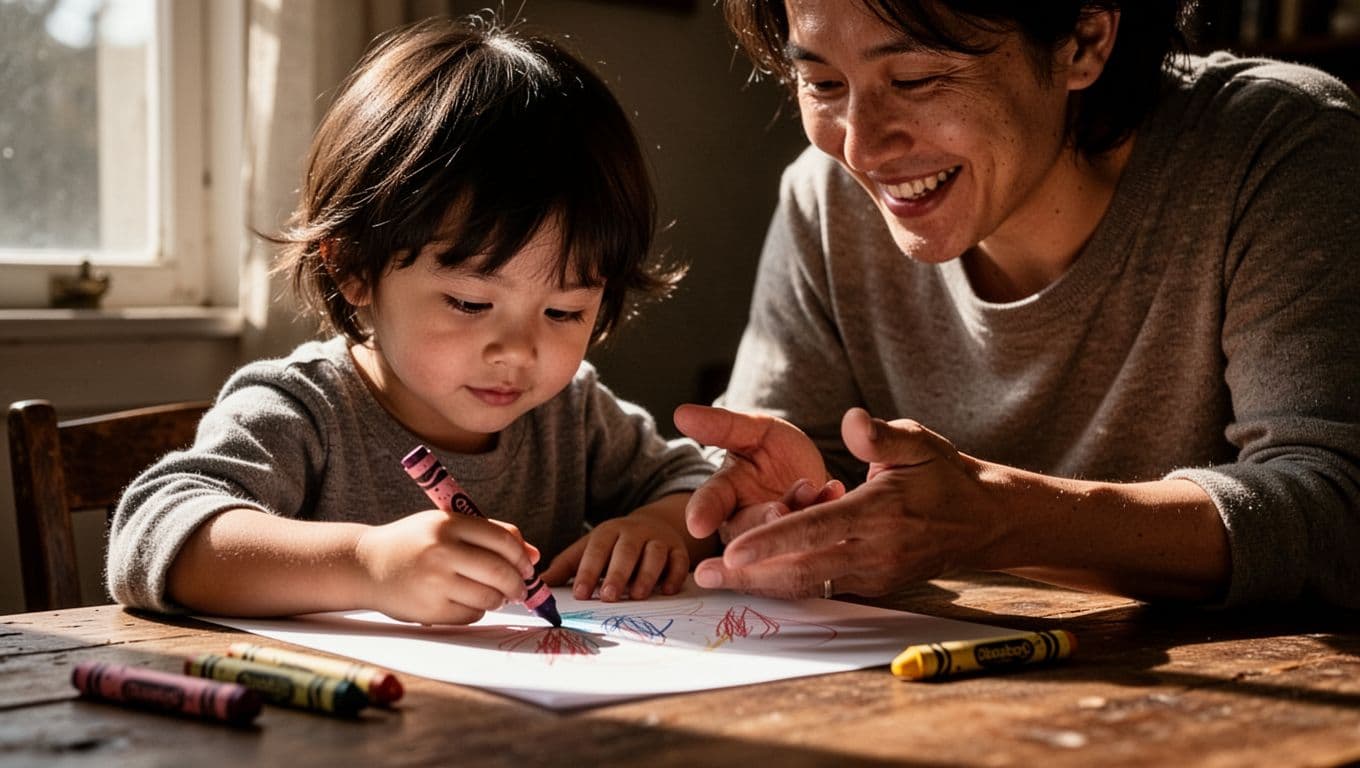
Telling a child they are smart can feel like a compliment, yet it often carries a hidden cost. Labels like “genius” or “perfect” set a standard that children feel they must maintain. When you praise their hard work, strategy, and problem-solving, you give them a roadmap for future success. You show them that improvement is within their control, which is the core of strategies for building child self-confidence.
Focus on the specific actions that led to the result. By pointing out the path they took, you validate their dedication. Consider these ways to acknowledge their hard work:
- For school work: Instead of saying “You are so smart,” try, “I can see you really concentrated on those math problems until you found the answer.”
- For sports: Rather than saying “You are the best player,” use, “Your practice sessions are paying off; you moved so quickly on the field today.”
- For art: Skip the generic “This is perfect” and say, “You chose such interesting colors, and you clearly took your time on those details.”
- For chores: Say, “Thank you for sticking with cleaning your room; it looks like you had to organize a lot of pieces to finish.”
When you offer this type of specific feedback, you provide a growth mindset approach to parenting that keeps them motivated even when the work feels tough.
Celebrate progress in small steps
Growth rarely happens in giant leaps. It happens in the quiet moments where a child tries a slightly different strategy or pushes through a bit of frustration. Noticing these small gains validates their journey. It reminds them that they are moving forward, even if the final result is not perfect.
When you name their progress out loud, you show that you are paying attention. You might say, “I noticed you didn’t give up when that puzzle piece was stuck; you kept turning it until it clicked.” This language highlights their persistence and helps them build the positive parenting methods for stronger bonds that keep them feeling supported. They feel stronger when their effort is seen and honored.
Avoid praise that creates fear of failure
Labels can become a heavy weight for a child. If a child believes their value depends on being labeled the “smartest” or “best,” they often stop taking risks. They begin to fear mistakes because a mistake might prove they are not as capable as people say. This fear of failure causes kids to avoid hard tasks altogether, opting instead for what is easy and safe.
Focus on the learning process rather than final labels to protect your child from this pressure. When you stop equating their worth with their output, they feel free to be human. They learn that they can stumble, learn from the moment, and keep moving forward. You can find helpful ways to encourage them that prioritize curiosity over a perfect outcome. True confidence is not found in being right every time; it is found in the courage to engage with the world, knowing they have the tools to handle whatever comes next.
Teach emotional strength, not just happy feelings
Confidence is not the same as constant happiness. A child who learns to navigate their full range of emotions is far stronger than one who only knows how to smile. True resilience starts when a child understands that feeling sad, angry, or scared is a normal part of life. You can raise a confident child by showing them that feelings are data, not character flaws. When they learn to move through difficult states, they build a deep sense of self-assurance.
Help them name what they feel
Emotional vocabulary gives children control over their inner world. When a child can identify what is happening inside, the feeling becomes less overwhelming. A toddler might lash out because they lack the words for frustration. By giving them the right language, you turn a tantrum into a teachable moment.
Start by naming the emotion for them. You might say, “It looks like you feel frustrated because the blocks keep falling down.” This validates their experience without judgment. Over time, they will learn to express these needs on their own.
Try these simple phrases to encourage emotional openness:
- “I can see you are feeling upset. Tell me what is happening.”
- “It is okay to feel sad right now. I am here with you.”
- “Does your heart feel a little scared about the new school?”
- “You seem angry. Let’s take a moment to breathe before we talk.”
Using these words removes the shame often attached to big feelings. When you acknowledge their pain or fear, you show them that they are safe even when they are not happy.
Model healthy coping skills
Children watch your every move during stressful times. They learn how to process life by observing how you handle your own setbacks. If you shout when you lose your keys, they will learn that shouting is the primary way to handle frustration. However, if you take a deep breath and state your problem clearly, you show them a better way.
Practice calm breathing in front of them when the day gets chaotic. Explain what you are doing so they understand the purpose. You could say, “I am feeling a bit stressed, so I am going to take three slow breaths to help my body relax.” This simple habit teaches them that they have tools to manage their internal state.
Showing them how you learn from mistakes is also powerful. Admit when you get something wrong or lose your patience. Tell them, “I made a mistake earlier by raising my voice, and I am sorry. Next time, I will try to step away for a minute instead.” This honesty proves that perfection is not the goal. It shows them that being an adult is about growth and repair, not about never having a bad day.
Use mistakes as lessons, not shame
Mistakes are the primary evidence of learning. When a child fails at a task, they often feel a sting of embarrassment. Your role is to shift that focus from failure to opportunity. A mistake is just a piece of data that shows a different path for the next attempt.
Avoid using shame when things go wrong. If your child breaks a glass, focus on the clean-up rather than criticizing their clumsiness. You might say, “That was an accident, but let’s see how we can fix this safely.” This keeps their self-esteem intact and encourages them to solve problems rather than hide from them.
Reinforce that their worth is independent of their success. Remind them that every great inventor or artist started with many failed attempts. When you treat slip-ups as normal events, your child stops fearing them. They gain the courage to try new things because they know they are safe even if they do not succeed on the first try.
Help your child speak up and trust their own voice
True confidence includes the ability to stand tall and share your truth. Children who learn to advocate for themselves discover that their voice carries weight. This does not mean they need to be loud or demanding. Instead, it means they learn to express their feelings, needs, and boundaries with clarity. When you support this growth, you provide them with a tool that serves them for a lifetime. It transforms how they interact with friends, teachers, and the world around them.
Practice simple phrases together
Words often escape us when we feel nervous or cornered. By practicing specific phrases at home, you help your child build a mental script they can use under pressure. Role-playing feels like a game, which makes the language feel natural instead of forced. When the real moment arrives, they won’t have to search for what to say because the words already live in their memory.
Consider using these scripts in calm, everyday moments:
- “I need help with this part.”
- “I do not like that, please stop.”
- “Can I try again, please?”
- “I am not ready to share yet.”
Encouraging this practice makes it easier for them to use their voice when they feel uncertain. If they struggle in a social situation, remind them of the script. This gives them a sense of control and reduces the fear that often stops children from speaking up.
Respect your child’s opinions and preferences
Children develop trust in their own judgment when they see that their thoughts matter to you. Listening to their ideas shows them that they are a valued member of the family. You don’t have to agree with every request or grant every wish. However, making space for their perspective creates a bridge of mutual respect.
When you say no, explain the reason behind your decision. This helps them understand the logic, even if they remain disappointed. Avoid talking over them or dismissing their feelings as unimportant. When you demonstrate that their voice has an effect, they grow more comfortable sharing their thoughts with others. This simple habit of validation strengthens their sense of identity. It tells them their voice is worth hearing, which is the cornerstone of self-advocacy.
Support healthy boundaries with family and friends
Boundaries are the invisible walls that keep our inner world safe. Teaching your child that they have the right to say no helps them navigate their relationships with confidence. They need to know that their comfort matters, especially when they feel uneasy about physical touch or being pushed to do something they dislike.
Keep these lessons simple and clear. You might teach them that their body belongs to them. Encourage them to speak up if a friend is too rough or if a relative insists on a hug they don’t want. Your role is to be their advocate while they learn to protect their own space. When they know you have their back, they find the courage to set these limits on their own. This awareness protects them and ensures they feel secure in their interactions with everyone they meet.
Conclusion
You raise a confident child by showing up with steady love and patient guidance. You don’t need to be perfect to make a difference. Your child learns to trust themselves when you remain consistent and offer a safe place to land after a mistake.
Give your child the freedom to try hard things on their own. Each small success builds a foundation of grit and self-reliance that lasts long after they leave your home.
Small daily habits shape a child’s voice, courage, and self-trust over time. Every moment you spend supporting their growth helps them walk into the world with a quiet, certain sense of who they are.
Save pin for later


- 20 Tough Boy Names and Their Meanings - September 20, 2026
- 10 Reasons Babies Cry While Pooping and When to Worry - September 20, 2026
- 10 Signs Your Baby Can’t Breathe Properly - September 20, 2026