The first day of school is more than just a date on the calendar. It is a big emotional milestone that brings a mix of excitement and nerves for both you and your child.
It is common to feel a little anxious about this transition, but preparation makes all the difference. When you start early and keep a positive focus on both routines and feelings, you help your child feel safe, confident, and ready for their new adventure. You can find simple ways to ease the school transition to make the process smoother for everyone involved.
This post shares practical steps to guide your child through these changes. You will find that when you approach these days with calm and steady support, you build a foundation for a successful start. If you want to see how other parents approach this milestone, this video on preparing your child for the first day of school offers helpful insights.
Start with calm words that make school feel safe
The way you talk about school creates the emotional landscape for your child. Instead of focusing on expectations or big achievements, keep your tone steady and light. Focus on the simple, pleasant parts of the day to build a sense of safety. Children often mirror the energy of their parents, so sharing your own calm perspective helps them approach the unknown with curiosity rather than fear.
### Use simple stories to explain what the day will look like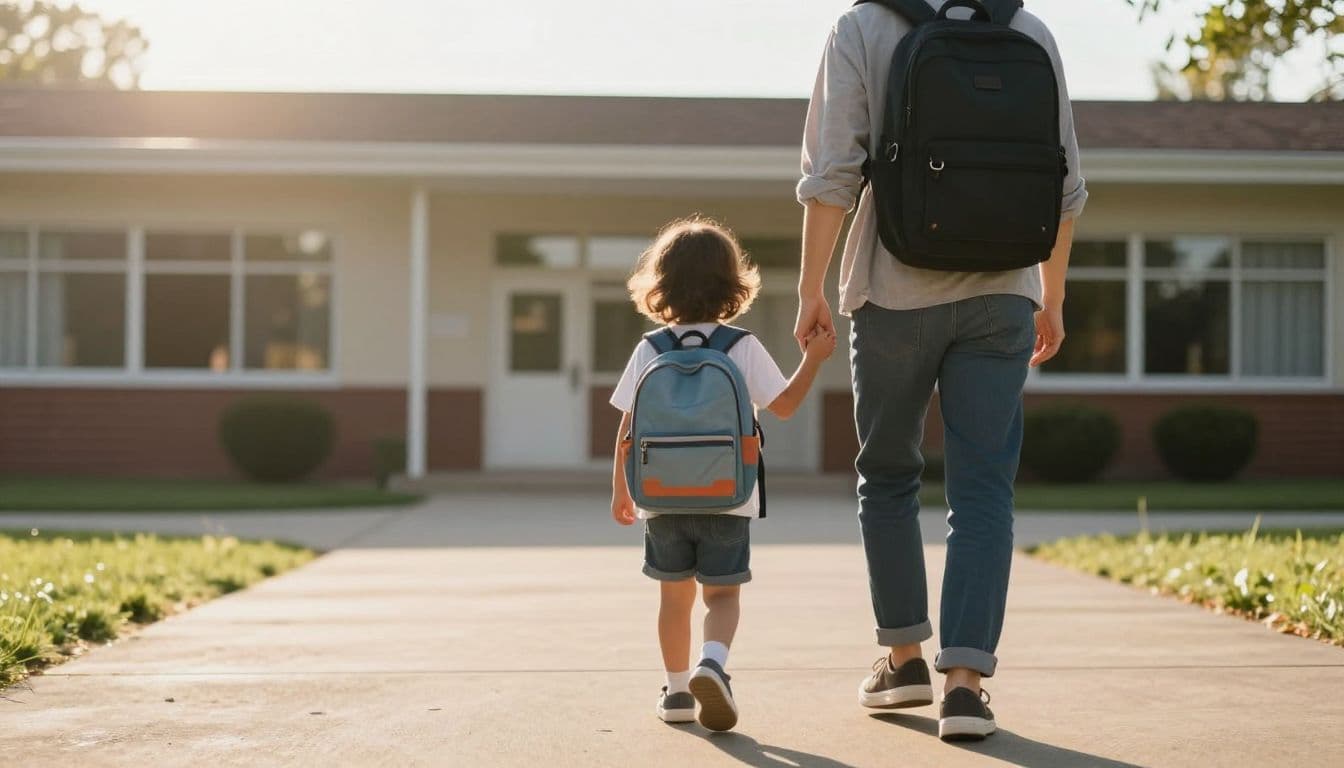
Anxiety often blooms in the space between the unknown and the expected. Help your child bridge that gap by describing the school day in small, manageable pieces. Avoid giving a play-by-play that lasts for hours, as too much information can feel like a heavy weight. Instead, walk them through the main beats that will define their time away from home.
- Arrival: You will walk to the classroom door, give a hug, and say goodbye.
- Classroom time: You will sit with your new friends and listen to a fun story.
- Playtime: You get to explore the playground, run around, and maybe try the swings.
- Lunch: Everyone eats together, which is a great time to chat with new peers.
- Pickup: At the end of the day, I will be waiting right here to walk home with you.
By keeping these steps clear and predictable, you give your child a mental map. When a child knows what is coming, their brain stops searching for threats. You might find that creating stress-free school morning routines helps reinforce this sense of security, showing them that their day has a natural, safe flow.
Answer worries without brushing them aside
When your child expresses fear, your first instinct might be to tell them they will be fine or that school is great. While meant to comfort, these words can accidentally make a child feel ignored or misunderstood. Instead, pause and listen. Validate their feelings by naming them, which helps your child realize that their emotions are normal and safe to discuss.
Try responses that acknowledge their internal state without escalating the worry. You could say, “It makes sense that you feel nervous about a new place,” or “Many kids feel a bit strange on their first day, but you are ready for this.” According to guidance on calming back-to-school jitters, creating rituals and naming feelings can transform a scary event into a manageable routine. This approach tells your child that they don’t have to be fearless to be brave.
Let your own confidence set the tone
You do not need to act like you are completely indifferent to the day, but avoid projecting panic. Children are keen observers. They look to your face and your voice to decide if they should feel threatened or excited. If you speak about school as a natural, positive step, they are much more likely to adopt that view themselves.
Keep your tone steady, warm, and hopeful. If you feel your own nerves rising, take a deep breath before you start a conversation. Your steady presence acts as an anchor for them. When you show that you believe in their ability to handle the day, you provide the quiet protection they need to try new things. Confidence isn’t about being perfect; it’s about showing up with a clear, calm heart.
Build the first-day routine before school starts
A morning flow feels far less daunting when the body already recognizes the steps. When your child understands what comes next, they feel grounded rather than rushed. By practicing these small, daily habits before the summer ends, you turn a chaotic scramble into a predictable dance.
### Shift sleep and wake-up times a little earlier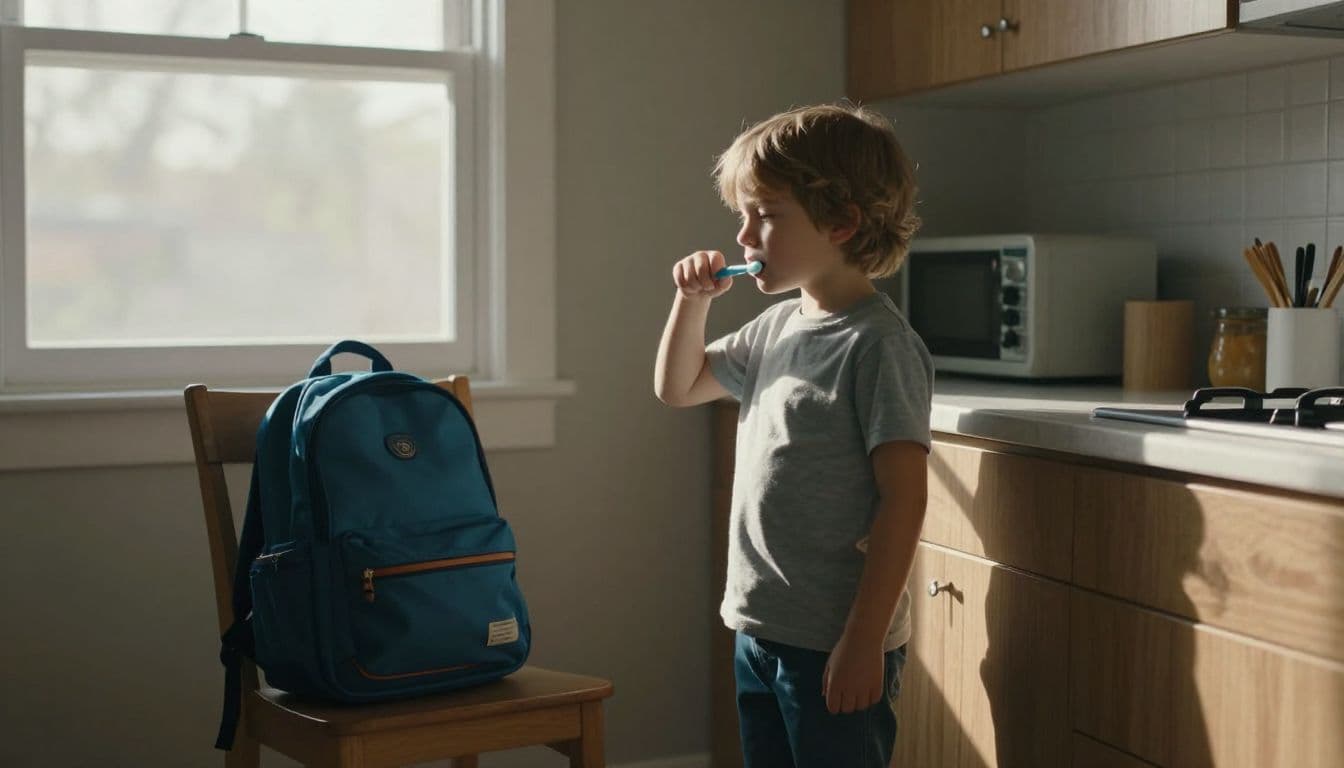
Children handle new challenges better when they are well-rested. If you wait until the night before the first day to jump back into a school schedule, you set the stage for an overtired and frustrated morning. Instead, move your child toward their school schedule gradually.
Adjust bedtimes and wake-up times by fifteen to twenty minutes every few days. This slow shift prevents the shock of a sudden change. Their internal clock needs a gentle nudge to reset after the loose, late rhythm of summer. When they wake up at the correct hour in the days leading up to school, they gain confidence in their ability to meet the morning.
Practice the morning flow at home
Rehearsing the morning makes the real day feel like a familiar habit rather than a stressful event. Walk through the essential steps together: get dressed, eat a quick breakfast, brush teeth, and grab the bag. You can find effective family organization systems to help keep these steps visible and consistent.
When your child knows the order of operations, anxiety loses its grip. They don’t have to wonder what happens next because they have done it several times already. Keep the practice light and encouraging. If something goes wrong during a practice run, smile and try it again, as the goal is simply to build muscle memory for the big day.
Pack the backpack the night before
Last-minute scrambles for lunch boxes or missing folders often ruin a calm start. Preparing everything the night before is a simple way to protect your morning peace. Set out the clothes for the next day, pack the bag, and place it by the door.
This habit removes the pressure to think clearly while everyone is still sleepy. It allows you and your child to focus on breakfast and connection rather than hunting for lost items. Providing this layer of organization is one of the most helpful practical tips for morning routines you can adopt. When the essentials are ready, you start the day on your own terms.
Make school feel familiar before the bell rings
The unknown often feels like a giant, looming shadow. By turning parts of the school environment into familiar territory, you strip away the fear that comes with starting a new chapter. When a child recognizes the layout, they gain a sense of belonging before the first official day begins.
Visit the school and explore the space
Nothing beats the power of a real-world preview. If your school hosts an open house or allows tours, take the chance to walk the hallways together. Seeing the classroom, the cafeteria, and the restrooms turns a mysterious building into a recognizable place. For more background on these transitions, see the importance of school orientation.
Point out the cubbies, the reading corner, and the door where you will drop them off. When you map out the route together, you replace anxious “what ifs” with concrete memories. This process often lowers first-day jitters significantly, as the child is no longer walking into a complete void.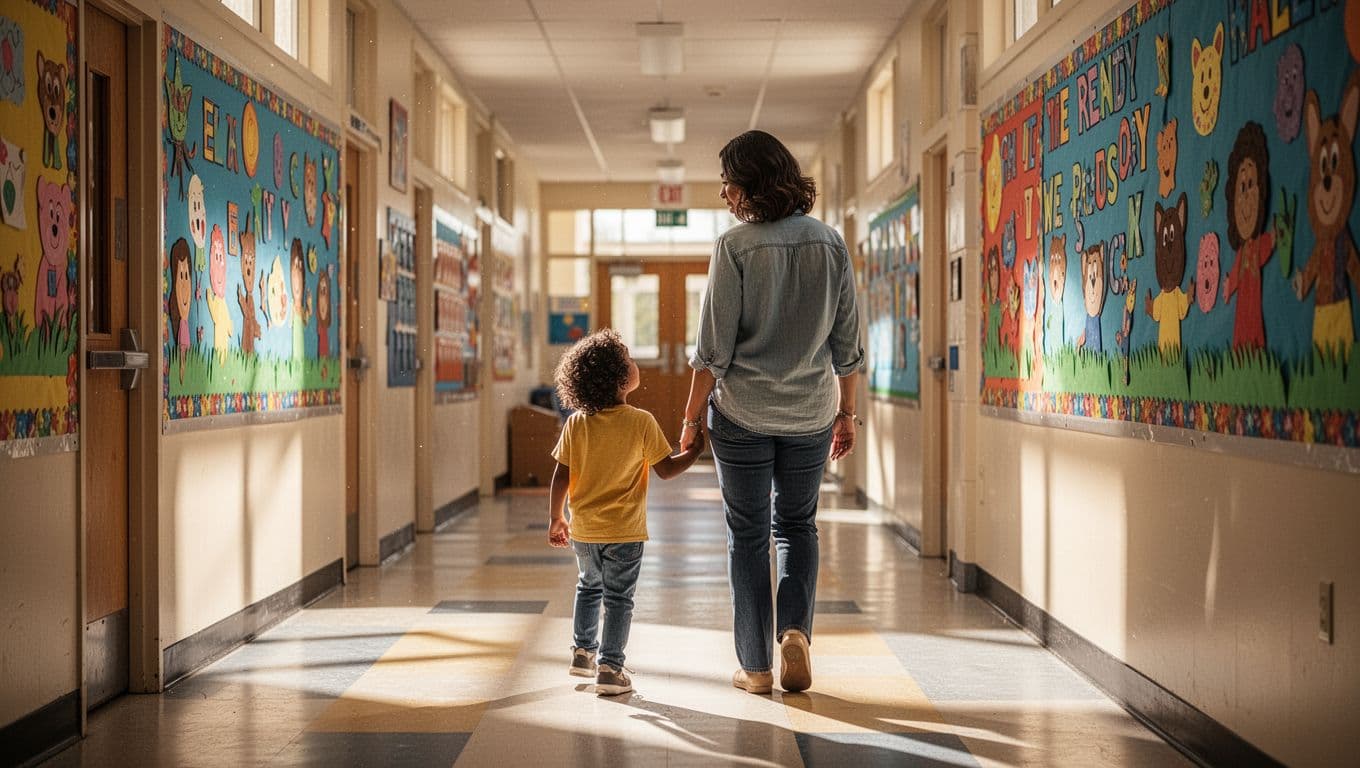
Meet the teacher when you can
A friendly face acts as a bridge between the safety of home and the excitement of the classroom. If the school allows a brief introduction before the term begins, grab that moment. Even a five-minute chat helps your child connect a name to a person.
When your child knows who will be greeting them at the door, the school day feels more like visiting a friend and less like entering a system. It grounds their expectations and provides a specific person to look for when they walk in alone. If you are also focused on managing school day morning routines, remember that knowing the teacher personally makes the morning handoff feel much more natural.
Practice short separations so goodbye feels easier
Separation is a skill that grows through small, repeated experiences. Before the school year starts, try leaving your child with a trusted relative, a babysitter, or even a friend for an hour or two. These practice runs prove to your child that you always return.
Each time you say goodbye and come back, you build their internal sense of trust. Use these moments to establish a consistent farewell ritual, such as a high-five or a secret handshake. This predictability gives them a tool to use when they feel nervous, reminding them that the temporary distance is just a part of their day. Keep these separations low-pressure, and you will find they grow more confident with each small success.
Teach the daily skills that help your child feel capable
School is a big step, but it is often the tiny moments that determine how a child feels in the classroom. When a child masters basic daily tasks at home, they carry that sense of control into the school day. They spend less time worrying about how to open a juice box and more time engaging with their friends. You can find tips for raising confident children as you guide them toward this new level of self-assurance.
### Practice lunch, clothing, and backpack basics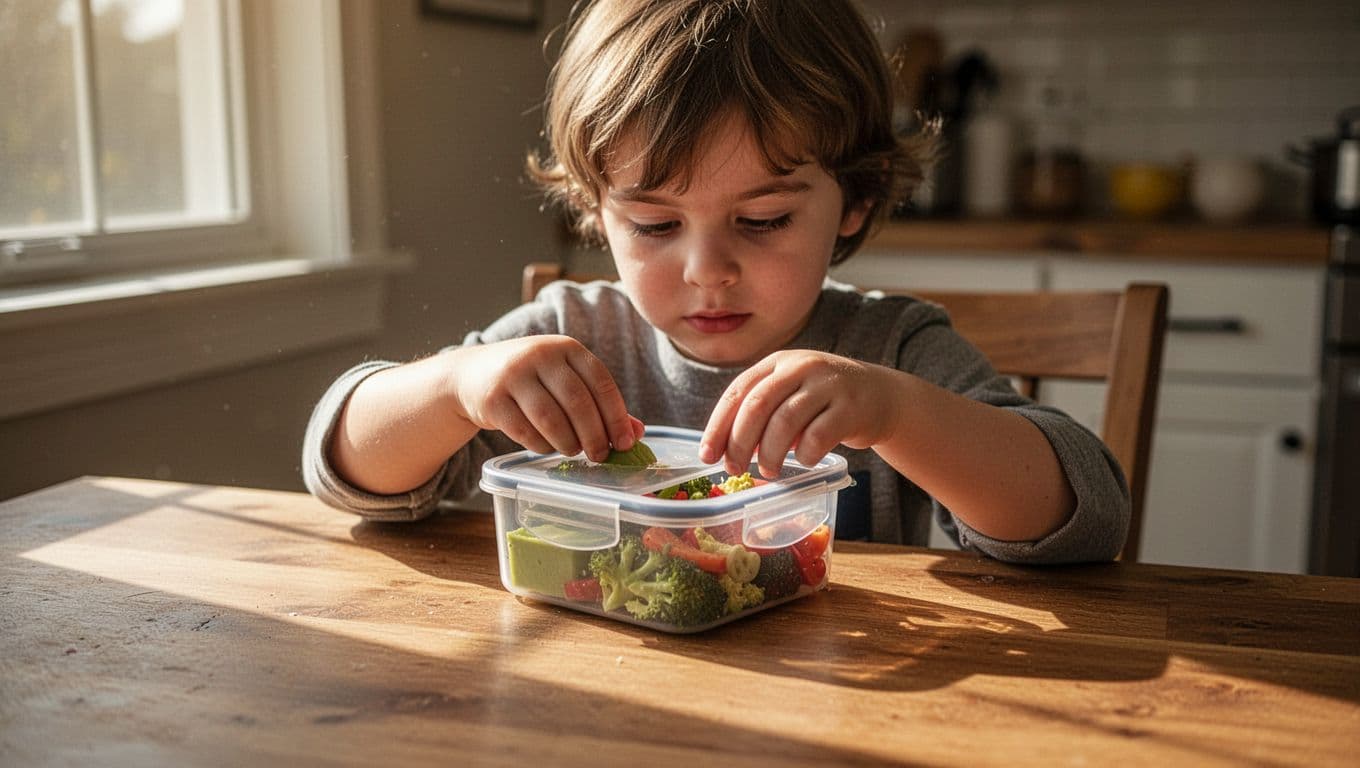
Frustration at school often comes from simple motor skills that feel bigger than they are. When a child struggles to pull a zipper or open a snack container, they might feel defeated before the fun even begins. You can fix this with a few low-pressure practice sessions at home.
- Lunchbox confidence: Give your child the exact containers they will use at school. Let them practice opening and closing these lids until they feel easy to manage.
- Clothing ease: Focus on simple gear. Elastic waistbands are easier than complex buttons for a child still learning dexterity. Practice putting on a jacket and hanging it on a hook, as this is a common classroom request.
- Pack maintenance: Show your child how to place their folder in the main compartment and keep their water bottle in its specific pocket.
Consistent practice helps these movements become muscle memory. When the classroom becomes busy, they will already know where their items belong. For more technical approaches to these movements, Kid Sense Child Development offers insight into how small, daily segments of practice build larger capabilities.
Work on social skills like sharing and taking turns
School is not just about letters and numbers. It is a social environment where playing and cooperating hold the most weight. Children who understand how to wait their turn often find it easier to form connections with peers. You can model this by playing simple games at home.
Board games or even just building a tower together provides natural practice. If you are playing with blocks, take turns adding a piece. This teaches them that waiting for the other person makes the experience better for everyone. Use phrases like “my turn” and “your turn” to make the concept clear.
When children see that sharing leads to more fun, they are more willing to cooperate with others. If they have trouble, keep your response calm and focus on the benefit of the game. Learning to navigate these interactions early ensures they feel prepared for the social rhythm of a classroom.
Give your child small jobs that build confidence
Children feel proud when they contribute to the rhythm of the household. Giving them simple responsibilities shows them that they are capable of handling real-world tasks. Start with chores that match their age and ability, as these small wins translate directly into classroom competence.
You might ask your child to clear their plate after a meal, put their toys in a designated bin, or lay out their outfit for the next morning. Each time they finish a task, they develop a sense of ownership over their daily flow. They learn that they can follow directions and finish what they start.
These responsibilities build a foundation for supporting your child’s home learning as they encounter new school expectations. When they realize they are a helpful participant in their own life, the classroom environment feels like a place where they belong rather than a place where they are just being told what to do.
Handle first-day nerves with comfort and a clear plan
The morning of the first day of school often carries a weight that feels heavy for both you and your child. Nerves are natural during transitions, yet your approach helps turn that anxiety into excitement. When you stay calm and organized, you provide the safety your child needs to take that big step forward. Your goal is to keep the energy light so your child feels supported as they begin their day.
Keep goodbye short, loving, and steady
Long, drawn-out farewells often amplify a child’s worry. When you linger, the message you unintentionally send is that school is a place they should fear. A brief, loving goodbye signals that you are confident they are safe and capable.
Try a quick, warm routine that makes the parting feel expected rather than a dramatic event. You might share a favorite family phrase, a special high-five, or a tight hug before you walk away. Once you say your final goodbye, leave with a smile and a wave. When you keep your exit smooth and consistent, you teach your child that they can trust the rhythm of the day.
Use a comfort item if it is allowed
Familiar objects act like invisible bridges between home and the classroom. If the school permits, let your child carry a small item that brings them a sense of security. A tiny family photo in a pocket, a small soft toy, or a keychain from home can serve as a quiet reminder that you are still connected.
When the classroom environment feels new or overwhelming, a familiar object provides a grounding point. It serves as a personal piece of “home” they can touch when they feel lonely. This small bridge helps them manage their emotions independently throughout the morning. Always check with the teacher first to confirm what items are allowed in their space.
Leave enough time so nobody feels rushed
Stress is contagious, and it often moves from parent to child before the car door even closes. If you start your morning in a frantic race against the clock, your child will mirror that scattered energy. Planning for extra time prevents this cycle of worry.
Account for potential traffic, finding a parking spot, and those last-minute adjustments to school bags. When you arrive with time to spare, you create space for a peaceful walk to the classroom door. A relaxed pace allows your child to notice their surroundings rather than feeling pushed through the motions. This extra cushion of time protects the morning peace and ensures you start the day on a foundation of calm.
Conclusion
Preparing your child for the first day of school is a journey built on trust, routine, and confidence. By taking small steps, you create a sense of safety that lasts well beyond the first bell.
Remember that you don’t need a perfect morning to set the right tone. Focus on a peaceful start instead. Small acts, such as practicing a morning routine, visiting the school, or keeping your own emotions steady, help your child walk into the classroom feeling braver than before.
Save pin for later


- 20 Tough Boy Names and Their Meanings - September 20, 2026
- 10 Reasons Babies Cry While Pooping and When to Worry - September 20, 2026
- 10 Signs Your Baby Can’t Breathe Properly - September 20, 2026