Back-to-school season can feel busy, exciting, and a little shaky all at once, especially when your child needs a gentle nudge toward the first day. Small, thoughtful ideas can ease nerves, build excitement, and turn those last days of summer into happy family memories.
If you want simple ways to make the shift easier, these 10 back to school ideas for kids from parents are fun, low-stress, and easy to do at home. A calmer start often begins with little things, like a better morning flow, and making school mornings easier for kids can set the tone for the whole day. Here are the ideas that can help your child feel ready, confident, and excited for what comes next.
Why back-to-school prep feels easier when parents make it fun
Back-to-school prep gets lighter when it feels less like a chore list and more like a family project. Kids can sense the shift in the air, and they often carry both excitement and worry at the same time. New teachers, new routines, and new expectations can feel big, even when they look small on the outside.
When parents add a little fun, the mood changes. A backpack check turns into a game. A supply run becomes a shared outing. Even a simple evening routine can feel calmer when it has a familiar rhythm, like the kind of smooth school-day mornings that start with less rush and fewer tears.
How small traditions help kids feel calm and ready
Small rituals give kids something steady to hold onto. A countdown on the fridge, a favorite breakfast on the night before school, or a first-day photo by the door can turn nervous energy into happy anticipation. Children often relax when they know what comes next, because predictability feels safe.
These little traditions do more than look sweet. They tell your child, “We do this together, and you’re ready for it.” That message matters, especially when school feels unfamiliar. If your child is already uneasy, gentle support can help ease back-to-school anxiety before it grows bigger than the day itself.
Why a little planning saves stress later
A few early habits can save a lot of morning chaos. When shoes are by the door, papers are signed, and lunch ideas are decided ahead of time, the first school morning feels less frantic. There is no last-minute scramble, and that alone can protect everyone’s mood.
Try making prep feel concrete and easy to picture:
- Lay out clothes the night before.
- Pack backpacks before bedtime.
- Set a spot for school papers and lunch boxes.
- Practice the wake-up routine before school starts.
That kind of planning does more than keep items from getting lost. It gives kids a sense of control, and that confidence can carry them through the first week with a little more ease.
10 Back-to-School Ideas for Kids Parents Can Do at Home
A little at-home prep can make the first day feel less heavy and more exciting. When kids help with the process, they feel included, and that sense of ownership can calm nerves fast. These ideas are simple, budget-friendly, and easy to fit into ordinary family life.
Start a countdown calendar for the first day
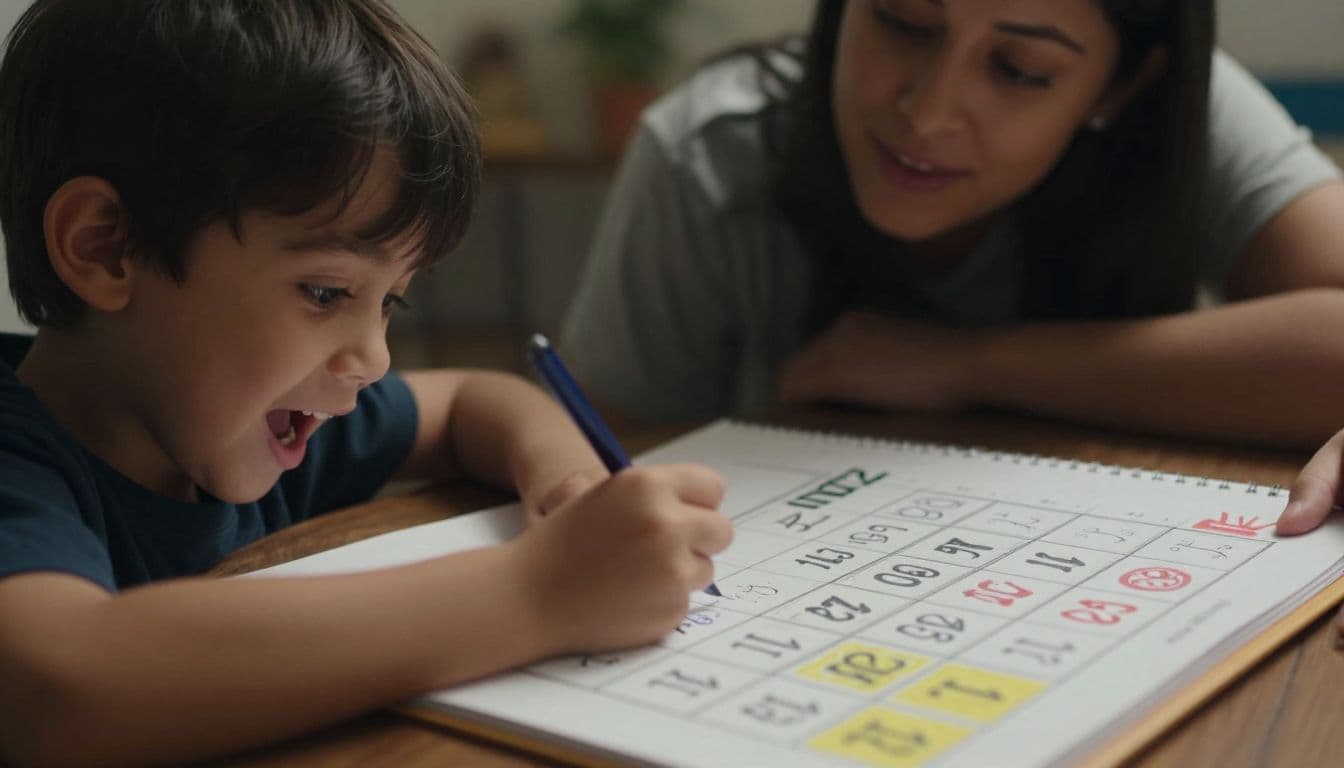
A countdown calendar gives kids something they can see and touch every day. Use a paper chain, a simple wall calendar, or a homemade chart, then let your child mark each day with stickers, colors, or little drawings.
That daily check-in builds anticipation in a steady way. It also gives younger kids a clear routine, which can make the waiting feel less endless.
Put together a back-to-school surprise bag
A small surprise bag can turn an ordinary evening into something special. Fill it with a few pencils, stickers, mini notes, erasers, or colorful supplies the child can use right away.
You don’t need much to make it fun. A few low-cost items from the store, plus a handwritten note, can feel just as exciting as a bigger gift. For more ways to keep school prep simple at home, supporting your child’s educational journey can start with small, thoughtful habits like this.
Let kids choose their first-day outfit
Picking the first-day outfit gives children a small but meaningful sense of control. That choice can help them feel more confident, especially if school already feels a little intimidating.
Lay out a few weather-friendly options, then let your child choose the one they like best. If you want the morning to stay calm, you can also have them pick the outfit the night before and place it where they can see it.
Create a first-day photo tradition
A yearly first-day photo helps your family watch the school years grow one frame at a time. You can take the picture by the front door, on the porch, or in the same spot each year.
Add a few details to make it more personal. Hold up a sign with the grade and age, or snap the photo beside a favorite toy, backpack, or book. Over time, the pictures become a sweet record of how much has changed. If you want more family-friendly back-to-school inspiration, back-to-school family traditions can spark a few easy ideas too.
Write lunchbox notes that make the day brighter
A short note tucked into a lunchbox can steady a child in the middle of a long school day. Keep it simple and loving, like “You’ve got this,” or “I’m proud of you.”
These notes can also be playful or funny. A silly joke, a quick doodle, or a tiny reminder that home is cheering them on can brighten the lunch break. The goal is not perfection, just a warm little message they’ll be happy to find.
Plan a special breakfast for the morning of school
The first school morning feels better when breakfast has a small sense of occasion. Keep it easy with kid-friendly food like banana pancakes, yogurt with fruit, toast with peanut butter, or scrambled eggs and fruit.
You don’t need a big spread. Even one special item, like star-shaped toast or a favorite smoothie, can make the morning feel festive without slowing you down. The best breakfast is one you can actually manage before the bus, carpool, or school drop-off.
Read a school-themed story together
Books can make school feel less mysterious, especially for younger kids. A school-themed story gives them a chance to picture classrooms, lunch time, friends, and routines before they walk through the door themselves.
Choose a story that fits your child’s age and mood. If they feel nervous, look for a book about first-day jitters or a character who learns to feel brave. Then pause and talk about the parts that sound familiar. A quiet reading time can open the door to questions they may not say out loud otherwise.
Set up a homework and school supply spot
A small homework area helps school days feel more organized from the start. It doesn’t need to be fancy, just a spot with pencils, paper, folders, and a place to sit.
When supplies have a home, kids learn where things belong. That keeps the morning and after-school rush from turning into a scavenger hunt. A neat corner, even one small basket or desk drawer, can support better habits and less stress. If you want a deeper setup idea, creating a dedicated homework zone can make the whole home feel more school-ready.
Practice the school routine before the first week
School mornings go smoother when kids have already walked through the routine at home. Try a practice run with bedtime, wake-up time, getting dressed, eating breakfast, and leaving on time.
This does not have to feel strict. Treat it like a dress rehearsal, so everyone knows where shoes go, how long breakfast takes, and when it’s time to head out. A few practice mornings can take the edge off the real ones.
Children settle faster when the routine feels familiar. Even one or two practice days can lower the morning scramble.
End summer with a memory-making family activity
A little farewell to summer helps kids shift into the new season with a better mood. You can make a scrapbook page, start a memory jar, put together a photo collage, or talk about favorite summer moments as a family.
This final activity gives children a clean and gentle way to close one chapter. It also reminds them that school is not the end of fun, just the start of a new kind of it. A few favorite memories on paper can make the handoff feel lighter and warmer.
Simple ways to keep school mornings peaceful after the first day
The first school day often gets the most attention, but the days after it need care too. That is where the real rhythm begins, with backpacks that stay ready, bedtimes that hold steady, and small talks that help kids reset before the next morning arrives.
When home feels organized, mornings stop feeling like a race. Kids move through the day with more ease, and parents get a little more breathing room too.
Use a night-before checklist
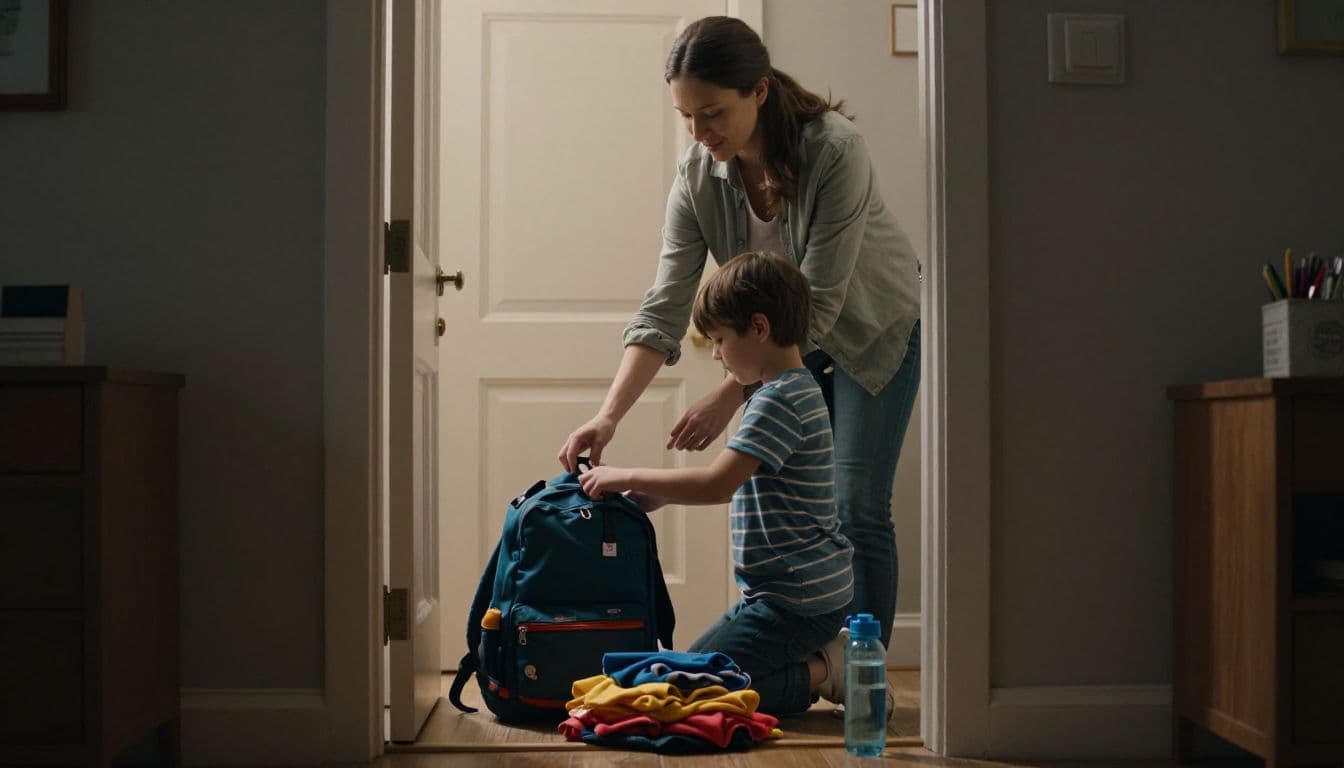
A night-before checklist takes the pressure off the next morning. Keep it simple and repeat the same items each evening, so your child knows what to expect.
Include the basics that tend to cause last-minute scrambling:
- Backpack
- Clothes for the next day
- Lunch
- Water bottle
- Papers, forms, or folders
Place the checklist where your child can see it, like near the door or beside the bed. Once it becomes a habit, the morning feels lighter because half the work is already done. That small routine can save a lot of sighs before breakfast.
Keep bedtime and wake-up times steady
Sleep shapes the whole first stretch of the school year. When children get enough rest, they usually handle early mornings with better mood, more focus, and fewer behavior slips.
A steady bedtime also helps the body clock settle in. If sleep gets short or uneven, kids may wake up cranky, distracted, or oddly hyper when they are really tired. That is why the first school weeks can feel bumpy without a firm sleep pattern.
Try to keep wake-up times close to the school schedule, even on weekends. A consistent rhythm makes the alarm less shocking and helps mornings feel familiar instead of jarring. When bedtime stays calm, the next day starts calmer too.
A tired child often looks defiant, but many times the real problem is plain exhaustion.
Make room for quick check-ins after school
A short after-school check-in can prevent small worries from spilling into the next morning. Keep the questions easy, then give your child time to answer without rushing them.
Simple prompts work best:
- What was one good thing today?
- Did anything feel hard?
- Who made you laugh?
- Is there anything you need for tomorrow?
Listen closely, even if the answer is short or messy. Kids often open up in pieces, and a casual talk while they snack or unpack can bring out wins, worries, and funny moments from the day.
These small conversations also help you spot problems early. If something feels off, you can fix it before bedtime turns tense and the morning starts heavy.
How to choose the best back-to-school ideas for your child
The best back-to-school ideas are the ones your child can actually enjoy and repeat. A child who loves surprises may light up at a special breakfast or a mystery school bag, while a child who likes routines may feel better with a countdown calendar and a clear bedtime plan. Kids who need extra reassurance often do best with calm, familiar steps that make the day feel safe.
Age matters too. Younger children usually want simple, hands-on ideas they can see and touch. Older kids may prefer choices that feel more grown-up, like picking their outfit, packing their bag, or helping plan the first week. The goal is to match the idea to the child, not force every family into the same routine.
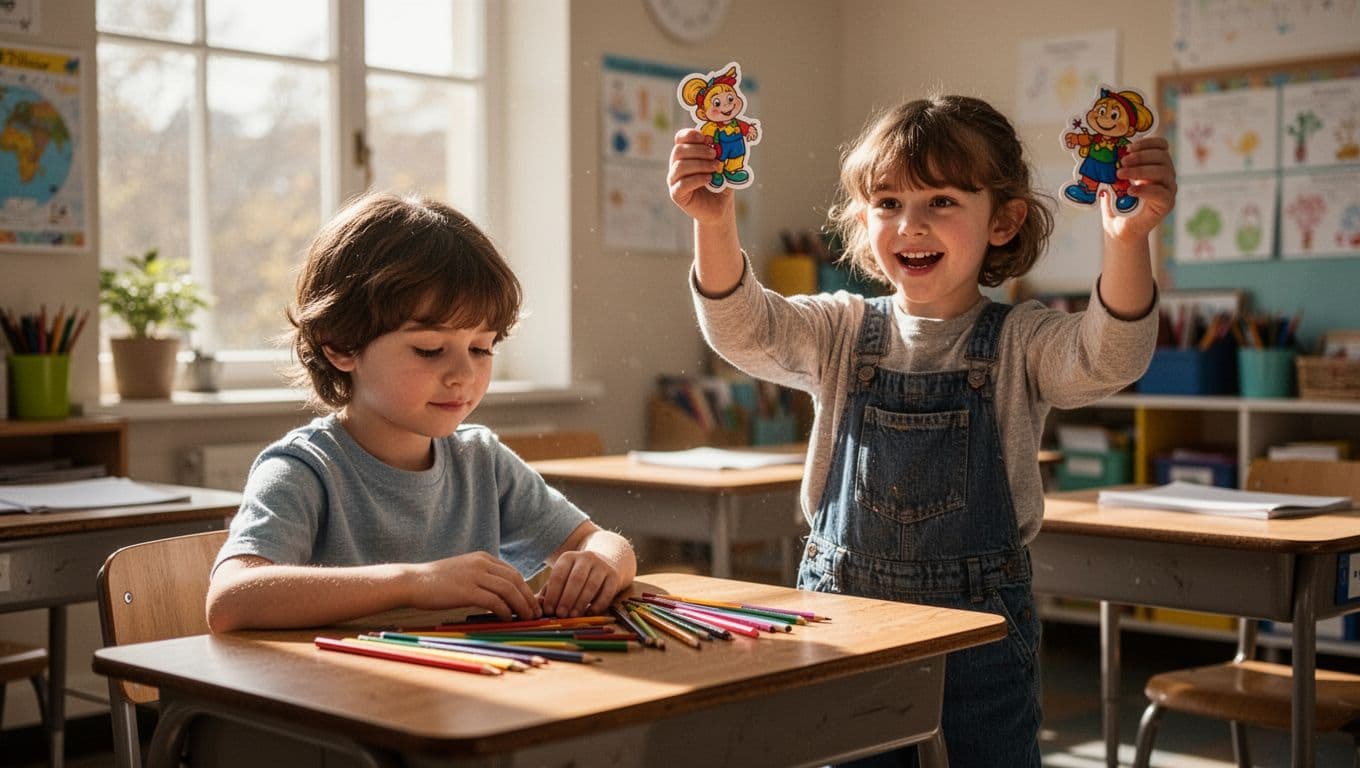
Pick ideas that fit your child’s personality
Some children love novelty. They perk up when you turn school prep into a little event, like opening a surprise bag or starting a countdown chart with stickers. These kids often enjoy anything playful, colorful, or slightly unexpected.
Other children feel calmer when they know what to expect. For them, routines work better than surprises. A simple bedtime checklist, a practiced morning flow, or the same first-day photo spot each year can feel like a steady hand on their shoulder.
Then there are the children who need extra reassurance. They may ask more questions, worry about the classroom, or cling a little harder at drop-off. For them, gentle prep works best, including short talks, school stories, and repeated reminders that school is safe and temporary.
You do not need to use every idea on the list. Choose the ones that fit your child’s temperament, then keep the rest in your back pocket. If your child is shy or slow to warm up, Zero to Three’s guide to shy temperaments offers helpful background on easing new experiences with care.
Keep it simple so the fun does not turn into pressure
Back-to-school prep should feel warm, not heavy. If an idea becomes too big, too perfect, or too photo-ready, it can steal the joy right out of it. A child remembers the feeling far more than the details.
A handmade lunch note, a favorite breakfast, or a quiet story before bed can mean more than a full shopping haul. The point is comfort and connection, not a polished moment for anyone else to admire.
Keep asking yourself a simple question: does this feel easy to repeat? If the answer is yes, it probably belongs in your family routine. If the answer is no, simplify it until it does.
The best back-to-school choices are the ones your child can return to without stress.
When you choose with your child in mind, school prep becomes less about doing everything and more about doing what works. That is where confidence starts, one small, steady step at a time.
Conclusion
Back-to-school season feels lighter when it is built on small acts of care. A countdown, a lunch note, a steady bedtime, or a familiar photo spot can help kids feel safe, seen, and ready for the first day.
Parents do not need a big budget or a long checklist to make this time special. A few thoughtful traditions, kept simple and steady, can turn school prep into something warm instead of rushed.
When children feel supported at home, they walk into the new year with more ease and less worry. That small start can help the whole school year feel like a fresh, happy beginning.
Save pin for later


- Asperger’s Syndrome in Babies: Early Signs and Next Steps - October 7, 2026
- 12 Beautiful Baby Names That Mean Forest, Plus Woodland Picks - September 27, 2026
- 15 Fantastic Baby Nicknames for Boys, From Sweet to Playful - September 27, 2026