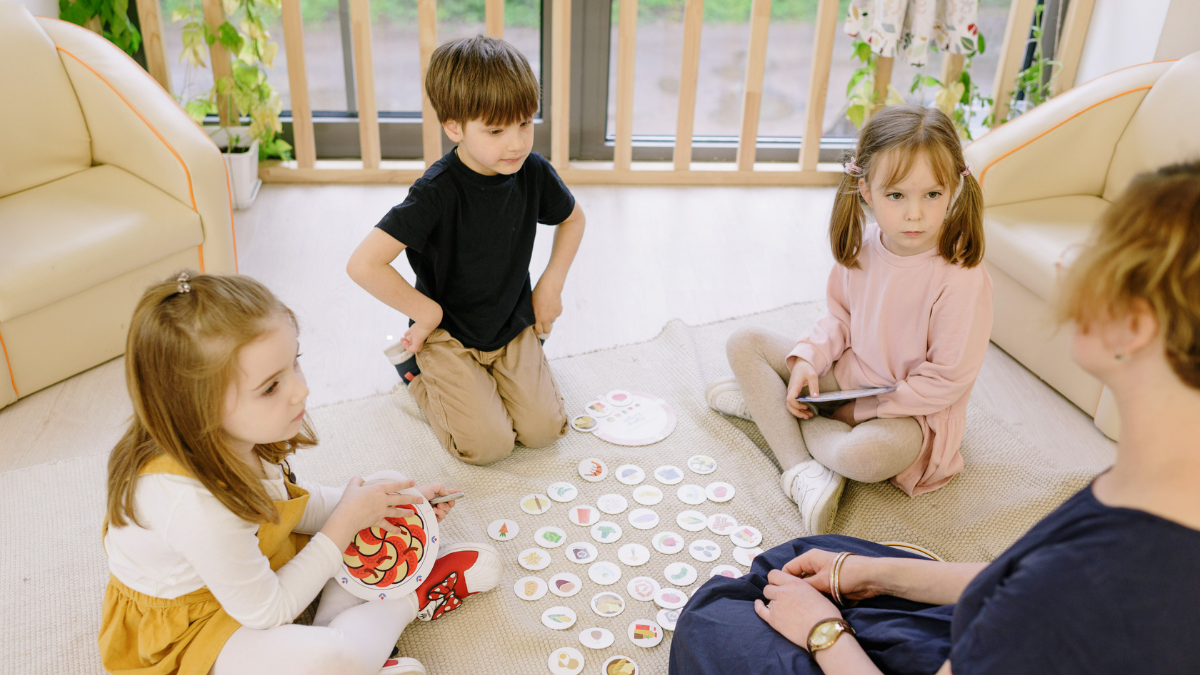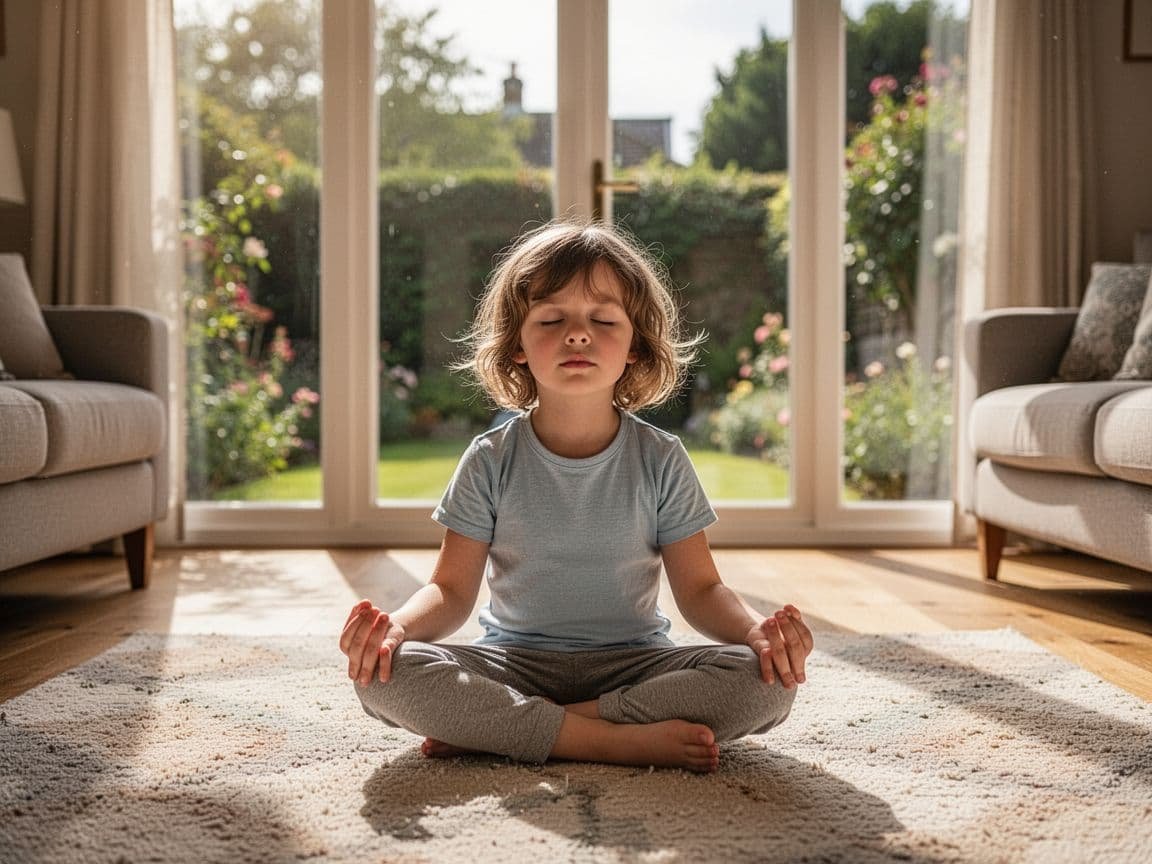
It is common for children to feel anxious, as worry is a natural part of growing up. You might notice your child struggling with stomachaches, sleep troubles, or a persistent need for reassurance. While these moments are tough to watch, you play a vital role in helping them find their footing. Your goal isn’t to remove every difficult feeling, but to provide a secure base where your child feels supported and capable of managing their internal world.
Sometimes, subtle shifts in our approach can make a world of difference. For instance, the impact of overprotective parenting often shows that shieldng kids from all pressure can unintentionally feed their stress. By learning to recognize these signs, you can shift from a protector to a steady guide. In the following sections, we will look at clear indicators of childhood anxiety and simple steps you can take to foster confidence. We will also explore when it is time to seek extra help to ensure your child has the resources they need to thrive.
For additional visual guidance on these strategies, you can watch this helpful resource to gain more perspective on managing these dynamics at home.
Understand what childhood anxiety can look like
Anxiety in kids often hides behind a quiet mask. It isn’t always a dramatic display of fear or a loud protest. Children frequently lack the specific words to say, “I feel anxious,” so their behavior carries the message instead. Recognizing these patterns early allows you to act as a steady anchor rather than just a witness to their stress.
### Spot the difference between everyday worry and a deeper struggle
Feeling nervous before a spelling test or a first day at school is a standard part of growing up. These jitters usually fade once the event starts, and the child settles into the rhythm of the day. You can often comfort a child in these moments with a simple hug or a quick pep talk.
However, anxiety crosses a line when it starts to shape their entire life. It transforms from a passing feeling into a constant shadow. If the worry persists regardless of the situation, or if it stops them from joining activities they once loved, it may be time to take a closer look.
Watch for these signals that suggest your child is carrying a heavier load than usual:
- Physical complaints: They frequently mention stomachaches, headaches, or muscle tension with no clear medical cause.
- Constant reassurance: They ask the same questions repeatedly because they need constant confirmation that everything is safe.
- Strong avoidance: They find creative ways to skip school, parties, or playdates to avoid situations that trigger their unease.
- Trouble functioning: Their daily life suffers, whether it’s through disrupted sleep, poor concentration at school, or an inability to complete chores.
- Emotional shifts: You might notice irritability, sudden outbursts, or extreme clinginess that seems out of character for their age.
When these behaviors become the norm, your role is to observe with patience. Learning how to manage childhood anxiety and stress can provide you with the tools to help them regain their balance. If these issues feel overwhelming, consider reaching out to a professional to ensure your child receives the right support. You can also find more clinical context on anxiety in children via the Cleveland Clinic.
Pay attention to triggers, patterns, and timing
Anxiety is often rhythmic. It follows a map of triggers that you can learn to read if you watch closely. Try to note when the behavior appears most often. Does it happen right before school drop-off, every Sunday evening, or only when there is a change in the family schedule?
Patterns help you remove the guesswork from your response. Instead of overanalyzing every tantrum or complaint, look for the recurring theme behind the behavior. Maybe the morning rush is a specific pressure point, or perhaps social settings drain their battery faster than you expected.
You don’t need to be an expert to see these cycles. Keep a mental or written note of the timing, and use that information to adjust your routine. For example, if you know mornings are difficult, you might try building emotional regulation with your child by creating a calm, predictable start to their day. By understanding these triggers, you can talk with your child during a quiet, neutral moment later on. This makes them feel heard and validated, which is far more effective than trying to reason with them in the middle of a stressful spike.
Stay calm first, then help your child feel heard
Your child often looks to you as a mirror for their own feelings. If you react with alarm, their internal distress only grows because they see your worry as proof that danger exists. Instead, aim to act as a steady anchor in their storm. By maintaining a calm voice and relaxed posture, you send a silent message that they are safe and that the situation is manageable. This process of sharing your calm is an essential part of supporting your child’s emotional growth.### Use words that comfort instead of dismissing the fear
It is tempting to say “you are fine” or “there is nothing to worry about” when your child feels scared. However, these phrases often make a child feel unheard or even foolish for having feelings. When you dismiss their experience, you don’t remove the fear; you only teach them to hide it. Instead, focus on validating what they feel, which keeps the connection strong while they learn to process the moment.
Try using phrases that show you understand without agreeing that the fear is a real threat:
- “I can see this feels big to you right now.”
- “You are safe here with me, and I am not going anywhere.”
- “We can take one small step to get through this together.”
- “It is okay to feel nervous, even when you are brave.”
These responses help your child label their experience, which is a key part of teaching emotional regulation during tantrums. When you validate them, you demonstrate that you are on their side, not just an obstacle to their panic. For more context on how to offer this type of support, you can read about what to do when children are anxious.
Let your child talk when they are calm
Hard conversations rarely go well in the middle of an emotional peak. If your child is spiraling, their brain is in fight-or-flight mode and cannot process logic or advice. Wait for the storm to pass before you try to talk about what happened. Once they are calm, their mind is open, and they can reflect on the experience without feeling overwhelmed.
Start by asking gentle, open-ended questions that help them process their own thoughts. You might ask what they think will happen, what they noticed in their body, or what makes the fear feel a little smaller. Listen to their answers without rushing to fix, solve, or explain away their worries. Sometimes, simply being heard is the strongest tool a parent possesses. This approach builds deep trust and creates a space where your child feels safe to share their world with you. You can find additional helpful advice for this process through tips on supporting a child with anxiety.
Teach simple coping tools your child can use in the moment
Anxiety often feels like a storm that hits without warning. When your child feels the pressure rising, they need immediate ways to regain a sense of steady ground. These tools act as anchors, helping to pull their focus away from frantic thoughts and back into the safety of the present. By teaching these skills during calm times, you provide a toolkit they can reach for whenever they feel overwhelmed.
### Try slow breathing and body calming skills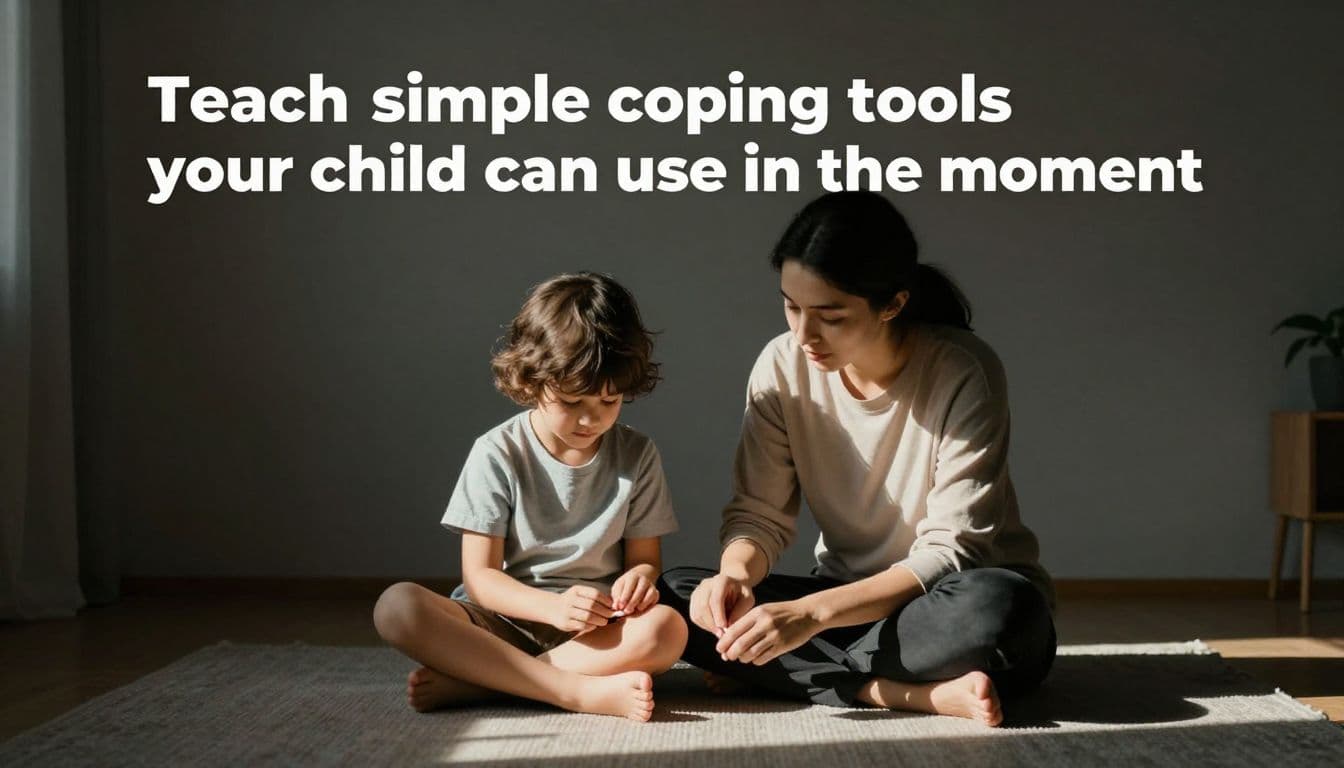
Calming the body is the fastest way to signal the brain that it is safe to relax. When a child is anxious, their breathing often becomes shallow and fast. You can teach them “belly breathing” by asking them to place a hand on their stomach. Have them breathe in slowly through their nose while they feel their belly rise like a balloon. Then, ask them to breathe out even slower through their mouth. This simple rhythm forces the nervous system to shift from a state of alert to a state of rest.
Beyond breathing, physical movement helps release built-up tension. If they feel stuck in a loop of worry, try these quick methods to help them reset:
- Squeeze and release: Ask your child to make tight fists for five seconds and then let go suddenly. This teaches them to notice the difference between muscle tension and relaxation.
- Gentle stretching: Encourage them to reach their arms toward the ceiling like they are trying to pick an apple, then bend down slowly to touch their toes.
- Feet on the floor: Have them stand or sit with their feet flat and firmly pressed into the ground. Ask them to describe how the floor feels against their soles to shift their focus outward.
These physical actions serve as effective grounding exercises for kids, helping them process big feelings before those feelings become unmanageable.
Break scary moments into smaller steps
Big tasks often look like mountains to an anxious child. When a challenge feels too large, they might want to avoid it entirely or freeze up. You can help them by acting as a guide who divides the mountain into tiny, climbable steps. Instead of expecting them to jump straight into a new social situation or a difficult school project, focus on the very first move.
Success is rarely a single, giant leap. It is a collection of small, brave choices. If your child is nervous about attending a birthday party, you don’t need to push them through the door for two hours right away. Start by agreeing to stay for ten minutes or just walking past the house to see the decorations. Each small action builds their confidence. By lowering the stakes, you make the experience feel safer, which often allows them to do more than they initially thought possible. When they see they can handle a small step, the next one naturally feels less frightening.
Build a few brave phrases your child can remember
Anxious thoughts are often loud, repetitive, and unkind. Your child might tell themselves they can’t do something or that something terrible will happen. You can help them build a new internal narrative by giving them simple, brave phrases to repeat when the doubt creeps in. These statements function as a mental shield, replacing panic with a sense of control.
Choose a few phrases together that resonate with your child and practice saying them during relaxed moments. When they need them most, these words will be ready to use:
- “I can do hard things.”
- “This feeling will pass.”
- “I am safe right now.”
- “One step at a time.”
Repetition helps these thoughts become automatic. It is about managing distressing thoughts in the moment rather than ignoring them. When your child learns to speak kindly to themselves, they develop a foundation for staying grounded during stressful moments, ensuring they have a way to navigate their world with more confidence.
Make home feel steady, predictable, and safe
Anxiety thrives in uncertainty. When a child doesn’t know what to expect next, their nervous system often stays on high alert. You can turn your home into a harbor of calm by creating a reliable rhythm. A stable environment isn’t about being rigid; it’s about providing the boundaries that allow your child to relax. When life follows a pattern, your child spends less energy worrying about the “what ifs” and more energy simply being a kid. A home filled with constant rushing, unpredictable conflicts, or chaotic schedules makes small worries feel much louder. Small, intentional habits provide the security they need to navigate their day with confidence.
### Protect sleep, meals, movement, and screen time
The foundation of a calm mood often starts with the basics. When a child is well-rested and nourished, their ability to handle stress naturally improves. Poor sleep, high sugar intake, and a lack of physical movement can make emotional regulation much harder. If your child is constantly overstimulated, their nervous system remains in a reactive state.
Consider how these simple pillars protect your child’s emotional health:
- Prioritize rest: A consistent bedtime signals to the body that it is time to shift out of gear. When kids miss out on sleep, their internal alarm bells become hypersensitive.
- Balance screen time: Excessive digital consumption is linked to higher levels of stress and sleep disruption. According to insights on the impact of screen time, managing these boundaries helps keep minds clearer.
- Encourage physical play: Movement helps burn off the adrenaline that accumulates during anxious moments. Even a short walk or some backyard time provides a necessary reset.
- Keep meal patterns steady: Predictable mealtimes stop blood sugar spikes and crashes, which often trigger irritability and sudden worry.
Use routines to reduce guesswork
Routines act as a map for your child’s day. When they know exactly what sequence of events to expect, they don’t have to guess what happens next. This predictability anchors the nervous system. As noted in research on why kids thrive on routines, having a known structure reduces the mental load on children.
You don’t need a strict, minute-by-minute schedule to see these benefits. Start with small, anchor habits that feel manageable for your family:
- Morning checklists: Use a visual list for tasks like brushing teeth or packing a bag. This reduces the need for you to nag and helps them feel independent. You can even use calm morning routines for families to lower the daily stress of getting out the door.
- After-school reset: Create a “landing zone” where your child can come home, have a snack, and decompress. A 20-minute transition period before homework or chores allows their nervous system to settle after the school day.
- Bedtime wind-down: Keep the final hour of the day consistent. A simple sequence like a bath, a book, and a quiet chat helps them mentally prepare for sleep.
Establishing these habits is one of the proven behavior support strategies that makes home life smoother. Remember, the goal is not perfection. The goal is to create a predictable flow that helps your child feel safe, supported, and ready to face whatever comes their way. When they trust the rhythm of their day, the world feels like a much friendlier place.
Know when to get extra help
Sometimes, your best efforts at home aren’t enough to settle a child’s internal storm. Reaching out for professional guidance is a sign of strength and a practical way to ensure your child gets the right tools for their specific needs. It isn’t a failure to admit that you need a partner in this process; instead, it’s a dedicated step toward giving your child the relief they deserve. By bringing in outside expertise early, you often prevent smaller worries from growing into deeply rooted patterns that feel impossible to manage alone.
Watch for signs that anxiety is taking over daily life
Occasional nerves are normal, but persistent anxiety changes the way a child interacts with their world. You should pay close attention when worry stops being a temporary hurdle and becomes a constant presence. If you notice your child frequently refuses to go to school or struggles to stay in class, this is a clear sign that their internal pressure has become unmanageable. Similarly, watch for ongoing physical complaints, such as regular stomachaches or headaches that don’t have a clear medical cause. These are often the body’s way of signaling that the mind is overloaded.
Look for these patterns as indicators that it is time to seek professional support:
- Social withdrawal: Your child starts avoiding friends, missing playdates, or stepping away from activities they once enjoyed.
- Persistent mood shifts: They display frequent irritability, intense outbursts, or a level of clinginess that feels out of place for their development stage.
- Sleep and eating changes: Their appetite drops, or they struggle to fall asleep because their mind feels stuck in a loop of worry.
- Panic or freeze responses: They experience episodes of intense, visible panic or become completely unresponsive in situations they previously navigated with ease.
- Impact on daily life: The anxiety interferes with school performance, hobbies, or their ability to participate in normal family routines.
A few tough days are just part of life, but a consistent shift in personality or behavior suggests something deeper. If these struggles persist for several weeks and don’t seem to improve with your usual comfort and routine adjustments, it is time to consult a professional.
Ask for support early if you feel stuck
Trusting your gut is your most important tool as a parent. If you feel like your child is suffering more than they should, or if the stress of managing their anxiety is wearing you down, don’t wait for things to reach a breaking point. Professionals, such as pediatricians, school counselors, or child therapists, are there to provide an objective view and tailored strategies. They offer a safe space for your child to express feelings they might be hiding from you, and they can help you understand the root of the behavior.
Early support teaches children healthy coping skills before their anxiety hardens into a rigid habit. Think of a therapist or counselor as an extra coach for your child’s emotional growth. They provide a different perspective and specialized techniques that might be exactly what your child needs to build confidence. You can also explore how to stay mentally strong as a family, ensuring that you have the resources to remain calm and supportive. Getting help early gives your whole family the relief that comes with having a clear, manageable plan. It shows your child that they don’t have to carry the weight of the world on their own shoulders.
Conclusion
Helping a child with anxiety begins with your presence. You become their anchor by staying calm, listening without judgment, and offering steady connection. When they feel heard and safe, they gain the security needed to face their worries.
Avoid pushing them too hard or making them feel ashamed of their fear. Children grow when they feel supported in their efforts to move forward. You can manage these moments better by noticing signs early and teaching small, daily coping skills.
Seek professional help if the weight of their worry feels too heavy for you to carry alone. You possess the power to make their world feel a little smaller and much safer. With your patience and guidance, they learn that they can handle difficult feelings at their own pace.
Save pin for later


- How to Stop Using a Pacifier: Benefits and Weaning Tips - September 20, 2026
- 20 Mountain Baby Names for Boys and Girls With Meaning - September 20, 2026
- 20 Tough Boy Names and Their Meanings - September 20, 2026