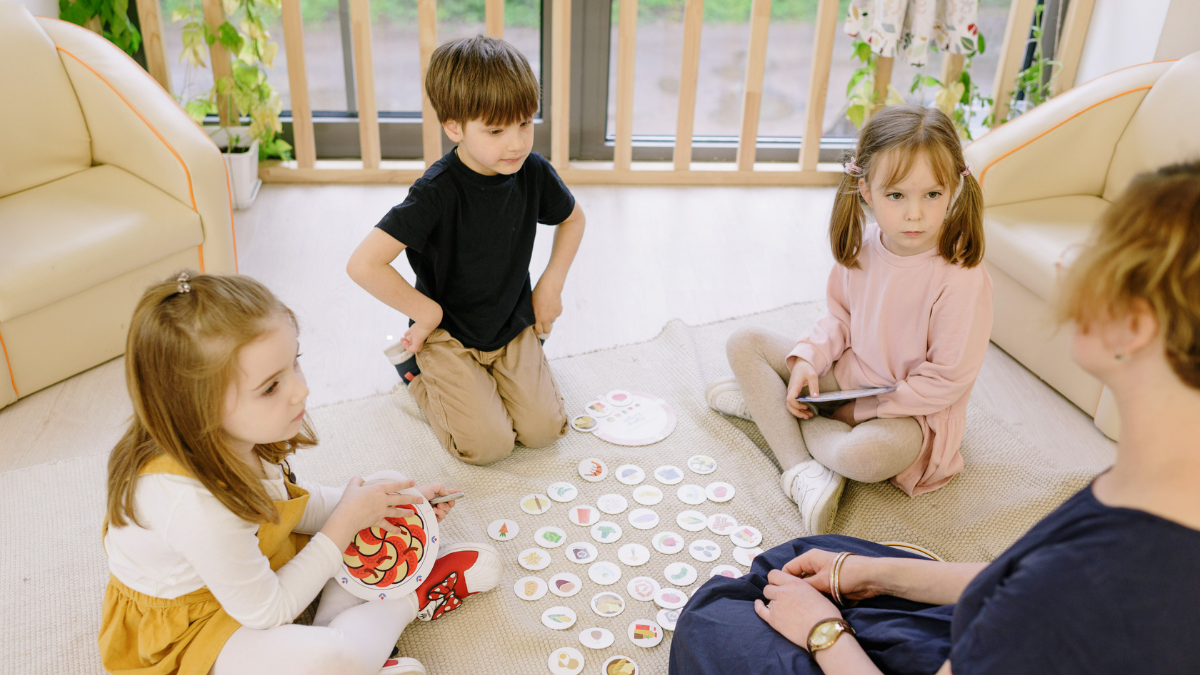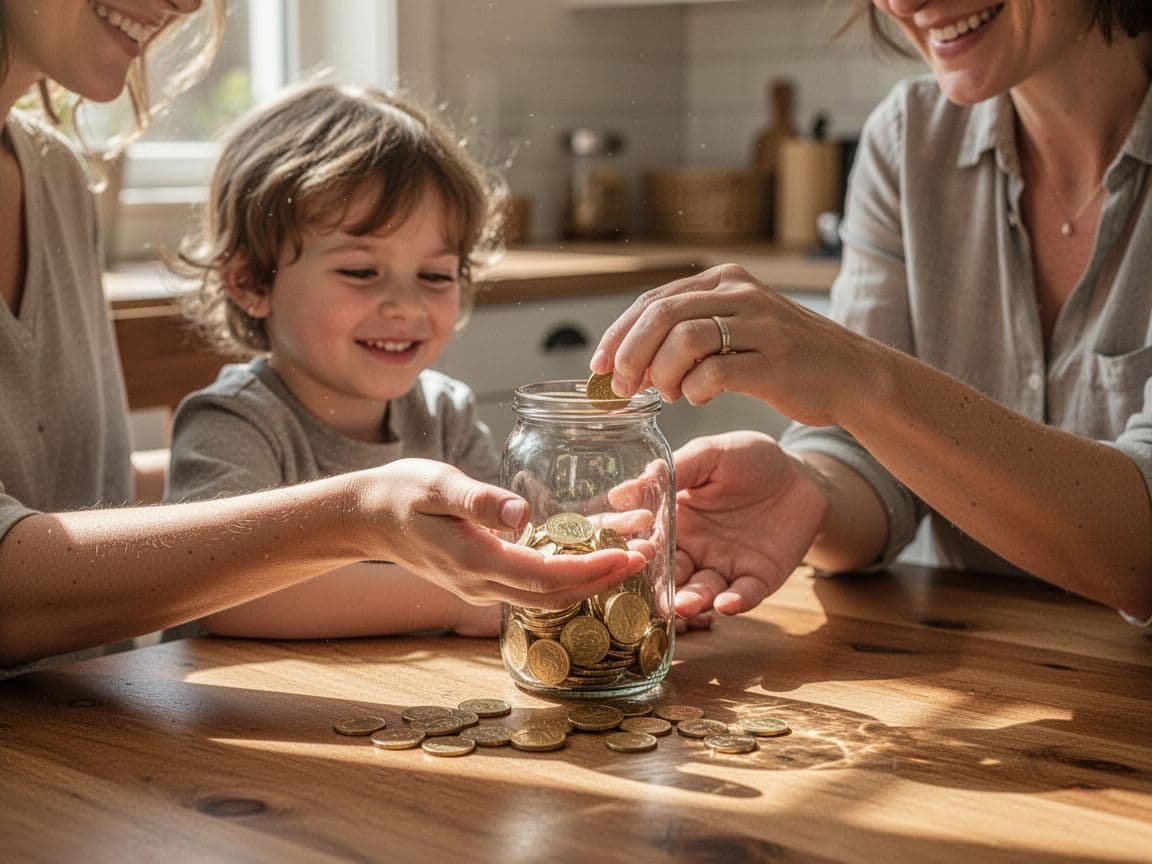
A child who learns about money at the kitchen table, at the grocery store, or while counting coins in a jar gets a head start that lasts. When you begin early, simple habits like saving, spending, earning, and giving start to feel normal instead of confusing, and that makes bigger money choices easier later on. A steady routine at home matters too, because kids copy what they see, especially when parents keep money talk calm and practical, like the ideas in this guide on teaching children about money.
The good news is that you don’t need long lectures or a perfect lesson plan. Small, repeatable moments work best, because children remember what feels clear and useful. A short financial basics video for kids can also help bring the lesson to life before you move into everyday ways to teach it.
Why teaching kids about money early makes such a big difference
Starting early with money lessons gives children a head start that lasts a lifetime. When you introduce financial concepts early, you turn abstract numbers into practical tools for their future. This isn’t just about counting change or filling a piggy bank. It is about building a foundation of confidence, patience, and decision-making skills before life gets complicated. By the time they reach adulthood, they view money as a manageable resource rather than a source of stress. For more on the long-term benefits of this approach, look at teaching financial literacy to kids.
### Children learn money habits by watching what you do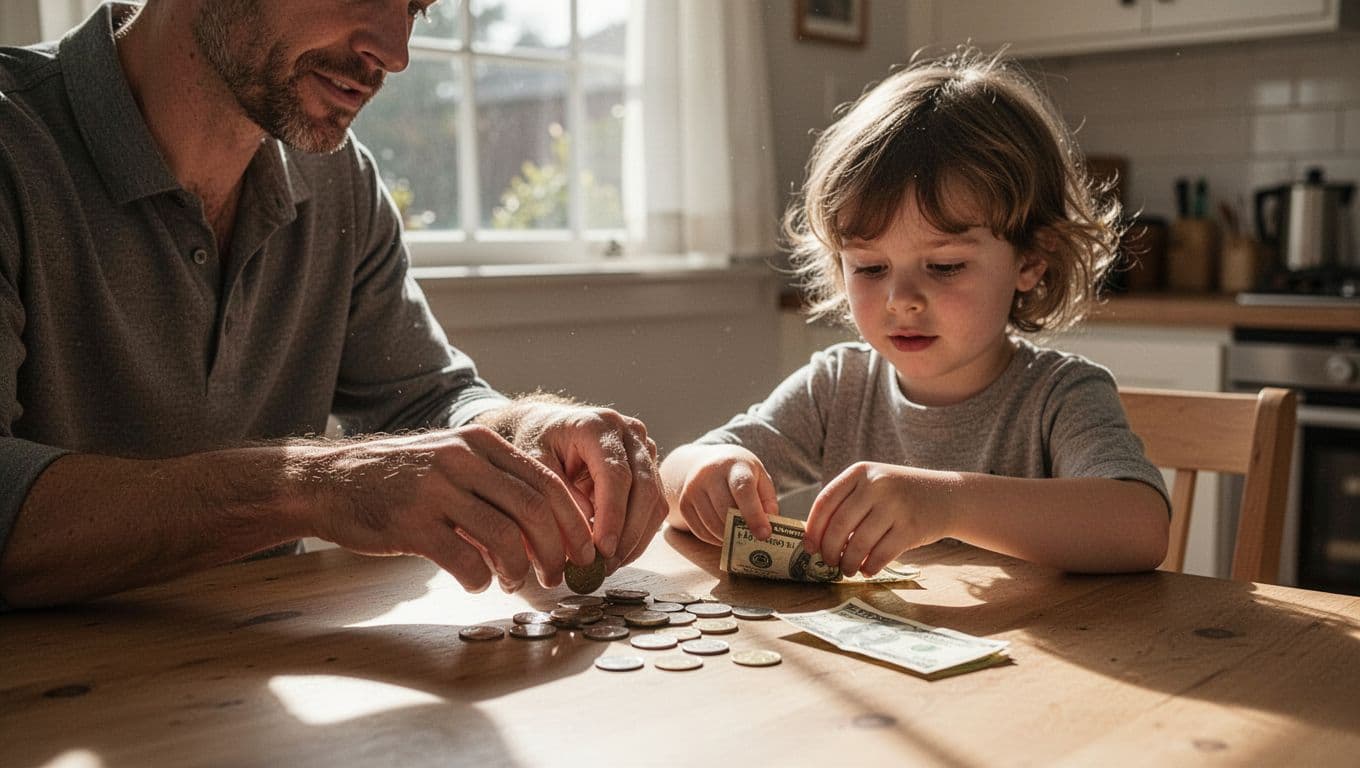
Kids are natural observers. They watch how you interact with your wallet, how you react at the checkout counter, and how you speak about monthly bills. Your daily choices serve as a quiet, constant lesson that sticks much better than any formal lecture. If you treat money as a tool for planning rather than a source of panic, they pick up that calm energy.
You can show them how the world works through small, everyday moments:
- Grocery shopping: Explain why you compare unit prices or choose a store brand over a name brand.
- Waiting to buy: When you skip an impulse purchase, point out that you are saving for something more meaningful later.
- Budgeting: Talk through your process for paying a bill so they understand that money has a purpose before it leaves your hands.
These small, honest interactions demonstrate that money is finite and requires care. When you invite your children into the conversation, you teach them that choices have consequences. You might explore simple saving strategies for kids to turn these observations into active participation.
Early lessons make money feel less scary later
Financial topics often carry a heavy emotional weight for many adults. They might feel confusion, shame, or anxiety because they never learned the mechanics of money in a safe environment. By normalizing these discussions at home, you remove the mystery that causes so much fear later on. When kids grow up hearing terms like budget, savings, and needs versus wants, those words lose their ability to intimidate.
This familiarity transforms money into a part of life, just like chores or mealtime. They learn to identify the difference between a fleeting desire and a genuine necessity. As they gain this clarity, they are less likely to fall into debt traps or experience the panic that comes with poor financial planning. Teaching kids to make good decisions now helps them avoid debt in the future, setting them on a path toward true independence. Bringing the conversation into the light early ensures they walk into their own financial lives with steady hands and a clear mind.
Simple money lessons that work for young children
Teaching kids about money does not require formal classes or complex math. You can introduce these concepts using simple, tactile activities that fit into your daily life. When you make money management visual and hands-on, children grasp the mechanics of saving and spending much faster.
Use jars or envelopes to show where money goes
Children often view money as a magical resource that just appears whenever they want a toy. You can demystify this by using a clear visual system, such as three separate jars labeled “Spend,” “Save,” and “Give.” Watching coins drop into these containers makes the abstract idea of allocation feel solid and real.
When your child receives money, help them divide it among these three spots. The “Spend” jar is for small, immediate pleasures, like a sticker or a piece of candy. The “Save” jar builds up for a bigger goal, while the “Give” jar teaches them to think about others. This method turns money into a tool with specific jobs rather than a pile of random coins.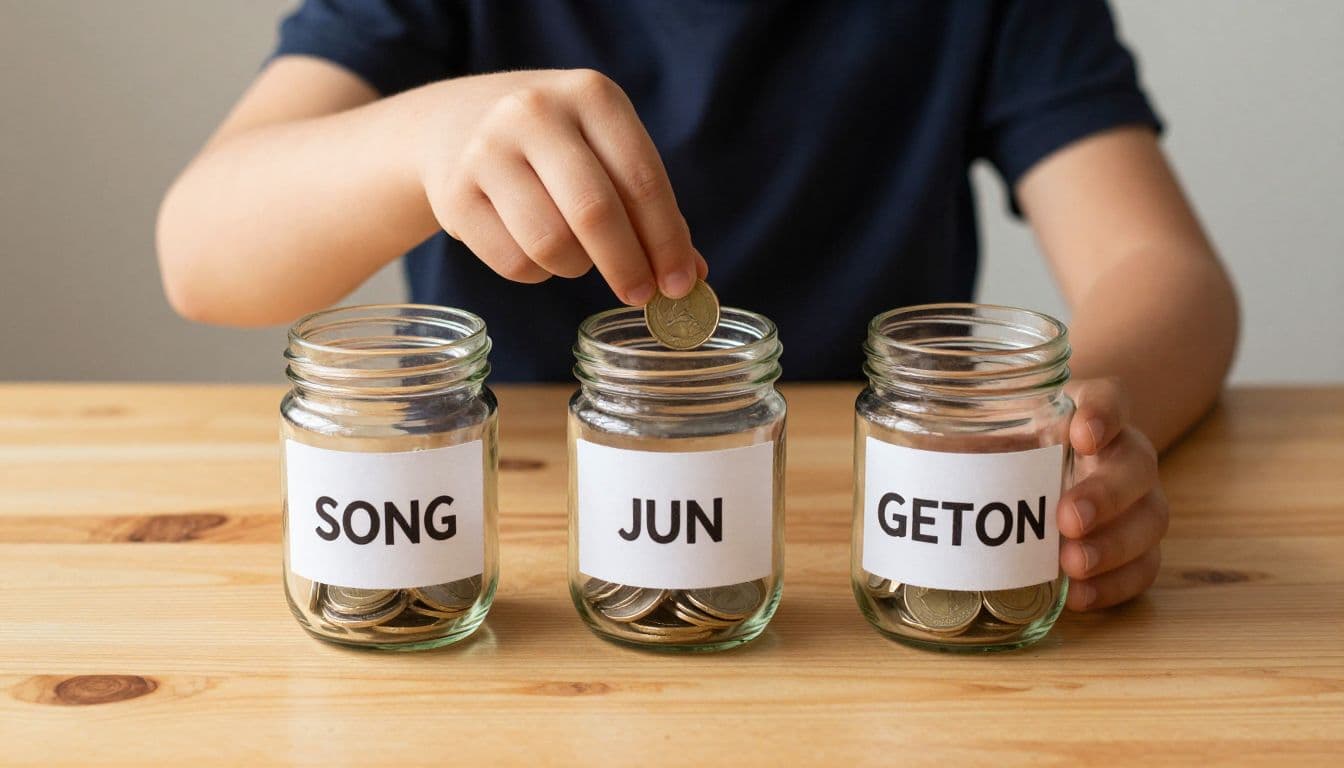
Give a small allowance and let kids make choices
Providing a small, regular allowance gives your child a safe environment to practice decision-making. You provide the funds, but you must let them hold the reins on how they spend it. If they blow their entire allowance on a cheap toy that breaks the next day, that experience is a valuable, low-risk lesson.
Encourage them to pause before they commit their cash to a purchase. You can ask if they truly want that item now or if they prefer to keep saving for something larger. These small, everyday choices build confidence. Over time, they learn that money is finite and that waiting for a better item is often worth the patience.
Teach the difference between needs and wants
Distinguishing between needs and wants is the bedrock of financial health. Needs are the items required for survival, like healthy food, housing, and clothing. Wants, on the other hand, are the things that make life fun, such as new video games, treats, or extra toys.
When you are out at the store, point these differences out in casual conversation. If your child asks for a toy, remind them that while it is fun, it falls into the “want” category. This practice helps them internalize the habit of pausing before they reach for their wallet. For a more detailed breakdown on how to frame these discussions, see this guide on needs versus wants. By keeping the distinction clear, you help your child prioritize their resources throughout their life.
Daily habits that turn money talks into real learning
Money lessons happen best when they are woven into the fabric of your daily schedule. You do not need a chalkboard or a formal lesson plan to teach your children the value of a dollar. Instead, look for the quiet, natural moments that already exist in your week. When you involve your children in simple financial tasks, you help them understand that money is a tool for making choices. These repeated, hands-on experiences help modeling positive habits for kids become a normal part of their growth.
### Let kids help with shopping, counting, and comparing prices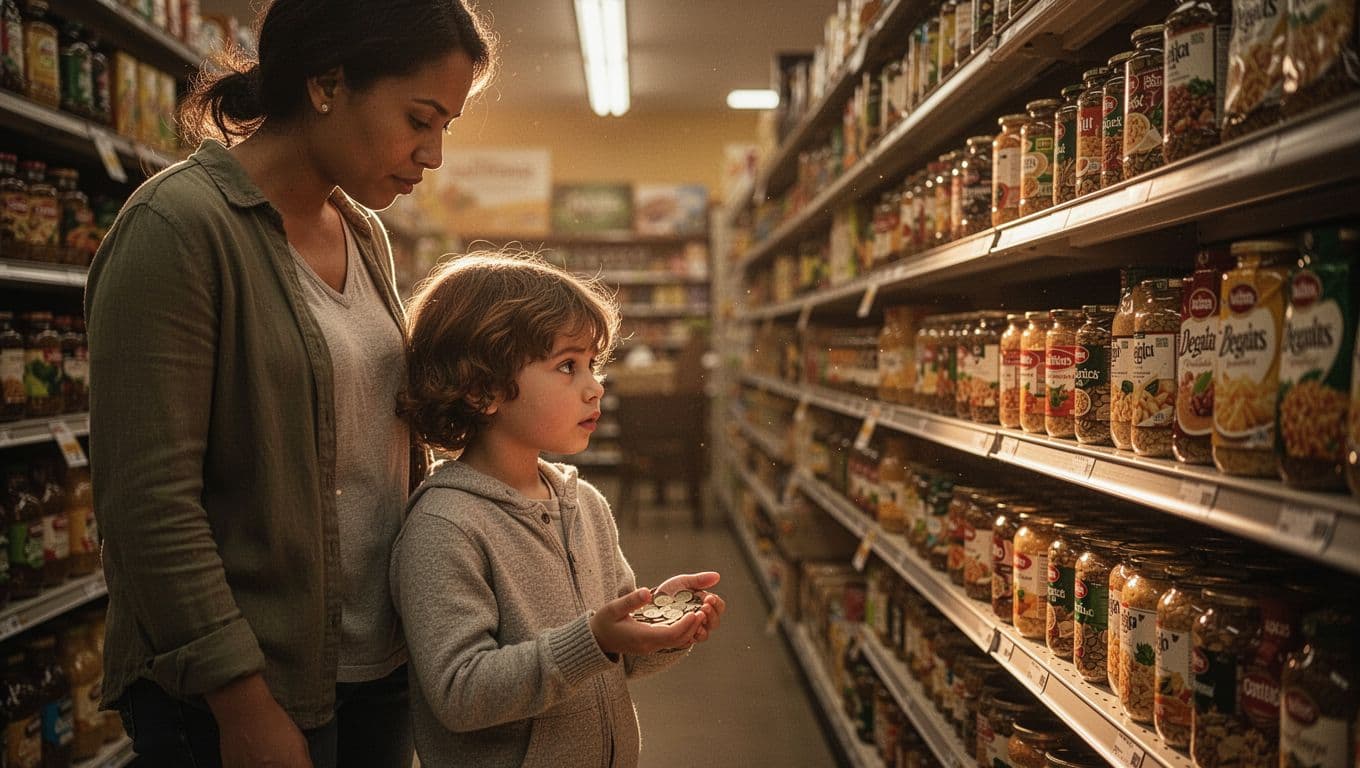
Turn a routine trip to the store into a classroom. When you walk through the aisles, invite your child to participate in the process. Ask them to help you compare two brands of cereal, for example. Look at the price tags together and talk about which one is the better deal for your family. This simple act teaches them that items have different costs and that smart shopping is about more than just picking what looks best.
When you reach the register, let your child take the lead. If you use cash, give them the bills or coins and let them hand the money to the clerk. For digital payments, explain that the card pulls from money you already earned. Watching the transaction process makes abstract concepts feel concrete. They start to see that money leaves your hand—or your account—in exchange for the goods you brought home. If you want more ways to get them involved, Ramsey Solutions offers tips on involving kids in transactions.
Talk about money in short, natural sentences
Big speeches about finance often go in one ear and out the other. Kids learn best in small, digestible bites while you are already doing other things. If you choose a store brand to stay within your budget, say so out loud. Explain that you are doing this so you have enough for other important things later in the week. By sharing your thought process, you show them that money is a limited resource that requires careful planning.
Keep these conversations brief and light. You might mention that you are saving for a family trip or that you are waiting until next month to buy a non-essential item. These quick comments normalize the idea of trade-offs. You are not lecturing; you are simply sharing how you live. For more advice on how to frame these discussions, see how to talk to kids about money from the Child Mind Institute. Frequent, low-pressure chats help children internalize these concepts without feeling like they are sitting through a class.
Use family routines to show patience and planning
Routine is a powerful teacher. Use events like birthdays or holidays to show your kids the value of waiting and saving. If they want a specific toy, suggest they set aside a small portion of their allowance each week to reach that goal. This teaches them that big rewards often require delayed gratification. It also helps them practice the discipline of setting a goal and sticking to it over time.
You can apply this same patience to seasonal needs, like shopping for school supplies or preparing for a holiday. Start a “school fund” in a jar and watch it grow as you prepare for the new term. This visual progress makes the abstract concept of planning feel real. When they see that money takes time to accumulate, they develop a healthier perspective on their own spending. These small, steady rhythms show your children that money is not just for now; it is a vital part of planning for the future.
How to help kids build saving habits that stick
Saving money often feels like a dry, adult chore to a child. It is easy for coins to lose their meaning when they just sit in a dark piggy bank. You can change this by shifting the focus from simply hoarding money to using it as a bridge to something they truly desire. When saving connects to a specific reward, the act of putting money aside becomes a purposeful step toward a happy moment.
### Set one clear goal so saving feels worth it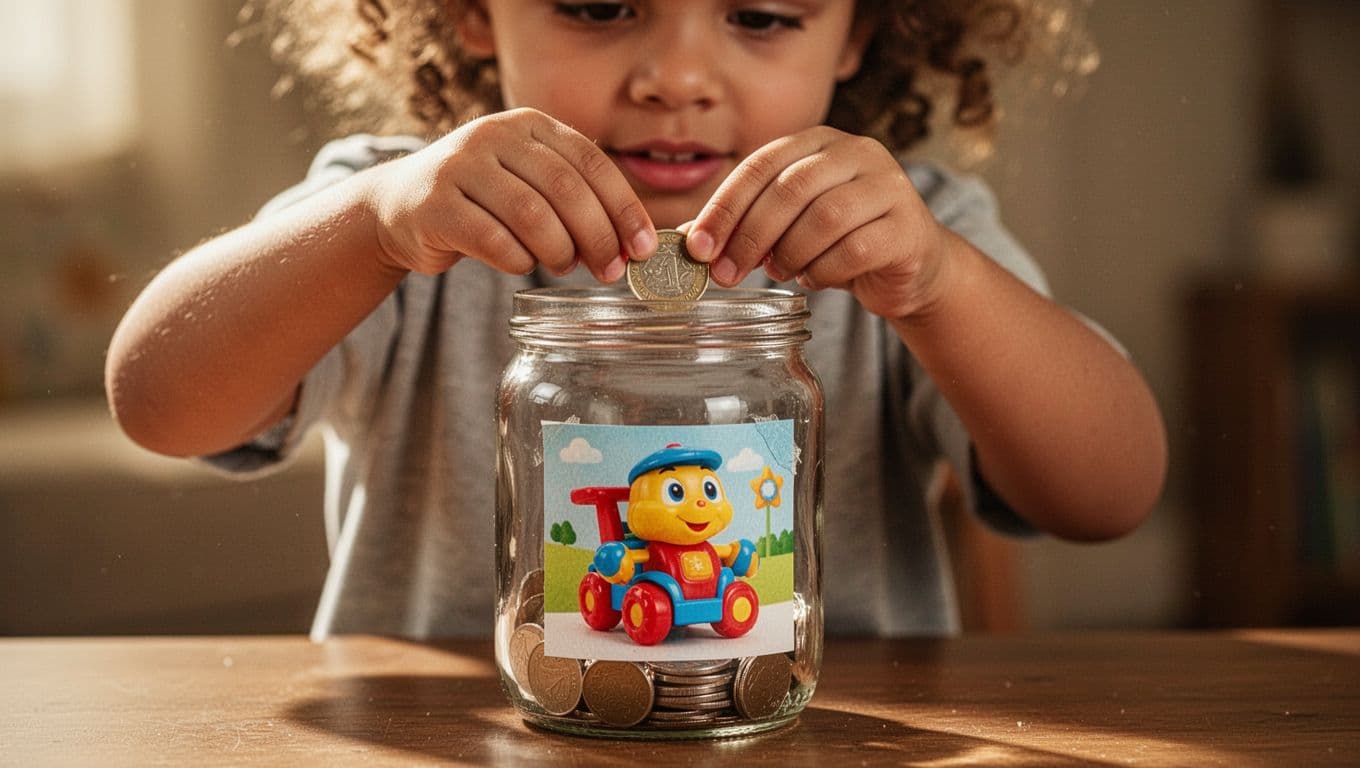
Children thrive when they can visualize their progress. Without a target, money remains an abstract concept that holds little interest. You might help your child choose a modest, attainable goal, such as a new book, a small LEGO set, or a trip to an arcade. Once they pick that item, tape a picture of it directly to their savings jar.
This physical reminder transforms the jar into a visual countdown. Every coin that clinks into the glass is one step closer to the item they want. You are helping them see that money is a resource for acquiring things they value. When they have a clear purpose, they are far more likely to practice self-control and avoid the temptation of spending their cash on cheap, fleeting treats. For further inspiration, you can look at this guide on how to teach kids to set savings goals.
Celebrate progress without turning it into pressure
Learning to save is a journey, not a race. If you focus only on the final reward, your child might feel discouraged during the long stretches where the jar fills slowly. Instead, create small milestones to celebrate. Perhaps you can mark the jar with a line when they hit the halfway point or offer a high-five for a week of consistent deposits.
Praise their discipline rather than the amount of money itself. By celebrating the act of choosing to save, you build a positive association with financial management. Keep these check-ins light and encouraging. You want your child to associate saving with feelings of pride and competence rather than the stress of performance. When they feel good about their small efforts, they develop a natural interest in maintaining the habit for the long term.
Show them how waiting can lead to better choices
Patience is a difficult muscle to flex, especially when instant gratification is everywhere. You can teach your child that waiting often leads to better outcomes by contrasting their small impulsive buys with their long-term goals. If they want a cheap toy that will break in a day, gently suggest they consider what else they could buy if they keep saving their money instead.
Use real life examples to show how patience pays off. You might share a time when you saved for a high-quality item that lasted for years instead of buying a poor quality version that failed quickly. This lesson helps them see that money is not just for buying things today; it is a tool for securing better, more lasting rewards. Learning to pause and weigh their options helps them build healthy money management skills that will serve them well as they grow older. For a simple visual way to explain the concept, consider watching this financial education video for kids together.
Mistakes to avoid when teaching kids about money
Learning to manage money is a skill that grows over time. It requires patience from you and room for your child to explore. Sometimes, parents create unintentional barriers that stop that learning process before it even starts. By shifting how you approach these talks, you make the entire experience feel more approachable and less stressful.
Do not make money a secret topic
Many families treat money as a taboo subject. They speak about it only behind closed doors or avoid the topic entirely to shield children from worry. This silence often backfires. When children hear nothing about how a household handles its finances, they begin to guess. They might assume money is infinite or, conversely, that it is a source of constant, unnamed danger.
Instead of keeping things hidden, bring money into the light. Speak openly about the costs of daily items in a way that fits your child’s age. Explain why you choose certain brands at the store or how you set aside money for a family vacation. When you treat money like a normal, everyday part of life, you build trust. It stops being a scary mystery and starts being a tool your child knows how to handle.
Do not rush lessons or overload young kids
It is tempting to try to teach everything at once. You might feel the urge to explain taxes, interest rates, and retirement all in a single afternoon. However, children process information best in small, repeated steps. When you dump too much detail on them, they quickly tune out and lose interest.
Keep your lessons bite-sized instead. Focus on one idea, such as the difference between spending and saving, until they grasp it well. Use short conversations during your regular routine to reinforce these points. When you keep the pacing slow and steady, the lessons stick. You are building a foundation rather than filling a schedule.
Do not punish mistakes that are part of learning
Everyone stumbles when they first start managing money. If your child spends their entire allowance on a cheap toy that breaks within an hour, do not rush to fix it or scold them. This is a safe moment for them to learn about the reality of trade-offs. If you always step in to save them from a poor purchase, they never truly feel the weight of their choices.
Treat these moments as teaching opportunities rather than failures. Ask them how they feel about the purchase and what they might do differently next time. By allowing them to make small, harmless mistakes now, you help them understand the connection between their actions and the outcomes. They develop better judgment when the stakes are low, which protects them from making much larger, costlier mistakes as they grow older.
Conclusion
Teaching children about money does not need to be a complex or formal project. It is simply about inviting them into the small, everyday choices that define how a household functions. When you talk openly about your spending or explain why you choose one item over another, you give your children the tools to build their own financial confidence. These lessons take root during trips to the store or while filling a simple piggy bank at home.
Steady practice matters far more than having perfect answers. You will find that your kids learn most when they see you modeling these habits yourself. Each conversation is a chance to show them that money is a reliable tool for reaching their goals rather than a source of stress. Over time, these small habits help them grow into confident and wise adults who manage their resources with purpose and care.
Save pin for later


- How to Stop Using a Pacifier: Benefits and Weaning Tips - September 20, 2026
- 20 Mountain Baby Names for Boys and Girls With Meaning - September 20, 2026
- 20 Tough Boy Names and Their Meanings - September 20, 2026