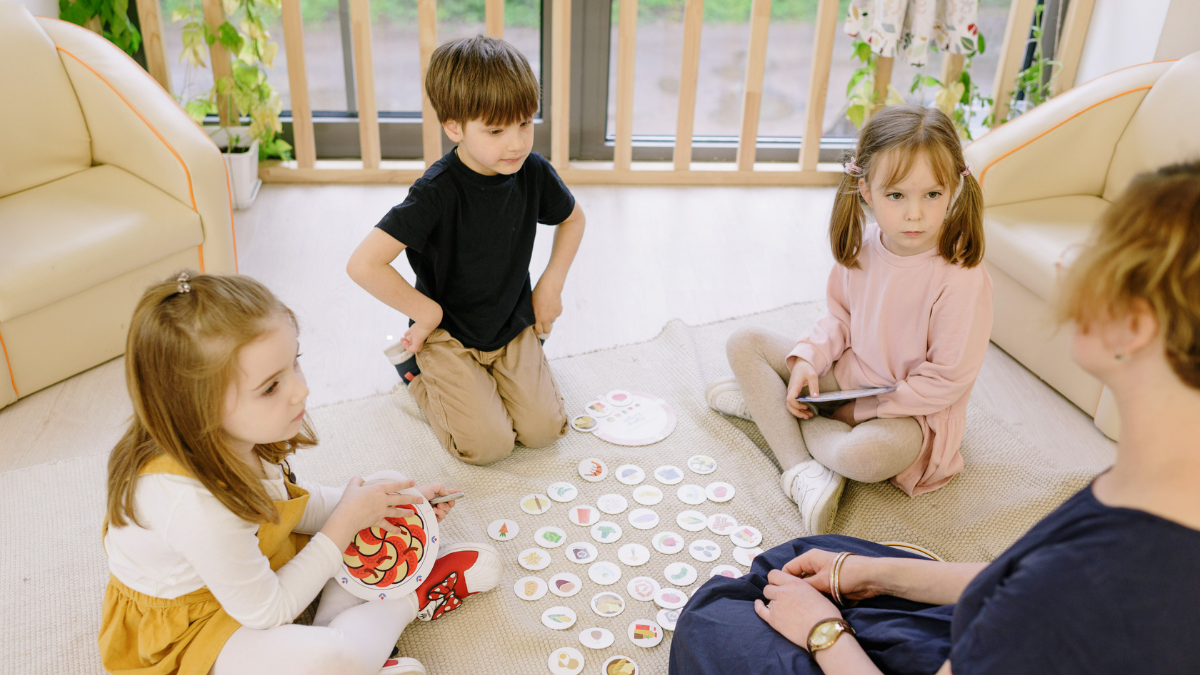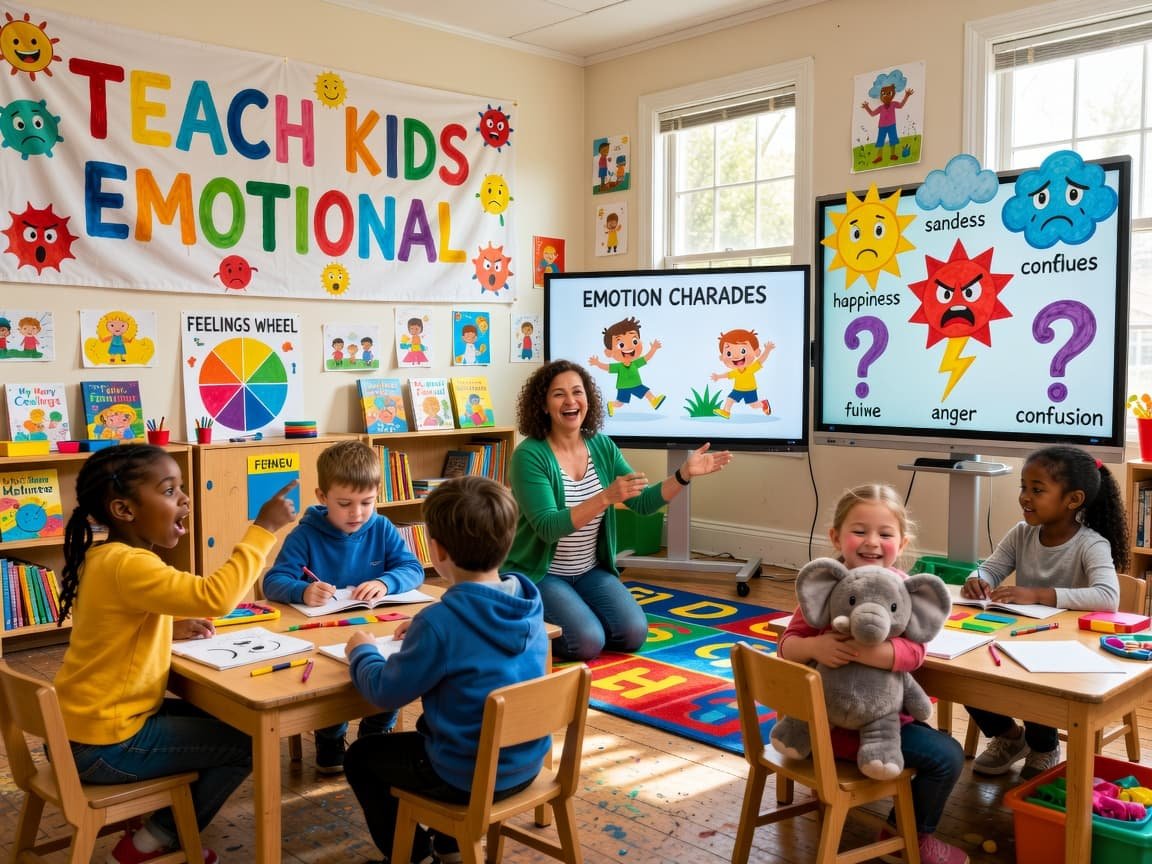
A child slamming a door after losing a game, then coming back a minute later to say, “I was mad,” is a small moment with a big lesson. Emotionally intelligent children learn how to notice feelings, name them, and respond in healthy ways, and that skill helps them make better friends, handle conflict, and grow more confident.
Parents don’t have to be perfect for this to work. They just need to model calm behavior when they can, guide kids through strong emotions, and practice these skills often, much like the ideas in these emotional intelligence activities for children.
That process matters at home, in school, and later in life. Here’s how to help your child build those habits in ways that feel natural, steady, and real.
What emotionally intelligent children actually look like at home and in school
Emotional intelligence is the ability to recognize, understand, and manage feelings in a healthy way. It isn’t about constant happiness or perfect behavior. Instead, it involves self-awareness, empathy, and the ability to process big emotions without acting on every impulse. A child with high emotional intelligence might feel frustrated when a toy breaks, yet they can pause, name that frustration, and ask for help rather than throwing the toy across the room.
This goes beyond simple obedience. While a compliant child might follow rules to avoid trouble, an emotionally intelligent child follows rules because they understand the value of shared spaces and respect for others. They are learning how to be human, not just how to be quiet.
### Signs your child is starting to understand feelings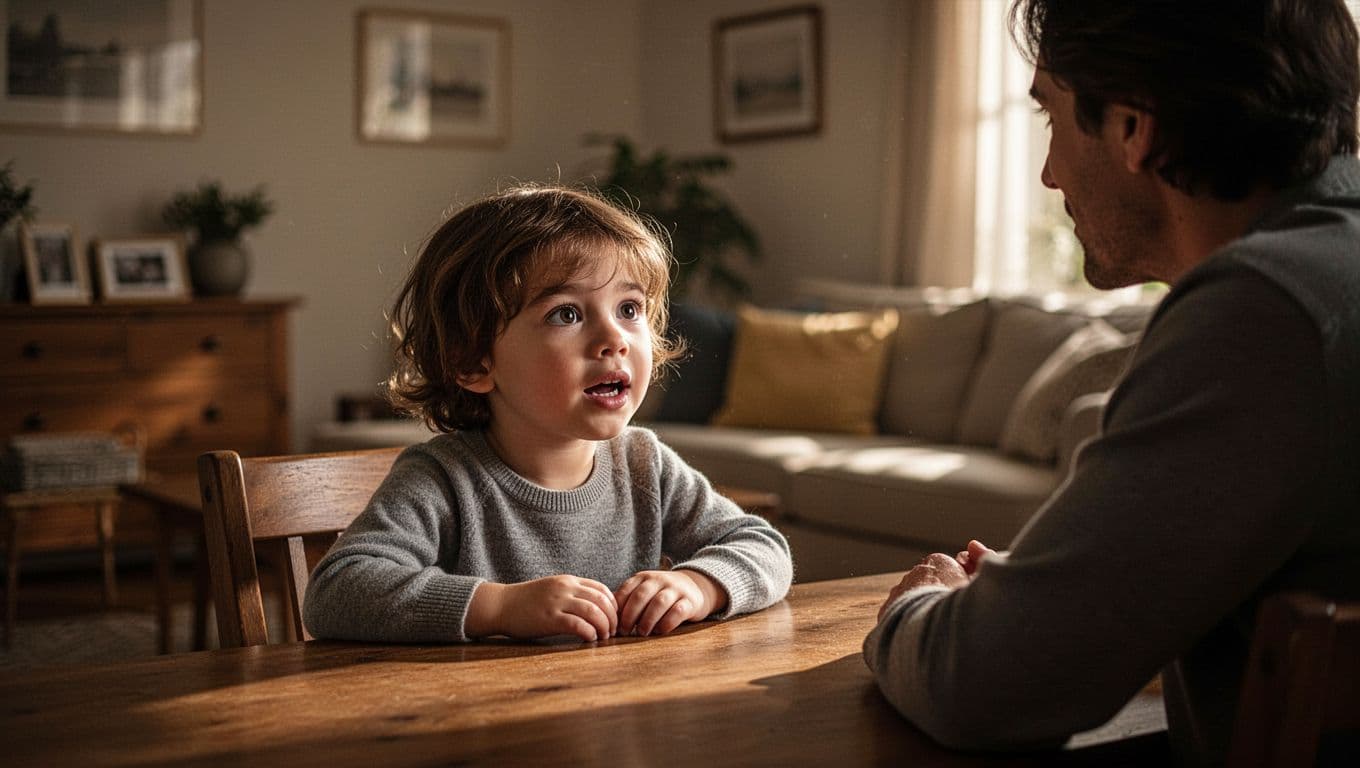
Growth in this area is often slow and uneven. You might see a sudden leap in maturity followed by a week of meltdowns, and that is perfectly normal. Progress happens in small, quiet moments that add up over time. If you see these signs, your child is building a solid foundation.
- Naming their internal state: They begin to use specific words like “frustrated,” “lonely,” or “excited” instead of just saying “I’m bad” or “I’m mad.”
- Noticing others: You may catch them pausing when a friend falls down or offering a toy when they see someone else looking sad.
- Faster recovery: While they still feel big emotions, the time it takes for them to return to a calm state after a disappointment becomes shorter.
- Asking for support: They identify when they need a break or a hug rather than bottling up stress until it overflows.
When you notice these shifts, acknowledge them. You don’t need to make a big deal out of it. A simple comment like “I saw you check on your friend when they were upset” reinforces that kindness and awareness are important. For more ideas on how to foster these habits, look into nurturing emotional awareness in your child.
Why emotional intelligence matters later in life
The skills a child learns in the kitchen or the classroom become the tools they use to navigate the world as adults. Emotional intelligence acts as a buffer against life’s inevitable stressors. Children who learn to manage their inner world find it easier to keep their footing when things get difficult.
These abilities translate into practical advantages that show up in several ways:
- Building lasting friendships: Kids who can read social cues and show empathy naturally form deeper connections with peers.
- Academic and career success: The ability to focus, manage stress, and persist through hard tasks is often a better predictor of long-term success than simple test scores.
- Conflict resolution: When they can step back from an impulsive reaction, they become better at solving problems with others rather than escalating them.
- Stable decision-making: Being aware of how feelings influence thoughts allows them to make choices based on logic and values instead of reacting out of fear or anger.
For those interested in the long-term impact of these traits, the 10 Key Signs of Emotional Intelligence in Children provides a useful look at how these early behaviors evolve into adult strengths. You are not just teaching them to be well-behaved today. You are giving them a toolkit for a more balanced, connected, and resilient life.
How to raise emotionally intelligent children by starting with your own example
Your children watch you far more closely than they listen to you. If you want them to navigate their internal world with grace, they need to see you do the same. Children learn to manage their feelings by observing how the adults in their lives handle frustration, anger, and disappointment. You are their primary mirror for what it means to be human.
### Show your child how you handle stress without shame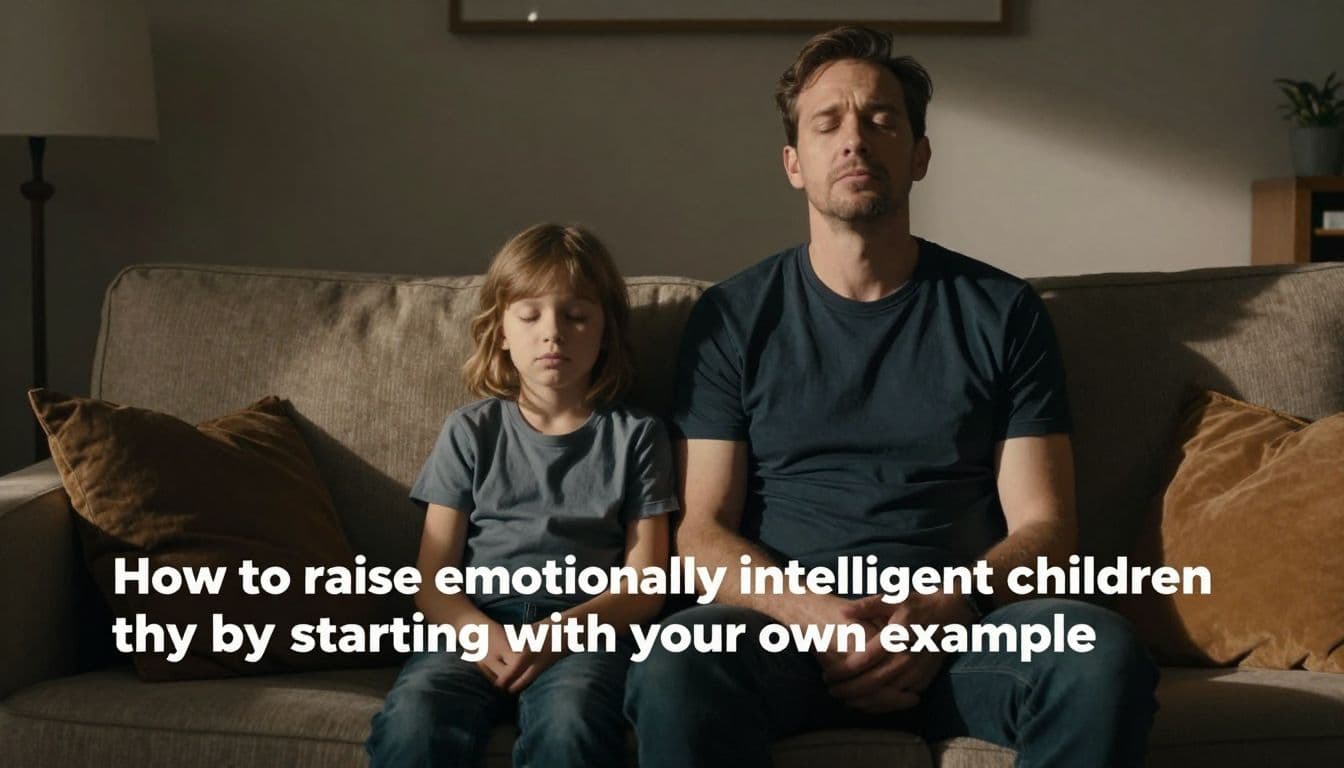
You don’t need to be perfectly calm at all times to be an effective teacher. In fact, showing your children that you feel stress is helpful. It teaches them that being overwhelmed is a normal part of life. The lesson lies in how you move through those moments. Instead of hiding your feelings, verbalize what you are experiencing.
Try using simple phrases to show them how to regulate. You might say, “I am feeling frustrated right now, so I need a moment to breathe.” You could also tell them, “I feel disappointed about this change in plans, but I can still be kind to you.” These statements show your child that you are a human who feels big emotions. More importantly, they demonstrate that you can pause instead of exploding. This practice helps children understand that they have the power to stop and choose their next move. If you need more ways to manage your own reactions, you can explore mindful parenting strategies for stressful moments.
Say sorry when you get it wrong
Parents often fear that apologizing weakens their authority. In reality, the opposite is true. When you own your mistakes, you teach your children that everyone—even adults—struggles and learns. A genuine apology shows your child that relationships are built on repair rather than perfection.
If you lose your patience, admit it to your child. You might say, “I was upset earlier, and I should not have raised my voice. I am sorry.” This simple act makes a child feel respected and safe. It signals that their feelings matter as much as yours. When you take accountability, your child learns that they, too, can admit when they are wrong without fear of rejection. This honesty fosters deep trust and teaches them the most effective way to heal conflict.
Keep emotions welcome, but keep the rules clear
A healthy home is one where every feeling is invited, but not every behavior is permitted. You want your child to know that anger, sadness, and fear are valid emotions. They need to feel safe expressing these things. However, their actions must still fit within the boundaries of a safe and respectful home.
Think of emotions as information and behaviors as choices. If your child is angry, validate their feeling by saying, “I see that you are very mad right now.” At the same time, set a clear boundary: “It is okay to be mad, but it is not okay to hit or throw things.” This balance helps children see that feelings are not bad, even when the resulting actions are off-limits. By maintaining this distinction, you teach them to acknowledge their inner state while still being responsible for how they treat others. As research on emotional intelligence in families suggests, this approach creates a environment where children can learn to manage themselves rather than just suppress their needs.
Use everyday talk to help kids name what they feel
Language acts as a bridge between the internal experience of a child and the world around them. When children learn to label their emotions, they stop feeling trapped by big sensations they cannot explain. By giving these feelings a name, you help your child move from a state of raw reaction to one of calm understanding. This practice is a vital skill for long-term emotional regulation. You do not need formal lessons to make this happen, as the best teaching occurs during the quiet moments of your daily schedule.
### Try feeling words during daily routines
Small windows of time provide the most space for emotional check-ins. During meals, you might notice your child looks quiet and ask, “You seem a bit thoughtful today; is something on your mind?” At school drop-off, if they cling to your hand, acknowledging the reality of that moment by saying, “It makes sense that you feel nervous about the new classroom,” validates their experience without judgment. You are naming the truth of their situation.
Playtime also offers a perfect backdrop for these conversations. When a tower of blocks falls, resist the urge to immediately fix it. Instead, sit with the frustration. You could say, “That made you feel disappointed, didn’t it?” This simple reflection helps them connect their internal state to external events. Over time, these labels build a vocabulary they can use to communicate their needs more effectively. Keep these observations consistent and light to encourage an open dialogue.
Ask open questions instead of jumping to lectures
When a child experiences a setback, your instinct might be to offer a solution or a lesson. However, jumping straight to advice often shuts down the very reflection you want to foster. Open-ended questions invite your child to pause and look inward, which is the heart of emotional intelligence.
Try asking these instead of providing a lecture:
- “What happened in that moment?”
- “How did that feel when your friend took the toy?”
- “What do you think might help you feel better next time?”
These prompts force the brain to move from a reactive state to a reflective one. When you ask, “What do you think might help?”, you empower them to find their own solutions rather than relying on your directions. This shift builds their ability to categorize and manage emotions on their own terms. It also shows that you trust their capacity to handle life as it comes.
Turn stories, shows, and real life into empathy lessons
Life is full of narrative moments that act as mirrors for your child. When you read a book together, pause at a page where a character faces a tough choice. Ask your child, “Why do you think they look so worried right now?” This question shifts the focus from the action to the internal cause. By practicing empathy with characters in a story, they learn to translate those skills into their interactions with real people.
Apply this same method to the world around you. If you see someone looking tired at the grocery store or a peer crying at the park, ask your child what they think the other person might need. This habit trains them to look beyond their own immediate needs. It helps them recognize that everyone carries a hidden weight of feelings. Understanding that other people have different perspectives is the bedrock of empathy, and it turns every day into a classroom for the heart.
Teach calming skills that help children think before they react
Emotional intelligence is more than just feeling your feelings. It requires the self-control to pause between a surge of emotion and your next move. When a child feels overwhelmed, their brain often signals them to react instantly. Teaching them to create a small gap in that timeline allows them to choose a better path. By building these habits now, you help them grow into adults who can navigate pressure with steady grace. You can explore evidence-based tips for teaching self-control to see how these small habits take root in their daily lives.
### Create a simple calm-down routine
Familiarity breeds safety. When the world feels chaotic, having a predictable, repeatable pattern helps a child feel in control. A standard routine for managing big emotions helps them move from a reactive state to a thoughtful one without needing to hunt for answers. You can try a four-step rhythm to keep things simple:
- Notice the feeling: Watch for physical signs of tension, such as clenched fists or a flushed face.
- Name it: Give the emotion a label like “frustrated” or “disappointed” to help bring it into the light.
- Pause: Stop the action and take a deep breath or count to five to reset the nervous system.
- Solve the problem: Once the body is calm, discuss how to handle the situation in a helpful way.
Having a set structure turns a moment of panic into a task they already know how to handle. You might find that anger management activities for kids provide the right kind of structure to reinforce this process.
Give small choices to build confidence and self-control
Children often feel powerless when they are told exactly what to do, which can lead to unnecessary defiance. Offering small, controlled choices gives them a sense of autonomy that fuels better decision-making. You do not need to give them the keys to the kingdom; just give them two safe options that both lead to a positive result.
Instead of demanding they get dressed, ask if they want to wear their blue shirt or their red sweater. Rather than forcing a snack, ask if they prefer an apple or some carrot sticks. These minor decisions build the muscle of independence. They learn that they have a voice in their own day. When they practice making these small, low-stakes choices, they are better prepared to handle larger, more complex decisions as they grow older.
Stay close when big emotions show up
Your physical presence is a powerful tool for a child who feels like their emotions are spinning out of control. Many children struggle to regulate themselves alone, so they need a calm adult nearby to help them co-regulate. You don’t have to fix the problem or give a long lecture. Simply sitting close, or even offering a quiet touch if they welcome it, signals that they are safe.
Staying patient during these moments reduces their fear and keeps your own frustration from escalating the conflict. When you remain a steady anchor while they experience their storm, you teach them that emotions are temporary. They learn that they can survive the intensity of their feelings without needing to lash out at the world. Over time, this security allows them to develop the inner calm needed to manage their own reactions. For a broader look at how we can help kids manage their internal state, you might appreciate these approaches to fostering self-regulation.
Make empathy and kindness part of everyday family life
Kindness is a muscle that strengthens every time your child chooses to consider someone else. It moves their focus away from just getting their own way and toward the needs of those around them. When children learn to look outward, they develop the tools for genuine cooperation and lasting friendships. You can encourage this growth by weaving small moments of empathy into your daily rhythm, whether you are playing games or resolving a disagreement at the dinner table. If you want to see how these small habits shape long-term character, you can explore what kids learn by watching parents.
### Use everyday conflicts to practice perspective-taking
Conflicts are often the best classrooms for empathy. Instead of rushing to dictate who is right, invite your child to step into another person’s shoes. You might ask, “How would you feel if that happened to you?” or “What do you think your brother needed in that moment?” These questions move the focus toward impact rather than guilt.
When children reflect on the feelings of others, they learn that their actions carry weight. If your child takes a toy, encourage them to look at their friend’s face. By identifying that “sadness” or “shock,” they begin to grasp why sharing matters. It isn’t about following a rule; it is about keeping a connection strong. You can learn more about how to guide this process through tips for practicing empathetic parenting.
Praise kind behavior, not just good grades or perfect manners
We often celebrate academic wins or polite table manners, but recognizing the quiet acts of kindness is just as important. When you see your child holding a door, sharing a snack, or listening while a friend cries, acknowledge it. You are showing them that kindness is a trait you value deeply.
Use simple, direct observations to reinforce these moments. You might say, “I saw you wait for your sister to catch up, and I know that made her feel safe.” This validation helps them associate helpful behavior with positive feelings. Over time, children who are recognized for their care and consideration for others are more likely to make those choices on their own. For creative ways to put this into practice, browse through these empathy activities for kind kids.
Help siblings and friends repair after hard moments
Conflict is not a failure of character. It is simply a part of human relationships. When tensions run high, guide your children through a repair process that heals the bond rather than just punishing the behavior. Start by asking them to check in on the other person’s feelings.
Encourage a genuine apology that focuses on the impact of their actions. Once they have checked in, ask, “What is one thing you could do differently next time to keep your friend happy?” This final step turns a mistake into a lesson. By focusing on repair, you teach them that their connections are worth the effort it takes to make things right. If you want to try structured roleplaying to practice these skills, check out these recommended empathy activities.
Conclusion
Raising emotionally intelligent children is a daily practice. It depends on your patience, how you model behavior, and your steady guidance. You don’t need to have every answer or perfect reactions at all times. Instead, you only need the willingness to stay calm, name feelings as they arise, and keep showing up for your child.
Each small conversation helps your child understand their inner world better. Every honest apology and calm response strengthens your connection. Over time, these moments shape a child who handles life with more empathy, confidence, and internal strength.
Save pin for later


- How to Stop Using a Pacifier: Benefits and Weaning Tips - September 20, 2026
- 20 Mountain Baby Names for Boys and Girls With Meaning - September 20, 2026
- 20 Tough Boy Names and Their Meanings - September 20, 2026