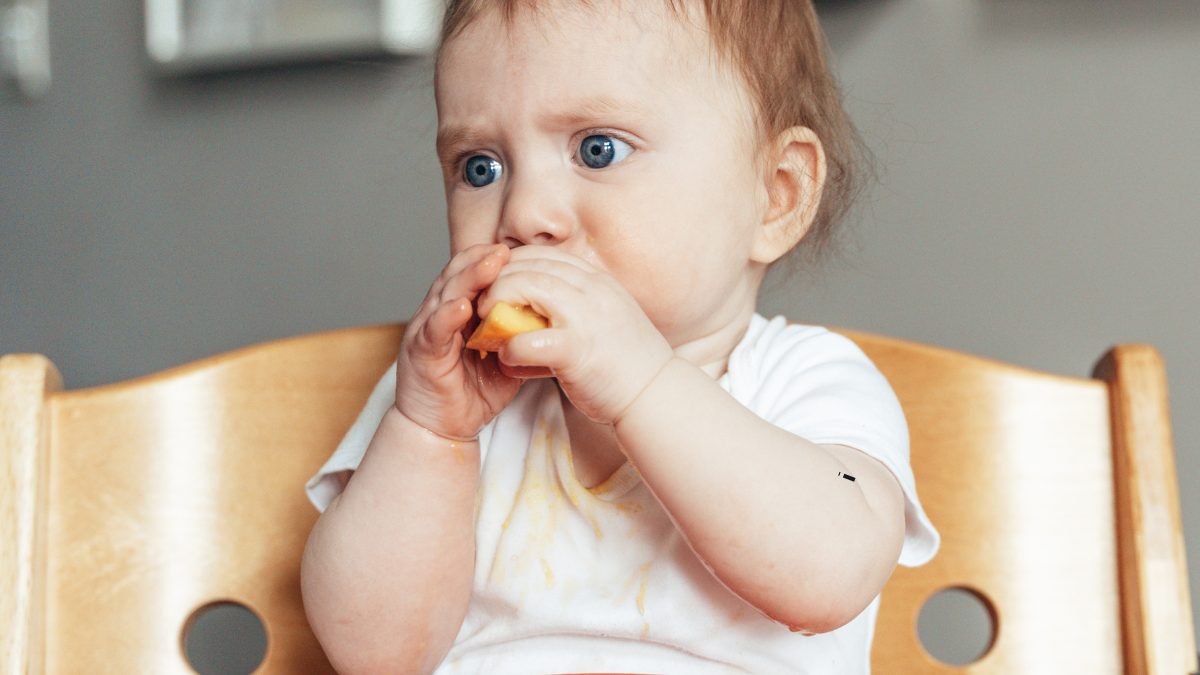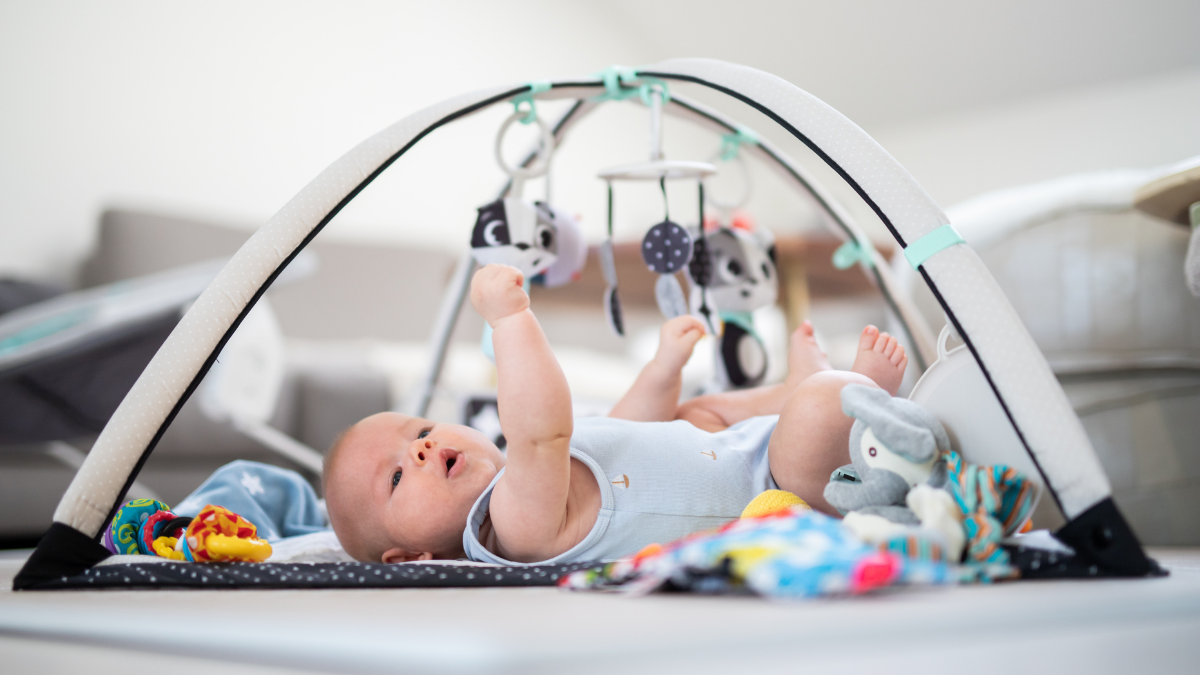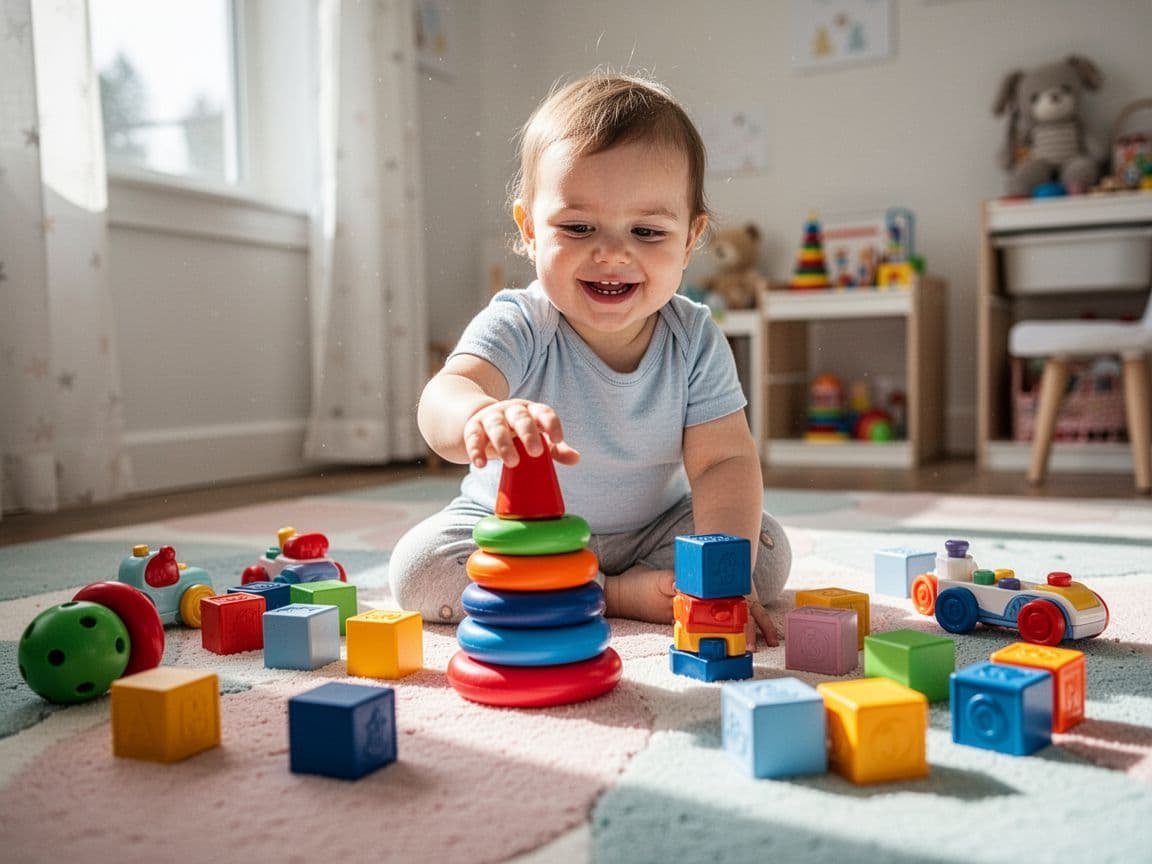
Ages 2 to 5 are a golden window for learning through play, because little hands and busy minds are building fast. The best educational toys don’t just keep kids occupied, they help them grow language, problem-solving, motor skills, and confidence.
That’s why it pays to look past bright packaging and shiny promises. A toy that fits your child’s age and stage can turn a few minutes of play into real progress, whether that means stacking blocks, matching shapes, sorting pieces, or pretending to run a tiny store. If you want more ideas for supporting playful learning at home, the right toy choice can make everyday play feel more useful and more fun.
Below, you’ll find a practical guide to the best educational toys for kids aged 2 to 5, with a focus on age fit, safety, and the skills that matter most. A helpful video to watch is Toddler Gift Guide 2021 | Montessori & Educational Must Haves.
What makes a toy truly educational for ages 2 to 5?
The best educational toys are not necessarily those covered in buzzwords or electronic gadgets. A toy becomes a learning tool when it invites your child to be an active participant rather than a passive observer. True learning happens when a child interacts with their environment, tests ideas, and finds solutions through repetition and discovery. By choosing toys that favor open-ended exploration, you create a space where brain growth, attention, and memory develop naturally.
### The skills parents should watch for first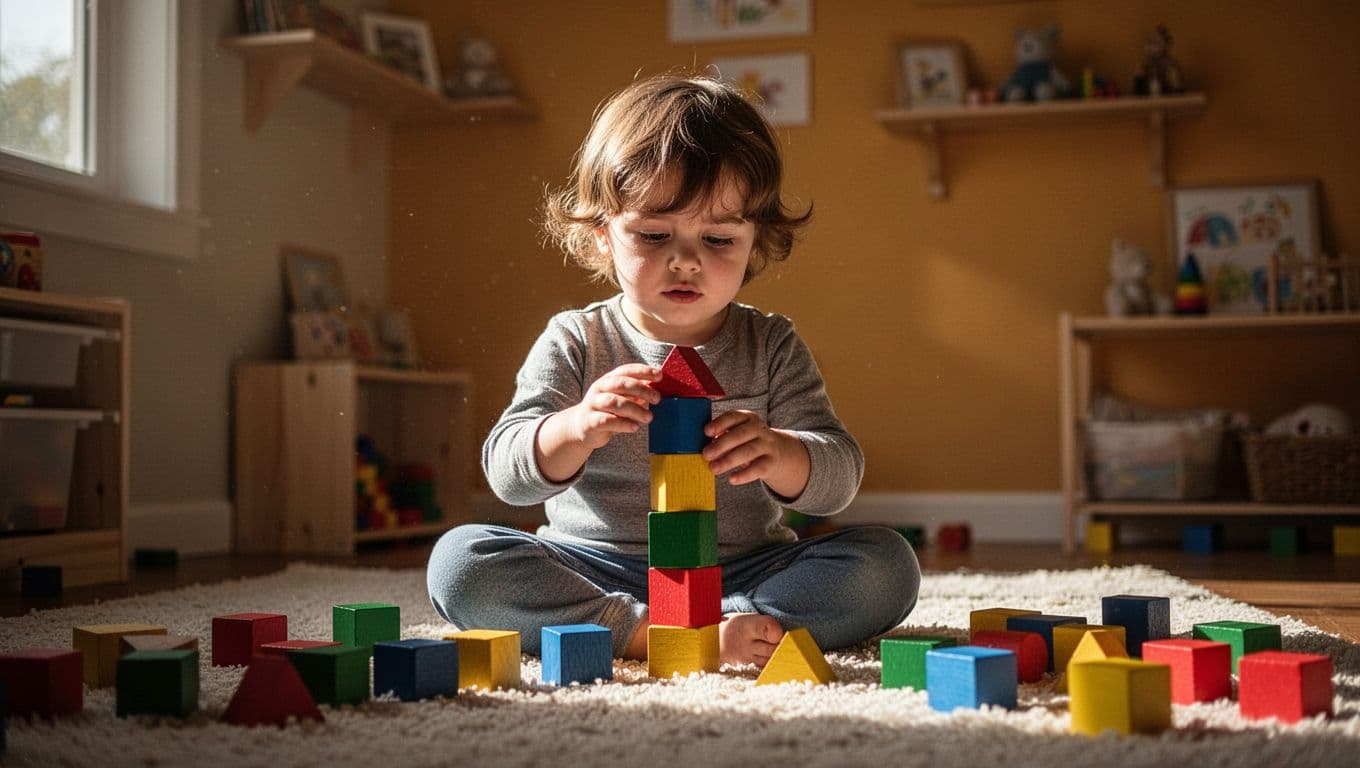
Look for toys that target specific developmental milestones to help your child thrive. Playtime is the primary way young children practice the essential skills they need for early school readiness.
- Language and social skills: Toys like play kitchens or puppets encourage children to narrate stories, assign roles, and practice communication. This interaction helps them build vocabulary and learn how to share or wait for their turn.
- Fine and gross motor skills: Activities such as threading beads or fitting puzzle pieces refine hand-eye coordination and finger strength. Meanwhile, items like tunnels or pull-toys help them coordinate larger muscle movements.
- Problem-solving and creativity: Open-ended materials allow children to experiment without a single right way to play. For example, a set of basic wooden blocks lets them build a tower, a garage, or a bridge. They must decide how to balance pieces and adjust their strategy when something tips over, which is a powerful way to support brain growth with sensory play.
Research shows that playing with a limited number of high-quality toys often leads to better concentration and deeper creative engagement. You can read more about how fewer toys impact cognitive development to understand why simpler options are frequently better.
Why age fit matters more than fancy features
A toy is only useful if it sits in the “sweet spot” of your child’s abilities. If a toy is too simple, a toddler will quickly lose interest. If it is too complex, they will likely feel frustrated and walk away before any learning occurs. The goal is to provide a challenge that feels rewarding, where the child can master a skill through persistent, hands-on practice.
For a two-year-old, focus on simple shapes, sorting tasks, and durable items that withstand daily use. As they move toward age five, they can handle multi-step tasks, such as board games with rules or construction sets that require following a basic pattern. When you keep the task matched to their current stage, you boost their confidence and desire to try again. If you need help finding the right balance, looking for developmentally suitable games for kids is a great way to ensure playtime stays productive. Remember that the best toy is one your child returns to repeatedly, gaining new insights each time they play.
Essential toys for early development
At ages two and three, children learn best through their hands. They are busy exploring how objects work, testing their own strength, and discovering how pieces fit together. Providing the right toys helps turn this natural curiosity into real skill building. You can find many engaging play ideas for toddlers that support this stage.
Stacking toys, shape sorters, and simple puzzles
These classic toys are much more than simple pastimes. They act as fundamental tools for building essential coordination and logic. When a child grabs a block or a puzzle piece, they are actively strengthening the small muscles in their hands. This repetitive motion refines their grasp, preparing them for future tasks like writing.
Look for pieces that are large, bright, and easy to hold. Toddlers need items that provide immediate visual feedback. A shape sorter, for example, forces a child to analyze angles and sizes to find the correct opening. If the shape doesn’t slide in, they must rotate it and try again, which is a perfect exercise in problem-solving. For puzzles, keep the piece count between four and twelve. This range is usually the sweet spot for toddlers to stay challenged without becoming overwhelmed by the task. You can explore a variety of skill-building items for toddlers to see which fits your child’s current focus.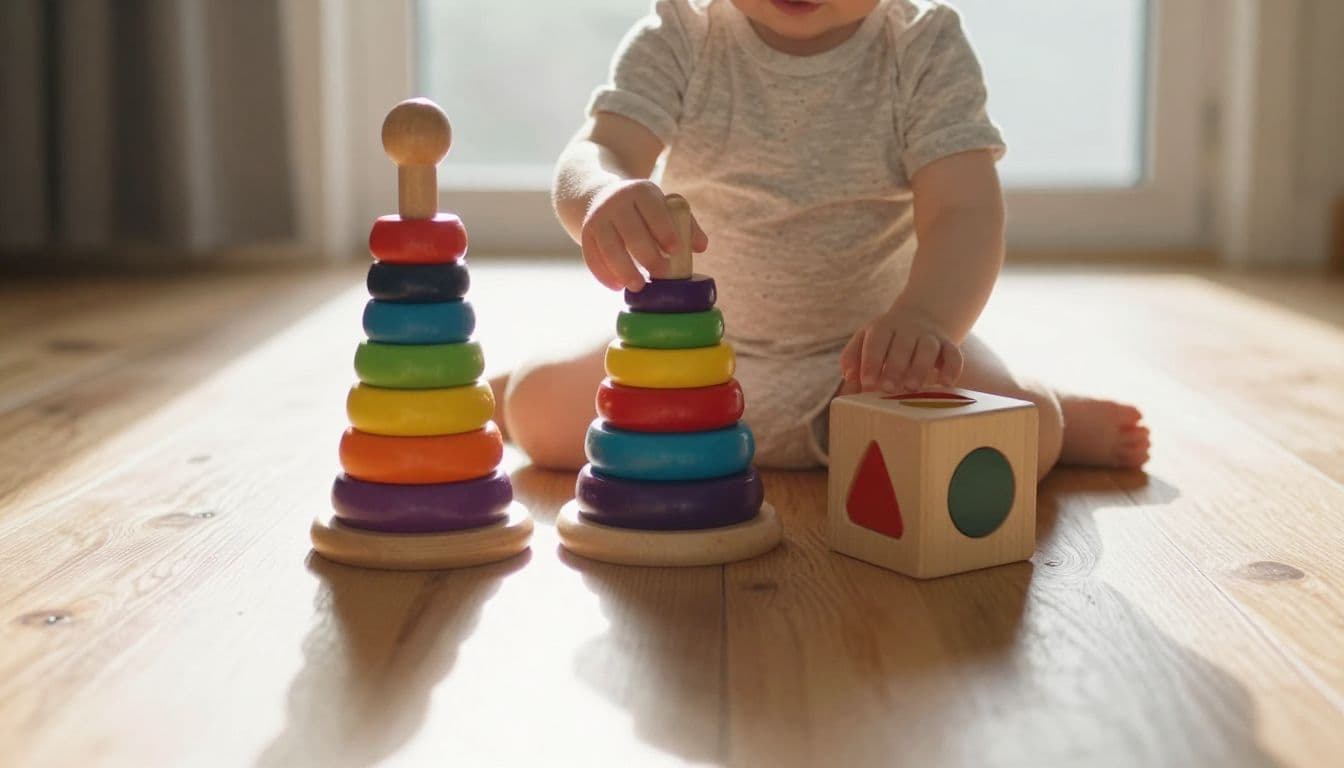
Musical toys, picture books, and talking toys
Sound and rhythm turn playtime into a language lab. When you introduce musical instruments, you help your child understand patterns and sequences. Simple shakers, drums, or xylophones encourage them to listen closely to different tones and tempos. This active listening is a precursor to better concentration and early literacy.
Interactive books are another fantastic way to connect words with actions. Choose books that invite your child to lift flaps, press buttons, or trace patterns. These books often name common objects, helping to expand your child’s vocabulary in a context they actually enjoy. Toys that ask simple questions or name animals and colors also provide a great boost to early language growth. By playing along, you give your child a partner who models speech and encourages them to respond with their own sounds or words.
Push, pull, and ride-on toys for growing bodies
Movement is a core part of learning for young children. Push and pull toys are ideal for toddlers who are just gaining steady footing and confidence. These toys encourage them to walk, navigate obstacles, and balance as they move their objects from one place to another.
Ride-on toys, such as scooters or tricycles, help develop larger muscle groups. This active play is crucial for building core strength and gross motor coordination. As your child maneuvers a ride-on toy, they are learning about their own spatial boundaries and how to steer with intent. These tools do more than help them get around; they build the physical confidence that young children need to explore their environment fully. Whether they are pushing a small cart or pedaling through the living room, they are mastering the connection between their own bodies and the physical world. For a wide range of options, see these developmental toys for preschoolers to keep them moving during playtime.
Best educational toys for 4-year-olds and 5-year-olds
As children near kindergarten, their play shifts from simple exploration to complex, goal-oriented tasks. They now possess the patience to follow multi-step plans and the vocabulary to narrate their inner worlds. Choosing toys that honor this growth prepares them for the classroom while keeping their natural joy intact. You can find many hands-on Montessori tasks at home to encourage this level of focus.
Building sets that spark problem-solving and creativity
Construction toys move beyond stacking into the realm of engineering. Whether your child uses magnetic tiles, wooden planks, or interlocking plastic bricks, these tools force them to think in three dimensions. They must calculate weight, balance, and structure to keep a tower from toppling. This process builds immense patience and spatial awareness.
Open-ended building sets grow with your child because they have no fixed outcome. A four-year-old might create a simple wall, while a five-year-old builds a complex castle with rooms and bridges. These materials allow them to expand their motor and cognitive skills through persistent trial and error. Because they can build freely, they learn that mistakes are just part of the design process, not failures.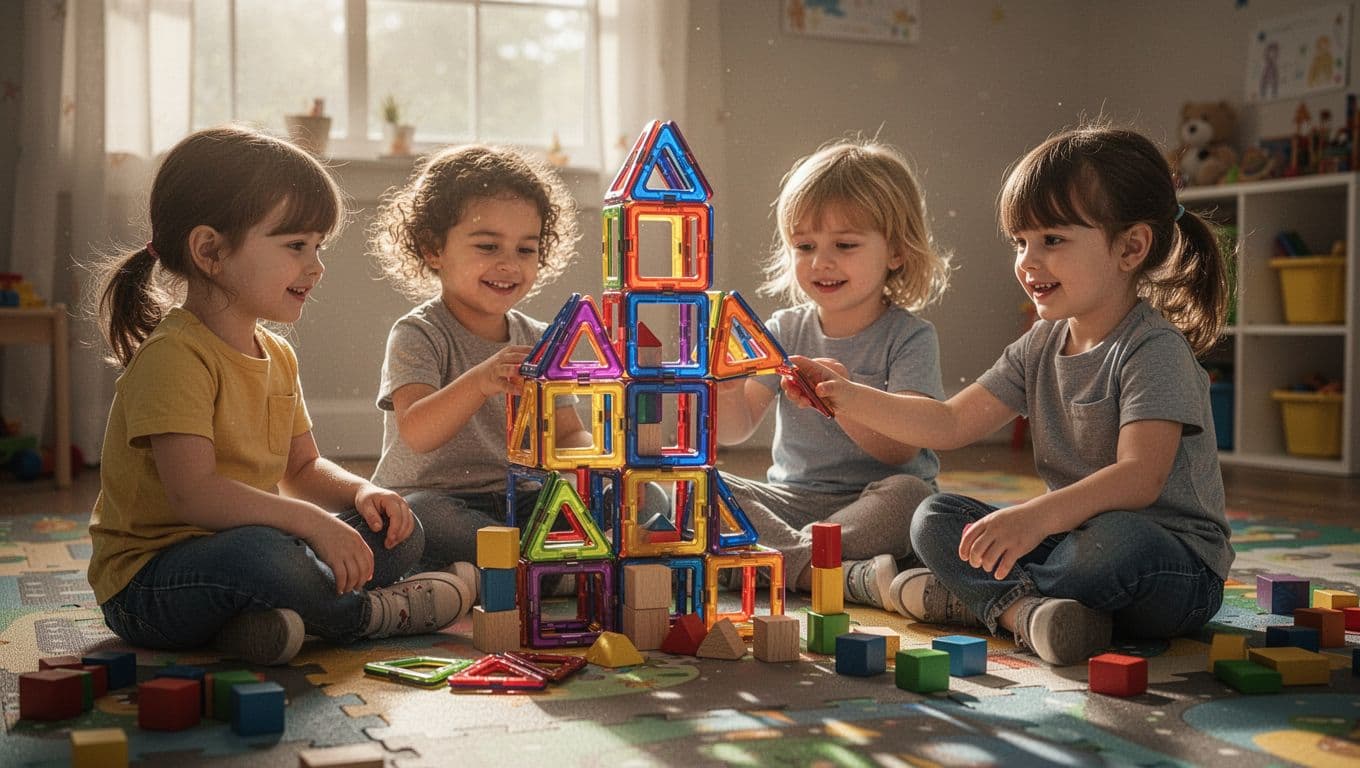
Early learning toys for letters, numbers, and counting
By age four, school basics feel like a fun game rather than a chore. Interactive alphabet puzzles or magnetic number boards make abstract concepts concrete. When a child can physically hold the shape of a letter, they start to bridge the gap between symbols and sounds. Matching cards that pair quantities with digits help them internalize math without needing formal lessons.
Simple STEM toys also shine at this age. Look for gears, balance scales, or basic coding kits that don’t rely on screens. These tools reward curiosity and offer immediate, tangible feedback on how things work. You can introduce various unplugged play activities for early development to turn these foundations into daily habits. The goal is to keep the atmosphere light and playful, letting their confidence bloom as they master each new puzzle.
Pretend-play toys that grow language and social skills
Pretend play is the stage where four and five-year-olds practice being human. When they step into the shoes of a doctor, a chef, or a store owner, they try out new roles and emotions. Dolls, puppets, and elaborate play kitchens act as theaters for their social experiments. They learn to take turns, negotiate rules, and listen to the needs of their playmates.
This form of play is essential for emotional development. It helps children practice communication in a safe, controlled environment. They might rehearse a conversation they had at school or act out a scenario to feel more in control of their day. By improving spatial awareness and 3D thinking, you set the stage for school-age success. When they share a play kit with a friend, they build the empathy and cooperation required for every social interaction ahead.
How to choose safe, durable toys that will actually last
Picking the right toy for a toddler or preschooler is about more than just finding something to keep them quiet. You want gear that stands up to daily drops, throws, and sticky fingers. Smart shopping for toys means looking past the flashiest boxes and focusing on what matters. A high-quality toy protects your child during play and keeps its value through years of use.
When you hunt for new additions to the toy box, use this simple checklist: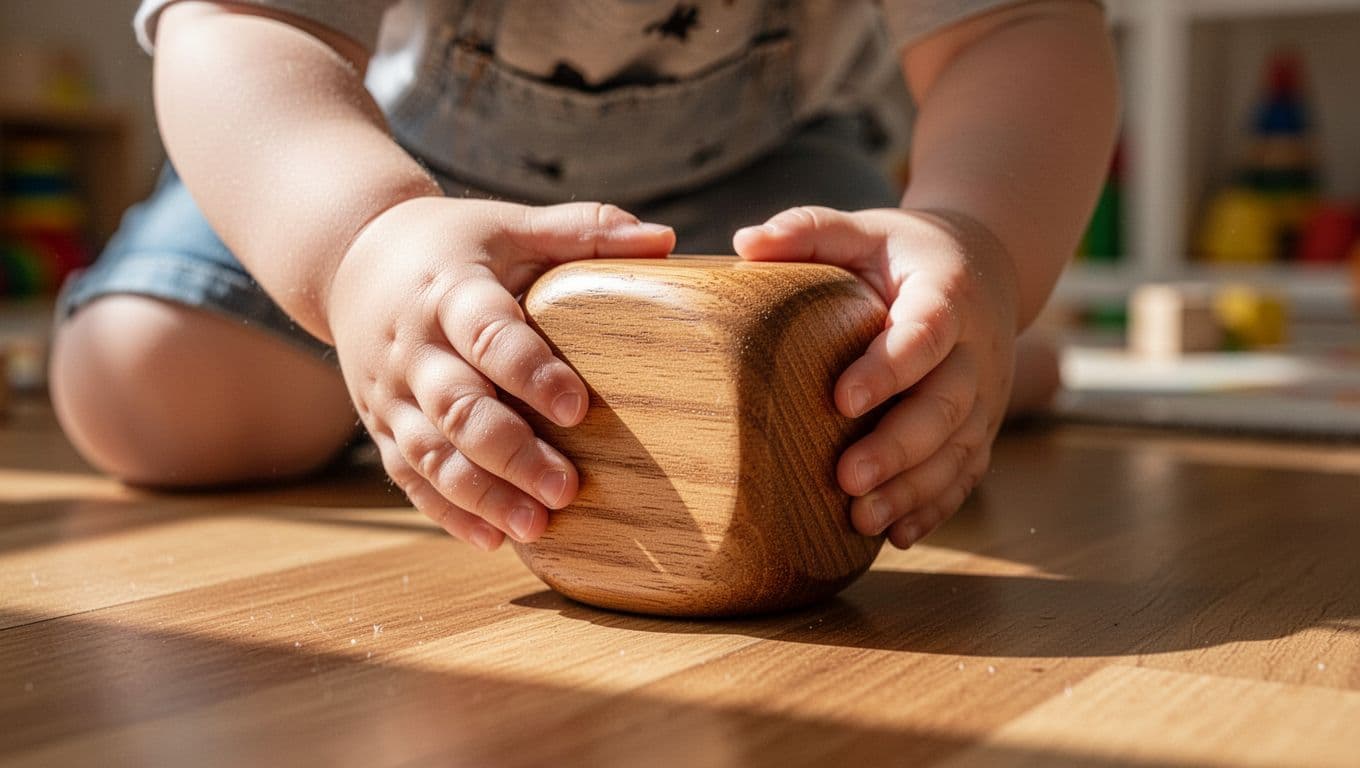
- Check for age labels: Manufacturers include these to flag potential hazards, so always look for the age-suitability stamp.
- Size it up: Avoid anything with loose beads, buttons, or small parts that could fit inside a child’s mouth.
- Inspect materials: Prioritize non-toxic, lead-free paints and finishes, which you can often verify on a parent-friendly safety guide.
- Feel the edges: Run your hand over the toy to ensure there are no sharp splinters or jagged plastic bits.
- Assess durability: Give the item a quick squeeze or shake to make sure it doesn’t flex, creak, or feel flimsy.
- Cleanability: Pick items that wipe down easily with a damp cloth, since toddler play inevitably involves spills and dirt.
Signs a toy is safe for little hands and mouths
Your child explores the world through touch and taste, so their playthings need to be genuinely harmless. Large pieces are essential because they prevent accidental choking. If a part looks small enough to vanish into a mouth, leave it on the shelf. Sturdy construction also protects against sudden breakage. A toy that snaps into sharp shards during a tantrum or a drop creates an immediate danger.
Always check labels for safety certifications like ASTM or EN71. These markers prove the item met rigorous testing before hitting the market. For peace of mind regarding what your child is touching, you can examine detailed non-toxic toy criteria. Smooth edges are another must, as they prevent accidental scrapes during rough play. When a toy feels solid, well-sanded, and free of small gaps, you know it is built with little ones in mind.
Why simple toys often outlast trendy ones
Trendy gadgets often lose their spark the moment the batteries die or the initial novelty fades. Simple, classic toys act like blank canvases for your child’s growing imagination. A set of wooden blocks or a high-quality play kitchen doesn’t dictate how a child should play. Instead, it invites them to build, invent, and create new scenarios every single day.
Because these toys don’t rely on pre-programmed sounds or specific outcomes, they hold a child’s interest for years rather than days. They also handle the wear and tear of toddler life far better than complex plastic electronics. Investing in items that serve multiple purposes encourages your child to slow down and focus on the task at hand. You can even extend this principle of simplicity to engaging children with nature activities to keep their play routines fresh and screen-free. By choosing pieces that adapt to their changing abilities, you save money and keep the playroom free of clutter.
How to build a toy shelf that keeps your child learning every day
A well-organized toy space changes how your child interacts with their surroundings. Instead of a chaotic bin filled with mismatched plastic, an intentional shelf invites deep, focused play. When everything has a place, your child can see their options clearly and choose their own adventure. This simple shift turns a cluttered room into a quiet workshop for the mind.
A simple mix that covers all major skills
You don’t need a massive collection to keep a child engaged. A balanced shelf acts as a support system for their development by touching on different areas of growth. Aim for one high-quality piece in each of these five categories to ensure your child hits every developmental note.
- Puzzles: These sharpen logic and spatial awareness as your child connects pieces to form a whole.
- Building toys: Wooden blocks or magnetic tiles provide a blank canvas for structural engineering and 3D design.
- Pretend-play toys: Kitchen sets, dolls, or puppets allow children to practice social roles and verbal storytelling.
- Active toys: Small balancing boards or simple pull-toys keep their bodies moving and help refine gross motor control.
- Art or language toys: Stacking letters, tracing boards, or basic supplies encourage early literacy and creative expression.
This variety keeps their brain active by rotating between different types of problem-solving. While a puzzle builds quiet focus, a set of blocks demands active construction. By offering a mix, you allow them to choose the tool that matches their current energy and curiosity.
### When to rotate toys so they stay fresh
A shelf that is packed full often leads to overwhelmed, distracted children. When a room overflows with toys, play usually becomes shallow and quick. You can counter this by keeping only a small selection on the shelf at one time. Store the rest in a closet or a bin out of sight.
Every two weeks, swap a few items from your hidden stash with the ones on the shelf. Suddenly, the old toy that sat ignored for months feels brand new again. This method of rotation maintains a sense of novelty without the need to buy new products constantly. It also creates a calm atmosphere that encourages your child to stick with one activity for longer periods. They will appreciate what they have, and their play will become much more meaningful.
Conclusion
The best educational toys for your child rely on how well they match a current stage of growth. You want tools that invite hands-on play while sharpening their thinking, language, and movement. When a toy asks a child to solve a problem or build a story, it turns simple playtime into a foundation for confidence.
Choosing the right items doesn’t mean buying a mountain of new gadgets for the playroom. It means selecting pieces that help your child stay curious, focused, and engaged. A small, thoughtful collection is often better than a bin full of plastic that loses its charm after one day. Focus on quality over quantity, and you will see how little minds and bodies bloom through the power of simple, purposeful play.
Save pin for later

- How to Stop Using a Pacifier: Benefits and Weaning Tips - September 20, 2026
- 20 Mountain Baby Names for Boys and Girls With Meaning - September 20, 2026
- 20 Tough Boy Names and Their Meanings - September 20, 2026