
A tablet in one hand, a phone in the other, and the TV glowing in the background can make screen time feel like it’s running the house. The real issue isn’t only how long kids are on screens, it’s what they’re watching, how they’re using it, and whether it’s pushing out sleep, play, learning, or family time.
For babies and toddlers, the guidance is tighter, while older kids need clear family rules that fit daily life. That’s why screen time rules work best when they’re tied to age, content, and daily habits, not guilt or guesswork, and strong positive parenting methods for families can make those limits easier to keep.
If screens are starting to affect behavior, grades, bedtime, or real-world connection, the limit may already be too high. Here’s how to spot that line and set rules you can actually live with.
What screen time really means for kids today
Screen time is not just a single activity. It is a broad term that covers everything from finishing schoolwork on a laptop to watching endless short-form videos. Today, it includes passive viewing, social media, fast-paced gaming, and even video calls with distant family members. Because these activities affect a child’s brain in different ways, looking at the clock alone misses the point. The real focus should shift toward the balance of the entire day rather than panic over a single number.
### Why the type of screen matters as much as the number of minutes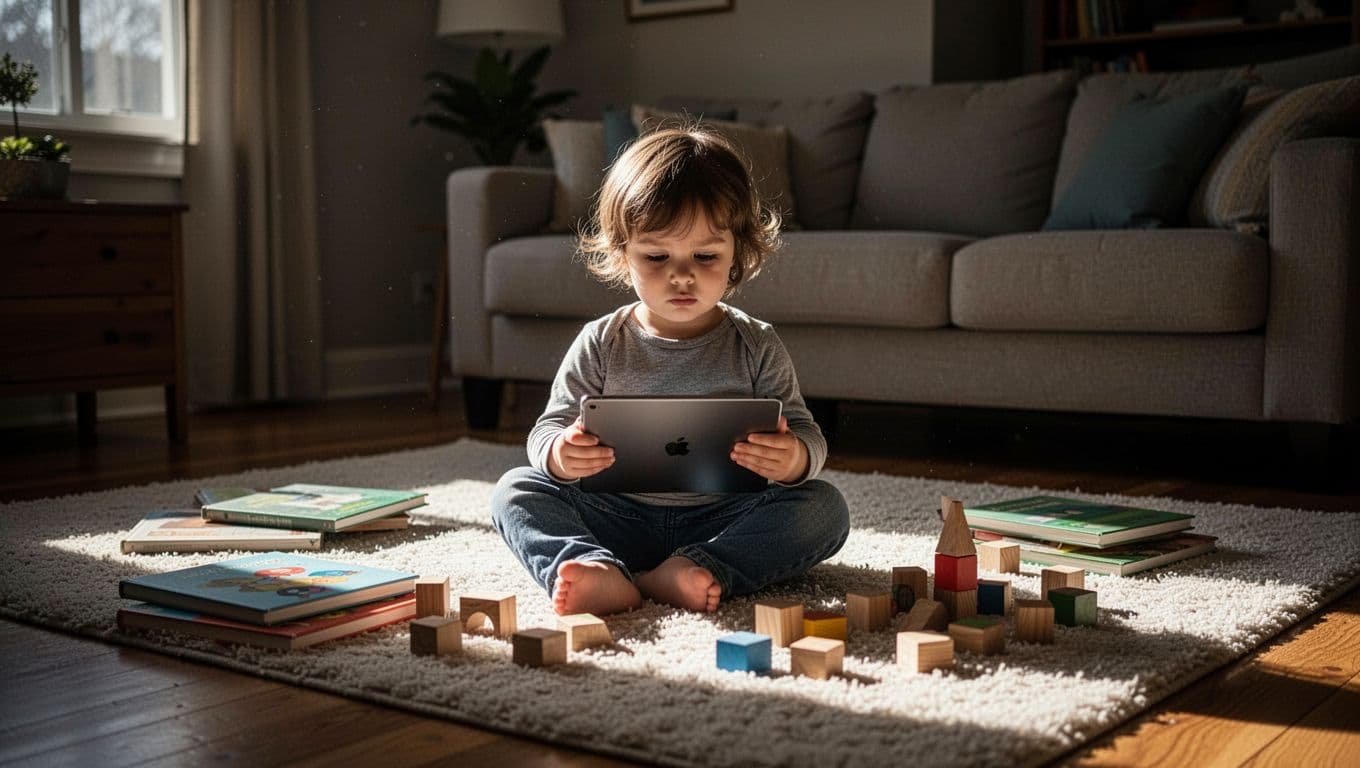
Not all screen use leaves the same mark on a growing mind. Educational apps, for example, can teach new concepts, while video chats build social connections across distances. These activities often require interaction, which keeps a child engaged rather than just zoning out. In contrast, hours of fast-paced, mindless scrolling or intense late-night gaming can lead to overstimulation. This often makes it much harder for children to stop on their own, leaving them irritable or drained when the screen is finally turned off.
Watching how a child behaves before and after screen time gives you the best clues. If your child remains calm and can easily move on to other activities, the content is likely fine. However, if they become defiant or struggle to focus afterward, that specific activity might be too intense for them. Using effective strategies to reduce childhood screen usage helps keep these interactions positive. Prioritizing quality content that encourages creativity or learning is a great way to make sure that technology remains a helpful tool rather than a distraction.
When screen time starts replacing sleep, movement, and real play
Screens become a problem when they act as a wall between your child and their daily needs. This happens when digital engagement begins to push out essentials like physical movement, consistent sleep, and unstructured play. It is common for a game or an extra show to bleed into hours that should belong to outdoor time or quiet rest. When kids lose that balance, their overall mood and ability to regulate emotions often suffer.
Missing out on physical activity or staying up late because of a device can create a ripple effect. You might notice your child struggling to finish homework or losing interest in toys that do not have a power button. If you see signs of withdrawal from the real world, it is time to shift gears. Introducing screen-free play ideas for children helps fill those gaps with movement and connection. Research shows that excessive screen time can interfere with healthy brain development, so protecting those basic habits is vital for long-term well-being. Keeping an eye on these transitions ensures your child stays active, rested, and present.
Screen time rules by age: what is normal and what is too much?
Navigating the world of screens is a common challenge for every parent. While the temptation to hand over a tablet for a quiet moment is real, keeping track of how age influences those needs helps everyone stay on balance. You don’t have to be a tech expert to set healthy habits, but keeping your child’s development front and center makes the journey much smoother.
Babies and toddlers need real-world connection most of all
Very young children learn through their senses. They thrive when they touch, move, and observe your face while you speak. These simple interactions build neural pathways that a flat screen simply cannot replicate. For this reason, the standard advice is to avoid digital media for children under 18 months, with the only real exception being video calls with loved ones.
When your child hits that 18 to 24-month mark, keep any media usage minimal and strictly high-quality. Think of screens as a shared activity rather than a babysitter. Sitting beside them and talking about what happens on the screen helps them process the information. Avoiding constant background noise from screens is also vital, as the effects of smartphone use on infants can often interrupt the natural rhythm of caregiving and bonding.
Preschoolers do best with short, high-quality viewing
Between the ages of 2 and 5, your child begins to grasp more complex narratives. This is the window where you might allow about one hour of high-quality programming per day. High-quality content features slow pacing, age-appropriate language, and concepts that don’t overstimulate a developing brain.
Co-viewing remains your best strategy at this age. When you watch together, you can pause to ask questions or relate the on-screen events to your child’s daily life. This turns a passive viewing experience into a social one, helping them understand what they see. Prioritizing slow, meaningful content ensures their screen time stays educational and light rather than frantic and overwhelming.
School-age kids need clear limits, not constant counting
Once children reach school age, the landscape changes. You might stop worrying about counting every single minute and instead start looking at the bigger picture. Does the screen time interfere with their sleep, homework, or family connections? If the answer is yes, it’s time to set firmer boundaries.
Establishing healthy screen time rules for kids is more effective than tracking hours. Focus on the when, where, and why of their device usage. For example, you might create screen-free zones, such as the dinner table or the bedroom at night. This approach teaches children to manage their own time and helps them prioritize real-world activities without feeling like you are constantly policing their every move. For those seeking clarity on these evolving needs, the AAP provides helpful screen time guidelines to support families in making these adjustments.
Teens need trust, structure, and room to unplug
Teenagers often require a partnership approach rather than a rigid set of rules. Their social world lives online, so complete restriction is rarely realistic or helpful. Instead, negotiate a family media plan that protects their sleep and mental health. Open conversations about their online experiences and gaming habits are much better than hidden passwords.
Encourage them to take charge of their own balance by setting clear expectations for schoolwork and offline time. A good plan always includes a buffer before bed, keeping phones out of the room to ensure they get enough rest. When you treat them with trust, they are more likely to come to you if they encounter something uncomfortable online. Your role shifts from manager to coach, helping them build habits that serve them well into adulthood.
Signs your child may be getting too much screen time
Spotting when digital habits cross the line into unhealthy territory often requires looking past the clock. While every child has days where they act out or feel tired, persistent patterns deserve a closer look. Sudden mood swings, a sharp drop in interest for old hobbies, or constant arguments over device rules are often red flags. When these behaviors become the new normal, it is time to pause and adjust the routine.
Watch for crankiness, boredom, and big meltdowns after screens end
Resistance to turning off a screen is common, but intense reactions reveal a deeper dependency. If your child responds to a simple “time to log off” with extreme anger, screaming, or uncontrollable tears, the device has likely become their primary source of emotional regulation. This reaction suggests they are using the screen to escape or numb their feelings rather than for entertainment.
When kids constantly beg for more time or act agitated the moment they are offline, they are struggling to shift gears. This “wired” state makes the real world feel dull or overwhelming by comparison. You might notice them pacing, acting restless, or complaining of boredom almost immediately. Using effective behavior management techniques for children helps them build the skills to handle these transitions without the drama. Remember that one rough day doesn’t signal a crisis, but repeated, explosive episodes indicate the balance is off.
### Notice changes in sleep, attention, and behavior during the day
Heavy screen use frequently leaves a mark on a child’s daily rhythm. You might see them struggling to stay awake in class or fighting sleep at night, even when they seem physically exhausted. This “tired but wired” phenomenon occurs because the blue light and high-stimulation content keep their brain buzzing long after they put the device away. Experts note that excessive screen usage has detrimental effects on sleep quality, leading to restless nights and foggy mornings.
Beyond sleep, keep an eye on their attention span during offline tasks. If your child seems unable to sit still, finish homework, or focus on a simple conversation, their brain may be craving the constant, rapid-fire input of a screen. They might even display physical discomfort, like eye strain or blurred vision, which long-term screen staring often causes. If they seem unable to concentrate unless they have a digital distraction, it is a clear signal that their system needs a break.
Look at what screens are pushing out of family life
The most telling sign of excessive screen time is often what disappears from the day rather than what is added. When gaming or scrolling begins to crowd out reading, chores, family meals, and genuine face-to-face talk, the technology has taken the steering wheel. These missing habits are the building blocks of a well-rounded childhood. If your child loses interest in toys, sports, or creative projects that do not have a power button, they are missing out on vital development.
Pay attention to how often the device replaces shared family moments. If the dinner table feels silent or outdoor play has become a chore, the screen has become a barrier. Providing engaging offline games for kids ages 4 to 7 is a great way to invite them back into the fold. When kids miss these real-world interactions, the impact on their overall development can be significant. Prioritize those simple, screen-free hours to ensure your child remains connected, curious, and grounded in the world around them.
Simple screen time rules that actually work at home
Establishing boundaries doesn’t have to feel like a daily tug-of-war. When rules are predictable, kids naturally internalize them as part of the family rhythm rather than a personal slight. You can turn your house into a space where technology serves a purpose without dominating your time. By focusing on consistency and clear expectations, you take the power struggle out of the equation.
### Use clear start and stop times instead of constant reminders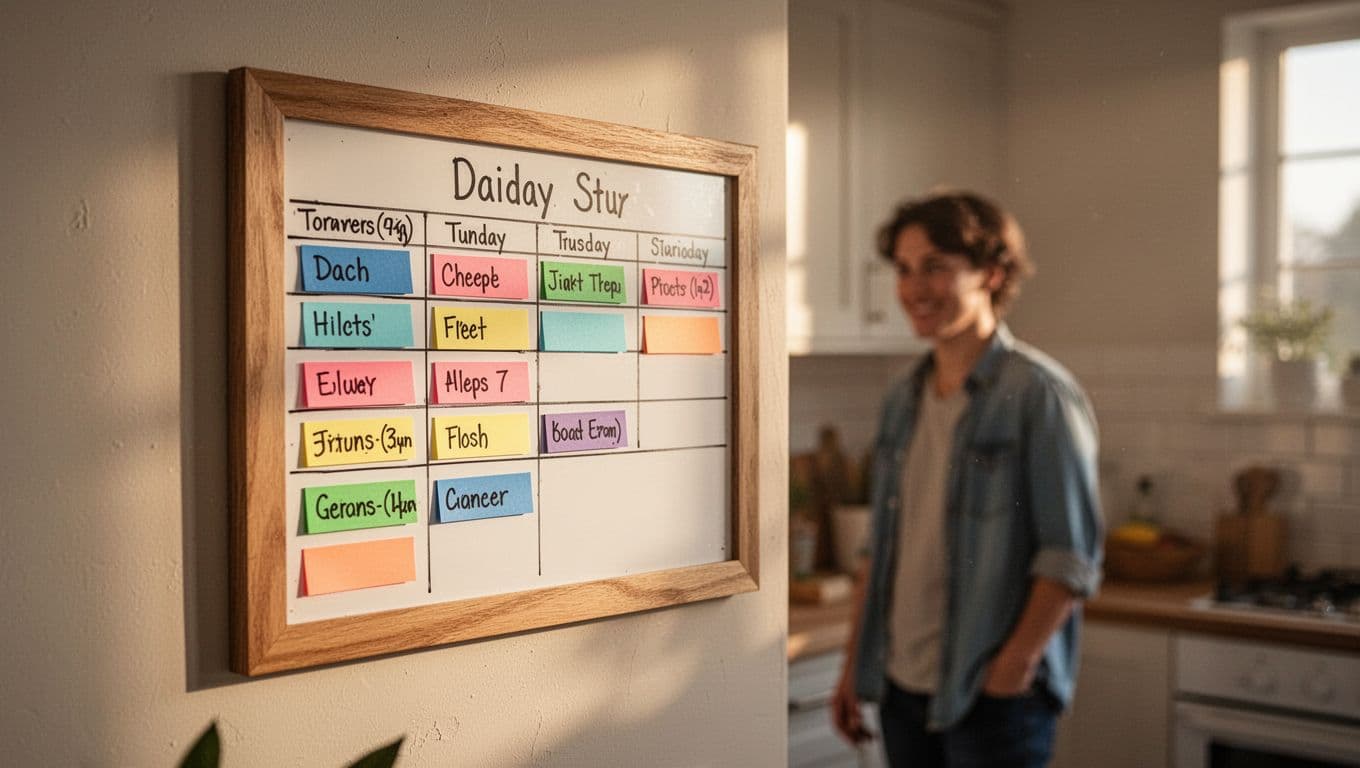
Predictability is your greatest ally when managing digital habits. When you set specific times for screen use, the clock becomes the authority rather than your changing mood. Kids feel more secure when they know exactly when a device can come out and exactly when it must go away.
Frame these windows clearly. Perhaps the television is for weekend mornings only, or tablets appear after schoolwork is complete. By tethering screen access to specific blocks of time, you avoid the need for frequent, nagging reminders. If a child knows the rule is consistent, they stop asking for “five more minutes” every single day. This clarity reduces friction and lets you move through your afternoon with far less tension.
Build screen-free parts of the day on purpose
Protecting specific moments of your daily life keeps family connection alive. Some areas and times are better served by conversation or quiet reflection. The dinner table is an ideal place to start; making it a device-free zone encourages everyone to engage without distractions. Similarly, protecting the car ride home from school allows for decompression or casual chatting rather than passive scrolling.
Bedtime is another essential window to shield. Removing all screens 30 to 60 minutes before lights out helps the brain wind down naturally. You can read tips from the Child Mind Institute to help structure these offline periods. Think of these habits as small rituals that define how your family connects. When screens are not an option during these times, kids quickly find other ways to fill the silence.
Choose content before giving the device
It is much easier to manage content before the screen is even turned on. If you pre-approve apps, games, and channels, you bypass the need for negotiation once the device is in a child’s hands. This approach also allows you to filter out fast-paced or mindless options that might make it harder for your child to disengage later.
When you offer a choice between two pre-approved options, your child feels a sense of agency while you maintain safety. Setting boundaries early prevents the frantic feeling of trying to police content while your child is already absorbed in a game. You can look at Apple’s family sharing features as a technical tool to help maintain these content boundaries. This preparation turns technology into a deliberate choice rather than a default behavior.
Replace screen battles with better backup options
When you take a device away, having a simple replacement ready makes a world of difference. Kids often resist turning off a screen because they do not have a plan for what comes next. If you offer a clear, attractive alternative, the transition from digital to analog feels less like a loss.
Keep a few reliable backups within arm’s reach to minimize the transition drama:
- Creative materials: Keep paper, markers, or clay accessible for spontaneous art projects.
- Movement and play: Keep puzzles, building blocks, or outdoor equipment ready for quick access.
- Quiet engagement: Stash a few engaging books or audiobooks in a common area.
- Helpful chores: Simple tasks like folding laundry or helping with dinner can provide a sense of contribution and completion.
When kids understand what they can do next, they stop seeing the rule as a barrier. You aren’t just removing an activity; you are opening the door to something else. Providing these alternatives helps everyone stay balanced and keeps the home environment calm and present.
How to cut back without a fight
Turning the volume down on screen time doesn’t require a total overhaul of your home life. Sudden, strict changes often trigger resistance, making the goal harder to reach. Instead, shift your strategy toward small, manageable adjustments that build momentum over time. Children respond best to clear boundaries that stay the same day after day. When you remain steady and avoid daily negotiations, the routine becomes predictable and less open to debate. You can find helpful guidance for new parents on navigating these early stages with confidence.
### Start with one change your child can handle
Attempting to change every habit at once creates unnecessary stress for your entire family. Pick one specific area to address first, such as establishing a strict no-phones policy at the dinner table or cutting out screen use during the final hour before bed. Focus entirely on that single rule for a few weeks until it feels natural. Once that habit sticks, you can move on to the next one. This method allows your child to adjust without feeling like their world is being restricted overnight. You might look at these tips to reduce children’s screen time to identify which boundaries make the most sense for your daily schedule.
Offer choices so kids feel some control
Power struggles often happen because kids feel forced into an unwanted transition. You can bypass this by offering two acceptable options that lead to the same goal. When screen time ends, ask if they would rather draw a picture or help set the table for a snack. Providing a choice gives them a sense of agency, which often lowers their urge to push back. They feel like they have a say in the process rather than being told what to do. This simple shift turns a potential conflict into a cooperative moment. For more ways to manage transitions smoothly, check out this gentle guide for reining in screen time for practical ideas.
Model the habits you want your child to copy
Children watch your actions far more closely than they listen to your instructions. If you want them to spend less time on devices, your own screen habits must reflect that priority. Keep your phone out of sight during family meals, conversations, or play sessions. When you make these moments device-free, you show that real-world connection is more valuable than digital entertainment. Maintaining this balance sets a standard that your children will naturally begin to mirror over time.
Conclusion
Screens occupy a real space in our homes, but they don’t have to dictate the rhythm of your family life. The right amount of time online depends on your child’s age, the quality of what they watch, and the specific needs of your household. You don’t need to reach for perfection or eliminate technology entirely to maintain a healthy balance.
Focus instead on steady habits that leave plenty of room for sleep, physical play, and offline connection. When you set clear rules and follow through with patience, you create a calm environment where devices are tools, not masters. Trust your instincts to adjust these boundaries as your children grow. You are the best judge of the rhythm that keeps your home present, happy, and connected.
Save pin for later


- How to Stop Using a Pacifier: Benefits and Weaning Tips - September 20, 2026
- 20 Mountain Baby Names for Boys and Girls With Meaning - September 20, 2026
- 20 Tough Boy Names and Their Meanings - September 20, 2026