Toddler tantrums can hit like a storm in a grocery aisle, with flailing arms, loud cries, and your patience slipping by the second. They’re usually a sign of big feelings, tiredness, hunger, frustration, or too much noise, not bad parenting.
What helps most is a calm response that keeps your child safe, lowers the heat in the moment, and teaches better habits over time. A steady approach, like the one in these mindful parenting tips for handling toddler tantrums, can make those hard minutes feel less overwhelming and a lot more manageable.
The key is to stay grounded first, then guide your toddler through the emotion instead of fighting it.
Why toddler tantrums happen in the first place
Tantrums are rarely about being difficult or defiant on purpose. Instead, they are usually a sign that your child is completely overwhelmed by their own internal climate. At this age, a toddler’s brain is still under construction, especially the parts responsible for managing big emotions or hitting the “pause” button on impulsive reactions. When the world feels too big or too fast, their nervous system simply switches into survival mode. Understanding this helps you shift your perspective from feeling frustrated to seeing a child who truly needs your steady guidance to find their balance.
### The difference between a meltdown and simple misbehavior
It is common to view a tantrum as a planned attempt to get a treat or skip a chore. In reality, most outbursts are involuntary emotional meltdowns. When a child is mid-tantrum, their brain is literally struggling to process intense feelings like anger or disappointment. They are not thinking clearly enough to manipulate the situation, nor are they choosing to act out against you.
You can think of a meltdown like an engine that is overheating. When a car engine is hot, it needs to cool down, not a stern lecture about road safety. Similarly, your toddler needs a calm environment to help their nervous system reset. When you stop seeing the behavior as a personal challenge and start viewing it as a lack of regulation skills, your own response naturally becomes more patient and helpful. Utilizing effective toddler parenting techniques allows you to be the calm anchor they need during these stormy moments.
Common triggers that set off the storm
Most tantrums share a few predictable causes that act as fuel for the fire. If you can spot these triggers early, you can often head off the storm before it even begins.
- Physical basics: Hunger and exhaustion are the most frequent culprits. When a toddler is tired or has a low blood sugar level, their threshold for frustration drops significantly.
- Communication gaps: Toddlers often feel trapped because they know what they want but lack the words to explain it. This gap between desire and expression creates a pressure cooker of irritation.
- Routine changes: Sudden shifts in the daily schedule can feel unsettling. Whether it is a late nap, a new babysitter, or a move to a different room, uncertainty often leads to a quick defensive reaction.
- Sensory overload: Loud noises, bright lights, or crowds can quickly overstimulate a young child. If they feel swamped by their surroundings, they may lash out to signal that they need quiet space.
- Frustrating tasks: Learning to dress oneself or complete a puzzle is hard work. When their motor skills do not match their ambitions, the resulting feeling of failure can trigger a sudden burst of tears.
To learn more about what is happening beneath the surface of these outbursts, Child Mind Institute provides deep insights into the mechanics of emotional regulation in young children. By staying mindful of these triggers, you can provide the support your child needs to build their resilience, ultimately reducing the intensity of these common calm strategies for toddler meltdowns.
What to do in the middle of a tantrum without losing your cool
When the screaming starts, your first instinct might be to react, fix, or silence the noise immediately. This pressure to perform as a perfect parent often adds fuel to the fire. Instead of jumping to action, treat the start of a tantrum as a signal for you to shift into a lower gear. You are the thermostat for the room. If you stay cool, the room cools down. If you match their intensity, the heat only rises.
### Take a breath before you say anything
Your body often reacts to a tantrum before your mind does. You might feel your heart race, your shoulders tense up, or your voice pitch shift higher. Before you address your child, take one deep, slow breath. This physical pause does more than calm your nerves; it creates a gap between their chaos and your response. When you speak, do it slowly and keep your volume lower than you think you need to. A quiet, steady tone acts as a grounding force, signaling to your child that the world hasn’t spun off its axis. If the outburst feels too intense and your frustration is peaking, give yourself a brief parent time-out. As long as your toddler is in a safe space, you can step out of the room for a minute to regroup. This is not about leaving them alone; it is about ensuring you return with the patience they need.
Use short, calm words that help your child feel seen
When a child is in the middle of a meltdown, their brain cannot process long lectures. They are effectively deaf to logic, reasons, or complex explanations. Keep your language simple and direct. Use short phrases to name the feeling, as this helps your toddler feel understood. A simple “You are really frustrated that the game is over” can sometimes snap them out of the spiral by validating their reality. Once you have acknowledged their feelings, state the limit in one clear sentence. Use firm, neutral phrasing like “I cannot let you hit” or “We need to leave the park now.” Consistency is your best friend here. Toddlers hear you much better when your message is brief, steady, and free of emotional baggage.
Keep the boundary even when the crying gets louder
It is easy to feel that if you just give them what they want, the crying will stop. However, giving in at the height of a tantrum teaches a dangerous lesson. It shows your toddler that loud, aggressive behavior is the correct way to get their needs met. Staying firm does not mean being harsh or cold. You can be loving and kind while still holding the line. Your child needs to know that your rules are not suggestions that change based on how loud they scream. If you consistently stick to the boundary, you eventually teach them that tantrums do not change the outcome. This effective toddler discipline technique helps them develop the internal regulation they will eventually need to manage frustration on their own.
Protect safety first, especially if things get physical
Safety always takes priority over teaching, especially when a child starts throwing items or hitting. If things turn physical, move dangerous objects out of reach and block any unsafe movements with a calm, neutral barrier. You do not need to overreact; simply block the hit or move them gently to a safer spot if needed. Stay close enough to provide comfort, but do not crowd them if they need space to burn off energy. Your presence is the most important tool you have, so stay nearby as a steady, unmoving anchor. According to the Mayo Clinic guidance on managing temper tantrums, staying calm is the most reliable way to prevent the child from mirroring your agitation. By focusing on keeping everyone safe rather than controlling their emotions, you maintain your composure and keep the situation from escalating into something more serious.
How to calm a toddler faster when the tantrum is building
Catching a tantrum in its early stages is often the best way to keep your day on track. When you notice that familiar whine, the stiffening of a small body, or a rising pitch in their voice, you have a short window to shift the momentum. Instead of waiting for the full storm to hit, you can often guide your child back to a place of regulation through gentle, low-pressure interventions.
### Offer two easy choices instead of a power struggle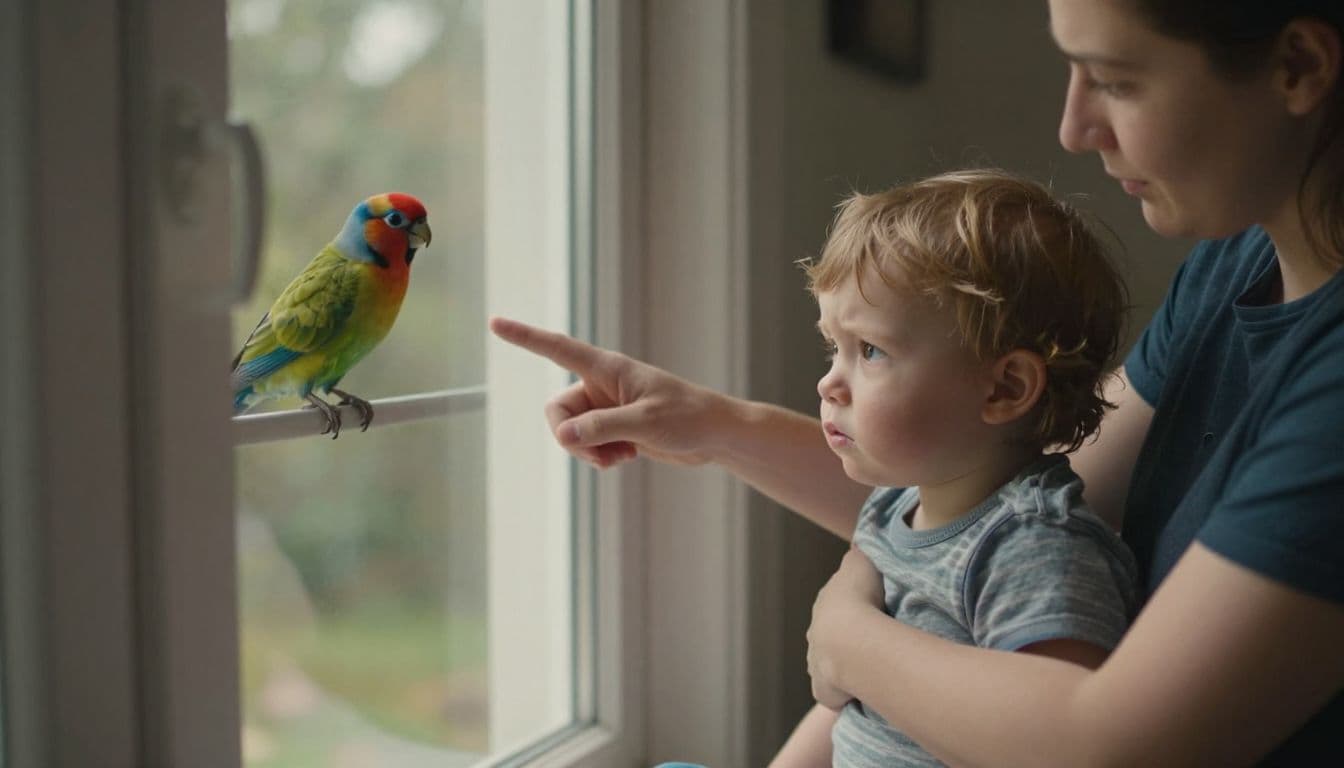
Toddlers often crave independence and control, which explains why they push back against your requests. When you sense frustration brewing, give them a simple choice to empower their decision-making process. By shifting the focus from “you must do this” to “do you want to do this or that,” you remove the immediate power struggle.
Keep the options extremely limited and clear to avoid overwhelming their already taxed brain. For instance, you could ask if they want to put on the blue shirt or the red one before getting dressed. If it is time for bed, offer a choice between reading one story or singing a short song. At snack time, ask if they prefer an apple or a banana. Small choices provide a sense of agency that can effectively defuse a rising temper.
Use distraction before the tantrum fully takes over
When you see the initial signs of irritation, changing the environment or the activity is a reliable way to reset their focus. This is not about sneaking around their feelings, but rather providing a gentle nudge toward something less frustrating. It works wonders before they are deep in the woods of a full-blown meltdown.
Try pointing out an interesting bird outside the window or handing them a different toy to explore. Sometimes, simply walking into another room or changing the lighting helps shift their mood. If they are struggling with a specific task, suggest a quick break to help them regain their composure. Even a short song or a silly dance can pull their attention away from the source of their frustration. As noted in some helpful parenting strategies for tantrums, providing a minor shift in focus can keep the day moving forward smoothly.
Try comfort, space, or a reset, depending on your child
Every toddler has a unique way of processing stress, so there is no single right answer for what they need in the moment. Some children find comfort in a physical embrace, while others feel suffocated and need room to breathe. The key is to watch their cues and respond to what they actually need rather than forcing a specific method.
If your child leans into you, a hug or a steady hand on their back provides the security they crave. However, if they pull away or stiffen up, give them a few feet of physical space. You can stay close by and sit on the floor, showing them that you are present and ready to help when they are prepared to reconnect. For children who struggle with sensory overload, moving to a quiet, dimly lit spot acts as a necessary reset for their nervous system. By learning these subtle signals, you can offer support that respects their current capacity to cope. For more guidance on maintaining consistency, see the Mayo Clinic’s tips for peace.
What not to do when you are already overwhelmed
When your patience runs thin and the noise hits a fever pitch, it is tempting to jump into autopilot. You might feel a desperate need to fix the situation immediately. However, some common reactions often backfire, making the tantrum last longer or leaving you feeling even more drained. If you want to keep your own cool, identifying what to avoid is just as important as knowing what to do.
### Do not try to teach a full lesson during the meltdown
In the heat of a tantrum, your toddler is effectively in survival mode. Their brain is flooded with intense emotions and the part responsible for logical thinking has essentially gone offline. Trying to explain why they should share, or why their behavior is unacceptable, will not work in this state. They simply lack the capacity to absorb a lecture when their nervous system is in full-blown panic.
Save the teaching moments for when everyone is calm and receptive. When the storm has passed and your child feels safe again, they become much more open to guidance. If you try to force a lesson during the chaos, you only add more friction to an already explosive situation. You can learn more about why talking during a meltdown fails to help you keep your expectations realistic.
Do not give in just to make the noise stop
It is natural to want the crying to end as quickly as possible. You might feel tempted to give them that extra treat or change your rule just to find peace. This move offers a temporary fix but often creates a long-term problem. If you back down while they are mid-tantrum, you signal that loud, aggressive behavior is an effective way to get their way.
Your child is learning how the world works. If they see that a tantrum changes your stance, they will rely on that strategy again in the future. Instead of bargaining, hold your boundary with a kind but firm tone. Sticking to your original rule shows them that your expectations are stable and reliable, which actually helps them feel more secure in the long run.
Do not match your child’s volume with your own
When your child starts screaming, the instinct to raise your own voice to get their attention is powerful. It feels like you need to overpower the noise to establish control. However, matching their intensity only serves to escalate the conflict. A shouting match rarely settles a toddler; it usually makes them feel more frightened or aggressive.
Use a low, steady tone instead. When you stay quiet and composed, you provide a model for how to handle big feelings. Calmness is far more effective than force. It shows your toddler that you remain in control of the situation and that they are safe with you, even when they feel out of control themselves. Focus on keeping your own body relaxed so your child can eventually mirror that same sense of peace.
Make tantrums happen less often with simple daily habits
Prevention is often the quiet secret to a calmer household. While you cannot stop every outburst, you can significantly shrink the frequency and intensity of meltdowns by focusing on your daily rhythm. A toddler who knows what to expect throughout the day feels safer and more secure. When their basic physical and emotional needs stay met, they have a larger reserve of patience for the small frustrations that occur. You hold the power to shape these habits, and the result is a more manageable day for everyone involved.
### Use routines to make the day feel safer
Predictability acts as a balm for a toddler’s nervous system. When their day follows a reliable sequence, they don’t have to guess what comes next or fight against the unknown. Regular meal times, predictable naps, and a consistent bedtime set the foundation for this stability. You can rely on these rhythmic anchors to guide them from morning play to evening sleep without constant friction.
Transitions often serve as the biggest friction points in a young child’s day. To make these shifts smoother, provide clear verbal warnings before you expect them to change activities. Tell them “five more minutes of play, then we clean up” or “one more book, then it is time for bed.” These small prompts give them the time they need to mentally prepare, which often turns a potential protest into a willing cooperation. Learning how to handle 18-month-old tantrums often starts with these simple, consistent daily structures.
Watch for hunger, fatigue, and overstimulation
The most common triggers for a tantrum are often physical. When a child is hungry, exhausted, or overwhelmed by their environment, their ability to regulate emotions drops to near zero. You can get ahead of these moments by keeping a close watch on their internal clock and energy levels.
Planning your day around these vulnerabilities is a life-saver for parents. Keep healthy snacks in your bag for errands, ensuring they never hit that hangry wall. Try not to stack multiple errands or high-energy outings back-to-back, as this quickly leads to sensory overload. If you see them starting to rub their eyes or lose their focus, pivot to a quieter activity or head home for a rest break. As the Mayo Clinic advises for keeping the peace, staying ahead of these basic needs is essential for avoiding unnecessary meltdowns.
Praise the behavior you want more of
It is easy to focus all your attention on fixing bad behavior, but noticing the good moments changes the entire dynamic. When your child waits for their turn, uses their words instead of hitting, or calms down after a minor frustration, let them know you see it. Your recognition acts as positive reinforcement, encouraging them to repeat those behaviors.
Keep your praise natural and specific to the action. Say “I saw how you waited patiently for the slide” or “Thank you for using your words to tell me you are sad.” This approach builds their confidence and teaches them that calm behavior is the best way to interact with you. When you highlight the wins, you create a positive cycle that naturally displaces the need for dramatic outbursts. As Little Otter Health notes, small habits like this help your toddler learn that they have the internal tools to cope, giving you both much-needed room to breathe.
How to repair the moment after the tantrum ends
Once the storm passes, your job changes from anchor to bridge. Your toddler is often left feeling small, confused, or even ashamed after an outburst. This quiet period is your chance to mend the connection. It teaches your child that their big feelings do not push you away. You are still there, steady and ready to love them. Repairing the bond after conflict shows that relationships are stronger than temporary upsets.
Reconnect with calm affection
When the crying stops, your child needs to feel safe in your presence again. Offer a gentle hug if they seem ready. If they need a little more room, simply sitting nearby on the floor provides comfort without pressure. You might offer a sip of cool water or a soft blanket to help them physically reset. These small, tactile gestures signal that you have moved past the event.
Connection after conflict matters because it reinforces trust. You are showing them that even when things get difficult, your care remains constant. If they are still restless, try a quiet routine like looking at a book together or simply humming a soft tune. These moments of shared calm allow their heart rate to settle, letting you both move forward with a blank slate.
Talk briefly about what happened and what comes next
Keep your post-tantrum chat short and simple. A long sermon will only overwhelm a child who is still processing their adrenaline. Name the feeling clearly to help them build their emotional vocabulary. For example, you might say, “You felt frustrated because you wanted the toy.” Then, offer a tiny bit of guidance for next time. Say, “Next time, you can ask me for help instead of hitting.”
This short exchange helps them bridge the gap between their feelings and the better choice they can make later. Avoid shaming them for the meltdown. Instead, focus on the future. A quick, loving comment like “We both had a hard moment, but we are okay now” validates their experience. It helps them see that mistakes are just part of growing up, not a mark on their character.
Notice patterns so the next tantrum is easier to handle
Every outburst provides a clue that can help you plan ahead. Pay attention to when and why these moments happen. Does your toddler melt down every day before dinner? Do errands after a long morning usually lead to a collapse? Recognizing these patterns puts you in the driver seat for the next encounter.
When you see a trigger approaching, you can adjust your plans before the stress takes root. Maybe you pack a snack, move a bedtime slightly earlier, or simplify a transition. Tracking these recurring events makes your daily life feel less chaotic. You are not just reacting to a storm anymore; you are learning to predict the weather. This awareness builds your confidence and makes the tough moments feel much more manageable.
Final Thoughts
Toddler outbursts are a normal part of growing up. They are not a sign that you are failing as a parent or that your child is acting out against you. These moments are simply growing pains that come with a developing brain.
Your goal is not to win the argument or stop the crying immediately. It is to stay calm, protect your child, and hold your boundaries. Every time you respond with patience, you build more trust with your little one. You also teach them the emotional skills they will need as they get older.
Each calm interaction makes the next tantrum a little easier to manage. Keep showing up with a steady heart, and remember that you are the anchor they need to get through the storm. Consistent, loving guidance will help your child find their balance over time.
Save pin for later


- How to Stop Using a Pacifier: Benefits and Weaning Tips - September 20, 2026
- 20 Mountain Baby Names for Boys and Girls With Meaning - September 20, 2026
- 20 Tough Boy Names and Their Meanings - September 20, 2026