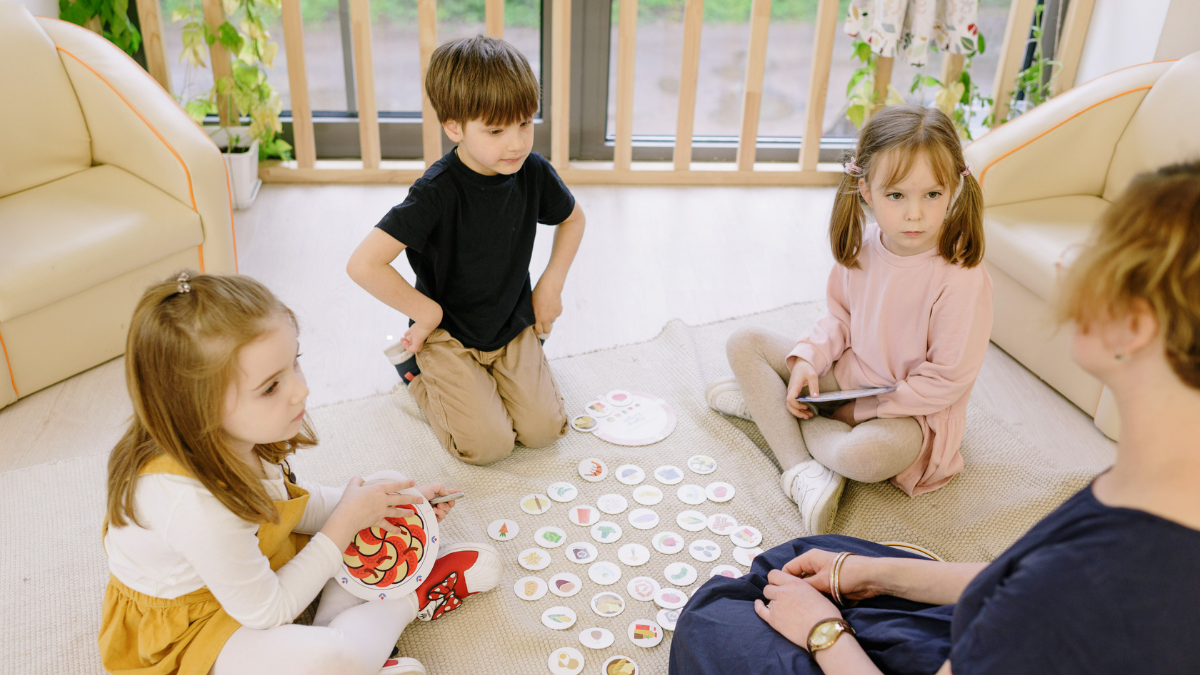
Toddler life can go from giggles to full-blown tears in seconds, especially when little ones are tired, hungry, or told “no.” That is where positive parenting techniques for toddlers can make daily life feel steadier for both of you.
Positive parenting is simple, it means staying connected, setting clear limits, and teaching the skill behind the behavior instead of only reacting to the mess. Toddlers are still learning how to feel, speak, wait, share, and cooperate, so they need guidance more than perfection.
When you respond with calm words, clear routines, and consistent follow-through, your child learns what to do next without constant battles. If you want practical ways to handle tantrums, power struggles, and everyday pushback, the next section will show you where to begin.
Start with Connection Before Correction
Toddlers listen better when they feel safe, seen, and close to you. That means connection comes first, especially in the middle of a messy moment. A child who feels understood is far more ready to hear a limit, follow a routine, or try again.
Small daily moments build that trust. Eye contact at their level, a warm tone, and a few minutes of focused attention can lower the tension before it turns into a power struggle. If you want more ideas for calm, child-centered play, toddler pretend play ideas can make that time feel easy and natural.
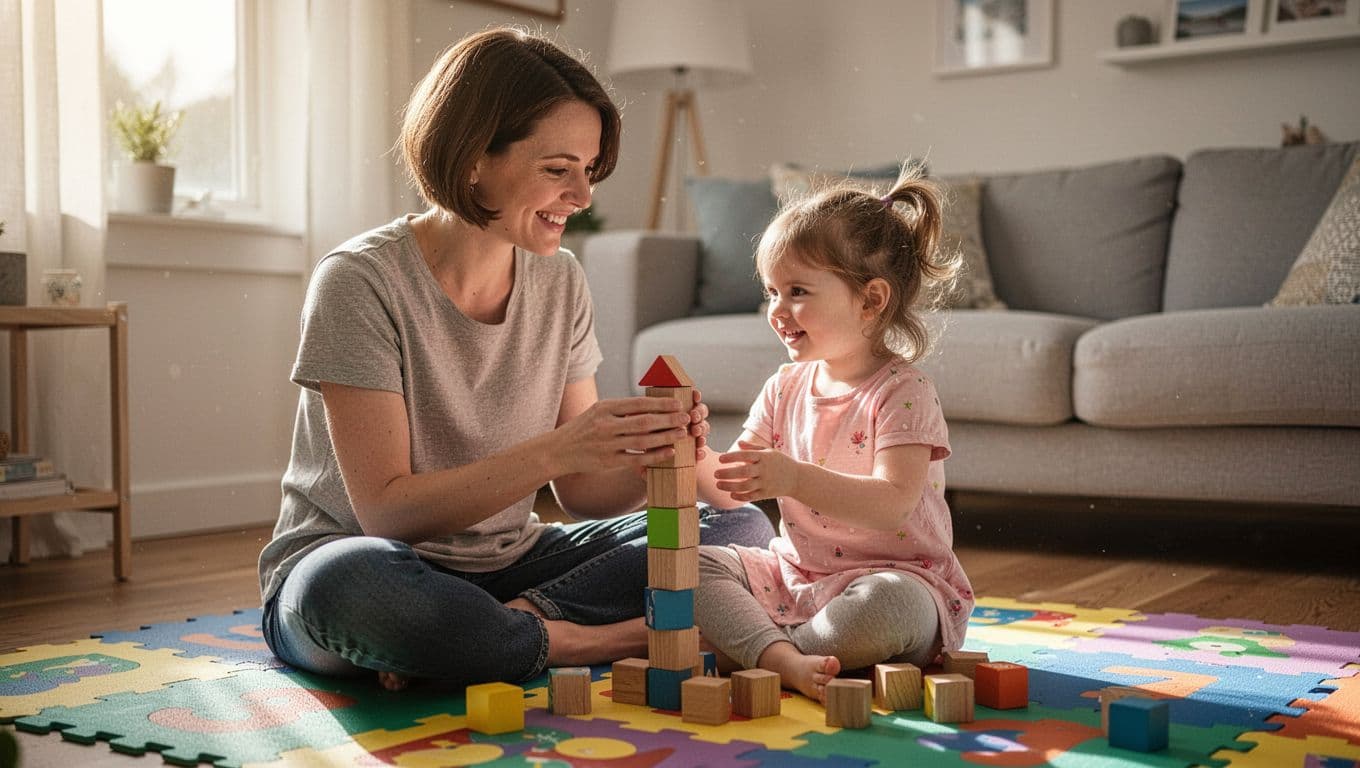
Use special time to fill their attention cup
Special time is short, child-led time with your full attention. Ten minutes of blocks, reading, pretend tea, or floor play can do a lot when you stay present and let your toddler lead.
It does not need to be fancy. Put the phone away, follow their idea, and stay with one activity long enough for them to feel the shift. A few minutes of real attention can matter more than an hour of distracted time.
This kind of steady connection often reduces clinginess and acting out. When toddlers get regular one-on-one time, they don’t have to fight for your attention all day.
A simple rhythm helps:
- Pick one time each day.
- Let your toddler choose the game.
- Stay focused and calm.
- End before they get bored or restless.
That daily dose of attention helps your toddler fill up before behavior spills over.
Notice and name the good moments
Toddlers repeat what gets noticed. That is why specific praise works better than big, vague praise. When you name the exact behavior you want, you make it easier for your child to do it again.
Try simple lines like:
- “You shared your truck. That was kind.”
- “I saw your gentle hands with the baby.”
- “You waited while I finished talking.”
- “You tried again when the tower fell.”
Honest praise matters more than extra praise. A toddler can spot fake cheer fast, so keep it real and direct.
Specific praise teaches toddlers what success looks like in everyday life.
The goal is to catch the good moments before they disappear. When you notice cooperation, patience, and effort, you make those habits feel safe, simple, and worth repeating.
Set Clear Limits Without Power Struggles
Clear limits work best when they feel calm, simple, and predictable. Toddlers do better with fewer words, steady follow-through, and choices that still keep the boundary in place. When you keep the message short, your child can focus on what to do next instead of getting lost in a long explanation.

Say what to do, not just what not to do
Toddlers understand direct language better than vague warnings. “Feet on the floor,” “Use gentle hands,” and “Toys stay in the bin” are easier to follow than long speeches about what went wrong.
Short instructions also lower tension. A calm voice with plain words gives your toddler a clear target, which matters more than explaining every reason behind the limit. If the tone sounds sharp or rushed, the message can spark more pushback, even when the words are right.
Try these kinds of phrases in daily moments:
- “Brush your teeth now.”
- “Hold my hand in the parking lot.”
- “Blocks stay on the rug.”
- “Use walking feet inside.”
Too many questions can create confusion. “Why are you still doing that?” or “What do you want me to say?” can invite more stalling, not cooperation. A firm, kind statement works better.
Offer small choices that still keep the limit
Choices help toddlers feel some control, which lowers resistance. You stay in charge of the rule, and your child gets a say in a small part of it.
For example, you can ask, “Do you want the red shirt or the blue shirt?” or “Would you like apple slices or crackers?” Both options work for you, so the boundary stays intact.
This works well when leaving the park too. Try, “Do you want to walk to the car or do you want me to carry you?” That gives your child a real choice without changing the plan.
Keep choices limited. Two good options are usually enough. Too many can overwhelm a toddler and turn a simple decision into a bigger battle. For more on using structure without going too far, see balancing boundaries without excess strictness.
Real choices reduce pushback because they give toddlers room to cooperate.
Follow through calmly every time
Consistency matters more than sounding strict. Toddlers learn from patterns, not lectures, so your response needs to match the rule every time.
If you say toys get put away after throwing, follow through right away. If you say no hitting, stop the behavior the same way each time. No yelling, no long arguing, and no changing the rule because the tantrum got bigger.
That steady response teaches more than a speech ever will. It helps your toddler see that limits stay the same, even when feelings run high. When you want a deeper look at keeping boundaries clear and steady, setting consistent boundaries for misbehavior can help.
Teach Emotions and Behavior at the Same Time
Toddlers usually act out before they can explain what hurts, scares, or frustrates them. Tantrums, tears, and whining often mean they are tired, hungry, overstimulated, or stuck in a feeling they cannot manage yet. That is why the best response teaches both the emotion and the behavior at once.
Start by naming what you see, then show the limit. For example, you can say, “You’re mad because we stopped playing, and it’s time to leave.” That kind of response helps your child feel understood while still learning what to do next. The goal is not to stop feelings. The goal is to guide them through the feeling without turning the moment into a bigger battle.
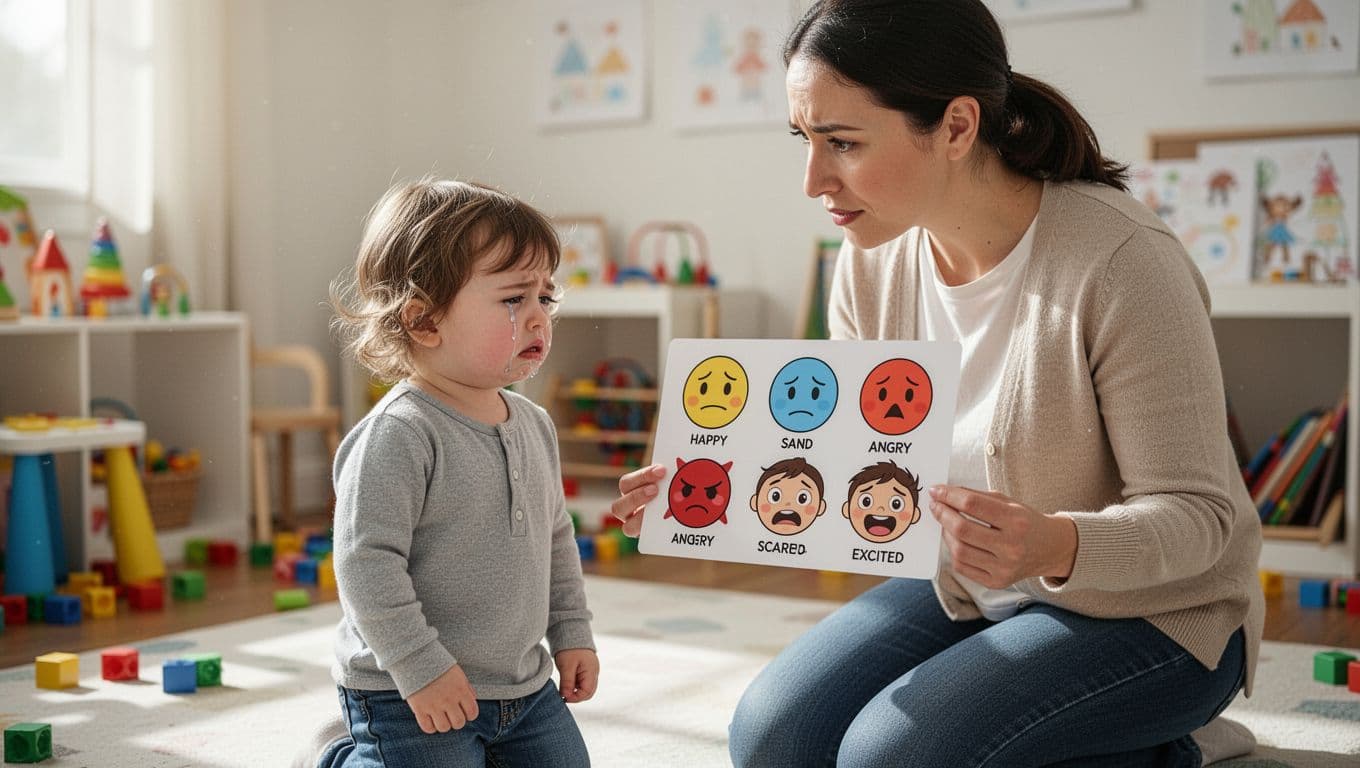
Help toddlers name what they feel
Simple feeling words give toddlers a place to put all that big energy. Use easy words like mad, sad, frustrated, scared, and excited so your child can start linking body feelings to language. That lowers stress because the feeling becomes less confusing.
You can keep it short in the moment:
- “You’re mad.”
- “That felt sad.”
- “You’re frustrated.”
- “You’re scared.”
- “You’re excited.”
When a child feels understood, the nervous system settles faster. If you want more ideas for emotion-building play, boosting toddler emotional awareness can help you keep the learning simple and natural.
Naming a feeling does not excuse the behavior, but it does make room for calm.
Stay calm during tantrums so your child can borrow your calm
Toddlers cannot calm down if the adult gets louder and more upset. Your calm voice gives them something steady to hold onto, almost like a handrail during a wobbly step.
Stay close, keep your words few, and wait for the storm to pass before teaching. A steady “I’m here. We’ll talk when your body is calm” works better than arguing or matching their volume. For a closer look at handling these moments well, how to deal with toddler tantrums offers practical support.
Practice simple coping tools they can actually use
Toddlers learn coping skills best before they need them. Practice small tools during calm moments, then repeat them often so they feel familiar later.
Try these:
- Take one deep breath together.
- Hug a stuffed animal.
- Squeeze little hands into fists, then relax them.
- Move to a quiet spot for a reset.
These skills work best when you teach them like a routine, not a rescue plan. When your child already knows the steps, they have a better chance of using them when feelings run high.
Use Everyday Routines to Build Better Behavior
Toddlers do better when the day feels familiar. A steady routine gives them less to argue about and more to follow, which makes daily behavior easier to guide.
That matters most during the parts of the day that often trigger stress: mornings, meals, naps, and bedtime. When those moments stay predictable, your child knows what comes next, and that lowers the need to fight for control.
Make mornings, bedtime, and transitions predictable
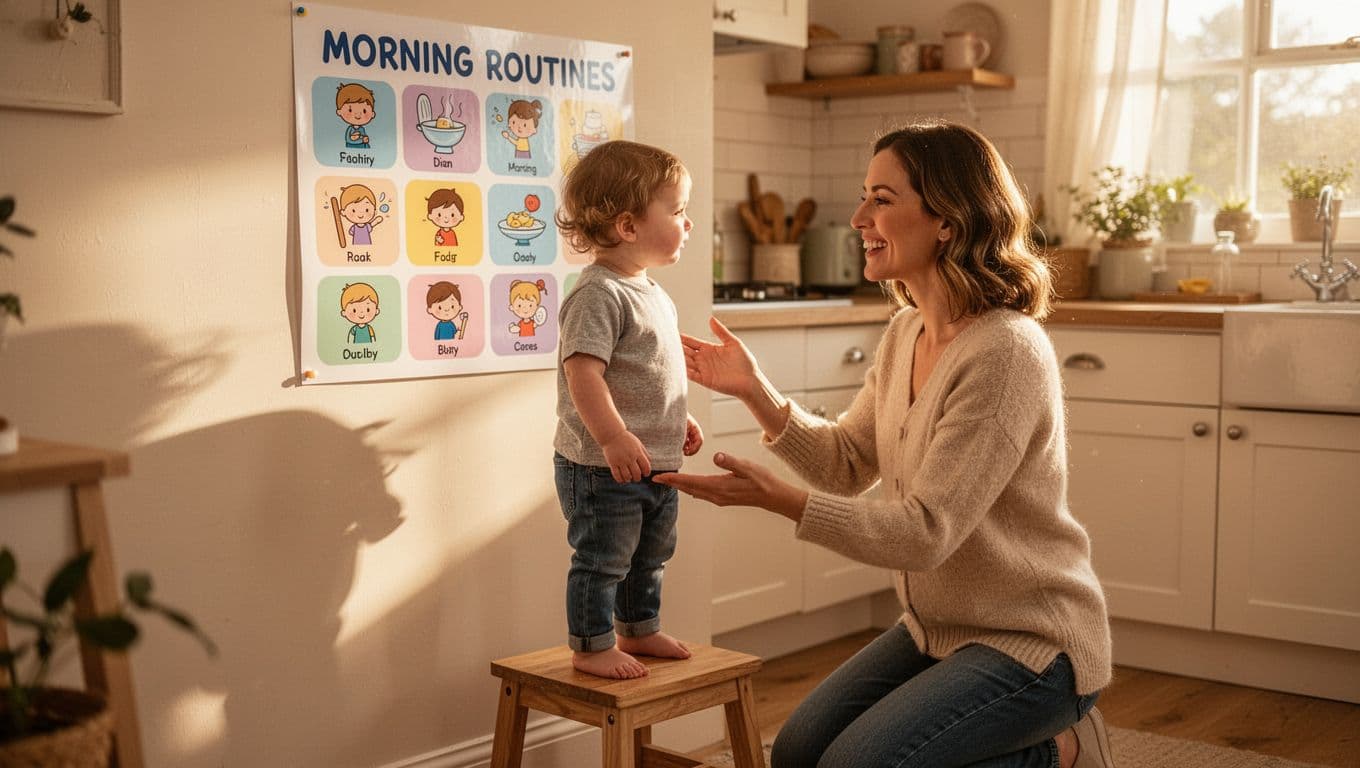
Simple routines cut down on resistance because toddlers like to know the sequence. If breakfast, teeth brushing, dressing, and leaving the house happen in the same order, your child spends less energy pushing back and more energy cooperating.
Visual steps help a lot. A picture chart on the wall can show each part of the routine without a long lecture. You can also give a short warning before changes, such as, “Two more minutes, then shoes on.”
Keeping the order of tasks the same also helps. A bedtime routine, for example, can follow the same path each night, like bath, pajamas, book, and lights out. If you want a deeper guide, bedtime routine ideas for toddlers can help you keep it simple.
Protect sleep and meals because mood depends on them
A tired or hungry toddler has a much harder time using good behavior. Sleep supports mood, focus, and self-control, while regular meals help keep little bodies steady through the day.
That is why it helps to treat sleep and meals as part of behavior support, not just daily maintenance. A rested, fed toddler is easier to guide, easier to redirect, and less likely to melt down over small things. The CDC also notes that toddlers 2 to 3 years old need 11 to 14 hours of sleep in 24 hours, including naps, which helps explain why rest matters so much for behavior. CDC positive parenting tips for toddlers gives a helpful overview.
Regular meals matter too. If your child does better with simple snacks or self-feeding options, easy toddler finger foods can make mealtimes feel calmer and more predictable.
Use routines to teach responsibility early
Small jobs give toddlers a chance to help without pressure. Putting toys in a bin, carrying a diaper, or tossing trash in the can teaches cooperation in a way they can handle.
Keep the job tiny and clear. Praise the effort, not perfection, because the goal is confidence, not spotless results.
A few easy routine jobs include:
- Put blocks back in the basket.
- Carry wipes to the changing table.
- Place napkins on the table.
- Drop a snack wrapper in the trash.
These little tasks make children feel included. They also show that helping is part of daily life, not a big event.
Guide Behavior with Positive Discipline That Teaches
Positive discipline works because it teaches your toddler what to do next. It gives you a clear way to correct behavior without turning every mistake into a power struggle.
That also means positive discipline is not permissive parenting. You still set limits, follow through, and stop unsafe behavior. The difference is in how you respond: you teach, redirect, and use consequences that fit the moment. Toddlers learn from that response much faster than they learn from lectures.
Redirect instead of repeat yourself over and over
When your toddler is touching something unsafe, throwing, or climbing where they should not, redirection works better than repeating the same warning. Toddlers are impulsive, and their attention shifts fast, so long talks usually pass right over them.
Move them toward an okay activity right away. If they are climbing the couch, guide them to a pillow fort or a soft mat. If they keep throwing toys, swap in a ball for an outdoor toss or a basket game. The message is simple: “That is not okay, but this is.”
Keep your words short and your tone calm. A toddler does not need a speech about safety in that moment. They need a quick hand on the shoulder, a clear direction, and something better to do.
Use natural or logical consequences when possible
Consequences work best when they are short, related, and not harsh. If a toy gets thrown, that toy gets put away for a while. If play keeps breaking the rule, then play ends for the moment. That teaches cause and effect without shame.
The CDC recommends discipline that fits the behavior and stays calm and consistent, because children learn faster when the consequence makes sense right away. You can see that same approach in CDC guidance on discipline and consequences.
A good consequence should do three things:
- Match the behavior.
- Happen soon after the behavior.
- End without a long argument.
If the consequence is too big, it stops teaching and starts punishing. A toddler who throws crayons does not need a harsh reaction. They need the crayons taken away, a brief reset, and a chance to try again later.
Keep discipline short, calm, and consistent
Toddlers do not need long explanations in the middle of a tough moment. In fact, too many words can make the situation worse because they tune out or get more upset. A short response is easier for them to process and easier for you to repeat.
Calm follow-through matters just as much as the rule itself. When you respond the same way each time, your child starts to trust the pattern. They may not like the limit, but they learn what to expect, and that lowers daily conflict.
Consistency also keeps your message clear. If you say “no climbing on the table” one day and laugh it off the next, your toddler gets mixed signals. A steady response teaches that your words mean something, even when emotions run high.
Toddlers learn more from what you do next than from what you say in the moment.
A simple approach works best: stop the behavior, give one clear direction, and follow through. That balance keeps discipline firm without turning it into a fight.
Conclusion
Positive parenting techniques for toddlers work best when they stay simple: connect first, set clear limits, and teach with calm follow-through. When toddlers feel safe and understood, they have a much easier time learning what to do next.
Start small and stay consistent. Pick one or two habits, like special time, specific praise, or short routines, and use them every day. If you want a deeper look at helping children feel valued, ways to make toddlers feel special daily fits this approach well.
Toddler behavior does improve over time when guidance stays steady. Keep showing your child the path, and the hard moments will start to feel more manageable.
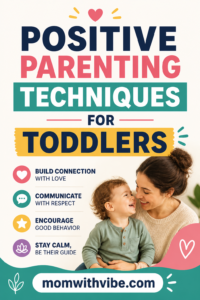
Save pin for later

- 12 Things Pregnant Women Do When They’re Alone - June 7, 2026
- 25 Healthy Pregnancy Snacks You Should Try - June 7, 2026
- 100 Funny Baby Jokes That Will Make You Laugh - May 15, 2026