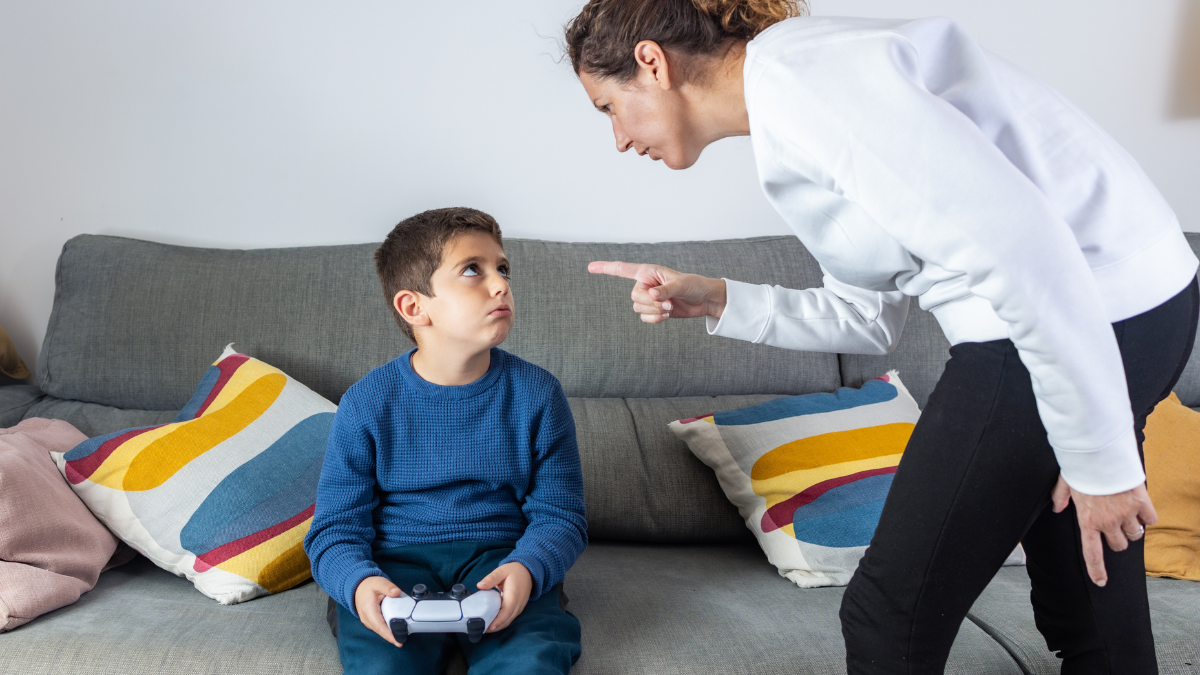
Anger with your children is more common than most parents admit, and it can fill a home with tension fast. The way you respond in that moment matters, because your reaction sets the tone for everything that follows.
When you can spot your triggers, calm down quickly, and speak with respect, those hard moments start to feel more manageable. And when you do lose your cool, knowing how to repair it helps you stay close to your child instead of stuck in guilt.
This post will walk you through the small, practical steps that make handling your anger with your children easier, so you can protect the calm in your home and model the kind of control you want them to learn. You can also watch this helpful video: https://www.youtube.com/watch?v=91wu3-eo94M
Understand what sets your anger off
Anger usually follows a pattern. It may feel sudden in the moment, but there is often a build-up you can spot if you pay attention. When you know what pushes your buttons, you can step in earlier and avoid the shout that comes after.
A good place to start is by looking at what happens around you, not only what your child does. Sleep loss, time pressure, a messy room, sibling conflict, and stress from work or money can all make a small issue feel huge.
Notice the moments that happen right before you snap
Start watching for repeating situations. Maybe your anger spikes during the dinner rush, after school pickup, or when you are trying to get everyone out the door. Maybe it shows up most when your child ignores you the third or fourth time, or when the same mess shows up again.
Those repeat moments matter because they show a pattern, not a random explosion. You may notice that your fuse is shorter when you are hungry, late, or already dealing with stress from outside the house.
It can help to track a few common triggers:
- Being ignored or talked over
- Repeated messes or clutter
- Sibling fights that drag on
- Feeling rushed or behind schedule
- A bad night’s sleep
- Stress from work, money, or another adult in the home
If you want a fuller picture of why parents get so angry, this guide on anger management for parents breaks down several common causes. The goal is simple, once you see the pattern, you can prepare for it.

Pay attention to your body’s warning signs
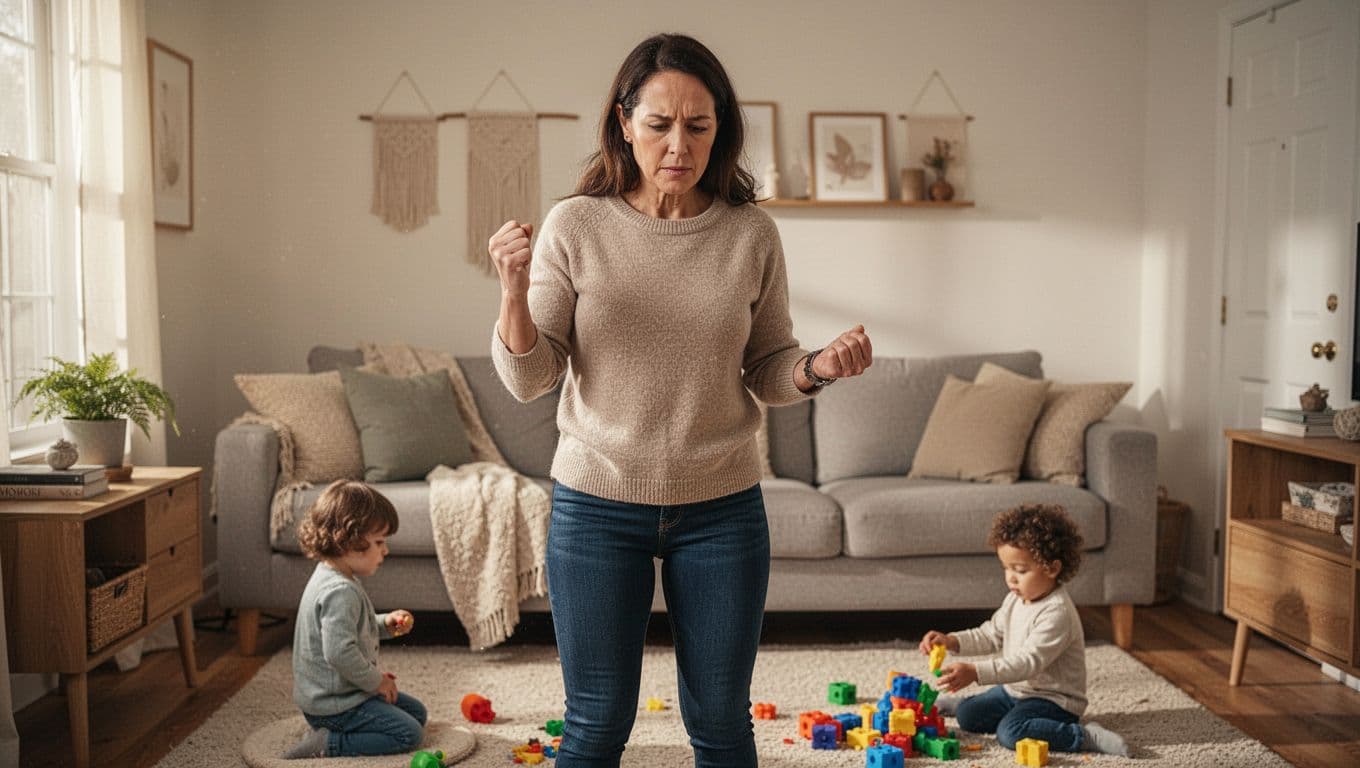
Your body often speaks before your mouth does. A tight jaw, clenched fists, faster heartbeat, hot face, or tense shoulders are all early signs that anger is building.
Those signals are useful because they give you a pause point. Once you notice them, you still have a choice. You can lower your voice, step into another room for a minute, or take one slow breath before you react.
The earlier you catch the body signs, the easier it is to stay in control.
If your child is still learning how to manage big feelings too, these anger management activities for kids can support the whole family. For now, focus on your own early warning system. That self-awareness is what helps you break the cycle before yelling takes over.
Calm yourself before you correct your child
The moment before you speak matters more than most parents realize. If you correct your child while your anger is still high, your words come out sharper than you planned. A short pause gives you room to respond with control instead of regret.
Calming down does not mean ignoring the problem. It means giving your brain a second to catch up so you can set a clear limit without turning the moment into a fight. That small reset protects both your tone and your relationship.
Use one small reset before you speak
When you feel that first surge of anger, do one simple thing right away. Take a slow breath in, then exhale longer than you inhale. If that feels hard, count to ten, unclench your hands, or drink a sip of water before you say a word.
These small actions lower the heat fast enough to change the next sentence you speak. Even a few seconds can stop a harsh reaction from spilling out. If you need a practical example of how to stay composed in the middle of repeated behavior, these calm strategies for ending child misbehavior loops can help.
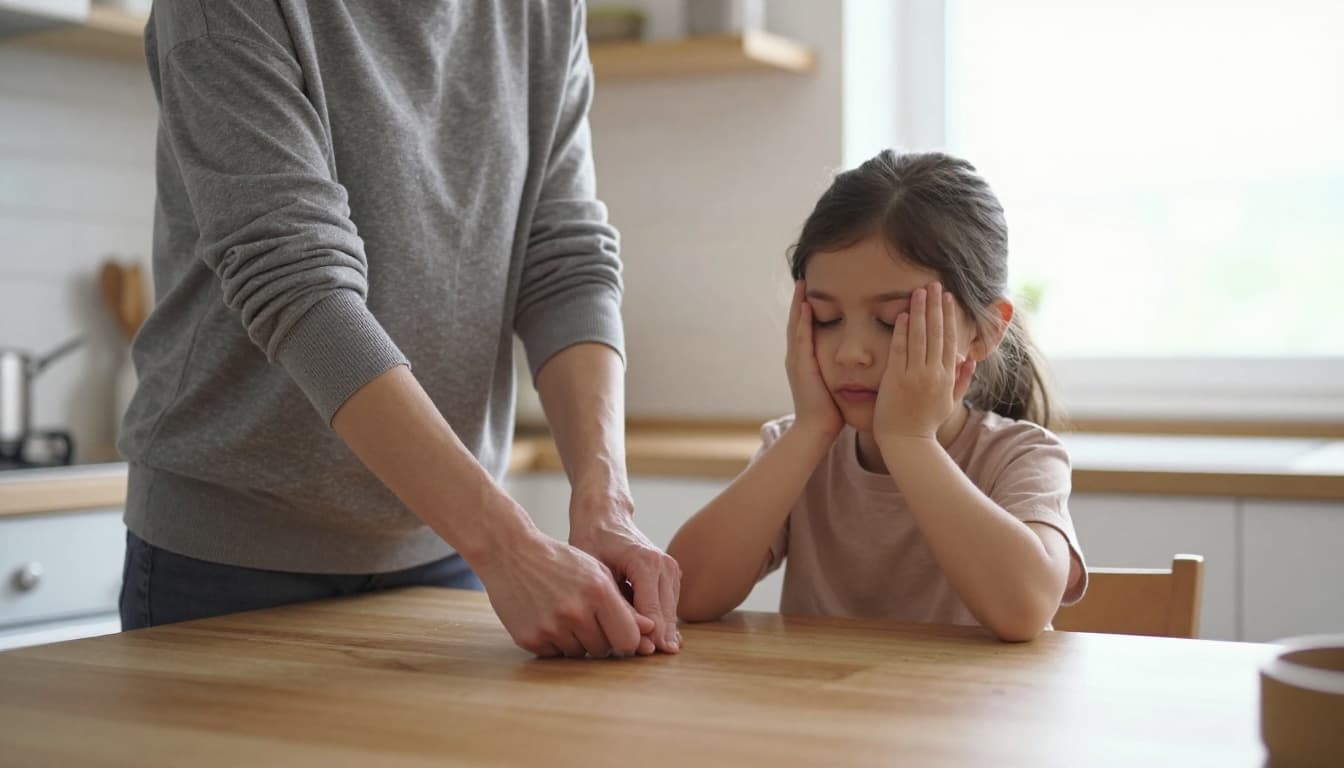
A reset works best when you use it early, before your voice gets louder. Think of it as a brake, not a delay. You are not avoiding the issue, you are keeping the moment from getting worse.
A short pause can save a long repair later.
Take a break if you feel out of control
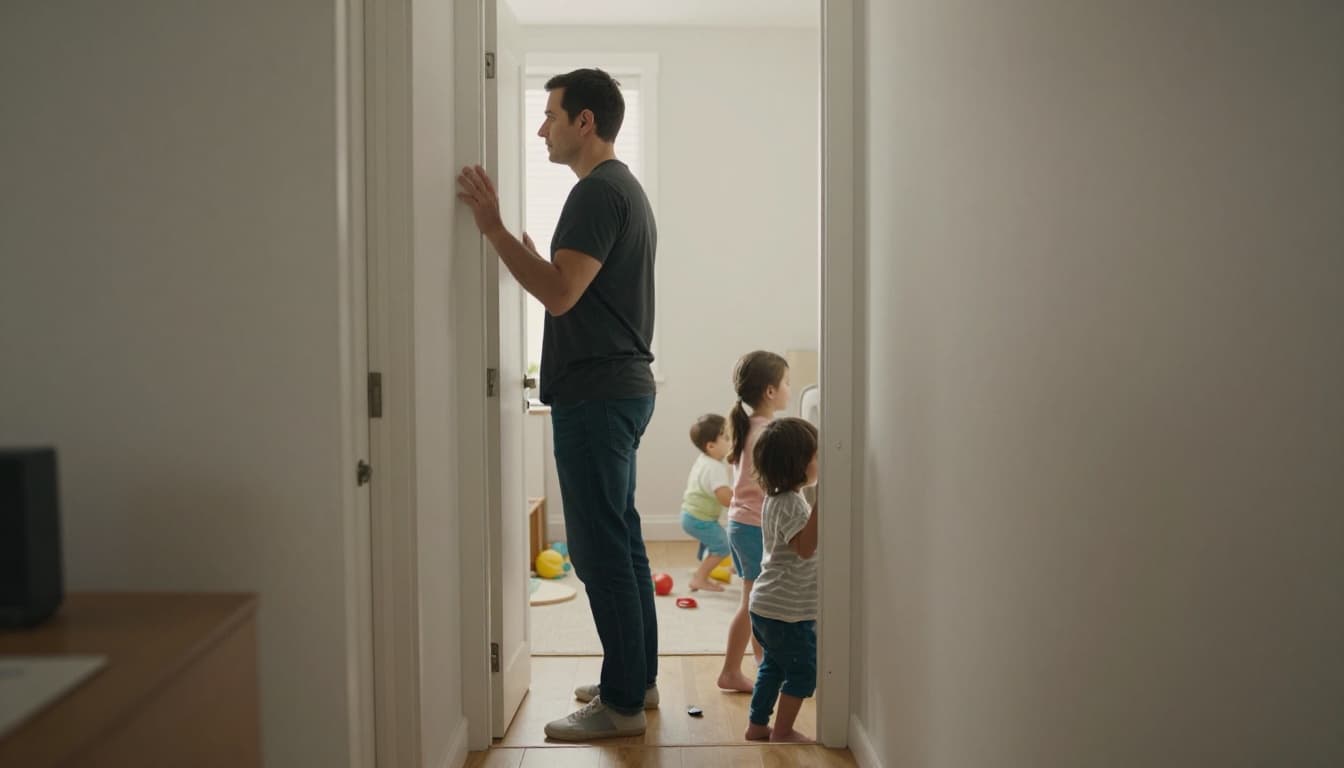
Sometimes you need more than one breath. If you feel close to yelling, step out of the room for a minute if your child is safe. A quick hallway break, a glass of water in the kitchen, or a few breaths by the sink can bring your body back down.
Keep the break short and clear. Tell your child, “I need a minute, then I will talk to you,” and return when you are calm enough to speak well. That helps protect the parent-child relationship, because your child sees that you can pause without disappearing from the problem.
If the situation is tense often, parent-child calm-down activities can also help build calmer habits over time. The goal is always the same, come back steady, set the boundary, and handle the issue without adding fear to the room.
Use a calming script for yourself
What you say to yourself matters. A short inner script can keep your thoughts from racing straight into anger. Use simple lines you can repeat under pressure, like these:
- “I can handle this.”
- “Pause first, then respond.”
- “Stay steady.”
- “One step at a time.”
- “My job is to guide, not explode.”
The best phrase is the one you can remember in a tense moment. Repeat it while you breathe, then use it to slow your voice before you correct your child. If you want a fuller set of tools for building this kind of calm, these breathing exercises for kids big emotions are useful for the whole family too.

Your calm does not solve everything on its own, but it changes how the correction lands. Once you are steady, your child can hear the limit without the extra noise of anger.
Respond to your child without making the moment worse
How you speak in the heat of the moment can either lower the tension or pour fuel on it. A calm voice, clear limit, and respectful words help your child stay open to you, even when they do not like the answer.
When you blame, exaggerate, or shout, most children stop listening. Some shut down. Others push back harder. The goal is to correct the behavior without attacking the child’s character.

Say what you feel without blaming
Use “I” statements when you are upset. They name the problem without making your child feel like the problem.
Try this pattern: I feel + the emotion + when the behavior happens + what needs to change. For example, say, “I feel frustrated when you interrupt me. I need you to wait until I finish.” That keeps the focus on the action, not the child’s worth.
You can also pair the feeling with the issue in one short sentence:
- “I feel angry when toys are thrown.”
- “I feel worried when you run away from me in the store.”
- “I feel upset when you talk to me in that tone.”
That kind of wording sounds firm, but it does not sound hostile. It also gives your child a clear path forward, which helps more than a lecture. For more examples of calm family communication, practical tips for sibling communication can help when kids are fighting with each other too.
Keep your words specific and fair
Phrases like “You always” and “You never” make a child feel cornered. They turn one mistake into a label, and labels invite defensiveness. A child who feels judged is less likely to hear the correction.
Stay with the behavior in front of you. Say what happened, what needs to change, and what happens next. That keeps your message fair and easier to follow.
For example, instead of saying, “You never listen,” try, “I asked you to put your shoes on, and you kept playing. Shoes on now, then we leave.” The first line attacks the child. The second line corrects the moment.
Correct the behavior, not the child.
This matters because children hear tone as much as they hear words. Calm, exact language lowers the emotional temperature. If you want more support with avoiding harsh patterns, these signs of overly strict discipline can help you spot language that may be pushing your child away.
Listen long enough to understand the real problem
Sometimes the behavior is only the surface. Hunger, tiredness, stress, or big feelings can sit underneath it. A child who looks defiant may actually be overwhelmed.
Give a short pause before you jump to punishment or fixing the issue. Ask one simple question, then listen. “Tell me what happened” or “What’s going on right now?” can tell you a lot in a few seconds.
That short listening window helps you respond to the real need, not just the loudest behavior. If your child is exhausted or hungry, a correction alone may fail. As this guide on food and sleep explains, basic needs can change behavior fast.
A brief response might sound like this:
- “I hear you.”
- “You’re upset.”
- “We’ll talk after you take a breath and get a snack.”
That keeps you in charge without turning the moment into a battle. When you listen first, you often find a smaller problem hiding under the big reaction.
Set clear limits so fewer arguments start in the first place
A lot of yelling starts long before the first raised voice. It starts when expectations are fuzzy, routines change every day, or every small issue gets treated like a big one. Clear limits lower that pressure, because your child knows what matters, what happens next, and where the line is.
That kind of structure helps you too. When the rules are simple and steady, you spend less energy negotiating all day. For a closer look at how structure supports calmer mornings, organized family morning routines can give you a practical starting point.
Decide which rules truly matter
Not every annoyance deserves the same level of response. If you react strongly to every spill, delay, or forgotten sock, your child stops hearing the real boundaries. Keep your focus on the rules that protect your home and your values, like safety, respect, and honesty.
That means you choose your battles on purpose. Running into the street matters. Hitting matters. Lying about a serious issue matters. A backpack left by the door, however, may need a reminder, not a lecture.
When you narrow the list, your child gets a clearer message. Family rules work best when they stay simple enough for kids to remember and adults to enforce. A short list also helps you stay calm, because you are not trying to correct everything at once.
A good rule of thumb is this:
- Safety rules come first, because they protect bodies and trust.
- Respect rules come next, because they shape how people treat each other.
- Honesty rules matter because they build accountability.
If you want a helpful reminder that children need structure without harshness, teaching kids through clear boundaries is a useful read. The goal is not control for its own sake. The goal is a home where everyone knows what matters most.
Use routines to cut down on conflict
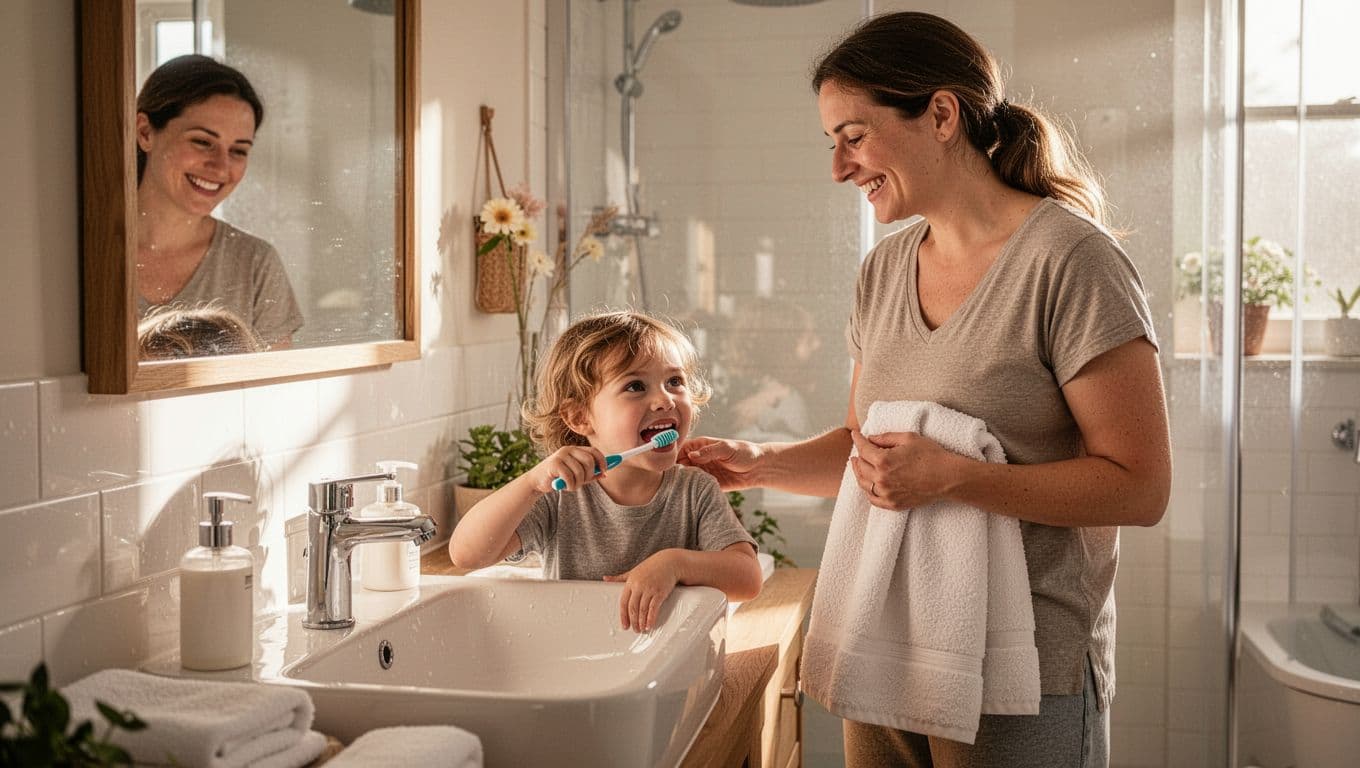
Routines remove a lot of the daily friction that sparks anger. When mornings, bedtimes, and homework happen the same way most days, kids know what comes next. That predictability cuts down on power struggles, because they are not surprised by every request.
A strong routine does not need to be fancy. It just needs to be repeatable. For example, if breakfast, dressing, and shoes always happen in the same order, you spend less time correcting and more time moving the day forward.
Morning and bedtime routines matter the most because they often happen when everyone is tired or rushed. Homework routines help too, because they stop the daily debate about when and how schoolwork gets done. Less chaos usually means less anger, because your child has fewer chances to stall, argue, or test the limit.
You can make routines easier by keeping them visible and consistent:
- Wake up at the same time.
- Follow the same morning steps.
- Set a regular homework time.
- Start the bedtime wind-down early.
- Keep the same order each night.
Predictable routines lower stress before it turns into a fight.
A child who knows the plan feels less need to push back. You can support that with predictable bedtime routines for kids or by tightening up your morning flow with effective family morning schedules. Structure is not rigid when it helps the day run smoother.
Stay consistent when you do set a boundary
A boundary only works when it stays the same the next time. If you say “no” one day and give in the next, your child learns to keep arguing. Calm follow-through matters more than a long speech, because your actions teach the rule faster than your words.
Keep your response short and steady. Say the limit once, repeat it if needed, then follow through. If the consequence is leaving the park, then leave the park. If the limit is no screen time until homework is done, hold that line without another round of debate.
Consistency also helps children feel safe. They may not like the rule, but they know where they stand. That reduces the test-and-push cycle that wears parents down and turns small problems into daily battles.
Use simple language when you correct:
- “TV comes after homework.”
- “Shoes stay on when we leave the house.”
- “I asked once, now it needs to happen.”
A steady pattern matters more than a perfect mood. Some days you will feel tired or irritated, but the boundary still stands. That is how children learn that your words mean something, which is one of the fastest ways to bring more calm into the house.
If you want to see how firm rules and calm parenting work together, setting firm family boundaries offers a strong example. The less you negotiate in the moment, the less room there is for arguments to grow.
Model the kind of self-control you want your child to learn
Children learn a lot by watching what adults do under pressure. They notice your tone, your face, your pauses, and how you handle frustration when things go wrong. If you want your child to stay calm, speak with respect, and solve problems without blowing up, they need to see those habits in you first.
That does not mean you have to be perfect. It means you lead with the kind of response you hope they will copy. A steady parent teaches more than a perfect lecture ever could.
Show your child what calming down looks like
Your child learns self-control by watching you slow yourself down in real time. That can look as simple as taking one deep breath, lowering your voice, or asking for a minute before you answer. These small choices give your child a clear model they can repeat later.
You can say things like:
- “I need a minute to calm down.”
- “I’m taking a breath before I speak.”
- “Let’s talk more softly.”
- “I feel upset, so I’m going to pause first.”
Those words matter because they turn calming down into a normal part of life, not a hidden adult trick. When your child sees you step back instead of snap, they learn that feelings can be managed without shouting.

Keep your response simple enough to copy. A child does not need a perfect script, just a clear pattern: pause, breathe, speak more softly, then solve the problem. That pattern is easier to learn than a lecture about patience.
If you want more proof that children absorb these habits quickly, kids observing parental reactions is a helpful reminder of how closely they pay attention.
Talk about anger in a healthy way
Children should hear that anger is a feeling, not a bad identity. When you name your own emotions without shame, you teach them that big feelings are part of being human. That simple shift helps them stop thinking, “I am bad,” and start thinking, “I am upset.”
Use calm, direct language when you talk about your own frustration. You might say, “I’m angry because I felt ignored,” or “I was frustrated when plans changed.” Those words give your child a clear example of how to name emotions without blaming or attacking.
You can also explain what helps you stay in control. For example, “When I feel angry, I take a breath before I answer,” shows both honesty and self-control. Children need that kind of plain teaching because they learn emotional habits by hearing them repeated in everyday life.
The goal is to make emotions safe to talk about. When anger is discussed with respect, your child is less likely to hide it, fear it, or act it out in louder ways. As a result, they learn that feelings need guidance, not shame.
Children copy how adults speak about feelings long before they understand the words.
Let your child see repair after a hard moment
Even calm parents lose their cool sometimes. What matters next is what you do after the hard moment. A quick apology, a reset, and a fresh start show your child that mistakes can be handled with honesty and care.
If you yell, slam a door, or speak too harshly, come back and name it. You can say, “I spoke too loudly, and that was wrong,” or “I need to try that again.” That kind of repair teaches accountability without making the moment bigger than it needs to be.
Repair also builds trust. Your child learns that relationships can survive a rough patch, which is a powerful lesson for home, school, and friendships. They also learn that self-control is not about never messing up, it is about coming back and making it right.
A simple repair might look like this:
- Admit what went wrong.
- Apologize without excuses.
- Restate the boundary calmly.
- Try again with a steadier tone.
That process is small, but it carries a lot of weight. It shows your child that control includes both restraint and repair. When they see you own your mistakes, they learn how to do the same.
A calm parent does more than prevent yelling. They teach emotional control, respect, and problem-solving in the moments that matter most.
Know when your anger needs extra support
Everyone gets angry sometimes, and that alone does not mean something is wrong. The warning sign is a pattern that keeps showing up and starts taking over family life. When anger feels harder to control than usual, it deserves attention, not shame.
Watch for patterns that keep repeating
A rough day is one thing. Frequent blowups, hurtful comments, or anger that lingers most days is different. If you keep feeling guilty after arguments, replaying what you said, or wishing you had handled things differently, that is a sign to slow down and look closer.
Pay attention if you notice any of these signs:
- Yelling often, even over small issues
- Saying things you regret later
- Feeling angry most days
- Losing your temper faster than before
- Struggling to calm down after a conflict
- Noticing that your child seems tense, withdrawn, or afraid of your reaction
When those patterns repeat, they can chip away at trust. Children remember how it feels when a parent gets loud or sharp. Over time, they may start tiptoeing around you or shutting down to stay safe.

Ask for help before the problem gets bigger
Support works best when you ask for it early. You do not need to wait until things feel urgent or out of control. A therapist, parent coach, or counselor can help you handle stress, improve communication, and build stronger self-control.
If anger is starting to get in the way of daily routines, peace at home, or your relationship with your child, that is reason enough to reach out. A little support can make hard moments easier to manage, and it can help you respond with more patience when pressure builds.
Getting help is a sign that you want things to get better, not a sign that you failed.
If you want a place to start, a licensed therapist can help you spot triggers and build a plan that fits your family. Resources like Managing anger: ideas for parents also explain what help can look like when anger keeps showing up.
When anger keeps interfering with the way you want to parent, getting support can protect both your calm and your connection with your child.
Conclusion
Anger with your children can be managed, even on hard days. The biggest shift is simple, notice your triggers early, pause before you react, speak with respect, and repair the moment when you slip.
Those small choices protect your relationship and make your home feel safer. Progress matters more than perfection, and each calmer response makes the next one easier.
Small changes really do add up, and they can bring more peace to your family life.
Save pin for later

- How to Help a Child Deal With Anxiety at Home - September 12, 2026
- How to Prepare Your Child for the First Day of School - September 12, 2026
- Age-Appropriate Chores for Kids by Age Group - September 12, 2026