
Your body doesn’t heal on a clock, and postpartum recovery looks different for every new mother. Some days you may feel ready to move, eat, and settle in, while other days sleep, soreness, and emotions can hit hard at once.
This stage gets easier when you focus on the basics: rest, simple meals, plenty of water, gentle movement, and good body care. It also helps to pay attention to your mental health and know which symptoms need a doctor’s call, because small warning signs matter.
If you’re trying to feel more like yourself again after birth, you’re in the right place. Start with what helps most, and take it one step at a time.
Helpful video:
What postpartum recovery really looks like in the first year
The first year after birth is not a straight path. The most active healing usually happens in the first 6 to 8 weeks, but that does not mean your body feels fully back to normal then. For many mothers, recovery stretches across months, with energy, hormones, sleep, and mood shifting along the way.
Recovery also looks different after a vaginal birth and a C-section. One person may heal more from soreness and bleeding, while another manages incision pain and slower movement. Either way, progress often comes in waves, and a good week can be followed by a harder one.
Healing after birth is not a race. It is a long adjustment, and small setbacks can still fit within a normal recovery.
If you want a fuller picture of why healing takes time, this guide on why postpartum recovery takes time is a helpful companion.
The first days after birth: rest, bleeding, and soreness
In the first days, rest usually takes priority over everything else. Bleeding, called lochia, is common, and cramping can happen as the uterus shrinks. Swelling, perineal soreness, and incision pain after a C-section can also make simple movements feel hard.
A lot of new mothers feel wiped out. That level of exhaustion is normal, especially if sleep is broken into tiny pieces. Supportive pillows, pain medicine approved by your doctor, plenty of fluids, and help with meals or baby care can make those early days easier.

Weeks 2 to 6: slow healing and small wins
During these weeks, bleeding often starts to lighten and soreness usually eases a little. Energy may still feel low, though, and that can surprise people who expect a quick bounce-back. The body is healing under the surface even when you still feel tired.
Small goals help more than big plans right now. A shower, a short walk, a warm meal, or one real nap can feel like a win. If you need help, ask for it clearly, because this is the stage where support matters most.
A gentle routine can keep the day from feeling too heavy:
- One small movement goal like a short walk
- One basic care task like showering or changing clothes
- One ask for help with food, laundry, or baby holding
For more ideas on making daily life easier, see postpartum tips for new moms.
Why recovery can still be happening months later
Months later, some symptoms can still hang around. Pelvic floor weakness, hair loss, low energy, pain with sex, and hormone-related mood swings are all common examples. Sleep loss can drag recovery out too, because the body repairs best when it gets real rest.
That does not mean something is wrong. It usually means your body is still adjusting, especially after breastfeeding, a C-section, or a birth that came with tears or complications. The timeline is different for everyone, and full healing can take much longer than the first postpartum visit.
If you had surgery, C-section recovery precautions can help you protect the healing process during the months that follow.
By the end of the first year, many mothers feel stronger and more settled, but even then, recovery can still be unfolding. The best sign is not a perfect timeline, it is steady improvement with room for rest when your body asks for it.
Rest more than you think you need
Sleep is hard to get after birth, so the goal shifts to more rest, fewer demands, and less pressure. Your body is healing, your hormones are shifting, and even a short nap can help more than another load of laundry.
Try to treat rest like medicine. If the baby sleeps, rest too, even if you only close your eyes for 20 minutes. The NHS sleep guidance for new parents also recommends resting when the baby sleeps and saving chores for later.
A clean house can wait. Your recovery cannot.
How to protect sleep when the baby wakes often
Night wakes are part of early parenthood, but you can still make them easier on your body. Take turns with a partner when possible, so one person handles soothing or a feeding while the other gets a stretch of sleep. If you’re solo, keep the essentials close, including diapers, wipes, burp cloths, water, and snacks.
A dark, calm sleep space also helps. Use blackout curtains, dim lights, and a quiet setup that makes it easier to fall back asleep after each wake-up. Small changes matter because they cut down on effort when you’re already tired.
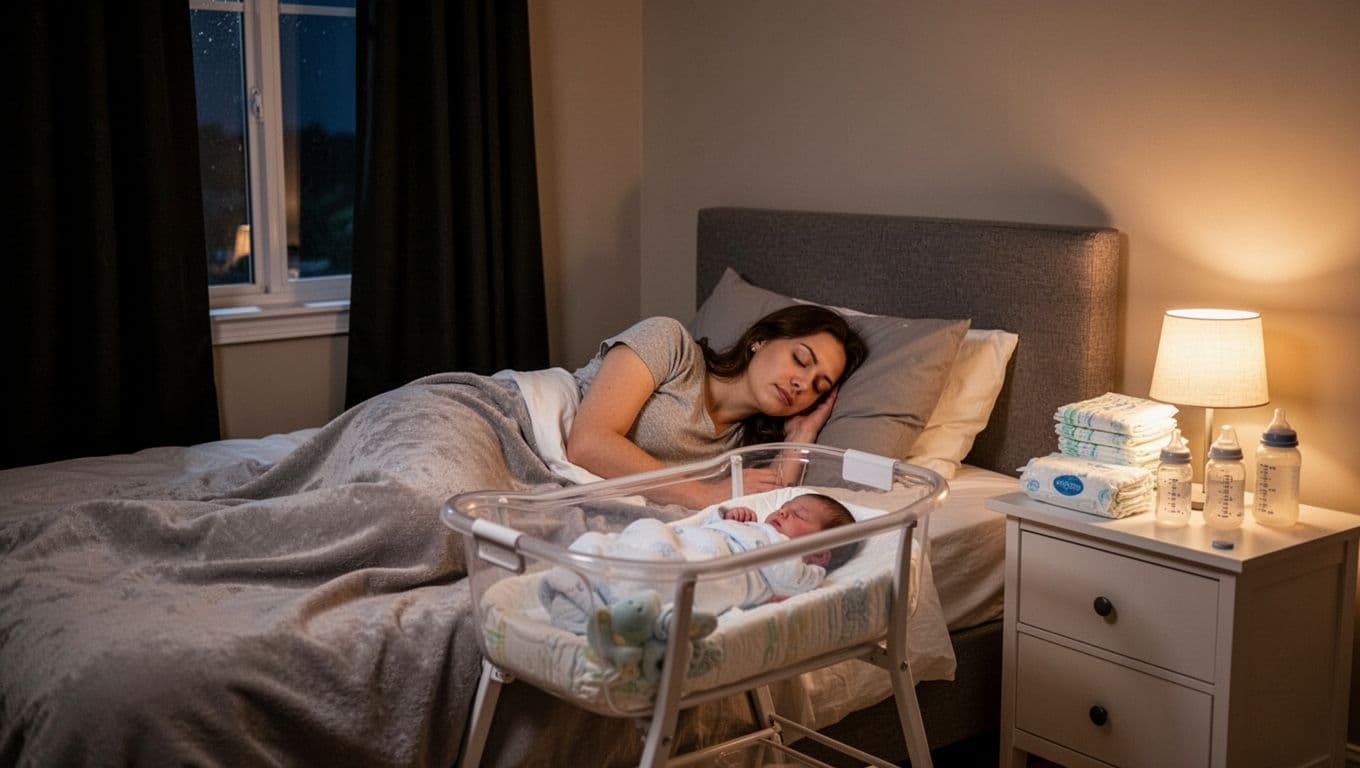
If you can, build a simple night plan before you’re exhausted. A shared system, even one that only works for a few weeks, can protect your energy and help you feel more human.
What to let go of so you can heal
Let the nonessential chores slide. Clean clothes can be folded later, visitors can wait, and a messy counter does not mean you are falling behind. The early postpartum weeks are for healing, not performance.
Say no when you need to, especially if company leaves you more drained. Accept help with cleaning, cooking, and laundry without trying to repay it right away. That support can give you the kind of rest your body needs most.
If someone offers help, be direct. Ask for one clear task, like dropping off dinner, running a load of laundry, or holding the baby while you nap. For more on practical support after birth, see how to make life with a newborn easier.
For a simple mindset shift, think: less doing, more recovering. That is how rest starts to work for you.
Eat foods that help your body heal and keep your energy steady
Food matters more after birth than it did before. Your body is repairing tissue, replacing blood, and keeping up with long days and broken sleep. If you’re breastfeeding, you also need more calories and fluids, so skipping meals can drain you fast.
The goal is simple: eat enough, eat often if needed, and focus on foods that give you steady fuel. That usually means protein, iron, healthy fats, whole grains, fruits, and vegetables. For breastfeeding moms, the CDC and other health guides recommend a balanced, nutrient-rich diet that supports milk production and recovery.
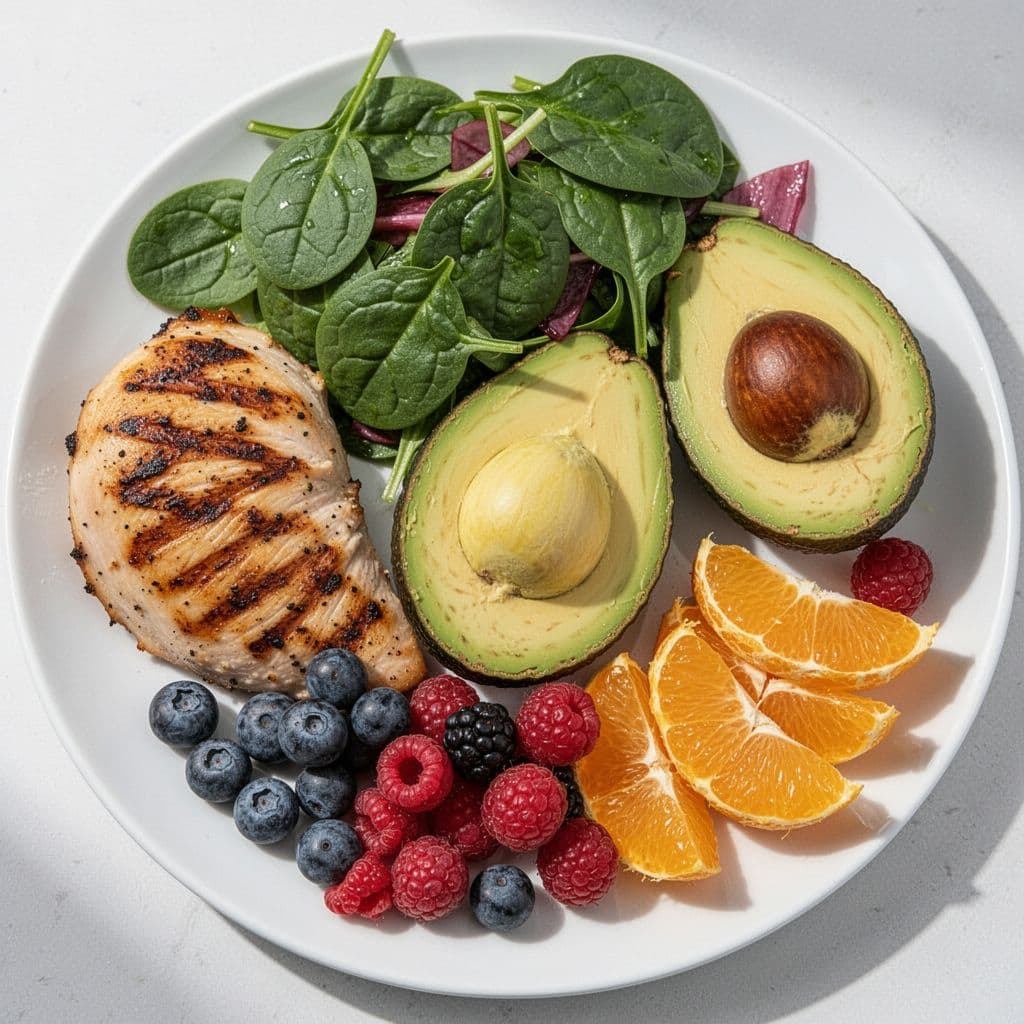
The best nutrients for postpartum recovery
Protein helps repair tissue and support healing after birth. Eggs, Greek yogurt, chicken, beans, tofu, and cottage cheese are all easy options.
Iron matters because childbirth often means blood loss. Low iron can leave you feeling wiped out, so include foods like red meat, beans, lentils, spinach, and fortified cereals. Pair iron-rich foods with vitamin C, like oranges or berries, to help your body absorb it better.
Healthy fats also help. Avocado, nuts, seeds, olive oil, and salmon support hormones and mood, which can feel shaky in the early weeks.
Color matters too. Bright fruits and vegetables bring vitamins, minerals, and fiber. That fiber can also help with constipation, which is common postpartum.
If you want a deeper look at food choices that support nursing, snacks to boost breastmilk supply can give you more simple ideas.
If a meal feels too big, a snack still counts. Small, steady eating often works better than waiting until you are starving.
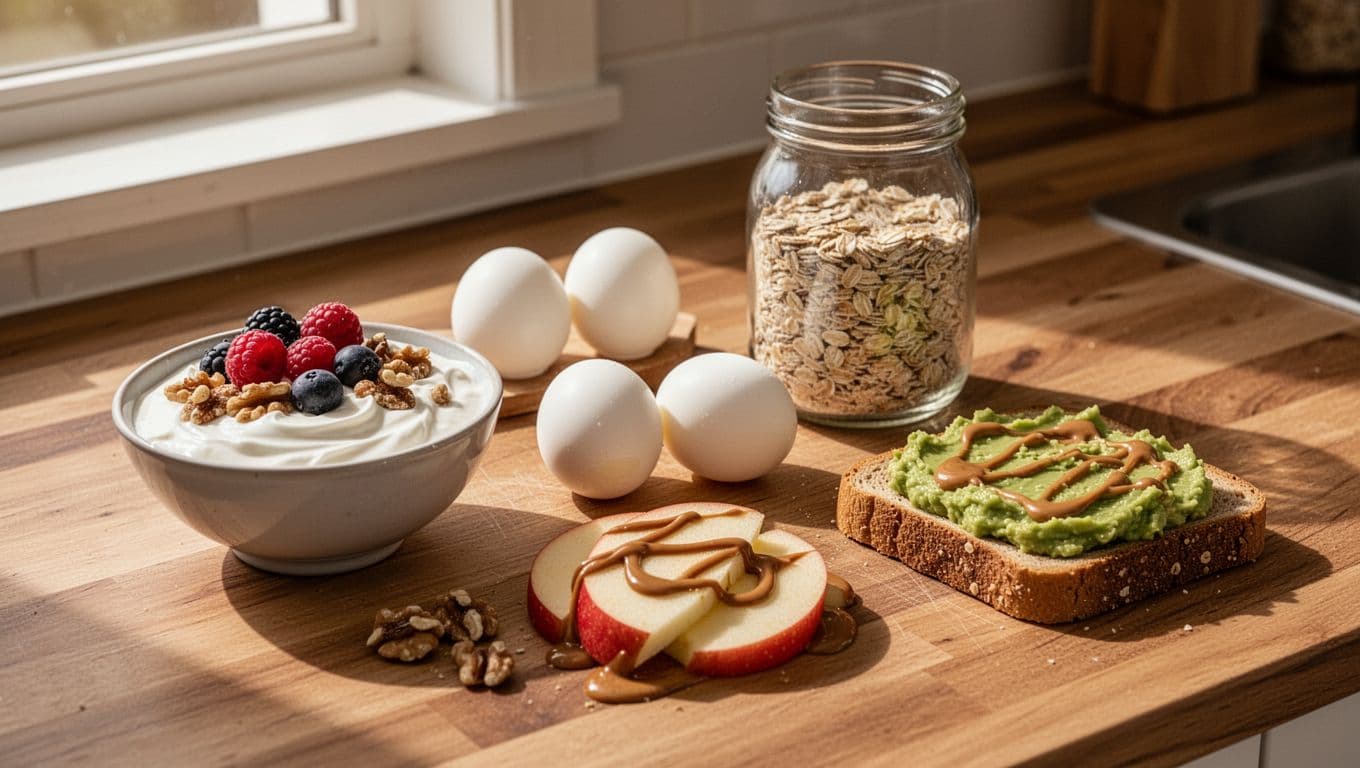
Easy meal and snack ideas for busy new moms
Keep your food simple. The easiest postpartum meals are the ones you can eat with one hand or finish in a few bites.
Try things like:
- Yogurt with fruit and nuts
- Eggs with toast or avocado
- Soup with beans, chicken, or lentils
- Oats with nut butter and banana
- Fruit with cheese or peanut butter
- Prepared meals you can reheat fast
These options give you protein, carbs, and fat together, which helps keep energy steadier. If you breastfeed, the extra calories can also help you keep up with demand.
How to eat well when you have no time or appetite
On hard days, lower the bar. A smoothie, a bowl of oatmeal, or toast with nut butter is still a real meal. Frozen vegetables, rotisserie chicken, bagged salads, and microwave rice can save the day when cooking feels impossible.
Batch cooking helps too. Make a pot of soup, a tray of eggs, or a batch of grains when you have support. Then freeze portions so you can grab food later without thinking.
Let other people feed you. When family or friends ask what you need, ask for meals that travel well and reheat easily. Lasagna, chili, breakfast burritos, and sandwich fixings are all helpful.
For more ideas that fit nursing moms, the American Pregnancy Association postpartum nutrition guide is a useful reference.
If appetite stays low, eat smaller amounts more often. A few bites every couple of hours can be easier on your body than one big plate.
Keep up with hydration and gentle movement
Water and movement both matter after birth. They help with energy, bowel health, mood, and healing, but the pace should stay slow and realistic. This part of postpartum recovery is about helping your body recover, not pushing it to lose weight or “bounce back.”
If you’re breastfeeding, hydration matters even more. Keep a water bottle nearby, drink regularly, and make it easy on yourself. Gentle movement should wait until you have medical clearance, then start with small, low-pressure steps that feel manageable.
How much water new mothers need each day
Breastfeeding can increase fluid needs, so it helps to sip often instead of waiting until you feel thirsty. A practical goal is to keep water close by and drink a glass at each feeding or whenever you sit down to nurse. Trusted guidance from the Office on Women’s Health also recommends drinking plenty of fluids throughout the day.
You do not need to obsess over the exact amount, but you should watch for dehydration. Common signs include:
- Headaches
- Dry mouth
- Constipation
If you notice those symptoms, drink more water and add fluids through soups, fruit, milk, or herbal tea. Small, regular sips are easier to keep up than trying to catch up later.
Safe early exercises that support healing
Once your doctor says movement is okay, start with gentle exercise. Early options often include breathing work, pelvic floor exercises, pelvic tilts, walking, and light bodyweight moves. The ACOG guide to exercise after pregnancy supports easing back in with low-impact activity.
A simple start might look like this:
- Deep breathing while lying down or sitting.
- Gentle pelvic floor squeezes.
- Short walks around the house or outside.
- Pelvic tilts on a mat or bed.
- Light squats or wall-supported bodyweight moves.
If you want more ideas for getting moving with a baby nearby, fun postpartum exercises with baby can help once you’re ready for a little more variety.
When to slow down or stop exercising
Your body will give you clear signs when it needs more time. Stop or slow down if you feel pain, heavy bleeding, pressure in your pelvis, dizziness, or leaking that gets worse. Those symptoms mean the body is not ready for more yet.
Gentle movement should leave you feeling steadier, not worse. If symptoms show up, rest, hydrate, and check in with your provider before trying again.
Care for your body in ways that support healing
Postpartum healing gets easier when you give each part of your body the care it needs. Vaginal birth, surgery, constipation, sore muscles, and breast tenderness all call for different support, but the basics stay the same: keep things clean, stay gentle, and notice when something feels off.
A few practical comforts can make a real difference in the first weeks. Small steps add up, especially when your energy is low and your schedule is built around feeding and sleep.
Simple comfort care after a vaginal birth
After a vaginal birth, focus on keeping the area clean and dry. A peri bottle with warm water can help after bathroom trips, and patting dry is easier on tender skin than wiping hard. Many mothers also find relief with sitz baths, witch hazel pads, ice packs, or a padded ring for sitting.
If your doctor says pain relief is okay, use it only as directed. That includes prescription medicine or over-the-counter options like ibuprofen or acetaminophen. For more detail on healing after tearing or perineal pain, see postpartum perineal care.
If pain gets sharper instead of better, or bleeding feels heavier than expected, call your provider.
How to care for a C-section incision
A C-section incision needs steady, simple care. Keep the area clean and dry, follow your discharge instructions, and avoid rubbing the skin under waistbands or tight clothes. You should also avoid heavy lifting, since pressure on the incision can slow healing and increase pain.
Watch closely for infection signs like redness, swelling, drainage, bad smell, fever, or pain that keeps getting worse. The CDC postpartum wound care guidance also reminds mothers to keep wounds clean and to seek help fast if symptoms appear. If you want a fuller look at recovery after surgery, C-section recovery challenges can help.
Constipation, soreness, and other common discomforts
Constipation is common after birth, especially if you had pain medicine, stitches, or a C-section. Fiber-rich foods, plenty of fluids, and short walks can help get things moving again. Warm soups, fruit, oats, and vegetables are all simple choices.
General soreness can also show up in your back, hips, and shoulders from feeding and holding your baby. Gentle stretching, warm showers, and better pillow support can take the edge off. If pain or bowel issues do not improve, check with your doctor. Persistent discomfort deserves a closer look, especially if you also have swelling, fever, or worsening pain.
Take your mental health seriously, too
Postpartum recovery is not only about stitches, bleeding, or sore muscles. Your mood matters just as much, because sleep loss, hormone shifts, and nonstop care can hit hard. Many mothers feel tearful or anxious at first, and that does not mean they are failing.
Still, some feelings need more than patience. The key is paying attention to how long the symptoms last, how heavy they feel, and whether daily life starts to break down.
How to tell baby blues from something more serious
Baby blues usually show up in the first few days after birth. You may cry easily, feel extra sensitive, or swing between fine and overwhelmed. For many mothers, those feelings fade within one to two weeks.
When sadness, worry, or numbness lasts longer, it may be postpartum depression or anxiety. Those symptoms often feel heavier, stick around, and make it hard to rest, eat, bond, or get through the day. The Office on Women’s Health postpartum depression guide explains that symptoms lasting beyond two weeks need attention.
If you want a wider look at emotional health during pregnancy and after birth, simple ways to stay happy during pregnancy can also help you spot the support systems that matter now.
Small habits that can help your mood
Little habits can steady you when everything feels shaky. Fresh air, a short walk, and a few quiet minutes outside can reset your mind more than you expect.

Try to keep these simple supports in your day:
- Talk to someone trusted when the day feels heavy.
- Eat regularly, even if it’s just a snack.
- Rest when possible, because tiredness can make emotions feel louder.
- Practice mindfulness, even for a minute or two.
- Get outside for sunlight and movement.
If breastfeeding feels emotionally helpful for you, breastfeeding supports postpartum mental well-being can be a useful read.
When to ask for professional support
Call a doctor or therapist right away if you feel sad, panicked, overwhelmed, or stuck in scary thoughts. The same goes for racing thoughts, constant dread, or feeling unlike yourself for more than a couple of weeks.
If your mind feels unsafe, or caring for your baby feels too hard, get help the same day.
Postpartum depression and anxiety are common, and they are treatable. In the US, postpartum mood problems affect many new mothers, and early care helps a lot. Reaching out early is a strong move, not an overreaction.
Know the warning signs that need medical care
Some postpartum discomfort is normal, but a few symptoms need fast medical attention. Bleeding should slowly lighten, pain should ease, and healing should move in the right direction. When symptoms suddenly get worse, trust that change.
If you feel unsure, call your doctor. If breathing, chest pain, or heavy bleeding is involved, go to urgent care or the ER right away. The CDC maternal warning signs page is a good reference, but your body should always get the final say.
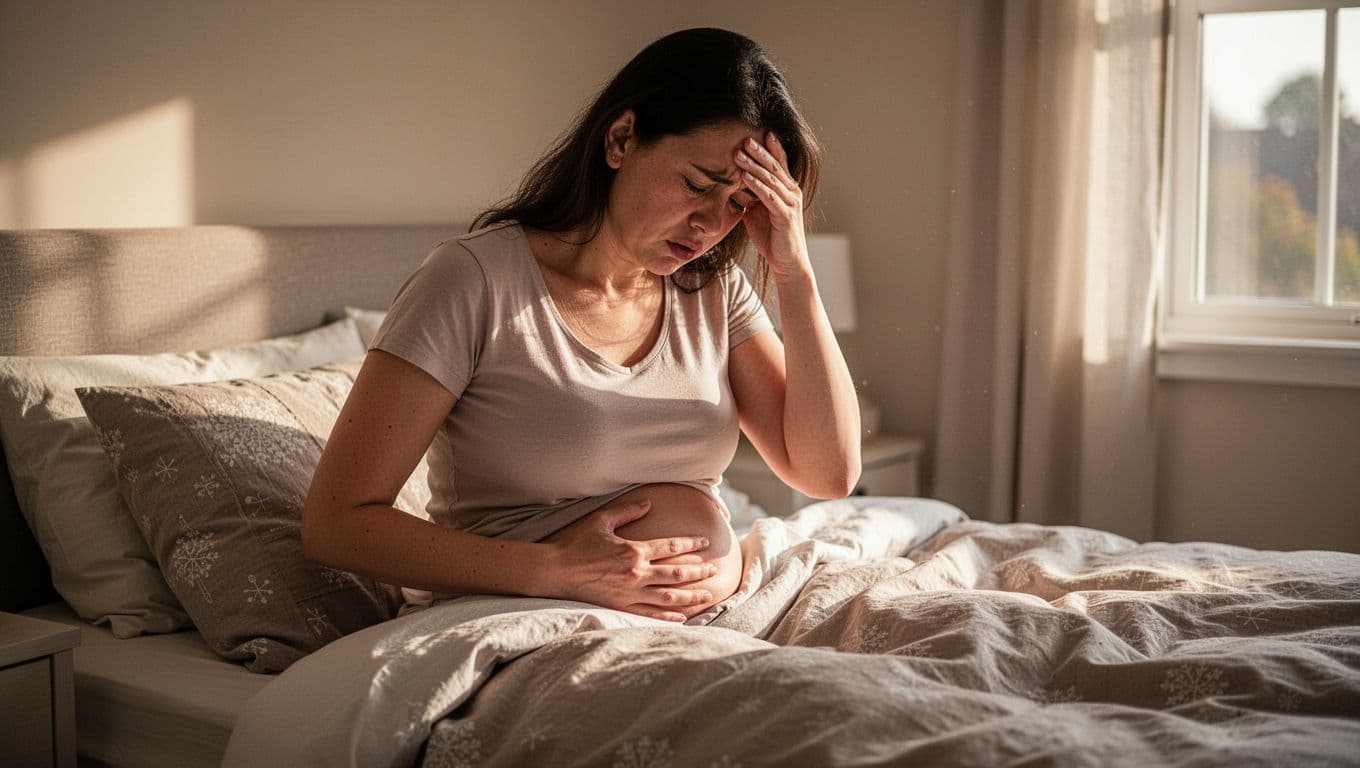
Symptoms you should never ignore
Call your doctor right away, or get emergency help, if you have:
- Heavy bleeding, such as soaking a pad in an hour, passing large clots, or bleeding that suddenly gets much worse
- Fever
- Severe belly pain
- Worsening incision redness, swelling, drainage, or pain after a C-section
- Chest pain
- Trouble breathing
- Severe headache
- Vision changes
- Leg swelling or pain, especially if one leg is more swollen, red, or warm
These can be signs of infection, preeclampsia, a blood clot, or heavy blood loss. The ACOG postpartum warning signs guide says to seek help fast when symptoms point to a serious problem.
When to schedule your postpartum checkups
Plan for an early follow-up within the first few weeks after birth, then another checkup by 12 weeks. These visits matter because they let your provider check healing, mood, blood pressure, bleeding, pain, and any incision or pelvic floor concerns.
They also give you space to ask about sleep, breastfeeding, sex, birth control, and emotional changes. If something feels off between visits, don’t wait for the next appointment, call sooner.
Conclusion
Postpartum recovery takes time, and that was true from the start. Rest, steady meals, enough water, gentle movement, and good body care all help your body heal at a pace that makes sense for you.
Your mental health matters just as much as the physical side. If sadness, anxiety, or stress start to feel heavy, reach out early, and keep your follow-up visits on the calendar so small problems do not turn into bigger ones.
The best progress usually looks simple: a little more energy, a little less pain, and a little more confidence each week. Taking care of yourself helps you care for your baby, too, and that care starts with patience.
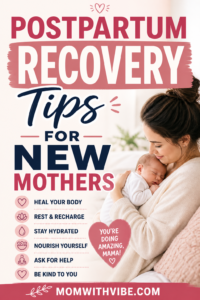
Save pin for later

- 12 Things Pregnant Women Do When They’re Alone - June 7, 2026
- 25 Healthy Pregnancy Snacks You Should Try - June 7, 2026
- 100 Funny Baby Jokes That Will Make You Laugh - May 15, 2026