


As your baby rubs their eyes before a nap, you may wonder whether they’re tired, uncomfortable, or coming down with something. Eye rubbing is often a normal sign of tiredness or self-soothing, especially when it appears with yawning, staring into space, or fussiness.
However, babies can’t explain what hurts, so the pattern and other symptoms matter. Irritation, allergies, an eye infection, or a blocked tear duct can also cause rubbing, particularly when you notice redness, watery eyes, swelling, crusting, or discharge. This guide will help you identify possible causes, reduce eye rubbing safely, and recognize when your baby needs medical care.
For more visual guidance, watch Baby Rubbing Eyes – Reasons and Prevention, then start by learning the early signs of baby tiredness.
Why Babies Rub Their Eyes and How to Prevent It
Eye rubbing often begins when your baby is ready for sleep, but the same habit can also point to discomfort. Pay attention to when the rubbing happens, whether it affects one or both eyes, and whether you see redness, swelling, watering, or discharge.
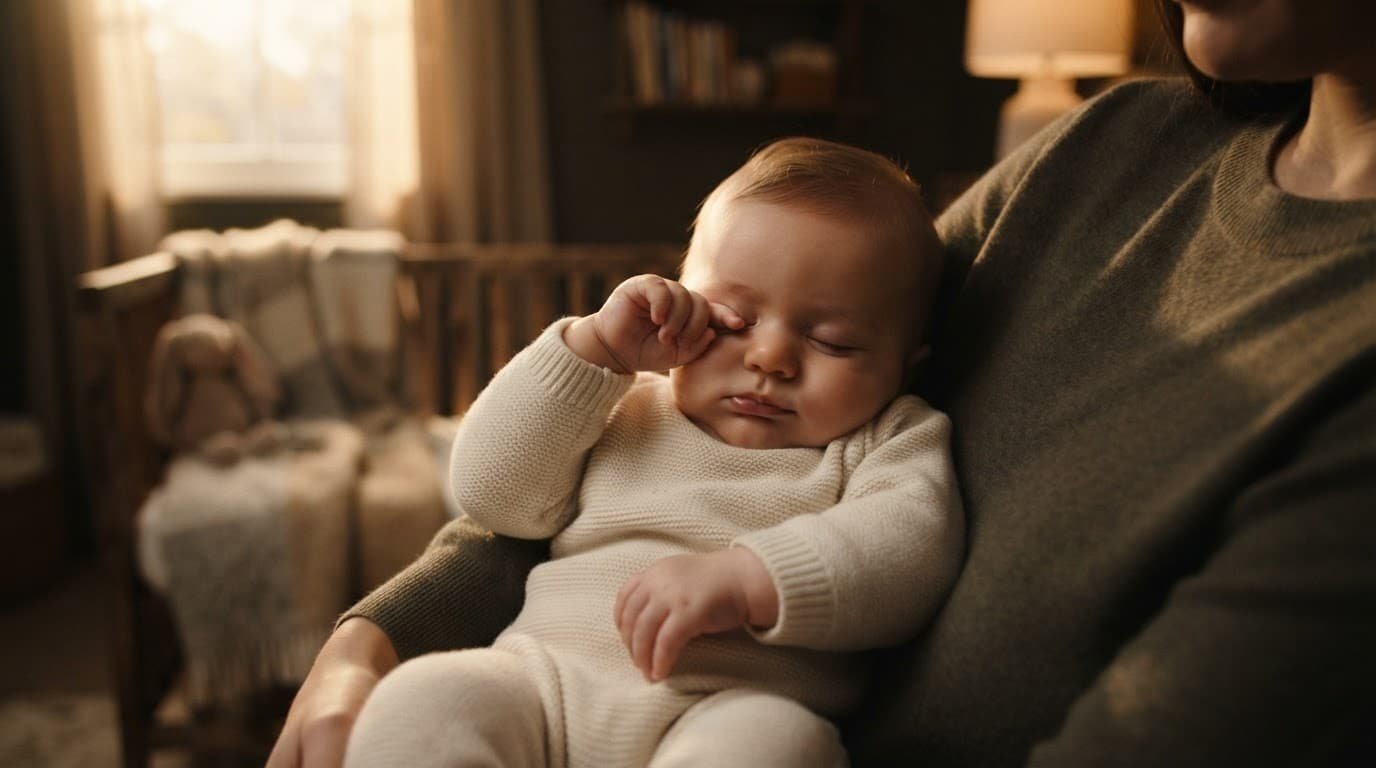
Tiredness and self-soothing are the most common reasons
Rubbing, blinking, yawning, staring into space, and turning away can all mean your baby needs sleep. Fussiness, slower movements, less interest in toys, or avoiding bright lights may appear at the same time. These signs often show up before crying, so noticing them early can make naps and bedtime easier.
Some babies rub their eyes because the repetitive motion helps them settle. Their hand moves toward their face almost automatically, much like sucking a thumb or holding a familiar blanket. You may notice this behavior during a nap transition, at bedtime, or after a busy stretch of play and social activity.
When sleepy cues appear, lower the noise and dim the lights. Follow a familiar routine, such as a diaper change, sleep sack, feeding, and short cuddle. Then give your baby a calm path into sleep instead of waiting until they become overtired. These early newborn sleep cues can help you act before fussiness builds.
Sleep-related rubbing is usually brief and improves after your baby rests. If your baby keeps rubbing hard after sleeping, or the behavior comes with eye changes, look for another cause.
Irritation, dryness, allergies, and small particles can trigger rubbing
Dust, lint, an eyelash, wind, smoke, strong scents, dry air, pet dander, and pollen can irritate a baby’s eyes. Shampoo or soap residue may also cause rubbing after bath time. Simple irritation often improves once you remove the trigger and give the eyes time to settle.
Allergies may cause watery or itchy eyes along with sneezing or a runny nose. The Seattle Children’s guidance on eye allergies can help you recognize patterns that need medical advice, especially when itching continues.
Keep smoke, perfume, air fresheners, and strongly scented products away from your baby. Wash bedding and soft toys regularly, reduce household dust, and consider a humidifier when indoor air feels dry. If something is near the eye, gently wipe around it with a clean, damp cloth, moving from the inner corner outward. Use a fresh part of the cloth for each eye.
Never put breast milk, soap, or homemade remedies into the eye. Avoid rubbing or poking beneath the eyelids, since that can worsen irritation or scratch the surface.
How to Tell Whether Eye Rubbing Is Normal or a Sign of a Problem
Brief rubbing with normal-looking eyes usually points to sleepiness or self-soothing. Repeated, forceful rubbing becomes more concerning when it appears with watering, redness, discharge, swelling, discomfort, or changes in how your baby sees.
Pay attention to the whole pattern, not the rubbing alone. Note when it starts, how long it lasts, whether one or both eyes are involved, and whether your baby recently encountered dust, smoke, shampoo, pet dander, or dry air.

Signs that point to a blocked tear duct
A blocked tear duct often causes ongoing watering, tears that spill onto the cheek, or mild crusting around the lashes. The symptoms commonly affect one eye, while the white of the eye looks fairly normal and the baby seems comfortable.
Many blocked tear ducts improve as babies grow because the drainage channel opens with development. Still, persistent watering or recurring crusting deserves a conversation with your pediatrician or an eye professional. You can also review these blocked tear duct symptoms in infants before the appointment.
A clinician may teach you tear-sac massage, sometimes called Crigler massage. Use it only after a trusted medical professional shows you how. The motion should be gentle and focused near the inner corner of the eye, close to the nose. Stop if it causes pain, swelling, increased redness, or worsening discharge.
For more background, see the Cleveland Clinic’s blocked tear duct guidance.
When redness, discharge, or light sensitivity needs attention
Red eyes, swollen eyelids, yellow or green discharge, sticky lashes, marked watering, squinting, and discomfort can point to an infection or significant irritation. Light sensitivity, trouble opening the eye, pain, or unusual fussiness deserves prompt attention.
Call your pediatrician for guidance if symptoms persist, worsen, or appear in a very young baby. Seek urgent advice when your baby seems unable to open the eye, reacts strongly to light, or has swelling around the eye.
Use a clean cloth for each eye, and don’t share towels. Avoid eye drops unless a clinician recommends them, and never use leftover prescription medicine.
Persistent rubbing may also signal vision or eye discomfort
Frequent rubbing can happen when an eyelash or foreign object bothers the eye. Corneal irritation, trouble seeing clearly, or a habitual movement can also play a role. Watch for poor tracking, frequent squinting, holding objects unusually close, tilting the head, or difficulty making eye contact.
You don’t need to test your baby’s vision at home. Instead, record what you notice, including videos if safe, and arrange an evaluation when rubbing is frequent, forceful, or continues without a clear cause.
Safe Ways to Prevent and Soothe a Baby’s Eye Rubbing
The safest response is to protect your baby’s eyes while addressing the trigger. Wash your hands before touching your baby’s face, keep their nails short and smooth, and avoid restraining their hands. Small changes often help, but persistent rubbing with redness, swelling, discharge, pain, or light sensitivity needs medical advice.
Help a tired baby settle before rubbing becomes intense
Watch for early sleep cues, such as yawning, staring, turning away, slower movements, or mild fussiness. Start the nap or bedtime routine then, before tiredness turns into crying and forceful eye rubbing. These tips for helping your baby sleep better can help you spot the right moment.
Dim the lights, lower household noise, and use the same short routine each time. A feeding, diaper change, cuddle, and sleep sack may help your baby relax. Swaddle only when your baby is young enough and unable to roll, and follow current safety guidance for a snug, hip-friendly swaddle.
Enough rest may reduce rubbing caused by fatigue. Once your baby is ready to sleep, place them on their back on a firm, flat, noninclined surface. Keep the crib, bassinet, or play yard free of loose blankets, pillows, bumpers, stuffed animals, and toys.
Clean the eyes gently and avoid spreading irritation
Wash your hands before and after eye care. Use warm water and a clean, soft washcloth or fresh cotton pad. Wipe from the inner corner near the nose outward, using a new section for every wipe. Use a fresh pad or clean cloth for the other eye.
Don’t scrub, wipe inside the eyelids, or poke beneath them. If an object seems stuck, don’t try to remove it with your fingers. Contact your pediatrician for guidance, especially if your baby cannot open the eye or seems distressed. The American Academy of Pediatrics eye infection guidance also advises avoiding direct contact with eye drainage.
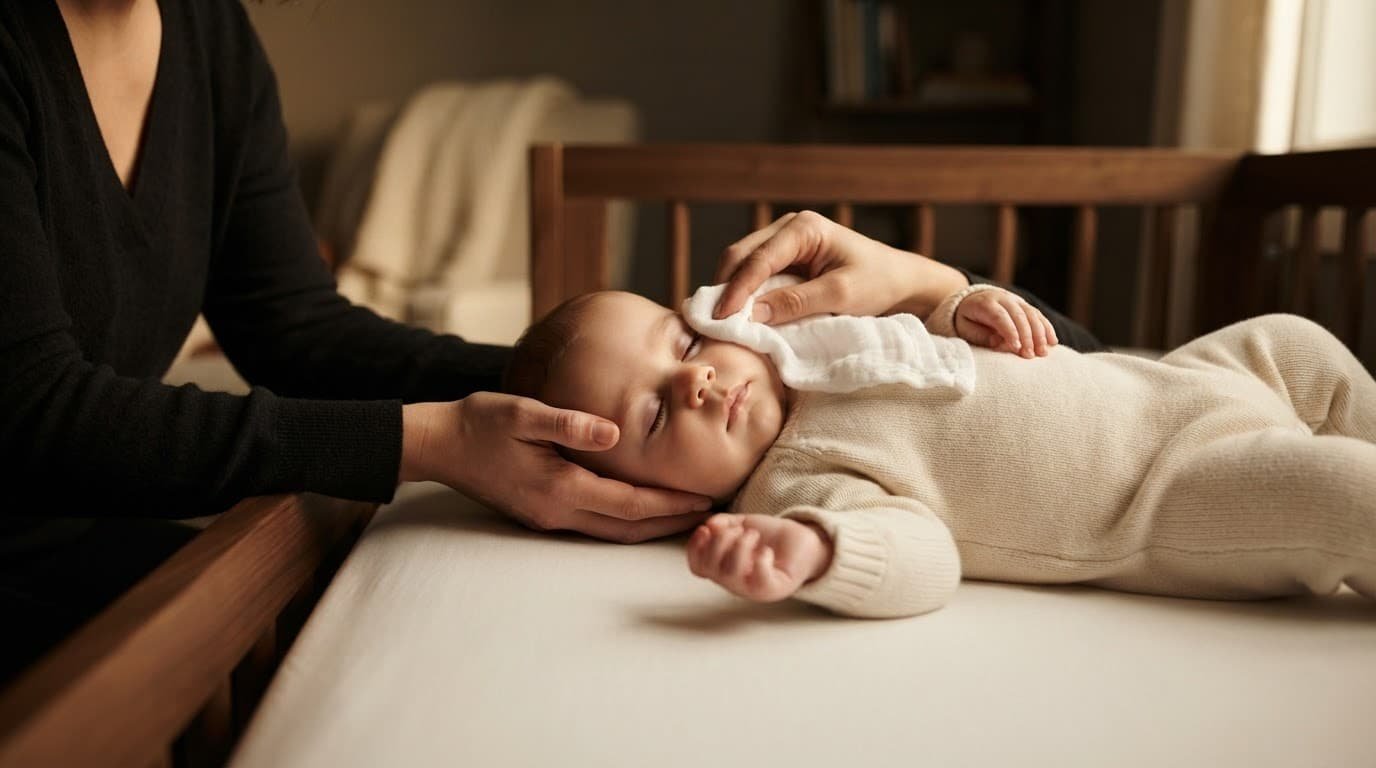
Keep towels, washcloths, and pillowcases clean, particularly when discharge or infection is suspected. Ask a clinician before using artificial tears, saline, antibiotic ointment, or any other eye medication.
Reduce dust, smoke, allergens, and dry air around your baby
Keep your baby away from cigarette smoke, vaping, fireplaces, aerosols, air fresheners, and strong perfumes. Wash your hands after touching pets, wipe dusty surfaces, and close windows during high-pollen periods when outdoor air worsens symptoms.
A properly maintained humidifier may make very dry air more comfortable. Clean it often according to the manufacturer’s instructions, since standing water can allow mold and germs to grow. Outdoors, use shade and appropriate clothing to limit direct sun and strong wind. Never drape a blanket or cover over a stroller or crib, because it can trap heat and reduce airflow.
Redirect the hands without making your baby more upset
When rubbing becomes a habit or follows overstimulation, offer a safe, age-appropriate toy, change your baby’s position, or move to a quieter room. A cuddle may work better than repeated reminders, especially when your baby is already tired.
Never tie, cover, or tightly restrain your baby’s hands. If strong rubbing continues during sleep, ask your pediatrician about safe options before using mittens or other hand coverings.
What to Do When Your Baby Keeps Rubbing One or Both Eyes
When eye rubbing continues, slow down and check the pattern rather than trying to stop every movement. Brief rubbing after a busy day may improve with sleep, while repeated rubbing with eye changes needs closer attention.

A simple observation plan for the next day
Start by looking at your baby’s eyes in good light. Don’t force the eyelids open. Notice whether you can see obvious redness, swelling, crusting, extra watering, or a speck near the eye. If you see an eyelash or particle on the surrounding skin, wipe gently with a clean, damp cloth. Never dig under the eyelid or use your fingers to remove something stuck.
Over the next day, write down:
- When the rubbing began and whether it affects one eye or both.
- How often it happens and whether the rubbing is gentle or forceful.
- How much your baby slept before each episode.
- New foods, pets, dust, smoke, pollen, soap, shampoo, or other exposures.
- Redness, swelling, discharge, watering, fever, or changes in behavior.
- Whether cleaning the area, removing an irritant, or resting improves the rubbing.
A short video can help your pediatrician see intermittent rubbing, blinking, squinting, or eye drifting. Record only when it doesn’t delay care, and keep your baby comfortable rather than repeatedly provoking the behavior. If your baby seems uncomfortable, or rubbing continues after better rest and irritant removal, contact the pediatrician.
When to call the pediatrician soon
Ask for medical advice promptly if your baby rubs persistently or forcefully, or if redness fails to improve. Also call about swelling, repeated discharge, continued watering from one eye, a suspected scratch, or a possible foreign body. Newborns with eye redness or thick discharge need prompt guidance because their age changes how symptoms are assessed.
Changes in vision deserve attention too. Tell the pediatrician if your baby tracks faces or toys poorly, squints unusually, avoids light, or responds differently to familiar faces and objects. You can also review early signs of vision problems and when to see a pediatric eye doctor.
The pediatrician can decide whether your baby needs an eye exam, allergy care, infection treatment, or monitoring for a blocked tear duct. For guidance on concerning combinations of redness, light sensitivity, vision changes, and pain, see the American Academy of Ophthalmology’s childhood eye guidance.
When eye symptoms may be urgent
Seek urgent medical care for severe pain, a swollen eye that your baby cannot open, marked light sensitivity, a cloudy-looking eye, a visible injury, sudden vision concerns, or fever with significant swelling. Get help immediately if your baby appears very ill.
Chemical exposure requires quick action. Begin rinsing the eye with clean, lukewarm water while seeking professional help, following local emergency instructions. Seattle Children’s chemical-eye guidance recommends washing the eye promptly and contacting Poison Control when appropriate.
Ordinary, brief eye rubbing doesn’t require panic. However, pain, injury, swelling, or a sudden change in how your baby sees should never wait for routine observation.
Mistakes to Avoid When Trying to Stop Eye Rubbing
Trying to stop every touch can turn a normal tired habit into a stressful struggle. Focus on reducing scratches, germs, and ongoing irritation instead of controlling each brief movement.
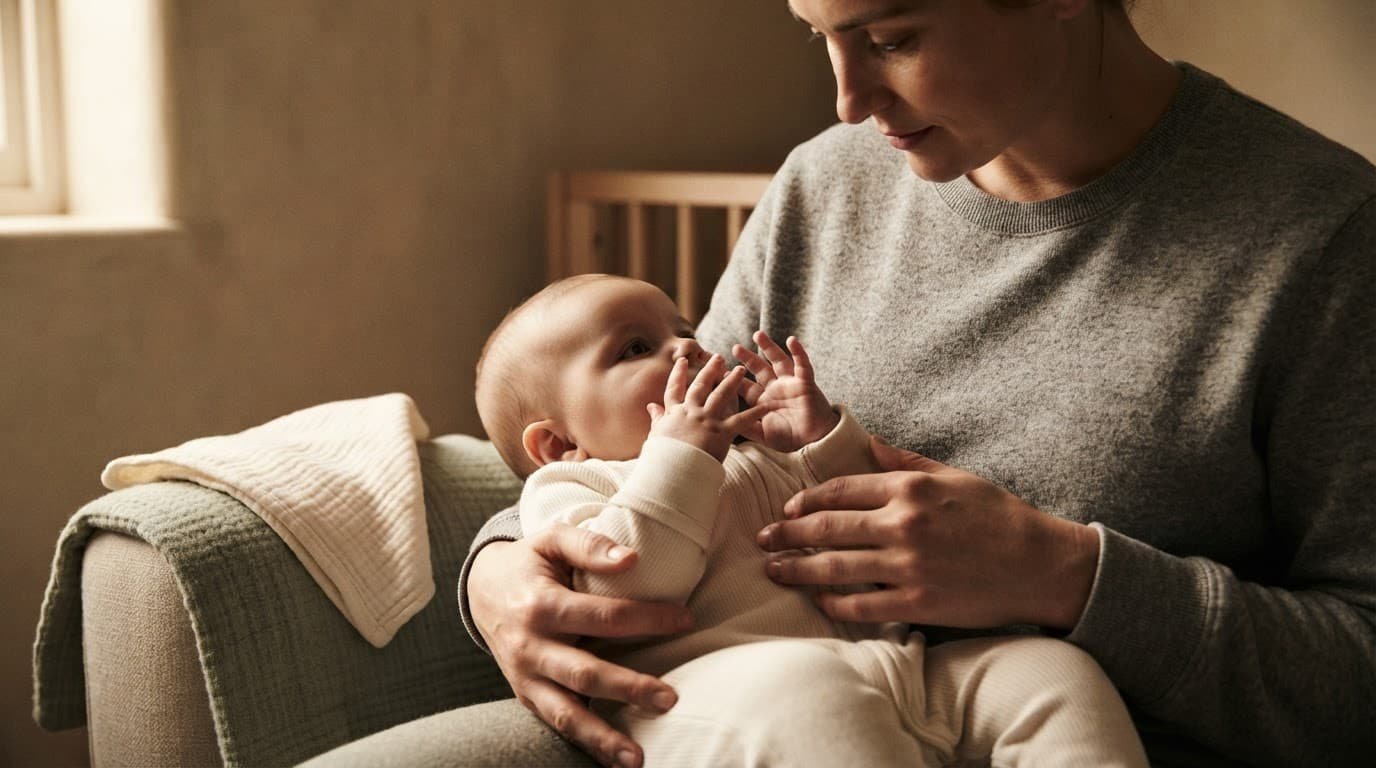
Why keeping nails short and hands clean matters
Babies may rub their eyes harder when they feel tired, fussy, or uncomfortable. Sharp nails can scratch the cornea, the clear surface at the front of the eye. Unwashed hands can also carry germs into the eye or spread an infection from one eye to the other.
Wash your hands with soap and water for at least 20 seconds before touching your baby’s face or cleaning around the eyes. Caregivers should wash again afterward, especially when discharge or redness is present. Trim your baby’s nails regularly, then gently file rough edges so they don’t act like tiny hooks.
Mittens may reduce scratching for some babies, but don’t use them during unsupervised sleep unless a healthcare professional confirms they’re safe for your baby’s age and sleep setup. Never tie mittens to clothing or tightly restrain your baby’s hands. A calm cuddle, clean hands, and an earlier nap are safer ways to respond.
Why eye drops and home remedies should be used carefully
A baby’s eyes are sensitive, and treatment depends on the cause. Before using lubricating drops, allergy medicine, antibiotic drops, ointments, or any other product, ask your pediatrician. Antibiotics don’t treat every red or watery eye, since viruses, allergies, blocked tear ducts, and irritation need different care. Adult redness-relief drops can also be unsafe for babies and aren’t a substitute for an eye examination.
Avoid essential oils, breast milk, honey, herbal mixtures, soap, and homemade solutions in or around the eye. These products may irritate delicate tissue or introduce germs. Even saline or artificial tears should be used only when a clinician recommends a suitable product and explains how to apply it. The American Academy of Pediatrics eye infection guidance supports careful handwashing and clinician-directed treatment.
For mild crusting on the lashes, gently clean the outside of the eye with warm water and a clean cloth. Use a fresh section for each wipe and each eye. Don’t scrub, rub harder, or reach beneath the eyelid.
Never use old prescription drops or medicine left from another illness. The medication may be wrong, contaminated, or past its safe-use period. When infection is possible, don’t share towels, washcloths, pillowcases, eye drops, or ointments. Launder linens regularly, and keep each eye product for the person it was prescribed for.
If rubbing continues, find the cause instead of simply pulling your baby’s hands away. Irritation, allergy, infection, or a blocked tear duct can remain untreated while the visible behavior temporarily stops.
Conclusion
Occasional eye rubbing is often a tired baby’s quiet way of saying, “I need a break.” It doesn’t automatically mean something is wrong, especially when it appears with yawning, fussiness, or other early baby sleep cues and improves after rest.
Respond to sleep signals early, keep your baby’s hands and nails clean, reduce smoke, dust, scents, and other irritants, and gently wipe only the outside of the eye when needed. Watch the pattern and your baby’s comfort, rather than trying to stop every brief touch.
Contact your pediatrician if rubbing is persistent or forceful, or if it comes with redness, swelling, discharge, pain, light sensitivity, injury, or vision concerns. Trust your instincts when the behavior feels unusual or your baby seems uncomfortable.

- Dry Cough in Kids: 5 Causes and Safe Solutions - September 23, 2026
- How to Help a Child Deal With Anxiety at Home - September 12, 2026
- How to Prepare Your Child for the First Day of School - September 12, 2026