
It is a common misconception that babies who need sleep will simply drift off when they feel tired. In reality, an overtired baby often acts wired, fussy, or difficult to soothe rather than sleepy. You might notice them fighting rest even when they are exhausted.
Spotting these subtle cues early makes a big difference for your routine. When you catch these signs, you can start proven ways to help babies sleep before the cycle of frustration begins. This makes naps and bedtime easier for both you and your little one.
You can watch this video to learn more about identifying tired signals in your infant. Recognizing these behaviors helps you create a calm environment before your baby becomes frantic.
The most common signs your baby is overtired
When your baby crosses the line from tired to overtired, their body releases cortisol and adrenaline. These hormones act like a jolt of energy, making it much harder for them to settle down. You might notice them acting hyper or wired instead of sleepy. Learning to read these specific behavioral shifts helps you catch the moment before the frustration sets in.

More crying, fussing, or trouble settling down
An overtired baby often displays increased irritability that feels different from their usual fussing. They may start with soft whimpering, but this can quickly escalate into intense, inconsolable crying if they miss their ideal sleep window. You might find that your standard soothing techniques, like gentle rocking or shushing, just don’t work as well as they usually do.
When your little one reaches this state, they are physically drained but mentally overstimulated. This makes the simple act of drifting off feel like a major struggle. By avoiding overtiredness in newborns, you help them stay in a calm state where falling asleep is much more natural.
Fighting sleep even when they are clearly tired
It often feels paradoxical when your baby resists the exact thing they need most. Instead of drifting off, an overtired baby might arch their back, kick their legs, or squirm away when you try to rock or hold them. They may turn their face away from your touch or even refuse the breast or bottle.
This behavior is a defense mechanism against further stimulation. Because their nervous system is already overwhelmed, they struggle to process any more input, even if it is meant to be comforting. If you encounter this, try lowering the lights and keeping physical contact minimal until they settle down.
Rubbing eyes, face, or ears
Small, subtle movements are often the earliest signals of fatigue. You might see your baby rub their eyes, pull at their ears, or scratch at their face. While these are classic signs of a tired baby, they become more frequent and frantic when they are overtired.
Keep in mind that rubbing alone doesn’t always tell the whole story. Some babies rub their eyes when they are simply curious or just waking up. You should always look for these cues in combination with other behaviors, like yawning or zoning out, to confirm they are truly ready for a nap.
Short naps and upset wake-ups
Overtiredness often leads to a cycle of broken sleep. If your baby is pushed past their limit, they may only nap for 20 or 30 minutes before waking up. These short naps happen because their body struggles to bridge the sleep cycles when they are overly stressed.
You might also notice them waking up crying or frantic instead of refreshed and calm. This is a common indicator that their sleep pressure is too high, making it nearly impossible for them to rest deeply. Understanding how to identify baby sleep readiness can help you time these transitions better and break the pattern of short, disrupted naps.
Why overtired babies can seem wired instead of sleepy
It often surprises parents when their exhausted infant suddenly acts like they have endless energy. You might expect them to drift off peacefully, but instead, you find yourself dealing with a wide-awake, frantic baby. This common phenomenon is confusing, yet it stems from a basic biological process that triggers a fight-or-flight response. When a baby misses their ideal sleep window, their internal system works against them, making it much harder to wind down naturally.
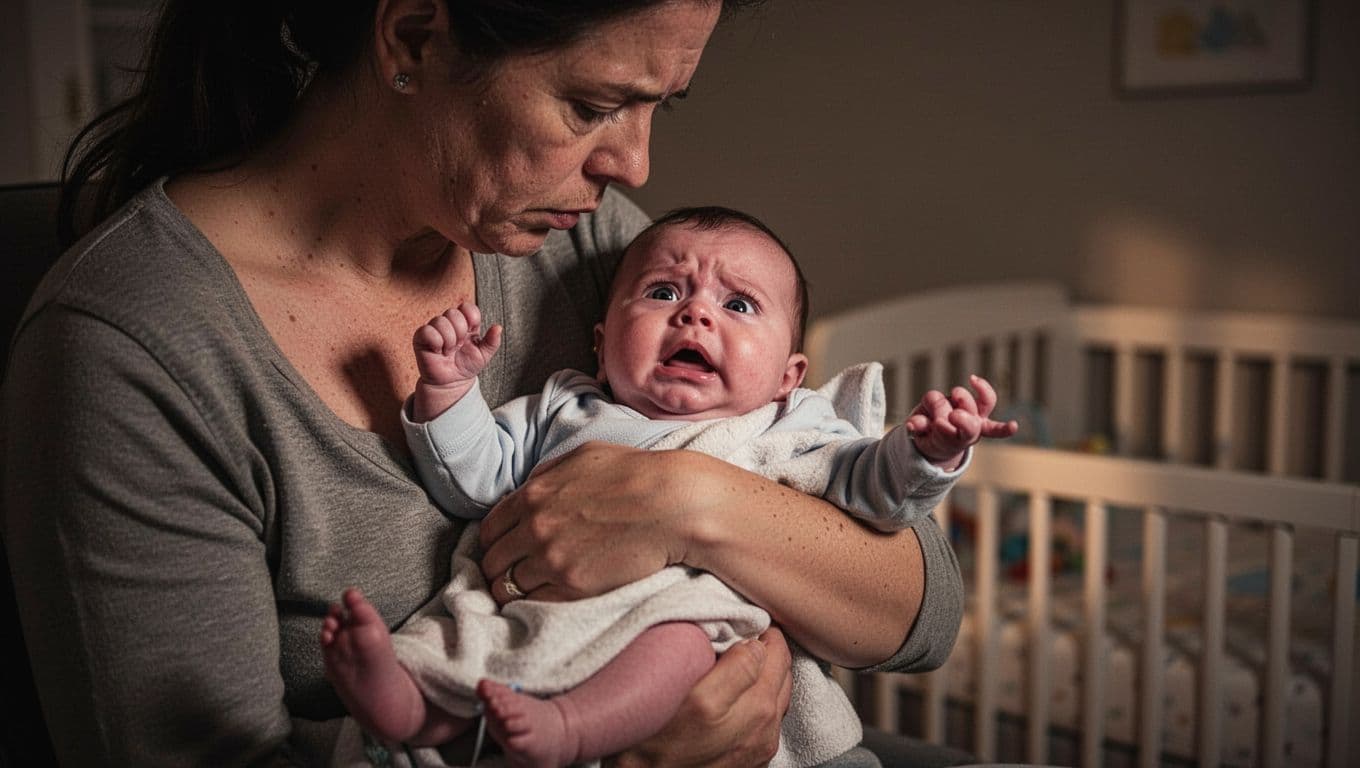
The stress response can kick in
When your baby stays awake past their limit, their nervous system perceives this exhaustion as a physical stressor. To keep them going, their body releases cortisol and adrenaline. These hormones are intended to provide a survival-based energy boost, but in a home environment, they simply backfire.
Essentially, your baby is running on an empty tank, yet their brain is flooding with chemicals that demand high alertness. This hormonal spike makes it physically difficult for them to relax or close their eyes. Recognizing that this “second wind” is actually a physiological stress response can help you stay patient. Knowing they aren’t choosing to fight sleep on purpose makes it easier to focus on soothing techniques rather than feeling frustrated by their resistance.
Look for hyperactive or jittery behavior
Overtiredness often masks itself as high energy. You might notice your little one kicking their legs repeatedly, flailing their arms, or moving in jerky, uncoordinated ways. They might seem unusually busy, grabbing at everything in reach or squirming constantly when you try to hold them close.
It is easy to mistake this high-octane behavior for playfulness or excitement, especially if they are smiling or babbling. However, when this activity occurs right around naptime or bedtime, it is frequently a sign of an exhausted nervous system. Instead of viewing this as a sign that they want more stimulation, consider it a clear indicator that their internal battery is completely drained.
Staring off or zoning out can also be a clue
While many babies get loud and active, others react to extreme fatigue by shutting down. You might see your baby stare off into space with a glazed or distant expression. They may suddenly stop playing and become very quiet or still, almost as if they are paralyzed by their own exhaustion.
This behavior is just as significant as crying or fussing, even though it is much easier to overlook. Because they aren’t making a scene, you might assume they are happy or calm. If you notice this “zoning out” after a long period of awake time, it is time to move to a quiet, dark space immediately. Helping them drift off before the next wave of cortisol hits will make the entire process much smoother for your family.
How overtiredness changes by age
Your baby is constantly changing, and the way they signal exhaustion will evolve just as quickly. While a newborn might give you a tiny, fleeting look, an older infant or toddler will likely make their needs known with much more intensity. Understanding how these signs shift helps you stay ahead of the frustration. You can use these age-based sleep milestones to better predict when your little one might need extra support.

Newborns often show subtle sleepy cues first
Newborns have very limited wake windows, often lasting only 45 to 60 minutes. Because their endurance is so short, they can reach an overtired state incredibly fast. You should watch for the earliest signals before they become obvious.
These tiny clues might include:
- A sudden slowing down or lack of interest in their surroundings.
- A glazed look in their eyes or staring off into space.
- Frequent, repetitive yawning.
- Gentler signs like rubbing their eyes or ears.
If you miss these subtle warnings, a newborn will quickly move to the next stage of distress. They might start to whimper, become increasingly fussy, or even exhibit a frantic, hyperactive energy. Catching these early signals is essential for keeping their developing sleep patterns on track.
Older babies may resist sleep more strongly
As your baby matures, their personality and mobility increase, which changes how they express fatigue. They are more aware of their environment and may fight the transition to sleep because they want to keep exploring or playing. Instead of just yawning, an older baby might show stronger protest.
You will likely see behaviors like these:
- Clinginess that peaks as they get closer to their sleep window.
- Arching their back or pushing away when you try to cuddle them for a nap.
- Frantic, high-pitched crying or screaming when you start the bedtime routine.
- Increased difficulty in settling down, even when they are physically exhausted.
These older babies often struggle with the transition because they have more external stimulation to process. Staying consistent with your routine helps them feel secure enough to let go of that energy and drift off.
Why bedtime can get harder after a missed nap
There is a clear link between how your baby spends their day and how they handle the evening. If a morning or afternoon nap is cut short, your baby spends the rest of the day playing catch up. By the time evening arrives, they are often overstimulated and full of cortisol.
This common cycle creates a difficult bedtime:
- A skipped nap leads to an early onset of evening crankiness.
- That crankiness builds into a full-blown state of being overtired by bedtime.
- The resulting adrenaline spike makes it much harder for them to fall asleep.
- They may wake up frequently or start the next morning even earlier.
Recognizing this pattern is the best way to prevent the nightly struggle. If you notice a short nap during the day, try to move your next nap or bedtime slightly earlier. This small adjustment often provides the relief your baby needs to bypass the evening meltdown entirely.
What to do when you think your baby is overtired
When you realize your baby has pushed past their sleep window, the main goal is to lower their stress level. Their nervous system is currently flooded with cortisol, which makes it feel impossible for them to settle. Instead of forcing them to sleep, focus on creating a sanctuary where they can safely power down. This approach helps stop the cycle of frustration before it intensifies.
Lower stimulation fast
The most effective way to help an overtired baby is to remove them from any sensory input. If they are in a bright or noisy room, their brain stays on high alert. Move them to a darkened space, turn off the television, and ask any visitors to give you some privacy. Stopping all active play signals to your baby that it is time to shift gears.
A calm environment is a powerful tool for helping your baby drift off when they are overwhelmed. If you notice they are arching their back or flailing, try holding them securely in a dim room without too much movement. Keep physical contact steady but quiet. Your goal is to be a stable, calming presence until their nervous system relaxes.
Start a short, repeatable sleep routine
Once you have established a quiet space, move through a predictable pattern of soothing. You don’t need a complicated ritual. A few simple steps work best to cue your baby that rest is coming. You might start with a quick diaper change, then put them in their swaddle or sleep sack.
Feeding them if they are hungry, followed by soft rocking and steady white noise, helps them reconnect with their internal sleep rhythm. Consistency matters more than perfection here. If you provide the same sequence every time, your baby learns to associate those specific actions with relaxation. Over time, this routine becomes an automatic signal that helps them stop fighting their own exhaustion.
Put baby down before they are too tired
Preventing the meltdown is much easier than fixing one. Watch your baby for early, subtle cues rather than waiting for them to get fussy. If you see them rubbing their eyes, yawning, or turning away from toys, take that as your cue to begin the wind-down process immediately.
Timing the sleep transition early saves you from the frantic energy that comes with a “second wind.” If you wait for the full-blown crying spell, you are already battling the hormones mentioned earlier. Practicing this gentle, consistent routine makes the entire experience much easier on both of you. You will find that catching the yawn is your best defense against the evening battle.
When to ask your pediatrician for help
Most of the time, an overtired baby simply needs a bit more quiet and extra rest. However, you know your baby best. If the crying seems extreme or if you feel like something is off, do not hesitate to reach out to your doctor. It is always better to ask a professional if you feel concerned about your baby’s patterns.
Check in with your pediatrician if you notice any of these signs alongside the sleep struggle:
- Your baby has a fever, vomiting, or diarrhea.
- They are significantly less alert or responsive than usual.
- Their breathing seems labored or difficult.
- They refuse to eat or have a sharp drop in their usual intake.
- You see jerky movements or seizures while they are sleeping.
If you have tried your best to adjust the routine but the sleep problems persist, a conversation with your pediatrician can provide clarity. They can help rule out any underlying issues, such as pain or illness, so you can feel confident about how to move forward. Your instincts are a vital part of your parenting, so trust them when you feel you need an extra set of eyes.
Conclusion
Spotting your baby’s need for rest before they reach the point of exhaustion is a skill that grows with time. Those early, small clues like a slight gaze away or a gentle rub of the eyes often precede the fussiness that marks an overtired state. When you catch these signals early, you can reduce stimulation quickly to help your little one settle before their stress hormones spike.
Focusing on these subtle cues allows you to create a calmer environment that supports natural sleep. Every baby displays their own unique way of showing fatigue, so observe your child to learn their specific language. You will find that recognizing these signs becomes much easier with practice, making naptime and bedtime more peaceful for your entire family.
Save pin for later


- Asperger’s Syndrome in Babies: Early Signs and Next Steps - October 7, 2026
- 12 Beautiful Baby Names That Mean Forest, Plus Woodland Picks - September 27, 2026
- 15 Fantastic Baby Nicknames for Boys, From Sweet to Playful - September 27, 2026