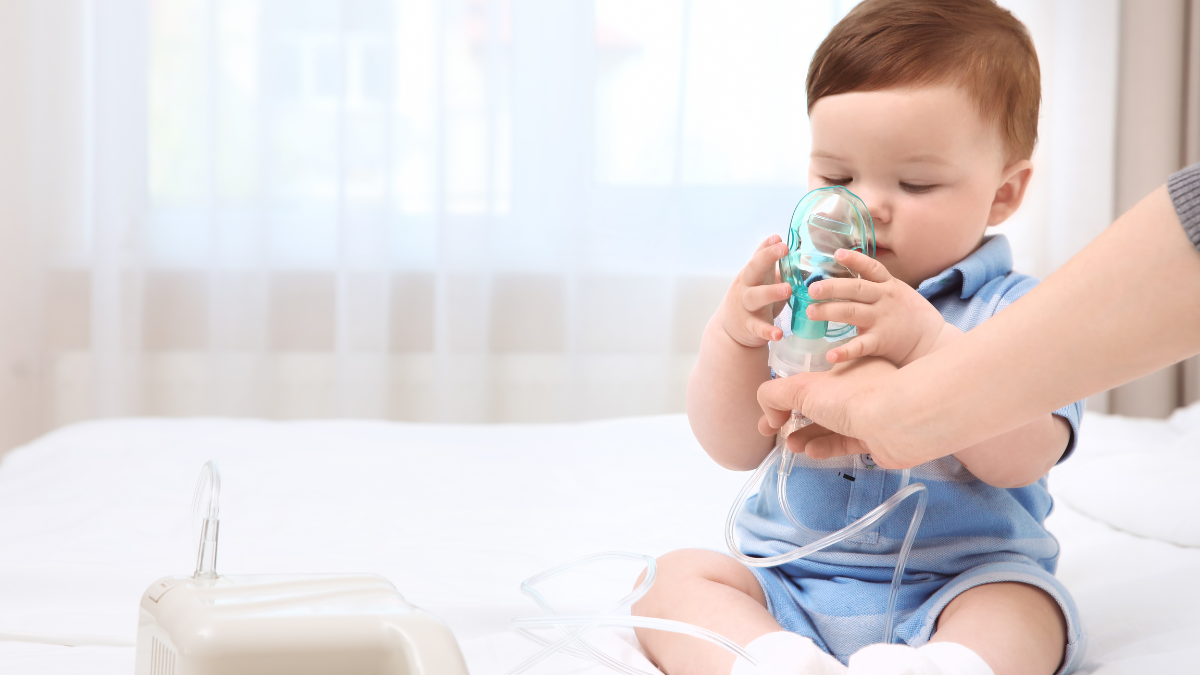
When a baby isn’t getting enough fluids, things can turn serious fast, especially in the newborn stage. Baby dehydration can start with small changes, like fewer wet diapers, a dry mouth, or a baby who seems off in a way you can’t quite name.
If your little one is sick, feeding poorly, or losing fluids through vomiting or diarrhea, you need clear next steps, not guesswork. Knowing what to watch for and how to respond at home can help you act early, and keeping an eye on frequent diaper checks for babies can give you one of the first clues that something’s wrong.
The signs aren’t always dramatic at first, so the safest move is to pay close attention and trust what you see. Next, let’s go through the warning signs, what you can do right away, and when it’s time to call the doctor or head for emergency care.
How to spot dehydration in a baby before it becomes serious
The first warning signs are often small. A diaper stays dry longer than usual, a baby’s mouth looks sticky, or crying comes without tears. Those changes can feel easy to miss in a busy day, so the safest approach is to watch for patterns, not just one clue.
The clearest signs parents can check right away
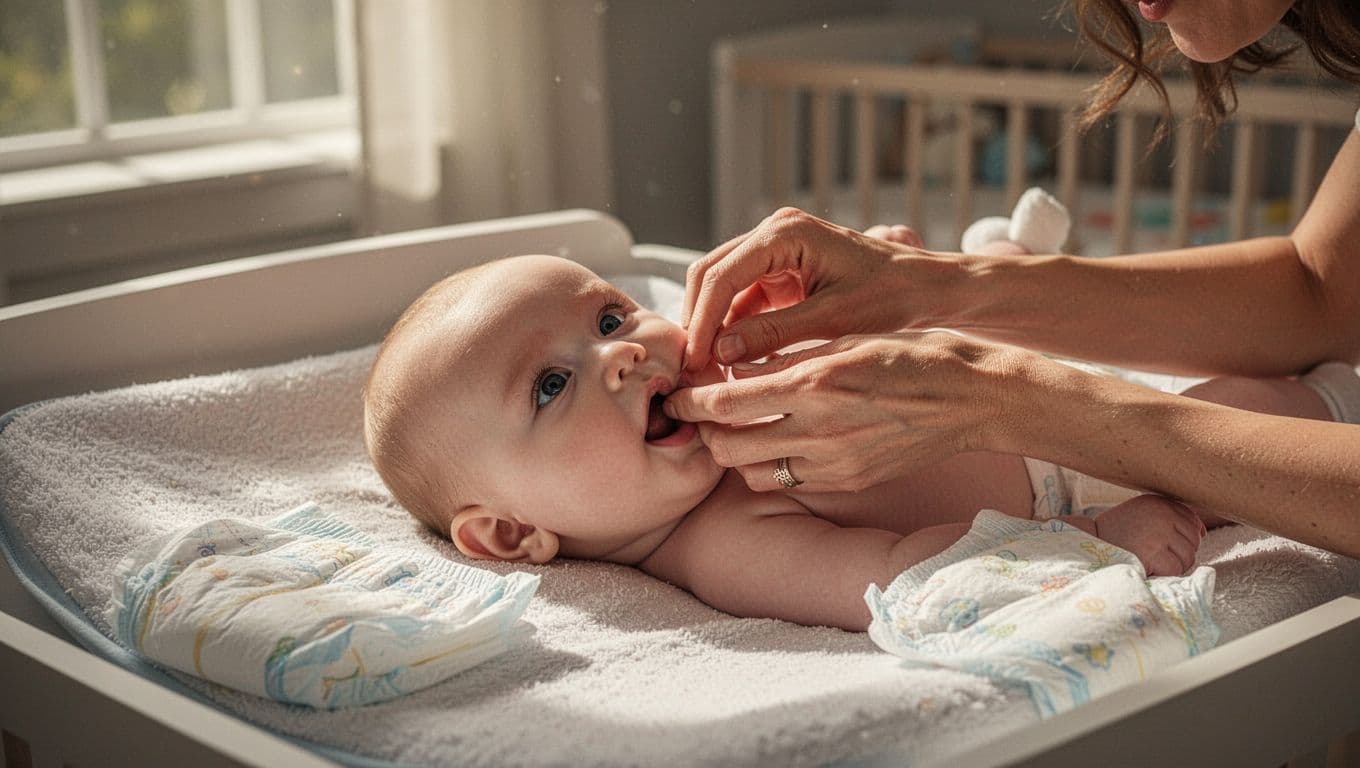
Start with the signs you can see and track at home. Fewer wet diapers is one of the biggest clues, especially if your baby normally wets often and now goes for hours with little or no urine. Dark yellow urine can also point to less fluid intake, and a dry mouth may show up as sticky lips or a tongue that looks parched.
Keep an eye on the face and energy level too. A baby with no tears when crying or a sunken soft spot on the head may be losing too much fluid. Sunken eyes, unusual sleepiness, fussiness, a fast heartbeat, or fast breathing can also show up as dehydration worsens. The HealthyChildren.org dehydration guide lists these as warning signs parents should not ignore.
A baby who seems off in a subtle way can still be dehydrated. If your child is harder to wake, less playful, or crying weaker than usual, pay close attention. One sign alone may not tell the full story, but a few together often do.
How dehydration can look different in newborns and older babies
Newborns can go downhill faster than older babies. Their bodies are smaller, their fluid reserves are limited, and they depend on regular feeds to stay balanced. That is why diaper counts matter so much in the first weeks, and why a dry diaper pattern should never be brushed off.
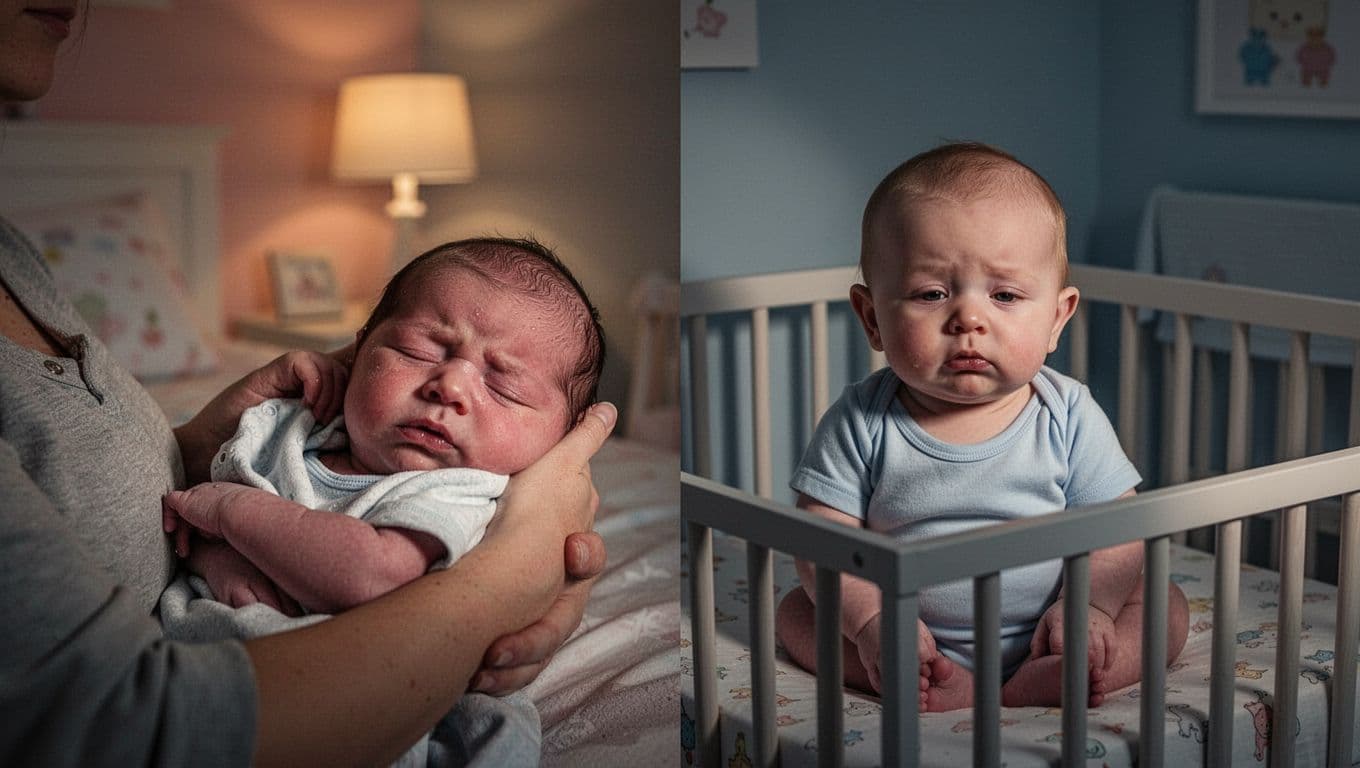
Older babies may not look dramatically sick at first. Instead, they may feed less, seem more tired, or go unusually quiet. They might turn away from the bottle or breast, take shorter feeds, or act less interested in the room around them.
In the early weeks, your baby should have frequent wet diapers, and fewer than expected can be a red flag. The Cleveland Clinic dehydration guide notes that babies can show signs fast, and diaper output is one of the most useful clues parents can follow at home.
When dehydration may be mild, moderate, or already severe
Mild dehydration often starts with small changes. Your baby may still feed, but less eagerly, and you might notice fewer wet diapers, dry lips, or a little more fussiness. At this stage, the baby may still seem mostly like themselves between feeds.
Moderate dehydration usually looks more obvious. The mouth can look drier, the soft spot may appear sunken, and the eyes may look hollow. A baby may sleep more, cry with fewer tears, or seem weak during feeds.
Severe dehydration is an emergency. A baby may become very sleepy, hard to wake, or floppy. Breathing can speed up, the heart may race, and circulation can look poor, with cool or mottled skin. The Mayo Clinic dehydration symptoms page includes rapid heart rate, sunken eyes, no tears, and reduced urination among the more serious warning signs.
If your baby has several signs at once, trust the pattern. Waiting for a perfect answer can waste valuable time.
The key is to act when the signs stack up. A baby who is still feeding but has fewer wet diapers and a dry mouth may need close watching. A baby who is hard to wake, breathing fast, or showing very little urine needs urgent medical help right away.
What usually causes dehydration in babies
Babies usually become dehydrated when they lose fluids faster than they take them in. That often happens during illness, but feeding problems and hot environments can do it too. The cause is not always dramatic, either. A baby can look calm and still be drying out on the inside.
The most common patterns are easy to spot once you know what to look for. Stomach bugs, missed feeds, low milk intake, fever, and overheating are the big ones. In other words, dehydration often starts with a small problem that keeps snowballing.
Vomiting, diarrhea, and stomach bugs

Gastroenteritis is one of the biggest causes of dehydration in babies. When a baby vomits or has diarrhea, fluids leave the body fast, and little bodies do not have much to spare. Even a short illness can matter, especially if your baby is tiny or not feeding well.
Babies can also get dehydrated when a stomach bug makes them too uncomfortable to eat. The HealthyChildren.org dehydration guide notes that vomiting and diarrhea are common triggers, and the risk rises when intake drops at the same time.
Watch for:
- repeated vomiting that keeps milk down for only a short time
- loose stools that come often or in large amounts
- a baby who feeds less because the stomach bug has taken over
A single day of vomiting or diarrhea can change diaper output fast. If your baby is already small, there is even less room for fluid loss before dehydration shows up.
Not getting enough milk or formula
Poor feeding is another major cause, especially in newborns. Sometimes the issue is low supply. Sometimes it’s a weak latch, a sleepy baby who misses feeds, or a bottle-fed baby who is taking less because of illness or mouth pain.
Newborn dehydration can happen even when the baby seems calm. A baby may sleep more, act settled, and still not be getting enough milk or formula. That quiet look can hide a real problem.
Feeding trouble may come from:
- latch problems during breastfeeding
- low milk supply
- sleeping through feeds in the early weeks
- taking smaller amounts during colds, thrush, or other illness
If you’re trying to tell whether your baby is getting enough, signs of adequate milk intake can help you compare feeding patterns with diaper output and weight gain. When intake stays too low, fluids run out faster than many parents expect.
A baby does not need to look distressed to be underfed. Sometimes the first clue is simply fewer wet diapers.
Fever, hot weather, and other hidden fluid losses
Fever raises a baby’s fluid needs. So does overheating. Babies do not handle heat like adults, which means a hot room, extra blankets, or too many layers can dry them out faster than you’d think.
Sweat is only part of the story. A fever can also make babies breathe faster and eat less, so they lose more and take in less at the same time. That combination can push dehydration forward quickly.
Common heat-related triggers include:
- a warm nursery with poor airflow
- heavy clothing or too many blankets
- long stretches in hot weather
- illness with fever and less interest in feeding
The Cleveland Clinic dehydration guide lists sweating, fever, and not drinking enough as common causes in children. Babies are even more sensitive because their bodies are smaller and their fluid reserves are limited.
A baby who feels warm, feeds poorly, and has fewer wet diapers needs close attention. Heat alone can be enough to tip the balance, especially during a fever or a busy summer day.
What to do at home if your baby seems mildly dehydrated
If your baby still seems alert and can keep some fluids down, gentle home care can help in the early stage. The goal is simple, steady replacement of fluids, not a big drink all at once. Small amounts often stay down better and are easier on a sensitive stomach.
Keep watching diaper output, energy, and feeding cues while you act. If your baby worsens, stops feeding, or becomes hard to wake, that moves beyond home care.
Offer frequent small feeds instead of big ones
Small, repeated feeds are often easier for a baby to keep down than a large feeding. A full tummy can trigger more spit-up or vomiting, while tiny amounts give the body a better chance to absorb fluid.
If your baby breastfeeds, keep offering the breast often. If your baby uses formula, offer regular formula in smaller, more frequent feeds. When vomiting is involved, short pauses can help, then you can try again with a few swallows or a teaspoon at a time.
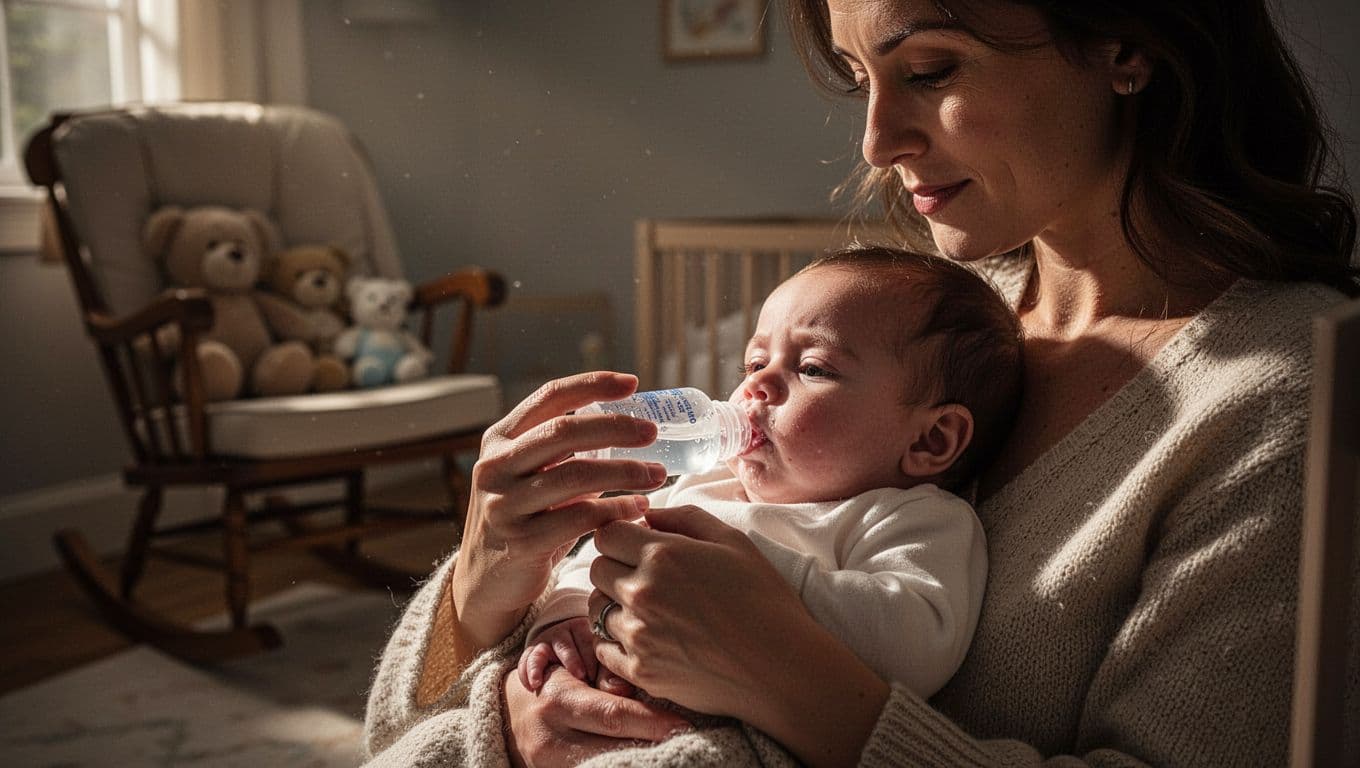
A calm rhythm works best. Think short and gentle, like little drops filling a cup instead of one heavy pour. If your baby only takes a few sips, that still helps.
The Nationwide Children’s Hospital dehydration guide says babies with mild dehydration may need small sips of breast milk, formula, or oral rehydration solution every few minutes, especially after vomiting. That slow, steady pace is often easier for a baby to handle.
Use oral rehydration solution the safe way
Oral rehydration solution, often called ORS, is made to replace fluids and salts better than plain water or juice. It gives the body the balance it needs after vomiting or diarrhea, which is why it is often the preferred choice for mild to moderate dehydration.
For babies under 1 year, offer ORS in small, frequent amounts, especially if vomiting or diarrhea is part of the picture. Exact amounts can depend on your baby’s age, weight, and your pediatrician’s advice, so follow the plan your doctor gives you.
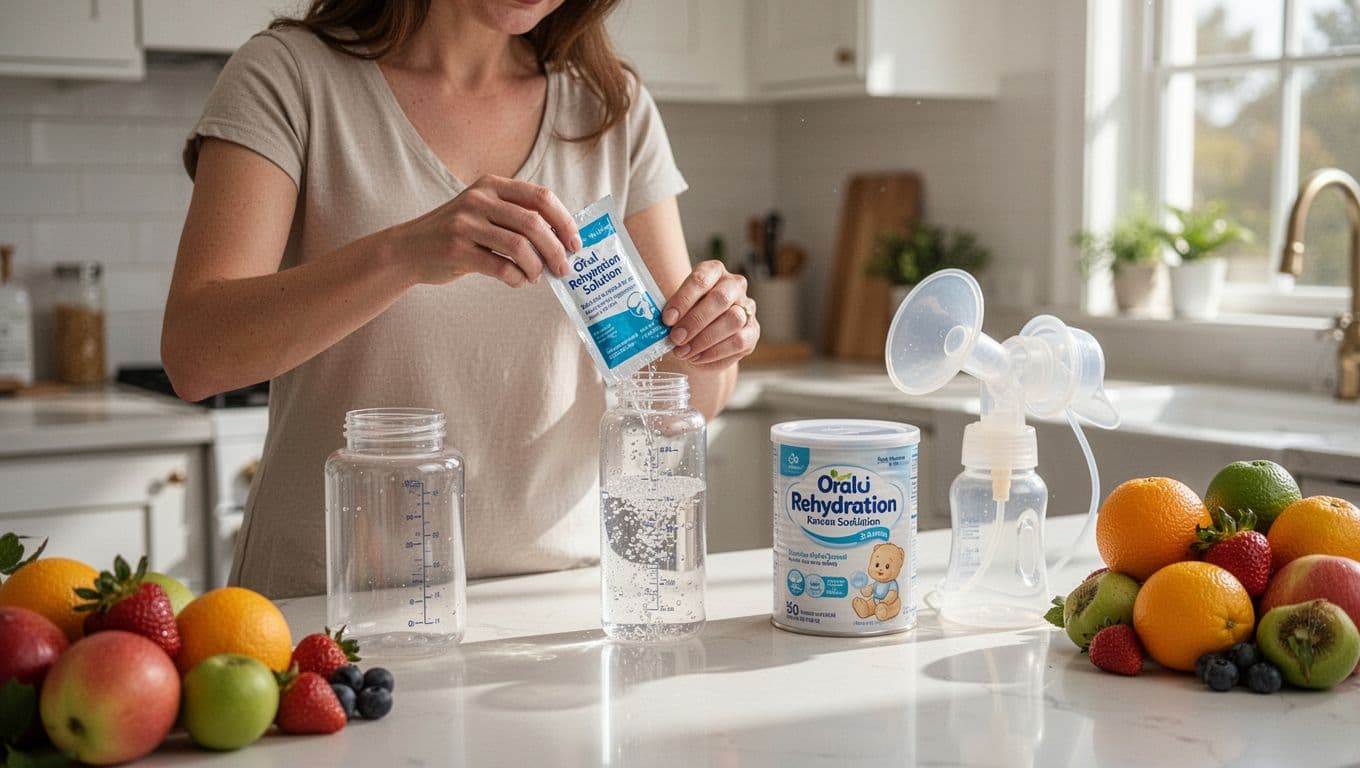
ORS works best in small sips, not in a big rush.
If your baby has trouble taking a bottle, you can offer a little with a spoon, syringe, or dropper. The point is to keep the fluids coming without overwhelming the stomach. For a clear overview of dehydration treatment in children, see the HealthyChildren.org dehydration guide.
Avoid drinks that can make things worse
Plain water is not the right fix for young babies, and it can be unsafe in large amounts. Babies need the right mix of fluid and salts, not just water alone.
Juice, soda, tea, and broth are not good rehydration choices either. Juice and soda can upset the stomach or add too much sugar. Tea isn’t made for infant rehydration, and broth doesn’t replace the right balance of nutrients a baby needs.
If you’re breastfeeding, keep nursing. If your baby takes formula, keep offering formula unless your doctor says otherwise. For babies under 1 year, ORS, breast milk, and formula are the safest home options when mild dehydration is the concern. This approach lines up with AAP-aligned home rehydration advice, which emphasizes small, frequent fluids rather than random drinks from the kitchen.
When to call the doctor or go to urgent care right away
Some baby dehydration can wait for close home monitoring, but some signs need medical help fast. If your baby is getting worse, feeding less, or losing fluids through vomiting or diarrhea, don’t sit on it and hope it passes. Babies can change quickly, and newborns need an even lower threshold for care.
Red flags that need same-day medical advice
Call your baby’s doctor the same day if you notice very few wet diapers, poor feeding, repeated vomiting, or diarrhea that keeps going. A baby who is sleepier than usual, has a weak cry, or seems hard to wake also needs prompt attention.
Pay close attention if home care is not helping. If you have offered small, frequent feeds and your baby still looks dry, tired, or less interested in eating, that is a warning sign. The HealthyChildren.org dehydration guide says parents should contact the pediatrician right away when these signs appear.
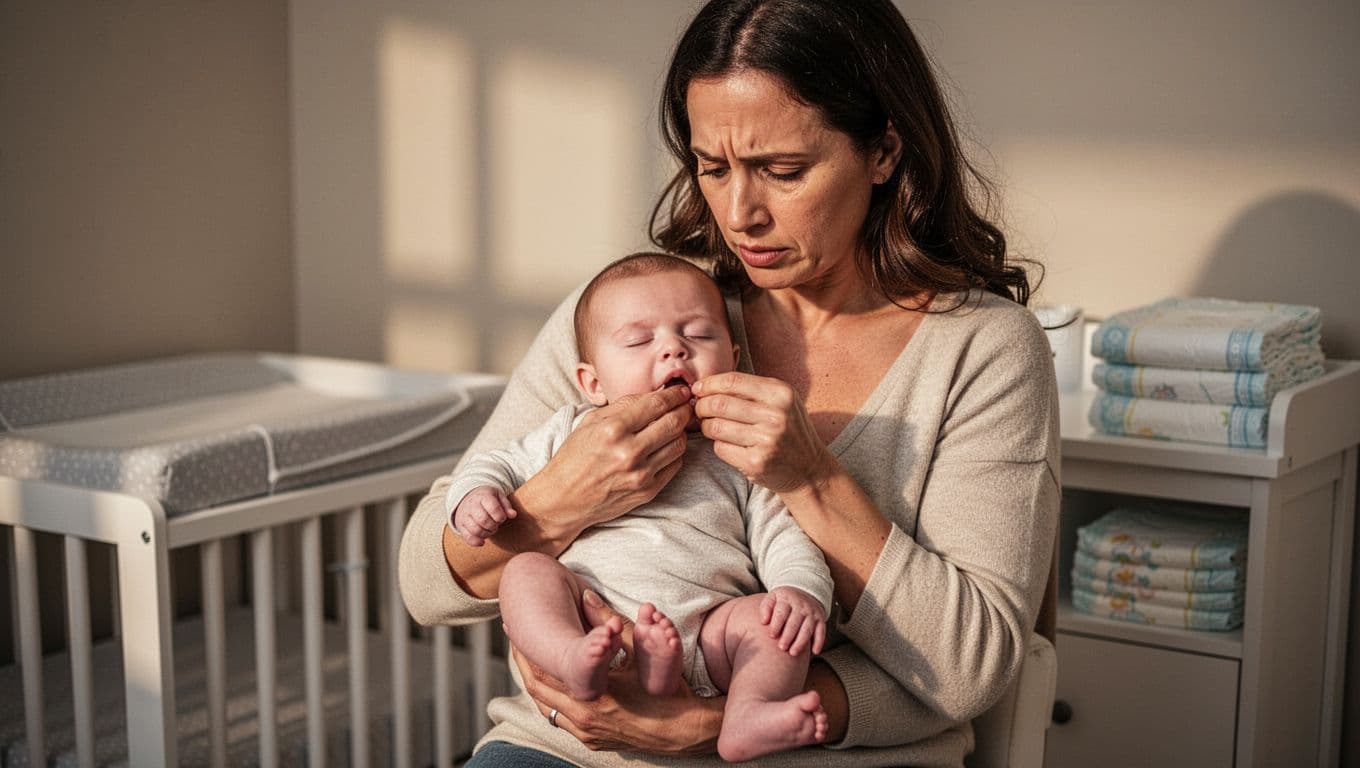
A good rule is simple, if the signs stack up, don’t wait for them to become obvious. One wet diaper less than usual may be watched, but several warning signs together mean your baby needs a call now.
Emergency signs that mean go now
Some symptoms are too serious for a phone call alone. Go to urgent care or the emergency room right away if your baby has no urine for many hours, trouble waking up, limpness, or breathing problems. Cold or clammy skin is also a serious red flag.
Blood in vomit or stool is another emergency sign. So are signs of shock or severe dehydration, like a fast heartbeat, very weak movement, poor color, or a baby who looks too tired to cry or feed. The Cleveland Clinic dehydration guide lists no wet diapers for hours, cool skin, and extreme sleepiness among the signs that need immediate medical attention.
If your baby is hard to wake, floppy, or not making urine, treat it as urgent. Do not wait for the next feeding to see what happens.
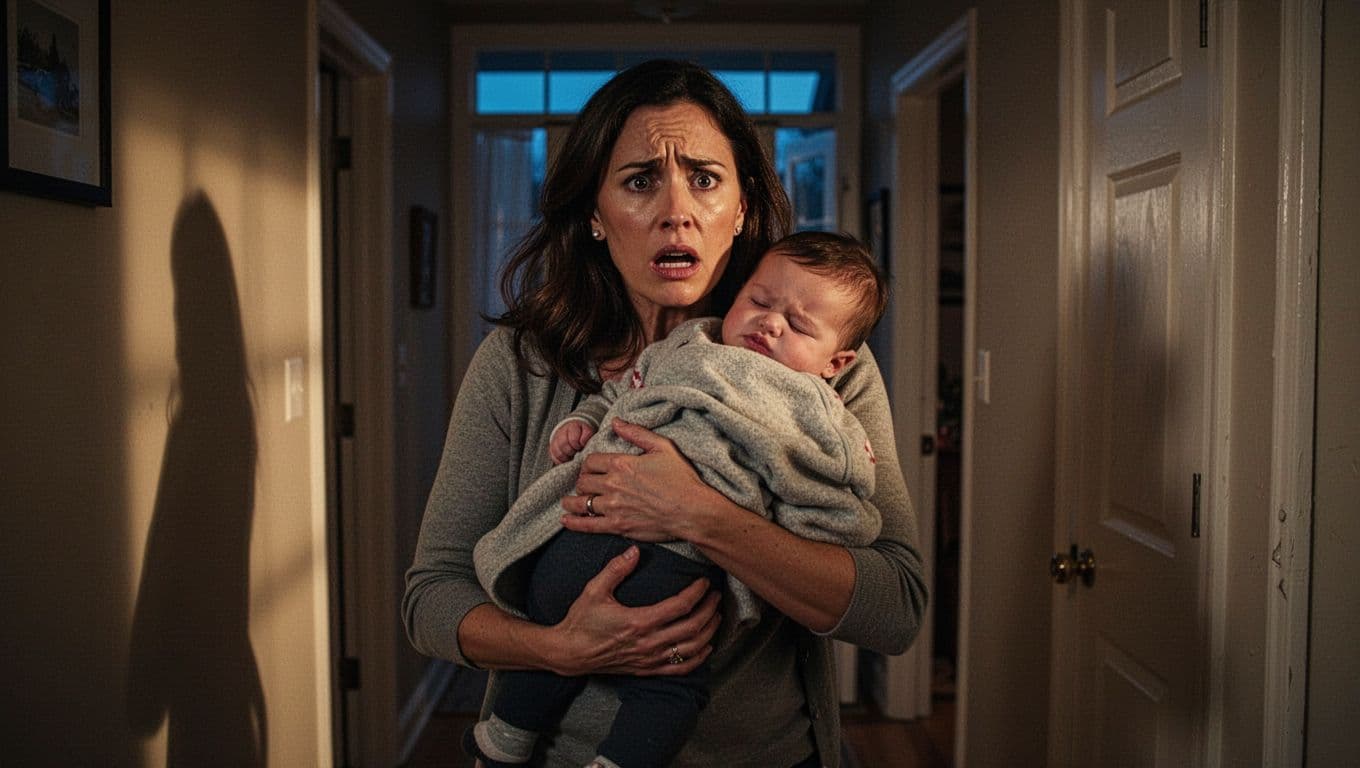
Why newborns need faster medical attention
The first month of life is a fragile window. Newborns can get worse very quickly because they have tiny fluid reserves and depend on regular feeds to stay stable. A small feeding problem can turn into a big one in a short time.
That is why fever, feeding trouble, or low wet diapers in a newborn should never be brushed off. Even if the baby still looks calm, the body may already be under stress. If your newborn is not feeding well, has fewer wet diapers than expected, or feels warm and unwell, call right away.
The Cleveland Clinic dehydration guide and current pediatric guidance agree on this point, newborns need urgent review sooner than older babies. When in doubt, call your pediatrician or go in, because waiting can cost precious time.
How to prevent dehydration from happening again
Once a baby has shown signs of dehydration, the next goal is to stop the same pattern from coming back. That usually means watching feeding habits, tracking diapers, and acting early when illness or heat starts to drain fluids. Small changes matter here, because babies can tip from “fine” to “not fine” faster than adults expect.
The good news is that prevention fits into daily life. You don’t need a perfect routine, just a steady one that keeps milk, formula, and fluids moving in the right direction.
Watch feeding and diaper patterns closely
Feeding and diaper output are your simplest home checks. If your baby is eating well, wet diapers usually follow. When both start to slip, the problem often shows up before your baby looks obviously sick.
Look at the pattern over a full day or two, not just one rough stretch. One sleepy morning or one missed diaper can happen, but repeated changes tell a clearer story. For newborns, fewer than expected wet diapers can be an early warning sign, and newborn care routines that feel easier can help you keep track without feeling overwhelmed.
A few habits make this easier:
- note how often your baby feeds
- count wet diapers in a 24-hour period
- watch whether feeds are shorter or less active than usual
- pay attention to urine color, since darker urine can point to low fluid intake
A pattern matters more than one off day. Babies have sleepy stretches, but dehydration usually leaves a trail.
If you notice that feeds are becoming shorter or diapers are drying up, act early. That gives you a better chance of fixing the issue before it builds again.
Protect your baby during illness and hot weather
Illness and heat are the two most common times for dehydration to return. Fever, vomiting, and diarrhea can pull fluids out fast, while hot weather can quietly raise your baby’s fluid needs. During those times, stay ahead of the loss instead of waiting for thirst to show up.
Dress your baby in light layers and keep the room comfortable. Offer feeds more often, even if your baby only takes a little at a time. Small, frequent feeds are easier to handle than one big feeding when a baby feels unwell.

Keep an eye out for early fluid loss, such as fewer wet diapers, dry lips, fussiness, or a baby who seems less eager to eat. If your baby has a fever or stomach bug, the CDC guidance on infant and toddler fluids supports giving age-appropriate fluids often and watching closely for dehydration signs.
A few practical prevention habits help in real life:
- offer feeds more often during illness
- avoid overdressing in warm weather
- keep your baby out of direct heat for long stretches
- watch diaper output more closely until your baby is fully back to normal
If a hot day or fever changes your baby’s feeding rhythm, treat that as a signal. The sooner you respond, the easier it is to keep dehydration from coming back.
Know when a feeding issue needs support
Sometimes dehydration keeps returning because the feeding problem never got fixed. A poor latch, low milk supply, bottle refusal, or a baby who keeps feeding differently can all lead to the same result. If the same issue keeps showing up, don’t wait for another dehydration scare.
Early help can save a lot of stress. A pediatrician, lactation consultant, or another trusted provider can check whether your baby is transferring milk well, taking enough formula, or showing a problem that needs treatment. Getting support early is often easier than trying to repair things after your baby is already dry again.
Pay attention if you see any of these:
- latch trouble that keeps happening
- low milk supply concerns
- repeated bottle refusal
- feeding changes that last more than a day or two
If you need a simple next step, start by writing down feeds, wet diapers, and any vomiting or stool changes. That record can help your provider see the pattern fast, especially if you’re already watching for signs of adequate milk intake. The earlier you ask for help, the sooner you can get back to a calmer, steadier feeding routine.
Conclusion
Baby dehydration can start with small shifts, like fewer wet diapers, a dry mouth, or a baby who is less eager to feed. Those changes matter because babies can lose fluid fast, especially when illness or heat is involved.
Trust your instincts if something feels off. Watch diaper patterns, notice behavior changes, and act early when your baby seems different, because prompt care can make a real difference.
For more helpful parenting updates and everyday support, follow us on Pinterest.
Save the pin for later


- 12 Things Pregnant Women Do When They’re Alone - June 7, 2026
- 25 Healthy Pregnancy Snacks You Should Try - June 7, 2026
- 100 Funny Baby Jokes That Will Make You Laugh - May 15, 2026