
Crying is how babies tell you something is wrong, and most of the time it’s tied to hunger, a wet diaper, tiredness, gas, or too much stimulation. Still, when your baby won’t stop crying, it can feel exhausting fast, especially when nothing seems to help.
The safest first step is to work through the basics calmly: feed your baby if they seem hungry, check the diaper, burp them, and move to a quiet, dim space if they seem overstimulated. Gentle rocking, holding, swaddling, or skin-to-skin contact can help, too, especially when your baby is overtired or needs comfort more than anything else. If you’re trying to figure out what to do when your baby won’t stop crying, a simple, steady routine often works better than jumping from one trick to another.
Most crying is normal, but some signs need a doctor’s call, especially a fever in a baby under 3 months, sudden crying with vomiting or weakness, or crying that seems far beyond usual and won’t settle. The next section walks through the safest soothing steps and the warning signs you shouldn’t ignore.
Start with the basics: check the most common reasons babies cry
When your baby won’t stop crying, start with the simplest explanation first. Babies often cry because they need food, sleep, comfort, or a quick cleanup, and those needs can show up fast.
A good first check keeps you from guessing. It also helps you act before your baby gets fully upset, which can make soothing much harder.
Hunger, tiredness, and a wet diaper are the first things to rule out

Hunger is one of the most common reasons babies cry. Look for early cues first, like hand-sucking, rooting, and lip-smacking. These signs often show up before crying turns intense, so feeding early can head off a bigger meltdown.
Tired babies can be just as hard to read. Fussiness, staring off, rubbing eyes, and turning away from stimulation can all mean your baby is overtired. If you wait too long, they may get even harder to settle.
Diaper checks matter too. A wet or soiled diaper can irritate the skin and make a baby miserable fast. Frequent checks are easier than waiting for a full cry, especially in the newborn stage.
A simple routine helps:
- Check for hunger cues first.
- Offer a feed before your baby is fully upset.
- Look at the diaper.
- Watch for signs of sleepiness before the crying builds.
Newborns may cry 1 to 4 hours a day, and that can still be normal. If your baby is otherwise feeding well and has periods of calm, the crying may be part of early adjustment rather than a sign that something is wrong.
Gas, overstimulation, and being too hot or too cold can make crying worse
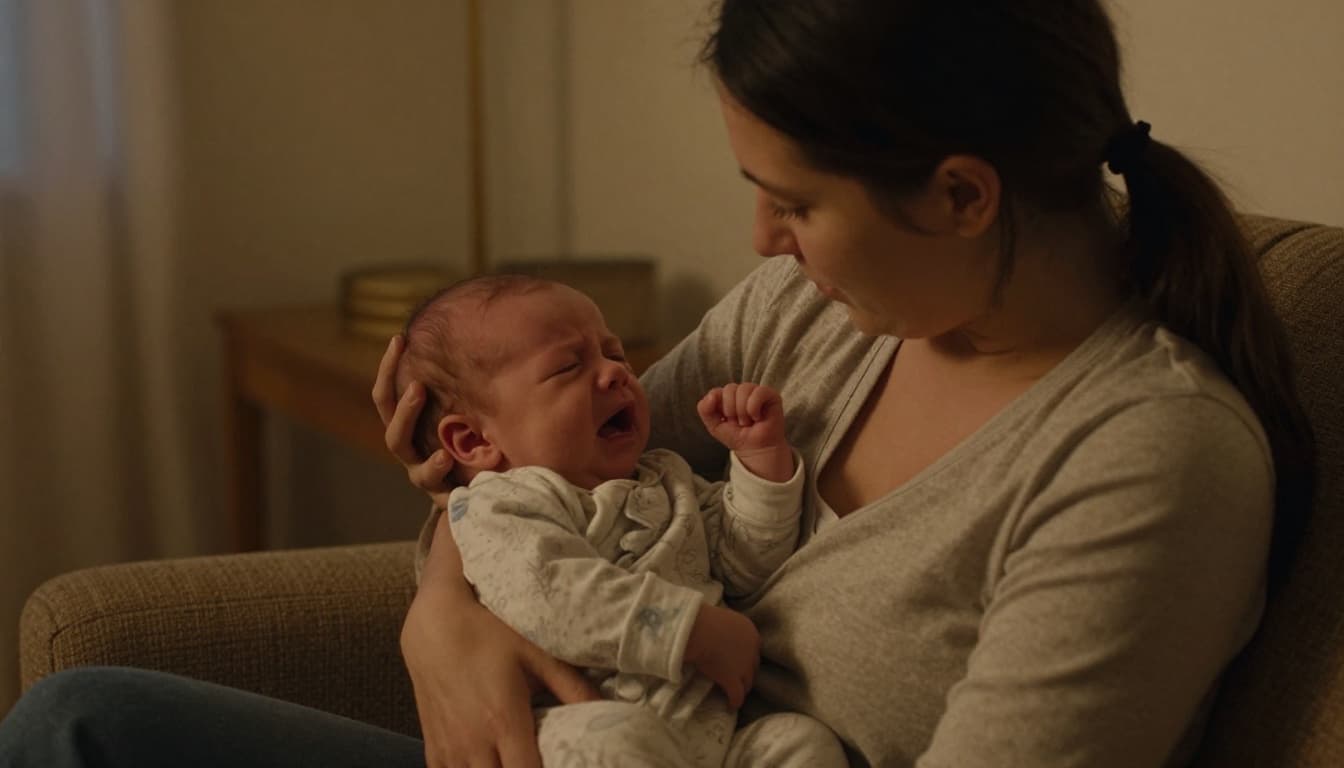
Sometimes the issue is discomfort, not a big medical problem. Trapped gas can make babies squirm, draw up their legs, or cry after feeds. Burping during and after feeding can help, and a gentle tummy massage may ease pressure.
Too much activity can also push a baby past their limit. Loud noise, bright lights, lots of handling, and constant movement can overwhelm a newborn quickly. If the crying seems to build after visitors, errands, or a busy stretch, move to a quieter room and lower the stimulation.
Temperature matters too. Babies can cry when they feel too warm or too cool. Feel the back of the neck or the chest, not the hands or feet, because those often feel cooler than the rest of the body. Warm and sweaty usually means too hot; cool skin and shivering-like fussiness can mean too cold.
A few quick checks can help:
- Burp your baby after feeds.
- Move them to a calm, dim space.
- Feel the neck or chest for temperature cues.
- Remove or add a light layer if needed.
For a simple soothing routine, these gentle baby sleep methods can also help when tiredness and overstimulation overlap.
How colic and purple crying fit into the picture
Colic is a pattern of intense crying in a healthy baby with no clear reason. Doctors often describe it as crying that lasts for long periods, happens often, and is hard to settle. It can feel endless, but it is not your fault, and it does not mean you are doing something wrong.
Purple crying is a normal crying phase that many babies go through in the first months of life. It often starts around 2 weeks, peaks around 6 to 8 weeks, and fades over time. The crying may get worse in the evening, which is one reason those hours can feel so long.
The “PURPLE” idea helps parents understand the pattern:
- Peak: crying builds, then starts to ease with age.
- Unexpected: it can happen with no clear trigger.
- Resists soothing: your usual tricks may not work right away.
- Pain-like face: babies may look uncomfortable even when they are not hurt.
- Long-lasting: crying can go on for stretches.
- Evening: the hardest crying often shows up later in the day.
That pattern can be exhausting, but it also helps explain why nothing seems to work at first. If you have ruled out hunger, tiredness, diaper issues, gas, and temperature, a colic or purple crying phase may be part of what you’re seeing. The focus then shifts to keeping your baby safe, staying calm, and using short, steady soothing steps until the crying passes.
Try soothing methods that calm the baby without adding more stress
When your baby keeps crying, the best plan is simple: try one soothing method for a few minutes, then switch if it does not help. Babies respond differently, so one trick may work today and fail tomorrow.
Keep your movements slow and your voice low. If you feel yourself getting tense, pause, set the baby down in a safe place, and take one breath before you try again.
Use the five S’s to recreate the comfort of the womb

The five S’s are a useful place to start because they work with a baby’s reflexes. Begin with swaddling, which can help younger babies feel secure if it is snug around the chest and loose at the hips. Stop swaddling as soon as your baby shows signs of rolling over, and always place them on their back for sleep in a crib or bassinet with a firm, flat surface.
Next, try a side or stomach hold while awake and supported. Keep your baby’s head and neck fully supported, and never use this position for sleep. After that, add shushing or white noise. A steady sound often helps cover the sharp noises that can keep a baby alert.
If your baby still cries, use gentle swinging or rocking. Small, smooth motion usually works better than big movement. Finish with sucking, either a pacifier or a clean finger if that fits your feeding plan. For more ideas on sleep comfort, these soothing bedtime rituals can help you build a calmer routine.
Safe sleep rules still apply after soothing. Once your baby is asleep, put them on their back in their own sleep space.
Add simple comfort moves that help with gas and tension

If gas or tight muscles seem part of the problem, keep the relief gentle. Try a soft tummy massage, then move to bicycle legs with slow, easy motions. A warm bath can also help some babies relax enough to settle.
Skin-to-skin contact is another simple reset. Hold your baby close, pat their back, hum softly, or take a calm walk around the room. The rhythm of your steps and voice can feel steadying when everything else feels overwhelming.
A few practical moves can help:
- Rub the belly in small circles.
- Move the legs slowly, one at a time.
- Hold your baby against your chest.
- Pat lightly while humming.
- Walk in one quiet room instead of pacing the whole house.
Gentle movement is fine. Shaking is never safe, even when you feel desperate.
Lower the stimulation in the room and reset the environment
Some babies cry more when the room feels busy. Dim the lights, lower the noise, and cut back on people talking or passing the baby around. A quieter space can take the pressure off fast.
If your baby seems overwhelmed, move to a dark room, use a carrier, or keep steady background sound on low. Some babies settle better with motion plus calm noise, while others calm best when everything goes still. If you want a simple pattern to follow, skin-to-skin calming contact can work well after feeding or before a nap attempt.
Try one change at a time so you can see what helps. That makes it easier to spot your baby’s pattern and easier on you, too.
Know when crying could mean something is wrong
Most baby crying is normal, but some cries need a closer look. If the crying sounds different, lasts longer than usual, or your baby seems unwell, trust that feeling and check for warning signs.
A baby who is sick often gives other clues along with crying. Fever, feeding changes, or unusual behavior can matter more than the crying itself. When those signs show up together, it’s time to pay attention.

Watch for signs that need a call to the doctor
Call the doctor if your baby has fever, vomiting, diarrhea, rash, poor feeding, breathing trouble, unusual sleepiness, a sudden change in cry, or a high-pitched weak cry. These are not the usual signs of simple fussiness, and they should be checked.
A baby under 3 months old with a fever of 100.4°F or higher needs prompt medical attention right away. Call your pediatrician immediately, and if you cannot reach the office, go to the emergency room. The AAP guidance on infant fever is clear on this point.
Also watch how your baby acts between cries. If they are hard to wake, limp, breathing fast, or not feeding well, don’t wait. The combination of symptoms matters.
If your baby’s cry sounds weak, strange, or suddenly different, treat that as a warning sign.
Understand when crying may point to an illness or pain issue
Sometimes crying is your baby’s way of saying something hurts. It could be an ear infection, reflux, constipation, a bumped area, or another source of pain that isn’t easy to see from the outside.
You don’t need to diagnose the cause at home. What matters is the pattern. Sudden crying, crying after feedings, or crying that keeps going despite soothing deserves medical advice, especially if your baby also seems uncomfortable or off.
If the cry is paired with illness signs, act sooner rather than later. For a quick reference on symptoms that need medical care, HealthyChildren’s newborn symptom guide is helpful for parents who want a trusted checklist.
You know your baby best. When the crying feels different and nothing you try helps, that is reason enough to call.
Protect your baby and yourself when the crying is wearing you down
When the crying keeps going, your own stress can rise fast. That matters, because a calm caregiver is safer for the baby and safer for you. The goal in this moment is not to do everything perfectly, it’s to keep everyone safe and get through the next few minutes.
If you feel your chest tighten, your jaw clench, or your thoughts start to spiral, pause the soothing routine. Step back long enough to reset, then return when you can think clearly again. That small break can make all the difference.

Set the baby down safely and take a short break if you feel overwhelmed
If you feel yourself getting close to your limit, place your baby in a safe crib or bassinet and step away for a few minutes. A firm, flat sleep space with no loose blankets, pillows, or toys is the right place for that short reset. Your baby may keep crying for a bit, and that is okay.
Use those few minutes to breathe slowly, drink water, or wash your face. You can also stand in another room and count to ten. Those small actions help your body come down from the stress response so you can come back calmer.
Never shake a baby, even for a second. Shaking can cause serious brain injury and is never a safe response to crying.
If you want a trusted safety reminder, HealthyChildren’s guidance on shaken baby syndrome explains why a short break is safer than trying to push through anger or panic. The key is simple, put the baby down, step away, then return when your hands feel steady again.
Ask for backup before you hit your limit
You do not have to handle nonstop crying alone. If the crying feels endless, reach out to a partner, relative, friend, pediatrician, or nurse line before you feel completely worn down. Getting help early is a strength, not a failure.
Support can be practical, too. Someone else can take a turn with holding, burping, or feeding. They can also sit beside you, keep you on the phone, or bring water and a snack while you calm down.
If you are alone and feel stretched thin, say it plainly: “I need help right now.” That one sentence can open the door to relief. For more ideas on keeping your response steady during hard moments, these tips for staying calm during baby cries can help you keep your footing.
A quick backup plan can make the next hard stretch easier:
- Call one trusted person first.
- Ask for a set amount of help, like 20 minutes.
- Share one clear task, such as feeding or holding the baby.
- Contact your pediatrician or nurse line if the crying still seems unusual.
If you feel like you might hurt yourself or your baby, get immediate help right away. The UMass Memorial guide on preventing shaken baby syndrome gives a plain, practical reminder, if you are too upset to stay calm, put the baby down safely and ask someone to take over.
The biggest step in those hard moments is not finding the perfect soothing trick. It is protecting your baby, protecting yourself, and getting another adult involved before exhaustion turns into a crisis.
Conclusion
When your baby won’t stop crying, the first step is to stay calm and check the basics. Hunger, tiredness, a wet diaper, gas, and too much stimulation cause many of these rough stretches, and simple soothing often works better than trying everything at once.
If the crying keeps going, use safe comfort steps, like swaddling, rocking, skin-to-skin contact, and a quieter space. You can also try baby massage to ease colic if your baby seems tense or gassy, as long as it feels gentle and soothing.
Most intense crying phases are temporary, and many babies grow out of them within the first few months. Trust your instincts, watch for warning signs, and ask for help when you need it, because you do not have to handle every hard night alone.
Save the pin for later


- 12 Things Pregnant Women Do When They’re Alone - June 7, 2026
- 25 Healthy Pregnancy Snacks You Should Try - June 7, 2026
- 100 Funny Baby Jokes That Will Make You Laugh - May 15, 2026