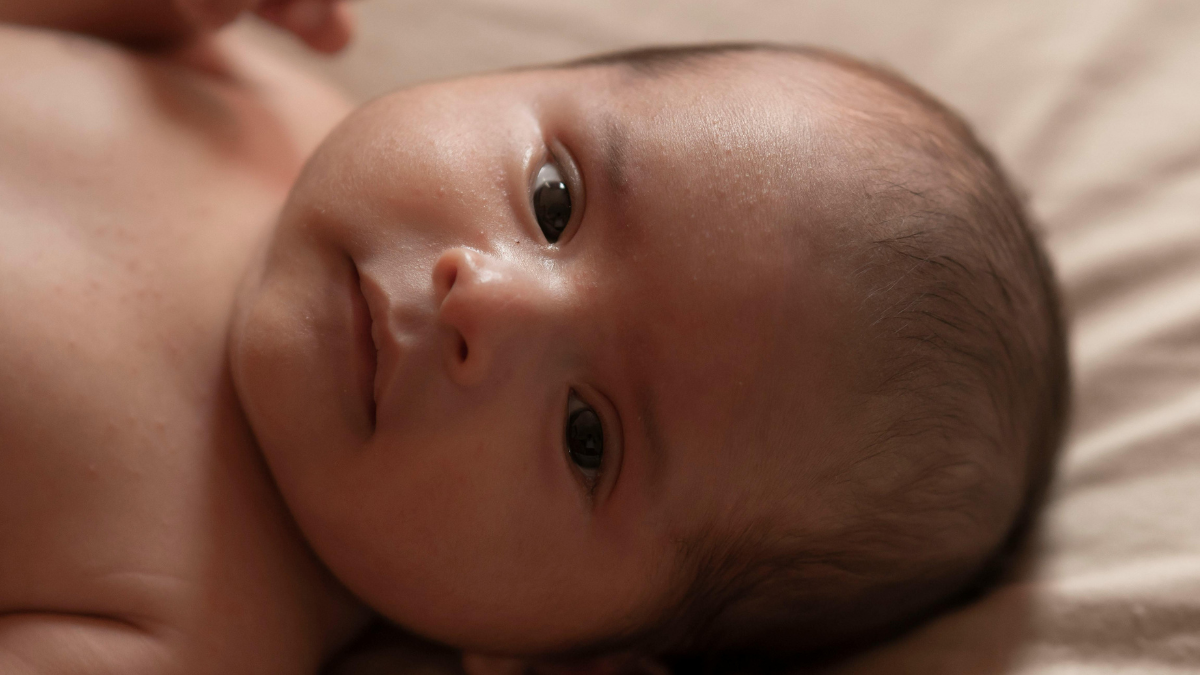
A baby’s steady stare can feel intense, sweet, and a little mysterious, but it’s usually a normal part of growth. Most of the time, baby staring means your little one is learning your face, tracking movement, and building a bond with you.
Newborns and young babies spend a lot of time studying the people and things around them because their world is still new. That kind of focused looking often shows curiosity, comfort, and healthy brain development, and it can be part of those early newborn behaviors in looking around that parents notice in the first months.
Still, it’s natural to wonder when a stare is harmless and when it deserves closer attention. If your baby stares at you often, the key is to look at the whole picture, like eye contact, response to your voice, and whether they track movement.
In the sections ahead, you’ll get a clear sense of what your baby’s stare may mean, what’s normal by age, and which signs are worth bringing up with your pediatrician.
What a baby is really doing when they stare
A long stare can feel intense, but most of the time it means your baby is working hard. Babies are not being rude or creepy, they are trying to make sense of people, sounds, and patterns.
Their brains grow fast in the first months, and eye contact is one of the earliest tools they use to learn. Staring helps them sort out what feels familiar, what moves, and what deserves attention. That is why your face, your voice, and even your glasses can hold their focus for so long.
Learning your face and voice
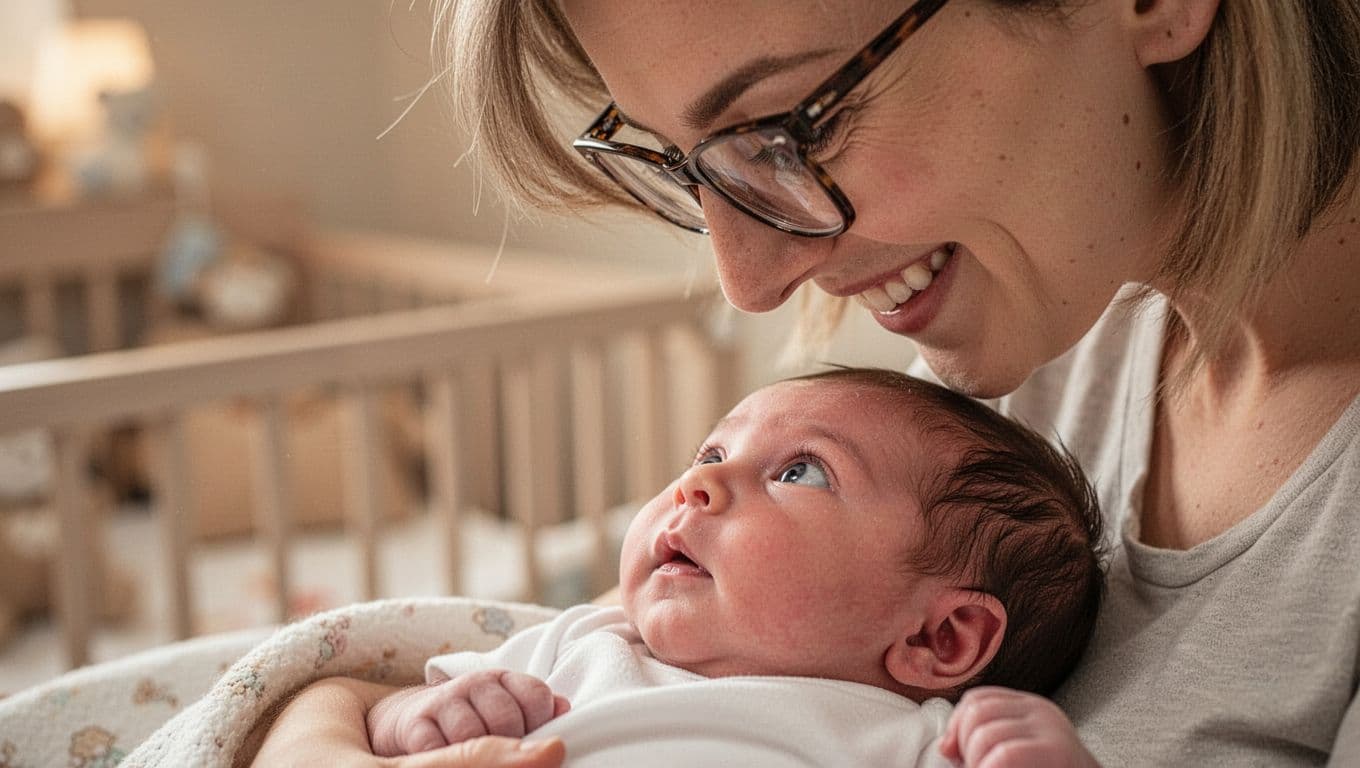
Babies are drawn to familiar faces because those faces mean safety, comfort, and food. Your baby may stare at you because they are learning the shape of your features, the way your mouth moves, and how your voice sounds when you speak.
That kind of staring is part of early bonding. When a baby looks at a parent or caregiver, they are building recognition one moment at a time. Research also shows that babies prefer direct eye contact from birth, which helps lay the groundwork for social connection later on as shown in early gaze research.
In daily life, this often shows up as:
- steady eye contact during feeding
- quiet staring while you talk
- bright attention when they hear a familiar voice
If your baby locks eyes with you often, that is usually a good sign. It means your face is one of the most important things in their world.
Practicing focus and visual tracking
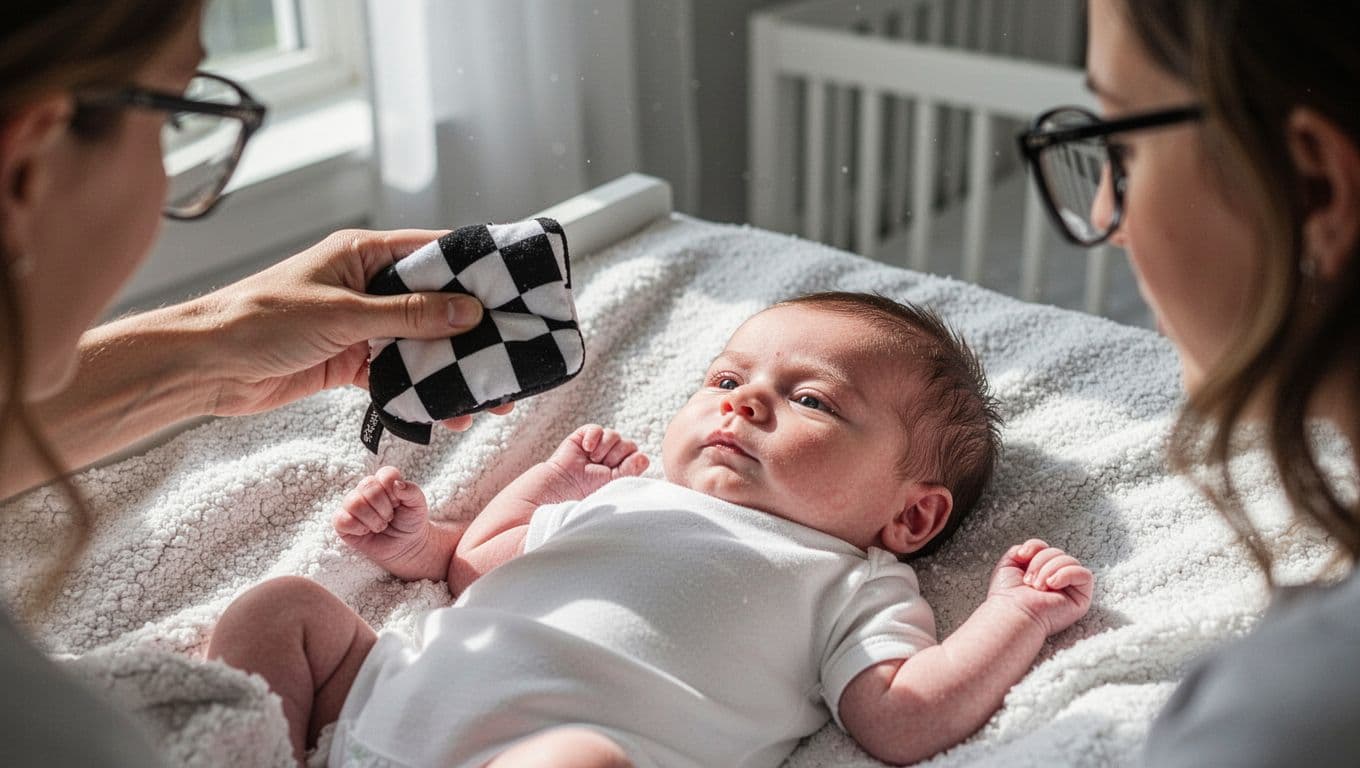
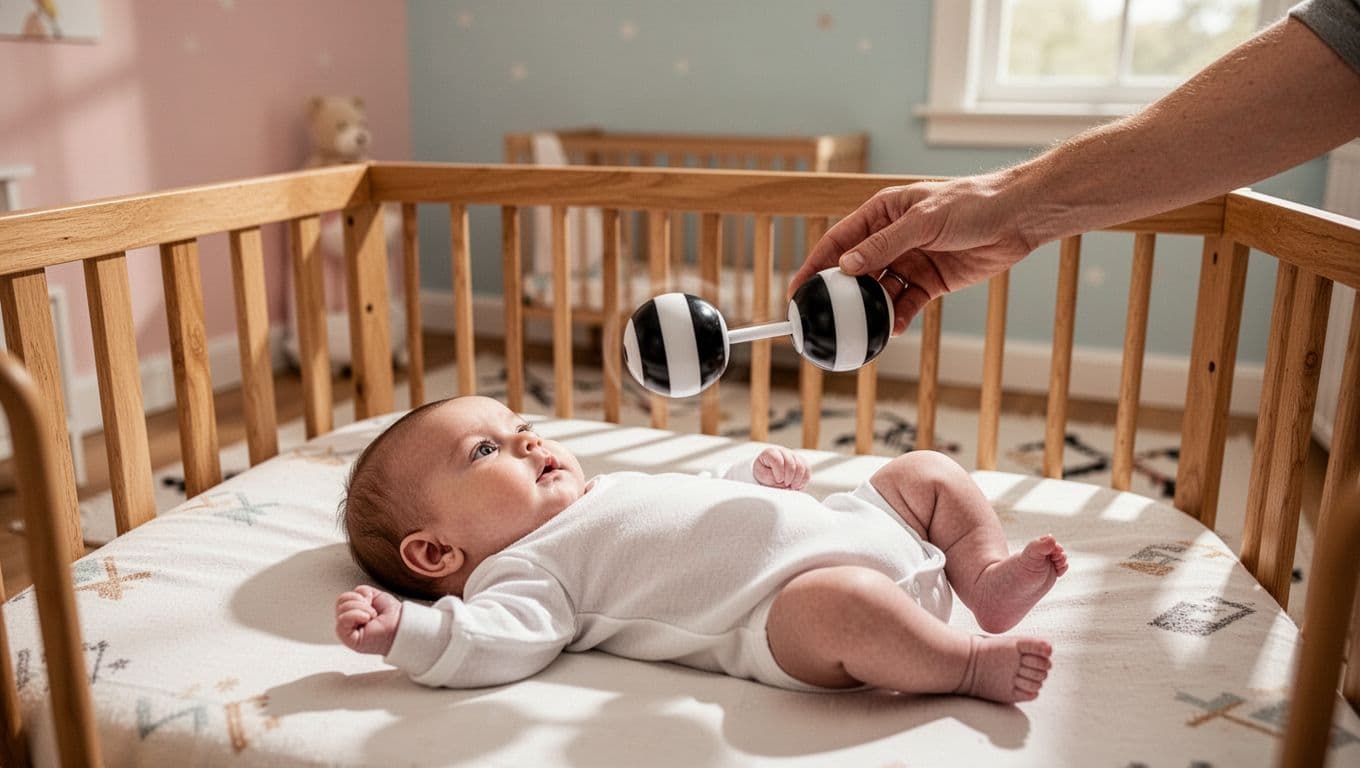
Staring also helps babies practice looking closely. They are learning how to follow movement, hold focus, and spot details that stand out. High-contrast objects, glasses, hair, and strong facial features can grab their attention fast because they are easier for young eyes to process.
This is why babies may stare at your eyebrows, your mouth, or the frame of your glasses. In simple terms, their eyes are training. They study what changes, what stays still, and what moves across their view.
You can even see this in play. A baby may fixate on a toy, then track it as it shifts side to side. That kind of focus helps build visual skills and supports later learning, too, like the kind used in visual tracking play for babies.
Common reasons babies stare at people and objects
Most baby staring has an ordinary explanation. Your baby may be learning, communicating, or simply taking in something that stands out.
A stare can look intense, but it often means your baby is paying attention. The key is to watch the context, because where they stare and what else they do can tell you a lot.
They are curious about something new
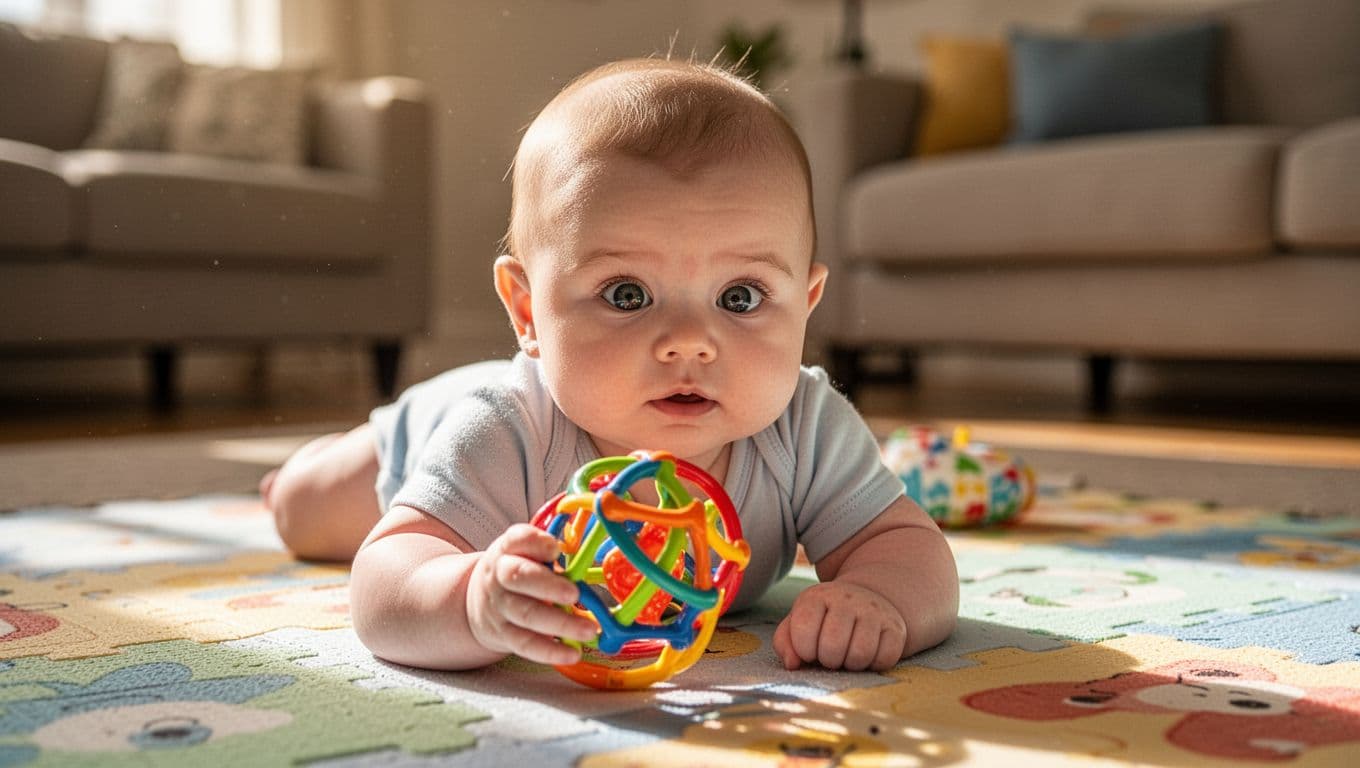
Babies are constant observers. A new face, a bright shirt, a loud pattern, or a different room can hold their attention because it all feels fresh. Their brains are sorting out what they see, one detail at a time.
That is why a baby may stare at your glasses, your hair, or the blinking light on a toy. Even small changes can feel huge to them. If your baby watches something closely and stays calm, curiosity is often the reason.
This is part of normal early learning. According to the American Academy of Ophthalmology, babies are drawn to bright colors, strong shapes, and nearby objects as their vision develops.
They may be drawn to movement and contrast
Babies notice motion fast. A fan turning, curtains moving, a pet walking by, or a hand waving can all pull their eyes in the same way a magnet pulls metal. High-contrast objects also stand out, so black-and-white patterns and bright toys often get long looks.
You may see this when your baby tracks a moving object across the room. That focused stare usually means their visual system is working hard. For more on how babies respond to faces, touch, and play, see these sensory-focused baby activities.
A baby who stares at movement is often practicing how to follow the world around them.
They may be trying to tell you something
Staring can be an early form of communication. Babies cannot use words yet, so they use their eyes, body, and sounds to get your attention. A long stare may mean, “I need something.”
Look for clues that come with the stare. Your baby may be:
- rooting or sucking, which can mean hunger
- rubbing eyes or yawning, which can mean sleep
- fussing or arching their back, which can mean discomfort
- reaching toward you, which can mean they want comfort or closeness
If the stare happens during feeding time or right before a nap, the message is often simple. Babies stare at the person who can help them most, because you are their safe place.
They are tired, overstimulated, or zoning out
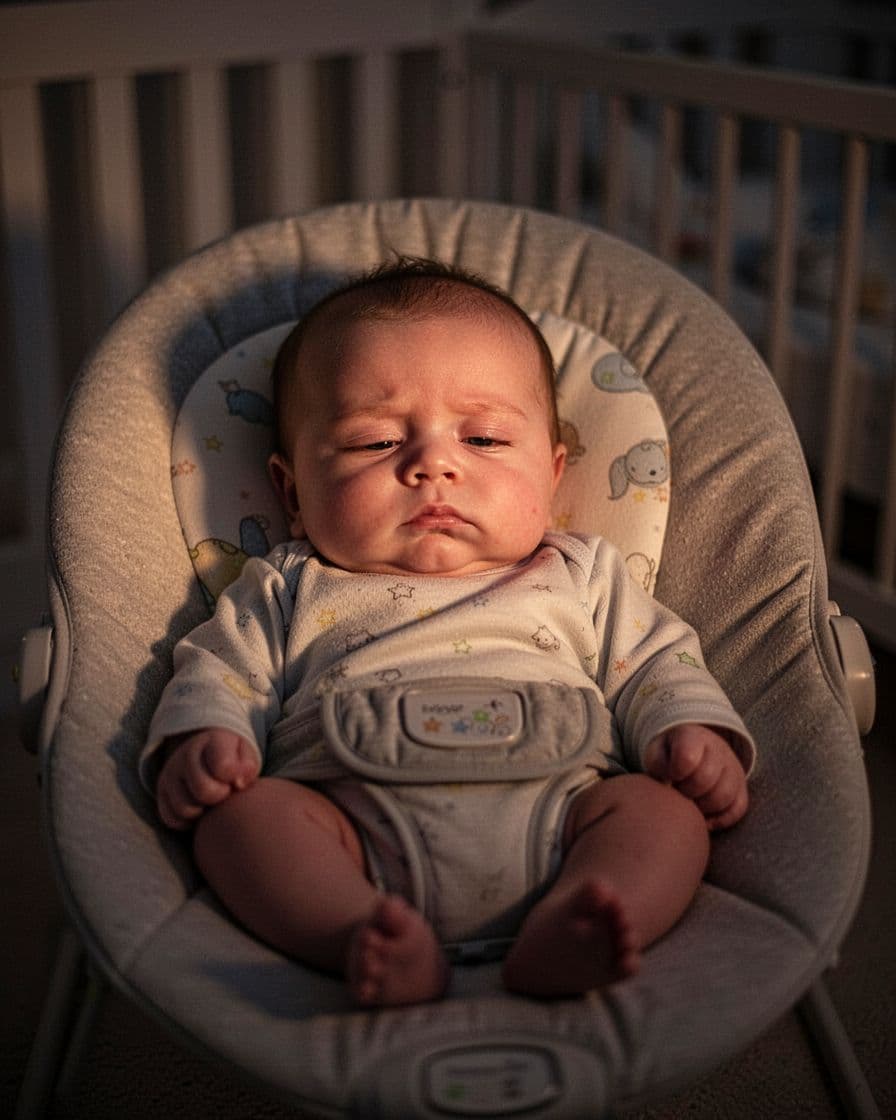
Not every stare is alert or active. Sometimes a baby looks blank or far away because they are sleepy or overloaded by too much noise, light, or activity. In that moment, their eyes may fix on nothing in particular.
A focused stare usually looks bright and engaged. A tired or overstimulated stare often looks softer, less connected, or glazed over. You may also notice fussing, turning away, yawning, clenched hands, or sudden crying soon after.
That faraway look is a cue to slow things down. Lower the noise, dim the lights, or offer a nap. If your baby has been around a lot of people or stimulation, a calmer setting often helps them settle.
A quick way to read the stare
When you want to understand why your baby is staring, look at the whole moment, not just their eyes. Ask yourself:
- Are they calm and alert?
- Are they looking at a face, object, or movement?
- Do they also seem hungry, sleepy, or fussy?
- Do they respond when you speak or move?
A baby stare is usually just a small clue, not a mystery. Once you start pairing it with their sounds, body language, and timing, the meaning often becomes much clearer.
How Baby Staring Changes by Age
Baby staring does not mean the same thing at every stage. In the first weeks, it usually looks like a close, steady gaze at your face. A few months later, it turns into tracking, smiling, and more active eye contact. By the time your baby is older, staring often becomes social, playful, and part of back-and-forth interaction.
Newborns and the first weeks
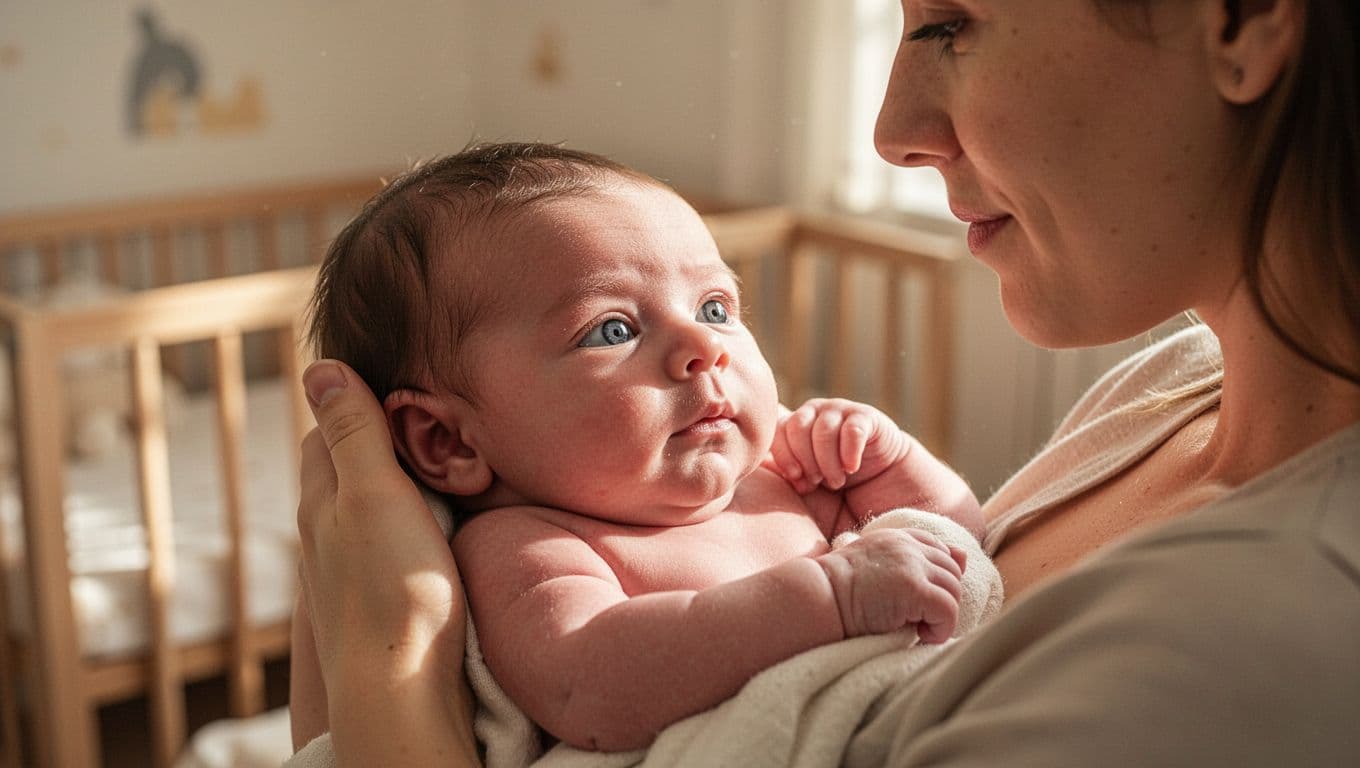
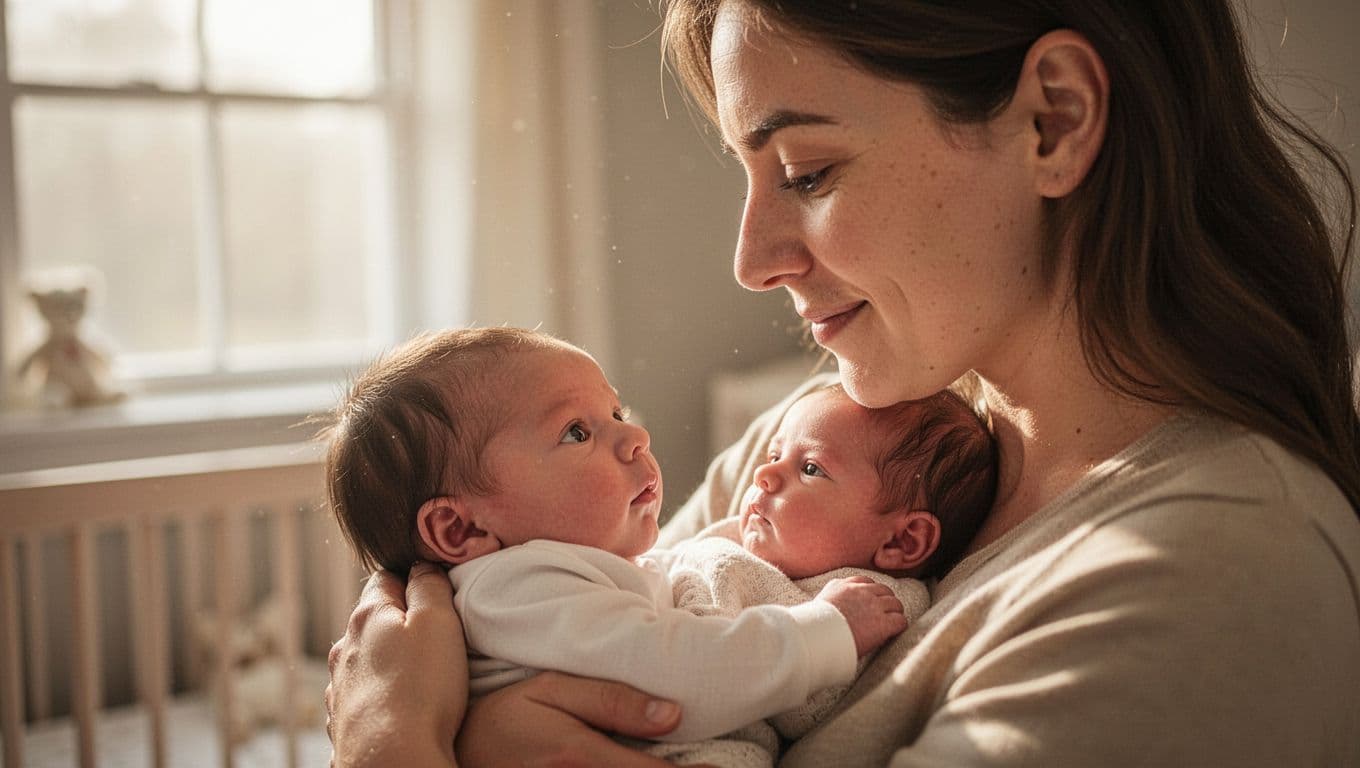
Newborns see best up close, usually within about 8 to 12 inches. That is why your face during feeding or cuddling pulls their attention so well. They are drawn to eyes, mouths, and strong contrast because those features are easiest for them to take in.
At this stage, staring is often part of quiet bonding. Your baby may hold a long gaze during a bottle, nursing session, or calm cuddle, then drift off soon after. That steady look is often one of the earliest signs that your baby is learning who you are.
Around 2 to 4 months
By 2 to 4 months, staring usually looks more alert and more connected. Babies track movement better, make more eye contact, and react more clearly when they recognize a familiar face or voice.
You may notice your baby following your movement across the room or lighting up when you lean in. According to HealthyChildren.org, babies at this age should focus on faces and follow moving objects more smoothly.
Older babies and stronger social awareness
Once babies get older, staring becomes more deliberate. They may watch your reactions, wait for your smile, or stare at you as part of a playful exchange. At this point, the stare is often less about taking in a face and more about learning cause and effect.
A baby may stare, pause, and then grin when you copy their sound or expression. That back-and-forth is part of early social growth, and simple games like peekaboo or face play fit this stage well. If you want more ideas, these interactive face play activities work nicely for babies who love looking at people.
As your baby grows, the meaning behind staring usually becomes easier to read. A calm, engaged stare is often a sign of curiosity, connection, and healthy development.
When staring is normal and when it deserves attention
A baby’s stare can look intense, but most of the time it’s part of normal growth. Babies stare at faces, lights, fans, ceiling patterns, and moving hands because their brains are trying to sort out the world.
The best clue is what happens around the stare. A baby who looks, reacts, smiles, and tracks movement is usually doing exactly what you’d expect at that age. The American Academy of Ophthalmology notes that early vision builds through face watching and movement tracking, so these moments often mean your baby is learning.
Signs that usually point to normal development
Some staring patterns are reassuring. Your baby is likely fine if they:
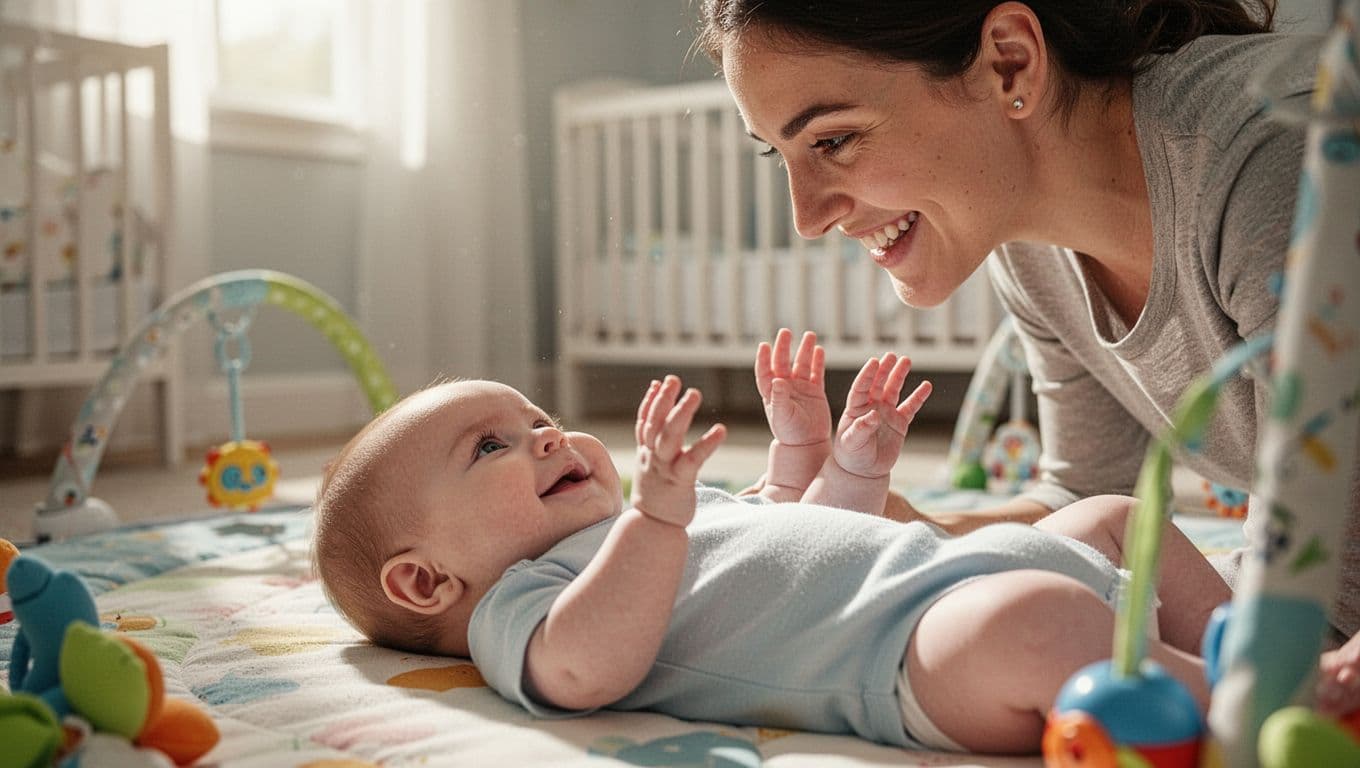
- smile back when you smile at them
- follow a toy or your hand with their eyes
- watch your face during feeding or cuddling
- react to your voice, even if they keep staring
- seem interested in bright lights, fans, windows, or bold patterns
These behaviors fit with normal visual and social development. By about 4 months, many babies should watch faces closely and follow moving objects more smoothly, according to HealthyChildren.org.
A calm stare plus eye contact, smiles, or tracking is usually a healthy sign.
Signs that should be checked by a doctor
Some staring patterns deserve a closer look. Call your pediatrician if your baby has:
- little or no eye contact by the expected age
- no tracking of movement, like toys or faces
- staring with no response to sound or your voice
- eyes that turn in or out most of the time
- delays in smiling, babbling, reaching, or other social or motor skills
Poor eye contact and no tracking can point to vision concerns or broader developmental delays. The CDC milestone guidance also notes that babies should show clearer face watching and movement tracking as they grow.
What to do if something feels off
If your baby’s stare seems different, call the pediatrician and share what you see. Write down the age, how often it happens, what your baby is looking at, and whether they respond to noise, touch, or movement.
It also helps to mention other behaviors, like not smiling, not reaching, or seeming very stiff or floppy. Early checks are best, because support works better when concerns are caught soon.
How to respond when a baby stares at you
When a baby stares at you, the best response is simple: meet the moment. Smile back, speak softly, and give them time to look at you without rushing away. Those tiny back-and-forth exchanges help babies feel safe, and they also teach them that faces, voices, and feelings are linked.
A calm response can be as short as a grin, a soft “hi,” or a gentle hum. Babies often respond best when your face matches their mood, so keep your expression warm and relaxed. If your baby seems alert, try a little baby talk, a song, or a playful eyebrow raise. These small reactions help build trust and support early language and social skills, which is why simple face-to-face time matters so much. The BBC explains why eye contact helps babies learn, and that kind of close interaction starts very early.
Use eye contact, words, and calm facial expressions
Think of your baby’s stare as an invitation. Look back at them, talk in a soft voice, and let your face do some of the work. A baby may not understand your words yet, but they pick up your tone, rhythm, and expression fast.
Try short, easy phrases like:
- “Hi, sweetie.”
- “I see you.”
- “You found my face.”
- “Who is that?”
You can also make gentle sounds, like a soft coo or a drawn-out “ooh.” If your baby smiles, pause and let them look back. That pause matters, because it gives them space to answer in their own way.
Watch for patterns and trust your instincts
Pay attention to when the staring happens. A baby may stare more during feeds, before naps, during playtime, or when they are tired and quiet. Those patterns help you tell the difference between normal focus and a stare that feels off.
If the staring is paired with good eye contact, tracking, and response to your voice, it usually fits normal development. If it happens often with no reaction to sound or movement, keep a note of it and mention it to your pediatrician. For more ways to encourage close, calm interaction, see these newborn bonding through touch ideas.
Above all, treat staring as a chance to connect. Your smile, voice, and patience help your baby learn that looking at people can feel safe, familiar, and fun.
Conclusion
A baby stare can feel intense, but it is usually a normal part of how babies learn. They stare to study your face, track movement, and build trust through familiar contact.
As your baby grows, that stare changes. Newborns often look closely at faces, while older babies use eye contact more on purpose, often during play, feeding, or quiet moments with you. A calm, alert stare with smiles, tracking, and response to your voice is usually a healthy sign.
If the stare comes with little eye contact, no response to sound, or other delays, check in with your pediatrician. Most of the time, though, baby staring is just one more sign that your little one is bonding, learning, and growing as expected.
Save the pin for later


- 12 Things Pregnant Women Do When They’re Alone - June 7, 2026
- 25 Healthy Pregnancy Snacks You Should Try - June 7, 2026
- 100 Funny Baby Jokes That Will Make You Laugh - May 15, 2026