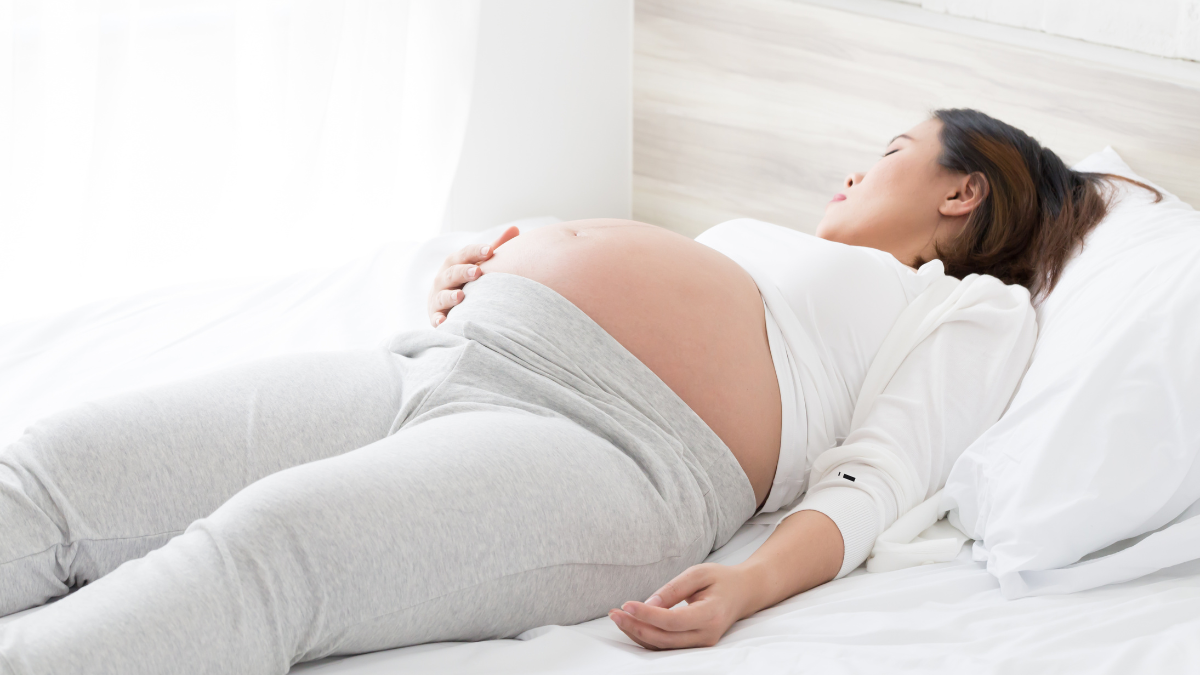

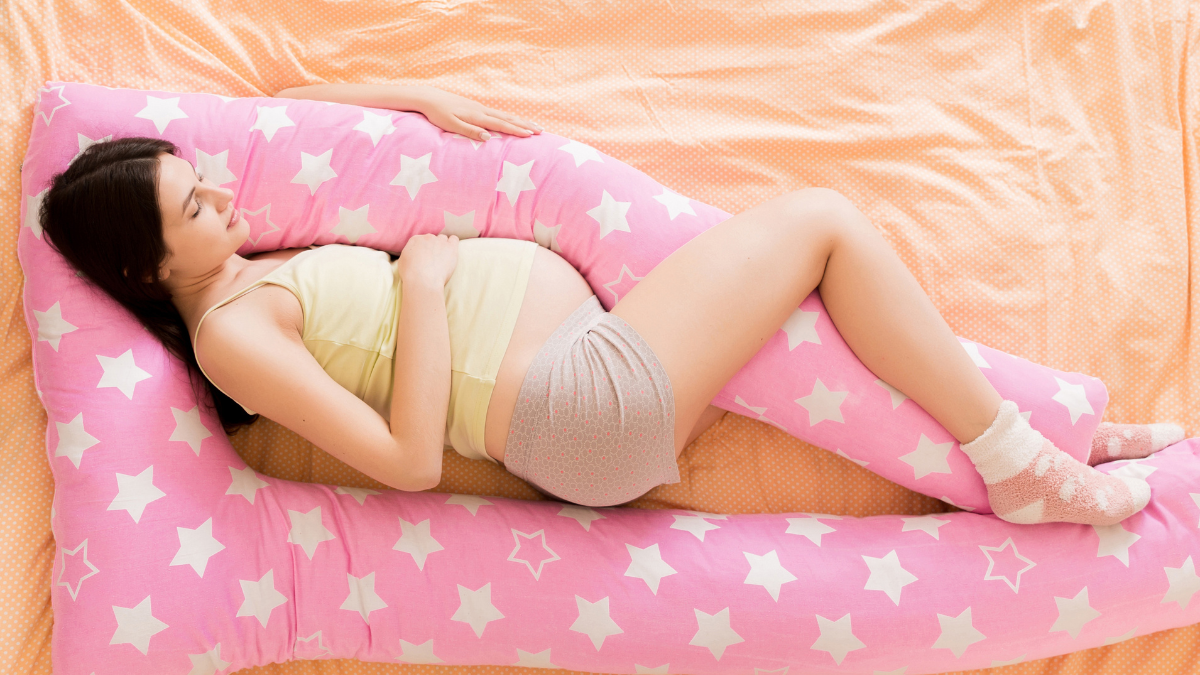
Sleep can get uncomfortable fast when you’re pregnant, and you’re not alone if nights start feeling longer than they should. As your body changes, pressure on your back, hips, and bladder can make it harder to settle in and stay asleep.
The good news is that a few simple shifts can help a lot. The right sleep position, a supportive pillow setup, and a calmer bedtime routine can ease pressure and help you rest more comfortably, especially as your pregnancy progresses. For a closer look at body support, a supportive maternity pillow can make side sleeping much easier, and safe sleeping positions in the second trimester matter even more as your belly grows.
If nights have started to feel awkward or restless, the next section will show you where to start.
https://www.youtube.com/watch?v=538yUiAg4no
Why pregnancy can make sleep feel so hard
Sleep often gets harder during pregnancy for simple reasons: your body is changing, your hormones are shifting, and your mind is running through a lot at once. Even if you feel exhausted, falling asleep and staying asleep can still be a struggle.

A restless night does not mean anything is wrong with you. It usually means your body is doing extra work, and that work shows up most at bedtime.
Hormones can throw off your sleep rhythm
Early in pregnancy, hormone shifts can make you feel sleepy one minute and wired the next. Progesterone can make you drowsy during the day, while estrogen can affect your sleep cycle and make rest feel lighter.
That mix can leave you waking up more often, even when you thought you were tired enough to sleep straight through. It can also make your sleep feel less deep, so small noises, body shifts, or a full bladder wake you faster.
Your body keeps interrupting the night
As pregnancy moves on, physical discomfort becomes a bigger sleep problem. You may get up more for the bathroom, deal with heartburn after lying down, or feel back pain and hip soreness when you stay in one position too long.
Common sleep disruptors include:
- Frequent bathroom trips because your growing uterus puts pressure on your bladder
- Heartburn or reflux that gets worse when you lie flat
- Body aches and hip pain from extra strain on joints and muscles
- Leg cramps or restless legs that hit after you settle in
- Shortness of breath as your uterus presses upward
The MedlinePlus guide to sleep problems during pregnancy breaks down these changes in plain language. Once these symptoms start, sleep can feel like trying to rest while the bed keeps shifting under you.
Stress and racing thoughts make it harder to settle down
Pregnancy can also keep your mind active at night. Worries about labor, the baby, money, work, or even sleep itself can make it hard to relax.
That mental loop is common, especially when you already feel uncomfortable. As a result, you may lie awake longer, wake up after every small movement, or feel alert right when you want to drift off.
Sleep trouble in pregnancy is common, but it usually has a clear cause. That means there are also practical ways to make nights easier.
Why this matters for the rest of the article
Once you know what is disturbing your sleep, the fixes make more sense. A better position, the right pillow support, and a few bedtime habits can take pressure off your body and calm your mind.
That is the good news. You do not need a perfect night to feel better, just a setup that helps your body settle more easily.
The safest and most comfortable sleep positions by trimester
Your best sleep position changes as pregnancy moves forward. Early on, comfort matters most, but side sleeping becomes the safer default as your belly grows and your body needs more support.
The main goal is simple: reduce pressure, improve circulation, and help your back and hips feel less strained. If you wake up in a position you did not plan, stay calm, roll to your side, and go back to sleep.
First trimester: focus on comfort and building good habits
In the first trimester, most sleep positions are still fine because your belly is small. If back sleeping or stomach sleeping feels normal to you, you usually don’t need to stress about it yet.
This is a good time to start building a side-sleeping habit before discomfort gets stronger. You do not need perfect form right away, but a gentle shift toward your side can make the later months easier.
A few small changes help:
- Try your side first when you settle in for the night.
- Use a pillow between your knees if your hips feel tight.
- Keep comfort in focus, because early pregnancy sleep is already hard enough.
If you want a quick primer on body support, a supportive maternity pillow can help you get used to the position before it feels necessary. The Sleep Foundation’s pregnancy sleep guide also notes that early pregnancy is usually the most flexible stage for sleep posture.
Second trimester: start making side sleeping your default
By the second trimester, side sleeping starts to matter more. Your uterus is larger, your center of gravity changes, and lying on your back can feel less comfortable. It can also add pressure to major blood vessels and make your back work harder.
This is the time to let side sleeping become your go-to position. Many people find the left side feels best because it supports blood flow and takes pressure off the back, but either side is still a good choice if it helps you rest.
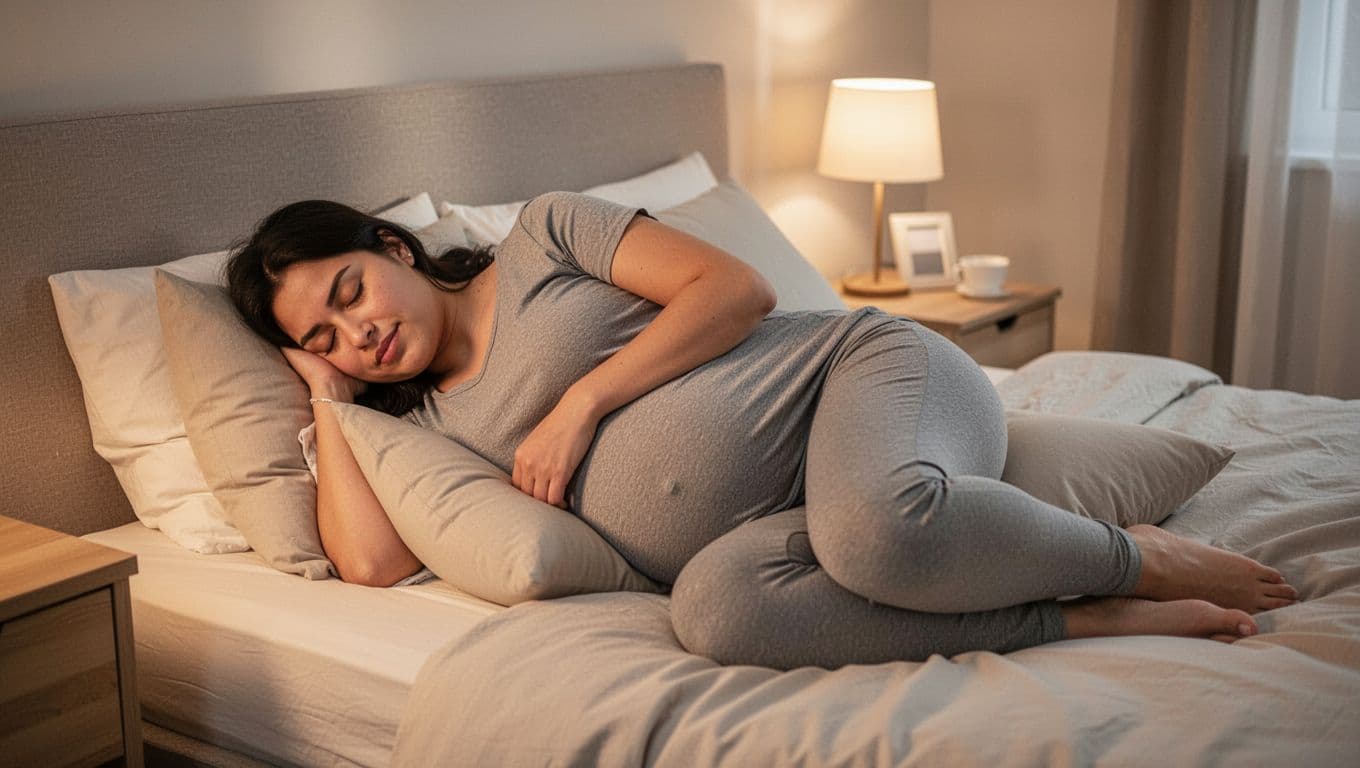
A few adjustments can make the switch easier:
- Bend your knees slightly to reduce strain on your lower back.
- Put a pillow between your knees to help keep your hips aligned.
- Add support under your belly if your abdomen feels heavy.
- Use a pillow behind your back if you tend to roll flat.
That setup can feel like giving your body a small frame to rest in, instead of forcing it to hold its own weight. If you want more detail on position changes as the baby grows, safe sleeping positions during the second trimester are a good place to start.
Third trimester: use side sleeping and support to stay comfortable
In the third trimester, side sleeping is usually the best choice. The left side is often preferred, but the right side is still safe if it feels better on a given night. The biggest goal is to stay comfortable while supporting circulation.
Stomach sleeping usually stops working well by this stage, simply because there’s no room left for it. Back sleeping can also cause dizziness, pressure, shortness of breath, or more back pain, so most people feel better avoiding it.
The good news is that you do not need to stay frozen in one position all night. If you wake up on your back, just roll to your side and keep sleeping. There’s no need to panic.
To stay supported later in pregnancy, try:
- A pillow between the knees to ease hip tension
- A pillow under the belly to reduce the pull on your lower back
- A pillow behind the back if you need help staying on your side
- A full-body pillow if you want one setup that stays in place

That kind of support can make side sleeping feel much less like a chore and more like a position your body can settle into. If discomfort keeps waking you up, the next step is usually better pillow placement, not a stricter sleep rule.
How pillows can make side sleeping much easier
Side sleeping gets a lot easier when your pillow setup does some of the work for you. The right arrangement can keep your hips level, support your belly, and take pressure off your lower back, so you’re not fighting your body all night.
A good setup also helps you stay on your side instead of rolling flat onto your back. That matters more as your belly grows, and it can make the difference between tossing and turning and actually settling in.
Use a pillow between your knees to protect your hips and back
A pillow between your knees is one of the simplest ways to improve side sleeping. It keeps your top leg from dropping forward, which helps your hips stay stacked instead of twisted. That small shift can ease pull on your lower back and make your pelvis feel more level.
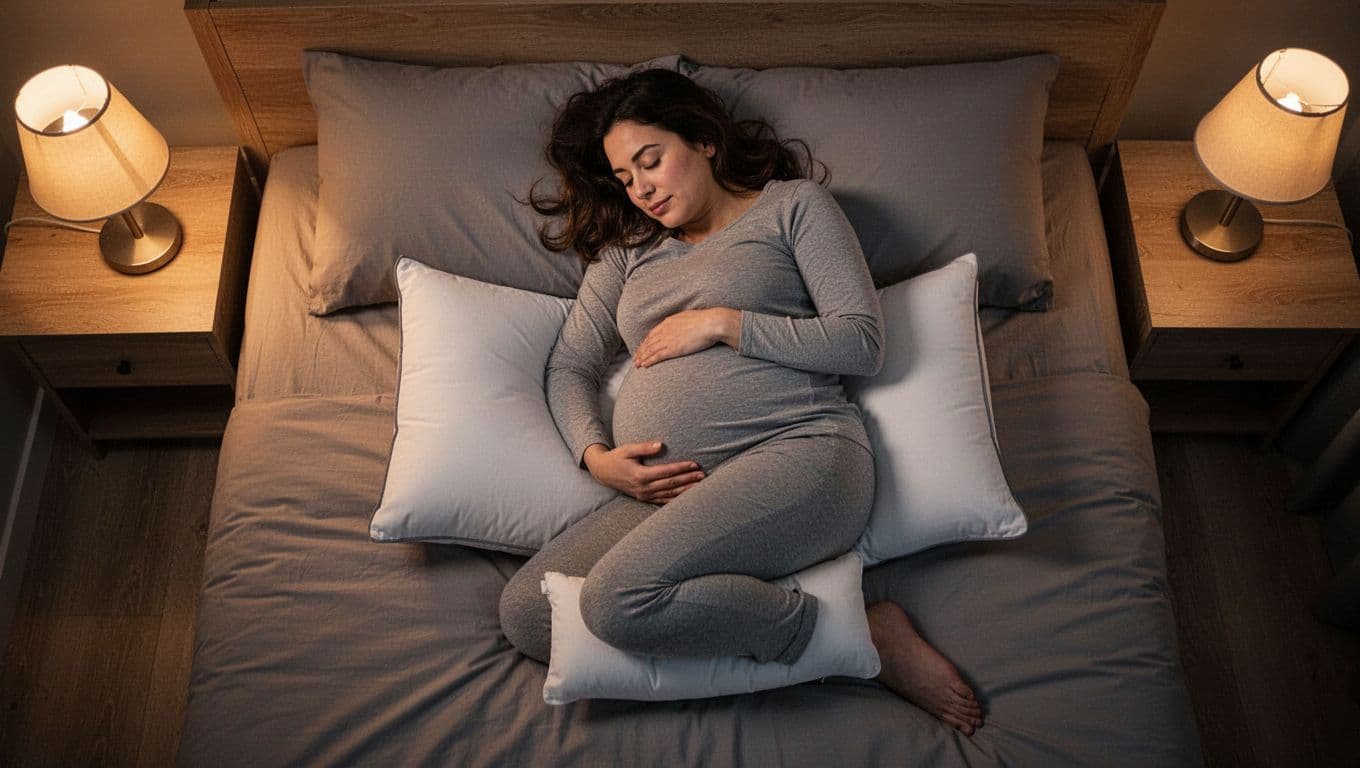
This is also one of the easiest and cheapest comfort fixes. A regular bed pillow works well if you don’t have a pregnancy pillow yet. If the pillow feels too thick, fold a thinner one or use a smaller cushion until your legs feel supported without strain.
If your knees and hips feel more even, your back usually works less hard through the night.
Support your belly and lower back at the same time
As your belly gets heavier, a small pillow or wedge under it can make side sleeping feel much lighter. It reduces the downward pull that often tugs on the lower back, especially if you stay in one position for a long stretch.
A pillow behind your back can help just as much. It gives you a soft stop so you feel more stable, and it can keep you from rolling all the way onto your back while you sleep. Picture your body resting in a gentle nest, with support in front and behind.
For many pregnant sleepers, that two-sided support is the sweet spot. The Sleep Foundation’s pregnancy sleep guide also notes that pillow support can make side sleeping much more comfortable.
Choose the pillow shape that fits your body best
There’s no single pillow shape that works for everyone. What matters is how well it supports your spine, hips, and belly without taking over the whole bed.
Here’s a simple way to compare the common options:
| Pillow type | How it helps |
|---|---|
| Body pillow | Supports the legs, belly, and upper body in one long shape |
| U-shaped pregnancy pillow | Wraps around the front and back, so you can stay supported on either side |
| C-shaped pillow | Cradles the body and gives support to the head, belly, and knees |
| Wedge pillow | Props up just the belly or back without using much space |
A body pillow works well if you want one long pillow to hug and rest against. A U-shaped pillow is helpful if you change sides often, since it supports both the front and back at once. A C-shaped pillow feels a little more compact, while a wedge is best if you only need support in one spot.
The best pillow is the one that keeps your body aligned without making the bed feel crowded. If you want a full-body option that stays in place, a supportive maternity pillow can make side sleeping feel much more natural.
Simple bedtime habits that help you fall asleep faster
A better night often starts long before your head hits the pillow. Small, repeatable habits can tell your body it is time to slow down, which matters even more during pregnancy when sleep can feel lighter and more fragile.
The goal here is not a perfect routine. It is a calm one you can actually keep, even on tired nights.
Create a short wind-down routine before bed
A short bedtime routine gives your brain a clear signal that the day is ending. Dim the lights, put your phone away, and give yourself a few minutes of quiet before you get into bed.
A warm shower or bath can help your muscles relax. Gentle stretches, prenatal yoga, or a few slow breaths can also ease tension in your back, hips, and shoulders. Even 20 to 30 minutes of quiet time can make sleep come easier.

A simple nightly routine might look like this:
- Turn off bright screens and dim the lights.
- Take a warm shower or bath.
- Stretch gently for a few minutes.
- Read a few pages or listen to calm music.
Consistency helps because your body starts to expect rest at the same time each night. Over time, that routine can feel like a soft landing instead of a sudden stop.
A calm routine does not have to be long. It just has to be familiar.
Make your bedroom cooler, darker, and quieter
Pregnancy can make you feel warmer and more sensitive to noise, so room setup matters more than usual. A cooler, darker bedroom often feels easier to sleep in, especially if you wake up hot or restless.
Blackout curtains block early light and help keep the room steady. A fan can move air and make the room feel cooler without blasting cold air at you. If outside sounds wake you, a white noise machine can smooth them out. A comfortable sleep mask can help, too, especially if your room never gets fully dark.

Small changes can make a real difference:
- Blackout curtains help keep the room dark.
- A fan can make the air feel cooler and calmer.
- White noise can cover up traffic, pets, or household sounds.
- A sleep mask helps if light leaks around the curtains.
If you want to go a step further, keep the bed for sleep and rest only. That helps your brain connect the bed with bedtime instead of alert time. The Cleveland Clinic’s pregnancy sleep tips also point to regular sleep timing, screen limits, and a relaxing routine as useful habits.
Use food, water, and movement to reduce nighttime wakeups
What you do earlier in the day can affect how often you wake up at night. Light activity, steady meals, and sensible hydration all help your body settle down more easily.
A walk, gentle stretching, or prenatal yoga during the day can help your body feel tired in a good way at night. Just as important, avoid very heavy meals close to bedtime, since a full stomach can make heartburn worse when you lie down.
Hydration matters, but timing matters too. Drink enough water during the day, then ease up in the evening if bathroom trips keep interrupting your sleep. If hunger is the problem, a small bedtime snack can help. A few crackers, toast, or yogurt may take the edge off without feeling heavy.
Keep these habits in mind:
- Stay lightly active earlier in the day.
- Eat dinner at a comfortable time.
- Choose a small snack if hunger wakes you up.
- Avoid a big meal right before bed if heartburn is an issue.
The Kaiser Permanente sleep guide for pregnancy also suggests a light snack, a warm shower, and regular exercise as simple ways to support better sleep. Those basics are easy to miss, but they often matter more than fancy sleep fixes.
A steady bedtime rhythm works best when the rest of your day supports it. Small choices, repeated often, can make nights feel less choppy and more predictable.
What to do when common pregnancy sleep problems show up
Once sleep starts getting interrupted, the best fix is usually to match the solution to the symptom. Back pain needs support, heartburn needs less pressure, and a busy mind needs a clear wind-down.
The good news is that these problems are common, and small changes often help more than you expect. Start with the issue that wakes you up most often, then build from there.
Ease back pain, hip pain, and belly pressure
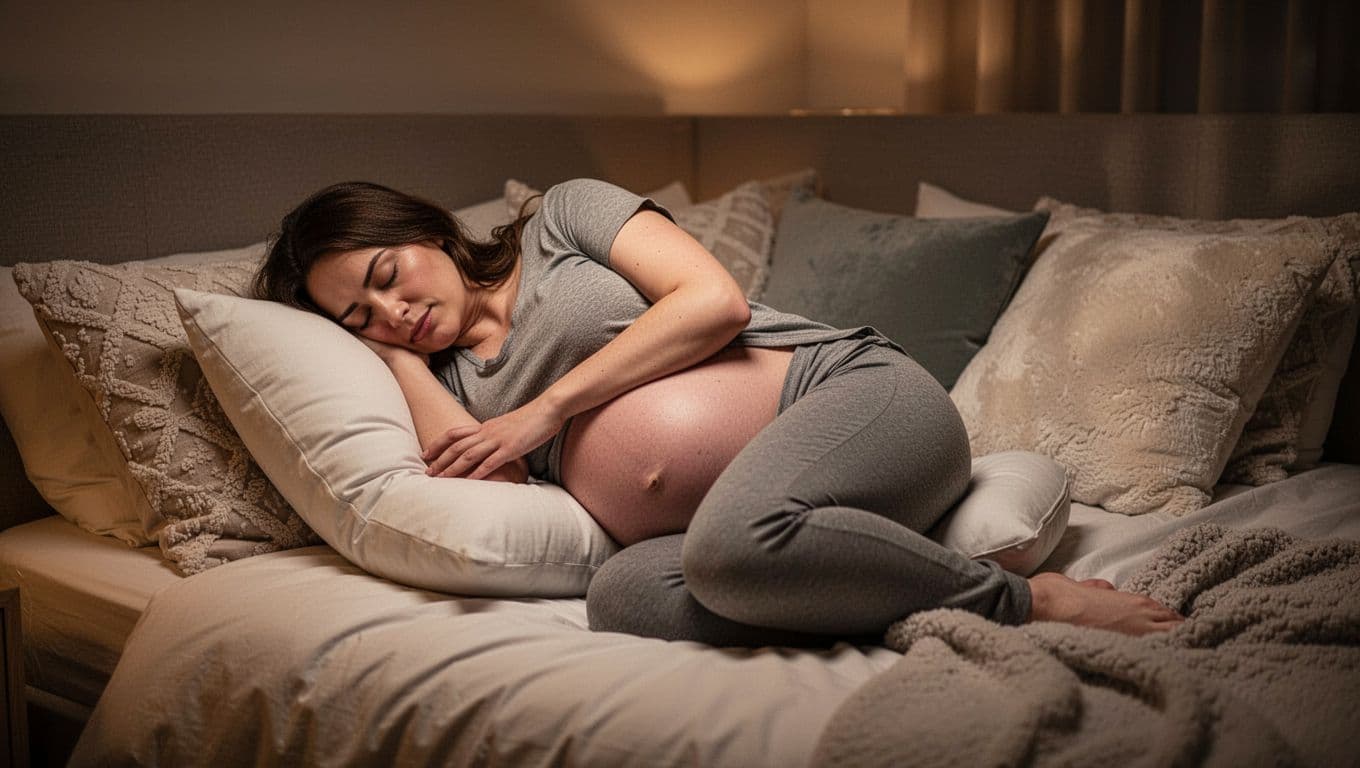
Side sleeping is the easiest place to start when your back, hips, or belly feel sore. A pillow between your knees keeps your hips stacked, and a small pillow under your belly can take some of the pull off your lower back. If you need extra stability, place a pillow behind your back so you do not roll flat.
Gentle stretching before bed can also help your muscles loosen up. A few slow hip circles, a light hamstring stretch, or a brief walk around the room can make your body feel less tight. When your spine and hips line up better, pain often eases because your body is not twisting against itself all night.
A few simple comfort fixes can make a real difference:
- Sleep on your side with your knees slightly bent.
- Put a pillow between your knees.
- Add support under your belly if it feels heavy.
- Stretch lightly before bed, then settle in slowly.
When your body feels supported, sleep usually feels less like a fight.
Reduce heartburn, shortness of breath, and reflux at night

If heartburn or reflux wakes you up, a side-sleeping position with your upper body slightly raised often helps. An extra pillow or a wedge can reduce the pressure that builds after you lie flat. Some people do best with a small incline under the shoulders and chest, while others feel better with just one firm pillow.
Your evening meal matters too. Try to avoid spicy, greasy, or heavy foods too close to bedtime, since they can make reflux worse once you lie down. It also helps to leave a little time between dinner and sleep, so your stomach is not working overtime while you rest.
For this kind of discomfort, simple is usually best:
- Sleep on your side instead of flat on your back.
- Raise your upper body a little with a wedge or pillow.
- Keep late-night meals light.
- Skip foods that tend to trigger heartburn.
The Cleveland Clinic’s pregnancy sleep tips also suggest side sleeping, upper-body elevation, and steady hydration as helpful basics.
Handle leg cramps, swelling, and restless feelings in the legs
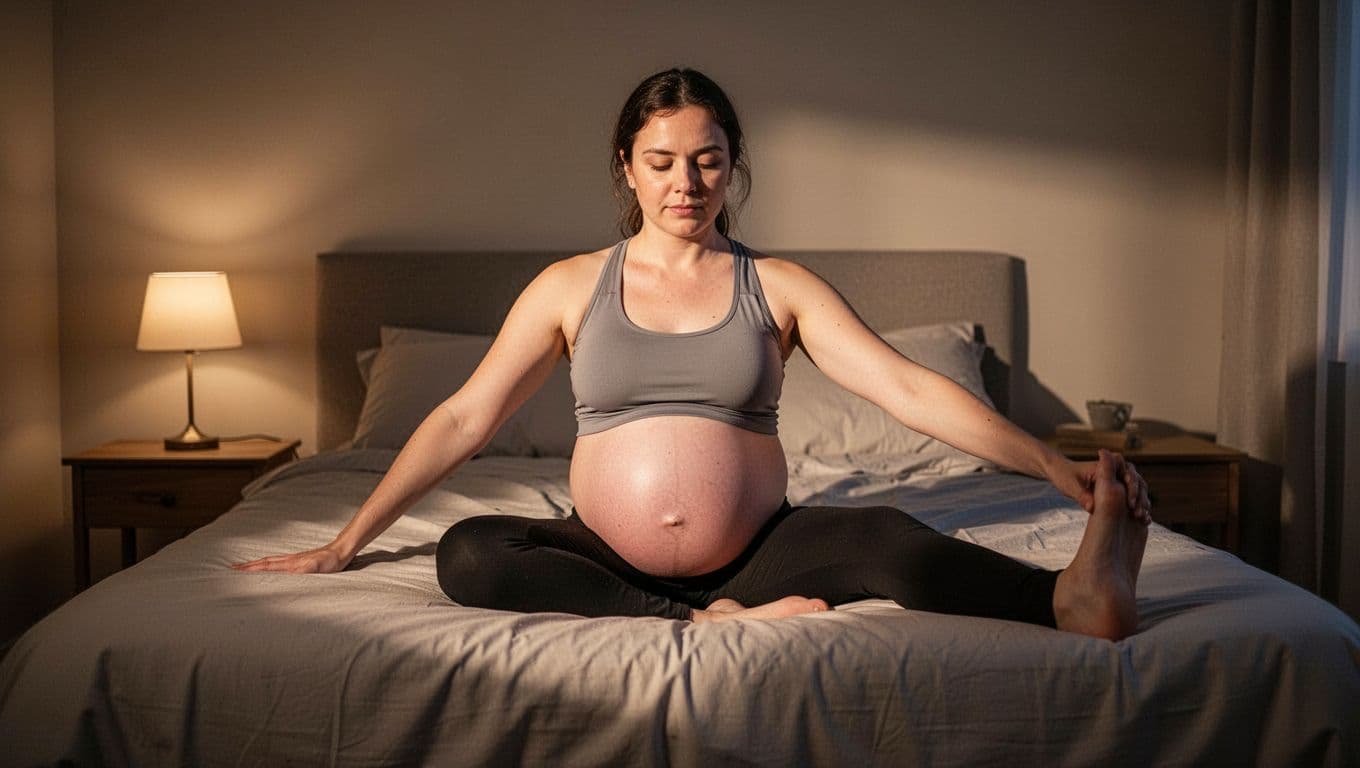
Leg cramps and restless legs can make bedtime feel unpredictable. Gentle stretching before sleep can help, especially for the calves and feet. Light movement during the day also matters, because sitting still for too long can leave your legs feeling stiff and jumpy.
If your legs feel swollen or heavy, elevate them when you rest. A pillow under your calves or feet can take some pressure off. Staying hydrated and adding regular light activity, like walking, may also help your legs feel calmer by night.
A few practical habits can ease the discomfort:
- Stretch your calves before bed.
- Move around during the day, even if it’s just short walks.
- Drink enough water earlier in the day.
- Raise your feet when you sit or lie down.
These symptoms are frustrating, but they are also common. If one fix does not help much, try another for a few nights and see what changes.
Calm anxiety and a busy mind at bedtime
Pregnancy can make your mind feel full, even when your body is tired. If your thoughts keep racing, a short wind-down routine can help your brain shift into sleep mode.
Journaling is a simple place to start. Write down what is on your mind, then close the notebook and leave it there for the night. Deep breathing, prayer, meditation, or calm audio can also lower the mental noise that builds up at bedtime. Even five minutes can help if you do it the same way each night.
A short routine gives your body a clear cue that sleep is next. You might read a few pages, listen to soft music, or sit quietly and breathe for a minute or two. The point is to make bedtime feel predictable, because predictability often calms the mind.
If your thoughts keep spinning, try this simple reset:
- Write down your top worries.
- Take slow breaths for a few minutes.
- Choose one calming habit, then repeat it nightly.
- Keep screens out of the bed if they make your mind more alert.
When pregnancy brings a lot of mental noise, a small routine can act like a soft off-switch.
When to ask your doctor about sleep problems in pregnancy
Some sleep trouble is normal in pregnancy, but persistent sleep loss deserves attention. If your nights are getting rough enough to affect how you feel during the day, it’s a good idea to bring it up at your next prenatal visit.
The biggest clue is simple: if sleep problems keep building instead of easing, talk to your provider. That matters even more if you have new symptoms, strong pain, or breathing changes.
Signs your sleep trouble needs a medical check

A few bad nights usually are not a big concern. Still, certain patterns point to more than normal pregnancy discomfort. If sleep loss is severe, keeps happening, or starts affecting your mood and focus, your doctor should know.
Bring it up if you notice any of these:
- You can’t fall asleep or stay asleep for several nights in a row.
- You feel exhausted during the day, even after time in bed.
- You snore loudly, gasp, or wake up choking, which can point to sleep apnea.
- Pain wakes you often, especially back pain, hip pain, or leg cramps.
- Your anxiety feels worse at night, or sleep makes you feel more on edge.
The Sleep Foundation’s pregnancy insomnia guide notes that ongoing insomnia can need medical support, especially when it does not improve with basic sleep habits. If the problem is lasting, it’s worth a conversation.
Sleep trouble is common in pregnancy, but ongoing sleep loss is not something you have to just tolerate.
What to tell your provider at the appointment
The more details you share, the easier it is for your provider to spot the cause. A short description is enough. You do not need to track every bad night, just the patterns that stand out.
Try to mention:
- How long the sleep problem has been going on
- What wakes you up, such as pain, heartburn, bathroom trips, or racing thoughts
- Whether you snore or wake up short of breath
- How tired you feel during the day
- Any health conditions, like high blood pressure, diabetes, asthma, or depression
- Any medicines or supplements you already take
If you have a high-risk pregnancy, this conversation matters even more. The same is true if you already have a health condition that affects breathing, blood pressure, or sleep. Personalized advice can help you find the safest next step instead of guessing.
The ACOG sleep health guidance also points out that sleep problems can be tied to other health issues, so it helps to talk through the full picture.
When sleep trouble needs faster help
Some symptoms should not wait for a routine visit. You should reach out sooner if sleep problems come with signs that feel more serious, especially if they change quickly.
Get medical advice promptly if you have:
- Breathing that feels hard, or repeated gasping during sleep
- Intense pain that keeps you from resting
- Sleep loss so severe that you can barely function during the day
- A feeling that something is off, even if you cannot name it
If your sleep issue comes with chest pain, severe shortness of breath, fainting, or another urgent symptom, seek immediate care. Otherwise, call your prenatal provider and describe what is happening in plain terms. That step can bring real relief, and it helps make sure nothing important is missed.
Conclusion
Sleeping comfortably during pregnancy usually comes down to a few small changes, not one perfect fix. Side sleeping, especially on the left side when it feels best, can ease pressure and support better rest. A smart pillow setup, like support between the knees, under the belly, or behind the back, can make a big difference too.
A calm bedtime routine matters just as much. When you keep the room cool, dim the lights, and give your body time to wind down, sleep often gets easier to find.
Some nights will still be rough, and that’s normal. Even so, better rest is possible, and each small adjustment can help your body settle more comfortably.
Save the pin for later


- 12 Things Pregnant Women Do When They’re Alone - June 7, 2026
- 25 Healthy Pregnancy Snacks You Should Try - June 7, 2026
- 100 Funny Baby Jokes That Will Make You Laugh - May 15, 2026