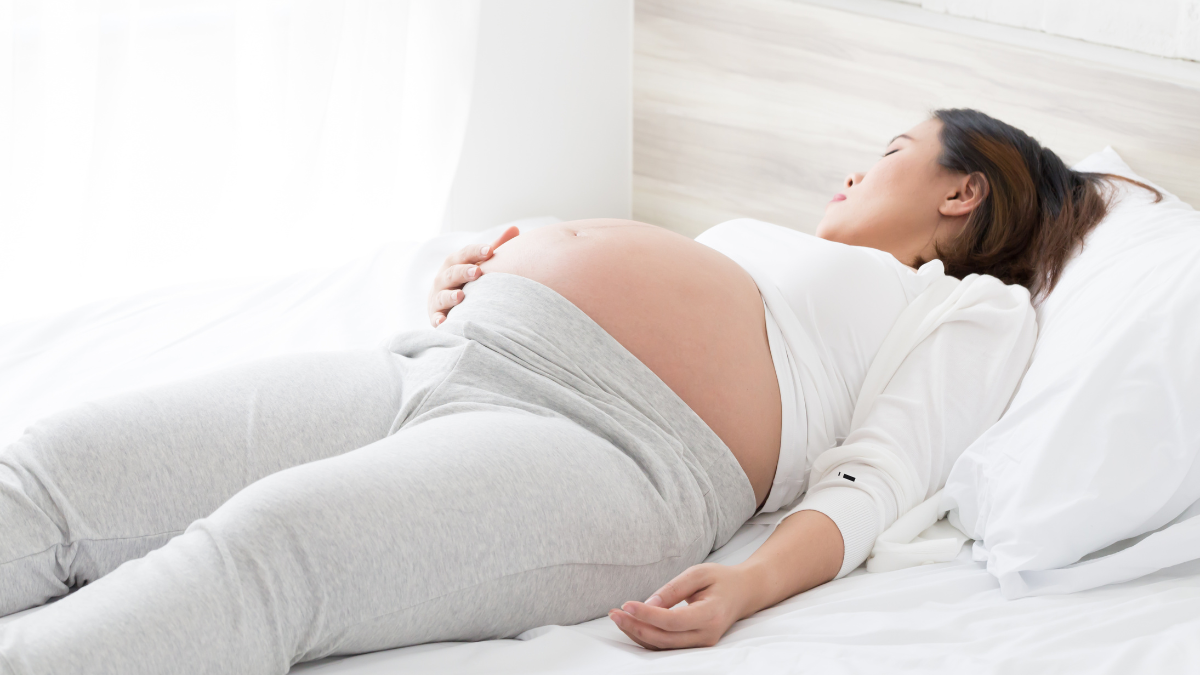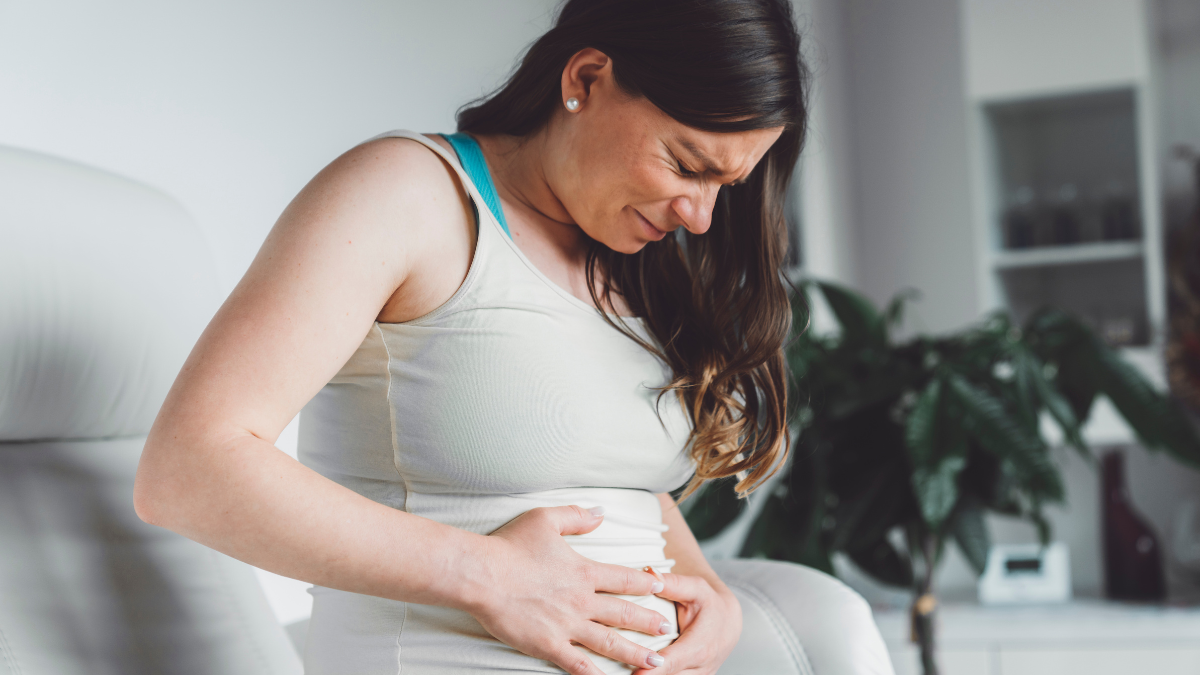
If you’re pregnant with rib pain, you’re not alone, and it doesn’t always mean something is wrong. Rib discomfort is common in pregnancy, especially as your baby grows, your posture shifts, and heartburn kicks in.
Most of the time, the pain comes from normal pregnancy changes, but it can still feel sharp, tight, or hard to ignore. This post will help you sort through the most likely causes, simple ways to feel better, and the warning signs that mean it’s time to call your doctor.
Why rib pain happens during pregnancy
Rib pain during pregnancy usually comes from normal body changes, not from anything dangerous. As your baby grows, your ribs, muscles, and stomach all have less space to work comfortably. That can leave you with pressure, soreness, or sharp little jabs that catch you off guard.
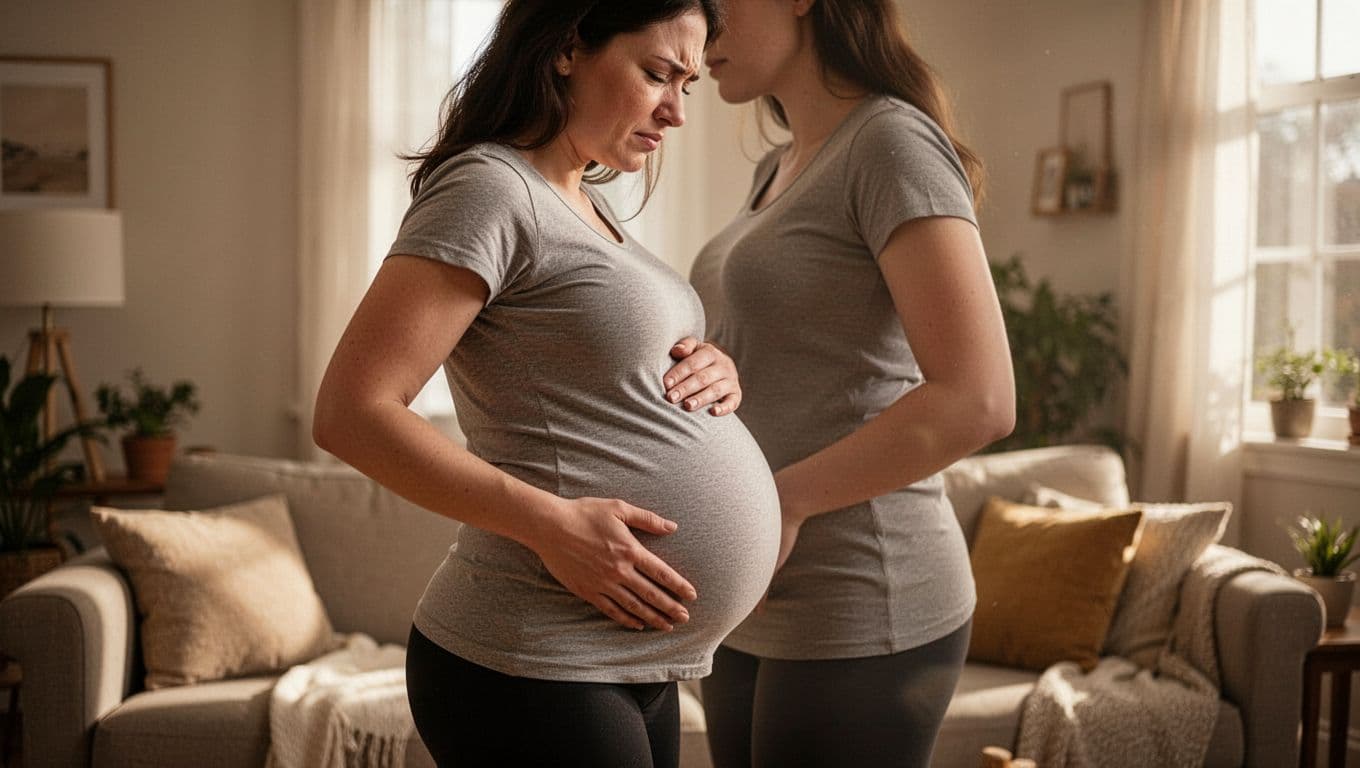
Most rib pain starts in the second trimester and often gets worse in the third. At that stage, the baby is bigger and moves less freely, so kicks and stretches can land right under your ribs. According to Nebraska Medicine, that pressure is one of the most common reasons pregnant women feel rib discomfort.
Your growing baby and uterus can press on your ribs
As the uterus expands, it pushes upward into the space below your ribs. That pressure can feel like dull aching, tightness, or sudden sharp pain when the baby kicks or shifts position. If your baby is sitting high, you may feel it more on one side.
This often becomes more noticeable later in pregnancy because there is simply less room to move. When the baby stretches out or settles under the rib cage, the pain can feel a bit like being poked from the inside. It may come and go, but it can still be very uncomfortable.
Rib pain that changes with baby movement is often caused by pressure, not injury.
Posture changes and stretched muscles can make ribs ache
Pregnancy changes how you stand and sit. Your center of gravity shifts, your rib cage expands, and the ligaments around your joints loosen. Add breast growth and extra weight, and your upper body can start to feel strained.
Slouching makes it worse because it compresses the chest and abdomen. Long periods of sitting can also tighten the muscles around your ribs, while twisting to reach for something may trigger a sharp tug. If you want a simple way to reduce strain at night, safe sleeping positions in second trimester can help you stay more comfortable.
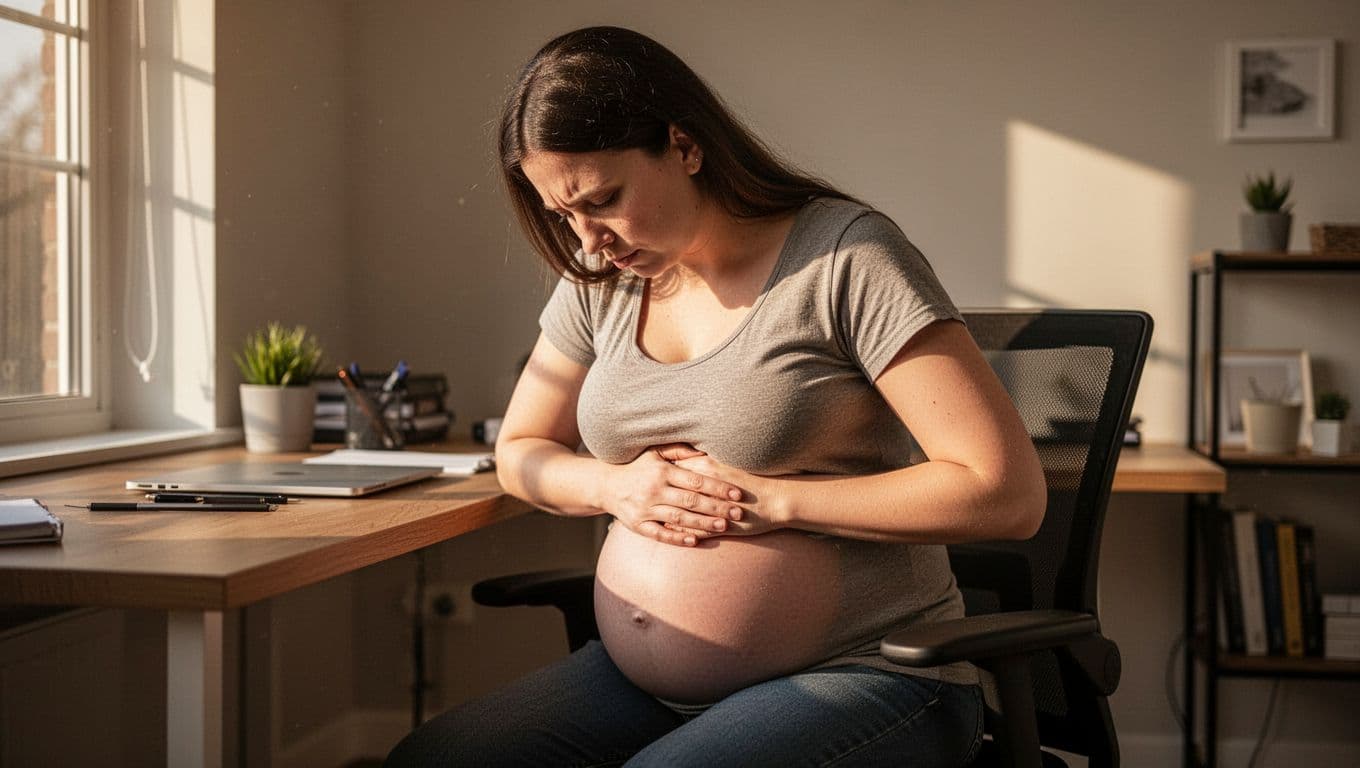
Small posture changes can help more than you think. Try to sit tall, switch positions often, and avoid staying curled up for too long.
Heartburn and indigestion can feel like rib pain
Sometimes the pain under your ribs is really heartburn. It can feel like burning, pressure, or a heavy ache, especially after meals or when you lie down. Many women notice it more in the evening or after eating spicy, greasy, or acidic foods.
Pregnancy hormones relax the muscle that keeps stomach acid in place, so reflux happens more easily. At the same time, the growing uterus puts more pressure on the stomach. That mix makes heartburn common, and it can feel very similar to rib pain. The HSE explains pregnancy rib pain causes well if you want a clear breakdown of how reflux adds to the problem.
If your discomfort gets worse after eating, feels hot or sour, or improves when you sit upright, heartburn may be the real cause.
How to tell normal rib pain from something more serious
If you’re pregnant with rib pain, the first clue is usually the pattern. Harmless discomfort tends to act up with movement, after a big meal, or when the baby shifts. Serious pain usually feels different. It hits harder, lasts longer, or shows up with other symptoms.
Common signs that point to normal pregnancy discomfort
Normal rib pain often feels like mild to moderate soreness, pressure, or a sharp twinge that comes and goes. It may get worse when you sit slouched, twist, lie on one side for too long, or take a deep breath.
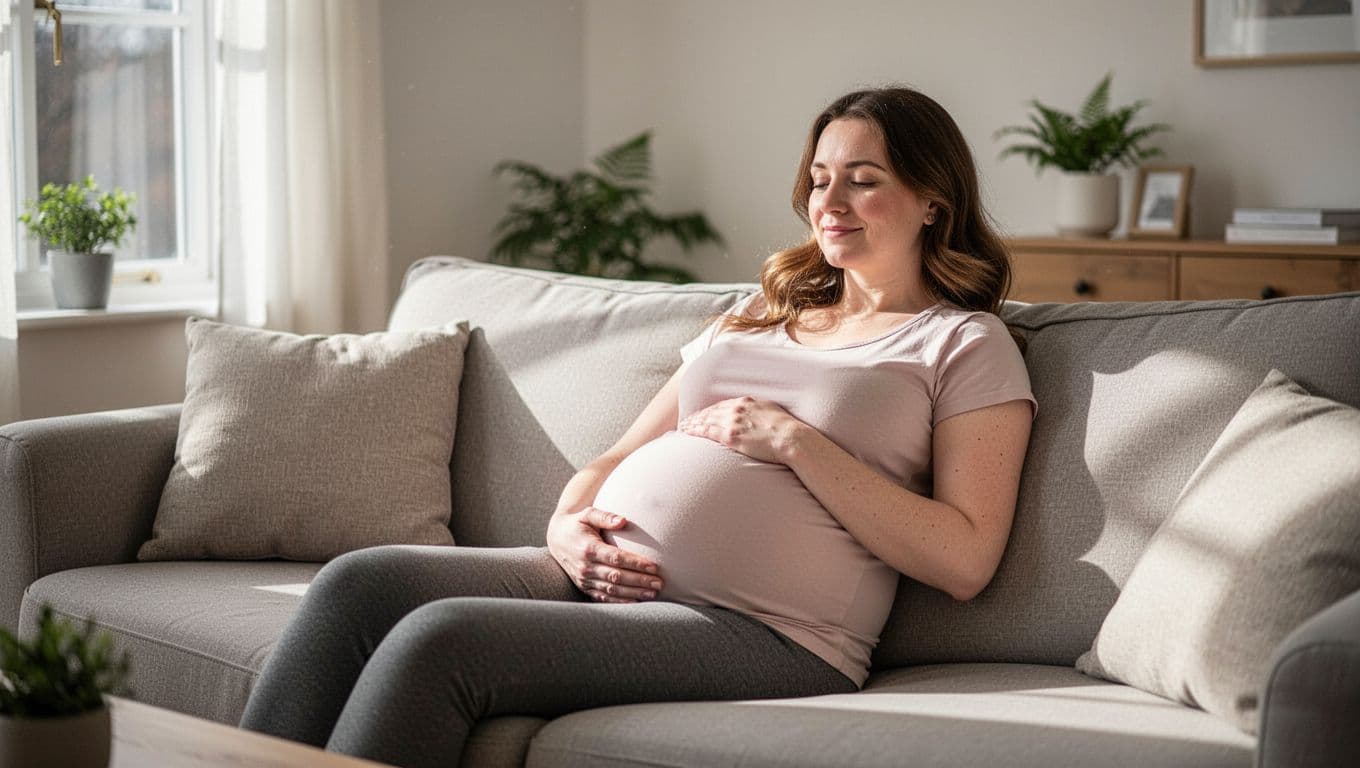
You may also notice it after a large meal, especially if heartburn is part of the picture. Many women feel better after resting, changing positions, stretching gently, or sitting upright for a while.
Common signs it may be normal include:
- Pain that is mild or moderate
- Discomfort that comes and goes
- Pain linked to posture, movement, or baby kicks
- A heavy or tight feeling after eating
- Relief with rest, support, or posture changes
If the pain acts like a muscle strain or pressure problem, it often improves once you shift position or slow down.
Warning signs that should not be ignored
Some rib pain needs faster attention. Pay close attention if the pain is severe, sudden, one-sided, or constant, especially on the right side.
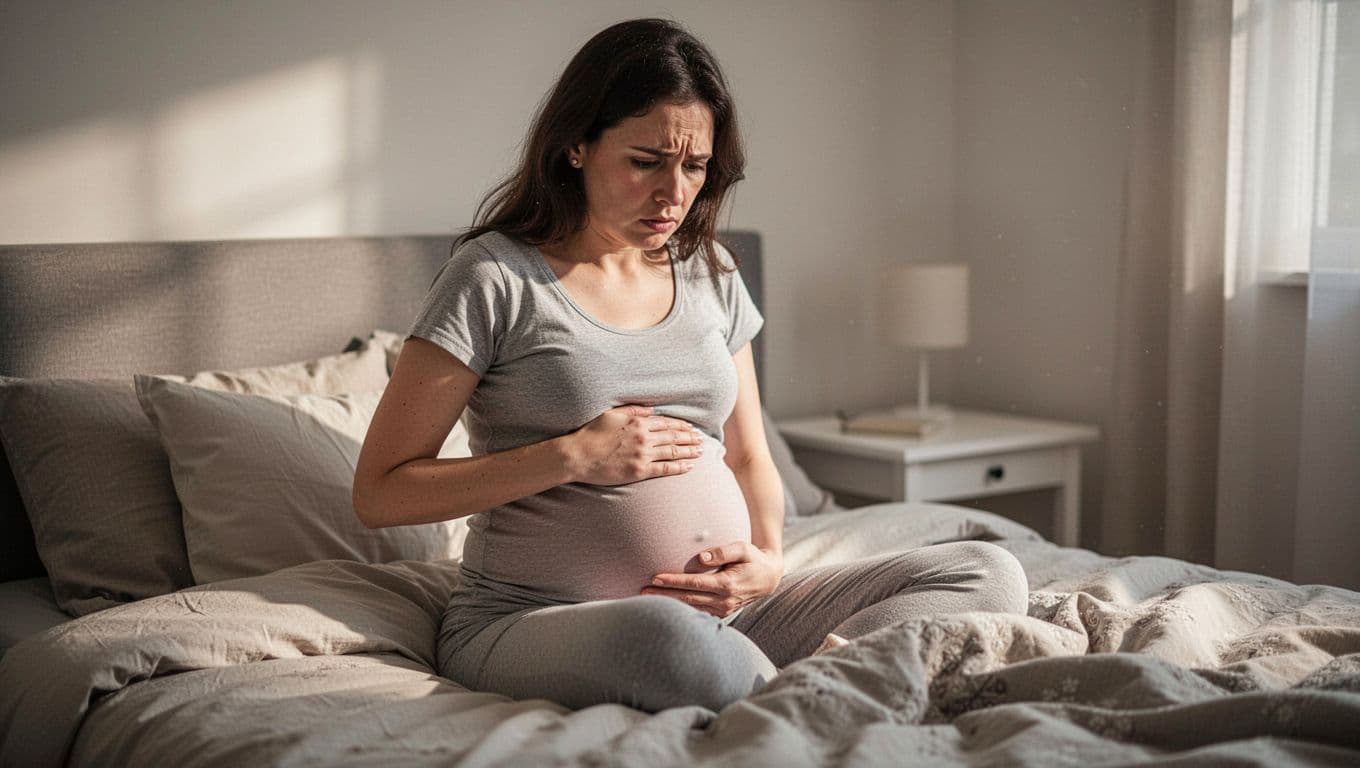
Call your doctor right away if rib pain comes with:
- Headache, swelling, or vision changes
- Shortness of breath
- Fever or vomiting
- Burning when you urinate
- Pain that keeps getting worse or does not go away
Right-side rib pain with headache, swelling, or vision changes can point to preeclampsia or HELLP syndrome. Pain with fever, vomiting, or after fatty meals can also point to gallbladder trouble. Burning with urination may mean an infection. For a clear medical overview of preeclampsia and HELLP symptoms, see the NICHD symptom guide.
When rib pain means you should call your doctor now
If the pain is intense, new, worsening, or paired with other symptoms, call right away. Do not wait for your next prenatal visit if it feels off or keeps escalating.
A routine mention at your next appointment is fine when the pain is mild, comes and goes, and improves with rest. Still, even then, bring it up so your doctor can rule out anything else and suggest safe relief.
When rib pain feels different from your usual pregnancy discomfort, trust that change and call.
If you are unsure, it is safer to check. A quick call can give you peace of mind and help catch a problem early.
Safe ways to ease rib pain at home
When you’re pregnant with rib pain, small changes often bring real relief. The goal is to take pressure off your ribs, relax tight muscles, and make breathing and sleeping feel easier.
A few home habits can help fast, especially when the pain comes from posture, baby pressure, or heartburn. If one method does not help, try another. Relief is often a mix of support, movement, and timing.
Fix your posture and change positions often
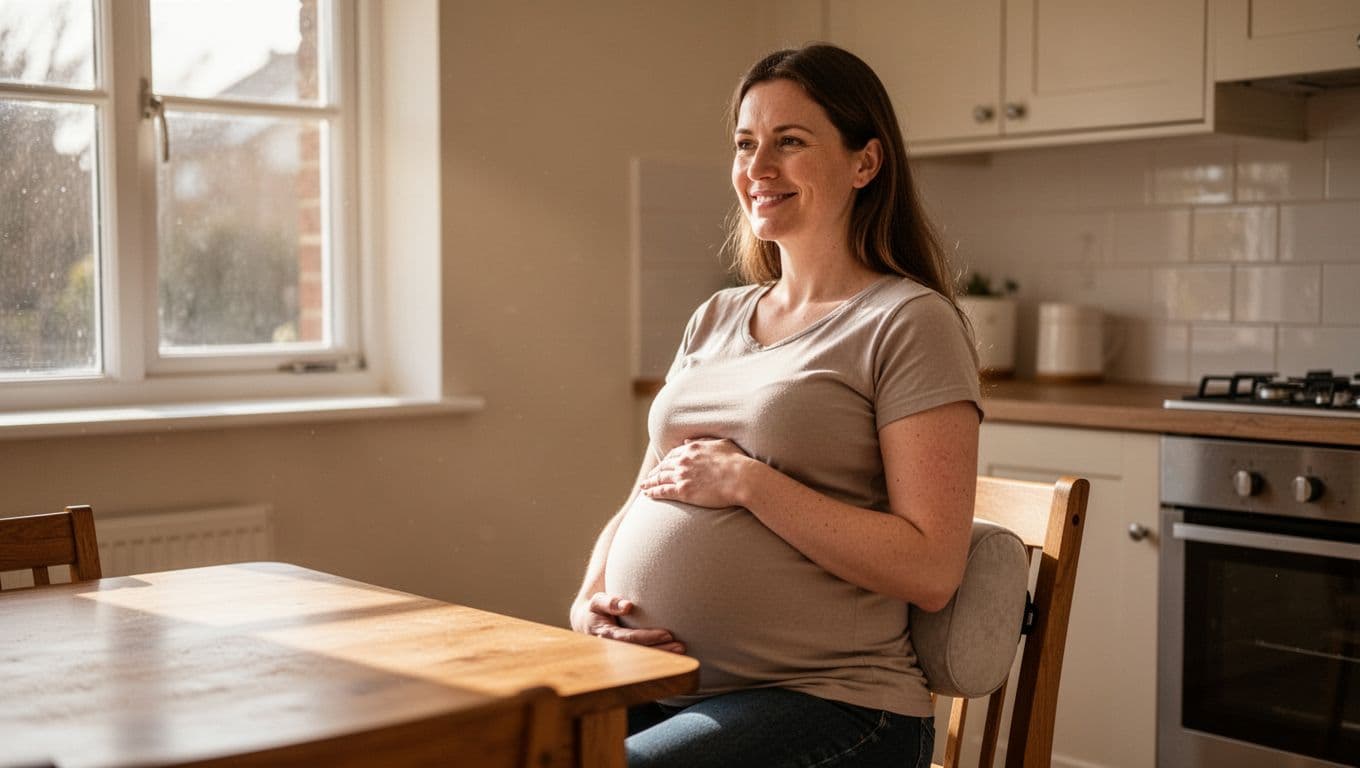
Sitting tall gives your ribs more room to expand. When you slump, your chest and belly get compressed, and that can make the pain feel tighter. A small lumbar pillow or rolled towel behind your lower back can help you stay upright without straining.
Try to stand up every hour or two if you’ve been sitting a while. Gentle shoulder rolls, slow side bends, and short walks around the house can loosen the muscles around your ribs. When you lie down, shift sides or add support so you are not pressing on the sore spot too long.
A few simple habits help most:
- Sit with your shoulders relaxed and your back supported.
- Avoid curling forward over your phone, laptop, or plate.
- Stretch gently after long periods of sitting.
- Change position when lying down instead of staying still too long.
For more ideas on posture-friendly comfort, maternity pillows for belly and back support can also make resting easier.
If the same position keeps making the pain worse, your body is asking for a shift, not a push through it.
Use pillows, support wear, and gentle heat or ice
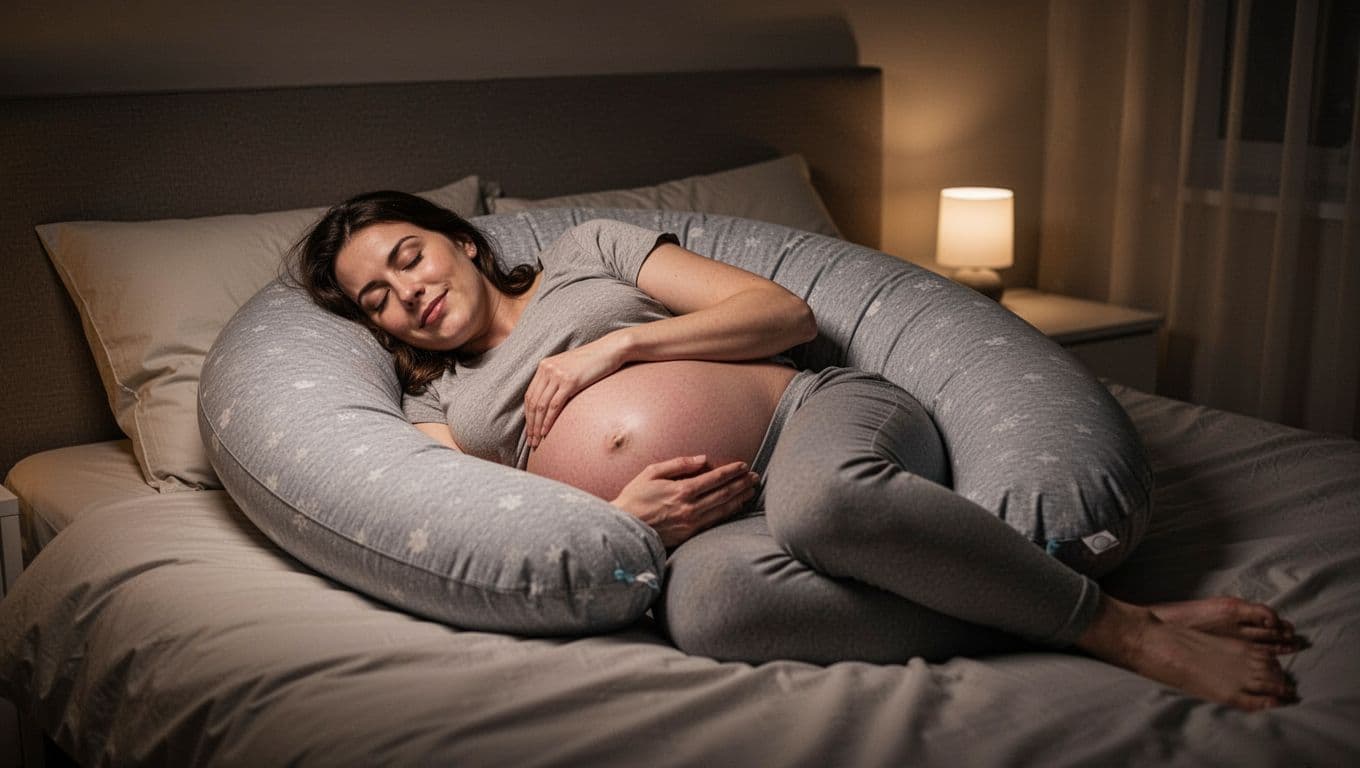
Side sleeping is often easier when you have the right pillow setup. Place one pillow between your knees and another under your belly, or use a full-body pregnancy pillow for steady support. This can ease strain on your ribs and help you rest without tossing and turning all night.
A supportive maternity bra can also help, especially if breast weight adds pressure across your chest. The extra support can take some pull off your upper body and make evenings more comfortable.
Heat or ice can help too, as long as you keep it brief. Use a warm pack or ice pack on the sore area for about 10 minutes at a time, with a cloth between your skin and the pack. Keep it away from your belly, and stop if it feels worse.
The Royal Berkshire NHS rib pain guide gives the same practical advice, including posture support, bra support, and short heat or ice use.
Try pregnancy-safe movement and breathing
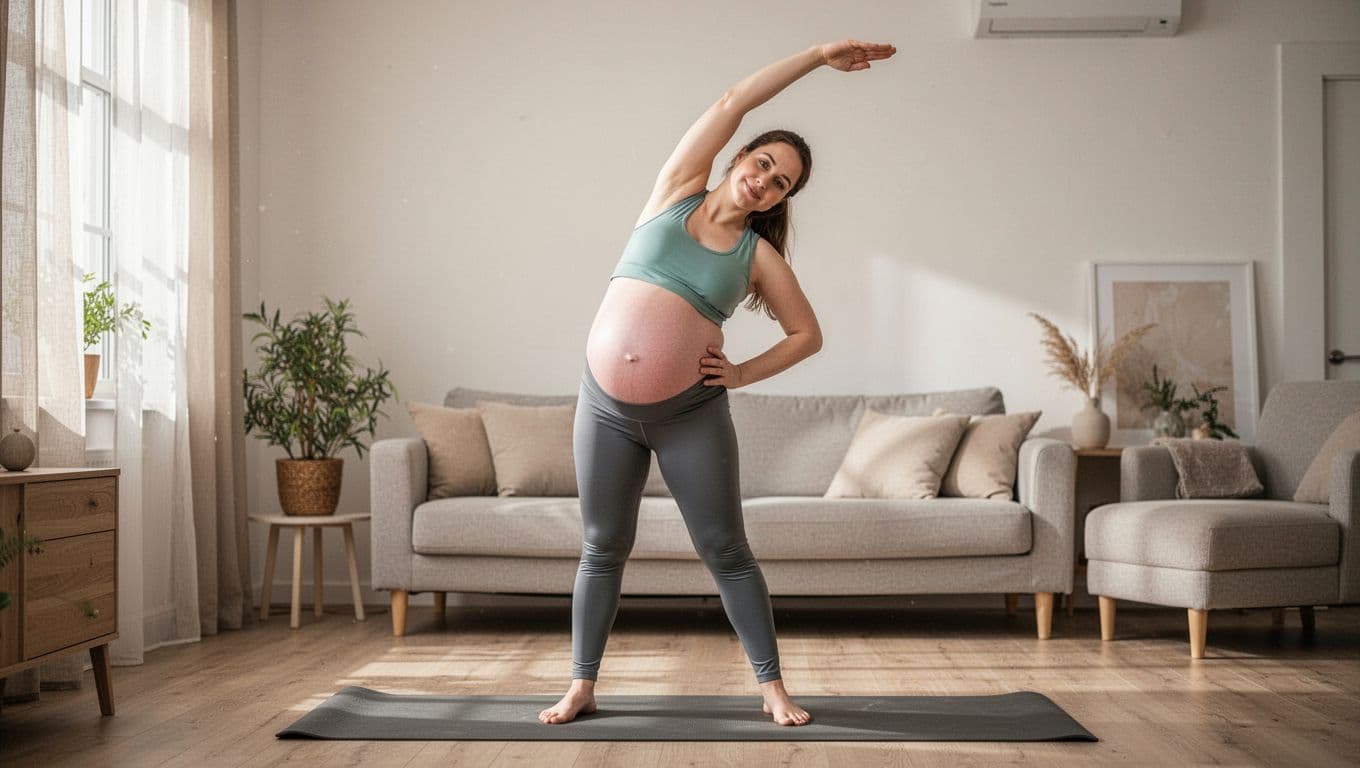
Gentle movement can loosen muscles that tighten around the ribs. A short walk, a mild prenatal yoga flow, or a slow side stretch can help your chest and back move more freely. Keep it easy and pain-free, and stop if a movement feels sharp.
Deep breathing helps too. Breathe in slowly through your nose and let your ribs expand sideways, then exhale fully and relax your shoulders. That kind of breathing can ease tension in the muscles between your ribs, especially at the end of a long day.
Good options include:
- A short daily walk
- Gentle side bends
- Prenatal yoga
- Slow belly and side breathing
If you want a simple rule, keep the movement light enough that you can still talk easily while doing it.
Ease heartburn if that is part of the problem
Heartburn can feel a lot like rib pain, so it helps to calm that first. Eat smaller meals, avoid trigger foods like spicy or greasy dishes, and stay upright after eating. Lying down too soon can send acid upward and make the pressure under your ribs worse.
At night, prop up your upper body with pillows if reflux is a problem. That can keep stomach acid lower and help you sleep more comfortably. When heartburn settles down, the rib discomfort often feels less intense too.
A few changes usually help:
- Eat smaller meals more often.
- Skip foods that trigger burning or bloating.
- Stay upright for a while after eating.
- Sleep with your upper body slightly raised.
If heartburn keeps showing up with rib pain, mention it at your next prenatal visit so you can talk through safe relief options.
How to reduce rib pain before it starts
A little prevention goes a long way when you’re pregnant with rib pain. The best approach is simple, steady habits that keep pressure off your ribs before they start aching.
Small choices add up fast. If you stay active, support your posture, and set up your sleep right, your ribs get more room to breathe and move.
Build small habits that protect your ribs
Daily movement helps keep your rib area from stiffening up. A short walk, gentle stretching, or prenatal yoga can keep your upper body loose, while long periods of sitting or slouching can make pain show up sooner.
Posture matters just as much. Sit tall, keep your shoulders relaxed, and avoid curling forward over your phone or desk. A well-fitting maternity bra or other supportive clothing can also help reduce pull across your chest and ribs, especially later in pregnancy.
A few habits make a real difference:
- Move your body a little each day.
- Sit with your back supported and your chest open.
- Stand up and stretch after long sitting periods.
- Wear clothing that fits without digging into your ribs.
Small daily choices can keep the rib area from getting extra strained.
If your bra feels tight or leaves marks, it may be adding pressure where you don’t need it. A better fit can help more than you expect, especially when your body is changing quickly. Proper bra support during pregnancy can make both comfort and posture easier to manage.
Plan your sleep and rest setup
Sleep position can either ease rib pressure or make it worse. Side sleeping usually works best, especially when you use a pregnancy pillow or place pillows between your knees, under your belly, and behind your back. That support keeps your torso aligned and takes stress off the rib cage.
You can also adjust your upper body a little if heartburn is part of the problem. A slight incline helps keep stomach acid down, which may ease the burning or heaviness that often gets mistaken for rib pain.
Try this setup if you wake up sore:
- Lie on your side with knees bent.
- Put a pillow between your legs.
- Add support under your belly.
- Raise your upper body slightly if reflux bothers you.
Better sleep positioning can reduce pressure on your ribs and help with heartburn too. When you wake up less tense, your whole day usually feels easier.
What to expect when you bring up rib pain at your appointment
If you’re pregnant with rib pain, your doctor will usually start by asking simple, targeted questions. They want to figure out whether the pain looks like normal pregnancy pressure, heartburn, muscle strain, or something that needs more attention.
You may also get a quick check of your blood pressure and urine. Those tests help rule out problems like preeclampsia or an infection, which can sometimes show up with rib pain.
Common checks your doctor may do
Your doctor will usually ask where the pain is, how it feels, and how long it has been going on. Be ready to describe whether it is sharp, dull, constant, or tied to movement, meals, deep breaths, or baby kicks.
They may also ask what makes it better or worse. That could include sitting upright, lying down, walking, stretching, or changing positions. If the pain stays on one side, gets worse quickly, or comes with headache, swelling, or nausea, say that clearly.
A typical visit may include:
- Blood pressure check to look for high readings
- Urine test to check for protein or signs of infection
- Belly exam to feel for tenderness or pressure
- Baby monitoring if movements seem reduced or the pregnancy is farther along
Sometimes your doctor will listen to the baby’s heartbeat with a Doppler, or check fetal movement if that is part of the concern. If the pain seems tied to heartburn, posture, or muscle strain, they may talk through safe relief options and simple changes for home.
Be direct about the pain. Details about location, timing, and triggers help your doctor narrow it down fast.
A good reference for what doctors often look for during pregnancy rib pain is the HSE guide on sore ribs in pregnancy. If your symptoms are mild, your doctor may simply reassure you. If they are not, they can decide what to check next right away.
A simple bottom line for pregnant rib pain
Most rib pain in pregnancy is common, uncomfortable, and tied to normal body changes. It usually comes from baby pressure, posture shifts, or heartburn, and it often improves with small changes at home.
When it usually feels normal
If the pain comes and goes, changes with position, or shows up after eating, it often points to pressure or reflux. Mild soreness, tightness, or sharp little tugs are common, especially later in pregnancy.
A few signs usually point to normal pregnancy discomfort:
- The pain eases when you shift position.
- It gets worse after a big meal or long sitting.
- You feel it during baby kicks or stretching.
- Rest, support, or gentle movement helps.
When you should call your doctor
Severe or constant rib pain needs attention, especially if it is on the right side or comes with other symptoms. Do not wait if you also have headache, swelling, vision changes, shortness of breath, fever, vomiting, or burning when you urinate.
If the pain feels new, strong, or different from usual pregnancy discomfort, call your doctor.
The safest rule is simple, if the pain improves with rest and support, it is often manageable. If it gets worse, stays put, or comes with warning signs, get checked right away.
Save the pin for later

- How to Help a Child Deal With Anxiety at Home - September 12, 2026
- How to Prepare Your Child for the First Day of School - September 12, 2026
- Age-Appropriate Chores for Kids by Age Group - September 12, 2026