
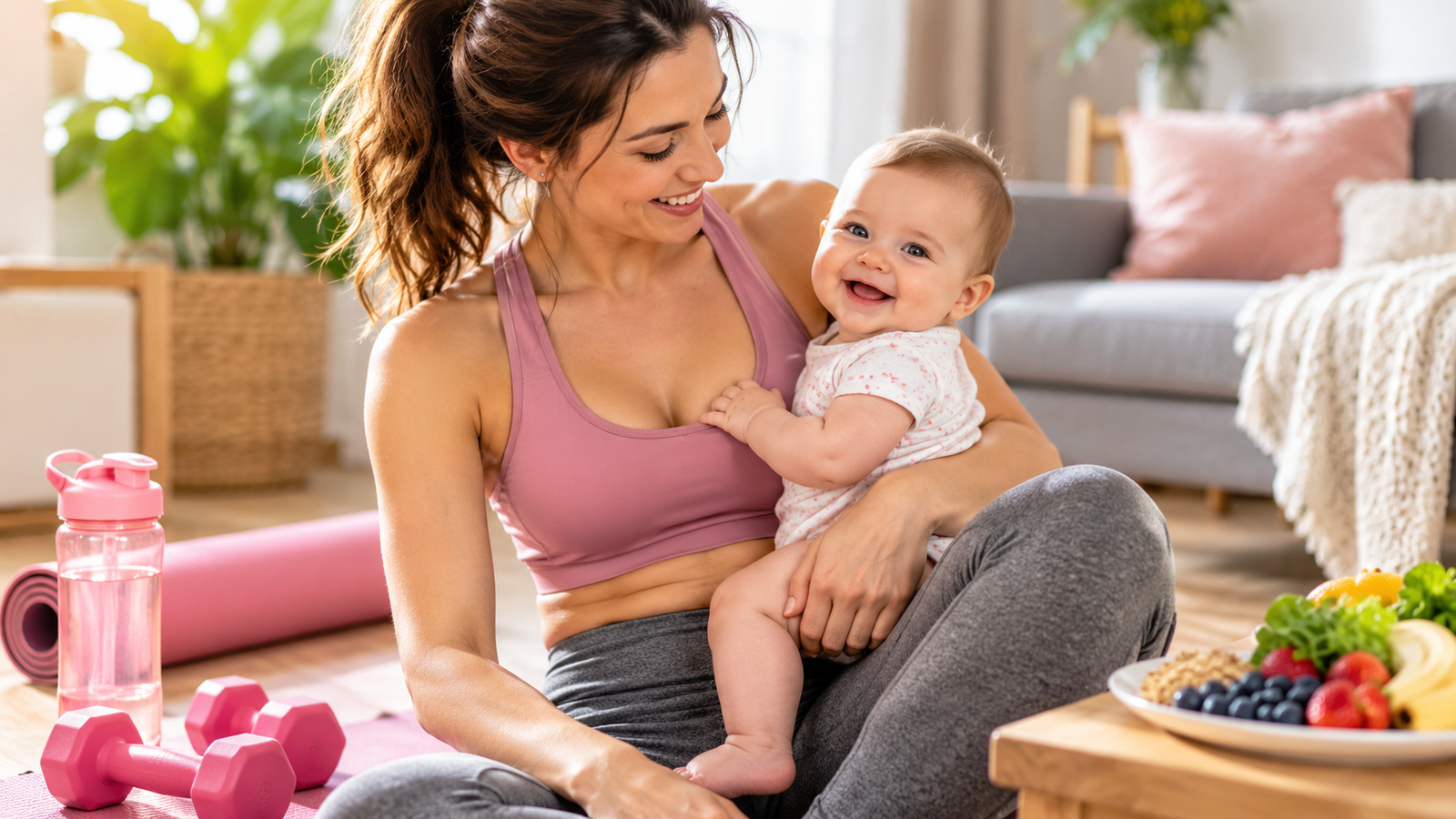
Healthy habits for postpartum healing can help support a gradual return to movement and nourishing meals. Your body needs time to heal after giving birth, and postpartum weight changes look different for everyone. Aim for gradual fat loss that supports your recovery, energy, and milk supply if you’re breastfeeding, rather than rushing to fit a pre-pregnancy size.
Start with steady habits, not strict diets or intense workouts. The ten tips ahead focus on nourishing meals, hydration, rest, and a gradual return to movement, including gentle postpartum core exercises. Follow your healthcare provider’s advice on when to change your diet or resume exercise, since the right timing depends on your recovery.
10 Tips to Lose Fat After Giving Birth Safely
Your body is healing after birth, so a safe start depends on your delivery, health, and recovery. These first two tips can help you approach postpartum weight loss without rushing or compromising your well-being.
Give your body time to heal before focusing on weight loss
In the first weeks after birth, your body is adjusting in many ways. Early weight changes can reflect fluid shifts and recovery, not just changes in body fat. Give yourself time to heal before trying to change your weight.
Before starting a calorie deficit or structured weight-loss plan, check in with your health care provider. That’s especially important after a C-section or birth complications, since your recovery may need extra care. For practical guidance, see these C-section recovery tips for the first weeks.

There isn’t one timeline that fits everyone. Your clinician can assess your recovery and help you decide when changes to eating or activity make sense. ACOG also recommends discussing exercise timing with your OB-GYN after a cesarean birth or complications. Its guidance on exercise after pregnancy can help you prepare for that conversation.
Set a steady goal instead of trying to lose weight fast
Once your provider says you’re ready, focus on habits you can repeat through the demands of new parenthood. Crash diets, skipped meals, and detoxes can leave you short on energy, and restrictive eating may be a poor fit while you’re recovering or breastfeeding.
Instead, keep the goal manageable. You might start by eating regular meals, choosing filling foods, or taking gentle walks when your provider approves. These habits support progress without making weight loss another source of pressure.
Your personal goal should account for your health, recovery, and, if applicable, breastfeeding. Ask your clinician what pace and approach are appropriate for you. Steady, sustainable habits are a safer foundation than a deadline or a rapid-loss plan.
Choose filling foods that support postpartum recovery
As your recovery allows, build meals around foods that provide steady nourishment without requiring complicated recipes. Regular, satisfying meals can support your energy and make it easier to avoid overly restrictive habits while your body heals.
Build meals around protein, produce, and fiber-rich foods
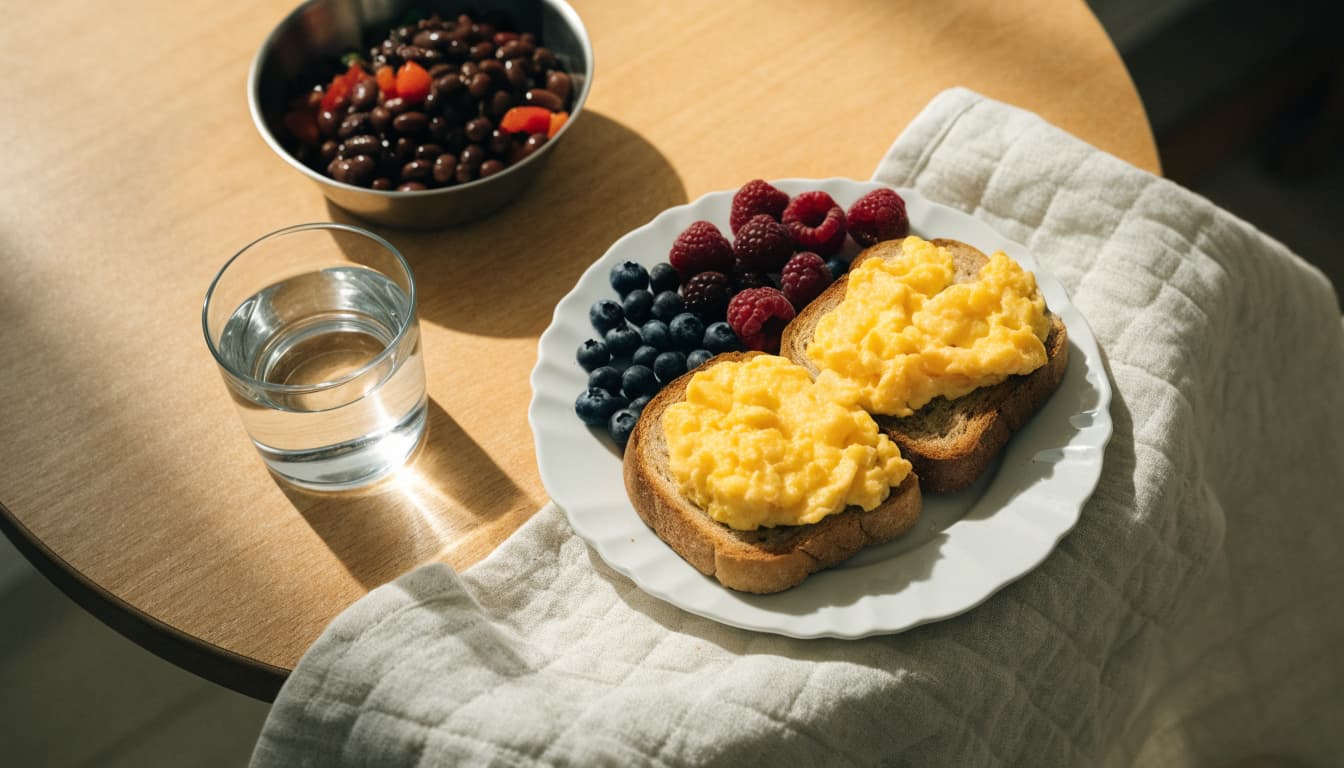
Protein helps your body repair tissue, while fiber-rich foods can help a meal feel satisfying for longer. You don’t need a strict meal plan or special postpartum diet. Instead, combine familiar foods in ways that fit your appetite, budget, and available time.
For breakfast, try eggs with whole-grain toast and fruit, or oatmeal topped with yogurt, berries, and nuts. At lunch or dinner, pair beans, vegetables, and rice, or serve chicken, tofu, or fish with potatoes and a side of greens. Frozen vegetables, canned beans, and prewashed fruit can make these meals easier to pull together.
Keep the approach flexible. If a meal doesn’t include every food group, you can add something at your next meal or snack. No food needs to be forbidden to support gradual fat loss. For more ideas, browse these nourishing foods for new moms.
Eat enough if you are breastfeeding
Breastfeeding often raises energy needs because your body uses energy to produce milk. The CDC estimates that many well-nourished breastfeeding mothers need about 330 to 400 extra calories per day compared with before pregnancy. That figure is a general estimate, not a personal prescription or a weight-loss target. Your needs vary with factors such as activity, body size, age, and whether you breastfeed exclusively or combine breast milk with formula.
Rather than cutting food to meet a number, eat regular meals and snacks that leave you feeling adequately nourished. Include filling options such as yogurt and fruit, eggs and toast, or beans with rice. Drink when you’re thirsty, and keep a beverage nearby during feeds. The CDC also suggests having a glass of water or another healthy, unsweetened drink when you breastfeed.
If you notice low energy that makes daily tasks difficult, or you’re concerned about milk supply or your baby’s feeding, contact your health care provider or a lactation consultant. They can help assess what’s happening and whether your food or fluid intake needs attention. For the CDC’s guidance on estimated needs and factors that affect them, see Maternal Diet and Breastfeeding.
Plan simple snacks and keep water within reach
Newborn care can interrupt meals, so keep a few snacks ready that take little effort to eat. Yogurt, fruit with nut butter, or cheese with whole-grain crackers can help bridge the gap until your next meal. A banana, a handful of nuts, or hummus with pita also works when you have only a few minutes.
You don’t need to prepare a full week of food. Keep shelf-stable snacks near your usual feeding spot, and place a water bottle there too. During a busy day, eating something convenient is more useful than waiting for a perfect meal that may not happen. These healthy snack ideas for breastfeeding moms offer more options you can keep on hand.
Water supports hydration, but drinking extra water does not directly cause fat loss. Sip when you’re thirsty, and consider pairing a drink with nursing or pumping so it’s easy to remember. If you miss a planned snack or meal, return to your usual routine when you can rather than trying to compensate by eating less later.
Return to movement in small, safe steps
Movement can support your health and gradual fat loss, but there’s no need to rush back into a workout routine. Your delivery, recovery, symptoms, and health care provider’s advice all affect when and how you should begin.
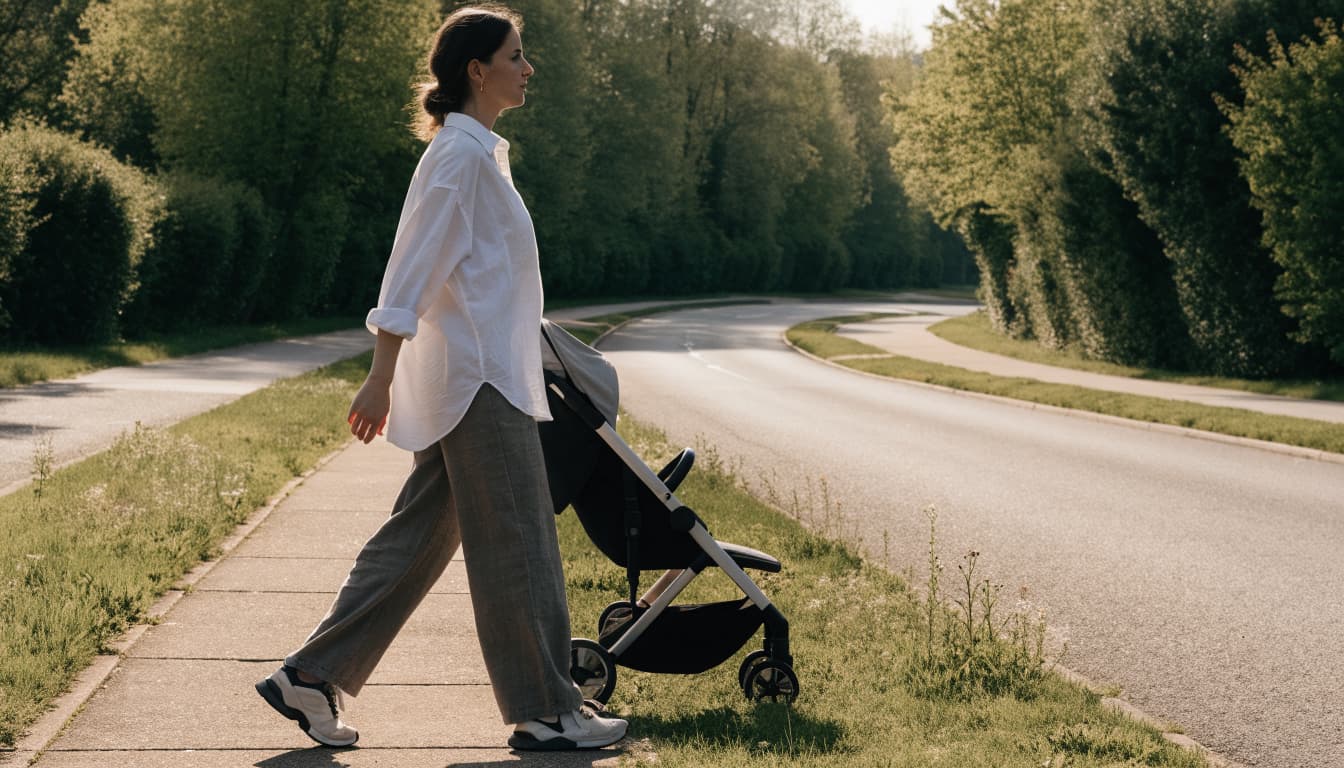
Start with gentle walks when your care team says it is safe
Once your care team says walking is appropriate, begin with a short, comfortable route, even if that means walking around your home or block. Keep the pace easy enough to talk, then add a few minutes when your body feels ready. Walking is an accessible way to rebuild activity, not a test you need to pass right after birth.
Recovery differs after vaginal birth and cesarean birth, and complications can change your timeline. If you had a C-section or experienced birth complications, ask your provider when to resume exercise. These guidelines for working out after a C-section can help you prepare questions for your care team.
Rebuild strength and pelvic floor function gradually
As you heal, gentle strength exercises and pelvic floor work may become part of your routine. Your provider can help you decide what fits your recovery. Start with movements that feel controlled and comfortable, rather than following a fixed set of exercises or trying to match someone else’s pace.
Painful exercise isn’t a goal. If you have pelvic pain, pressure or heaviness, leaking, or concerns about abdominal separation, pause and talk with your clinician. A pelvic health physical therapist can assess your symptoms and tailor exercises to your needs. For general postpartum recovery and gentle movement tips, keep the focus on comfort and gradual progress.
Work toward regular activity with short sessions
When you’re ready to build a routine, short bouts can make activity easier to fit around feeding, rest, and newborn care. A 10-minute walk or other moderate activity counts toward your weekly total. Over time, you can gradually increase the duration or intensity, with rest days as needed.
ACOG recommends aiming for at least 150 minutes of moderate aerobic activity per week after birth when appropriate. You can divide that time into shorter sessions; brisk walking is one example of moderate activity. See ACOG’s postpartum exercise guidance for more details. Warm up with a few minutes at an easy pace before increasing your effort.
Stop exercising if you feel pain, dizziness, or another concerning symptom, and contact your health care provider for advice. Progress may be uneven, so use how you feel during and after activity to guide your next step.
Make progress easier with recovery-friendly habits
Fat loss after birth depends on more than food choices and workouts. Newborn care can disrupt routines, so build habits that flex with your recovery instead of demanding perfect days.
Protect rest and ask for help where you can
Newborns often wake throughout the night for feeding and care, and you can’t control every interruption. Still, fatigue can make it harder to notice hunger and fullness cues, leave you with less energy, and make a workout feel unrealistic. Research has examined links between postpartum sleep, fatigue, and mood, but rest alone does not determine body-fat changes.
When someone offers help, ask for something specific: bring a meal, handle a diaper change, or watch the baby while you shower or lie down. If you have a partner or trusted support person, sharing care can create a chance to rest. Find more ideas for coping with sleep deprivation as a new mom, and see this research on postpartum sleep, depression, and fatigue.
On especially tiring days, scale movement to match your energy. A brief, easy walk may feel better than a planned strength session, and resting may be the right choice if you’re exhausted or recovering from symptoms. You don’t need to push through fatigue to prove you’re making progress. Follow your provider’s guidance, especially if exercise causes pain or other concerning symptoms.
Track habits and progress without judging your body
The tenth tip is to track a few actions that support your health, rather than judging each day by your weight. You could note walks, nourishing meals, or strength sessions, along with changes in energy and fitness. Keep the record simple enough to use during a busy week.
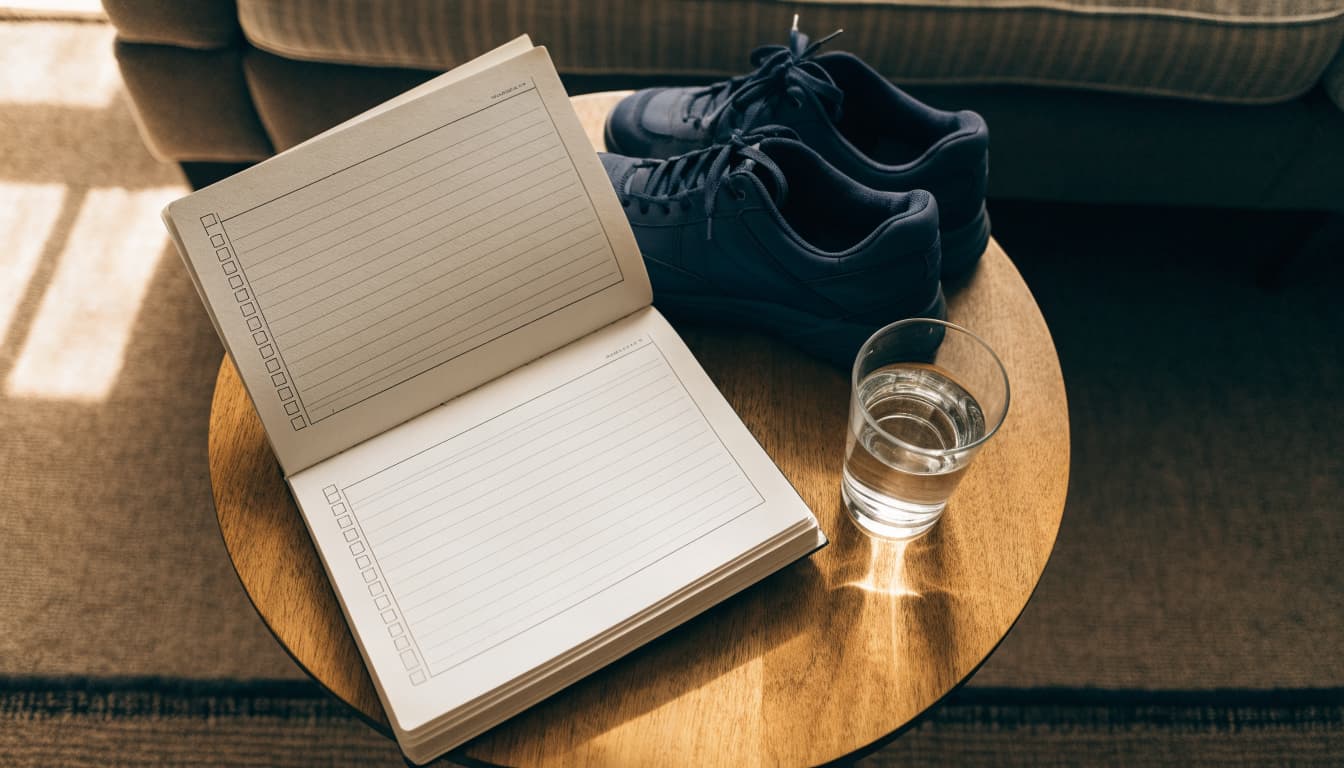
The scale can fluctuate with fluid changes, digestion, and other normal shifts, so one reading can’t show the full picture. If weighing yourself causes stress, you can focus on your routines, how your clothes feel, or what daily activities feel easier instead. Progress may show up in your stamina before it shows up on the scale.
When a rough night, missed walk, or disrupted meal throws off your plan, return to one manageable habit at the next opportunity. You don’t need to compensate by skipping food or exercising harder. A flexible reset helps you keep going while making room for the demands of postpartum recovery.
Conclusion
Losing fat after giving birth takes patience because healing, energy, and weight changes vary from person to person. Nourishing meals, gradual movement, and support for rest can help you build steady habits without extreme rules. If you’re considering major changes to your diet or exercise, check with your health care professional first, especially while recovering or breastfeeding. You can also read more about how hormones affect weight after childbirth.
When you’re ready, choose one manageable habit to start with, such as keeping a filling snack nearby or taking a short walk if your provider has cleared you. Small steps can fit into postpartum life while your body continues to heal.
Save pin for later

- 20 cortisol-reducing foods for moms - September 26, 2026
- How to properly clean your newborn - September 26, 2026
- 10 Signs of Mastitis: What to Watch for While Breastfeeding - September 26, 2026