


Bringing your baby home is a beautiful chapter, but it’s natural to feel ready to move your body again. Recovering from a C-section is a major event, and it is not a race. Your path back to exercise depends on how your body heals, what your doctor says during your checkup, and how your incision feels as you go through your day.
Patience is your best tool right now. While you might feel an urge to start running or doing crunches, those high-impact movements wait until your body is truly ready. Instead, you can look toward gentle walks or light movement that supports your healing process rather than straining it. Following essential postpartum recovery tips will help you protect your scar while you slowly regain your strength.
You can learn more about how to ease back into activity by watching this helpful video guide. This article serves as a guide for what is typically safe, which movements to avoid early on, and how to build a routine that respects your recovery.
What C-Section recovery really looks like in the first few weeks
Recovering from a C-section is a major physical event, and it requires more than just waiting for the skin to knit back together. While your surface incision might look like it’s healing well after a few days, your body is working hard beneath the surface. It is a slow, complex process that demands grace, patience, and a deep respect for how your body just brought life into the world.

Many moms feel better after the initial soreness fades, but feeling better is not the same as being fully healed. Your body is navigating significant changes, from hormone shifts to the delicate repair of multiple layers of tissue. Understanding the reality of the postpartum healing process helps you avoid pushing too hard, too soon.
Why the incision needs more time than you think
It is easy to assume that because your skin looks closed, your core is ready for action. In reality, surgery involves cutting through several layers, including skin, fat, and muscle, to reach your uterus. While the external skin often heals within a few weeks, those internal layers take much longer to regain their strength.
Your body creates scar tissue as it mends these deeper connections. This internal work is ongoing for months, not days. If you twist, lift heavy items, or strain your midsection early on, you risk irritating these internal areas. This can delay your progress and lead to discomfort. You can learn more about this gradual healing timeline to keep your expectations realistic during these early days.
Why fatigue and pain are part of the picture
Surgery recovery happens alongside the intense, around-the-clock demands of caring for a newborn. You are juggling sleep loss, the physical aftermath of blood loss, and the natural fatigue that comes with healing from a major procedure. It is completely normal for your body to feel drained, as it is pouring all its energy into repair.
Trying to bounce back quickly ignores these physical realities. Your core muscles are tired, and your entire system needs support rather than the pressure to return to a pre-baby fitness routine. Instead of forcing movement, focus on gentle rest and basic holistic postpartum recovery tips that prioritize your well-being. Gentle movement is a tool for recovery, but it should never come at the expense of the rest your body desperately needs.
When is it safe to start working out after having a C-section?
Getting back to a fitness routine often feels like a milestone for new mothers, yet your body requires significant time to mend after surgery. As a general rule, most doctors advise waiting until your 6-week postpartum checkup before starting any regular exercise. This timeline provides your internal tissues and the abdominal incision space to heal properly. Keep in mind that every recovery journey is unique, and this 6-week mark is a baseline rather than a universal guarantee for everyone.
What is usually okay before the 6-week checkup
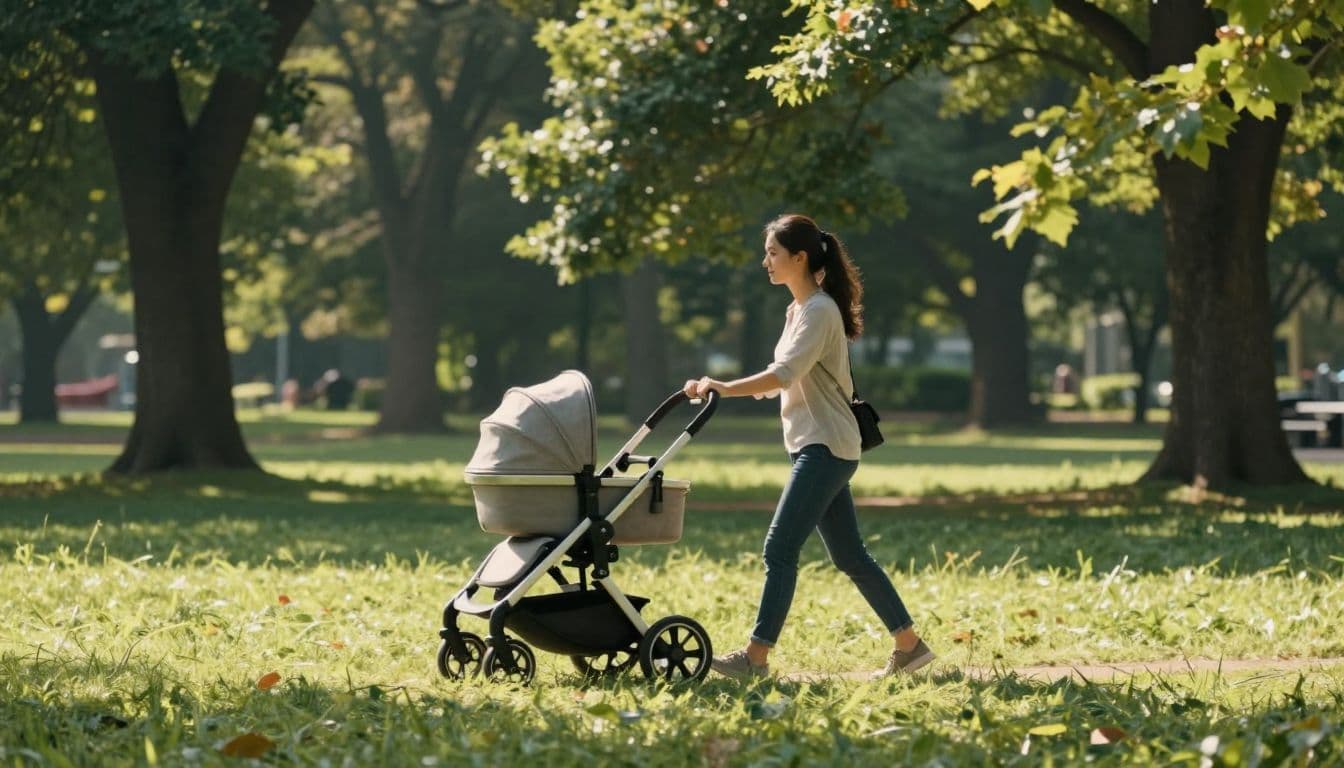
Before you reach that 6-week milestone, your focus should remain entirely on gentle, functional movement. Think of these weeks as a period of active recovery where your body prioritizes tissue repair over physical output. You can safely enjoy slow, comfortable walks around your home or neighborhood if you feel up to it. These outings provide fresh air and light movement without placing undue stress on your abdomen.
Always listen to your body instead of chasing a specific timeline. If you experience pain, pulling sensations, or discomfort during any movement, stop immediately. Avoid jerky motions, heavy lifting, or any activity that leaves you feeling exhausted. You can practice light, intentional breathing to stay connected to your core, but avoid anything resembling a traditional workout or intense abdominal training. If you feel tired after a short stroll, that is a clear sign to slow down and prioritize rest. Your main job during these first few weeks is to nurture your body as it regains its baseline energy.
What usually belongs after your doctor says yes
Once your healthcare provider clears you for physical activity, you can begin the transition back to exercise. This stage is about easing in gradually rather than jumping straight back into old habits or high-intensity routines. Start with low-impact options that allow you to monitor how your muscles and incision respond to the added load. Your body has been through a major event, so give it the grace to rebuild strength at its own pace.
Many people find success by focusing on gentle core recovery moves for new moms that emphasize control and breath rather than speed. Progress should feel incremental. You might add a few minutes to your daily walk or incorporate light stretching, but avoid high-impact movements like running or heavy weight training until you feel fully ready. Some people need extra time, sometimes up to 8 weeks or longer, to feel comfortable with more strenuous activity. Pay attention to how your body feels the day after a workout. If you notice persistent fatigue or discomfort near your incision, pull back and focus on safe, low-impact exercise guidelines to ensure your long-term health. Your fitness journey is a marathon, not a sprint, and respecting these limits today builds a stronger foundation for the future.
The safest exercises to begin with after a C-section
Recovering from surgery is a unique experience for every body. When you feel the urge to move, it is tempting to jump back into a familiar routine. However, the safest approach prioritizes healing over intensity. You want to focus on movements that boost circulation and mobility without adding stress to your midsection. Gentle activity helps you gain confidence and feel better as you navigate those first few weeks of parenthood.
Walking, breathing, and light stretching
Short walks are often the most accessible way to reintroduce movement. You don’t need a destination or a specific pace; simply walking through your home or in your backyard helps keep your blood flowing. This gentle rhythm wakes up your muscles without placing strain on your incision. When you are ready to venture outside, keep the trip brief and listen for signs from your body. If you feel tired or notice pulling sensations near your scar, return to your resting spot immediately.

In addition to walking, focused breathing is a powerful way to reconnect with your core. Sit or lie comfortably, then breathe deeply into your ribs, allowing your belly to rise and fall softly. This practice encourages a calm state of mind and helps you remain aware of your body as it repairs itself. You can also incorporate light stretches to ease stiffness in the neck, shoulders, and legs:
- Neck rolls: Gently rotate your head from side to side to release tension held after long periods of holding or feeding your baby.
- Shoulder circles: Roll your shoulders back and down, which opens your chest and improves your posture.
- Ankle pumps: While lying or sitting, flex and point your feet to improve circulation in your legs.
These moves are about restoring comfort, not building strength. Remember that physical health relies on consistent habits like hydration and quality sleep. By staying hydrated and resting when you feel drained, you support your body’s natural ability to recover. You can find more details on how these simple habits support your long-term postpartum recovery by maintaining a gentle and supportive pace.
Pelvic floor and core rehab should start small
Your core muscles worked hard throughout pregnancy, and surgery adds another layer to their recovery. While it is common to want to strengthen your stomach, wait until a provider clears you for specific activation. Early core rehab is not about burning calories or sculpting muscles. Instead, it involves very light, controlled movements that help your brain communicate with your muscles again.
Some light activation exercises may feel safe, but always verify this with your medical team. You are looking for a subtle, internal engagement rather than a forceful contraction. Focus on the feeling of gently pulling your belly button toward your spine during an exhale. If you feel any discomfort or heavy pressure, stop and try again on another day. Slow and steady progress ensures you build a foundation that is stable and pain-free.
What to avoid at the beginning
Some exercises are simply too demanding for a healing midsection. While your drive to improve is admirable, your current goal is protection. High-impact movements put excessive pressure on your healing tissues, which can delay your recovery timeline. You should skip the following until your doctor confirms your body is ready for more load:
- Crunches and sit-ups: These movements place direct pressure on your abdominal wall and incision.
- Planks: Holding your entire body weight can be too intense for a core that is still mending from a surgical cut.
- Jumping or high-impact cardio: Activities like running or burpees jar the body and put stress on your pelvic floor and scar.
- Hard twisting: Rotational movements can tug at the healing layers of your abdomen, causing unnecessary discomfort.
- Heavy lifting: Lifting anything heavier than your baby should wait until your body is fully ready for the strain.
If you are curious about what to expect as you slowly increase your activity level, you can read more about timing your return to a full workout routine. When in doubt, prioritize rest and gentle movement. A cautious approach now allows you to move with strength and ease in the coming months.
Signs your body is not ready for more exercise yet
Recovering from a C-section is a major physical journey that requires profound patience. While you may feel a natural urge to reclaim your strength, your body operates on its own timeline. Pushing through exhaustion or ignoring physical warnings can set your recovery back rather than move it forward. Recognizing the subtle and overt signals your body sends is the most important part of your postpartum fitness.
When pain around the scar is a warning
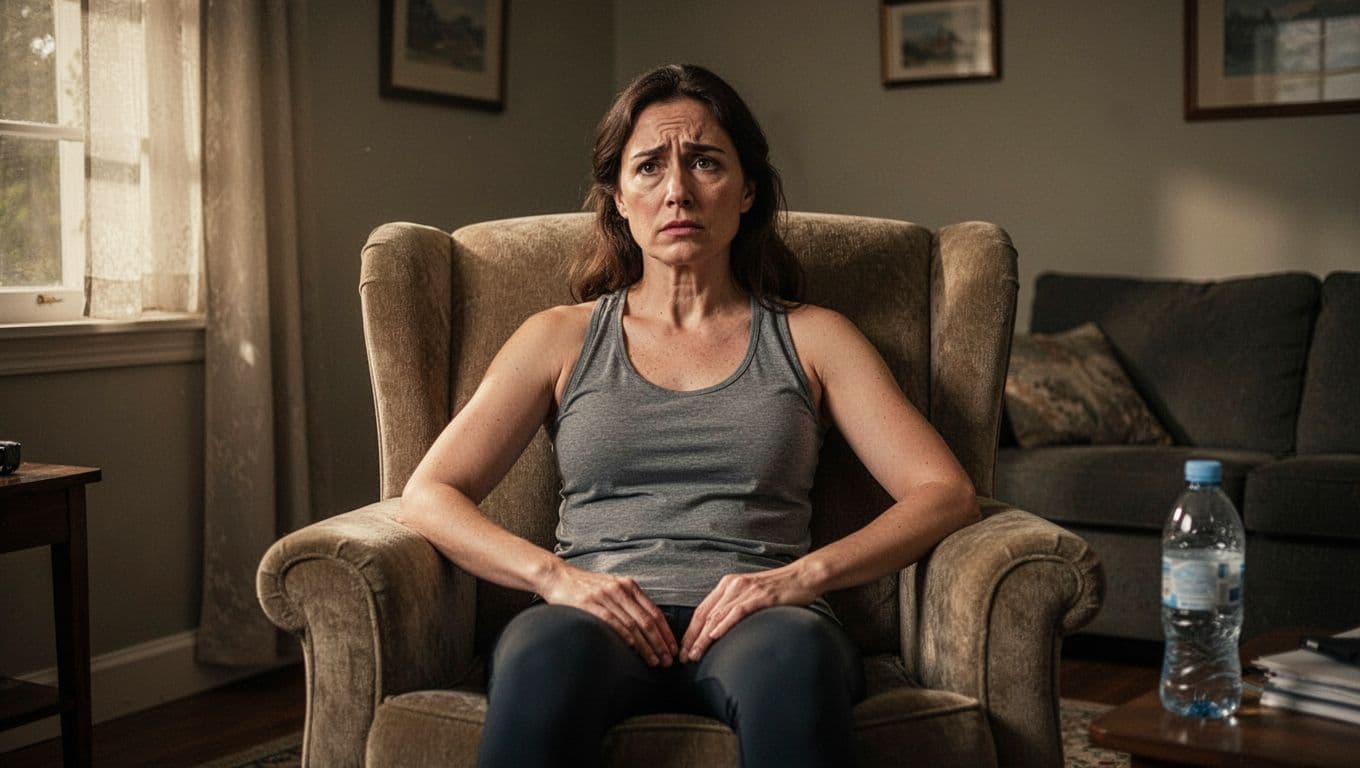
It is common to confuse the standard effort of movement with actual pain. Muscle soreness often follows a new routine, but sharp, localized discomfort near your surgical site is a different story. If you feel a burning sensation, sharp tugging, or significant pulling around your incision, your body is telling you to stop. These sensations mean that the internal layers, which are still knitting back together, are under too much tension.
You must differentiate between general fatigue and localized warning signs. If you notice swelling, intense heat, or redness near your scar after you move, back off immediately. Your goal is to support healing, not to challenge the integrity of your stitches. Consult your doctor if you notice any unusual discharge or if the pain persists even after you have rested for several hours. You can read more about safe, low-impact exercise guidelines to ensure you are respecting your body during these sensitive months.
Why bleeding or dizziness matters
Other symptoms indicate that your body is working far harder than it should. If you notice an increase in vaginal bleeding, especially if it returns to a bright red color after it had already faded, take it as a clear signal that your activity level is too high. Large clots or sudden, heavy flow are also signs that you need to prioritize rest immediately. Never assume these shifts are normal or something you can simply push through.
Dizziness, lightheadedness, or extreme shortness of breath are other red flags that your cardiovascular system is not ready for the intensity you are attempting. Your body is still recovering from the blood loss of delivery and the strain of surgery. If you feel faint or unusually shaky, find a place to sit and recover your strength right away. Always contact your healthcare provider if these symptoms appear, as they can help determine if you are ready to adjust your routine. Paying attention to these essential signs of recovery allows you to build a foundation that is safe and sustainable for the long term.
How to ease back into exercise without overdoing it
Returning to movement after a C-section is a journey of small, steady gains. You are not training for a race or trying to hit a personal best. Instead, you are reconnecting with your body as it transitions from the intensity of surgery to the rhythm of daily life. The most effective approach is to stay consistent with light habits while avoiding the temptation to rush your progress.

Start with short sessions and build up slowly
Your early workouts should be so brief that they leave you feeling energized rather than drained. Begin with just a few minutes of gentle movement, like walking around your living room or slow, mindful stretching. Recovery is more about frequency than duration. If you can walk for five minutes today without discomfort, do that for a few days before adding another two minutes to your routine.
Consistency creates the path forward. By changing only one variable at a time, you give your body clear feedback. You might increase your walking time this week, or perhaps you add one set of light pelvic floor activations the following week. If any movement causes pulling or soreness at the incision site, dial back the intensity immediately. You can find more perspectives on getting active again after surgery by seeing how others managed their early recovery milestones.
Choose support over pressure
Support matters more than the specific workout gear you choose. Wear clothing that does not rub against your incision, and prioritize a comfortable bra if you are breastfeeding or feel sensitive. Keep a water bottle nearby to stay hydrated, as your body uses significant fluid reserves to heal tissues and support your energy levels. A safe environment also plays a role in your comfort. Clear your floor of any tripping hazards and pick a spot where you can move without feeling rushed by the demands of the house.
The goal is to foster a sense of well-being. Focusing on how you feel during and after movement helps you stay tuned to your body’s limits. Avoid the urge to compare your current capacity to your pre-baby fitness. Healing is the primary work of this season, and every gentle stretch contributes to that process. You can review safe postpartum exercise guidelines to learn which movements are best avoided during these sensitive initial months.
Make rest part of the plan
Rest is not a break from your progress. It is a necessary part of the healing cycle. Your body repairs muscle, skin, and deeper connective tissue when you are at rest. If you are sleep-deprived, your body struggles to manage inflammation and keep your energy stable. View your downtime as a proactive step toward your physical recovery.
Self-care habits go hand in hand with your return to exercise. Prioritize consistent sleep, nourishing meals, and gentle skin care around your scar to keep the area soft and comfortable. When you drink water and take time to stretch, you signal to your system that it is safe to heal. A slow, kind, and steady approach is the most reliable way to regain your strength. As you learn what recovery looks like, you will find that giving yourself permission to move slowly actually gets you back to your goals faster.
Conclusion
Your return to fitness after surgery is a marathon, not a sprint. While the urge to feel like yourself again is strong, the most reliable path forward starts with slow, gentle movement. Most people find that waiting until their six-week checkup provides the necessary baseline for resuming formal exercise.
Listen to your body during every stage of this process. There is a clear difference between restorative healing movement and the strain of hard exercise. If you feel pain or notice increased discomfort, choose rest instead of pushing ahead.
Taking care of your body now is a vital part of caring for your baby. Patience today sets the stage for a stronger, more capable version of you as you navigate the long, rewarding stretch of motherhood ahead.
Save pin for later

- What Causes a Flat Head Shape in Babies? - September 20, 2026
- Baby Massage for Gas Pain: Step-by-Step Instructions - September 20, 2026
- Newborn Skin Peeling: Common Causes and Warning Signs - September 20, 2026