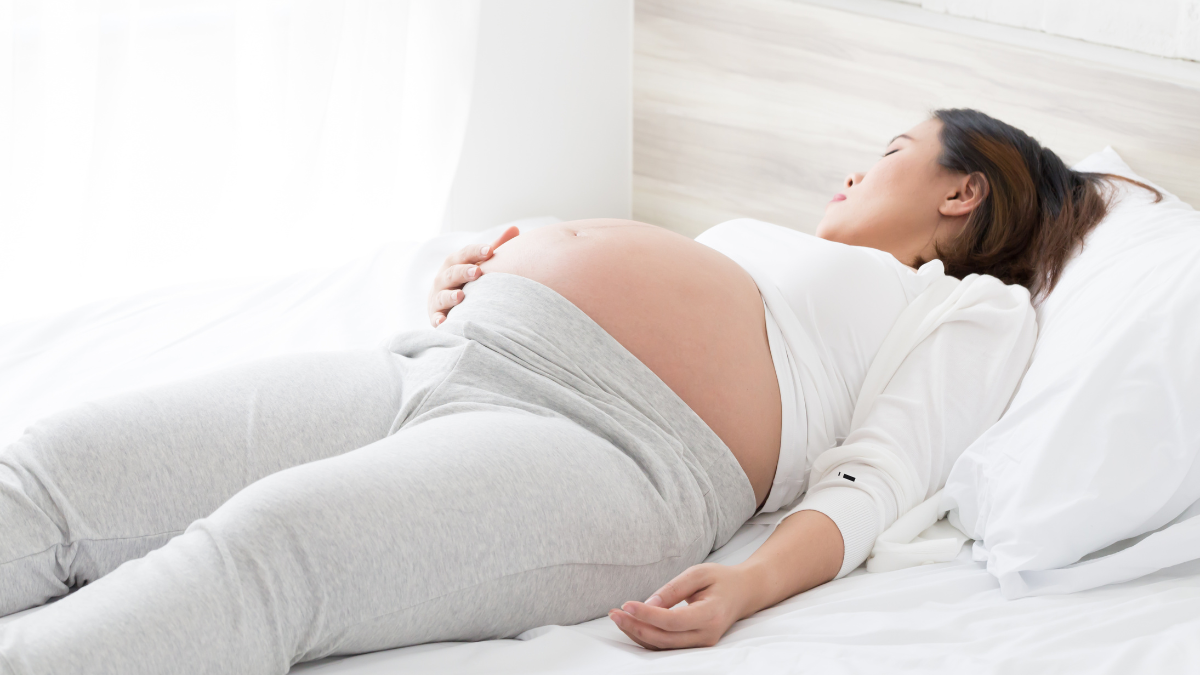


Recovering from a C-section at home takes time, patience, and a little grace for the days when your body feels slower than your mind. In the first days and weeks, home recovery means resting often, moving gently, and giving your incision the care it needs to heal well.
Every parent heals at a different pace, but rest, gentle movement, incision care, and help from others all play a big part in a smoother recovery. Simple habits like drinking water, sleeping when you can, and keeping an eye on warning signs can make a real difference, and these postpartum recovery tips can help you stay on track.
A C-section can leave you sore, tired, and unsure what is normal, so the safest approach is calm, practical, and steady. Keep reading for home care steps that support healing, plus the symptoms that mean it’s time to call your doctor.
What Your Body Needs Most in the First Days After a C-Section
The first days after a C-section are about giving your body room to heal. You just went through major abdominal surgery, so slow days are part of the process, not a sign that something is wrong.
Your body needs rest, steady pain control, help with daily tasks, and small habits that keep you comfortable. Water, sleep, and gentle support can make those early days feel less heavy. If you want a fuller look at gentle post-birth care, the holistic postpartum recovery guide offers more practical support.
### Rest more than you think you should
Rest is not laziness after surgery. It is part of the work your body is doing behind the scenes. While you sleep or sit quietly, your tissues repair, swelling can settle, and your incision gets a break from strain.
The first days may feel slow, and that is normal. Sleep when the baby sleeps, even if it feels like the day is still unfinished. Short naps and quiet breaks help more than pushing through exhaustion.
It also helps to limit visitors at first. Too much talking, standing, and hosting can wear you down fast. Keep a recovery space near the bed or couch with water, snacks, medication, diapers, wipes, and your phone charger within reach.
A few simple choices can protect your energy:
- Keep essentials close so you don’t keep getting up.
- Ask visitors to keep their stay short.
- Let the house stay a little messy for now.
- Sit down whenever you feed the baby.
Healing often feels slow after a C-section, and that pace is normal.
Basic self-care matters here too. A quiet room, a soft blanket, and a full water bottle can support the kind of rest your body needs. For more simple ideas, self-care rituals for new mothers can help you build a calmer routine.
Take pain relief on schedule, not after the pain spikes
Pain is easier to manage when you stay ahead of it. If your doctor gives you a pain plan, follow it exactly. Waiting until discomfort becomes sharp often makes it harder to move, feed your baby, or get in and out of bed.
Good pain control can make the whole day smoother. You may walk a little more easily, sit up with less effort, and feel less tense around the incision. That matters, because stiffness can make even small tasks feel huge.
It still helps to stay alert to how your body reacts. If a medicine makes you sleepy or dizzy, take note and speak with your care team. For general recovery guidance, WebMD’s C-section recovery overview explains why walking and pain control both matter in the early days.
Use your medication as directed, and don’t wait until you’re already overwhelmed by pain. That steady rhythm can make recovery feel more manageable from morning to night.
Ask for help without feeling weak about it
You do not need to handle meals, laundry, older children, and newborn care alone. In fact, letting others step in can protect your healing. Every time you avoid lifting, bending, or standing too long, you give your body a better chance to recover.
Be clear about what you need. Ask someone to bring food, fold clothes, wash bottles, or keep older kids busy. If a task requires carrying heavy items or moving around a lot, let it go for now.
Clear boundaries help here. You can say that you are not receiving guests for long visits, or that you need help only at certain hours. That keeps the day calmer and protects your energy for feeding, resting, and healing.
When people want to help, give them direct jobs instead of vague offers. For example:
- “Please handle dinner tonight.”
- “Can you watch the kids for an hour?”
- “I need help with laundry and trash.”
That kind of support is not a burden on others, it is part of recovery. The more you conserve your strength now, the easier the days ahead can feel.
How to Care for the Incision at Home the Right Way
Your incision needs calm, consistent care while it closes and strengthens. The goal is simple, keep it clean, keep it dry, and keep pressure off it as much as you can. Small daily habits matter more than long routines, and they often work best when they stay gentle.
### Keep the area clean and dry without overdoing it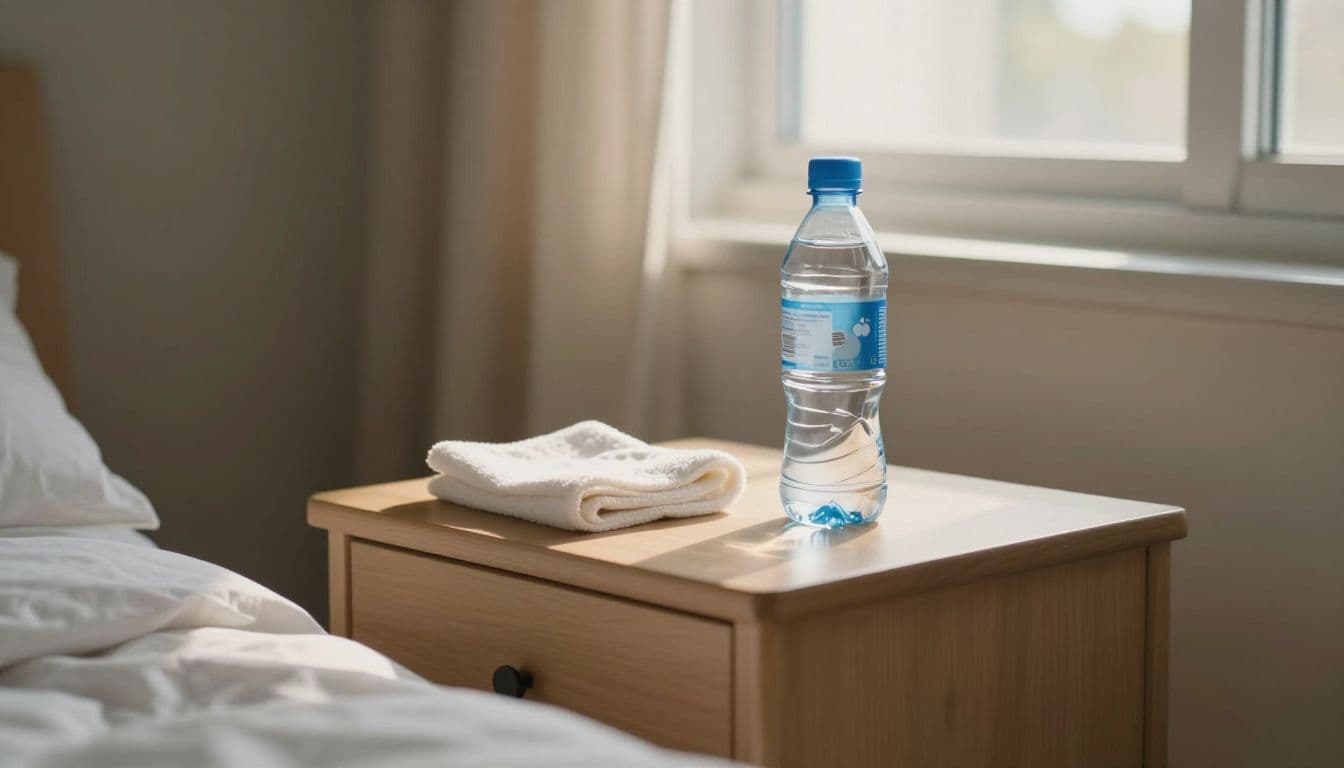
Mild soap and water are usually enough for daily care once your doctor says washing is okay. Use your hand or a soft cloth, but don’t scrub the incision. A light touch is safer because the skin is still fragile, and rough cleaning can irritate the area.
After washing, pat the area dry with a clean towel. Rubbing creates friction, and friction can make the skin sore or delay healing. Loose clothing helps too, because it reduces rubbing and pressure near the cut.
A few simple habits make this easier:
- Wash your hands before touching the area.
- Clean with mild, fragrance-free soap.
- Pat dry instead of wiping back and forth.
- Wear loose, breathable clothes.
- Skip anything that feels rough against the incision.
If you want a fuller guide to what to avoid while you heal, these C-section recovery precautions cover common missteps that can slow recovery. Clean care does not need to be complicated. It just needs to be steady.
Know what a normal healing incision may look like
A healing incision often feels a little sore, tender, or tight at first. That is common. The scar may look pink, then slowly fade as the skin closes and settles over time.
What you want to watch for is change. If redness spreads, swelling grows, pain gets worse instead of better, or you notice pus or a bad smell, something may be wrong. Those signs can point to infection and should not be ignored.
Normal healing often includes:
- Mild soreness when you move or get up
- Light tenderness around the incision
- A scar that changes from fresh pink to a softer color
- Small itchy feelings as the skin repairs itself
Call your doctor if you notice:
- Increasing redness or warmth
- Swelling that seems to spread
- Drainage that looks yellow, green, or cloudy
- A strong or bad odor
- Pain that gets worse after it had been improving
A healing incision should slowly calm down, not become angrier over time.
If you ever feel unsure, trust your instincts and call your provider. It’s better to ask early than to wait and wonder. For more detailed symptom guidance, signs of C-section scar infection can help you compare normal healing with warning signs.
Why baths, hot tubs, and pools usually need to wait
Soaking an incision can give bacteria a chance to get in before the skin is fully closed. That is why baths, hot tubs, and swimming usually need to wait until your doctor or midwife says they’re safe. Guessing about timing is risky, especially when the area still feels tender.
A shower is usually the safer option once your provider approves it. Use warm water, keep the cleaning gentle, and let the water run over the incision without scrubbing. Afterward, pat the area dry and let it air out if needed.
If you’re tempted to soak because it feels relaxing, hold off a little longer. Healing skin needs protection more than comfort in that moment. The safest timeline comes from your own care team, not a general rule.
For a broader medical reference, MedlinePlus C-section home care instructions explain why washing and drying carefully matter after surgery. That kind of guidance helps you protect the incision while it finishes healing.
Gentle Movement, Food, and Hydration That Support Healing
Recovery at home gets easier when you treat your body like it’s healing from surgery, because it is. That means staying active in small doses, eating food that helps your gut keep moving, and drinking enough water to support repair. A little movement, a lighter plate, and steady hydration can make the day feel smoother without pushing your body too hard.
### Start with short walks, then build slowly
Walking a little each day can help your body recover in practical ways. It supports circulation, lowers the risk of blood clots, eases stiffness, and can help move trapped gas and constipation along. Even a few slow steps matter, so you do not need a big workout to make progress.
Begin with the smallest movements first. Walk to the bathroom, circle the house once, or move down the hallway and back. If that feels fine, repeat it later in the day. Many new parents find that several short walks feel better than one long one.
A simple pace can look like this:
- Walk to the bathroom and back a few times.
- Take one slow lap around the house.
- Stand and stretch before sitting again.
- Walk a short hallway route after a feeding.
Pain, pulling, or heavy fatigue are your signals to slow down. If your body feels drained, stop and rest. Pushing through soreness can set recovery back, especially in the early weeks.
Gentle movement helps healing, but more is not better right now.
For a broader look at how walking supports recovery after surgery, this C-section recovery guide on walking explains why light movement helps with bowel function and circulation.
Choose foods that help with constipation and energy
After a C-section, constipation is common. Pain medicine, low movement, and tired days can all slow digestion. That is why food should work with your body, not against it. Heavy, greasy meals can feel like too much, while simple meals often sit better and give steadier energy.
Focus on foods that add fiber and fuel without making you feel sluggish. Fruits, vegetables, whole grains, and easy proteins are strong choices. Apples, pears, berries, oatmeal, brown rice, eggs, yogurt, beans, chicken, and soups can all fit into a calm recovery day.
Try to keep meals easy and nourishing. A bowl of oatmeal with fruit, toast with eggs, or soup with vegetables is often more helpful than a rich takeout meal. You want food that comforts you and supports digestion at the same time.
A few helpful choices include:
- Fiber-rich foods like oats, beans, pears, and leafy greens
- Easy proteins like eggs, yogurt, chicken, tofu, or fish
- Simple carbs like rice, whole-grain toast, or potatoes
- Fruit and vegetables for vitamins and regular bowel movement support
If you want a practical reference on recovery care, Tommy’s after-C-section advice also notes that constipation and trapped wind are common after birth. That is why gentle food choices matter so much in the first days at home.
Drink enough water to help your body recover
Water supports digestion, energy, and healing, and it matters even more when you’re sore, sleep-deprived, and feeding a baby. When you don’t drink enough, constipation can get worse and fatigue can settle in faster. Your body works hard after surgery, so it needs steady fluid, not just the occasional sip.
A good habit is to keep water within reach all day. Set a bottle by the bed, on the couch, and near your feeding spot. Sip while the baby feeds, and take a few drinks every time you notice your mouth feels dry. That small rhythm is easier than trying to remember one big goal later.
If plain water feels boring, make it more inviting with a slice of lemon or a few ice cubes. Warm tea, broth, or diluted fruit-infused water can also help, as long as they do not upset your stomach. Aim for steady intake instead of waiting until you feel thirsty.
A few easy ways to drink more:
- Keep a refillable bottle beside you at all times.
- Drink a glass during each feeding session.
- Take a few sips every time you take medication.
- Ask someone to refill your bottle when they check on you.
For most postpartum women, about 8 to 12 cups a day is a common target, and breastfeeding mothers often need closer to the higher end. If you want more context on hydration after birth, postpartum hydration guidance explains why fluids support recovery and energy.
Balance matters here too. Too much activity can leave you sore and worn out, just as too little movement can slow you down. The sweet spot is small walks, simple meals, and steady water, repeated often enough to help your body heal one calm day at a time.
Protect Your Incision When You Move, Cough, Laugh, or Feed the Baby
The first days at home can turn ordinary movements into sudden jolts. A cough, a laugh, or a slow rise from the couch may pull at your incision and make you tense up before you even think about it. That is why small support habits matter so much right now.
The goal is to make daily life feel easier on your belly. A little pressure, a slower movement, and the right clothes can take the edge off pain and help you feel safer while you heal. If you want a fuller picture of healing pace, why recovery after childbirth takes time can help you see why patience matters.
Use a pillow or your hand to support your belly
Keeping a pillow near you can make a big difference. Hold it gently but firmly over your incision before you cough, laugh, sneeze, or even shift in bed. That extra support can reduce the tugging feeling and help you relax through the moment instead of bracing in pain.
If you do not have a pillow nearby, use your hand or a folded blanket. The support does not need to be perfect. It just needs to give your belly a little protection when pressure rises fast.
This same habit can help during feeding time. If the baby’s weight presses on your stomach, tuck a pillow between you and hold your own belly with one hand. That small barrier often feels like a soft shield.
For more general recovery guidance, Mayo Clinic’s C-section recovery tips also reminds new parents that comfort and careful movement matter in the early weeks.
Make getting out of bed easier on your core
Getting up too fast can feel like your incision is being pulled open, even when it isn’t. Move in steps instead. Bend your knees, roll onto your side, and keep your body in one smooth line as you turn.
Then use your arms to push yourself up while your legs swing over the edge of the bed. This keeps pressure off your stomach and lets your upper body do more of the work. A steady breath helps too, because holding your breath can make the movement feel harder.
A simple routine looks like this:
- Roll onto your side first.
- Keep your knees bent as you turn.
- Push up with your arms.
- Let your legs drop down together.
- Pause before you stand.
A small pause can save a lot of strain. If your first try feels awkward, slow down and try again. Your body is healing, and careful movement is part of that process.
Wear clothes that do not rub or press on the cut
What you wear can either smooth the day or make every movement annoying. Tight waistbands and rough seams can rub the incision and leave you sore before lunch. Loose, soft clothing gives your skin room to breathe and keeps pressure off the area.
High-waisted underwear often feels better because it sits above the cut instead of across it. Soft fabrics, like cotton, are kinder on tender skin than stiff or scratchy materials. In the early days, comfort matters more than style.
A few helpful choices include:
- Loose pants or dresses with soft waistbands
- High-waisted underwear that stays above the incision
- Cotton tops and breathable layers
- Clothes that slide on easily without bending hard
When you dress for recovery, think easy, not polished. The right clothes can make nursing, standing, and walking feel less like a battle with your own skin.
When to Slow Down, and When to Call Your Doctor Right Away
A C-section recovery can feel full of small aches, odd tugs, and tired days. Many of those are normal. What matters is knowing when soreness is part of healing and when your body is sending a clear warning.
If something feels off, trust that feeling. A quick call can save time, worry, and a harder recovery later. Medical care after birth is about watching the full pattern, not just one rough moment.
### Warning signs that should never be ignored
Some symptoms need urgent attention, even if you are still trying to rest at home. A fever, heavy bleeding, or pain that suddenly gets worse can point to a problem that should not wait. Infection around the incision can also show up with spreading redness, swelling, warmth, pus, bad-smelling drainage, or the cut opening up.
Pay close attention if you notice any of these red flags:
- Fever or chills
- Heavy bleeding or bleeding that suddenly increases
- Trouble breathing or chest pain
- One-sided leg swelling, pain, or redness
- Severe belly pain that feels different from regular soreness
- Drainage, pus, or a foul smell from the incision or vaginal discharge
These symptoms may need urgent medical care right away. Chest symptoms and one-sided leg swelling can point to a blood clot, which is serious. For a medical reference on when to get help, UNC Health’s C-section recovery guide gives a clear list of warning signs.
If you have trouble breathing, chest pain, or a swollen painful leg, seek medical help right away.
How to tell normal soreness from a possible problem
Normal healing pain usually changes slowly. It may feel sore when you stand up, laugh, cough, or turn in bed, but it should gradually ease over time. The general pattern is simple, recovery discomfort improves little by little instead of getting sharper each day.
A possible problem often looks different. Call your provider if pain suddenly shifts, gets stronger after improving, or comes with deep redness, drainage, or fever. Those changes can mean infection or another issue that needs a medical look.
You know your body best. If the pain feels out of proportion, or the incision looks angrier instead of calmer, do not wait and hope it passes. A quick check is better than guessing. For more home-care guidance, Mayo Clinic’s C-section recovery tips also explains which symptoms deserve a call.
Why follow-up care matters even if you feel okay
Postpartum checkups are not just for problems. They help confirm that your incision is healing, your pain is settling, and your body is moving in the right direction. They also give you space to ask about bleeding, mood changes, pain relief, or anything else that feels unclear.
Recovery keeps unfolding after the first few days. That means one decent morning does not tell the whole story, and one bad hour does not define the whole healing process either. Follow-up care gives your provider a chance to catch small issues early, before they become bigger ones.
If you feel fine, still go. The appointment is part of the healing plan, not an extra step. Your body has been through surgery and birth, so steady check-ins matter, even when you feel mostly like yourself again. For practical aftercare details, MedlinePlus home care instructions explain why follow-up and careful observation both matter after a C-section.
Keeping an eye on warning signs can feel stressful at first, but it becomes easier when you know what to watch. Slow, steady soreness is part of the process. Fever, heavy bleeding, breathing trouble, worsening pain, or one-sided leg swelling are not.
Conclusion
Recovering from a C-section at home takes patience, support, and a slower rhythm than most new parents expect. Rest often, keep the incision clean and dry, move gently each day, and stay ahead of pain so your body has room to heal.
Small habits do the heavy lifting here. Water, simple meals, loose clothes, and help with daily tasks can ease the load while your body mends.
Healing may feel slow, but each safe choice matters. When you listen to your body and call your doctor if something feels wrong, you make recovery steadier and daily life a little easier.
Save pin for later

- 15 Fun Learning Activities for Two-Year-Olds - September 20, 2026
- Easy Ways to Make Baby Sleep and Save Time - September 20, 2026
- How to Stop Using a Pacifier: Benefits and Weaning Tips - September 20, 2026