A C-section recovery can leave you sore, tired, and tempted to push through pain, but this is the time to slow down and protect your body. Your incision needs care, your energy needs rest, and your healing needs patience.
These things a c-section mom must avoid can help lower the risk of infection, ease pain, and support a smoother recovery, but your doctor’s instructions always come first because every recovery is different. If you want broader support during this season, these postpartum recovery tips can help you feel more prepared.
Now, let’s get into the habits, movements, and missteps that can make healing harder than it needs to be.
Why c-section recovery needs a gentler pace
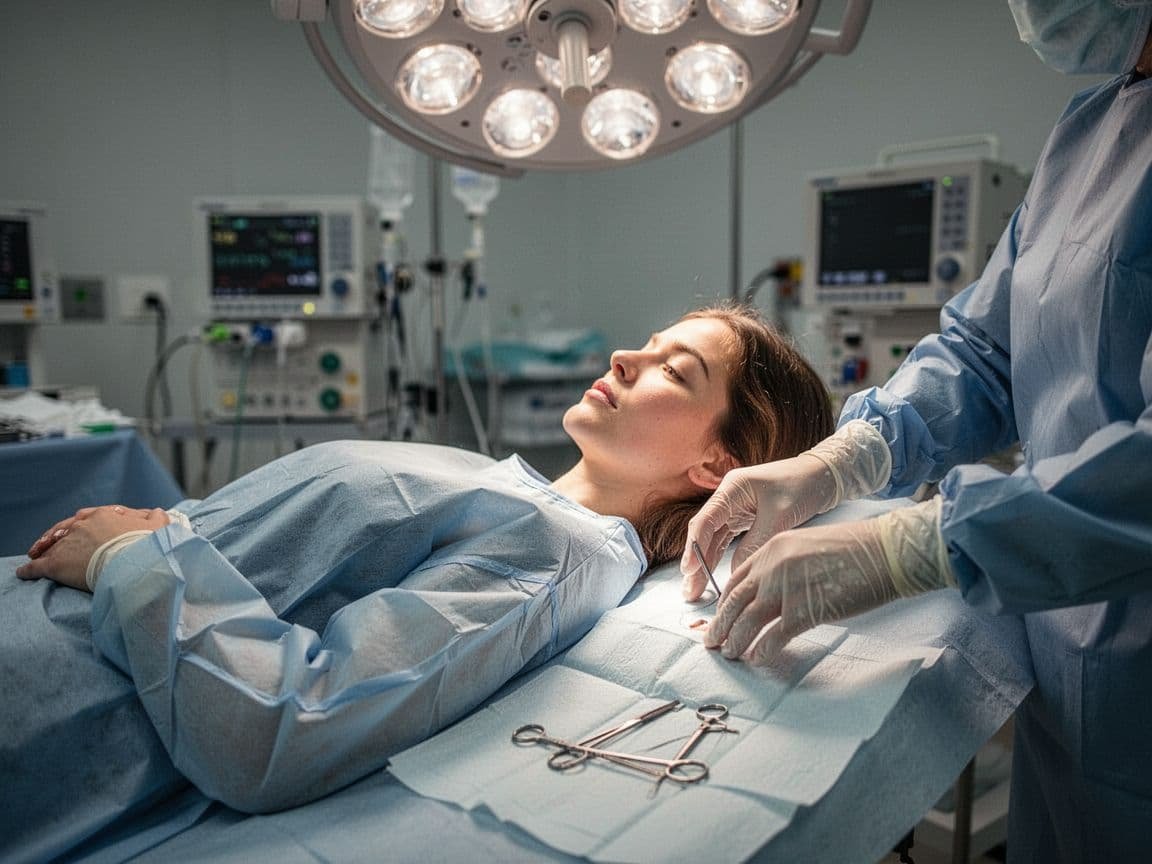
A C-section is major abdominal surgery, even when the birth itself feels calm and planned. Your body is healing from both delivery and an operation, so the early weeks need more care than many people expect. That slower pace protects your incision, lowers strain, and gives your energy a chance to come back in a steadier way.
What is happening inside your body after surgery
After a C-section, your skin, muscle, and uterus all need time to close and heal. The incision on your belly is sealing from the outside, while the layers underneath are still knitting back together like fabric after a tear. At the same time, your uterus is shrinking, your body is shedding blood and tissue, and swelling can make the whole area feel tight and sore.
Fatigue is part of this picture too. Your body has used a lot of energy, and healing asks for even more. That is why lifting too much, bending often, or moving too fast can pull on the incision and make pain worse.
A simple way to think about it is this: your body is doing repair work around the clock. Rest, support, and gentle movement help that work go smoothly, while strain can slow it down.
For a fuller look at recovery habits that support healing, these postpartum recovery tips offer practical help for the first weeks.
A C-section recovery usually takes weeks, not days, and that timeline matters when you plan your activity.
How trying to do too much can set recovery back
It often starts with a small win. You feel a little better, so you load the dishwasher, climb extra stairs, or carry more than you should. Later, the pain returns harder, your belly feels heavier, and even simple movements start to sting again.
That happens because healing tissue can complain long after the activity is over. The body may tolerate a busy hour, then punish you the next morning with more soreness, swelling, or bleeding. Pushing through pain does not speed recovery. It usually steals energy your body needs for repair.
Here is the truth many moms need to hear: rest is part of recovery, not laziness. A gentler pace gives your incision less pressure and your body more room to heal well. It also lowers the chance that you will feel wiped out before the day is done.
If you want a clearer sense of why recovery takes time, this guide on postpartum healing explains the slower process in plain language.
When you slow down early, you protect the work your body is already doing. That makes it easier to avoid setbacks, manage pain, and heal with less stress on every layer underneath the scar.
The physical things a c-section mom must avoid in the first weeks
The first weeks after a C-section ask for restraint. Your incision may look small, but the healing work underneath is much bigger. Every time you strain, twist, or rush, you ask that area to carry more than it should.
That does not mean you have to do nothing. It means you protect your body from the kind of movement that stretches the belly, pulls at the incision, or leaves you sore and wiped out later. Small choices matter here, especially when baby care already fills the day.
Lifting anything heavier than your baby
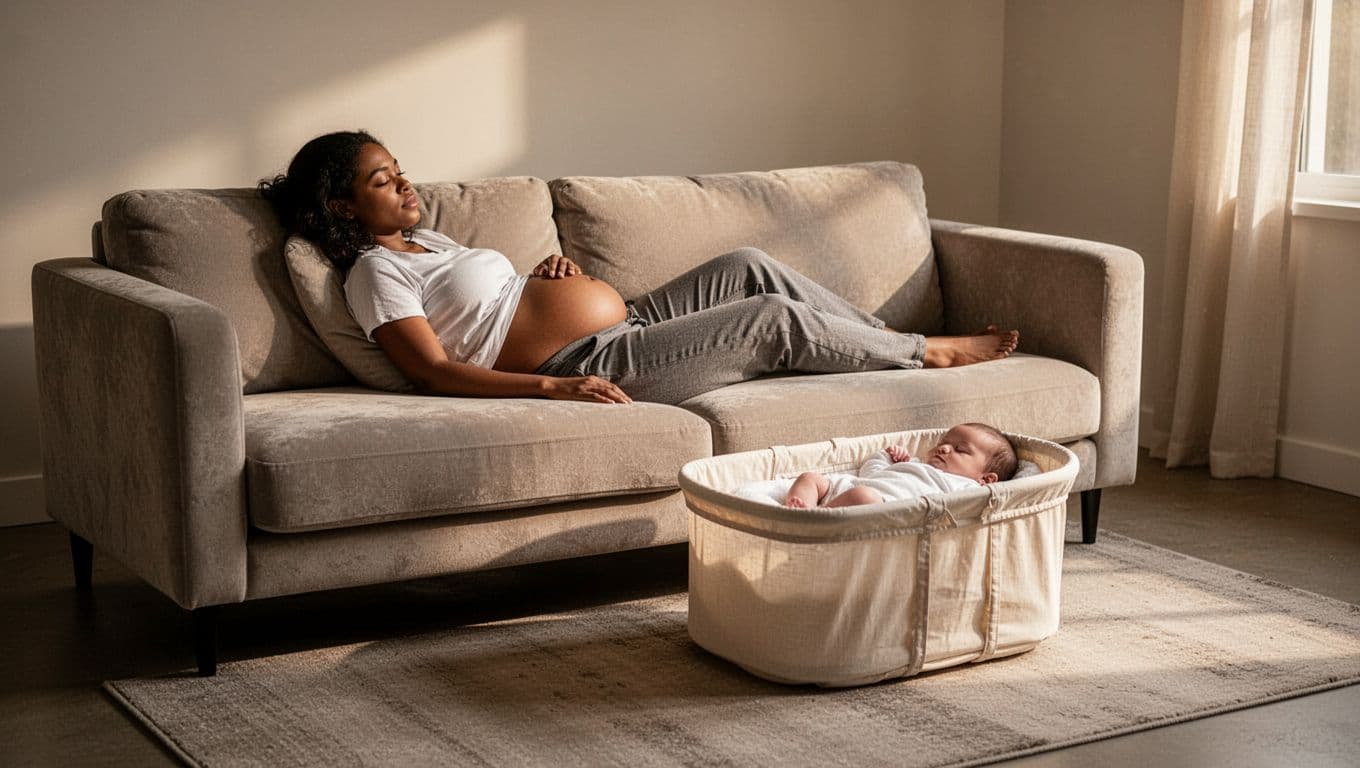
Heavy lifting puts direct pressure on your abdominal muscles and incision. That pressure can make the area sting, pull, or feel like it is tightening from the inside. Even if you feel “okay” for a moment, the soreness often shows up later.
That is why laundry baskets, grocery bags, car seats, and older children need caution. A full basket may seem harmless, but it can pull your core forward. A car seat is even trickier, since it asks for awkward angles and sudden grip strength.
Ask for help whenever you can, especially in the early days. If you must pick something up, use both arms carefully, keep it close to your body, and move slowly. Mayo Clinic’s C-section recovery guidance also advises avoiding heavier lifting during the first couple of weeks, which lines up with the need to keep strain low while your body seals and settles.
If it feels heavy in your arms, it is probably too heavy for your healing belly.
Hard exercise, running, sit-ups, and core workouts
Exercise should wait until your doctor clears you. The urge to “get back to normal” can feel strong, but your body is still repairing a surgical wound. Running, jumping, sit-ups, planks, and crunches can tug on healing tissue and bring back pain or bleeding.
High-impact movement also sends shock through the abdomen. That can make the incision feel tight and cause swelling that lingers for hours. Even a short workout can undo a day that was otherwise going well.
Gentle walking is usually the safer place to start, if your doctor says it’s fine. Anything that works your core hard should stay off the list until your body is ready. For a more structured look at return-to-movement timing, this C-section exercise guide gives a helpful framework for easing back in.
Driving before you are truly ready
Driving too soon can turn a small errand into a painful mistake. You need to be able to move comfortably, brake quickly, and react without delay. If you are still using strong pain medicine, driving is even riskier because it can slow your reactions and make you drowsy.
Twisting to look over your shoulder can also hurt the incision. So can sudden stops, fast turns, and the pressure of a seat belt across a tender belly. In real life, that means school runs, pharmacy stops, and quick grocery trips need to wait until you feel steady.
A good rule is simple: if you cannot turn, sit, and brake without wincing, stay out of the driver’s seat. The WebMD overview of C-section recovery notes that driving often has to wait until movement feels safe again, which is a smart line to respect.
Heavy housework that makes you strain
Vacuuming, scrubbing, mopping, carrying full laundry baskets, moving furniture, and deep cleaning all ask too much too soon. These jobs pull you forward, twist your torso, and make your abdominal wall work harder than it should. After surgery, that extra strain can leave you exhausted before the day is even half done.
Housework also hides its cost. You may feel fine while wiping counters, then feel sharp soreness once you sit down. That delayed pain is a sign your body spent more energy on chores than on healing.
Keep the task list light. A few dishes or a small load of laundry is very different from a full cleaning session. If a chore makes you hold your breath or brace your belly, it’s a sign to stop and hand it off.
Repeated stair climbing and rushing around the house
Too many stairs can make the lower belly feel sore and tight. Each climb uses your core, even when the movement seems simple. Going up and down several times a day can add up fast, especially when you are already tired from feeding, changing, and soothing a newborn.
Rushing makes it worse. Hurrying up the stairs with a diaper in one hand and a phone in the other can throw off your balance and increase the pull on your incision. It also raises the chance that you trip or catch yourself awkwardly, which your body does not need right now.
When possible, keep diapers, water, snacks, burp cloths, and baby supplies on one level. Set up a small recovery station where you spend most of your time. That way, you make fewer trips and save your energy for healing instead of running back and forth.
Staying in positions that stretch or squeeze your belly
Long stretches of bending, twisting, or slumping can irritate the incision area. Reaching low into cabinets, leaning over the crib for too long, or sitting curled forward can all press on the belly in unhelpful ways. Your body needs neutral, supported positions more than awkward ones.
A pillow behind your back, a raised surface for baby care, or a chair with good arm support can make a big difference. Small adjustments reduce the strain without adding more work to your day. The goal is simple, keep your abdomen relaxed enough to heal without constant tugging.
If a movement makes you hold your breath, grimace, or shift your weight to get through it, stop. Healing is smoother when your body gets room to rest between the necessary tasks of the day.
Bottom line for the first weeks
Avoiding physical strain after a C-section is about protecting the repair work happening under the skin. Heavy lifting, hard exercise, driving too soon, rough housework, repeated stairs, and awkward body positions can all slow healing or increase pain.
The safer path is slower, lighter, and more supported. Let other people carry, clean, and run errands when they can. Your job in these first weeks is to heal first, move second, and give your incision the calm it needs.
Daily habits that can irritate the incision or raise infection risk
Some recovery mistakes happen in plain sight. A long bath, a rushed shower, a forgotten sanitary pad, or a pair of sweaty leggings can all make a healing incision unhappy. During these early weeks, clean skin, dry skin, and gentle routines matter more than most people expect.
The goal is simple, keep the incision calm. When the area stays damp, dirty, or rubbed raw, germs have an easier path and healing slows down.

Baths, hot tubs, and swimming too early
Soaking your body may feel relaxing, but it can put your incision at risk. Bath water, pool water, and hot tub water can carry germs, and a wet incision stays soft longer than it should. That softness can slow healing and make the wound easier to irritate.
Showering is usually safer than soaking because water runs over the body instead of sitting around the wound. Even then, pat the area dry with a clean towel and avoid rubbing the incision.
Wait until the incision is fully closed and your doctor says it is safe before you take baths or swim. If you are still bleeding or the skin looks open, that is a sign to wait longer. For a closer look at aftercare, this C-section wound care guide covers common signs of trouble and how to protect the area.
If water can sit on it, soften it, or hide dirt in it, it can slow healing.
Tampons, douching, and putting anything in the vagina too soon
Postpartum bleeding needs time to slow down on its own. Your body is also healing inside, not just at the skin level, so anything inserted too early can irritate tissue and raise the chance of infection.
That means no tampons, no douching, and no vaginal products unless your doctor approves them. Pads are the safer choice in the early weeks because they let the body drain naturally without disturbing healing tissue.
Keep your routine simple and clean. Change pads often, wash your hands before and after, and use only doctor-approved products if you need relief or support. MedlinePlus recovery instructions also note that incision care and dryness matter while your body heals.
Ignoring redness, drainage, fever, or worsening pain
A little soreness is normal after surgery. Redness that spreads, drainage that smells bad, a fever, or pain that gets worse instead of better can point to infection or another problem.
Do not wait and hope it passes if the incision feels hotter, looks more swollen, or starts leaking fluid. These signs deserve quick medical attention because infections can grow fast after a C-section. The same goes for chills, a sudden bad smell, or pain that makes it hard to stand up straight.
Pay attention to changes that feel off, even if they seem small at first. A healing incision should gradually settle down, not become angrier by the day. If something changes, call your doctor sooner rather than later, because fast action is easier than fixing a bigger problem later.
Intimacy, pain medicine, and other recovery choices to hold off on
Some recovery choices are easy to overlook because they feel personal, private, or harmless in the moment. Still, your body needs time to close, settle, and regain strength after surgery. Waiting is part of healing, and it helps keep small problems from turning into bigger ones.

Sex before your doctor gives the okay
Sex can wait until your doctor says it’s safe, usually around the 6-week postpartum visit for many moms. Your body is still healing inside and out, and that includes the uterus, cervix, and incision site. If you still have bleeding, soreness, or a tender belly, your body is telling you to slow down.
Early sex can also raise the risk of infection, especially while postpartum bleeding is still happening. Even if you feel emotionally ready, your body may not be ready to handle the strain or friction yet. A gentle pause now can save you from more pain later.
If intimacy feels like a big question mark, keep it simple and open. Talk with your doctor if you have pain, dryness, or worry about bleeding. For a broader medical overview, Banner Health’s guide on sex after C-section explains why many providers advise waiting until healing is well underway.
Stopping pain medicine too early or taking more than directed
Pain medicine helps you rest, move safely, and care for your baby without gritting your teeth through every task. When you take it exactly as prescribed, it can make the day feel more manageable. When you stop too soon, pain can spike and make walking, feeding, and getting out of bed much harder.
The same is true in the other direction. Taking extra medicine, doubling doses, or mixing products without guidance can be unsafe. Your recovery works best when you follow the label and your doctor’s instructions closely.
If you are unsure whether you still need medicine, ask your provider before changing anything. Some moms do better with a planned step-down instead of guessing. The right dose should help you function, not leave you overly sleepy or still hurting.
Ignoring your body because you want to seem strong
Many moms feel pressure to bounce back fast, smile through pain, and act like recovery is no big deal. That pressure can make you brush off warning signs that deserve attention. Sharp pain, dizziness, heavy bleeding, or a sudden change in how your incision feels are all reasons to speak up.
Pushing through those signs can turn a manageable issue into a longer recovery. Your body does not need you to prove anything. It needs you to notice what feels off and respond early.
If something feels wrong, call your doctor. Waiting rarely makes postpartum warning signs easier to handle.
A good recovery starts with honesty. Tell someone when the pain changes, when bleeding gets heavier, or when your energy drops hard. The sooner you speak up, the sooner you can get back to steady healing.
When you protect your rest, use medicine the right way, and pause on intimacy until you’re cleared, you give your body a calmer path forward. That kind of care may feel slow, but it is the kind that lasts.
What to avoid at home so you can heal with less stress
Home should feel calm after a C-section, but daily life can still wear you down if you try to carry too much alone. Small choices matter now. The wrong routine can drain your energy, raise your pain, and make healing feel heavier than it should.
Support at home is part of recovery, not a bonus. When you lower stress, eat well, rest more, and stop comparing your pace to someone else’s, your body has a better chance to heal steadily.
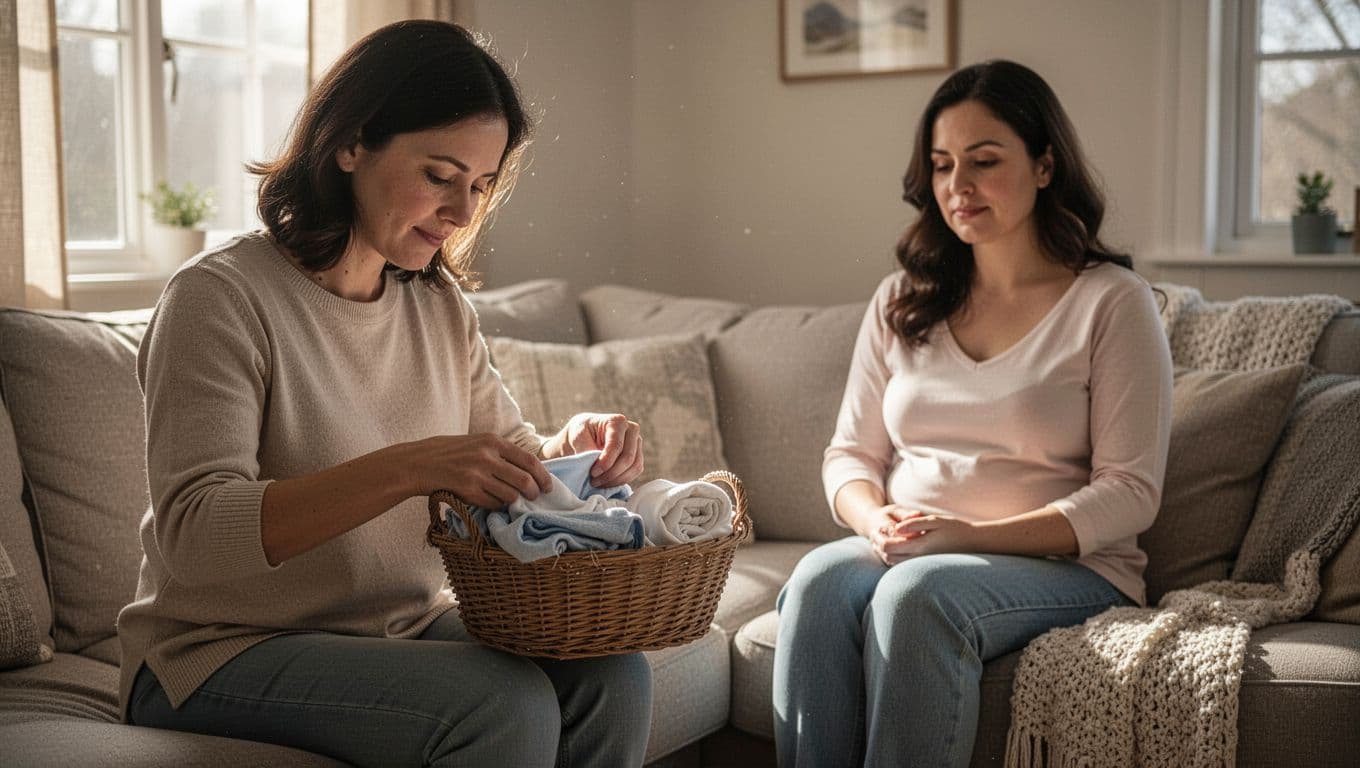
Doing all the baby care and chores alone
Asking for help is not weakness. It is one of the smartest things you can do after surgery. Your body is using energy to close wounds, calm swelling, and repair tissue, so every extra task takes something away from healing.
Let other people handle the jobs that pull on your belly or stretch your day too thin. Diaper changes, meal prep, laundry, and older sibling care are all fair things to hand off. A partner can wash bottles, a friend can fold clothes, and a family member can keep an eye on an older child while you rest.
If people keep asking what they can do, give them clear tasks. Short, direct requests work best, like “Can you bring me water?” or “Can you handle bedtime tonight?” For more ideas on getting practical support after birth, these postpartum partner support tips can help you divide the load in a way that feels natural.
Help is part of healing care. It gives your body fewer chances to get pulled back into pain.
The American Pregnancy Association’s cesarean aftercare guide also reminds moms not to shy away from help when recovery feels overwhelming. That support can be the difference between dragging through the day and giving your body the quiet it needs.
Skipping meals, water, and rest
Recovery runs on fuel. If you skip meals or forget to drink, your body has to work harder just to keep up. That can leave you dizzy, tired, headachy, and more sensitive to pain.
Water matters because healing tissue needs steady fluids, and breastfeeding can increase thirst too. Food matters because your body needs protein, iron, and calories to rebuild strength. Rest matters because sleep helps lower stress and gives your incision time to settle.
Try to keep simple things close by. A water bottle, a basket of snacks, and easy meals can keep you from running on empty. Even a few bites of yogurt, fruit, soup, eggs, or toast can help more than waiting too long and feeling shaky.
A tired body is a tense body. When you are worn out, every small pain feels bigger. Therefore, eating regularly, sipping water often, and lying down when you can are not indulgences, they are part of the work.
Fighting the urge to compare your healing to other moms
Recovery can mess with your emotions as much as your body. One mom may walk around the house in a few days, while another still needs help getting out of bed. Both can be healing normally.
Comparison often brings pressure, and pressure can lead to risky choices. You may try to do more than your body can handle because someone else seemed fine. That can cause more pain, more swelling, and more frustration.
Give yourself room to heal at your own pace. Your birth, your pain level, your sleep, and your support system are not the same as anyone else’s. A quiet recovery at home is not a sign that you’re behind, it is often a sign that you’re listening.
If your emotions feel heavy, say so out loud. Stress can slow c-section healing by keeping your body tense and stuck in “fight-or-flight” mode longer, so your mental load matters too. If sadness, anxiety, or overwhelm starts to crowd out rest, tell your doctor or a trusted person right away.
Conclusion
A C-section recovery asks for protection, not pressure. The biggest things to avoid are heavy lifting, hard exercise, sex too soon, baths or swimming before you’re cleared, and overdoing chores that pull on your belly.
When you keep your incision dry, your movements gentle, and your schedule light, healing has room to settle in. Rest, help from others, and clear medical guidance are the smartest ways to recover well and feel better sooner.
Your body has already done hard work. Give it the calm it needs, and let recovery move at its own pace.
Save pin for later

- 20 Baby Shower Table Decor Ideas - July 22, 2026
- How To Raise A Confident Child - June 19, 2026
- Age-Appropriate Chores For Kids (By Age Group) - June 19, 2026