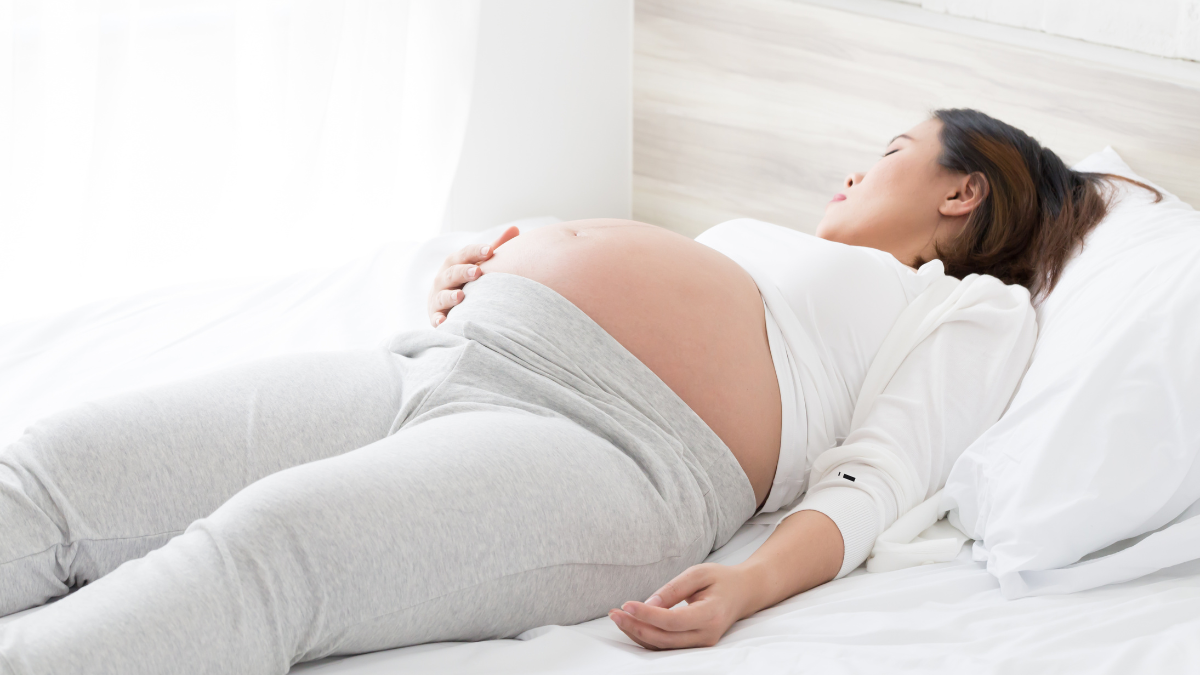
Finding extra strands of hair in your brush or shower drain can feel alarming after welcoming your baby home. Please know that this experience is incredibly common and usually temporary. You are likely dealing with postpartum hair loss, a natural shift that often catches many new parents by surprise a few months after delivery.
It helps to remember that your body is simply adjusting to changing hormone levels after pregnancy. While the shedding might seem intense, it is rarely a sign of something wrong. We will walk through why this happens and explore simple, effective ways to manage the change without panic.
Understanding Postpartum Hair Loss
Finding clumps of hair in your brush or clogged in the drain is a startling experience. Many new parents worry they are losing their hair permanently, but this condition is usually a temporary cycle. It is a biological transition that follows the massive hormonal shifts your body experienced during and after pregnancy. While the sight of thinning spots or a receding hairline creates stress, it is a common part of the postpartum recovery process.
Why pregnancy hair often looks fuller before the shedding starts
During pregnancy, your body undergoes a beautiful transformation that extends to your hair. High levels of estrogen keep your hair follicles in a constant growth phase. Because these follicles stay active instead of moving to the shedding stage, you likely noticed that your hair felt thicker, shinier, and more voluminous while you were expecting.
It acts like a temporary pause on your normal hair cycle. Instead of losing the usual amount of strands each day, your body holds onto almost everything. This extra volume is one of the many physical changes that happen when you carry a baby. Once your hormone levels drop back to their pre-pregnancy baseline after birth, the follicles that were kept in that growth phase finally transition into their resting and shedding stages all at once.
When postpartum shedding usually begins
Most people notice this change about 2 to 4 months after they deliver their baby. The timeline is rarely instant. It reflects the life cycle of your hair follicles, which had been artificially suspended in that growth phase for months. The delay exists because it takes time for the hair to move from its growth stage to the shedding stage after the hormonal shift occurs.
This drop in hormones signals the hair follicles to let go, leading to what looks like sudden and heavy hair loss. You might find it concentrated around your hairline or along your part, as those areas often show density changes first. Remember that this is not a result of anything you did wrong, such as how you washed your hair or what products you chose. It is simply your body resetting its internal clock after the major event of childbirth. Your hair is naturally catching up on the shedding it missed during those nine months.
The Primary Reasons Behind Postpartum Hair Loss
While the sight of shedding hair is unsettling, understanding the biological triggers behind it often brings much-needed peace of mind. Your body undergoes a monumental shift after childbirth, and your hair follicles react to these changes in predictable ways. While hormones are the primary driver, other factors often intensify the experience.
Hormone changes after delivery
During pregnancy, your body experiences a surge in estrogen that changes your hair growth cycle. These elevated levels keep your hair follicles in an active growth phase for much longer than usual. In essence, your body pauses the normal shedding process, which is why your hair often looks thicker and more vibrant while you are expecting.
Once you deliver your baby, those estrogen levels drop rapidly as your body begins its recovery. This hormonal shift sends a signal to your hair follicles to exit the growth phase and enter the resting phase. Because so many hairs were held in a growth state for nine months, a large number of them transition to the resting phase at once. Eventually, these hairs reach the end of their cycle and fall out to make room for new growth. This temporary shedding is the most common reason you see more hair in your brush after having a baby.
Stress, sleep loss, and the strain of new motherhood
Beyond biology, the lifestyle changes that come with a newborn play a significant role in hair health. Caring for an infant is physically and emotionally demanding, often leading to fragmented sleep and limited recovery time. This type of chronic fatigue places stress on your body, which can further impact your hair cycle.
The mental load of managing a household while adjusting to your new identity as a parent can feel heavy. When your body is under constant pressure, it often prioritizes essential functions over non-essential ones like hair growth. While this stress does not typically cause the main shed, it often makes the thinning feel more noticeable or prolonged. Keeping your stress levels manageable, perhaps by using simple self-care practices, helps your body focus on recovering and supporting healthy hair regrowth.
Low iron, thyroid issues, and other health factors
Hormonal fluctuations are usually the primary suspect, but they are not the only cause of hair loss after pregnancy. Your body loses blood during delivery, which can sometimes lead to lower iron levels or anemia. Iron is essential for carrying oxygen to your hair follicles, and a deficiency here can cause significant shedding.
Thyroid function can also shift in the months following birth, which often influences hair texture and density. If you notice your hair loss is extremely heavy, patchy, or continues well beyond the typical six to twelve-month window, it might be worth mentioning to your doctor. A simple blood test can often rule out underlying issues like thyroid imbalances or nutrient deficiencies. When your body has the right building blocks, it can recover more efficiently from the physical toll of pregnancy and childbirth.
What to Expect During Your Hair Recovery
Watching your hair shed in handfuls is unsettling, yet this stage is a temporary part of the postpartum journey. Your hair follicles are simply reacting to the massive hormonal fluctuations that follow childbirth. While there is no magic switch to stop the shedding instantly, knowing the general timeline helps reduce the stress of the situation.
What a normal recovery timeline can look like
The timeline for hair loss is rarely identical for every person, but most parents follow a general pattern. Shedding usually starts between two and four months after delivery. This phase often feels like it hits all at once because the follicles that stayed in a growth phase during pregnancy are now cycling through to the shed stage together.
- The onset of shedding: You might notice more hair in your brush or drain as you reach the three-month mark. This phase often feels intense, but it is a predictable reaction to falling estrogen levels.
- The peak period: Many people experience the heaviest shedding between four and six months postpartum. During this time, the volume of hair loss remains high, which can make your hair feel thin or fragile.
- Gradual improvement: Most shedding slows down significantly by the six-month mark. By the time your baby turns one, you should notice the hair loss returning to normal pre-pregnancy levels.
Regrowth often begins while the shedding process is still active. You might see short, wispy baby hairs appearing along your hairline, which can look uneven for a few months. This is a positive sign that your hair follicles are resetting. Patience is necessary as your scalp works through this cycle. If you feel like your routine could use a bit more focus, you might find comfort in these simple habits to stay focused while you navigate this transition.
### Signs the hair loss may be more than postpartum shedding
Most hair loss after birth is standard and temporary, but you should stay observant. While thinning at the hairline and scalp is common, certain symptoms suggest that other health factors might be at play. If you feel overwhelmed by these physical changes, consider how you might improve your daily organization to regain a sense of control over your environment.
Watch for these warning signs that suggest it is time to consult a doctor:
- Patchy hair loss: Losing hair in circular patches or seeing distinct bald spots on your scalp is not typical for postpartum shedding.
- Scalp irritation: Persistent redness, flaking, burning, or itching on your scalp suggests an underlying skin or immune condition rather than a hormonal shift.
- Excessive thinning beyond a year: While it is normal for hair to feel different for a while, significant shedding that continues well past the twelve-month mark needs a professional assessment.
- Systemic symptoms: Major fatigue, unexplained weight changes, or extreme skin dryness often accompany thyroid imbalances or severe nutritional deficiencies that require medical care.
Your body just underwent a massive change, and it deserves attention if things do not feel right. A quick conversation with a healthcare provider can rule out iron deficiency or thyroid issues. Getting a simple blood test often provides the peace of mind you need to focus on recovery. Trust your instincts if the symptoms persist or feel outside the norm of standard shedding.
Everyday ways to manage postpartum hair loss without making it worse
Your hair acts like a delicate silk fabric right now. Because your body is shifting, the strands are more fragile than they seem. Treating your scalp with kindness reduces unnecessary breakage while you wait for your natural growth cycle to return to its steady pace. Simple shifts in your daily habits often provide the relief your hair needs.
Choose gentle styles and handling habits
Tension is the primary enemy of thinning hair. Tight ponytails, high buns, or intricate braids pull at the roots and can accelerate shedding. These styles create constant stress on follicles that are already sensitive. Instead, lean toward loose, soft styles that allow your scalp to breathe. A simple claw clip or a soft fabric scrunchie works wonders because these tools hold your hair without tugging.
When you brush or detangle your hair, patience is your best friend. Start from the very ends and work your way up to the roots. Rushing through knots causes your brush to snag and snap fragile strands. Using a wide-tooth comb is a great way to navigate tangles safely, especially when your hair is wet and at its weakest. Treat your hair like a delicate garment that you want to preserve for as long as possible.
Use products that support volume, not weight
Heavy creams, thick oils, and dense styling products often do more harm than good when your hair feels thin. These ingredients coat the hair shaft, which causes it to sag and appear flatter against your scalp. Focus on lightweight formulas that provide moisture without the extra baggage. A gentle, volumizing shampoo can help lift your roots while keeping the rest of your hair feeling airy and clean.
If you find that your conditioner leaves your hair looking dull or lifeless, consider applying it only to the bottom two-thirds of your strands. Avoiding the scalp with heavy products ensures your roots remain light and don’t clump together. Sometimes the best approach is to simplify your shelf. Stick to a few high-quality, lightweight essentials that offer hydration without weighing down the hair you are working so hard to protect.
Cut back on heat and chemical stress
Heat styling creates a cycle of damage that your hair cannot afford during this recovery phase. Flat irons, curling wands, and high-heat blow-dryers strip away moisture, leaving strands brittle and prone to snapping. Embracing your natural texture is the kindest path forward. Whenever possible, let your hair air-dry while it is still damp to avoid the intensity of a dryer.
If you must use heat, lower your device settings to the absolute minimum required to style your hair. Holding a high-heat tool in one spot for too long is a common culprit for localized breakage. Similarly, spacing out chemical treatments, such as color or highlights, gives your scalp and hair fibers time to recover. Taking a break from these processes reduces the total stress on your follicles. When you prioritize natural care over frequent styling, you give your hair the space it needs to regain its strength and shine.
What to eat and what to ask your doctor about
Your body uses a vast amount of energy to recover after birth and fuel your baby. While your hair cycle moves through its natural transition, your internal resources help dictate how well your follicles recover. Eating a variety of nutrient-dense foods creates the right environment for your hair to grow back with strength. Think of your diet as the foundation for the new growth you see starting along your hairline.
Foods and nutrients that support hair growth
Focusing on a balanced plate helps your hair recover without adding stress to your daily schedule. You don’t need a complicated plan; simple, whole foods provide the building blocks your body craves. Protein is the primary material for your hair strands, so aim for regular servings of eggs, lean meats, beans, or lentils to keep levels steady. Iron plays a key role in transporting oxygen to your follicles, which keeps them active. Spinach, fortified cereals, and red meat are excellent sources to integrate into your weekly meals.
Zinc also supports your immune system and helps repair tissue, making it a vital partner in the growth process. You find zinc in nuts, seeds, and whole grains. Vitamin D remains important for overall hair health, and since many people have low levels after pregnancy, eggs and fatty fish can help fill the gap. Healthy fats, such as those found in avocados or olive oil, ensure your scalp stays hydrated. A steady intake of these nutrients helps your body prioritize regrowth as it settles into its postpartum routine.
### When supplements or medical tests may help
While a balanced diet is the best starting point, it isn’t always enough to resolve deeper issues. Supplements shouldn’t be your first response, as your body processes nutrients better through food. If you feel unusually weak, tired, or notice your hair loss is persistent and severe, your doctor can check your levels. They may run blood tests to look at your iron stores or thyroid function, which often shift after birth.
These tests identify gaps that diet alone might not fix quickly. If your iron levels are low, a professional can suggest a supplement that is safe and effective for your specific needs. Relying on lab results prevents you from taking unnecessary pills that may not address the root cause. If you’re feeling overwhelmed by these physical changes, maintaining your health remains a top priority during this transition. Always share your concerns with a clinician before starting new supplements to ensure they are the right fit for your recovery path.
Conclusion
Postpartum hair loss is a natural event that occurs as your body finds its balance again after pregnancy. This shedding is common, temporary, and rarely signals an underlying health concern. You can trust that your hair will cycle back to its normal growth pattern in time.
Be gentle with your hair by choosing loose styles and avoiding high-heat tools while your follicles recover. You should also extend that same grace to yourself during this transition. Keep these primary points in mind: understand the hormonal cause, stay alert for unusual symptoms that require a doctor, and stick to simple, nourishing habits. You are doing a great job, and your body will soon settle into its new rhythm.
Save pin for later

- How to Stop Using a Pacifier: Benefits and Weaning Tips - September 20, 2026
- 20 Mountain Baby Names for Boys and Girls With Meaning - September 20, 2026
- 20 Tough Boy Names and Their Meanings - September 20, 2026