


It is normal to feel tired, hungry, and overwhelmed as you navigate the early days of motherhood. Postpartum nutrition is not about achieving perfect eating habits, but rather about choosing simple, nourishing meals that support your healing, energy, and hydration. These choices can make even the busiest days feel a little lighter for you.
When you focus on essential postpartum recovery tips, you give your body the fuel it needs to mend. You do not have to spend hours in the kitchen to see a difference in how you feel.
Here are five healthy, easy-to-find foods that provide steady energy and help you recover throughout your fourth trimester.
Why food matters so much after birth
Your body has just performed an incredible feat, and the postpartum phase is essentially a period of intense renovation. Think of food as the construction materials required to rebuild your strength and help your tissues mend. Proper nourishment is key to healing, keeping your energy stable, and supporting your mental well-being during these transition weeks. According to research on maternal nutrient intake, focusing on the right intake helps you recover long-term wellness.
What new moms need most from meals
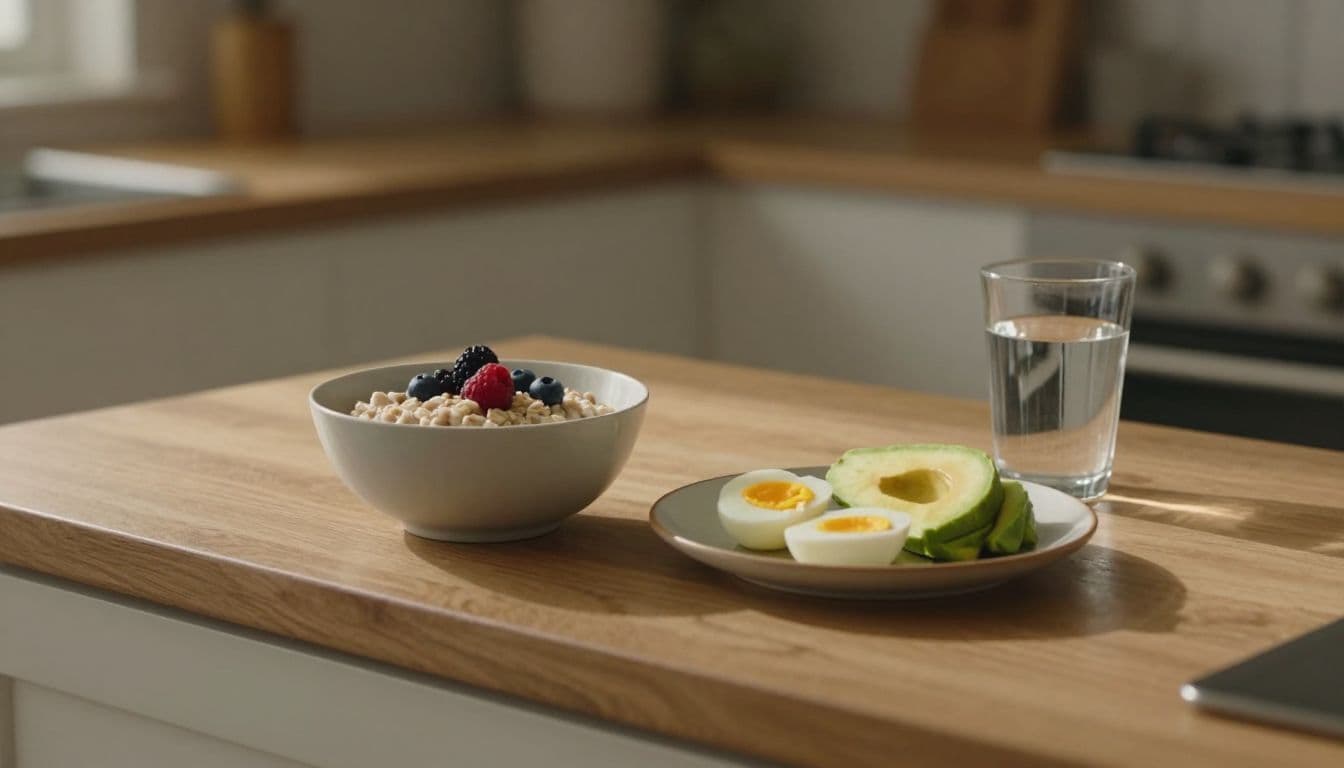
You don’t need a complex diet plan to see results. Instead, focus on combinations that provide lasting energy and repair. Your body thrives when you pair a few basic categories in your daily routine:
- Protein: This is your primary building block for tissue repair. Eggs, beans, lentils, and lean meats help your body mend after birth.
- Iron: Childbirth often leaves you feeling drained. Iron-rich foods, such as leafy greens and lean proteins, help replenish your stores and fight fatigue.
- Complex Carbs: These provide the steady, quick energy you need to handle sleepless nights. Think of oats, quinoa, and whole-grain breads as your fuel source.
- Hydration: Fluids are non-negotiable. Drinking plenty of water supports your circulation and is especially vital if you are breastfeeding.
For a deeper dive into these recovery strategies, take a look at these holistic postpartum recovery strategies. When you combine protein, fiber, and healthy fats, you keep your blood sugar stable and prevent the dreaded afternoon crash.
Why simple meals work better than perfect meals
In the first few weeks, the last thing you want is a complicated cooking schedule. Perfection is not the goal here, but consistency is. Easy meals allow you to stay nourished without the stress of elaborate prep work. If you find yourself struggling to keep up, remember that convenience can still be healthy.
Try leaning into snack plates that require no cooking at all. A handful of nuts, some sliced fruit, or a piece of cheese can provide the nutrients you need in seconds. Batch cooking is also a lifesaver. Preparing a large pot of soup or a tray of roasted vegetables once, then using them for several meals, saves you time and mental energy. Taking this approach helps you maintain nutrition for healthy breast milk production without feeling chained to the kitchen. Small, frequent meals are often easier on your digestion and keep your energy levels more consistent than trying to manage three large, time-consuming meals a day. Keep it simple so you can focus on what matters most.
Eggs, a quick protein that fits into any day
When you are deep in the recovery phase, your kitchen time needs to be efficient. Eggs are a quiet powerhouse in the pantry because they offer high-quality nutrition without the need for complex prep. They provide a dense source of amino acids and essential nutrients like choline, which help your body mend after birth. Because they are budget-friendly and quick to prepare, they remain a reliable go-to for those blurry, sleepless mornings.

Easy ways to serve eggs when time is short
You do not need a gourmet recipe to get the benefits of eggs. When your energy is low, rely on methods that require minimal cleanup and almost zero effort.
- Hard-boiled batches: Boil a dozen eggs at the start of the week. You can grab one from the fridge for a fast snack that keeps you full for hours.
- Simple scramble: Whisk two eggs with a handful of pre-washed spinach. This takes less than five minutes and adds a boost of iron to your morning.
- Quick egg sandwich: Layer a fried egg between two slices of whole-grain toast. It is a handheld meal that works perfectly when you are holding a baby in one arm.
- Avocado pairing: Top a piece of sourdough or whole-grain bread with smashed avocado and a sliced hard-boiled egg. The healthy fats from the avocado complement the protein in the egg for a satisfying combination.
If you are looking for more ways to structure these moments, follow a balanced postpartum snack formula to keep your intake consistent. By keeping these options simple, you remove the barrier between being hungry and getting the nutrition you need.
How eggs help with fullness and recovery
Protein is the primary building block for tissue repair, and eggs provide a complete profile of essential amino acids. When you eat protein, your body gains the raw materials necessary to rebuild muscles and tissues stressed during delivery. This is why many experts emphasize nutritious postpartum recovery tips as a foundation for healing.
Beyond repair, eggs help keep your hunger steady. High-protein foods take longer to digest, which prevents the sharp blood sugar spikes and crashes that often leave you feeling drained. This sustained fullness is vital when you are navigating the demands of a newborn. Furthermore, eggs contain choline and other vitamins that support your energy levels throughout the day. Integrating them into your meals is a straightforward way to provide your body with concentrated nutrients for recovery. When you feel satisfied, you have more mental clarity to handle the transitions of the fourth trimester.
Oats for steady energy and fuller mornings
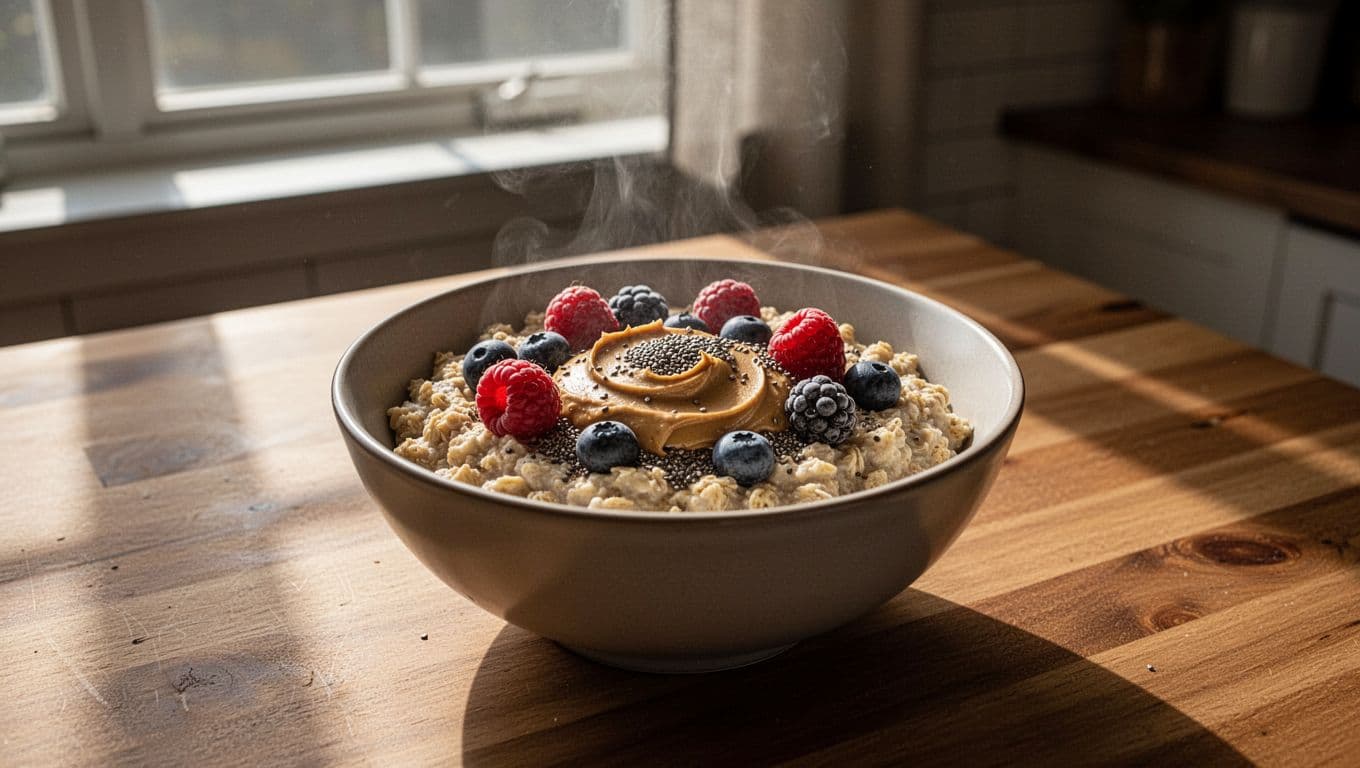
When the days feel like a blur of feedings and naps, finding food that actually keeps you grounded is a small but powerful win. Oats are a classic choice for a reason. They provide the kind of slow, steady fuel that helps you bypass those mid-morning energy slumps. Beyond just keeping you full, they offer a comforting, warm ritual that can help you feel more centered during the chaotic fourth trimester. Exploring nurturing yourself after childbirth often starts right in your kitchen with a simple, warm bowl.
Why oats are gentle and filling
Oats are a complex carbohydrate, meaning they break down slowly in your system. This steady release of energy helps stabilize your blood sugar, which is vital when you are managing the physical demands of recovery. Unlike sugary snacks that lead to a quick burst of energy followed by a crash, oats provide a sustained lift. They are also rich in fiber, particularly beta-glucan, which supports healthy digestion during a time when your body is still finding its rhythm.
Many new mothers appreciate that oats are inherently gentle on the stomach. If you are struggling with a sensitive digestive system or simple fatigue, a warm bowl of porridge feels nourishing rather than heavy. Because they are packed with iron and magnesium, they also help replenish the vital stores your body used during birth. For those interested in the benefits of oats for nursing, these nutrients are a helpful addition to your daily routine.
Simple oat bowls that feel nourishing
The beauty of oats lies in their versatility. You can prepare them in minutes or even set them up the night before so breakfast is ready the moment you wake up. When you need a quick meal, think of your bowl as a canvas for healthy fats and proteins that make the dish more satisfying.
- Berry and nut butter: Swirl in a tablespoon of peanut or almond butter and add a handful of fresh berries. The protein from the nut butter pairs perfectly with the antioxidants in the fruit.
- Chia and milk: Stir a tablespoon of chia seeds into your oats while they cook or soak. This adds a nice texture and a boost of omega-3 fatty acids that support your overall recovery.
- Yogurt and fruit: If you prefer a cooler meal, stir in a dollop of Greek yogurt after the oats have cooked. It adds extra creaminess and a probiotic punch that is great for your gut health.
If your schedule feels too packed for stovetop cooking, overnight oats are your best friend. Just mix your dry oats with milk or a plant-based alternative in a jar, store it in the fridge, and you have a ready-to-go meal for the morning. It is a small step that ensures you start the day with stable energy, no matter how little sleep you managed to get.
Greek yogurt for protein, calcium, and easy snacks
When you navigate the demands of a newborn, finding food that requires minimal effort yet packs a nutritional punch is essential. Greek yogurt stands out as a reliable staple for your recovery journey. It provides a dense source of protein to aid tissue repair, alongside calcium to support your bone health. Because it is a grab-and-go option, it fits into the tightest schedules, keeping you fueled during those long days and restless nights. This versatile high-protein powerhouse is a simple addition that makes a difference in your daily energy.
Best ways to eat yogurt without extra effort
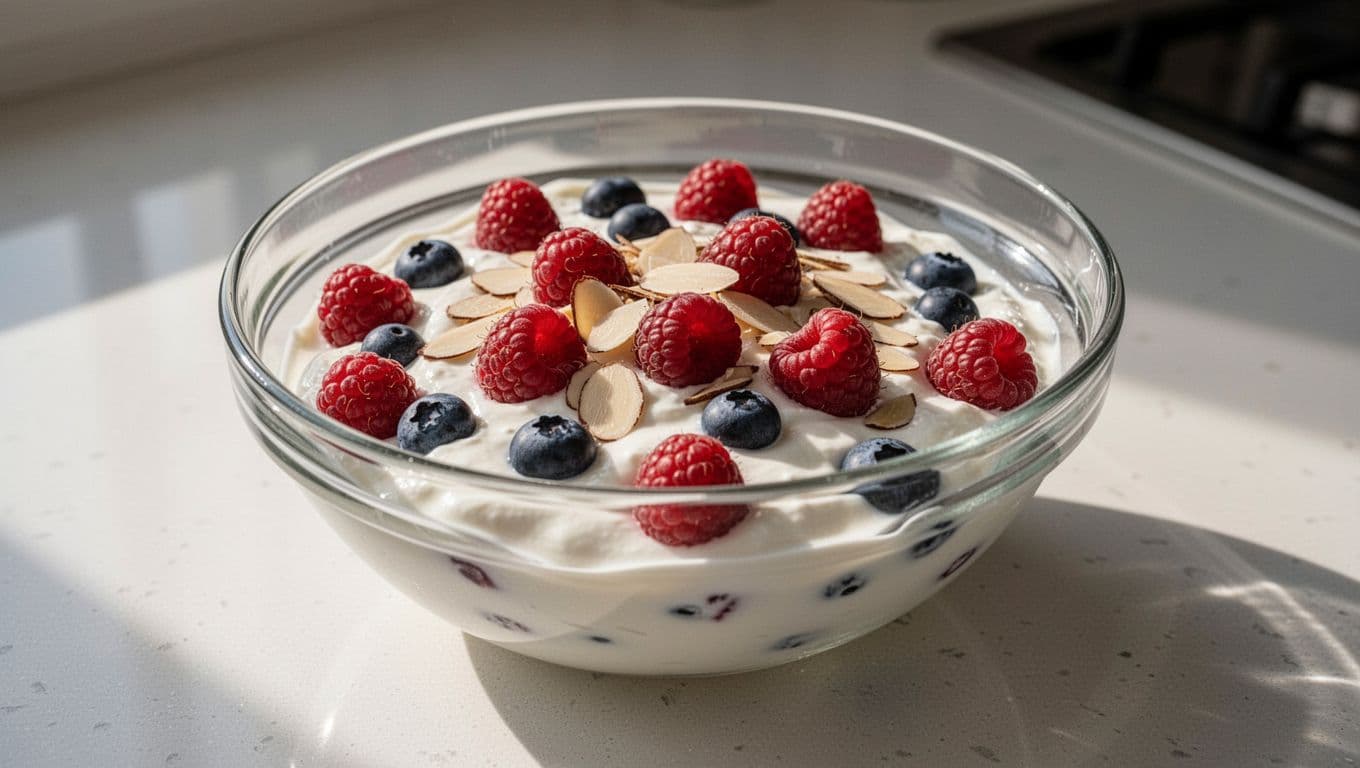
You do not need to spend time in the kitchen to enjoy a satisfying snack. Greek yogurt works well as a base for many quick combinations. Keep your prep work low by leaning into items you can simply toss into a bowl.
- Fruit and seed bowls: Stir in a handful of fresh berries or sliced bananas for natural sweetness. Sprinkle chia, flax, or hemp seeds on top for an extra boost of healthy fats.
- Crunchy granola toppings: Add a small amount of low-sugar granola for texture. This turns a simple snack into something more filling and satisfying.
- Quick smoothies: Blend a scoop of yogurt with frozen fruit and a splash of milk. You can drink this with one hand while holding your baby.
- Savory options: If you prefer a non-sweet treat, try mixing in a little olive oil, herbs, or cucumber. It is a refreshing change that still delivers the protein you need.
Focusing on these simple pairings ensures you get the nutrition you need without the stress of complicated recipes.
What to look for when picking yogurt
Not all yogurts are the same, and the labels can sometimes be confusing. Your best bet is to choose plain, unflavored Greek yogurt whenever possible. This gives you full control over the sugar content of your snack. Flavored varieties often contain significant amounts of added sugar, which can lead to energy crashes later in the day.
Check the protein content on the label to make sure you are getting the most value. A higher protein count helps keep you full longer and supports your recovery. If you find the taste of plain yogurt too tart, you can sweeten it yourself with a drizzle of honey or a few slices of fresh fruit. This approach allows you to enjoy a nutrient-dense food that supports essential postpartum bone growth while keeping your blood sugar stable. Simple choices like this create a sustainable foundation for your healing process.
Leafy greens and beans for iron, fiber, and strength
Your body recovers from birth by rebuilding tissues and restoring lost nutrients. Leafy greens and beans are nature’s simplest tools for this process. They provide the raw materials your system needs to repair itself and regain balance. While they seem like basic pantry staples, their impact on your energy levels and physical strength is significant. Adding these items to your daily meals creates a foundation for better health without requiring hours of kitchen prep.
Why iron-rich foods matter after delivery
Childbirth often depletes your body of iron, especially if you experienced blood loss during labor. Low iron levels frequently lead to persistent exhaustion, making the already challenging newborn phase feel even heavier. When your iron stores remain low, simple tasks feel draining and your mental fog can intensify.
Focusing on iron-rich foods helps you replenish these vital stores naturally. Spinach, kale, and other leafy greens offer a steady supply of vitamins that support your overall recovery. Beans and lentils act as excellent partners in this effort, as they are packed with plant-based iron and fiber. Consuming these foods consistently allows your energy to return more reliably. You aren’t just eating to satisfy hunger; you are giving your body the specific building blocks required to mend and find its strength again. These foods help prevent that hollow, weak feeling that often lingers in the weeks following delivery.

Easy meals with greens and beans
You don’t need to spend your limited energy on complex recipes to reap these benefits. Combining beans and greens is straightforward when you choose methods that prioritize speed and simplicity. These pairings work well because they cover multiple nutritional bases in a single bowl or skillet.
- Hearty bean soup: Toss a can of white beans or lentils into a pot of vegetable broth with a few handfuls of chopped spinach. It simmers quickly and provides a warm, comforting meal that is easy to heat up during the day.
- Quick skillet greens: Sauté kale or chard in a little olive oil and garlic. Once they wilt, stir in cooked chickpeas for a boost of fiber and protein that keeps you full for longer.
- Simple burrito bowls: Use black beans as your base, add a handful of raw spinach, and top it with whatever else is in your fridge. The heat from the beans lightly wilts the greens, creating a soft texture that is easy to eat.
- Savory power wraps: Spread hummus inside a whole-grain wrap and fill it with fresh spinach or arugula. It requires zero cooking and gives you a portable meal for when you’re nursing or holding a sleeping baby.
Keep these combinations flexible based on what you have on hand. If you prefer to batch cook, preparing a large container of beans once a week allows you to add a scoop to any meal instantly. This rhythm keeps your nutrition consistent even when your schedule feels unpredictable. Making these small, intentional choices helps you feel more capable as you adjust to your new routine.
Healthy fats and fruit to support energy and mood
Your body works hard during the postpartum period, and it deserves fuel that keeps you steady through the day. Combining healthy fats with fresh fruit is a simple way to manage your energy and boost your mood. These two groups work together to prevent the blood sugar crashes that often happen after a quick snack. Healthy fats slow down the digestion of natural sugars found in fruit, so you stay satisfied longer.
Why healthy fats help new moms feel more satisfied
Fats are often misunderstood, but they are essential for your recovery after childbirth. Think of healthy fats as the stabilizer for your meals and snacks. When you eat fruit alone, your blood sugar may rise and fall quickly. Adding a source of fat, like nuts or avocado, balances the impact on your body. This combination keeps your hunger at bay and prevents that tired, shaky feeling that hits in the afternoon.
You do not need a fancy kitchen setup to get these benefits. Healthy fats provide long-lasting fuel that helps you stay calm and focused. Even when you are busy caring for a newborn, these small additions to your plate make a real difference in how you feel. They provide a sense of fullness that helps you bridge the gap between meals during long days.
Fruit and fat combos that are easy to grab
You can create satisfying snacks in seconds by pairing items you likely already have on hand. These combinations offer a mix of vitamins, hydration, and the satiety you need to stay energized.
- Apple slices with nut butter: Peanut, almond, or cashew butter adds the protein and fat your body needs to pair with the fiber in your apple.
- Banana with a handful of almonds: This classic duo provides magnesium for relaxation and healthy fats to slow down the natural sugar in the fruit.
- Berries with creamy yogurt: A small bowl of berries topped with whole-milk Greek yogurt gives you a refreshing, protein-packed treat that is gentle on your system.
- Avocado on whole-grain toast: Smashed avocado provides heart-healthy fats that make a simple piece of toast feel like a substantial meal.
- Orange slices with walnuts: The vitamin C in the orange helps with recovery, while the healthy fats in the walnuts ensure the snack sticks with you.

These pairings take almost no time to assemble, which is perfect for your current routine. You can keep nuts in a bowl, have fruit on the counter, and stock your fridge with yogurt or avocado. Whenever you feel that midday slump creeping in, reach for one of these combinations instead of processed items. You will feel the difference in your sustained energy and overall comfort. Finding these moments to nourish yourself properly is a key part of your recovery, as you can read more about in our postpartum wellness tips. Keeping these snacks simple ensures you stay fed, hydrated, and ready for whatever your day brings.
How to build fast meals and snacks around these foods
Creating a consistent rhythm for your meals shouldn’t feel like another job. When your energy is precious, the most effective strategy is to keep your kitchen stocked with these flexible, nutrient-dense staples. You don’t need elaborate recipes to feed yourself well. Instead, focus on gathering ingredients that require little preparation but provide the sustained fuel you need for recovery. By keeping your pantry and fridge stocked, you remove the barriers between you and a nourishing meal, which helps you stay grounded even when the day feels chaotic.
A simple postpartum plate that works
Building a balanced plate is much easier than it sounds. You don’t need a scale or a complex plan to get the nutrients your body craves. Think of your plate as a simple assembly of three core categories that work together to stabilize your energy and support your tissues as they heal.
- Protein: Start with a source like eggs, beans, or lentils to help your body mend.
- Carbohydrates: Add a steady fuel source such as oats, whole-grain bread, or quinoa to keep your stamina up.
- Produce: Pile on a handful of leafy greens, berries, or sliced vegetables to ensure you get the vitamins your system requires.
- Healthy Fats: Finish the plate with a drizzle of olive oil, half an avocado, or a sprinkle of nuts to keep you satisfied until your next meal.
This approach is flexible. If you are exhausted, a simple bowl of oats with a scoop of yogurt and berries acts as a perfect meal. If you have a few extra minutes, an egg sandwich with spinach provides a hearty, handheld option. You don’t need to force a perfect ratio every time. Instead, aim to include these components in most of your meals to keep your blood sugar steady and your mood balanced.

Easy snack ideas for busy nursing or recovery days
When you are deep in the cycle of nursing and recovery, regular meals might not happen as planned. Having snacks ready that don’t require cooking is a lifesaver. These pairings ensure you get enough protein and healthy fats to stay energized between your main meals.
- Protein-packed toast: Top a piece of whole-grain toast with a hard-boiled egg and a pinch of salt.
- Creamy yogurt bowl: Combine a scoop of plain Greek yogurt with a handful of berries and a few crushed nuts for a crunch.
- Savory snack plate: Pair a serving of hummus with carrot sticks or cucumber slices for a refreshing hit of fiber and protein.
- Banana and almond butter: Spread natural nut butter on a sliced banana to get a quick dose of healthy fats and potassium.
These snacks are easy to assemble and keep on hand. If you struggle to find the time, keep a bowl of nuts or a bag of pre-washed fruit near the places where you spend the most time, such as your favorite nursing chair. When you make these small, intentional choices, you support your body’s healing process without adding unnecessary stress to your schedule. Using these simple postpartum recovery habits allows you to focus your attention on your baby while knowing your own nutritional needs are still met. Keep it simple, eat when you feel hungry, and give your body the grace it needs to recover.
Conclusion
Nourishing your body during the postpartum phase does not need to be a source of stress or complex planning. Focus on simple, wholesome staples that provide the steady energy you need to recover and care for your little one. By keeping your kitchen stocked with eggs, oats, yogurt, beans, and fresh produce, you ensure that help is always within reach when you are tired.
These five foods offer a foundation for healing that fits perfectly into your new routine. Small, frequent meals often work best for your recovery. They keep your energy stable while giving your body the nutrients it deserves. You are doing a great job, so give yourself grace as you find the rhythm that feels right for you and your family.
Save pin for later


- 14 Fun Ways New Moms Can Celebrate Their Baby Without Exercise - September 20, 2026
- How to Tell if Your Baby Has an Ear Problem: Key Signs - September 20, 2026
- 15 Fun Learning Activities for Two-Year-Olds - September 20, 2026