
Your baby’s brain is a marvel of nature, growing and forming connections at a pace that will never happen again in their life. During these early years, even the smallest daily interactions shape how your little one perceives the world and learns to navigate it.
It’s natural to feel a bit overwhelmed by the pressure to get everything right, but you don’t need to aim for perfection. Instead, focus on simple, consistent habits that nurture their growth. While factors like nutrition, consistent sleep, limited screen time, and loving interaction provide the foundation for success, sometimes small, unintentional habits can hinder their progress.
Learning how to spot these risks allows you to adjust your routine and create a supportive space for your child. By understanding essential child development tips for new parents, you can feel empowered to encourage healthy growth every single day. If you want a deeper look at what fuels this incredible brain growth, this video from a Harvard Professor offers some helpful perspective.
What healthy brain growth looks like in the first years
Your baby’s brain is a biological masterpiece in the making. During these early years, and especially within the first 1,000 days of life, their brain forms connections at a pace that will never happen again. These connections, known as synapses, are the building blocks for every thought, feeling, and movement they will experience. Think of it as wiring a house while the lights are already turning on. Every sound, touch, and sight provides the electricity that helps those circuits fire, grow, and solidify.
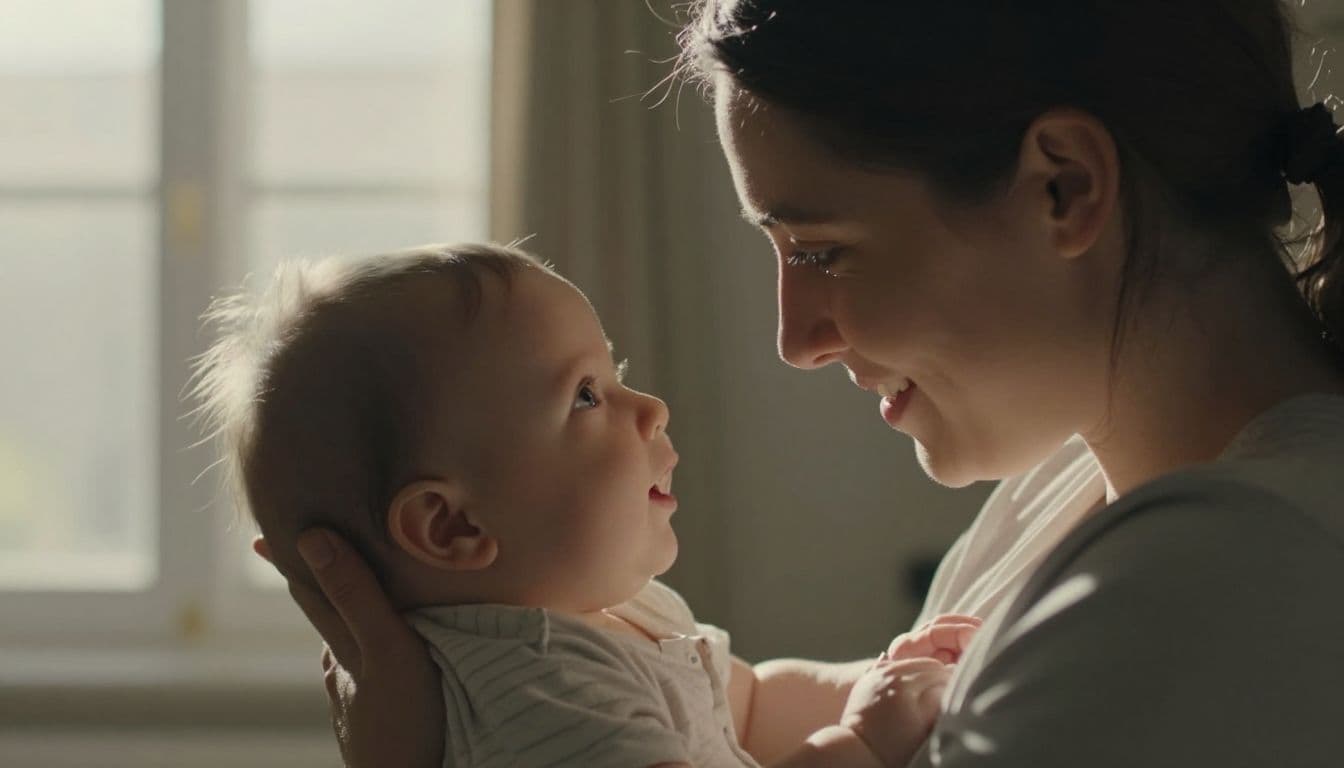
When you support your child, you aren’t just caring for their immediate needs; you are actively shaping the architecture of their brain. Healthy growth happens through consistent, everyday experiences. Because early brain development impacts a child’s ability to learn, these moments are the most powerful tools you have.
The small moments that help the brain build faster
Your baby learns by doing, seeing, and feeling. Their brain thrives on repetition and the safety of a predictable, loving environment. When you look into your baby’s eyes, you provide a mirror that helps them understand their own existence. This simple act of eye contact builds trust and social awareness.
You also help their brain architecture grow through these daily interactions:
- Responsive talking: When you babble back or name objects, you lay the groundwork for language skills. Every word you speak helps them map the sounds of their world.
- Cuddling: Physical touch releases hormones that calm the nervous system. It teaches your baby that they are safe and secure.
- Tummy time: This builds physical strength, but it also forces the brain to process balance, visual depth, and spatial awareness.
- Playful sounds: Singing or making funny noises engages their auditory cortex. These rhythms create neural pathways that make learning easier later on.
Consistency is key. The brain is like a muscle that grows stronger with every repetition. If you are ever curious about specific markers, checking in on key baby developmental milestones can offer extra peace of mind.
Why early care matters more than perfect parenting
You might feel pressure to provide a perfect environment or constant stimulation, but that isn’t necessary. Your baby doesn’t need a curriculum or expensive toys to thrive. They need you. Their brain learns most effectively through steady, responsive attention to their basic needs.
When you feed them, change a diaper, or soothe them during a cry, you are the world’s best teacher. You don’t have to be perfect at it; you just have to be present. Babies benefit from the rhythm of your voice, the warmth of your skin, and the reliability of your care. Understanding your baby’s development in these first few years shows that parents and other caregivers support healthy brain growth simply by being there and meeting the child where they are.
Focusing on these calm, consistent connections creates a secure base. When a baby feels safe, their brain can move out of survival mode and into exploration. That is where real growth begins. If you are just starting out, learning how to support your baby’s growth in the first 4 weeks can help you build those positive habits from day one.
Nutrition gaps that can slow down your baby’s brain development
Your baby’s brain development begins long before their first breath. Every nutrient you consume during pregnancy functions as a building block for their complex neural architecture. Think of these nutrients as the essential raw materials needed to construct a home. When the foundation receives the right ingredients, the structure grows strong, steady, and ready for a lifetime of learning.
Why pregnancy nutrition affects the baby’s brain before birth
The prenatal period is a time of rapid growth. Your body works to translate the food you eat into the specialized cells that form your baby’s brain and spinal cord. Without a consistent supply of these materials, the development of delicate circuits can face unnecessary hurdles. Scientific research highlights that maternal nutrition during pregnancy remains a defining factor in a child’s future cognitive and behavioral success.

You don’t need a complex chart to keep your baby growing. Instead, focus on these fundamental building blocks to support their brain:
- Iron: This mineral is vital for carrying oxygen to the developing brain. It acts as the fuel that powers every new connection.
- Folate: Often recognized for its role in early development, it helps lay the initial tracks for the brain and nervous system.
- Protein: These are the physical bricks. Every cell in the baby’s brain depends on a steady intake of high-quality protein to grow.
- Healthy Fats: Sources like omega-3 fatty acids help create the protective layers around nerves, ensuring signals travel quickly and clearly.
When you choose a balanced diet, you aren’t just eating for two; you are providing the blueprint for their mental agility. A lack of these nutrients can impact the growth and structure of key brain areas, which is why your daily food choices matter so much during these months.
When feeding struggles become a concern after birth
Once your baby arrives, the focus shifts to how well they receive their nourishment. Their brain remains in a phase of explosive growth, demanding constant energy to sustain those newly forming connections. You might notice your baby thrives during some weeks and seems fussier during others, but consistent weight gain is the best sign that things are on the right track.
Concerns can emerge if you see signs that your little one is not getting the fuel they need. Look for these indicators:
- Weak feeding: A baby who struggles to latch or tires out quickly during a meal may not be getting a full feed.
- Poor weight gain: Falling off their established growth curve is a clear signal to check in with a pediatrician.
- Constant restlessness: If your baby never seems satisfied or full despite frequent attempts to feed, it could suggest they need a change in routine or a closer look at their nutritional intake.
Trust your instincts if the daily rhythm feels off. When a baby doesn’t receive enough energy, they may be too tired to engage or explore their surroundings. You are the best observer of your child, and spotting these hurdles early is the first step toward getting them back on a healthy path.
Too little sleep can leave the baby brain stuck in a fog
Sleep is much more than a simple break from the day. For your baby, it acts as a critical window where their brain processes everything they learned since waking. During these quiet hours, their mind sorts through new information and strengthens connections that will dictate how they understand the world. Without enough rest, this vital “data processing” slows down. A baby who misses out on sleep may seem grumpier, less alert, and eventually find it harder to hit their usual developmental milestones.

Scientific studies confirm that sleep plays a large role in how infants build long-term memory and cognitive skills. When the brain receives enough downtime, it effectively cements the day’s lessons, which allows your little one to stay focused and curious when they are awake. Understanding the reasons why babies sleep so much can help you view every nap as a productive building block for their future growth.
How naps and night sleep work together
Think of sleep as a two-part harmony. Nighttime sleep provides the deep, restorative rest that clears away the “brain clutter” of the day, while daytime naps serve as essential energy boosters. These brief periods of rest allow the brain to switch gears, preventing the buildup of fatigue that can make learning a chore rather than a joy.
You can support this balance by watching your baby’s cues throughout the day. When naps and nights synchronize well, the baby stays in a calm state where they are more receptive to play and interaction. This combination is what creates a steady rhythm for your child. By prioritizing both, you protect their ability to form memories and regulate their emotions. If you want to refine this balance as your child grows, learning how to establish a solid bedtime routine can make a noticeable difference in their daily disposition.
Signs a baby may be overtired or under-rested
It is easy to miss the early signals of fatigue, especially during busy days. Many parents notice the obvious cries, but the body often broadcasts its need for rest long before the tears begin. Watch for these subtle shifts in behavior:
- Fading focus: Your baby stops engaging with toys or loses interest in your face.
- Physical cues: You might see them rubbing their eyes, tugging at their ears, or yawning repeatedly.
- Crankiness: They become unusually fussy or start arching their back when you try to hold them.
- Trouble settling: If they seem frantic or unable to find a comfortable position, they may have missed their ideal sleep window.
Avoid obsessing over a single bad day. Instead, look for patterns that repeat across the week. If you notice these signs occurring consistently, it might be time to pull back on the schedule and prioritize more downtime. Adjusting the pace of your day to meet their biological needs helps keep their brain sharp and ready to grow.
Screen time, background TV, and too much noise can crowd out learning
Your baby’s world is vibrant, but it is also delicate. Every sound they hear competes for their attention, and their brain acts like a sponge, soaking up whatever is loudest or most frequent. While gadgets and television shows might seem harmless, they often flood a room with chaotic stimulation. This constant noise can drown out the quiet, precious moments required for deep development.
Why real voices matter more than passive viewing
Babies are born wired for human connection. They do not learn language from a flat screen or a flickering cartoon. They learn it by watching your mouth move, feeling your warmth, and hearing the cadence of your unique voice. When you speak to your baby, you use facial expressions and pauses that help them decode the meaning behind your words.
Passive viewing, such as leaving a tablet or TV on while your baby plays, disrupts this natural flow. Research consistently shows that high levels of screen exposure often lead to lower vocabulary development in toddlers. Screens provide fast-paced, unpredictable sounds that keep a baby’s attention trapped without teaching them how to interact. When a device is present, you naturally talk less. You might also miss the small cues, like a gurgle or a pointed finger, that show your baby is ready to engage. If you are looking for more ways to support this natural growth, these essential parenting tips for first-time moms offer great strategies to stay present during these formative months.
How to create a calmer learning space at home
You don’t need to live in silence to help your baby grow, but filtering the environment helps. Excessive noise makes it harder for a young brain to focus on speech. When the background is noisy, your baby struggles to distinguish your voice from the hum of the television or the radio. Here are a few ways to protect that space:
- Turn off the background TV: Make a rule to keep the screen off during meals and play sessions. This creates an inviting silence that encourages your baby to listen and respond to you.
- Prioritize quiet play: If you have loud toys that light up or make repetitive music, try putting them away for part of the day. A simple wooden block or a soft book lets your baby explore on their own terms.
- Narrate your day: Use the quiet moments to describe what you are doing. Simply talking about the laundry or the dishes provides more neural fuel than any educational show ever could.
- Start small: You don’t have to change your entire home overnight. Choose one hour each day where the house stays quiet. Notice how your baby’s focus shifts when they aren’t competing with background noise.
Overstimulation often leaves a baby feeling tired and fussy rather than curious. By trimming the excess noise, you create a calm foundation where they feel safe enough to explore, listen, and learn.
Stress, neglect, and unsafe homes can affect a baby’s growing brain
A baby thrives when their world feels predictable and steady. Their brain is wired to scan the environment for safety and social cues. When that environment remains consistently calm, the brain directs its energy toward learning, playing, and building emotional intelligence. However, ongoing stress creates a different path for development. It shifts the brain into a state of high alert that can linger long after the initial trouble passes.
How stress before birth can shape early development
The environment inside the womb plays a significant role in how a baby forms connections. When a mother experiences prolonged periods of intense stress, her body releases hormones that can cross the placenta. While the baby is shielded from minor daily hiccups, chronic, high-level stress changes the chemical signals reaching the developing brain.
These signals can influence how the baby’s stress-response system sets its baseline. Instead of staying calm, a baby might be born with a nervous system that is more sensitive to changes in their environment. This doesn’t mean a child is doomed, as many babies are remarkably adaptable. It simply means that providing a calm, nurturing home from day one helps the baby’s brain recalibrate and find its sense of peace.
Why calm, responsive care helps babies feel safe
The most powerful shield for a baby’s brain is a consistent, responsive caregiver. When you hold your baby, feed them on time, or soothe their cries, you are doing more than meeting a basic need. You are telling their brain that the world is a safe place to explore.
Each time you respond with patience, you help them learn to regulate their own emotions. Think of your touch and voice as a biological anchor. They tether the baby during moments of frustration or fear, which teaches their nervous system how to return to a baseline of calm. This connection is not just sweet, it is structural. It protects the developing brain from the damaging effects of chronic stress and fosters a foundation of trust that will last for years.

When poverty, chaos, or conflict become part of the problem
Unstable surroundings can make it harder for a baby to get the steady care they need to grow. When a home is filled with ongoing conflict or unpredictable schedules, the baby’s brain often struggles to find a rhythm. They might miss out on consistent sleep, regular feeding routines, or the quiet attention necessary for brain development.
It is helpful to remember that these challenges are about circumstances, not the character of the parent. Poverty or external crises often force parents into a state of survival, which limits the time and energy available for those small, vital interactions. A baby in this environment may remain in a state of high alert, making it harder for them to move into the focused, playful states that build cognitive and social skills. If your environment feels chaotic, focus on small, intentional moments of connection. Even a few minutes of undivided attention, quiet talk, or gentle play can act as a buffer and provide the stability a developing brain needs to flourish.
Save pin for later


- Sticky Eyes in Babies: Causes, Treatment, and Warning Signs - September 20, 2026
- Baby Development Stages: Milestones From Birth to 12 Months - September 20, 2026
- 5 Elegant Baby Pictures to Take at Home - September 20, 2026