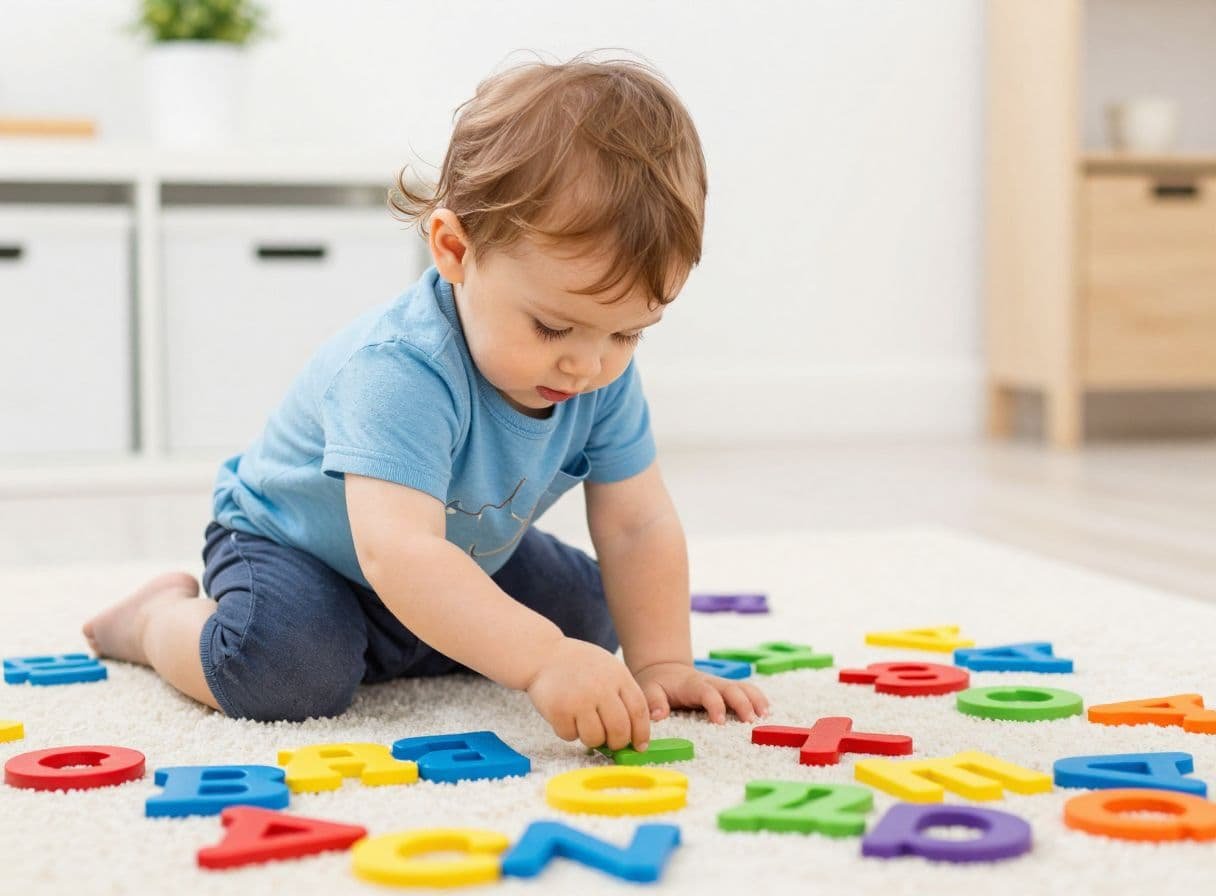
It is easy to get caught up in the pressure to turn your toddler into a little scholar, focusing on flashcards and the alphabet before they can even tie their shoes. While recognizing letters has its place, the early years are truly about mastering the world around them through hands-on experience.
When you prioritize daily competence, you build a foundation that supports independence and confidence long before formal schooling begins. Whether you are using positive parenting techniques for toddlers to stay connected or simply letting them help with a chore, these moments matter more than repetitive drills. By focusing on communication, self-control, and motor skills, you give your child tools they will actually use every single day.
Learning happens best through play and natural routines rather than forced instruction. If you are curious about why early academic pressure often misses the mark, this video on child development offers a helpful perspective. The following list covers 50 simple, practical things to teach your toddler that will prepare them for life far more effectively than memorizing the ABCs.
Why life skills matter more than letters at this age
When you look at your toddler, you might see a future scholar. It is tempting to pull out the alphabet cards or push them to identify shapes before they can even put on their own socks. However, these little humans are not built for textbooks or rigid instruction. Their brains are designed to map the physical world through touch, movement, and repetition.
Toddlers learn through doing, not worksheets
Young children possess an incredible internal drive to explore. They understand the world when they can feel the texture of an object or repeat a motion over and over. When a toddler helps you wash a dish or tries to pull on their pants, they are doing much more than just helping. They are building neural pathways.
Formal academic pressure often misses this mark because it demands a stillness that toddlers rarely have. If you force a child into a chair for a worksheet, you stop the natural flow of their discovery. Instead, you can lean into their desire to be involved. By letting them participate in your daily routine, you give them the chance to master their body and their environment. As they grow, these hands-on tasks to build toddler independence become the bedrock for everything else they will eventually learn.
The skills that support later school success
While your child might not be reading yet, they are laying the groundwork for a successful classroom experience. True academic readiness starts with social, emotional, and motor development. When a child learns to listen, take turns, or follow simple directions, they are practicing the exact skills teachers prioritize later on.
These habits create a sense of security and capability. A child who feels confident in their own ability to handle a task is far more ready to tackle the challenges of school than a child who has only memorized letters. For parents looking to build this foundation, there are many effective tips for raising independent children that focus on problem-solving and self-awareness. When your child feels capable at home, they carry that confidence into every new environment. By letting them use their words to express needs or helping them work through a frustration, you are sharpening the tools they need for a lifetime of learning.
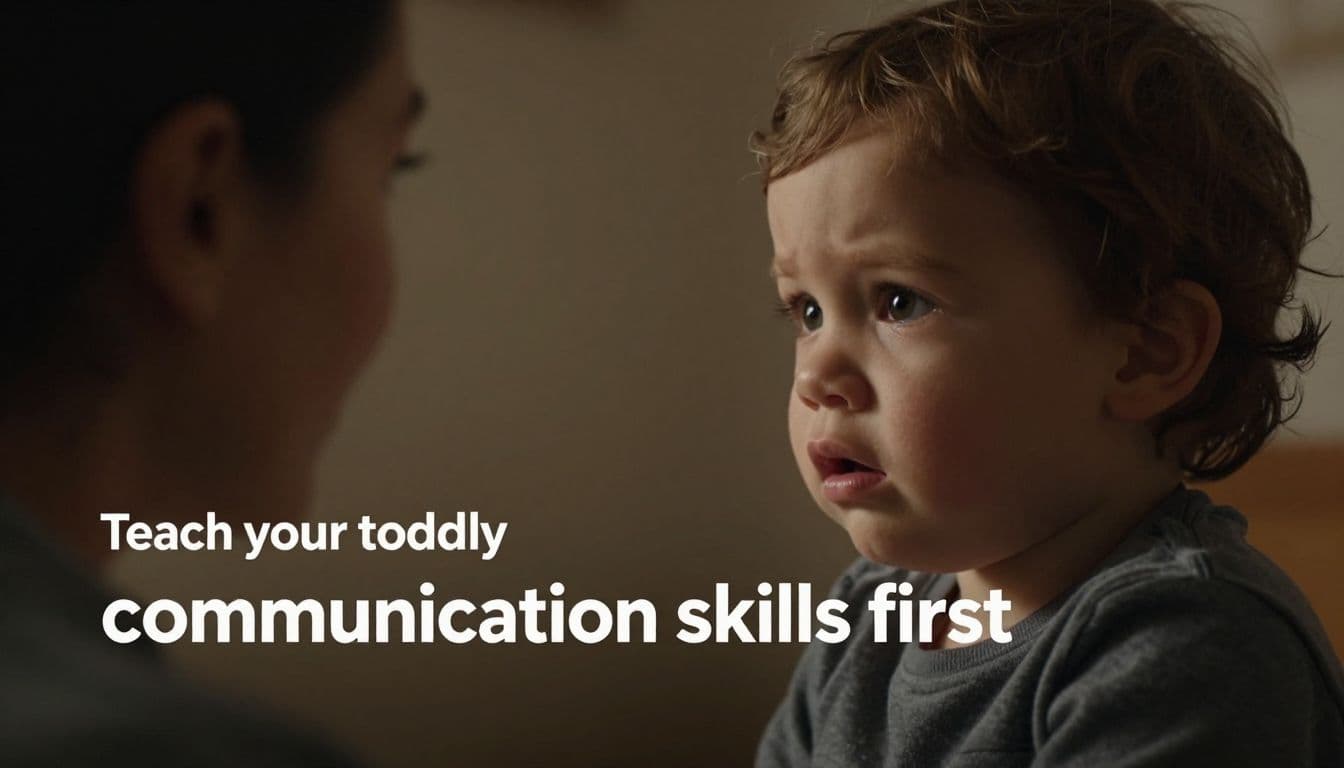
Teach your toddler communication skills first
Communication is the true bridge between your toddler’s internal world and your own. When they cannot find the right words, their frustration often turns into loud, physical expressions of anger. By giving them a vocabulary for their needs, you replace the tears with connection. You provide them with a map to navigate their own feelings long before they can write an essay or solve a complex math problem.
Simple words for needs and feelings
The journey to better communication starts with simple labels. When your toddler is hungry, tired, or hurt, they often do not know how to tell you why they feel off. You can bridge this gap by narrating their experience. Instead of guessing, show them the word. If they cry because they scraped a knee, say, “You are hurt.” If they growl during a long afternoon, gently mention that they look tired.
Naming these big feelings gives your child a cleaner way to speak. When you teach children to recognize and name emotions, you provide them with a release valve for their inner pressure. Use these simple terms regularly:
- Hungry or thirsty: Address physical discomfort before it becomes a tantrum.
- Help: Encourage them to ask for your hands when a puzzle piece refuses to fit.
- Mine and stop: These are vital for boundaries during play with other children.
- Happy, sad, and mad: Identifying these core states helps them realize that emotions are temporary and manageable.
Asking for help and answering simple questions
Independence grows when your child learns to invite you into their process. Asking for help is not a sign of weakness. It is a sign that they recognize their own limits. When your toddler points to a jar they cannot open, encourage them to say “help” or “please.” This small act builds confidence and reduces the stress that comes from repeated, failed attempts to do something alone.
Answering simple questions also builds their conversational muscles. Start with basic inquiries that engage their surroundings. Ask them, “What is this?” while holding a fruit or “Where is your shoe?” when it is time to leave. These interactions lower daily tension because they invite the child to participate in the plan. When you take the time to understand and soothe toddler emotions through these gentle exchanges, you create a pattern of cooperation rather than conflict.
Listening and following one-step directions
Following instructions is a skill that requires practice and patience. At this age, keep your requests short and direct. If you bark a long list of orders, your toddler will likely tune you out or become overwhelmed. Instead, focus on one action at a time. Use phrases like “come here,” “sit down,” or “bring me the cup” to keep the communication clear.
Always wait for them to finish one task before you start the next. If you ask them to put a toy away, ensure they complete that step before asking them to move to the next room. This keeps them from feeling lost. When you speak clearly and keep expectations small, you teach them that listening is a path to success. Resources on helping kids deal with frustration highlight that when children understand exactly what you expect, they are much less likely to lash out. Staying consistent and calm during these moments reinforces that you are a teammate, not just a taskmaster.
Help them build independence in everyday routines
Your home is the ultimate classroom for your toddler. While school might teach them letters later, your living room and kitchen are where they learn to handle their own world. When you invite your child to participate in daily tasks, you show them they are capable. You turn mundane chores into opportunities for growth.
Independence is not about perfection. It is about the process of trying. Your child will likely spill water while pouring from a cup or put their shoes on the wrong feet. That is perfectly fine. Each messy attempt builds neural connections and strengthens their confidence. By creating space for these small wins, you foster a sense of pride that prepares them for every future challenge.
Eating, dressing, and hygiene basics
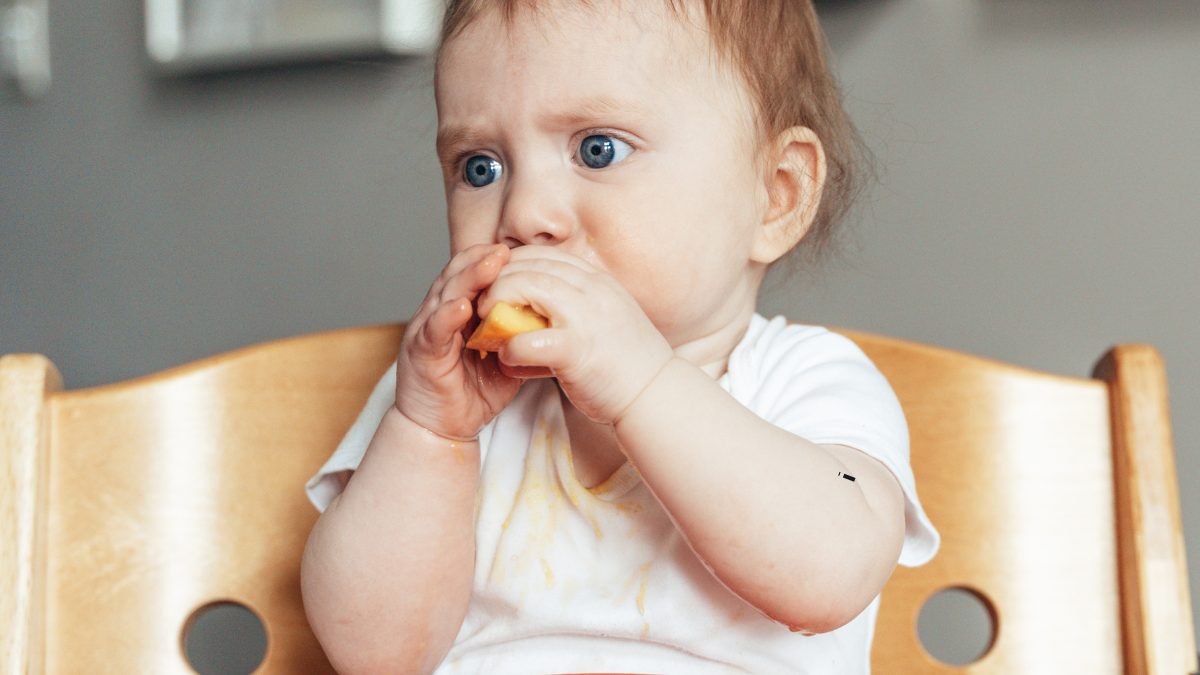
Self-care tasks act as the first real milestones of autonomy. When a toddler manages to spoon food into their own mouth, they experience a massive win. You can encourage this by using child-sized utensils and sturdy, open cups. Do not worry about the crumbs on the floor. Instead, focus on the focus in their eyes as they aim for their plate.
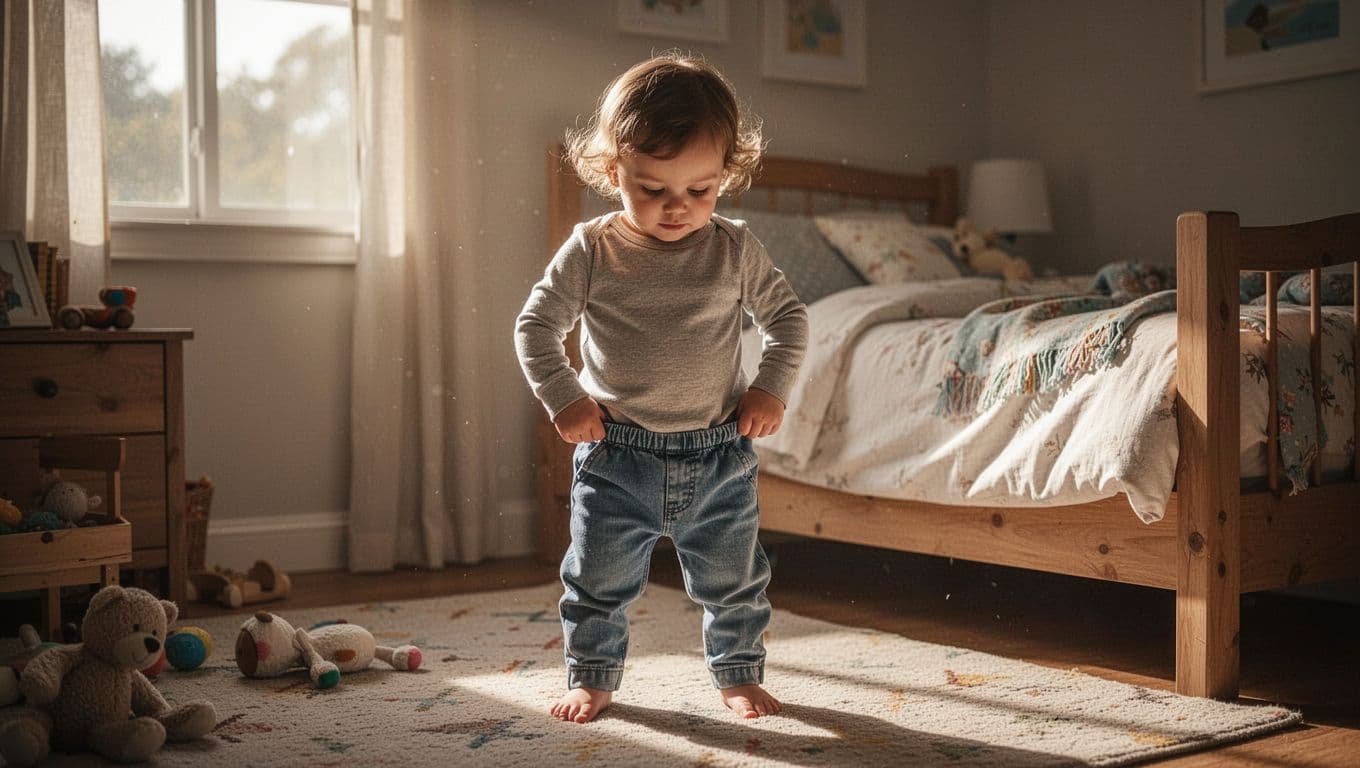
Dressing and hygiene offer similar chances for success. Teach them to pull up their own pants or guide their feet into shoes while sitting on the floor. In the bathroom, let them stand on a stool to reach the sink. Practicing washing hands, brushing teeth, and wiping their face becomes a ritual rather than a battle. These small actions help toddlers feel powerful. For a look at the developmental benefits of these habits, see this guide on teaching children self-help skills.
Cleaning up and caring for their space
Teaching a child to care for their environment builds a foundation for responsibility. Start small by asking them to place books on a low shelf or carry a single item to a trash bin. When you treat tidying up as a natural part of play, it becomes a game rather than a chore.
You might suggest they put blocks into a specific bin or help gather laundry. These actions teach them that they own their space and contribute to the home. Keep expectations simple and offer encouragement as they work. You aren’t looking for a perfectly clean room; you are looking for a child who understands that we look after the things we use.
Simple routines that make the day smoother
Toddlers thrive when life feels predictable. They navigate their world best when they know what happens next. You can anchor their day with repeatable habits that minimize stress. Use a consistent sequence for waking up, meal times, and preparing for bed.
Keep a basket by the door for shoes, or place pajamas in a specific spot every night. When the rhythm of the day remains the same, your child stops using energy to guess the plan. They move by habit, which leaves more room for learning and connection. Developing these organized morning routines for kids helps turn chaotic transition times into calm, shared moments. Consistency creates a safety net, allowing your toddler to explore their independence with confidence.
Social lessons that make playtime kinder and easier
Playtime is more than just a way to burn off energy. It is the primary training ground for how your child will eventually relate to the wider world. When they move from solitary play to sharing space with peers, they encounter a brand new set of social rules. These moments provide chances for your toddler to practice patience, kindness, and communication in a low-stakes environment. You don’t need formal lessons or long speeches to get the point across. Instead, you can weave these skills into the daily rhythm of your home, turning everyday interactions into lasting social habits.
Taking turns, sharing, and waiting
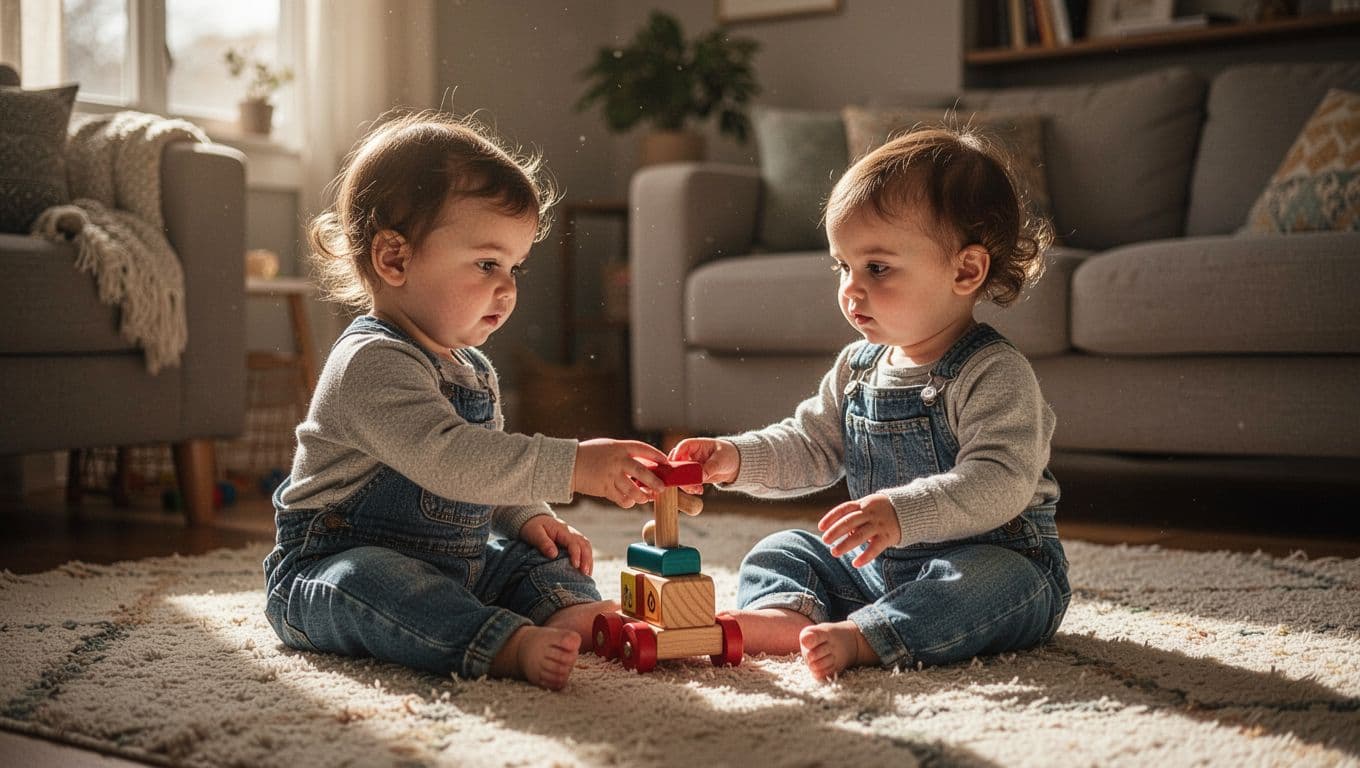
Sharing feels like a mountain to climb when you are two years old. To a toddler, giving away a toy often feels like losing a piece of their world. Instead of forcing them to surrender items on command, start with small, low-pressure acts. Practice passing a ball back and forth or taking turns sliding down a park slide. These brief exchanges show them that the toy, or the fun, eventually returns.
You can also use a simple timer to make wait times concrete. Toddlers struggle with abstract concepts like “five more minutes,” but they understand the sound of a bell or a buzzer. When they see that their turn follows a clear signal, they feel less anxious about giving up a desired item. For practical strategies on making this process smoother, teaching toddlers how to share and take turns helps them grasp the cycle of give and take. Keep these sessions short and frequent so they learn that waiting isn’t an ending, but part of the game.
Please, thank you, and gentle hands
Manners are often taught through repetition rather than lecture. When you say “please” and “thank you” to your child, you set a standard that they will naturally mimic. If they grab an object, pause the moment and guide them toward a kinder approach. You can demonstrate how to use gentle hands when touching a friend or a family pet. This physical feedback is easier for a toddler to process than a verbal command.
Consistency is your best tool here. When you consistently model respect for others, your child begins to see those behaviors as normal patterns of human connection. If you need inspiration, encouraging social play for toddlers provides many ways to highlight kindness during group activities. Point out when someone else is kind, like a friend sharing a snack, and reinforce how that makes everyone feel happy. Over time, these small phrases and actions turn into a genuine habit of consideration.
Playing with others without big conflict
Group play can be loud and overwhelming, so focus on comfort rather than social perfection. Start by inviting one friend over at a time to reduce the chaos. If you notice friction, step in early to help them navigate the disagreement with simple words. You might say, “You want the truck, and he wants the truck, too. Let’s find another one to use right now.”
Building social confidence takes time, and sometimes nature offers the perfect backdrop for learning. Getting outside for outdoor activities to improve social skills allows them to space out and find their own rhythm in a shared group. When you stay close, you act as a calm anchor for them, helping them learn that playing together is safe and rewarding. If they aren’t ready to lead, encourage them to follow a peer’s lead for a while. They learn by watching, and every positive interaction builds the foundation for more independent play later. When you practice waiting for turns, see these ways to teach turn-taking to ensure your toddler feels supported as they grow.
Motor skills that help little bodies grow strong
Movement is learning. Every jump, climb, and reach helps your child map out the world around them. When toddlers move, they build the physical foundation for focus and self-regulation. These actions improve their balance and coordination, while also preparing those tiny hands for the fine motor demands of future tasks like holding a pencil.
Big movement skills toddlers need every day
Gross motor skills allow your child to navigate their environment with purpose. You will notice them running, jumping, and dancing as they experiment with their newfound speed and agility. Climbing offers a special challenge, as it requires them to plan their path and engage their core muscles. Even kicking a ball or throwing a soft object teaches them about distance and force.
When your child climbs stairs with your help, they practice shifting their weight and stabilizing their body. You can view this active play as their primary way of burning energy in a healthy, productive way. It is a natural process that helps them understand their own limits. When they move often, they learn to trust their body, which builds a deep sense of confidence that carries over into their school years.
Small hand skills that build control
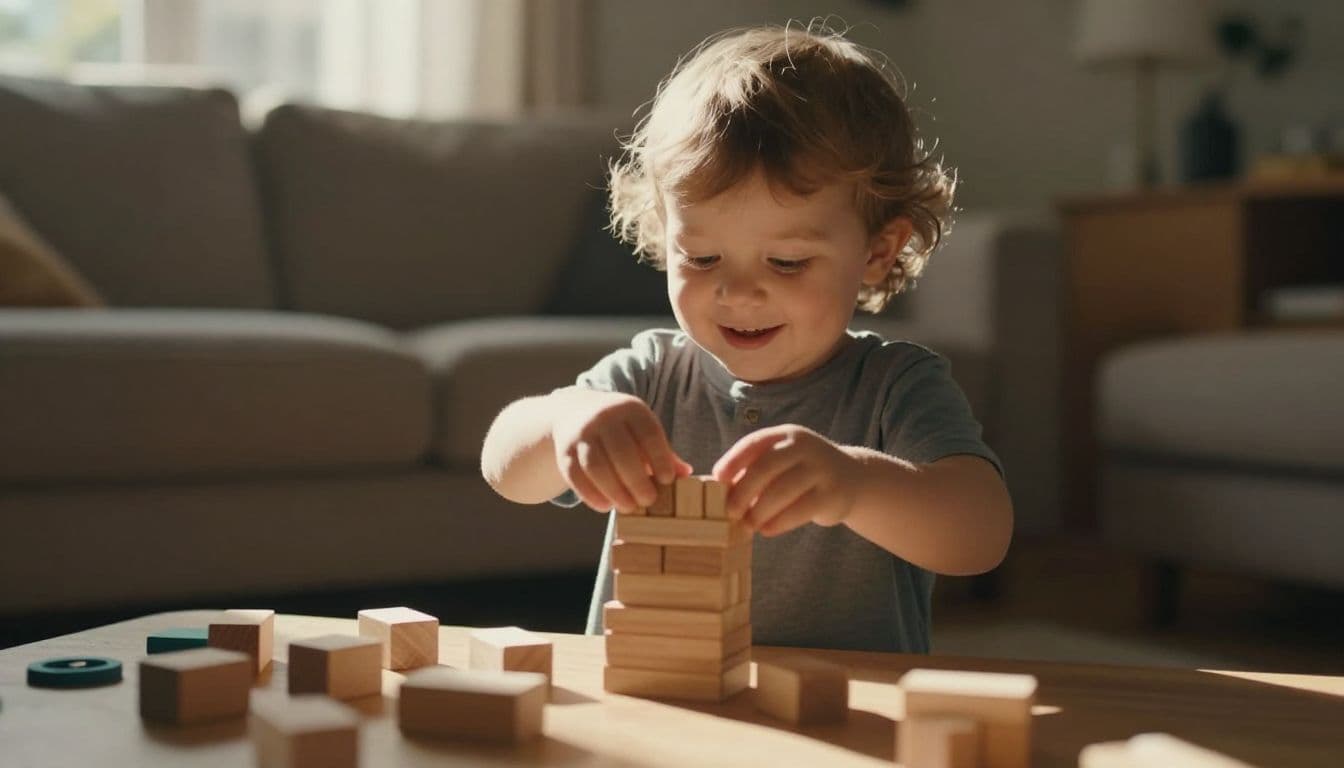
Fine motor skills involve the smaller muscles in the hands and fingers. These tasks might seem simple, but they are essential training for the precision needed later in life. Stacking wooden blocks requires steady hands and careful placement, while scribbling with crayons encourages them to grip tools effectively.
Turning thick board book pages or stringing large beads helps them develop the hand-eye coordination necessary for complex movements. You can even introduce child-safe scissors with your supervision to teach them how to manipulate objects with intent. Each of these activities acts as a building block for future pencil control. By focusing on these small movements now, you help them gain the dexterity they need for writing, drawing, and handling daily tools later on.

Safe play that builds balance and confidence
You can turn any afternoon into an opportunity for physical growth through guided, safe play. Indoor obstacle courses using pillows and low benches encourage children to crawl, climb, and balance in a controlled space. Playground time remains a gold standard for these skills because it forces them to adapt to different surfaces and heights.
Ball play is another fantastic way to sharpen their reflexes and coordination. Whether you roll, toss, or catch together, the interaction keeps them engaged and active. Always keep your support close, but allow them the freedom to stumble safely so they can learn to recover. Encouraging these movements in a safe environment helps them feel secure enough to try new things. As they succeed, you will see their confidence grow with every physical milestone they conquer.
Save pin for later

- What Causes a Flat Head Shape in Babies? - September 20, 2026
- Baby Massage for Gas Pain: Step-by-Step Instructions - September 20, 2026
- Newborn Skin Peeling: Common Causes and Warning Signs - September 20, 2026