
C-sections are common, but myths about them can leave parents feeling afraid, ashamed, or unprepared. About one in three U.S. babies is born by C-section, and correcting misinformation matters whether the surgery is planned or needed during labor.
This is about myths to avoid, not avoiding a medically necessary birth. Understanding why a C-section may be recommended, what recovery can involve, and what surgery does and doesn’t mean for bonding or future births can help you feel more informed. Start with the facts behind common assumptions, including what to know before a C-section. You can also watch ACOG’s overview of postpartum recovery.
Facts About C-Section Every Mom Should Avoid Getting Wrong
C-section myths can turn a medical decision into a source of shame or fear. Knowing what the surgery involves, and why a care team may recommend it, helps you separate facts from judgment.

A C-section is not the easy way to give birth
A cesarean birth is major abdominal surgery, even when it’s planned and the medical team performs it regularly. The surgeon makes incisions through the abdomen and uterus to deliver the baby. Afterward, your body needs time to heal, and you may have pain and limits on lifting or other activities.
Like any major operation, a C-section carries risks. These include bleeding, infection, blood clots, and injury to nearby organs such as the bladder or bowel. The American College of Obstetricians and Gynecologists’ overview of cesarean birth explains these potential complications. The risks differ for each person, and vaginal birth also has risks. Your care team weighs the options in light of your health, your baby’s condition, and what is happening during labor.
A planned procedure can feel more predictable, but that doesn’t make it a shortcut or mean recovery is effortless. If you have questions about the reason for surgery or what to expect afterward, ask your clinician to explain your situation in plain language.
Needing surgery does not mean you failed
A birth plan can help you share your preferences, but labor doesn’t always follow the plan. Your provider may recommend a C-section if your baby is breech, the placenta creates a risk, labor stops progressing, or an urgent concern arises for you or your baby. In those moments, surgery may be the safest way to respond to the specific medical situation.
Still, an unexpected change can bring disappointment, grief, or guilt. Those feelings deserve care, but they don’t prove you did anything wrong. The route of birth does not measure your strength, commitment, or ability to parent. You made decisions with the information and support available at the time.
If you’re planning ahead, you can discuss how you’d like your care team to communicate if surgery becomes necessary. For example, you might ask for explanations when time allows, or share preferences for skin-to-skin contact and support after birth. A flexible birth plan can leave room for those preferences without treating one birth outcome as a promise.
When a C-Section May Be the Safest Choice
A C-section may be recommended when continuing labor or attempting vaginal birth would pose more risk to you or your baby. The decision depends on the full clinical picture, including how labor is progressing, your health, your baby’s position, and how both of you are doing. A difficult or lengthy labor alone doesn’t automatically mean surgery is needed.
Common reasons your care team may recommend surgery
If labor stops progressing, your team may allow more time or try other steps before recommending a C-section. For example, ACOG defines active-phase arrest using specific criteria involving cervical dilation, ruptured membranes, and contractions. The decision isn’t based only on how long you’ve been laboring.
A sudden concern can change the plan. If your baby’s heart rate shows signs of distress that don’t improve with intervention, or you develop a serious complication, your team may recommend urgent delivery. Placenta previa, when the placenta covers the cervix, can also make vaginal birth unsafe because of the risk of severe bleeding.
A breech position may lead to a planned C-section, depending on your circumstances. In some cases, a clinician may offer an external cephalic version, a procedure to try to turn the baby. Whether that option is appropriate depends on the baby’s health and other factors. Learn more about how your baby’s position can affect delivery.
When time allows, ask your care team to explain what they see, what alternatives remain, and why they recommend surgery now. In an emergency, they may need to act quickly, then explain the decision as soon as they can.
Questions to ask before a planned C-section
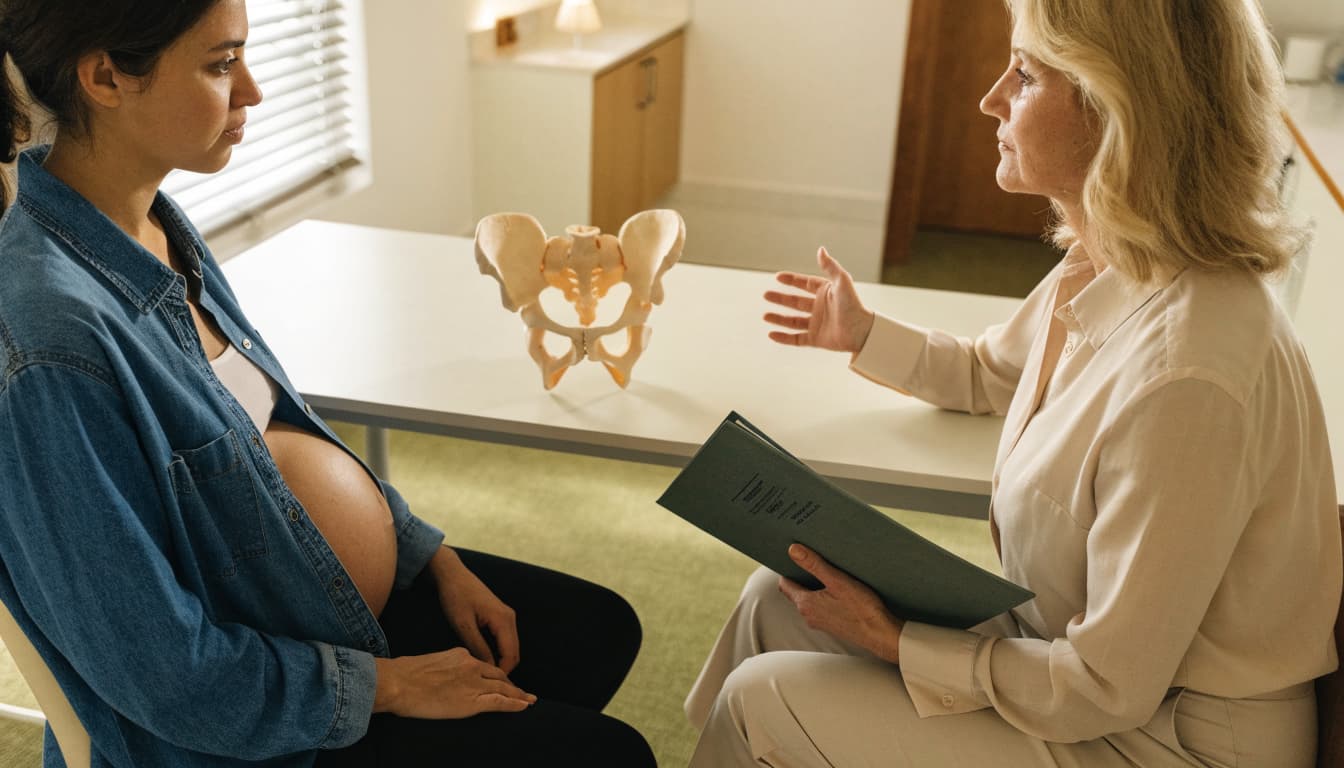
A planned procedure gives you time to understand the recommendation and discuss your preferences. You might ask:
- Why do you recommend a C-section in my case?
- Are there reasonable alternatives, and what are their risks?
- When should the surgery happen, and could the timing change?
- What type of anesthesia will I receive?
- Can my support person stay with me, and can I have skin-to-skin contact after birth?
- What should I expect during recovery?
If you request a C-section without another medical reason, ACOG says it should not be scheduled before 39 weeks unless a reason calls for earlier delivery. Read ACOG’s guidance on cesarean delivery by maternal request. Share your concerns openly, then ask your clinician to explain how the recommendation fits your health and your baby’s needs.
What C-Section Recovery Really Looks Like
C-section recovery takes time because your body is healing from major surgery while adjusting to life with a newborn. Some people feel steadier within days, while others need more time and help. Your clinician’s discharge instructions should guide your care, since your health and recovery can affect what is safe.
Pain, movement, and getting back to daily tasks
Spinal or epidural anesthesia usually prevents pain during surgery, although you may feel pressure or tugging. Afterward, soreness around your incision and abdomen is expected. Pain often begins to ease after a few days, but tenderness can last for several weeks.

Gentle walking is often encouraged once your care team says it is safe. Short trips around the room or home can help you regain mobility, and walking may help lower the risk of blood clots. Move at a comfortable pace, and rest if you feel weak, dizzy, or more sore.
For now, everyday tasks may take more effort than expected. Arrange help with meals, laundry, older children, and carrying items so you can focus on healing and caring for your baby. Heavy lifting and strenuous activity may need to wait. Ask your clinician when you can safely drive, exercise, lift more than your baby, and return to other routines. You can also review these at-home C-section recovery tips.
Caring for the incision and knowing when to call
Follow your discharge instructions for cleaning and drying the incision. Your care team may give specific directions based on how it was closed and your healing progress. Choose loose, comfortable clothing that won’t rub or press on the area, and check the incision each day.
Contact your clinician if you develop a fever, worsening redness or swelling, pus or other drainage, or increasing pain around the incision. These symptoms can point to an infection or another problem that needs assessment. If you are unsure whether a change is concerning, call rather than waiting for your next appointment. The Mayo Clinic’s C-section recovery guide also outlines signs to watch for.
Leg pain or swelling, especially in one leg, calls for prompt medical advice because blood clots can occur after birth. Chest pain, sudden shortness of breath, or collapse are emergencies; call 911 or seek emergency care right away. Keep your discharge paperwork and care team’s phone number close, and ask someone you trust to help with calls or transportation if you feel unwell.
A C-Section Does Not Prevent Bonding or Breastfeeding
A C-section changes how you give birth, but it doesn’t decide how close you’ll feel to your baby or whether you can breastfeed. The timing depends on your recovery and your newborn’s condition.
Skin-to-skin and feeding may still be possible
When you and your baby are stable, skin-to-skin contact can often begin in the operating room or recovery room. Your care team can help place your baby on your chest and keep both of you warm and supported. The American College of Obstetricians and Gynecologists’ breastfeeding guidance notes that skin-to-skin contact is feasible in the operating room and that extra help can support breastfeeding after a cesarean.

Breastfeeding may start during that first contact or later in the recovery room. However, your baby may need medical attention first, or you may need time to become alert and comfortable after anesthesia. In that case, staff can help you begin skin-to-skin and feeding as soon as it’s safe.
A delay doesn’t prevent bonding or breastfeeding. You can build closeness through holding, talking, and feeding when you’re ready to be with your baby. If you plan to breastfeed and separation lasts longer, ask your care team when to start hand-expressing or pumping, and how they’ll help you provide milk.
Comfortable positions and early support can help
Incision soreness can make it harder to sit up or hold your baby close at first. Side-lying may reduce pressure on your abdomen, while the football hold keeps your baby beside you rather than across your incision. Pillows can support your arms and back, too. Explore breastfeeding positions for newborns to see which holds may feel comfortable.
Ask a nurse or lactation professional to help you find a position and check your baby’s latch. Hands-on guidance can make the first feed less stressful, especially when you’re managing pain, fatigue, or limited movement. You can also ask staff to bring the baby to you or adjust pillows and blankets, rather than reaching or twisting.
There’s no single schedule for connecting after surgery. Tell your care team what matters to you, and ask what’s possible given your and your baby’s health.
One C-Section Does Not Automatically Mean Every Birth Will Be Surgical
A previous C-section doesn’t automatically rule out a vaginal birth in a later pregnancy. For some people, vaginal birth after cesarean, or VBAC, is an option; for others, a planned repeat C-section may be safer. The right choice depends on your medical history, current pregnancy, and access to emergency care.

Some people may be candidates for VBAC
Your clinician will review the uterine incision from your previous C-section. It may differ from the skin incision, so the operative report can help identify the scar type. A low-transverse incision, made across the lower part of the uterus, is generally more favorable for considering a trial of labor. Certain scars, including a classical incision in the upper uterus, may make labor too risky.
The decision also depends on your health history, any prior uterine surgery or complications, and details of this pregnancy, such as your baby’s position and whether other conditions affect delivery. Your care team should discuss the potential benefits and risks with you, rather than assuming that one route fits everyone. ACOG’s VBAC guidance explains what factors can affect eligibility.
The hospital matters, too. A trial of labor after cesarean should take place where staff can respond quickly and perform an emergency C-section if needed. Ask your clinician whether the facility has that capability and how your labor would be monitored. You can also raise these questions while preparing for a second baby after a C-section.
Repeat surgeries can affect later pregnancies
A repeat C-section may be the safest choice, and needing one is not a reason to feel guilty. Still, each additional surgery can make later procedures more complex because of scar tissue and changes from previous operations.
The chance of placenta accreta spectrum, in which the placenta attaches too deeply to the uterine wall, rises with the number of prior C-sections. Placenta previa, when the placenta covers the cervix, can also be a concern; when previa occurs alongside accreta, the risk of severe bleeding and hysterectomy increases. ACOG’s placenta accreta guidance describes the link between prior cesareans and accreta risk.
These risks are useful to consider when discussing future pregnancies and birth plans, not a reason to avoid surgery when it’s medically needed. Ask your clinician how your previous operations and current pregnancy affect the options available to you.
Conclusion
The most important C-section fact to remember is that avoiding misinformation and shame matters more than avoiding medically needed care. A cesarean is major surgery, recovery takes time, and bonding or breastfeeding is often possible when you and your baby are medically stable.
Future birth options depend on your individual health and pregnancy, so ask your care team for clear answers about your choices and recovery. Seek medical help promptly if you notice warning signs, and use reliable postpartum recovery tips for new mothers as a guide, not a substitute for your clinician’s advice.
Save pin for later


- 20 cortisol-reducing foods for moms - September 26, 2026
- How to properly clean your newborn - September 26, 2026
- 10 Signs of Mastitis: What to Watch for While Breastfeeding - September 26, 2026