

When your breast feels painful or your milk looks different, it’s natural to worry about infection. However, mastitis usually affects breast tissue, not the milk itself, and changes in your breast are more useful signs to watch.
Pain, warmth, swelling, redness, a hard area, fever, chills, and body aches can point to mastitis, but symptoms alone can’t confirm an infection. A health professional can assess what’s causing them; here are 10 warning signs to look for and breast milk changes that may signal infection.
Signs to Know Your Breast Milk Is Infected: What to Look For
Mastitis affects breast tissue, and symptoms do not prove that your milk is infected. Inflammation, a narrowed duct, or another breast problem can cause similar changes, so a health professional may need to assess what is happening. The Academy of Breastfeeding Medicine’s mastitis protocol describes mastitis as a spectrum of breast conditions.

Breast and nipple changes
These signs may affect one area or a larger part of the breast. You do not need to have every symptom for a breast problem to need attention.
- Breast pain or tenderness. A sore, tender area may hurt when touched, during feeding, or even at rest.
- Swelling. The breast may feel fuller, tight, or heavier than usual. Swelling can occur with or without a distinct lump.
- Warmth. Skin over the affected area may feel warmer than the surrounding breast.
- Redness or a darker-than-usual patch. The area may look red, pink, brown, or darker than nearby skin. Redness can be harder to see on darker skin, so pay attention to warmth, pain, and swelling as well.
- A firm or painful lump. You may notice a hard spot or localized thickening. A lump that persists or worsens deserves medical assessment.
- A nipple crack or sore. Cracked skin can cause pain and may need care, especially if it is slow to heal or appears alongside breast symptoms. For practical nipple-care guidance, see ways to soothe sore nipples while breastfeeding.
Whole-body symptoms
Mastitis and other breast problems can also affect how you feel overall. These symptoms matter even when breast changes are subtle.
- Fever. A raised temperature, particularly with breast pain or swelling, can signal that you need prompt medical advice.
- Chills. Feeling cold or shaky, especially with a fever, can occur alongside breast inflammation.
- Body aches or flu-like feelings. Muscle aches, headache, or a general sense of being sick may accompany localized breast symptoms.
- Unusual tiredness or feeling unwell. You may feel run down or unable to manage your usual activities.
These signs can occur in different combinations, and none confirms that breast milk itself is infected. Contact a health professional if symptoms worsen, you develop fever or flu-like symptoms, or you are not improving within about 24 hours.
What changes in breast milk can and cannot tell you
Milk can look different from one feeding or pumping session to the next. Color and thickness alone can’t confirm mastitis, diagnose an infection, or show that milk is unsafe for your baby. Pay attention to how your breast feels and whether you have symptoms such as fever or worsening pain.
Color and consistency can vary
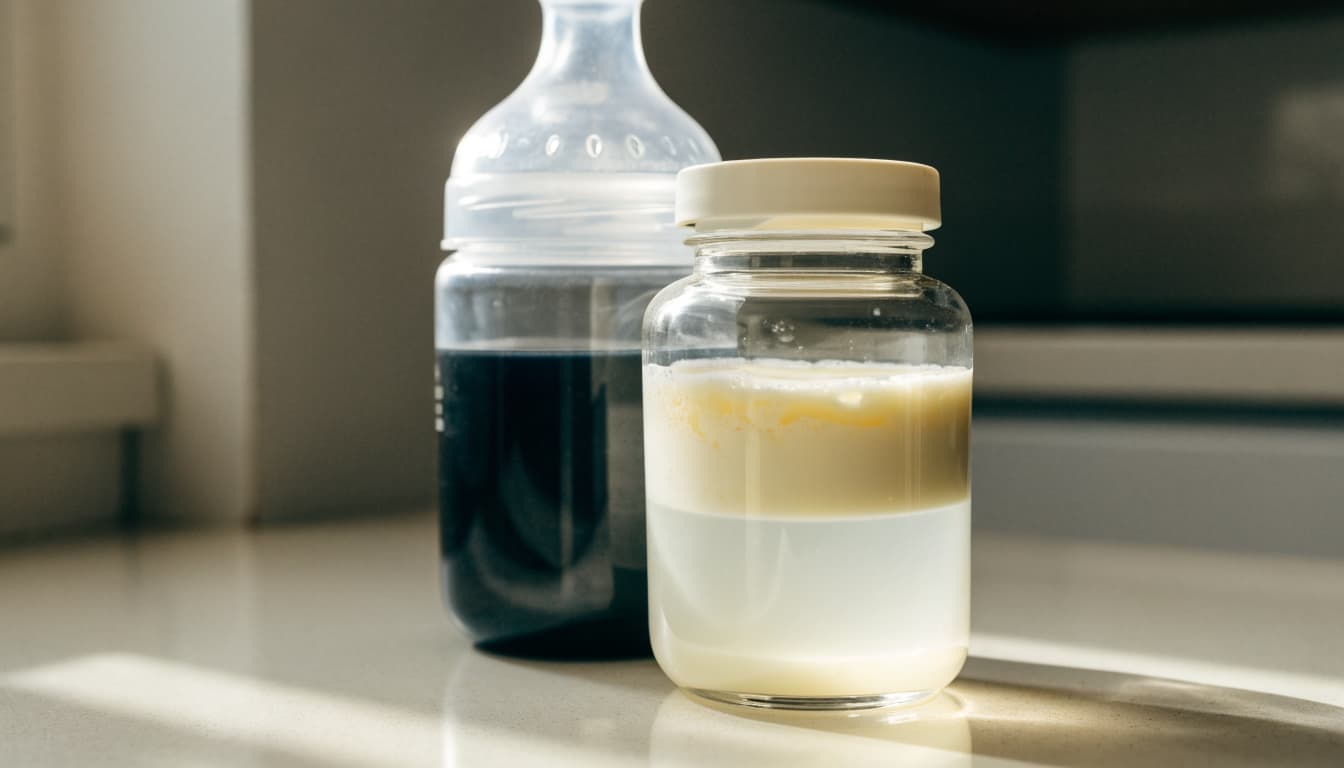
Breast milk may look white, cream-colored, bluish, or yellow, and its thickness can change during a feeding or across the day. For example, milk expressed earlier in a feed may look thinner than milk expressed later. Learn more about why breast milk can look watery.
Food, supplements, and other natural factors can also affect its appearance. A new color or a thinner texture, by itself, doesn’t mean you have mastitis or need to discard the milk. If your baby has feeding or growth concerns, talk with their pediatrician rather than trying to judge milk quality by sight.
Separated milk often looks different
After expressed milk sits, the cream can rise and form a thicker layer above the thinner milk. That separation is normal. Gently swirl the container to mix it before feeding, and follow the CDC’s breast milk storage and handling guidance.
A change in a stored bottle may reflect separation, not a change in your breast or a sign of infection.
Know when to contact a clinician
Pink, red, or brown milk may contain blood. Cracked nipples can cause it, but other causes are possible, including mastitis. Blood-stained milk doesn’t always mean it’s unsafe for your baby; still, contact a clinician for advice, especially if the change persists or you’re unsure what caused it. La Leche League’s guide to milk color explains common color changes and when to seek help.
Pus-like material or drainage from the breast needs prompt medical assessment. Contact a health professional if you notice blood or pus, or if an unusual change occurs alongside breast pain, fever, redness, or worsening symptoms. A visual check can’t diagnose infection; your symptoms and a clinician’s assessment matter more than milk appearance alone.
Is it mastitis, a clogged area, or a breast infection?
These problems can feel similar, and the terms are often used interchangeably. Mastitis describes inflammation of breast tissue, which may or may not involve a bacterial infection. A clogged or narrowed area can cause localized tenderness, while a breast abscess is a more serious complication that needs medical care.
A plugged area usually stays localized
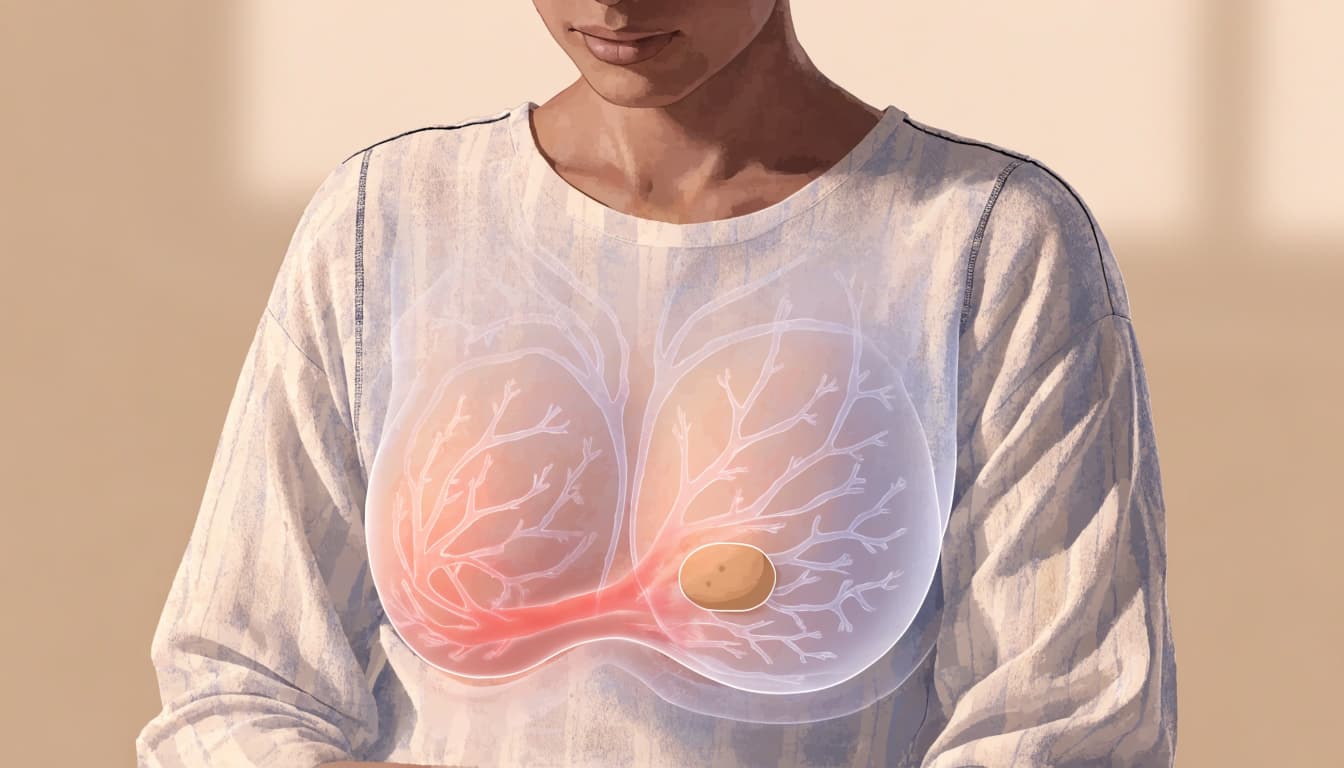
A tender lump or firm patch can develop when milk flow slows and surrounding tissue becomes swollen. You may feel soreness in one spot without fever or flu-like symptoms. Fullness or engorgement, by contrast, often affects more of the breast and can make it feel tight or heavy.
These patterns offer clues, but they don’t confirm the cause. A localized tender area can become more inflamed, and symptoms may shift over time. Avoid trying to force a lump out with deep, hard massage, which can aggravate swelling. For more on breast engorgement and mastitis warning signs, consider how your symptoms change and whether new signs appear.
Mastitis can be inflammatory or bacterial
Mastitis may cause breast pain, warmth, swelling, and skin discoloration, sometimes alongside fever, chills, or body aches. Those whole-body symptoms don’t prove that bacteria are present, because inflammation itself can make you feel unwell. Bacterial mastitis is one possible form, and a clinician can assess whether treatment such as antibiotics is appropriate.
The Academy of Breastfeeding Medicine’s mastitis protocol describes a spectrum of breast conditions, including ductal narrowing, inflammatory mastitis, bacterial mastitis, and abscess. In other words, a tender spot and a bacterial infection aren’t always the same problem, even when symptoms overlap.
Watch the pattern and get help if it worsens
Pay attention to the direction symptoms are moving, not just how your breast feels at one moment. A mild, localized sore area may improve, while spreading redness or discoloration, increasing pain, fever, or feeling increasingly ill calls for prompt medical advice. If you aren’t improving within about 24 hours, contact a health professional rather than trying to diagnose yourself.
A breast abscess is a pocket of fluid that can develop as a complication of mastitis. It may cause a persistent, painful lump or swelling that doesn’t settle, and it needs medical assessment and often drainage. Seek care promptly for worsening symptoms or a lump that remains painful and swollen.
What to do if you think you have mastitis
If you suspect mastitis, contact a health professional for guidance, especially if symptoms are getting worse or you feel ill. While you arrange care, keep milk removal close to your usual routine and use gentle measures to ease discomfort. The Academy of Breastfeeding Medicine’s mastitis protocol also advises against increasing milk removal during breast inflammation.

Gentle care while arranging advice
Continue breastfeeding or pumping on your usual schedule if you can. If nursing is too painful or your baby can’t feed from that breast, express enough milk for comfort or to meet your baby’s needs. Avoid adding pumping sessions to fully empty the breast, since extra milk removal can increase production and aggravate inflammation.
Rest when possible, drink to thirst, and apply a cold pack wrapped in cloth for short periods to ease swelling and pain. Before taking pain relief, check with a clinician or pharmacist about what is suitable for you, particularly if you have other health conditions or take medication. Avoid forceful massage or trying to push out a lump.
When to contact a health professional
Seek medical advice if symptoms worsen, you feel very unwell, or you don’t improve after 12 to 24 hours of home care. Get prompt assessment for a painful lump that persists, or if you suspect an abscess. A clinician can examine the breast and decide whether you need testing, antibiotics, or treatment such as drainage.
If you’ve started prescribed treatment and symptoms aren’t improving, contact the clinician for reassessment rather than waiting until the course ends. They may need to check for another cause or a complication, including an abscess. For a refresher on symptoms that warrant care, see these mastitis warning signs that need medical attention.
Can you keep breastfeeding while you recover?
In most cases, you can keep breastfeeding while you recover from mastitis. Milk from the affected breast is usually safe for your baby, and continuing to feed helps maintain milk removal. The Academy of Breastfeeding Medicine reports no evidence of risk to a healthy, full-term infant from breastfeeding during mastitis.
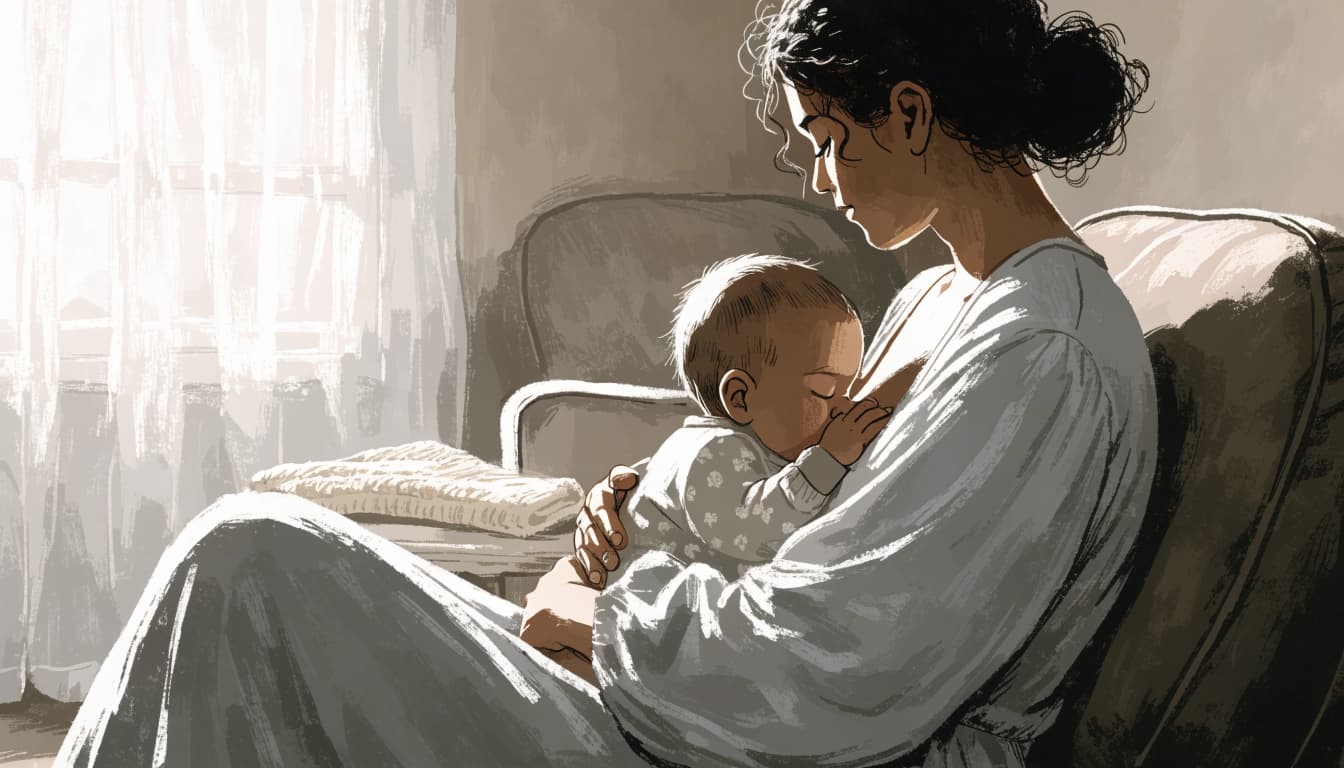
Keep feeding if you can
Offer the breast according to your baby’s usual feeding cues and avoid adding extra feeds or pumping sessions to try to empty it. If your baby feeds comfortably, you generally don’t need to stop nursing on the affected side. For more context, see this review of breastfeeding during mastitis.
However, pain can make latching difficult. If feeding from that side hurts too much or your baby won’t latch, hand express enough milk to meet your baby’s usual needs. A lactation professional can help you adjust positioning or address latch problems; guidance on latch and positioning support may also be useful.
Follow your clinician’s advice for specific concerns
Your situation may call for a different plan if a clinician identifies an abscess, another complication, or a concern related to your baby’s health. Ask what to do with milk from the affected breast and how to maintain milk removal if you’re told to pause feeding on that side. Also, if you’re prescribed medication, confirm with your clinician or pharmacist that it’s compatible with breastfeeding.
If you can’t nurse or express comfortably, or symptoms keep getting worse, contact your health professional for individualized advice. Breastfeeding usually can continue, but your care plan should account for the specific cause of your symptoms.
Conclusion
Breast pain, warmth, swelling, skin redness or darkening, fever, and flu-like symptoms can point to mastitis, but they don’t prove that your breast milk is infected. Milk’s appearance alone isn’t a reliable test; the breast symptoms and how you feel matter more.
In most cases, you can continue breastfeeding or expressing milk while you recover. If symptoms worsen, persist, or don’t improve within about 24 hours, contact a health professional for guidance. For related information, see lactation massage and mastitis prevention.
Save pin for later


- 20 cortisol-reducing foods for moms - September 26, 2026
- How to properly clean your newborn - September 26, 2026
- 10 Signs of Mastitis: What to Watch for While Breastfeeding - September 26, 2026