
Worrying that you’re not making enough milk is common, especially when feeding cues or pumping output leave you unsure. Foods called lactogenic are popular, but no specific food has been proven to reliably increase breast milk supply.
The 20 foods and herbs below are commonly suggested, with practical ways to add them to meals and snacks. Still, frequent, effective milk removal through nursing or pumping matters more than any one food; if supply concerns persist, get guidance on recognizing signs of low breast milk supply.
The 20 Best Lactogenic Foods for Breastfeeding, and What They Can Actually Do
“Lactogenic” means thought to support milk production, but that doesn’t mean a food has been proven to boost supply. Oats, herbs, and other foods on this list can fit into balanced meals, yet research hasn’t shown that any one reliably increases breast milk. Regular, effective milk removal remains more important than changing your grocery list.
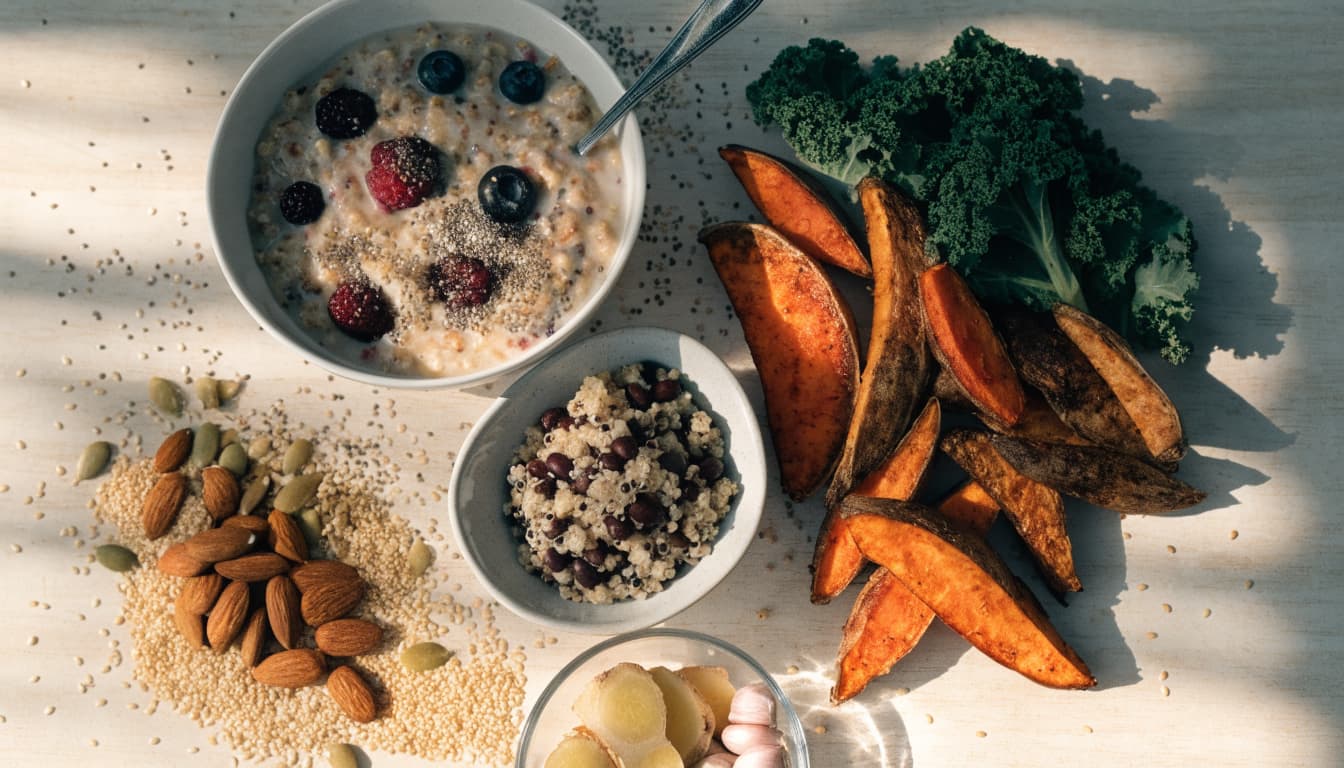
Whole grains and brewer’s yeast for easy meals
Oats and brewer’s yeast appear in many lactation cookies and snack recipes. However, their popularity isn’t proof they increase supply. The Academy of Breastfeeding Medicine’s galactagogue protocol advises evaluating feeding and milk removal before relying on products marketed to raise production.
Oatmeal makes a quick breakfast, while barley, brown rice, and quinoa work well in soups or grain bowls. These grains provide carbohydrates and, depending on the variety, fiber and other nutrients. Brewer’s yeast has a strong, savory flavor, so try a small amount mixed into a recipe rather than eating it plain. It may not suit everyone, and it isn’t a proven treatment for low supply.
Beans and lentils for filling, plant-based meals
Lentils, chickpeas, and black beans offer protein and fiber, which can make meals more satisfying. They’re nutritious staples, not guaranteed milk boosters.
Add lentils to soup, blend chickpeas into hummus, or toss black beans into a salad or grain bowl. Canned beans are convenient; rinsing them can reduce excess sodium. For more meal ideas, see these foods to eat when breast milk supply is low, while keeping in mind that no single food reliably increases milk production.
Colorful vegetables that add nutrients to your plate
Spinach and kale can go into cooked greens, soups, omelets, or pasta. Carrots are easy to roast or add to stews, while sweet potatoes work well baked, mashed, or cubed in a grain bowl. These vegetables provide a range of nutrients and bring color and variety to meals.
Eating them supports a balanced diet, but their vitamins and minerals don’t directly guarantee more milk. Choose the forms you enjoy and can prepare easily, especially during busy feeding days.
Nuts, seeds, and traditional herbs to use with care
Almonds, sesame seeds, flaxseeds, and pumpkin seeds make handy toppings for oatmeal, yogurt, salads, or roasted vegetables. They add nutrients, including protein, fiber, and unsaturated fats. Garlic and ginger are common seasonings that can add flavor to everyday meals.
Fenugreek and fennel are often marketed as galactagogues, but evidence for their effect on milk supply is inconclusive. A review of herbal galactagogues describes limitations in the available evidence. Concentrated herbs and supplements also differ from using small amounts in food, and they may cause side effects or interact with medicines. Ask a clinician before taking them, particularly if you have a health condition or use prescription medication.
Simple ways to add these foods to a busy breastfeeding day
You don’t need special recipes or a strict meal plan to include these foods. Pair familiar ingredients with convenient options, and keep easy snacks within reach for long stretches between meals.
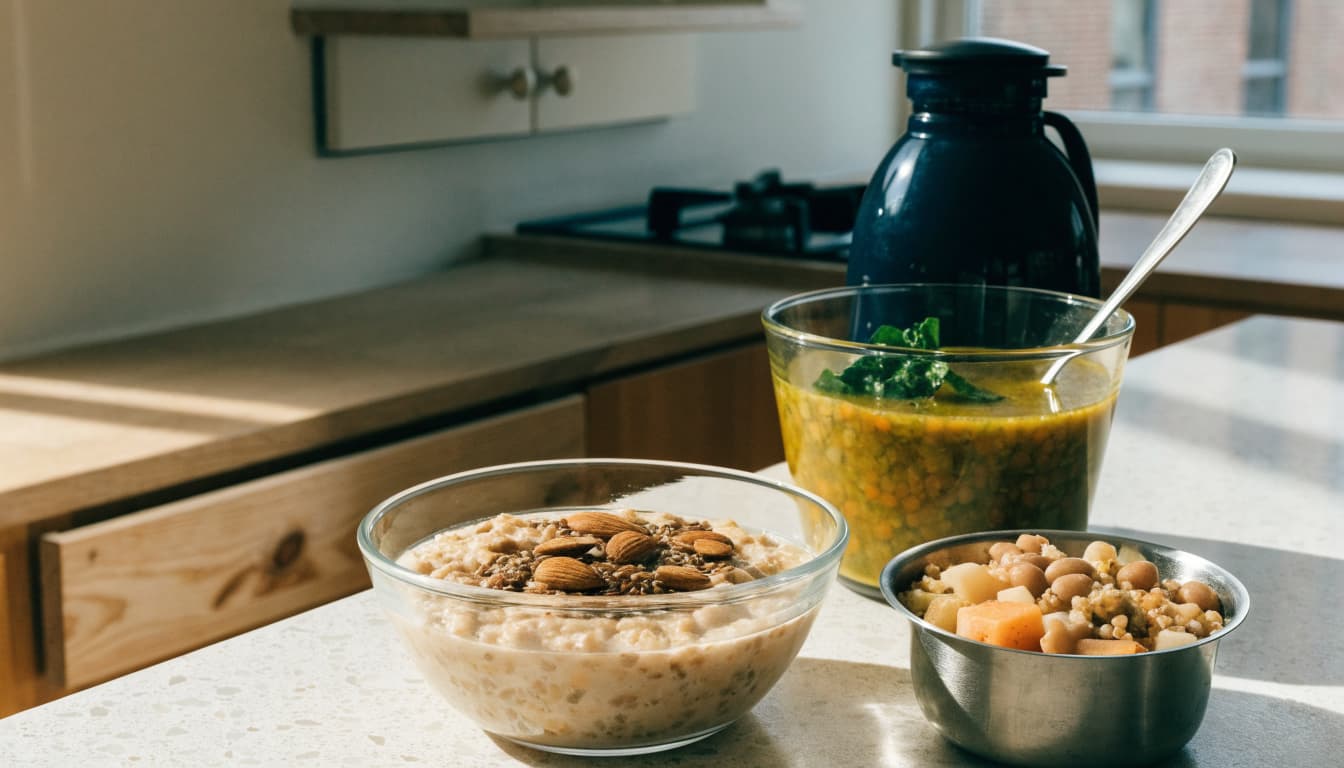
Build quick meals from foods you already enjoy
For breakfast, top oatmeal with almonds, flaxseed, fruit, or a spoonful of nut butter. If mornings are hectic, prepare the oats the night before or make a batch you can reheat. This quick oatmeal recipe for breastfeeding moms offers another easy way to combine grains, seeds, and other filling ingredients.
At lunch or dinner, add lentils and greens to soup, or build a grain bowl with brown rice or quinoa, beans, roasted vegetables, and a sprinkle of pumpkin or sesame seeds. Canned beans and prewashed greens can save prep time. Leftovers also work well: add cooked vegetables to an omelet, or put extra lentils over rice the next day.
Snacks don’t need much preparation. Try yogurt with fruit and seeds, hummus with carrots, or a handful of almonds with whole-grain crackers. For more combinations, browse these healthy breastfeeding snack ideas.
Keep eating and drinking manageable
When feeding schedules make a full meal hard to manage, keep a few ready-to-eat choices nearby. A container of trail mix, fruit, or crackers with nut butter can help bridge the gap until you have time to eat. If someone offers help, asking them to prepare a pot of soup or roast extra vegetables can make later meals easier.
Breastfeeding takes energy, and your needs vary. The CDC’s guidance on maternal diet notes that calorie needs depend on factors such as activity level and feeding pattern. Aim to eat enough to support your recovery and daily needs, rather than relying on a particular food to change milk supply.
Keep water nearby and drink when you’re thirsty. You don’t need to force a set amount; the Mayo Clinic’s breastfeeding nutrition guidance also recommends drinking when you feel thirsty. Choose meals and snacks that are practical for you, and let convenience and variety guide your choices.
What matters more than eating lactogenic foods
Your body responds mainly to how often and how effectively milk leaves your breasts. Oats, seeds, and herbs can be part of your meals, but they can’t make up for milk removal that happens too infrequently or is difficult for your baby.

Feed or pump often
In the early weeks, many newborns breastfeed 8 to 12 times in 24 hours. Some feed more often for short stretches, while others may have a longer interval between feeds. Follow your baby’s hunger cues and ask your pediatrician for guidance if your baby is difficult to wake or isn’t feeding well.
Frequent, effective milk removal tells your body to keep producing. If your baby takes a bottle instead of nursing, expressing milk around that feeding can help maintain your usual pattern of removal. When your baby can’t nurse effectively, hand expression or pumping may be needed to remove milk and support supply. A lactation consultant can help you choose a comfortable pump setup and plan sessions that fit your situation.
Check latch and milk transfer
A baby may spend plenty of time at the breast without transferring milk well. A shallow latch, positioning difficulty, or ineffective sucking can make feeds painful or leave the baby hungry. A lactation consultant or another clinician with breastfeeding expertise can observe a feeding and assess latch, swallowing, and milk transfer. These breastfeeding positions for newborns may also help you find a comfortable hold.
If your baby cannot nurse effectively, express milk regularly while you work on the feeding issue with professional support. Your care team can also advise you about supplementation when needed, while helping protect milk production. The American College of Obstetricians and Gynecologists’ guidance on breastfeeding challenges recommends attention to both milk supply and the baby’s ability to latch, suck, and swallow.
Get help when supply remains a concern
If frequent feeding or pumping isn’t improving the situation, ask a lactation consultant, pediatrician, or OB-GYN to review the full picture. They can assess your baby’s growth and feeding, observe milk transfer, and consider possible medical factors, such as thyroid conditions, prior breast surgery, or hormonal concerns.
Seeking support isn’t a sign that you’ve done something wrong. It gives you a clearer next step than adding another “milk-boosting” food. For practical ideas on feeding and pumping routines, see these ways to increase breast milk supply.
When to get help with milk supply or herbal supplements
Food choices can’t confirm whether your baby is getting enough milk. If you’re worried about feeding, weight gain, or milk transfer, contact your baby’s pediatrician or a lactation consultant rather than waiting to see whether a new food or supplement helps.

Know when feeding concerns need prompt attention
Reach out promptly if your baby has trouble latching, rarely swallows during feeds, seems unusually sleepy or remains unsettled after nursing. Ongoing concern that milk isn’t transferring well deserves an assessment, even if your baby spends a long time at the breast.
Weight checks and diaper output help clinicians assess intake. After the first several days, around six or more wet diapers a day is a common guide, but your baby’s age and situation matter. The American Academy of Pediatrics’ newborn visit guidance explains what clinicians monitor in the early days. Call your pediatrician if wet diapers are noticeably fewer, urine is dark, or your baby isn’t gaining weight as expected. You can also review signs your baby may not be getting enough breast milk.
Check with a clinician before taking herbs
Fenugreek, fennel, and other herbal products are sold to increase milk supply, but evidence for their effectiveness is limited. The Academy of Breastfeeding Medicine says galactagogues are not first-line treatment; a clinician should first assess milk removal and address problems such as latch or feeding difficulties. Its galactagogue protocol also notes that products can have adverse effects.
Supplements aren’t interchangeable with small amounts of herbs used in cooking. Ingredients and strength can vary between products, and herbs may cause side effects or interact with medications. Before taking one, talk with a qualified clinician, especially if you take prescription medicines or have a health condition. That conversation can help you weigh possible risks and identify steps that address the cause of your supply concern.
Conclusion
Oats, beans, seeds, vegetables, and other foods on this list can make balanced meals and convenient snacks during breastfeeding. However, none is a proven substitute for effective, frequent milk removal or skilled help with feeding concerns.
If you’re still worried about your supply, contact a lactation professional or clinician. You deserve support focused on your feeding situation, not pressure to find the perfect food.
Save pin for later


- 20 cortisol-reducing foods for moms - September 26, 2026
- How to properly clean your newborn - September 26, 2026
- 10 Signs of Mastitis: What to Watch for While Breastfeeding - September 26, 2026