
Breastfeeding can leave you sore, tender, or uncomfortable, especially in the early weeks, but pain doesn’t mean your body is inevitably being harmed. Some changes, such as initial nipple sensitivity or breast fullness, often ease as feeding settles; persistent pain, damaged skin, or fever needs attention.
This guide looks at 10 possible physical effects, explains which are common and temporary, and flags symptoms that warrant medical care. You can also find practical advice on breastfeeding and pumping essentials for new moms.
10 breastfeeding facts that can seriously affect your body
Breastfeeding can cause physical changes, but they don’t happen to everyone, and many improve with time or support. Mild, brief tenderness may be common early on; persistent pain, worsening swelling, or fever deserves attention.
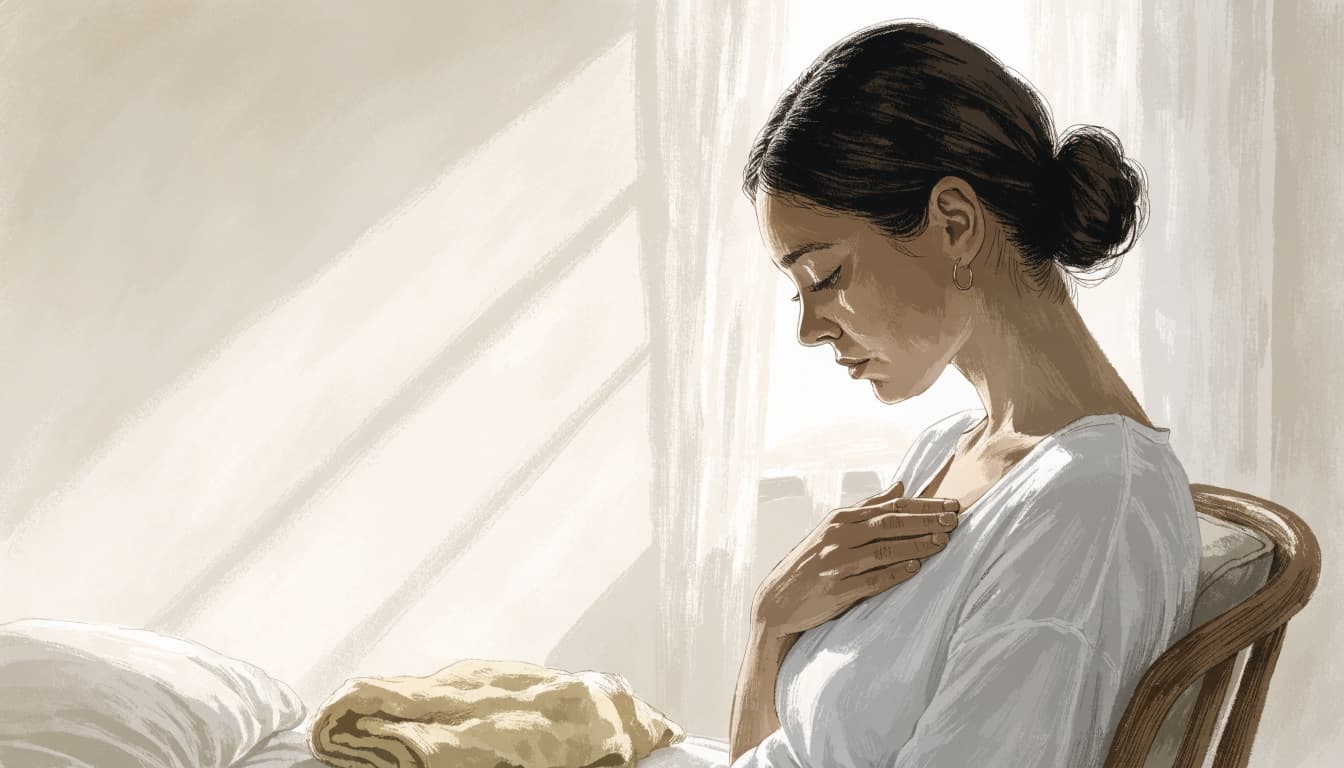
Sore or cracked nipples often point to a latch problem
Some tenderness can occur as you and your baby adjust to feeding. However, pain that continues through a feed, cracked skin, or bleeding shouldn’t be brushed off. A shallow latch or uncomfortable positioning can put extra pressure on the nipple.
Ask a lactation professional or clinician to observe a full feed. They can check how your baby latches and suggest adjustments. If pain is making you delay feeds, seek help soon. You can also read more about healing sore nipples from breastfeeding.
Engorgement can make your breasts hard, tight, and painful
As milk production increases, your breasts may feel unusually full, firm, or tender. Engorgement can also happen when a feeding is missed or delayed. Frequent feeding may help relieve fullness; if your baby struggles to latch, express a small amount of milk to soften the areola.
Try expressing only enough to ease discomfort, rather than repeatedly pumping to empty your breasts. Extra pumping can encourage your body to produce more milk. The American College of Obstetricians and Gynecologists’ guidance on breastfeeding challenges recommends minimizing milk expression to relieve engorgement.
A blocked duct can leave one area of your breast tender
A localized tender or swollen spot may feel like a sore lump. Breast inflammation can develop or worsen when milk isn’t moving comfortably, but forceful massage may aggravate the tissue. Continue feeding as feels comfortable, and avoid pumping more than your baby needs.
If the area persists, grows more painful, or comes with feeling unwell, contact a clinician for advice. USDA WIC’s guide to plugged ducts and mastitis describes symptoms that can help you know what to watch for.
Mastitis can cause breast pain and flu-like symptoms
Mastitis may cause a hot, swollen, painful area, along with redness, fever, chills, or a general feeling of being sick. Redness can be harder to see on darker skin, so pay attention to warmth, swelling, pain, and changes in how you feel.
Get prompt medical guidance if symptoms worsen or don’t improve within 12 to 24 hours. Fever or feeling increasingly unwell is a reason to contact a clinician sooner.
Breastfeeding can strain more than your breasts
Frequent feeds can affect your posture, muscles, and sleep, especially while you’re recovering from birth and caring for a newborn. These effects aren’t inevitable, and they don’t mean breastfeeding itself is harming your body. Small changes to your feeding setup and getting help when symptoms persist can make a difference.
Holding one position for long feeds can ache your neck and back
When you lean forward to bring your breast to your baby, your neck and upper back can stay tense for an entire feed. Holding your baby without arm support may also strain your shoulders and wrists. Over time, repeated feeds in the same position can leave you sore.
Instead, bring your baby close to your breast, keeping their body facing you. Support your arms with pillows or cushions, rest your back, and use a footstool if your feet don’t reach the floor. Changing positions can shift pressure to different muscles. The NHS guide to breastfeeding positions explains how to support your baby while avoiding a twisted posture. You can also explore comfortable breastfeeding positions for newborns.

Mild soreness may ease when you adjust your position, but severe pain or discomfort that continues despite changes deserves assessment. A clinician or lactation consultant can observe a feeding and check positioning, latch, and other possible causes.
Frequent feeds can add to postpartum fatigue and lost sleep
Newborn care already interrupts sleep, and feeding around the clock can leave you with little time to recover. That tiredness can feel heavier while your body heals after birth. It varies from person to person, and it isn’t a sign that you’re doing anything wrong.
When possible, ask someone you trust to handle diaper changes, burping, meals, or household tasks so you can rest between feeds. A partner may also take over soothing after a feed, giving you a longer stretch of sleep. For more ideas, see these ways to cope with sleep deprivation as a new mom.
Ordinary tiredness from interrupted nights is different from fatigue paired with fever, breast pain, chills, or suddenly feeling ill. Those symptoms can point to an infection such as mastitis, so contact a health care professional promptly rather than assuming you only need more rest.
Hormones and recovery can bring other body changes
Some physical changes after birth come from postpartum recovery, while breastfeeding can affect or overlap with them. Hormone shifts, healing, and milk production all play a part, so not every change is caused by nursing.
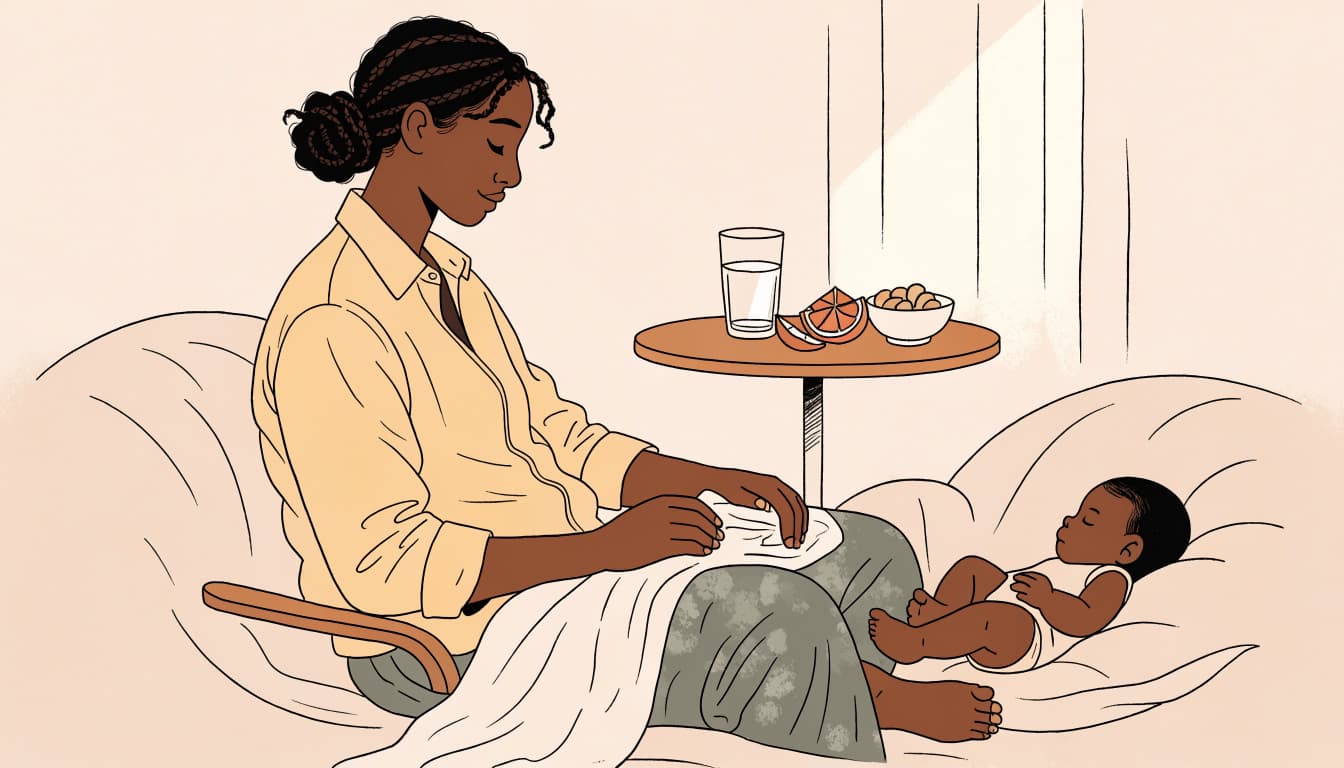
Breastfeeding can increase hunger and thirst
Making milk takes energy, so you may feel hungrier than usual while breastfeeding. Your body may also prompt you to drink more. Appetite and thirst vary, and there’s no single calorie or water target that fits every parent.
Try to eat regularly and keep easy snacks nearby, especially if a feeding leaves you hungry. Drink when you’re thirsty, and keep water within reach during feeds. For broader guidance on what to expect during postpartum recovery, remember that healing from birth also takes energy.
Uterine cramps may return during early feeds
In the first days after birth, nursing can trigger the release of oxytocin, a hormone that causes the uterus to contract. These afterpains may feel like menstrual cramps, and they help the uterus shrink as part of postpartum recovery. They often become less noticeable over time.
Contact a clinician if the pain is severe, gets worse, or comes with heavy bleeding. Cramping can be a normal part of recovery, but intense pain or heavy bleeding needs medical attention.
Lower estrogen can contribute to vaginal dryness
Estrogen levels fall after birth, and breastfeeding can keep them lower for a time. As a result, some people notice vaginal dryness or discomfort during sex. Healing after delivery can also affect comfort, so breastfeeding may be one factor rather than the only cause.
Symptoms vary and may improve over time. If pain continues or dryness is troublesome, talk with a clinician about options for relief.
Postpartum hair shedding is usually not a sign that nursing is damaging you
Many new parents notice extra hair shedding in the months after birth. This change is commonly linked to pregnancy and postpartum hormone shifts, and it can happen whether or not someone breastfeeds. Shedding alone doesn’t mean nursing is harming your body.
Hair loss often eases as the body adjusts, but seek medical advice if it’s patchy, severe, lasts longer than expected, or comes with other symptoms that concern you. You can read more about why postpartum hair loss happens.
Temporary bone changes do not mean breastfeeding has permanently weakened you
Breastfeeding can temporarily lower bone mineral density as your body supplies calcium for milk production. In most people, bone density recovers after weaning, so this change alone doesn’t mean nursing has caused lasting damage.

Bone density usually recovers after weaning
The temporary shift is part of the body’s response to lactation. Research reviews describe bone loss during breastfeeding followed by recovery after weaning, although the timing can vary. A review of pregnancy and lactation-related bone changes explains that changes in breastfeeding intensity can also affect this process.
For most people, ordinary breastfeeding isn’t considered a cause of permanent bone damage. You don’t need to stop nursing solely because of this normal, temporary change. Eating a varied diet that includes calcium-rich foods can support overall nutrition; see these calcium-rich snacks for breastfeeding mothers.
When to talk with a clinician about bone health
Your personal health history matters. If you’ve had a fracture, have a known bone disease or very low bone density, or have another condition that affects bone health, discuss breastfeeding and your individual risks with a clinician.
Also seek medical advice for severe or persistent bone pain, or a fracture after a minor fall or everyday movement. These symptoms aren’t typical effects of routine breastfeeding and may need evaluation. A clinician can review your history, assess possible causes, and advise you on next steps.
Ease discomfort and know when to get medical help
Small adjustments may ease breastfeeding discomfort, but persistent or worsening symptoms need professional attention.

Try gentle, practical relief
Ask a lactation consultant or clinician to check your baby’s latch and your feeding position, especially if nursing hurts. A latch and positioning check can help identify pressure or attachment problems. Wear a comfortable, nonrestrictive bra, and apply a cold pack wrapped in cloth for short intervals to ease swelling.
Continue your usual feeding pattern as comfortably as you can. Repeatedly pumping to empty your breasts may increase milk production, while abruptly stopping feeds can worsen some breast symptoms. For pain medicine, check with a clinician or pharmacist, particularly if you have a health condition or take other medications.
Know when to get medical help
Contact a health care professional promptly for a fever, flu-like symptoms, or rapidly worsening breast pain or swelling. Also seek advice if symptoms don’t improve within 12 to 24 hours. The CDC’s breastfeeding guidance recommends talking with a doctor or nurse about breastfeeding pain, especially when fever is present.
Conclusion
Breastfeeding can bring real discomfort, but pain and illness aren’t simply the price of feeding your baby. Many problems improve with timely support, especially when a clinician or lactation professional can assess what’s causing them.
Most importantly, don’t ignore symptoms that are severe, persistent, or getting worse. Getting care can help protect your health while you decide what works best for you and your baby.
Save pin for later

- How to improve your baby’s hygiene - September 26, 2026
- 20 cortisol-reducing foods for moms - September 26, 2026
- How to properly clean your newborn - September 26, 2026