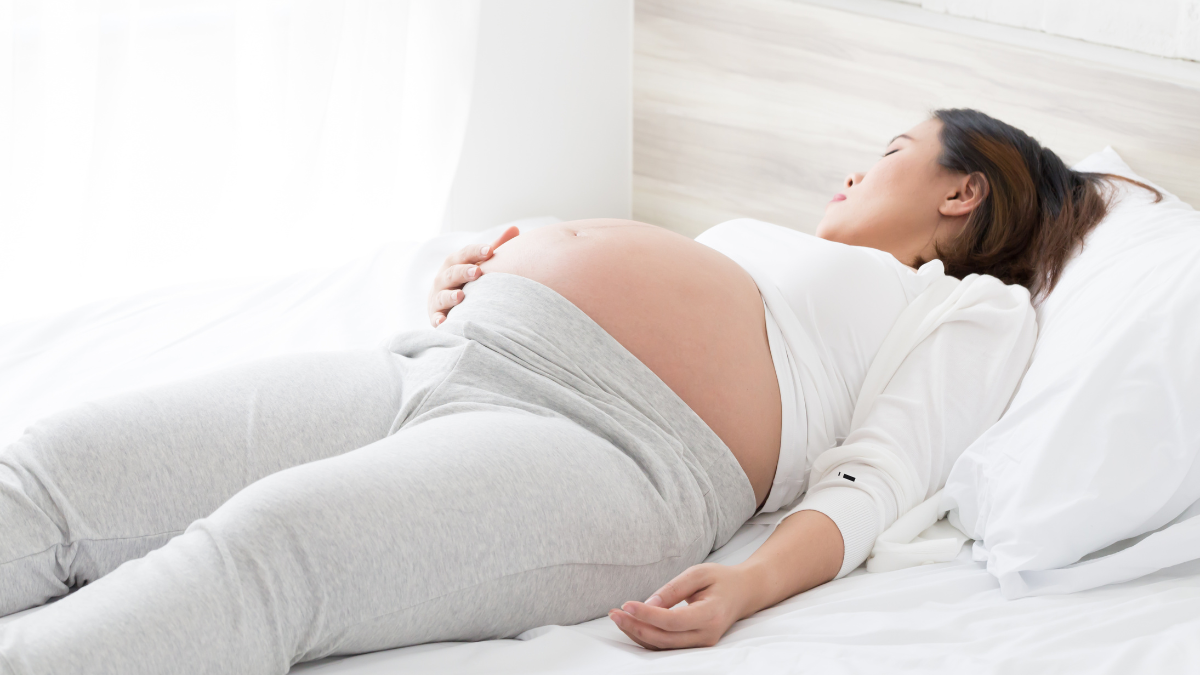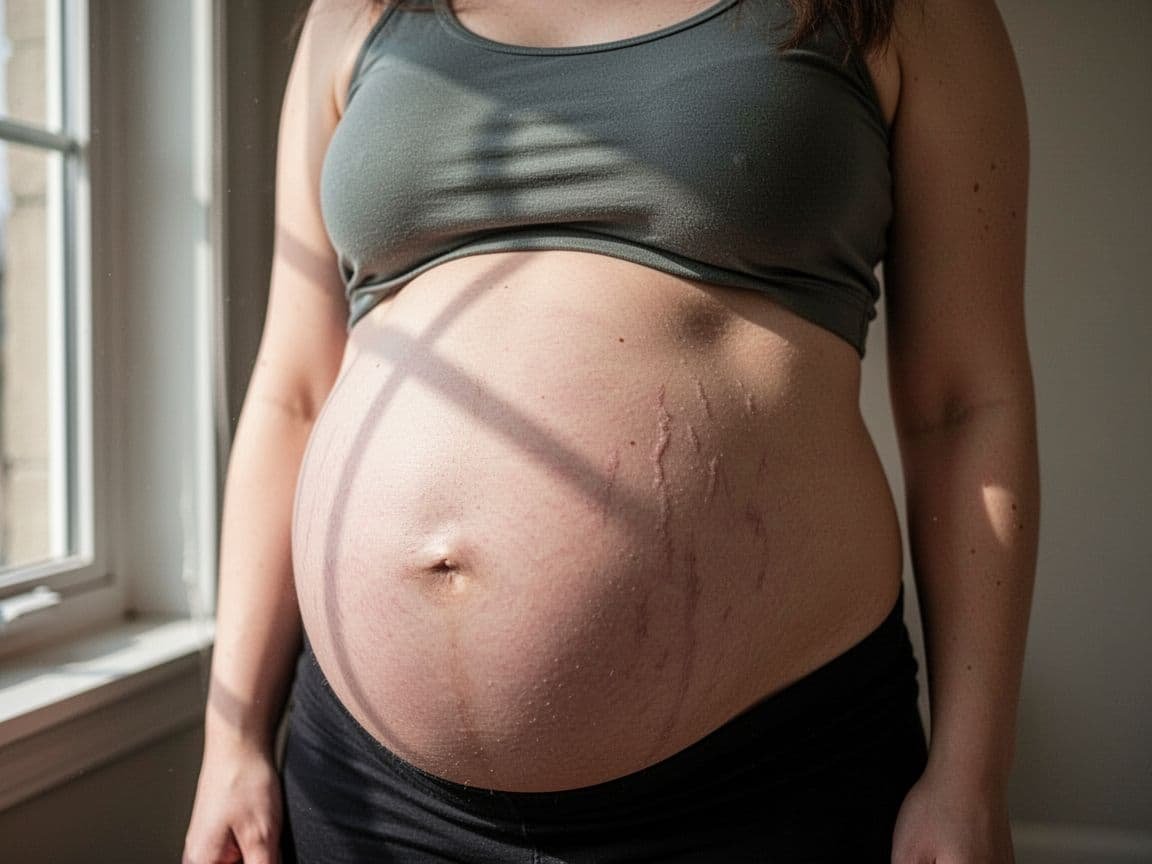
Your belly skin can feel softer and looser after pregnancy, and that can be discouraging, but it’s also common. For many new moms, it improves slowly with time, especially in the first year after birth.
Still, if you want to support that process, small daily habits can help. In this guide, you’ll find 15 realistic tips that cover simple nutrition changes, gentle movement, safe exercises, and treatment options that may help with postpartum healing, including these postpartum recovery tips. Some changes need patience, and some work better than others, but the right mix can make a real difference.
Why belly skin changes after pregnancy, and what really helps
Pregnancy gives the belly skin a long stretch under real pressure. As the uterus grows, the skin, belly fat, and core muscles all adapt to make room. After birth, that support system changes fast, but the skin often needs time to catch up.
A softer or looser stomach after pregnancy can come from several things at once. Skin may be stretched, core muscles may feel weak, belly fat may still be present, and hormones can slow the return of firmness. Genetics also play a part, which is why some women bounce back faster than others.
What makes loose skin more likely
The more the skin stretches, the more work it has to do after delivery. A larger baby bump, rapid weight gain, and multiple pregnancies can all leave the skin with more slack to deal with. Age matters too, because skin usually loses some elasticity over time.
Some women also notice that their belly looks and feels different even when the weight comes off. That happens because skin, fat, and muscle are not the same thing. If the belly wall is softer, the skin may seem looser simply because it no longer has the same support underneath.
A few common factors make looseness more likely:
- A larger bump: More stretch usually means more recovery time.
- Rapid weight gain: Fast changes give the skin less time to adjust.
- Multiple pregnancies: Repeated stretching can add up.
- Age: Skin often becomes less elastic with time.
- Genetics: Some bodies naturally spring back more easily than others.
If you want a simple comparison of what happens in the body, loose skin after pregnancy is often tied to stretch, age, and genetics, not just weight alone. That matters, because it shifts the focus away from blame and toward realistic care.
Why results take time
Skin does not tighten on a fixed schedule. Many people see changes in the first few months, and a lot of progress happens across the first year after birth. In some cases, the skin keeps improving beyond that, but the pace usually slows.
The first change many women notice is not a dramatic snap-back. Instead, the belly may slowly feel less soft, sit a little flatter, or look less creased in certain clothes. That gradual shift is normal, and it often comes from healing, better muscle support, and steady changes in body fat.
Quick fixes rarely match the real postpartum timeline. The body needs months, not days, to rebuild strength and shape.
Visible improvement usually comes from both skin recovery and core repair. Tightening the skin and strengthening the stomach area are connected, but they are not identical. Stronger core muscles can make the belly look firmer, even while the skin is still catching up.
For that reason, patience matters just as much as effort. Gentle movement, good nutrition, and time often do more than dramatic promises. If you want the skin to settle, give it space to heal while you work on the muscles underneath.
Daily habits that help tighten belly skin after pregnancy
The best daily habits are the ones you can repeat on tired days, busy days, and messy days. You do not need a perfect routine to support your belly skin. You need steady habits that help your body shed fat slowly, repair tissue, and stay hydrated enough to heal well.
Small choices add up. A short walk, a protein-rich meal, a glass of water, and a decent night of sleep may feel ordinary, but they give your body a better chance to recover. That kind of care is gentle, realistic, and far more helpful than punishing yourself.
Lose weight slowly instead of rushing it
Crash diets can make loose skin look more obvious. When weight drops too fast, the skin loses some of the fullness underneath before it has time to adjust. That can leave your stomach looking softer for longer, even if the scale moves down quickly.
A slower pace is better for your body and your skin. It gives your tissues time to settle while you protect your energy, milk supply if you’re breastfeeding, and mood. A gradual loss of about 1 to 2 pounds a week is a more realistic target for many new moms, as long as your doctor says it’s safe.
That usually means eating enough, not cutting out entire food groups, and skipping extreme cleanses. Simple meals with protein, vegetables, fruit, and healthy fats work much better than a strict reset. Healthline’s postpartum skin tips also points to steady habits, not dramatic fixes, as the safer path.
Fast results can leave you feeling drained and make your skin look less supported. Slow loss gives your body room to catch up.
Walk most days to wake up your body
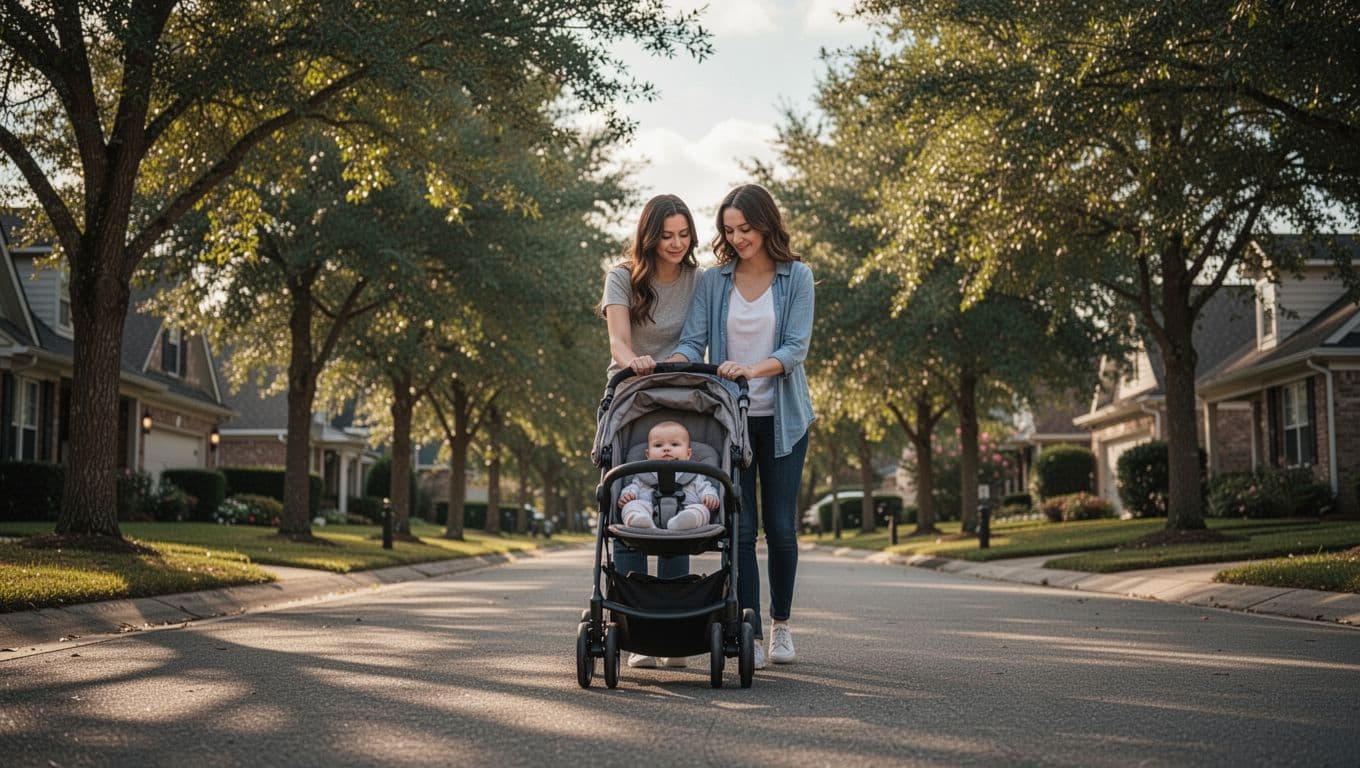
Walking is one of the easiest postpartum habits to keep. It gets your blood moving, helps you burn calories gently, and gives your core a little wake-up call without putting too much stress on your body. Even 10 to 20 minutes can count.
If longer workouts feel impossible, start with what fits your day. Walk while the baby naps, pace during phone calls, or take a slow loop around the block with the stroller. Light cardio like this can support postpartum fat loss without wearing you out, and that matters when your sleep is broken.
A simple rhythm helps more than an intense burst. For example:
- A short morning walk can help you feel less stiff.
- An afternoon stroll can break up long stretches of sitting.
- A few extra steps inside the house can still move the needle.
If you want more postpartum support, these holistic postpartum recovery tips fit well with a gentle walking routine. The goal is consistency, not speed. Your body responds well to regular movement, even when it comes in small pieces.
Eat protein and healthy fats to support firm skin
Protein helps your body repair tissue and rebuild muscle after pregnancy. That matters because firmer muscles can give your belly better support, which can change how loose skin looks. Healthy fats matter too, since they help keep skin soft and healthy.
Try to include protein at most meals. Eggs at breakfast, yogurt with fruit, beans in soup, salmon with rice, or chicken with vegetables are all simple choices. Nuts, seeds, and avocado also bring in healthy fats that support skin health and keep meals satisfying.
A balanced plate often works better than a strict plan. Start with one protein source, then add a color, a carb, and a fat. That mix helps you stay full longer, which can make slow weight loss easier to maintain.
A few easy options include:
- Eggs with toast and fruit
- Greek yogurt with berries and walnuts
- Beans in a quick chili or salad
- Salmon with roasted vegetables
- Avocado on whole-grain toast
- Nuts as a snack between meals
If your meals keep you energized, you’re more likely to stick with your habits. That steady pattern supports your skin far more than skipping meals or eating very little. For a broader look at recovery-friendly eating, postpartum hormone support tips can also help you build a more even routine.
Drink more water and get enough sleep
Hydration helps your skin stay flexible, and that matters when your body is changing fast. Water won’t erase loose skin, but it can support skin comfort and help you avoid the dried-out look that comes with dehydration. Keep a bottle nearby and sip often, especially if you’re breastfeeding.
Sleep is harder to get with a newborn, but even small improvements help. Your body repairs itself during rest, and poor sleep can throw off hormones, slow recovery, and make workouts feel harder than they should. A nap, an earlier bedtime, or a quiet hour can help more than you think.
Don’t aim for perfect sleep. Aim for better sleep. If your nights are broken, protect the rest you can get by keeping lights low, limiting extra tasks before bed, and resting when the baby rests.
A simple daily target can look like this:
- Drink water with each meal.
- Keep a bottle where you feed the baby.
- Sleep when you get the chance.
- Go easy on yourself when the night was rough.
These habits may seem small, but they support the body underneath the skin. And that steady support is what helps your belly recover in a healthier, more natural way.
Exercises that can make your stomach look firmer
The right exercises won’t erase loose skin overnight, but they can change how your stomach looks and feels. When you build support under the skin, the whole area often appears smoother, steadier, and a little more lifted.
That matters after pregnancy, because the belly usually needs both healing and strength. Start gently, then move up only when your body feels ready. Pressure, pain, or bulging are signs to slow down.
Start with core-safe moves that protect your body
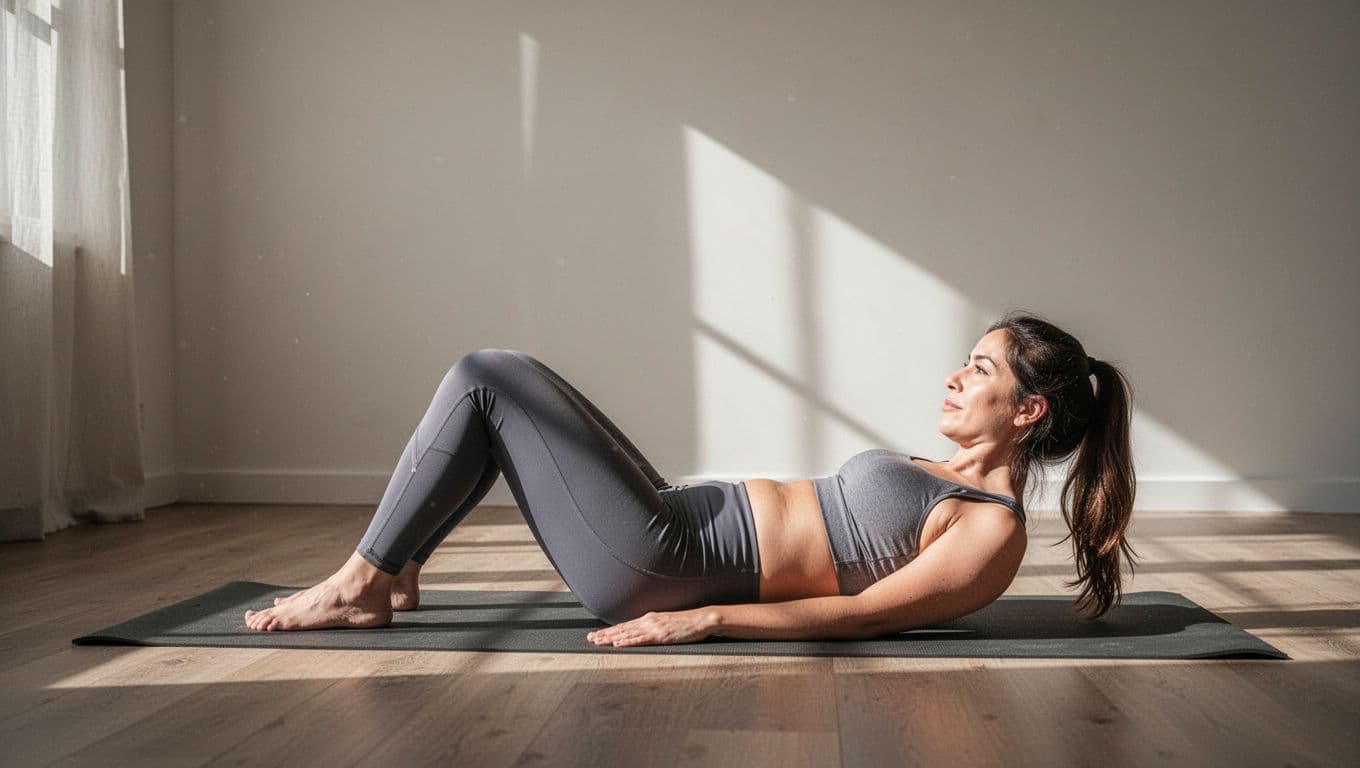
Early postpartum core work should feel calm, controlled, and light. Breathing exercises, pelvic tilts, heel slides, bent-knee marches, and small dead bug variations help wake up your deep core without pushing too hard.
A simple place to begin is with postpartum core exercises, especially if you want a safe routine you can follow at home. These moves teach your abs to support your spine again, which can help your stomach look firmer as your body recovers.
Try a short routine like this:
- Take 5 to 10 slow breaths, letting your ribs expand.
- Do 8 to 10 pelvic tilts.
- Slide one heel out and back in, then switch sides.
- Lift one knee at a time in a slow march.
- Stop if you feel pain, pressure, leaking, or a doming shape in the belly.
If a move feels like too much, it probably is. Postpartum healing responds better to control than to force.
These exercises may look small, but they matter. They build awareness, restore connection, and give your core a safer path back to work.
Use strength training to build a firmer base
Once your body can handle gentle core work, strength training can help the belly area look tighter by improving muscle tone everywhere else too. Strong glutes, back muscles, legs, and shoulders help your posture, and better posture changes how your stomach sits.
You don’t need a heavy gym plan. Bodyweight squats, wall push-ups, glute bridges, rows with resistance bands, and light dumbbell presses are enough to start. Keep the pace steady and the weight light, then add more only when your form stays solid.
A good full-body routine can include:
- Squats for your legs and hips
- Glute bridges for your back side and pelvic support
- Modified rows for upper-back strength
- Wall push-ups for chest and arm tone
- Farmer carries with light dumbbells to train your core
Strength work helps because muscle gives the body shape. Even if loose skin is still there, a stronger frame can make the stomach look less soft and more supported. The change is often subtle at first, then easier to see in clothes and posture.
Keep the movements clean and avoid straining. If you hold your breath or brace too hard, ease off and reset.
Try Pilates, yoga, or modified planks when you are ready
Pilates and yoga can be a smart next step because they train control, breathing, and posture at the same time. That kind of work helps your midsection stay engaged without the sharp strain that comes from rushed core training.
Modified planks can help too, but only when your body is ready. Start on a wall, then move to an incline, then try the floor if there is no pain and no belly doming. Controlled movement matters more than holding a position for a long time.
Pay attention to signs that your core needs more time. Diastasis recti, pelvic floor weakness, or a heavy feeling in the pelvis are all reasons to pause and get checked. A slow return is better than forcing a move that your body cannot support yet.
If you want a gentle outside guide for safe progress, the ACOG exercises after pregnancy guide offers a simple starting point. That kind of structure can help you build confidence without guessing.
The goal is not perfect abs. The goal is a belly that feels stronger, moves better, and looks more pulled together because the muscles underneath are doing their job.
Simple skin care and support tricks that can help
A few small habits can make your belly skin feel more comfortable while it continues to heal. These steps will not erase loose skin overnight, but they can soften the look and feel of the area, especially when you use them consistently.
The goal here is support, not perfection. Think of these tricks as a steady hand on the process, one that helps your skin feel smoother, calmer, and a little more cared for each day.
Keep the skin moisturized and try gentle massage
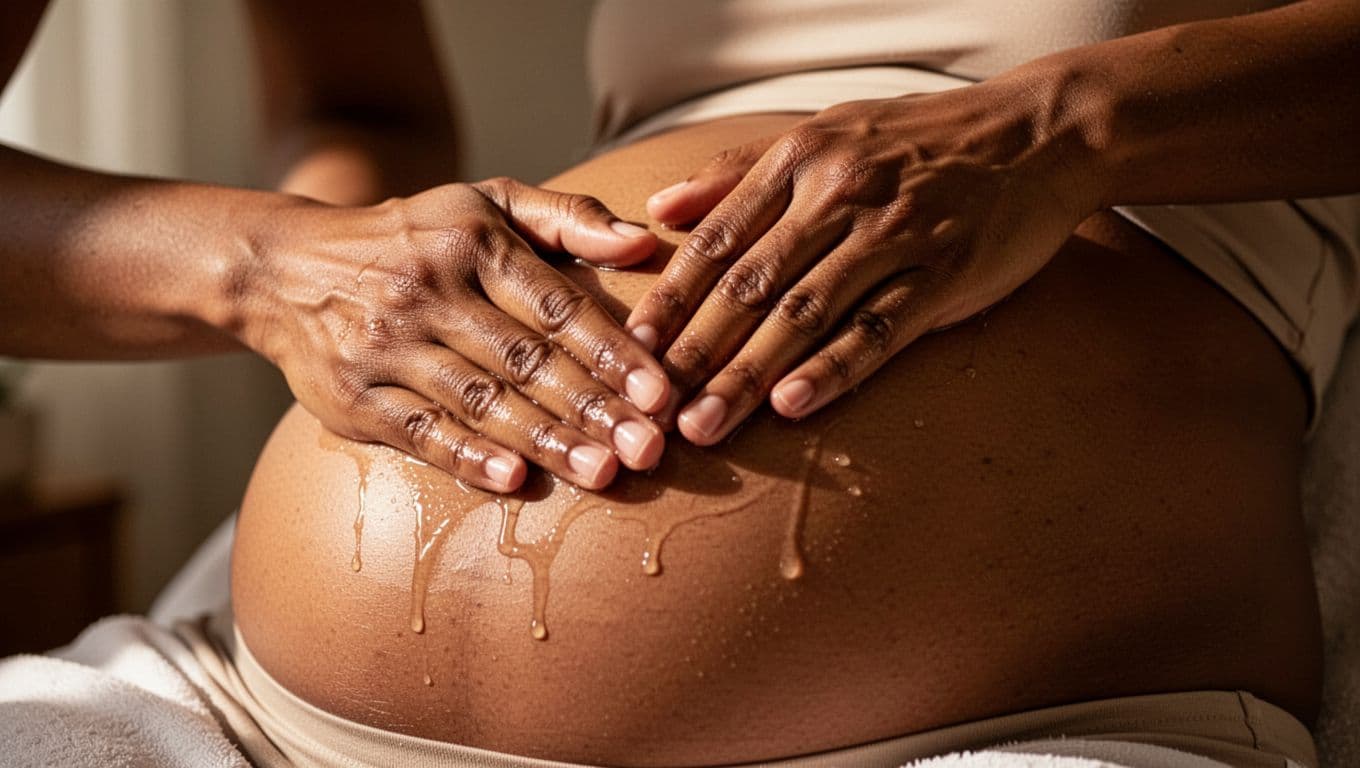
Regular moisturizing can help stretched skin feel softer and more flexible. It won’t pull skin tight on its own, but it can improve comfort, reduce that dry, papery feeling, and make the area look a little smoother.
A rich body lotion or oil works well after a shower, when skin still holds some moisture. Apply it with gentle upward strokes and give the area a few minutes of light massage. That small ritual can feel soothing, and it may help you connect with your body again.
Safe oils like almond oil, coconut oil, or fragrance-free body oils are often used for this kind of care. If you have sensitive skin, choose a simple formula and patch test first. For more ideas on skin-friendly recovery habits, natural ways to tighten loose skin after pregnancy can give you a broader view of what helps.
Moisturizer and massage are support habits, not fixes. They help the skin feel cared for while your body does the slower work.
Wear postpartum support garments for short-term support
Belly bands, recovery shorts, and support leggings can offer a helpful lift in the early months. They may make your stomach feel more held in, improve posture, and reduce that loose, unsupported feeling during the day.
These garments are best for short-term comfort. They can smooth the waistline under clothes and give you a little confidence boost, but they do not permanently tighten skin. Once you take them off, the skin returns to its natural state.
A good fit matters. If a band feels too tight, pinches, or makes it hard to breathe, it is too much. WebMD notes that postpartum belly wraps should support recovery, not squeeze the body too hard, and that is the right mindset to keep in mind.
Use them like a cast for comfort, not like a cure. A few hours here and there is enough for many women, especially on busy days when the belly feels tender or unsettled.
Be careful with firming creams and active ingredients
Some firming creams may make your skin feel smoother or better hydrated, which can improve the way your belly looks for a short time. However, results are usually limited, and creams do not truly tighten extra skin in a lasting way.
That matters because postpartum skin is still healing, and breastfeeding safety can change what you should use. Check labels carefully, avoid strong or irritating ingredients unless your doctor says they are fine, and read the warnings before you buy anything new. The American Academy of Dermatology also notes that many topical products have modest effects at best.
A simple rule helps here. If a product promises dramatic tightening in days, skip the hype. Look for ingredients that support skin comfort, such as:
- Glycerin for hydration
- Hyaluronic acid for moisture support
- Ceramides for a stronger skin barrier
- Fragrance-free formulas if your skin gets irritated easily
If you are breastfeeding, ask your doctor or pharmacist before using strong actives like retinoids, high-strength acids, or harsh exfoliants. A small, careful choice is better than a product that causes redness, dryness, or more irritation.
These support steps may seem modest, but they add up. Moisturizer can soften. Massage can soothe. Support garments can steady the area for a while. Used together, they can help your belly feel more comfortable as the skin continues to settle.
When loose skin needs more than home care
Home care can help a lot, but it has limits. If your belly skin is still very loose after months of steady habits, or if the shape of your stomach feels off in a way that does not match simple skin laxity, it may be time to look at medical options.
That does not mean something is wrong with you. It simply means your body may need more support than moisturizer, walking, or strength work can give. Some cases improve on their own, while others need a doctor to sort out what is skin, what is muscle, and what may need treatment.
Learn which medical treatments may help
If loose skin feels mild to moderate, a dermatologist or plastic surgeon may talk with you about non-surgical options first. Radiofrequency uses heat to encourage collagen production, and ultrasound treatments can also target deeper tissue to help the skin feel a little firmer over time.
Laser treatments may help some women too, especially when texture or stretch marks are part of the picture. Results vary, though, and these treatments usually work best for smaller changes rather than large amounts of extra skin.
For severe looseness, a tummy tuck may be the most effective option. It removes extra skin and can also repair weakened abdominal muscles, which is helpful when the belly area has changed a lot after pregnancy.
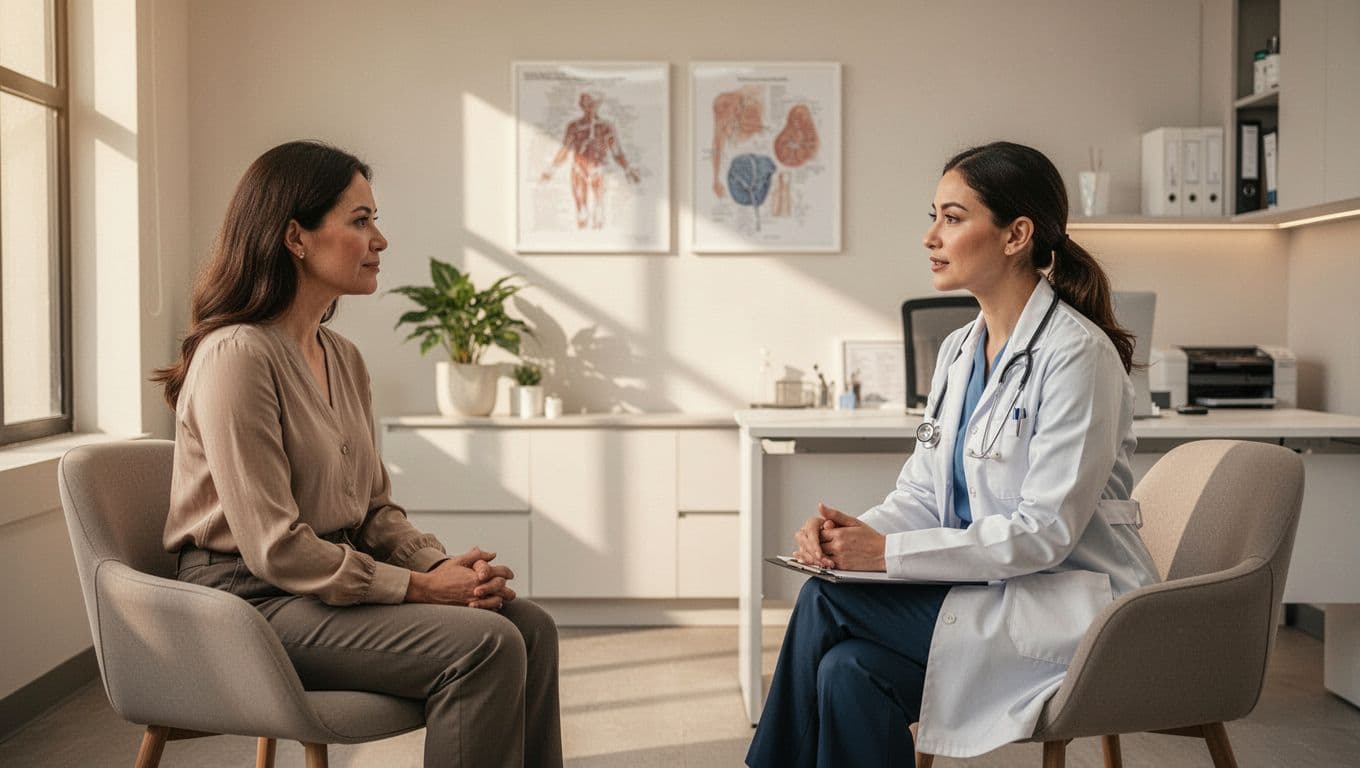
A doctor can help you decide what fits your body, your timeline, and your goals. For a closer look at what loose skin can involve, understanding postpartum recovery timelines can help set realistic expectations.
Know when to talk to a doctor about your belly changes
Some belly changes are normal after birth. Others deserve a closer look. If your stomach still bulges in a firm, rounded way, you may be dealing with diastasis recti, which is a separation of the abdominal muscles.
Pain is another warning sign. So are a bulge that gets worse when you cough or strain, skin that becomes red or sore, or a fold that traps moisture and starts to smell or itch. Those signs can point to a hernia, irritation, or infection, and guessing is not a good plan.
It helps to get checked if you notice:
- Ongoing pain or pressure in the belly
- A visible bulge that does not improve
- Skin changes like rash, sores, or redness
- Weakness or heaviness in the core area
- A belly shape that seems unusual or uneven
If something feels different in a way that worries you, trust that feeling and get medical advice.
A doctor or dermatologist can look at the whole picture and tell you whether the issue is mainly loose skin, muscle separation, or something else. That answer is much better than trying to diagnose it yourself.
Give yourself grace while your body keeps healing
Loose skin can stir up a lot of feelings. One day you may feel fine, and the next day a mirror or fitted shirt may catch you off guard. That emotional swing is real, and it deserves care too.
Your body has been through a long stretch of change. It needs time, and sometimes it needs more than time. Even so, slow progress still counts. Skin can soften, muscles can strengthen, and your shape can settle in ways that are easy to miss at first.
If you need support, the postpartum healing process explained can help you see that recovery is often slower than people expect. Give yourself patience, protect your self-image, and keep your expectations grounded. Progress may be quiet, but that does not mean it has stopped.
Conclusion
Tightening belly skin after pregnancy takes time, and that is normal. The most useful progress usually comes from steady habits, like eating enough protein, drinking water, sleeping when you can, and keeping your body moving with safe, gentle exercise.
Slow weight loss and consistent core and strength work can help your stomach look firmer as your body heals. Moisturizer, massage, and support garments may add comfort, but patience is still the part that does the heaviest lifting.
Your body changed in a real and demanding way, so it deserves care instead of pressure. Small steps done often can create real change, and that is enough to build on.
Save pin for later

- Asperger’s Syndrome in Babies: Early Signs and Next Steps - October 7, 2026
- 12 Beautiful Baby Names That Mean Forest, Plus Woodland Picks - September 27, 2026
- 15 Fantastic Baby Nicknames for Boys, From Sweet to Playful - September 27, 2026