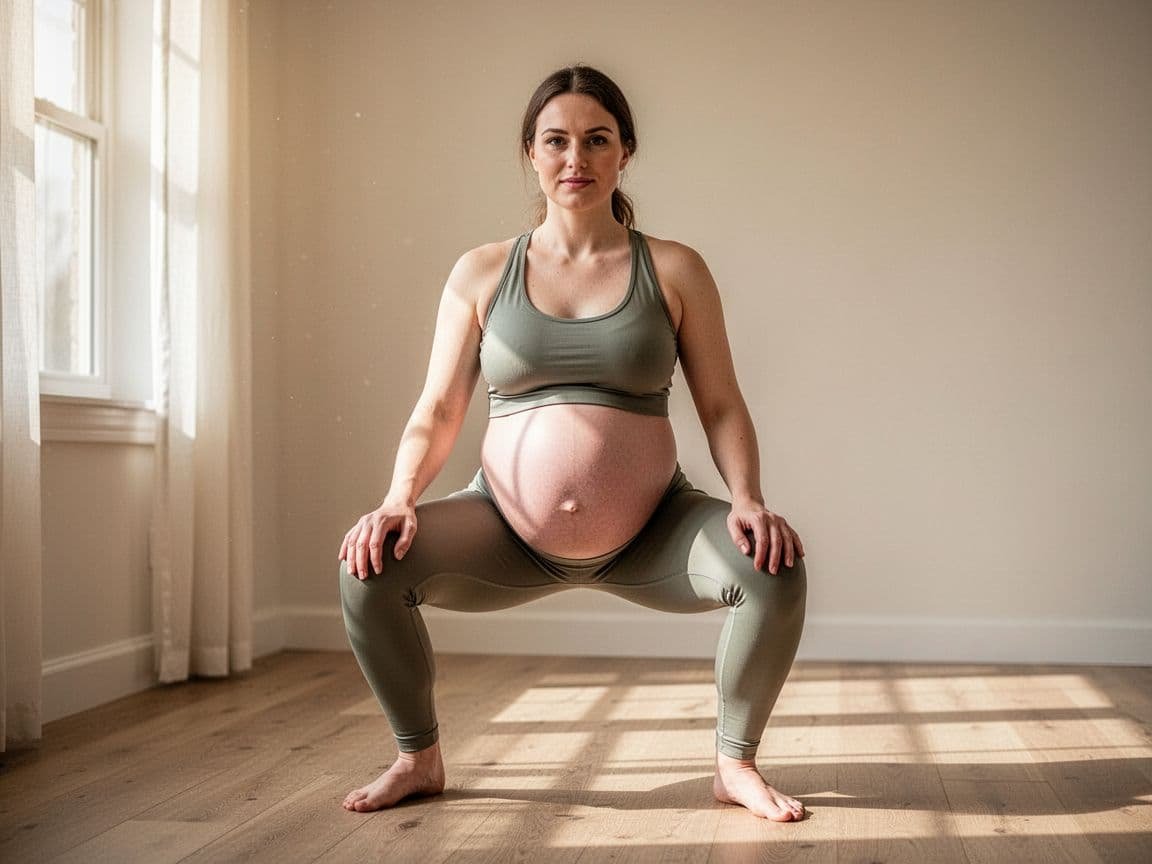
Late in pregnancy, even small movements can feel loaded with hope, and squats are one of the first things many parents try when they want to encourage labor. They can help your body feel stronger, more open, and better prepared for birth, but they are not a magic switch that starts contractions on command.
That matters because a lot of advice online blurs the line between support and certainty. Squats may help with pelvic position, comfort, and stamina, and some women find them useful as part of a wider birth prep routine. Still, if you’re waiting for labor to begin, it helps to know what squats can do, what they can’t do, and when to be careful.
If you want a calm, practical approach, these tips for a normal delivery can give you more support while you get your body ready. Next, let’s look at how squats may help and why they don’t work the same way for everyone.
Why squats come up so often when people talk about labor
Squats get mentioned a lot because they match what many people want in late pregnancy: more room, more movement, and a body that feels ready. They are simple, need no special gear, and can be done in a bedroom, kitchen, or beside a chair for support.
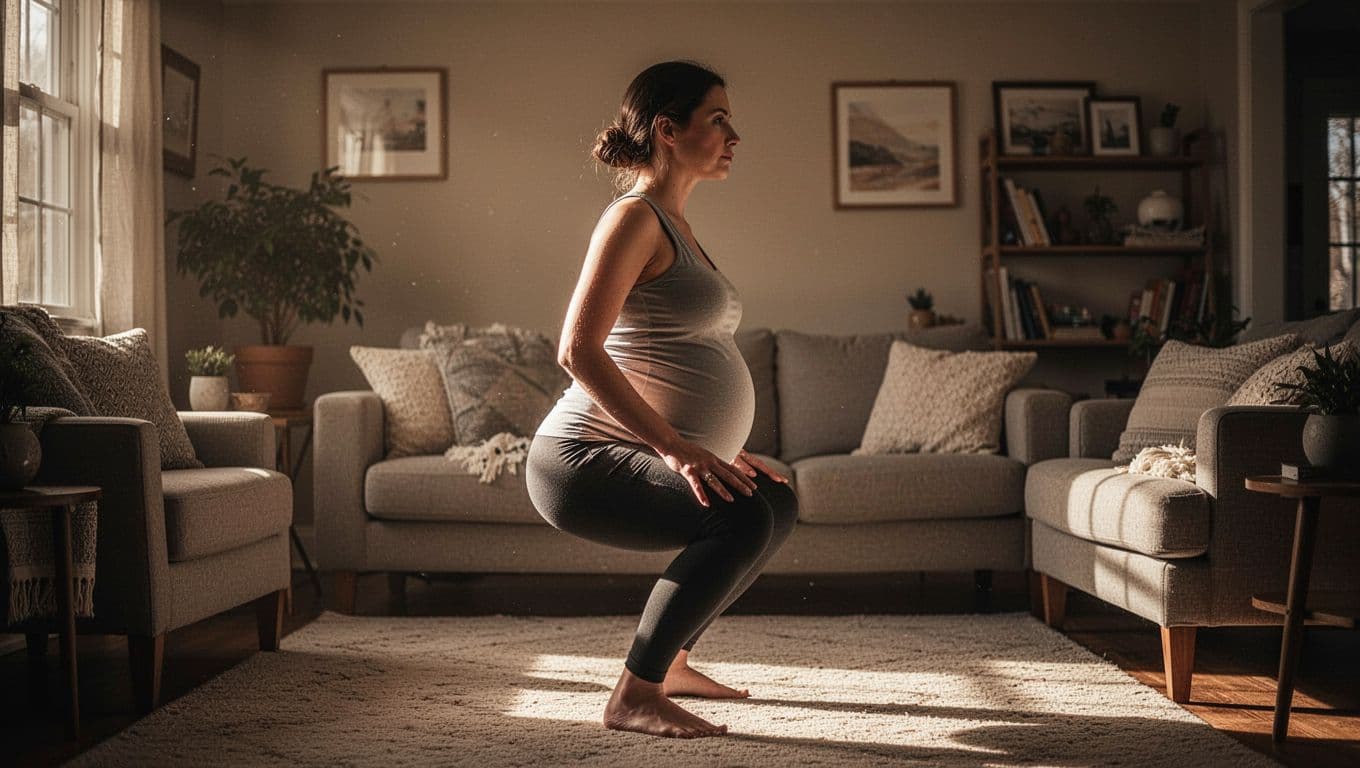
The appeal is easy to see. A squat brings the body upright, gives the hips a chance to open, and uses gravity in a helpful way. It also asks the legs and core to work, which matters when labor positions last longer than a few seconds.
Squats are popular because they help with preparation, not because they force labor to start.
How squats support pelvic opening and baby descent
When you lower into a squat, your pelvis has more room to widen than it does when you sit flat or lie back. That extra space can help the baby settle lower, especially when combined with gravity and relaxed hip movement. Many people picture it as making a little more doorway at the bottom of the pelvis.
That matters in late pregnancy because the baby often needs room to move down and find a better path for birth. Squatting does not push the baby out on its own, but it can support the body’s natural alignment. A deep, supported squat may also feel like a reset for tight hips and a heavy belly.
Lower-body strength plays a part too. Strong legs and glutes make it easier to hold birth-friendly positions without tiring as fast. Research on pregnancy movement also links squat exposure with better lumbo-pelvic mobility, which fits the same idea of giving the body more ease and space during labor prep Healthline’s pregnancy squat guide.
Why an upright position can feel more natural in late pregnancy
Late pregnancy often makes stillness feel worse than movement. Standing, rocking, or lowering into a squat can feel easier on the back and pelvis than staying flat for a long stretch. The body is built to move, and labor prep often works better when that movement stays gentle and supported.
An upright position also uses gravity in a practical way. Instead of resting all the weight in one place, the body can shift and settle. That can make squats feel less like exercise and more like a comfortable position you return to again and again.
For many pregnant people, that matters because squats are easy to fit into daily life. No machines, no classes, no special setup, just a steady hold near a counter or a slow drop into a chair-supported squat. Used this way, they are part of labor preparation, not a promise that contractions will begin on command.
The real benefits of doing squats to induce labor
Squats get a lot of attention in late pregnancy because they do more than fill time. They can help your body feel steadier, more open, and better prepared for the work of labor. That said, the benefit is mostly about preparation and support, not forcing labor to begin.
Used well, squats can strengthen the muscles that carry you through labor positions, improve how your hips move, and make you feel more in control when contractions get intense. Some research even links squat exposure with a shorter second stage of labor, which is the pushing phase, but that still does not mean squats start labor on their own study on squat exposure and labor outcomes.
Stronger legs and hips can help you handle labor positions
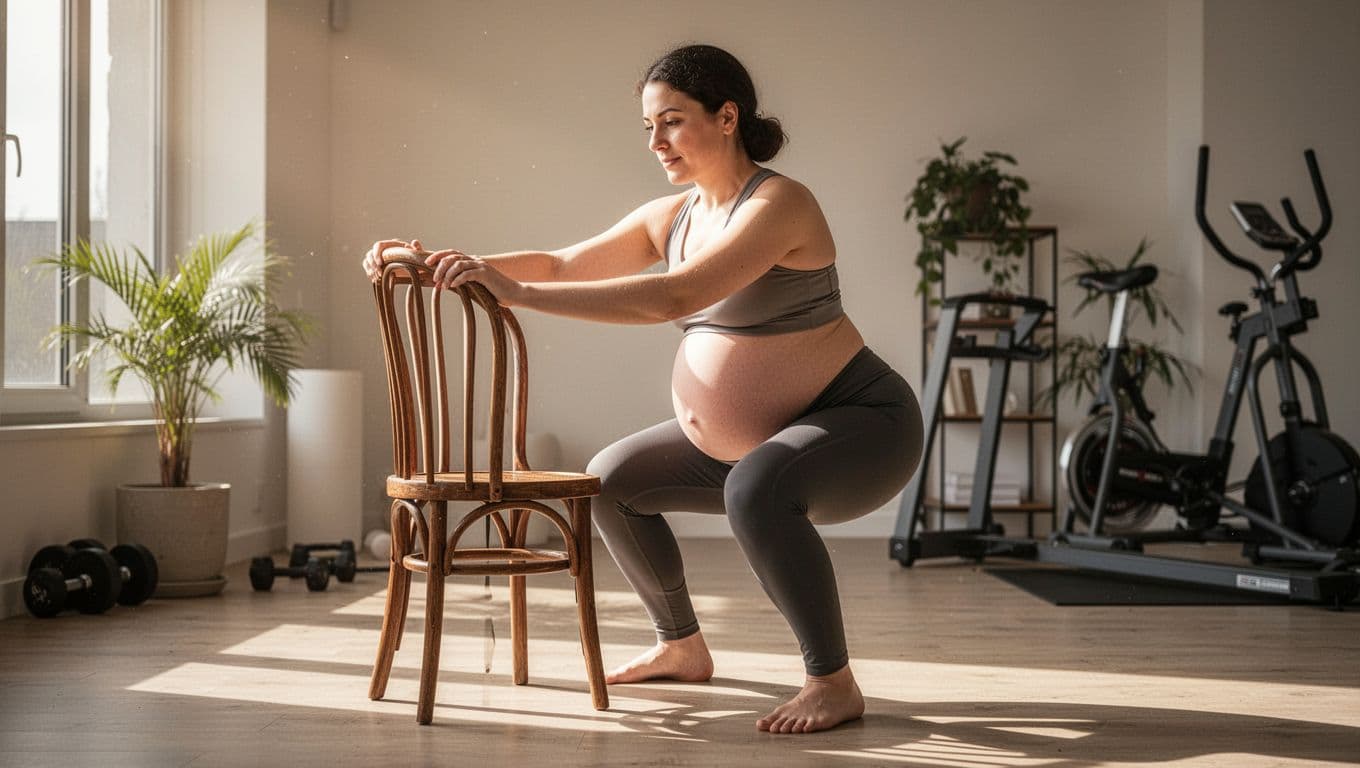
Squats train the same muscles you use when you stand, brace, lower yourself, and rise again. That matters in labor, because you may spend long stretches shifting between positions, leaning forward, or staying upright while contractions build.
Stronger thighs, glutes, and hips can make those changes feel less draining. Instead of fighting gravity, your body has more support to work with it. That can help you stay upright longer and keep your movements smoother when labor starts to feel intense.
If your legs tire quickly, even a simple position can feel hard to hold. Squat practice can build the kind of stamina that helps you keep moving without tensing up. For more ways to support your body before birth, the healthy pregnancy checklist on Mom With Vibe is a useful place to start.
More pelvic mobility may make movement easier during labor
A squat asks your hips to open and your pelvis to move with more freedom. That can matter because labor often feels easier when your body can shift instead of stay locked in one shape. A mobile pelvis may help you settle into positions that feel more natural, like a supported squat, a forward lean, or hands-and-knees.
This does not mean squats change the baby’s position in a guaranteed way. The HSE notes that while pelvic movement may help you feel more comfortable and may help the baby move down, there is no clinical proof that these moves alter the baby’s position in the womb HSE guidance on preparing your body for labor.
Still, that kind of movement can be useful. When your hips feel less stiff, it can be easier to find positions that work with contractions instead of resisting them. That is one reason many people add gentle squats to their third-trimester routine alongside walking, stretching, or other prenatal movement.
Better balance and body awareness can build confidence
Squats also train your sense of balance. When you practice them slowly and with support, you become more aware of where your weight sits and how your body shifts. That awareness can carry into labor, where small changes in posture can make a big difference.
Confidence matters here. If you already know how to lower yourself safely, brace your core, and rise without wobbling, active labor can feel less chaotic. You may feel more prepared to move, rest, and reset as contractions rise and fall.
That mental edge is easy to overlook, but it matters. Labor can feel like a storm, and squats can give you a steadier footing inside it. If you want more help with movement and comfort during contractions, how to manage labor pain offers practical support that pairs well with prenatal exercise.
Squats help you prepare your body for labor, but they do not promise to start it.
Used consistently and safely, they can help you feel stronger, more mobile, and more ready for the positions labor often asks for. That is the real value, a body that feels more capable when the hard work begins.
What squats can and cannot do when labor is nearing
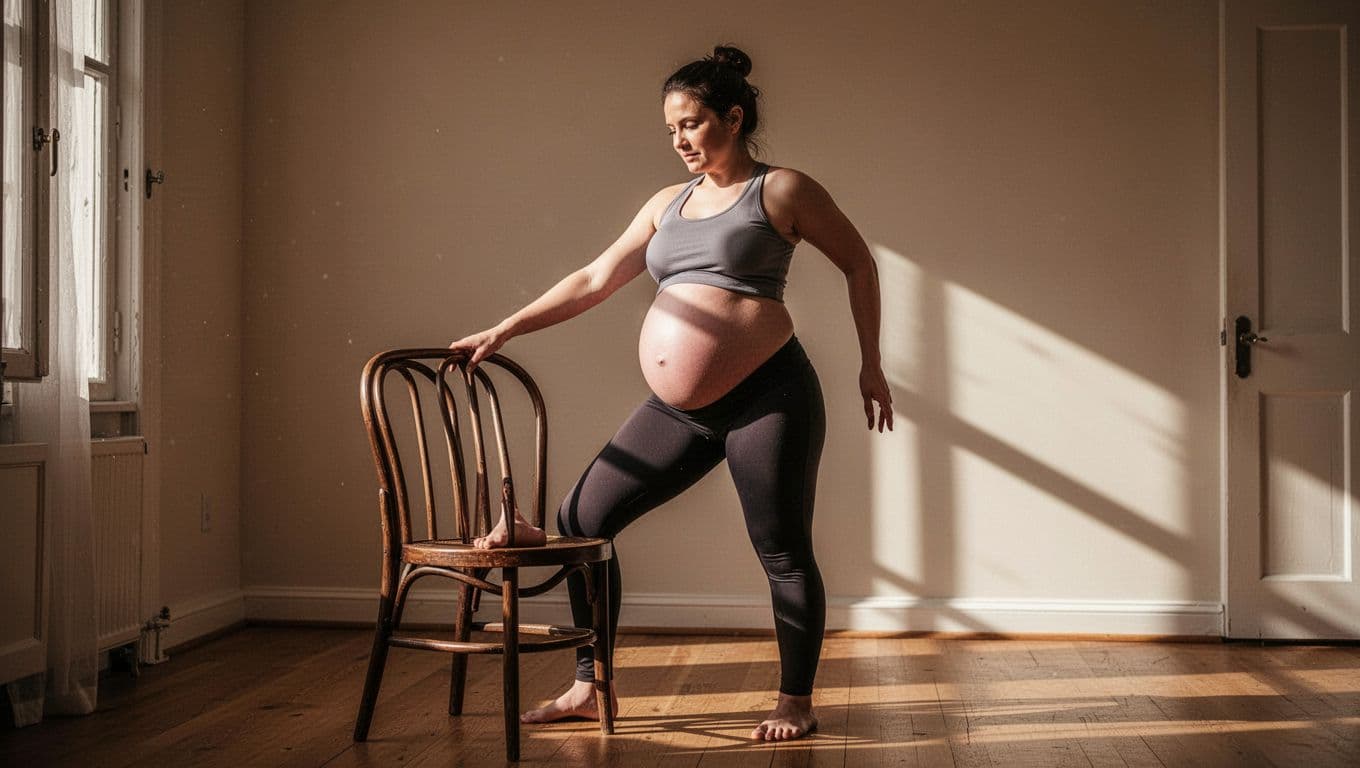
Squats can be a helpful part of late-pregnancy movement, especially when your body feels heavy and restless at the same time. They can support alignment, encourage downward pressure, and make you feel more ready for labor. Still, they do not act like a switch that starts contractions.
A simple way to separate the two is this: preparation helps your body get ready, while induction tries to start labor. Squats fit much better in the first category. They may make it easier for your baby to descend and for you to stay mobile, but they do not reliably trigger labor on their own.
Helpful for preparation, not a guaranteed trigger
Late pregnancy squats can be part of a solid birth-prep routine. They help your hips stay open, your legs stay active, and your body stay used to upright movement. That can matter when labor asks you to shift, squat, lean, and stand again.
They may also help the baby move lower with gravity, which can be useful as labor approaches. If you want a practical birth-prep plan, end of pregnancy preparation checklists can help you stay organized while you keep moving gently.
Even so, squats are not a promise. You might do them for days without a single contraction. Others may feel better after a few sessions, but that still does not mean the squats caused labor. The more honest view is simple: squats can support the work your body is already doing, not force labor to begin.
For a broader look at safe late-pregnancy movement, exercise in pregnancy guidance also offers a useful reminder that active movement can support comfort without acting as a labor trigger.
When squats may be a poor choice
Not every pregnancy should treat squats the same way. If your clinician has given you movement limits, or if your pregnancy has complications, squats may need to be skipped or modified. In those cases, advice from your care team matters more than online tips.
Supportive movement should feel safe, steady, and tailored to your body. If a squat feels shaky, painful, or too intense, that is a sign to pause and get guidance. A gentle chair-supported squat may work for one person, while another may need a different kind of movement altogether.
If your care team has concerns, follow those instructions before trying any labor prep routine.
You can also pair physical preparation with mental preparation for labor, which can help you stay calm while you wait for labor to start on its own.
How to do pregnancy squats safely and comfortably
Pregnancy squats work best when they feel steady, soft, and under control. The goal is not depth or speed, it’s a squat your body can hold without strain.
A safe squat in late pregnancy starts with small movement and good support. If your balance feels off, keep one hand on a chair, wall, or partner. That little anchor can calm your nerves, reduce the fear of falling, and help you relax into the movement instead of tensing up.
Start with support from a wall, chair, or partner
Support makes squats feel less wobbly and less tiring. A sturdy chair is often the easiest place to start, especially if your belly feels heavy or your legs feel shaky.
Stand with your feet a little wider than hip-width, then hold the chair back lightly. Lower yourself a few inches, pause, and rise slowly. A partner can also offer a steady hand near your shoulder or upper back, which helps you stay balanced without gripping too hard.
That support matters because confidence changes how the movement feels. When you know you won’t tip backward, your body can stay looser and more relaxed. Besides, a supported squat is easier to repeat than one that leaves you breathless or tense.
Use small, slow movements instead of deep, fast reps
Gentle squats are usually a better choice than forcing a deep position. Your knees do not need to bend all the way down, and your hips do not need to sink low just to make the squat count.
Lower yourself slowly, breathe out as you descend, then breathe in as you rise. Keep your chest open, your heels grounded, and your movement smooth. If a squat feels better halfway down than at the bottom, stop there.
Healthline’s pregnancy squat guide also notes several squat variations that can be easier on the body, including wall-supported options. The main idea is simple, move with control and stay in a range that feels natural.
Watch for warning signs and stop if they appear
Your body should feel challenged, not alarmed. Stop right away if you notice:
- Dizziness or faintness
- Pain in your belly, pelvis, back, or chest
- Bleeding
- Leaking fluid
- Shortness of breath
- A fast or irregular heartbeat
If anything feels off, sit down and call your doctor or midwife. Deep belly pain, regular painful contractions, or changes in baby movement also need medical attention. When in doubt, stop first and check in second.
Other natural labor prep habits that work well with squats
Squats can fit into a broader late-pregnancy routine that keeps your body loose, steady, and well supported. The goal is to give your body more comfort and more room to move, not to force anything to happen early.
A few simple habits often pair well with squats. Walking, resting, drinking enough water, and using relaxed breathing can all help you feel more ready for labor. So can shifting into positions that feel good, like leaning forward, kneeling, or sitting on a birthing ball.

Gentle walking and upright movement
Walking is one of the easiest ways to stay mobile in late pregnancy. It supports circulation, helps your joints stay warm, and can make your body feel less stiff after long stretches of sitting.
Upright movement also works with gravity. A slow walk around the block, pacing at home, or standing and rocking at the counter can help your baby settle lower without putting too much strain on your body. In some studies, walking late in pregnancy has been linked with better labor outcomes, including a higher chance of spontaneous labor late-pregnancy walking study.
Keep it gentle. You do not need a long hike or a fast pace. A few calm laps, a short walk after meals, or a stroll with breaks can be enough. If you want more body-position ideas, how to help your baby turn head down also covers movement that supports fetal positioning.
Rest, hydration, and breathing matter too
Preparation is not only about exercise. Your body also needs rest, water, and calm breathing to do its work well. When you are tired or dry, even light movement can feel harder than it should.
Sleep helps your muscles recover, while hydration supports circulation and comfort. Breathing also matters more than people realize. Slow exhales can soften tension in your shoulders, jaw, and belly, which helps your body stay relaxed instead of braced.
A simple rhythm works well here:
- Drink water throughout the day.
- Rest when your body asks for it.
- Breathe slowly during squats or walks.
- Pause if you feel pressure, pain, or dizziness.
The American College of Obstetricians and Gynecologists notes that exercise in pregnancy can help reduce back pain and support overall well-being ACOG guidance on exercise during pregnancy. That benefit shows up best when movement is paired with good rest.
Talk with your care provider before trying labor prep exercises
Before you add squats, walking, or other labor prep habits, check in with your doctor, midwife, or doula. That matters even more if you have a high-risk pregnancy, placenta concerns, bleeding, high blood pressure, or any other specific issue.
A care provider can tell you what fits your body right now. They may suggest limits, safer positions, or simpler movement choices if needed. That kind of guidance keeps the focus where it belongs, on comfort, safety, and a healthy wait for labor to begin on its own.
If you already know your body likes gentle movement, keep listening to it. Squats can do their part, but the best late-pregnancy routine often includes walking, rest, water, breathing, and positions that feel good.
Conclusion
Squats can be a smart part of late-pregnancy prep because they help open the pelvis, build leg and hip strength, and keep your body moving in an upright position. That support can make labor feel more manageable when the time comes.
Still, squats are not a guaranteed way to induce labor. They work best as gentle preparation, not as a trigger, so the biggest benefit is a body that feels more ready, stable, and aware.
The safest path is simple: move gently, listen to your body, and check with your doctor or midwife if anything feels uncertain. When squats are used with care, they can be one steady piece of a calm birth-prep routine.
Save pin for later

- Asperger’s Syndrome in Babies: Early Signs and Next Steps - October 7, 2026
- 12 Beautiful Baby Names That Mean Forest, Plus Woodland Picks - September 27, 2026
- 15 Fantastic Baby Nicknames for Boys, From Sweet to Playful - September 27, 2026