

A C-section hospital bag should make the first hours after surgery feel easier, not heavier.
When you’re getting ready for a cesarean birth, comfort and recovery matter more than packing a full suitcase. The best items are the ones that keep essentials close, protect your incision, and help you rest, move, and feed your baby with less stress. If you want more help planning ahead, this hospital bag packing guide can help you sort the must-haves from the extras.
This list covers the 20 most useful things to pack for a cesarean birth, plus a few smart add-ons for both mom and baby, so you can head to the hospital feeling prepared and calm.
Start with the papers and basics you will need right away
Before you add cozy extras, pack the items that help you check in without stress. These are the things you may need at the desk, in the first room, and while nurses are asking quick questions. Keep them in one easy-to-reach pocket or small folder so you are not hunting through your bag when you should be settling in.
Bring your ID, insurance card, and hospital paperwork
Your photo ID and insurance card belong at the top of the bag. Add any pre-registration forms, consent papers, and hospital paperwork your provider gave you. If your hospital accepts a birth plan, bring a few copies so you can hand one to the nurse, one to your doctor, and keep one for yourself.
Even if your cesarean plan changes, the paperwork still helps. It saves time, keeps check-in smooth, and gives the care team the details they need right away. For more prep ideas, the last month of pregnancy checklists can help you double-check what belongs in your bag before labor starts.
Keep these documents together in a folder or envelope, not loose in the bottom of your bag.
Pack your phone, charger, and a long cable
Your phone will likely do a lot of work in the hospital. You may use it for updates, photos, messages, music, or notes for your care team. Because hospital outlets are often far from the bed, a long charger or power bank is a smart add-on.
A short cord can feel useless when your phone is just out of reach. A longer cable lets you stay connected without stretching or getting up too soon. That small detail can make the room feel much more manageable.
Keep a small notebook and pen in the bag
A small notebook is easy to forget and very useful once you are recovering. Use it to track medication times, jot down recovery notes, write feeding questions, or record instructions from nurses and doctors.
After surgery, sleep deprivation can blur everything together. Writing things down gives you a paper trail you can trust when your memory feels foggy.
Choose clothes and comfort items that protect your incision
After a C-section, soft fabric matters more than style. Anything that touches your belly should feel gentle, sit loosely, and stay out of the way of your incision. The right clothes can keep you from wincing every time you sit, stand, or shift in bed.
A few thoughtful choices can make the first days smoother. You want outfits that move with you, not against you, and comfort items that bring a little calm to a hospital room that can feel bright, noisy, and hard to rest in.
Pack loose clothes that will not rub your belly
Choose soft dresses, oversized shirts, loose pajama sets, or stretchy pants that sit above the incision. These are the pieces you will want when your body feels tender and every waistband seems to have bad timing.
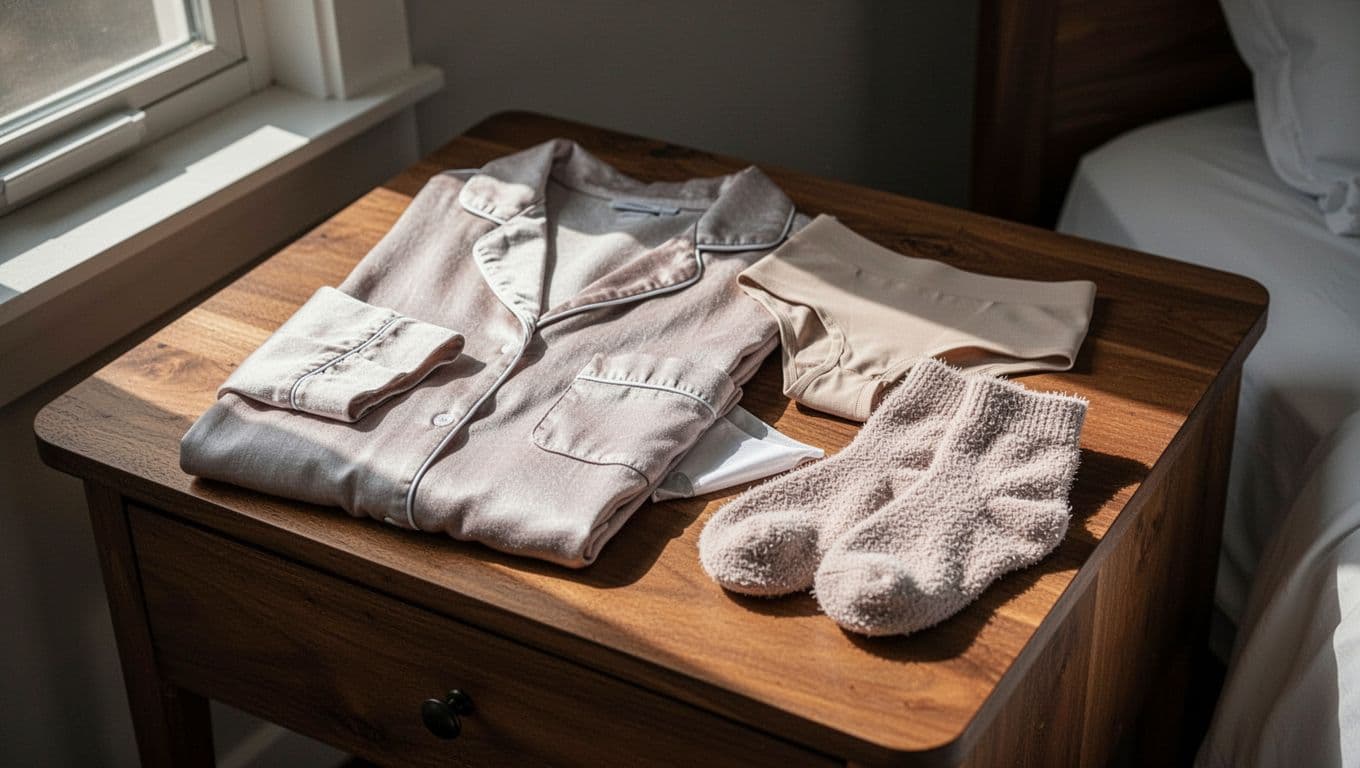
Tight waistbands can press on the healing area and make simple movement feel harder. A loose nightgown or roomy pajama top gives you breathing space, and it also makes it easier for nurses to check your incision without fuss. If you want more ideas for what helps in the first days after birth, these postpartum recovery tips are a helpful place to look.
If it touches your incision, it should feel soft, smooth, and forgiving.
Choose high-waisted underwear or disposable underwear
Underwear should sit above the incision, not across it. That small detail can make a big difference when your lower belly is sore and swollen.
High-waisted postpartum underwear is a smart choice because it avoids pressure on the healing area. Disposable underwear can also work well for the first few days, especially if you want one less thing to wash or manage while you recover. Some moms prefer both, so they can switch based on comfort and how much support they want.
A fresh pair should feel like a soft barrier, not a band squeezing the wrong spot. If you are comparing options before packing, a C-section hospital bag checklist can help you keep the clothing basics in order.
Add slippers or non-slip socks
Hospital floors can be cold, and they can also be slippery. Non-slip socks or sturdy slippers give you safer footing when you get up for the bathroom, the nursery, or a short hallway walk.
Warm feet matter too. After surgery, you may feel chilled even under blankets, so cozy socks can help you feel more settled. Slippers with a firm sole are even better if you plan to move around the room often, since they add support without pressing on your belly.
Bring a pillow or light blanket from home
A familiar pillow or blanket can make the room feel softer and less clinical. The texture, weight, and scent of home can be calming when everything else feels new.
A small pillow can also help support your belly when you sit up, cough, or ride home in the car. Some moms like to hold it against their incision for extra comfort, especially during bumps and turns on the way out of the hospital.
Pack simple postpartum care items that help you heal
The first days after a cesarean birth can feel tender and slow. A few small care items can make that time easier to manage, especially when you want to stay clean, comfortable, and ready for the next feeding or diaper change. Focus on supplies that support bleeding, breast comfort, and basic hygiene, because those little comforts add up fast.
Include maternity pads and postpartum underwear
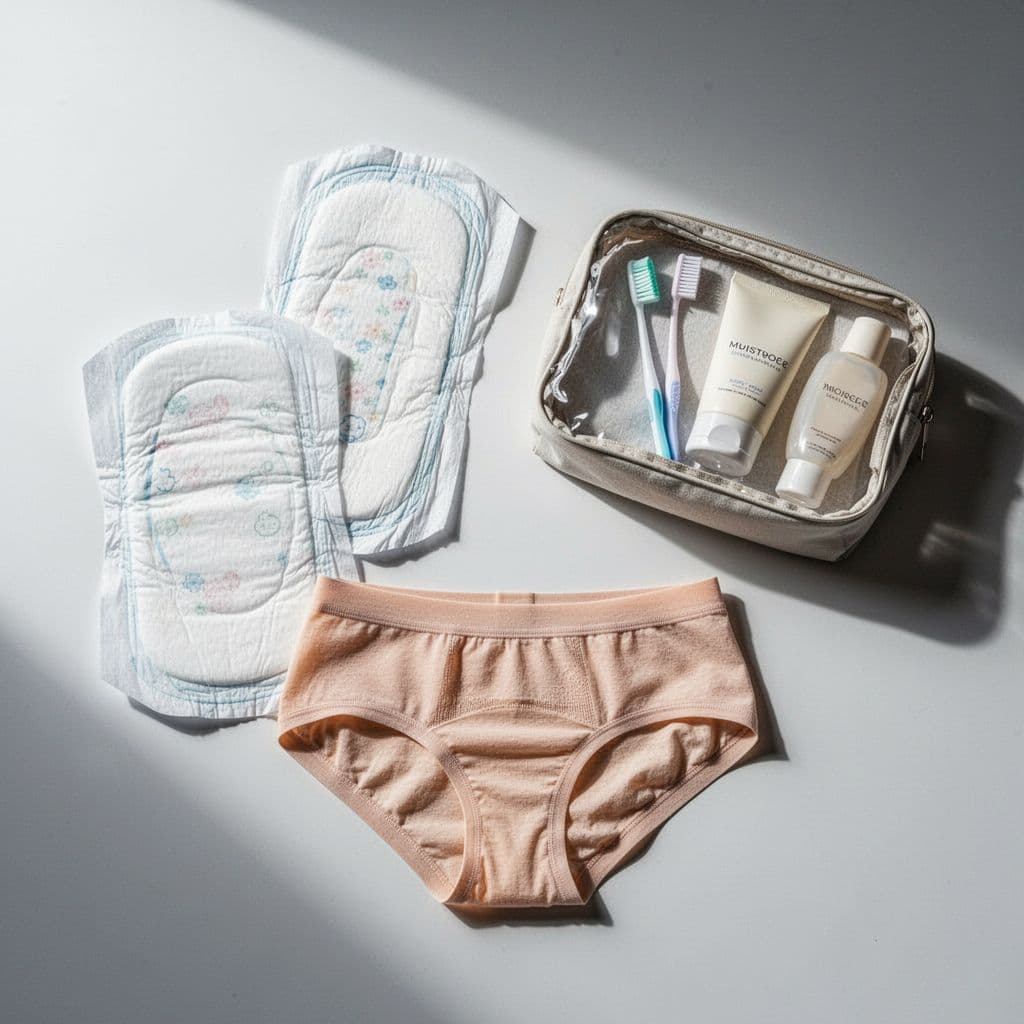
Bleeding after a C-section is normal, and it can last for several weeks as your body heals. Thick maternity pads help you feel protected, and they are usually more comfortable than thinner pads in the first days. The Mayo Clinic’s C-section recovery guidance also notes that rest and careful wound care matter during this stage.
Postpartum underwear matters just as much. Choose high-waisted styles or disposable underwear that sit above your incision, so nothing rubs the sore area. The hospital may give you some supplies, but it still makes sense to bring your own in case you want a better fit or extra backup.
Keep a few pads and underwear pairs within easy reach, because bending and digging through your bag is the last thing you want.
Add nursing bras or soft bras with breast pads
A soft bra can feel like a small kindness when your body is swollen and sore. Nursing bras give you support without pressure, and breast pads help catch leaks so your shirt stays dry. If you plan to breastfeed, they can make feedings feel less awkward and more organized.
Even if breastfeeding is not part of your plan, a gentle bra still helps. Anything soft and unstructured usually feels better than tight, stiff fabric after surgery. You want support that holds without squeezing.
Pack basic toiletries for a fresh reset
A quick wash can lift your whole mood after surgery. Pack a toothbrush, toothpaste, deodorant, face wipes, lip balm, a hairbrush, shampoo, and body wash so you can freshen up when you feel ready. A small towel or washcloth is useful too, especially if you want to clean up without a full shower.
That simple reset can feel like opening a window in a stuffy room. Clean teeth, fresh skin, and brushed hair do not fix exhaustion, but they do help you feel more like yourself.
Bring glasses, contacts, and regular medicines if needed
If you wear glasses or contacts, pack them before you leave. Clear vision makes everything easier, from reading discharge notes to seeing your baby’s face without squinting. If you use contacts, bring your case, solution, and glasses as a backup.
Regular medicines should also go in the bag if your doctor approves them. Staying on schedule helps keep the day steady, and that matters when sleep is broken into short pieces. A few simple medical basics can make the whole hospital stay feel less messy and more manageable.
Think about food, water, and the long hours in the room
A C-section hospital stay can stretch out in slow, uneven hours. You may feel thirsty, shaky, hungry, sleepy, or all of it at once. Packing for that stretch matters, because a few small comforts can make the room feel less draining.
The first day can move like a long movie scene with too many pauses. A water bottle, easy snacks, and a few quiet comforts help you stay steady while your body recovers and the clock crawls.
Bring a water bottle and easy snacks
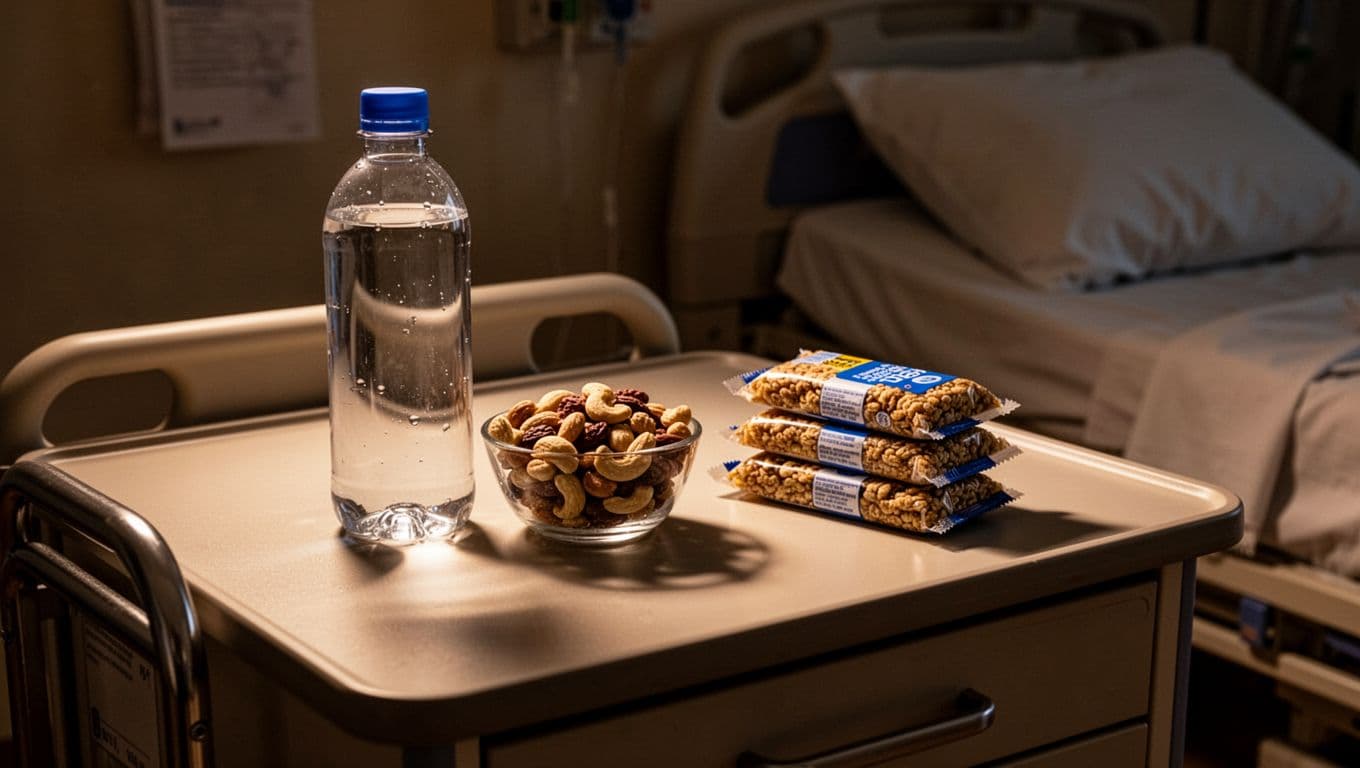
Bring a large water bottle with a straw or easy-to-open lid. After surgery, dry mouth is common, and small sips feel better than trying to do too much at once. If you plan to breastfeed, extra water matters even more.
Once your care team says you can eat, simple snacks are a smart backup. Pack items that are gentle and easy to grab, like crackers, granola bars, nuts, or dried fruit. Hospitals may offer meals, but hunger can hit between tray times.
A few solid choices can keep your energy up without making your stomach feel heavy. If you want a simple packing guide for baby items too, this newborn hospital bag checklist can help keep the whole bag organized.
After a C-section, many people want small bites before they want a full meal.
Pack something to help pass the time
Long stretches in the room can feel even longer when you are sore and waiting for rest. A few quiet distractions can help the time pass without much effort. Headphones, an eye mask, a book, or a calming playlist all work well.
Keep the mood soft and low-key. You may want silence, or you may want something gentle in the background while you rest, feed the baby, or wait for the next check-in. Either way, the goal is the same, less noise in your head and more room to breathe.
If you like music or spoken audio, make a playlist before you leave home. That way, you are not searching for songs while half-asleep and sore.
Add a fan, water spray, or other small comfort item if you run warm
Hospitals can swing from cool to stuffy fast, and small temperature shifts can feel huge after surgery. If you run warm, pack a small fan, a spray bottle with water, or a cooling cloth. These little things can make the room feel easier to sit in.
A hand fan or mist bottle may seem minor, but comfort is often built from small details. A cooler face, a less sticky neck, and a little moving air can change how the whole room feels.
If your hospital room tends to stay warm, tuck the item near the top of your bag. That way, you can reach it fast when the blanket feels too thick or the air starts to sit heavy.
Do not forget the baby essentials for going home
It’s easy to focus on your own recovery and forget the tiny passenger who needs to leave with you. Keep the baby items simple, soft, and ready before discharge day, because you do not need a full nursery in your hospital bag.
Hospitals usually provide diapers, wipes, and basic blankets while you’re there. This part is about being prepared for the ride home, not packing every baby item you own.
Pack newborn outfits, a going-home outfit, and a blanket
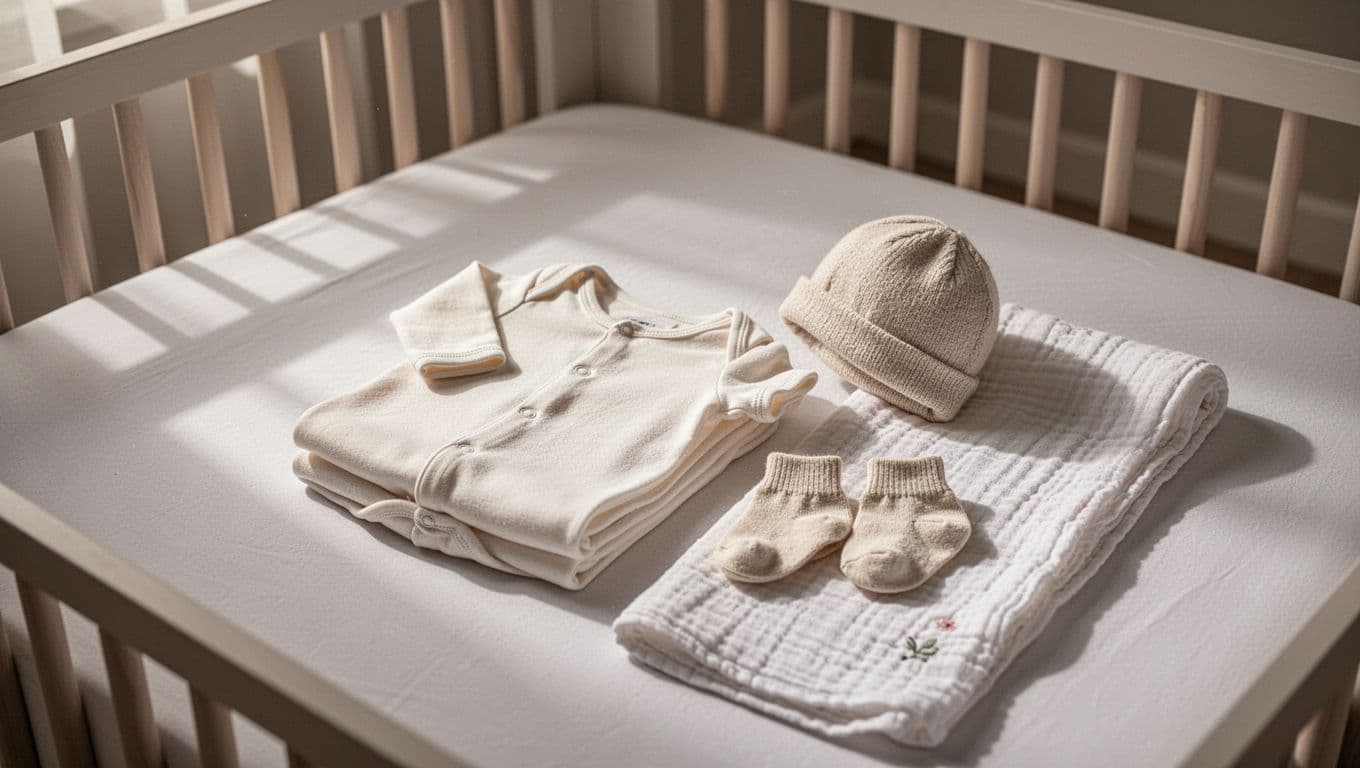
Bring a few soft newborn outfits in case of spit-up or a last-minute diaper mess. A going-home outfit should be gentle on sensitive skin, easy to put on, and sized for a newborn. For many babies, a soft footed sleeper or simple onesie works well.
Add a hat, socks or mittens, and a swaddle or blanket for the trip out of the hospital. A blanket helps with warmth, while mittens or socks can keep tiny hands and feet covered if the weather is cool. If you want a quick reference on what baby needs for discharge, the Pampers hospital bag checklist includes a simple baby going-home list.
A small stack is enough:
- 2 to 3 newborn outfits
- 1 going-home outfit
- A hat
- Socks or mittens
- A swaddle or blanket
Choose clothes that feel soft in your hand. If the fabric feels scratchy, it will feel worse on a newborn.
Bring the car seat before discharge day
The car seat is one of the most important baby items for going home. Your baby cannot leave the hospital without a safe ride, so it should be in place before discharge day if possible.
Install it ahead of time and make sure it fits your vehicle correctly. That way, you are not standing in the parking lot, tired and sore, trying to figure out straps while holding a sleepy newborn. A simple, prepped car seat can take one big task off your plate.
If you have time, check that the straps are snug and the seat is ready for a newborn. The hospital team may also check that your baby fits safely before you head out, so having it installed early keeps the process calm and smooth.
Conclusion
A good C-section hospital bag keeps the first hours simple. It gives you comfort, supports healing, and keeps the things you need close when your body feels tired and tender.
The best packing list is the one that covers the basics without adding clutter. If you have your documents, a few soft clothes, recovery items, snacks, and baby essentials ready, you are already in a strong place.
You do not need to pack everything. You only need the right things, packed with care, so your first day with your baby feels calmer and a little easier.
Save pin for later


- Asperger’s Syndrome in Babies: Early Signs and Next Steps - October 7, 2026
- 12 Beautiful Baby Names That Mean Forest, Plus Woodland Picks - September 27, 2026
- 15 Fantastic Baby Nicknames for Boys, From Sweet to Playful - September 27, 2026