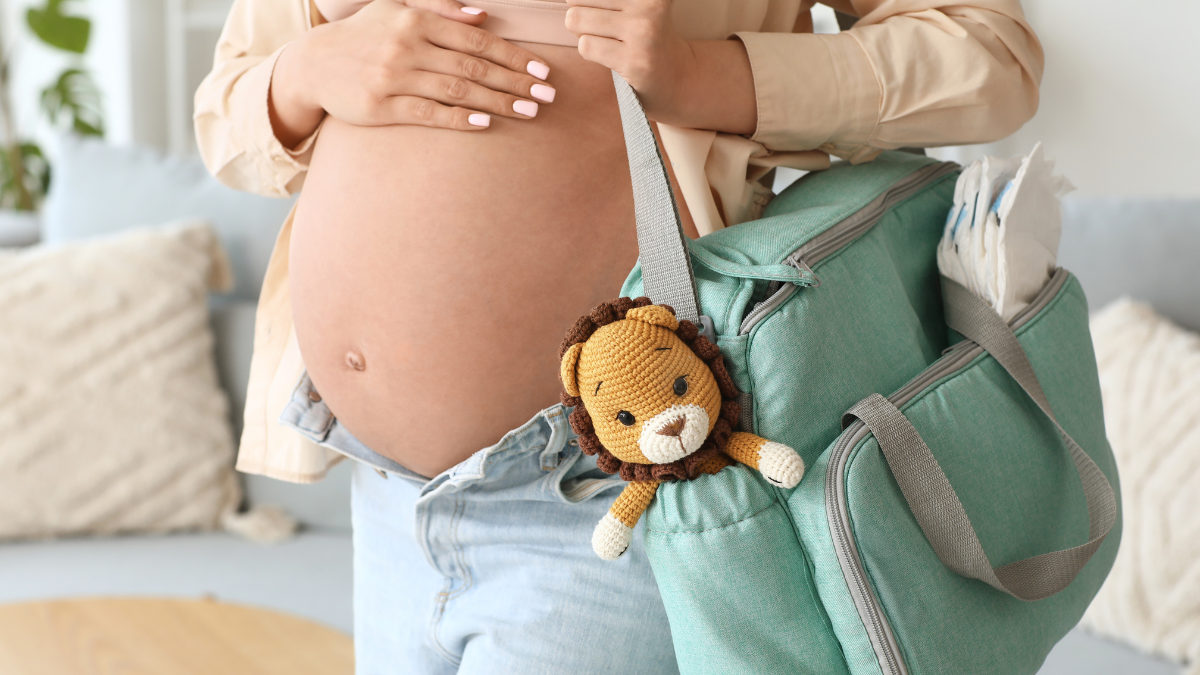
If you’re a first-time parent, it’s easy to look at baby checklists and feel like you need half the nursery in your hospital bag. The good news is you probably don’t. Most hospitals already provide many newborn basics, including diapers, wipes, blankets, and often a simple shirt or hat, so your job is to pack smart, not stuff the bag with things you won’t touch.
A good time to pack is about 3 weeks before your due date, which lines up well with the common advice to have everything ready by 36 to 38 weeks. That way, if labor starts early, you’re not scrambling for tiny socks or the car seat at the last minute. For your baby, the true must-haves are usually a safe car seat, a going-home outfit, and a few small comfort items, while a few parent extras matter only when they help with baby’s comfort, feeding, or the trip home.
This guide keeps the focus on what your newborn actually needs, with a few related parent items mixed in where they make sense, plus a helpful look at newborn diaper changing essentials you’ll use right away.
Start with the newborn essentials you will actually use
Most parents pack too much for the baby. In reality, your newborn usually needs only a few key items for the hospital stay and the ride home. If you focus on safety, warmth, and one easy outfit, your bag stays simple and your brain gets a break.
Bring an installed infant car seat for the trip home
This is the one item you truly can’t skip. Most hospitals require a rear-facing infant car seat before discharge, and staff may want to see that you have it ready and that your baby is buckled in safely.
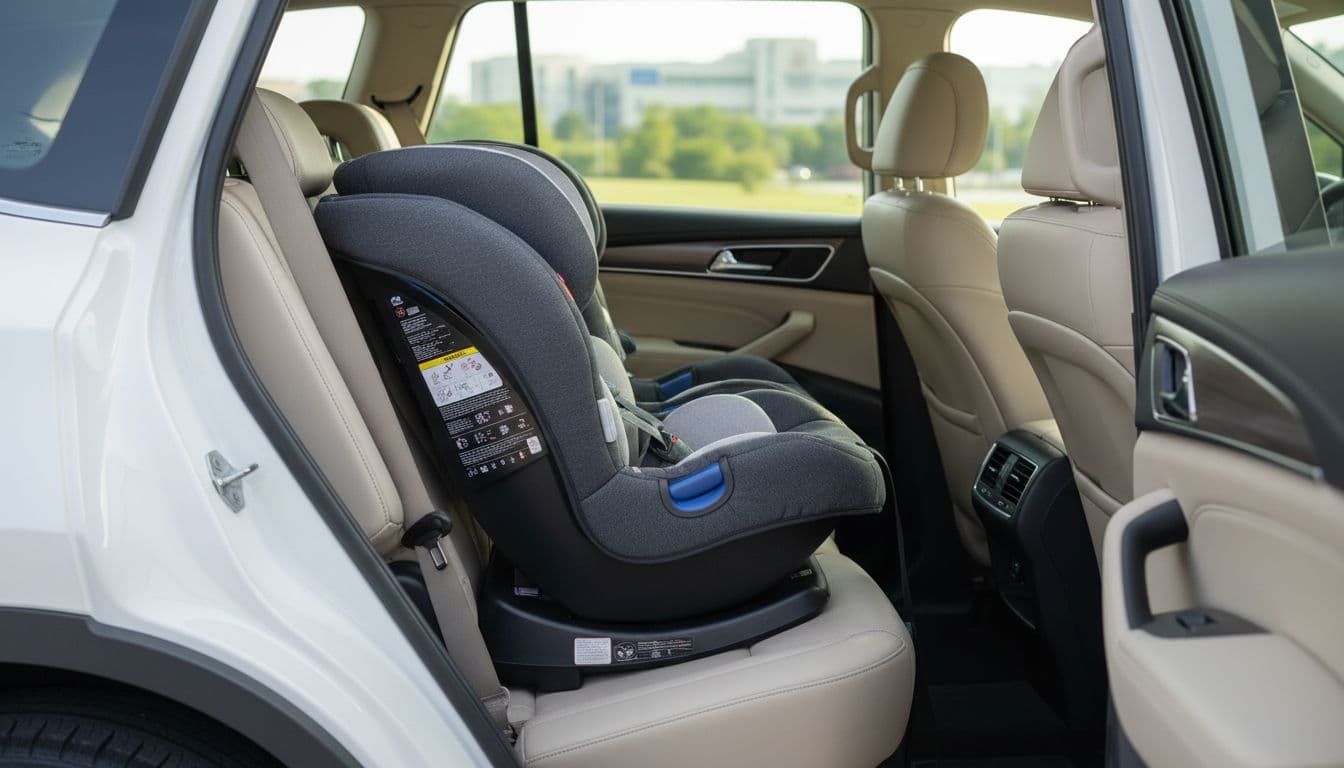
Install the seat before labor day if you can. That small step lowers stress when you’re tired, sore, and ready to go home. It also gives you time to read the manual, adjust the harness, and practice how the buckle works.
Hospitals often do a quick check, but they may not install the seat for you. For a helpful overview, see this newborn car seat guide. If your baby is born early or very small, some hospitals also do a car seat safety check before discharge.
A car seat is not a last-minute bag item. It should already be in the car and ready to use.
Pack one or two going-home outfits in two sizes
Baby size is hard to predict, so pack two simple outfit options. One in newborn size and one in 0 to 3 months gives you a better chance of having something that fits well.
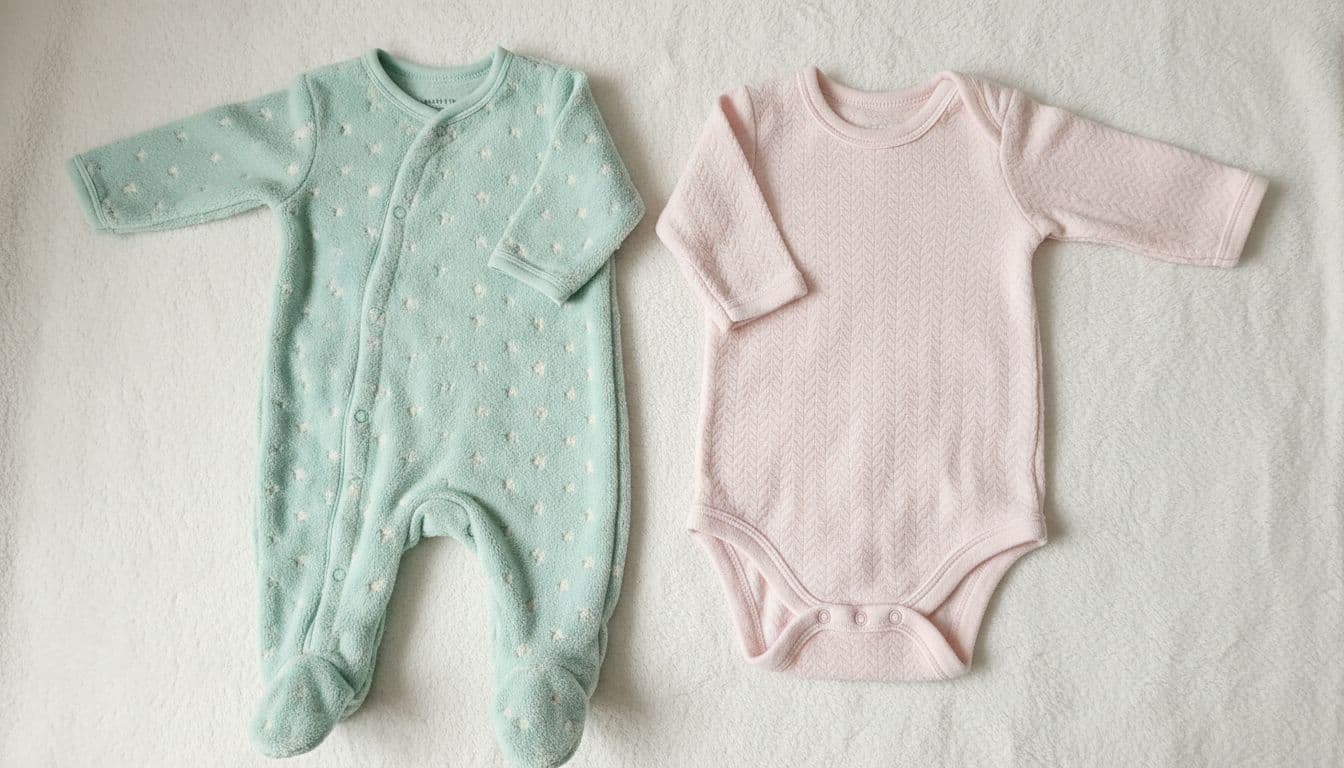
Soft sleepers work especially well because they are easy to put on, gentle on fresh skin, and practical when you’re changing a diaper in a hurry. You can also bring a simple outfit with snaps or a zipper, as long as it sits comfortably under the car seat harness.
Weather matters too. In cool weather, add a light layer such as a thin sweater knit blanket or a soft cardigan over the straps after buckling. Skip bulky coats or thick bunting under the harness, because they can make the straps less secure.
Add a baby hat, socks, or booties for warmth
Newborns lose heat fast, and they lose a lot of it through the head. Because of that, a soft baby hat is useful for discharge, short walks through the hospital, and the quick move from hospital door to car.
Socks or booties are optional, but they can help keep little feet warm, especially in cooler months. Keep this part practical. You don’t need a picture-perfect set, just soft basics that help your baby stay comfortable on the way home.
Know what the hospital usually provides before you fill your bag
Before you pack extras for your newborn, it helps to know what the hospital already has on hand. In many US hospitals, baby basics are part of the stay, so bringing a stuffed diaper bag often adds clutter, not comfort. A little planning can save money, free up space, and make discharge day feel much simpler.
Items your baby may get at the hospital
Most hospitals provide the basics your baby will use right away. That usually includes enough supplies for the stay, especially during the first day or two. As a result, you often don’t need to pack diapers, wipes, or a full stack of newborn care items.
Common hospital-provided baby supplies often include:
- Newborn diapers
- Baby wipes
- Receiving or swaddle blankets
- A simple baby hat
- Bulb syringe or nasal aspirator
- Basic bathing or grooming items, in some hospitals
- Formula and feeding supplies, if needed and requested
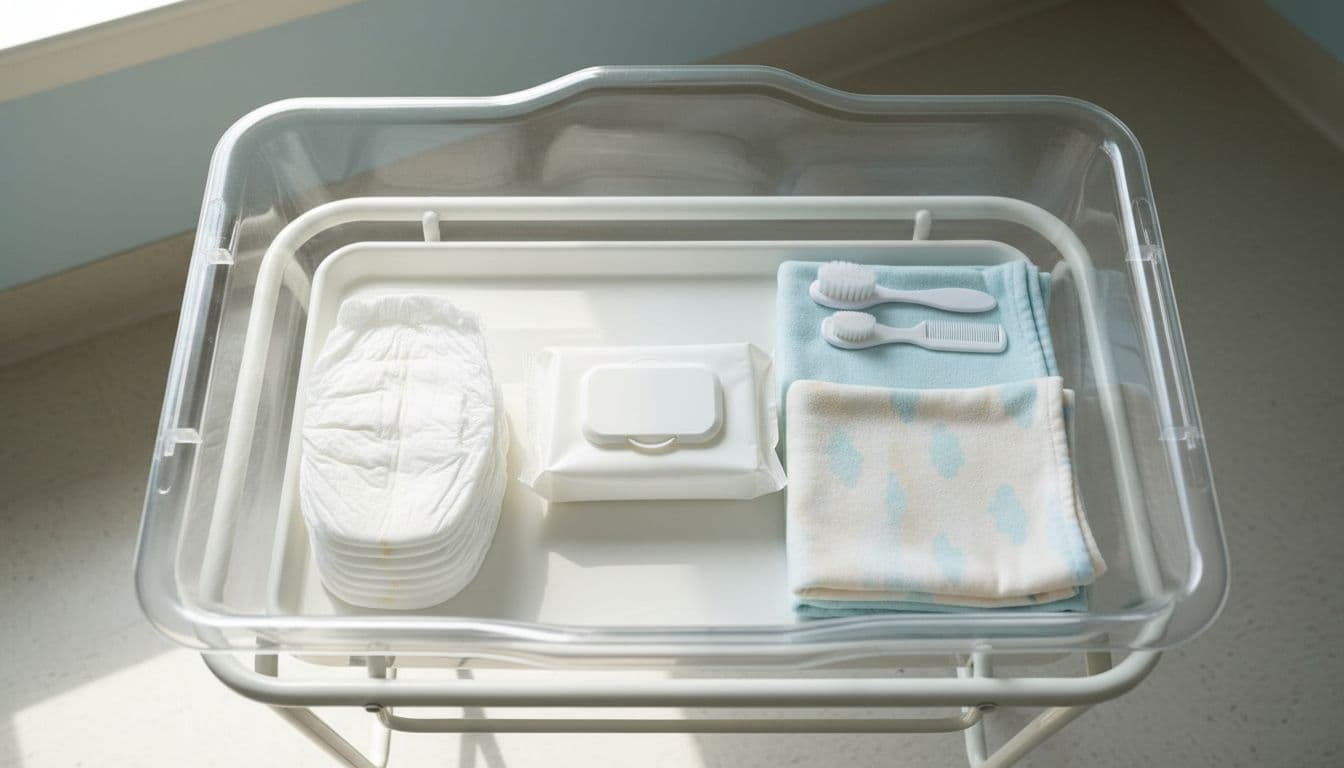
Some hospitals also send families home with leftover diapers, wipes, or a few care items that were opened in your room. Policies vary, though, so don’t count on a large stash. For a general hospital bag comparison, this Cleveland Clinic hospital bag checklist also keeps baby packing pretty simple.
The main point is easy to miss when you’re nesting hard: your baby usually needs far less at the hospital than at home. Save the full diaper bag for pediatric visits, errands, and those first outings later on. If you’re brushing up on the early days, these fun newborn activities to try at home can help once you’re back and settled.
Items you may want to bring only if your hospital does not supply them
A few baby items fall into the “maybe” pile. These are not must-haves for every family, and they depend on your hospital’s rules, your feeding plans, and your own comfort level.
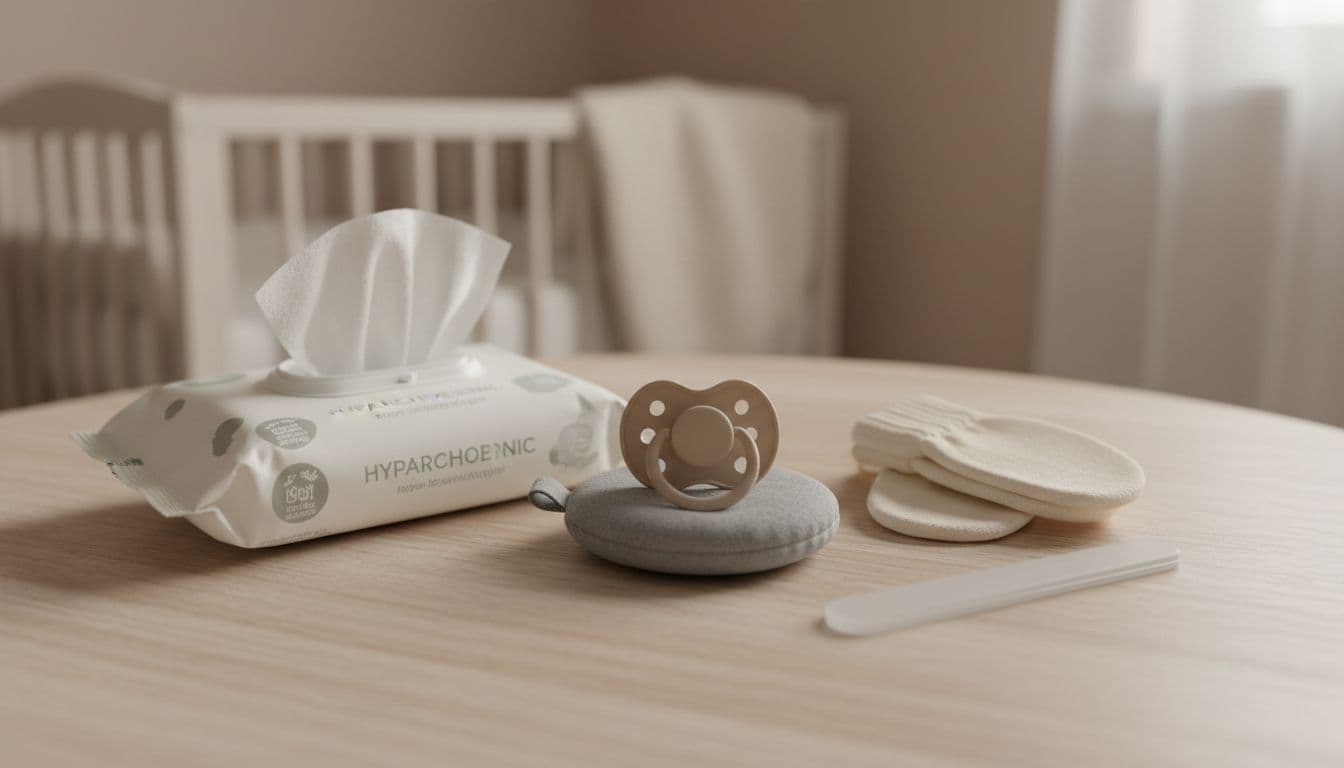
You might pack these only if you know you’ll want them:
- A pacifier, if you plan to use one early and your hospital allows it
- Extra wipes for sensitive skin, if you prefer a certain brand
- Soft mittens, if you’re worried about face scratching
- A baby nail file, because some newborn nails come out surprisingly sharp
- Your own swaddle, if you want a softer fabric or easier wrap style
Keep these items in a small zip pouch instead of a second bag. That way, they’re there if needed, but they won’t take over your suitcase. If you plan to breastfeed and want to avoid early pacifier use, skip packing one unless your care team says it’s fine for your situation.
Optional baby items are best packed for preference, not panic.
Why calling your hospital first can save space and stress
Hospital packing gets easier once you stop guessing. One quick call to labor and delivery can tell you what the hospital provides, what you may take home, and what personal baby items are allowed during labor, recovery, and discharge.
Ask about a few details before you zip the bag:
- Whether diapers, wipes, and blankets are provided for the full stay
- Whether pacifiers are allowed or discouraged
- If baby clothes are needed before discharge
- Whether you can use your own swaddle or sleep sack
- If there are any limits on personal care items for baby
This small step can keep you from packing duplicates, buying things you won’t use, or lugging in items that stay untouched. It also helps if you want a specific plan for feeding, skin care, or soothing. For another real-world checklist, this Babylist hospital bag guide shows how many families keep baby packing light once they know what the hospital covers.
Pack a few comfort items that can make your newborn’s first day easier
Once you’ve covered the true basics, a few small comfort items can make the first day feel calmer. The key is to pack with purpose. Bring the extras that add comfort, warmth, or a sweet photo, and leave the rest at home.
Swaddles and receiving blankets, what is helpful and what is extra
Hospitals often provide receiving blankets, so you usually don’t need to pack a stack of your own. Still, many parents like bringing one lightweight swaddle or receiving blanket for a favorite photo, a softer feel, or the ride home.
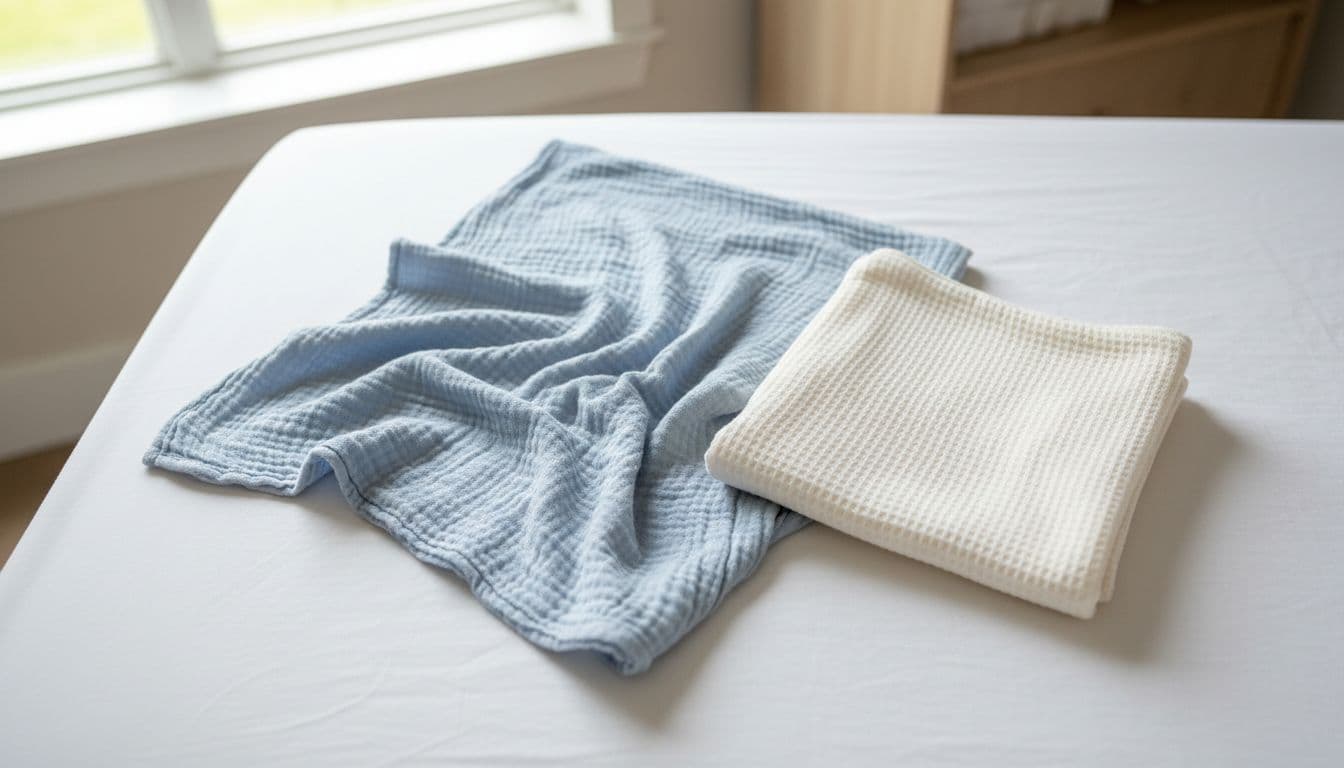
Keep it simple. A breathable cotton or muslin blanket is usually enough, and it won’t take over your bag. If you want a blanket that can do more than one job, this is a good item to choose because it can work for a bassinet photo, a light cover on the way out, or a quick wrap if your baby settles better that way.
What usually counts as helpful:
- One thin, breathable swaddle or receiving blanket
- A fabric that’s easy to wash and soft on newborn skin
- A plain style that won’t feel bulky in the car seat
What often ends up as extra:
- Multiple blankets
- Thick fleece or heavy knit fabrics
- Large specialty wraps that take up too much space
For a broader look at simple baby packing, this Babylist hospital bag guide also keeps newborn extras pretty minimal.
Mittens or a nail file can help prevent tiny face scratches
Newborn nails can be surprisingly sharp. Even in the first day or two, babies may brush their cheeks and leave tiny scratches, which is why some parents toss in mittens or a baby nail file.
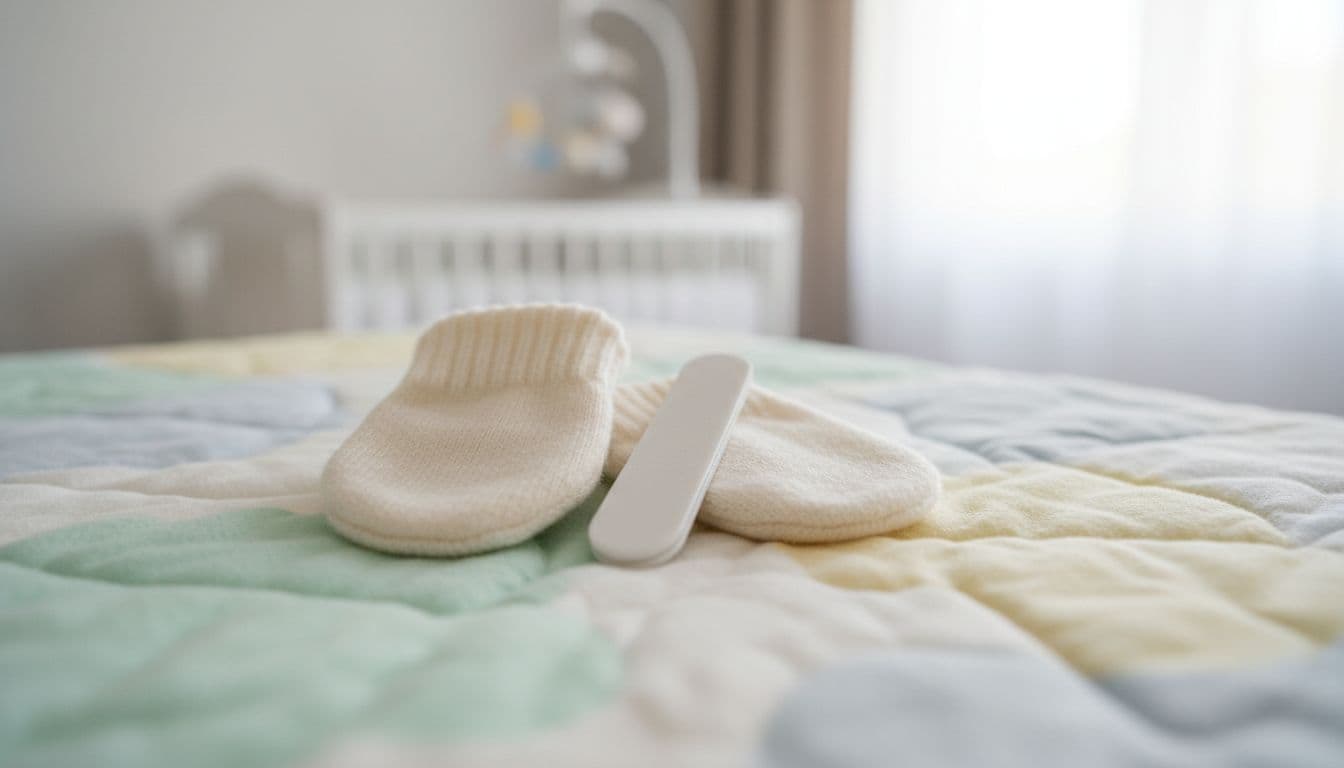
That said, both are optional for a short hospital stay. A soft pair of mittens can help if your baby is very handsy, but some babies keep them on for five minutes and then wriggle right out. A small baby nail file is another low-space item if you’d rather smooth an edge than cover your baby’s hands.
Keep your expectations low here. You may use one of these items once, or not at all. If you pack them, choose just one solution, not a full grooming kit. For general newborn basics, Pampers’ newborn essentials checklist also includes simple comfort items like mittens and sleepers.
If an item solves a small problem and fits in a side pocket, it’s worth considering. If it needs its own pouch, it’s probably extra.
A simple announcement outfit or photo item, if it matters to you
If keepsake photos matter to you, pack one small photo item and call it done. That could be a simple bow, a name sign, or a special outfit. One sweet detail is usually all you need.
A hospital room is not the place for a full photo setup. Bulky props, extra outfits, and big signs tend to sit in the bag while you focus on feeding, resting, and meeting your baby. A single item gives you the memory without the clutter.
Choose something soft, easy to put on, and easy to pack. A simple knotted gown, a soft bow, or a flat name sign works well because it adds a personal touch without creating more laundry or fuss. If your going-home outfit is already cute, you may not need anything else.
Avoid these common hospital bag mistakes for baby
Packing for your newborn gets easier when you know what to leave out. Most baby hospital bag mistakes come down to overpacking or packing unsafe extras for the trip home.
A short hospital stay does not call for a full nursery in a duffel bag. If you keep your baby’s items simple, you’ll save space, spend less, and make discharge day feel far less hectic.
Do not pack too many clothes, diapers, or full-size products
This is the mistake many parents make first. Tiny clothes are hard to resist, but your baby will likely spend most of the stay in a diaper, swaddle, or hospital shirt. In many US hospitals, diapers and wipes are also provided, so a large stash from home usually goes untouched.
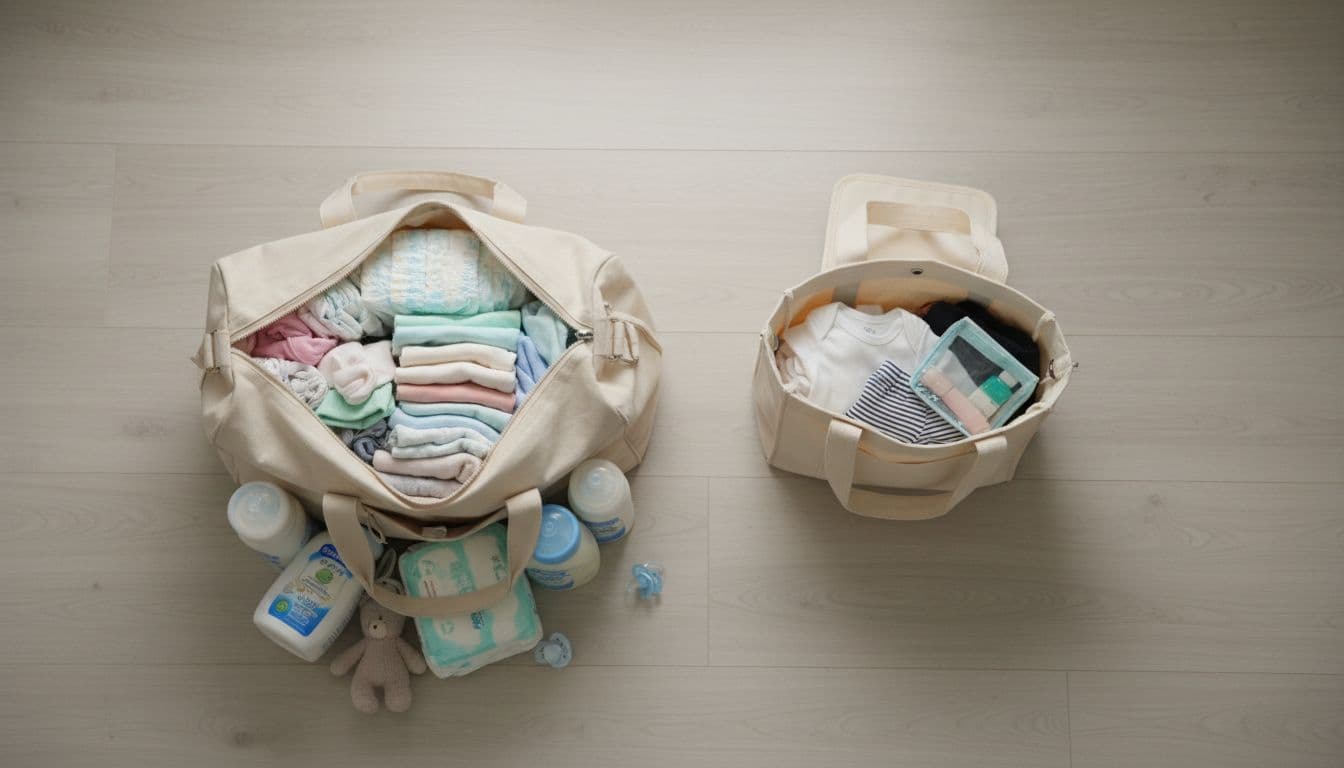
A better plan is to pack one or two outfits, plus your going-home option. Keep full-size shampoo, lotion, body wash, and other baby products at home too. For a stay that often lasts only a day or two, travel-size items are more than enough, and often you will not need them at all. Cleveland Clinic’s hospital bag advice also notes that many families bring more than they actually use.
Extra baby items look harmless in the bag, but they turn into clutter when you’re tired and ready to go home.
If you’re unsure, pack for the actual hospital stay, not for the first week at home. That one shift in mindset helps a lot.
Skip bulky blankets and puffy coats for car seat safety
Warmth matters, but car seat safety matters more. Thick coats, snowsuits, and puffy buntings should not go under the harness straps. Those bulky layers can compress in a crash, which leaves the straps too loose to protect your baby well.
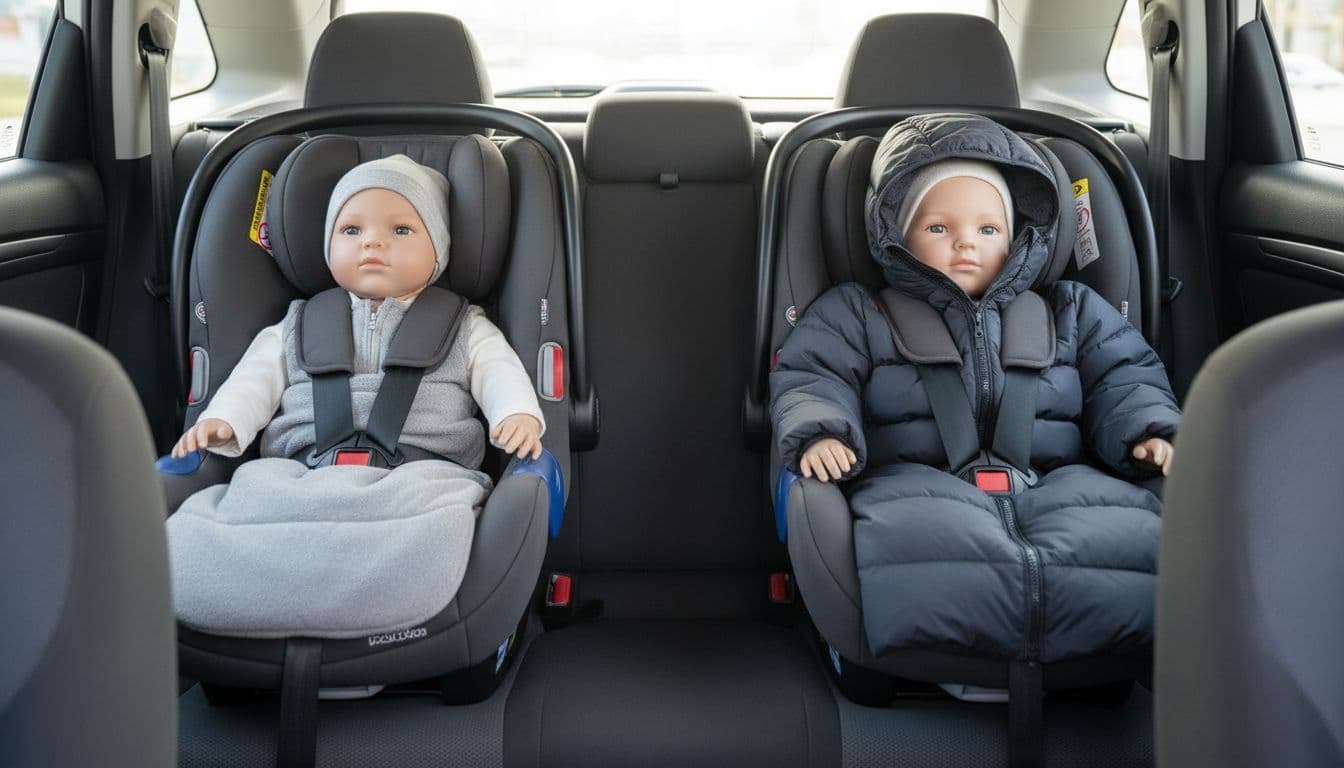
Instead, dress your baby in thin, close-fitting layers. A cotton sleeper and hat usually work well. Then, after your baby is buckled in snugly, you can place a blanket over the harness if the weather is cold. That keeps your newborn warm without changing how the straps fit.
For extra peace of mind, Parents’ nurse-recommended hospital bag list also keeps baby outerwear simple and practical for discharge. Safe layering may not look as cozy as a fluffy suit, but it is the better choice for the ride home.
Leave toys, large gadgets, and backup items at home
Newborns do not need entertainment in the hospital. Stuffed animals, sound machines, extra swings, and other large gear take up space without helping much. In the same way, packing several bottles, multiple pacifiers, or a pile of backup feeding supplies often adds more clutter than comfort.
Keep your bag focused on what supports feeding, warmth, and the ride home. Most hospitals can provide what your baby needs during the stay, and a newborn will spend that time eating, sleeping, being held, and getting checked by staff. This hospital bag checklist for mom, baby, and partner makes the same point, pack once and pack light.
Less gear gives you real benefits:
- You can find what you need faster.
- Your room stays calmer and easier to manage.
- Packing up to leave takes minutes, not forever.
That matters more than people expect. After labor and recovery, a simple bag feels like a gift.
Use this simple hospital bag checklist for your newborn baby
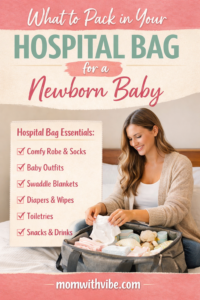
When you’re down to the last round of packing, your baby’s hospital bag should stay very small. For most short hospital stays, you only need a few true essentials, a few optional extras, and the confidence to leave the rest at home. Keep this section as your quick-reference list so packing feels easy, not messy.
Must-pack baby items
For your newborn, the must-pack list is short. Start with an infant car seat, already installed and ready for the ride home. In most US hospitals, you won’t be discharged without one, so this is the item to handle before labor starts, not while you’re timing contractions.
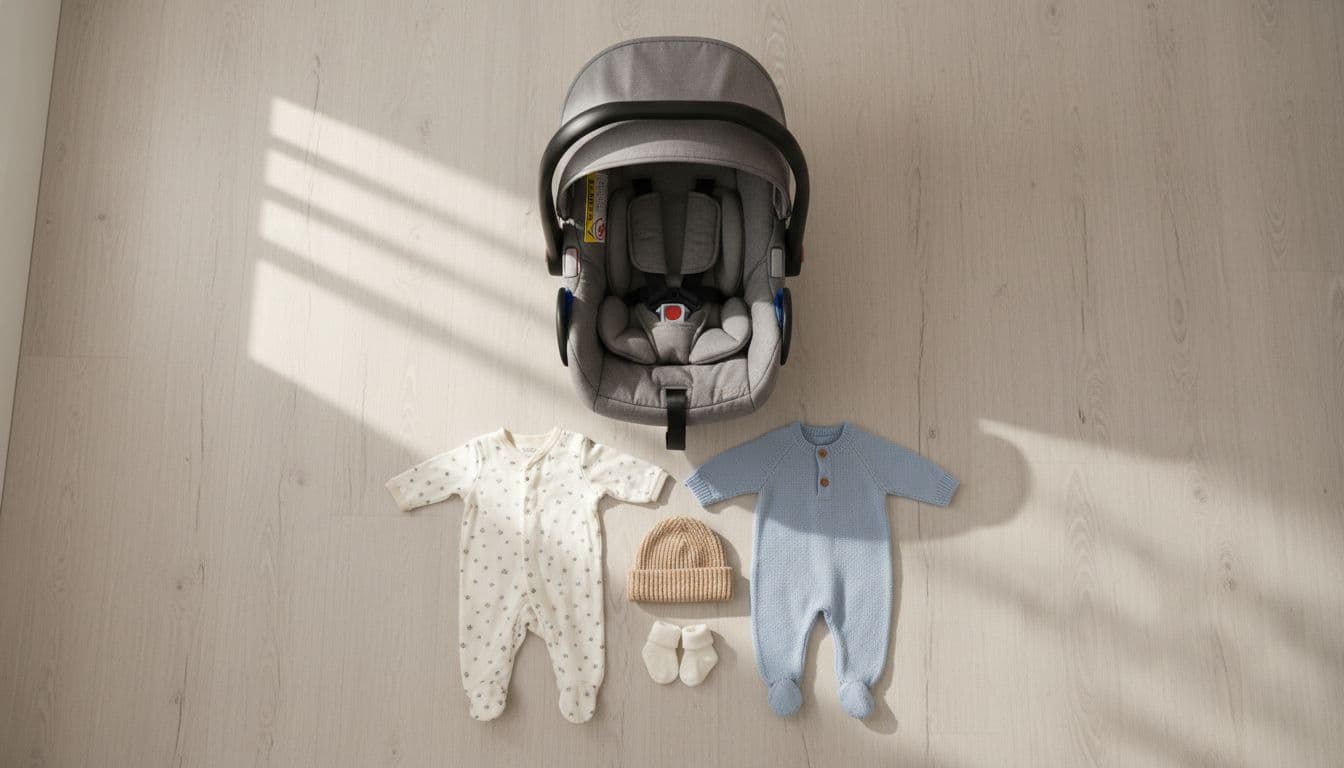
Next, pack one or two going-home outfits in two sizes. A newborn size and a 0 to 3 months size usually cover your bases because baby size can be hard to guess. Soft sleepers or simple snap-front outfits work best since they fit well under car seat straps and don’t add fuss on discharge day.
Add a soft hat for warmth. If the weather is cool, tuck in one pair of socks too. That’s usually enough. According to Babylist’s hospital bag checklist, most baby packing lists stay simple for a reason, because hospitals often provide the rest during a short stay.
Nice-to-have baby items
A few baby items are nice to bring, but they depend on your preferences and your hospital’s rules. One light swaddle or receiving blanket can be handy for a photo, a softer wrap, or the trip out to the car. Since many hospitals already provide blankets, you only need one from home if you know you’ll want it.
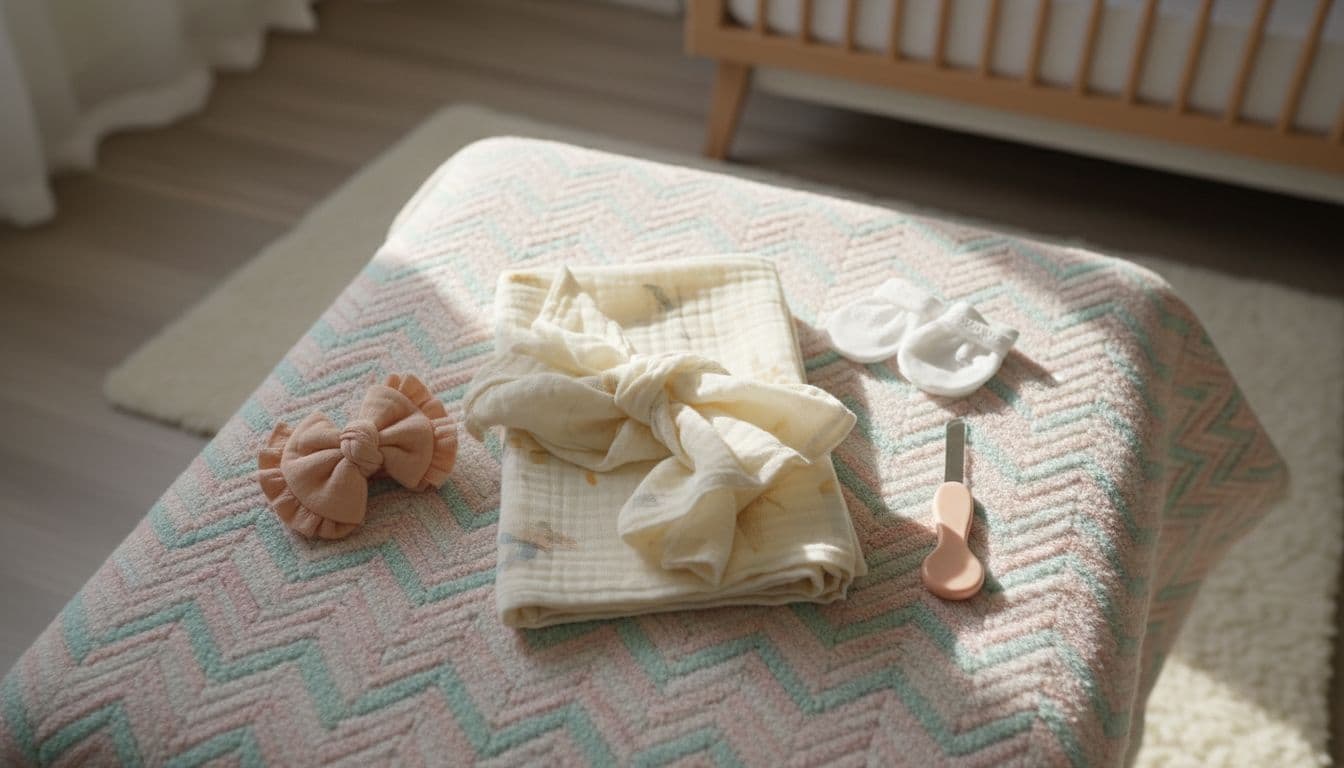
You can also pack mittens or a baby nail file. Some newborns have sharp little nails right away, while others won’t need either item at all. Bring one simple option if it gives you peace of mind, but skip the full grooming kit.
A simple photo item is another optional extra. That could be a small bow, a flat name sign, or one sweet outfit detail. Keep it easy and low-bulk. If your hospital has limits on personal items or you want to keep things light, it’s fine to skip this whole category.
Optional items should earn their spot in the bag. If you would not miss it, leave it home.
Usually not needed for a short hospital stay
This is where overpacking happens. For a short stay, you usually do not need diapers, lots of wipes, many outfits, toys, large blankets, or bulky baby gear. Most hospitals supply basic newborn care items, so bringing your own stash often means carrying things back out untouched.
Keep bulky extras out of the bag. Large blankets take up too much room, and many outfits rarely get worn. Toys are unnecessary for a newborn, and gear like loungers, bouncers, or extra feeding supplies can turn a simple discharge into a big repacking job.
A fast recap helps:
- Pack the car seat, one or two going-home outfits in two sizes, and a soft hat.
- Bring one swaddle, mittens or a nail file, and one photo item only if you want them and your hospital allows them.
- Skip diapers, big wipe packs, piles of clothes, toys, oversized blankets, and bulky gear for a short stay.
Simple is best here. A small, focused baby bag is easier to manage, easier to unpack, and much more useful when you’re tired and ready to head home.
Conclusion
Your newborn hospital bag can stay simple. Most babies only need a few practical basics, a safe car seat, and one easy outfit for the trip home. Because many hospitals already provide diapers, wipes, blankets, and other newborn supplies, a big bag full of “just in case” items usually adds stress instead of helping.
Before your due date gets too close, check your hospital’s policy so you know what they provide and what they want you to bring. Also, install the car seat early and pack for the real priorities, safety, warmth, and an easy ride home. That small bit of prep can make discharge day feel much calmer.
If you’re feeling nervous, that’s normal. Still, a short list and a packed bag are often enough to help you walk in feeling more ready than you think.
Save the pin for later

- 12 Things Pregnant Women Do When They’re Alone - June 7, 2026
- 25 Healthy Pregnancy Snacks You Should Try - June 7, 2026
- 100 Funny Baby Jokes That Will Make You Laugh - May 15, 2026