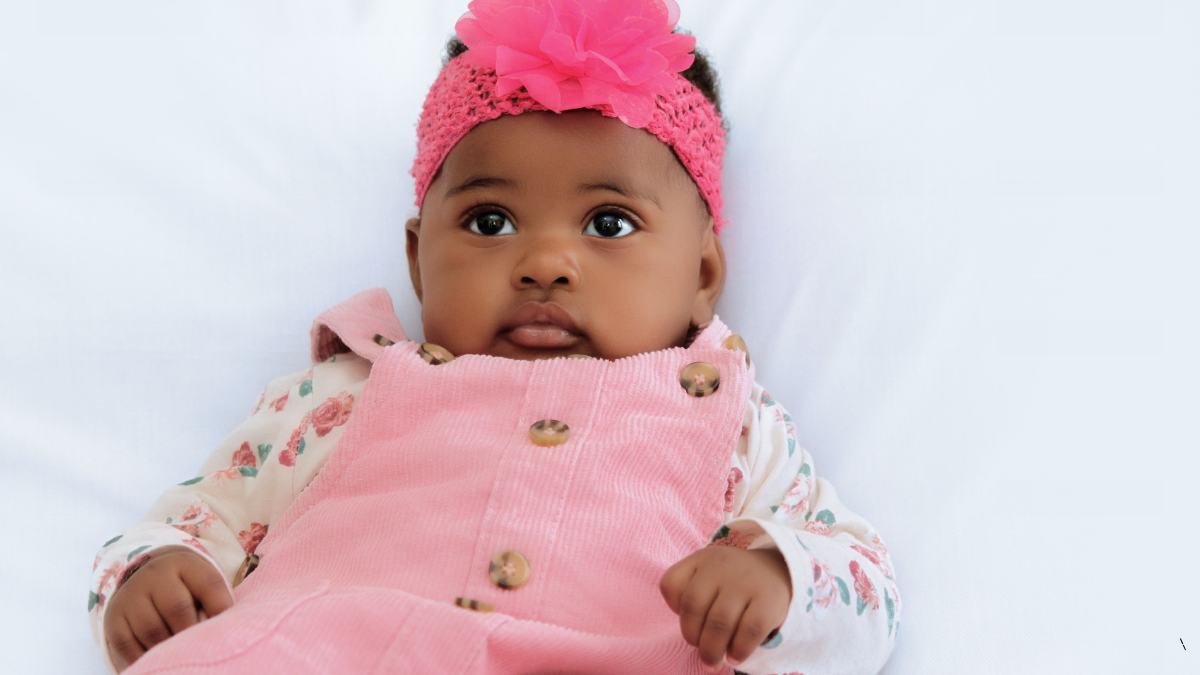
It is normal to feel a sudden wave of panic when you notice your little one’s eyes rolling back, especially if they look like they are drifting off to sleep. While it is often just a sign of your baby navigating their own development, seeing it happen can certainly be unsettling for any parent. You are doing a great job by paying attention to these small details.
Most of the time, this behavior is a harmless part of infant growth as their eye muscles coordinate and strengthen. It is particularly common when they are drowsy, falling asleep, or just waking up. If you are curious about what else impacts these moments, strategies for improving infant sleep quality can offer helpful context on how your baby settles down.
In this post, we will cover the common reasons for eye rolling, which symptoms are typically fine, and exactly when you should reach out to your pediatrician for peace of mind. You can also view this video about eye rolling in babies for a helpful visual guide on what to look for at home.
What eye rolling can look like in babies
Understanding what your baby’s eyes are doing is a big part of learning their unique rhythm. You might see them drift upward, roll to the side, or flicker rapidly during rest. While these movements often seem strange, they are usually just a natural side effect of their brain and nervous system working to find a stable rhythm. Recognizing the difference between these common reflexes and movements that signal a need for medical attention will help you stay calm and focused on your baby.
Normal eye movements during sleep and drowsy moments
It is common for infants to roll their eyes back when they are drifting into sleep or waking up. This typically occurs during REM sleep, which is the phase where your baby is most active, dreaming, and processing information from their day. In this state, the muscles around the eyes are not yet fully coordinated, leading to drifting or fluttering motions that look like eye rolling to a watchful parent.
Since these movements happen as part of their sleep cycle, they are usually fleeting and gentle. You might see your baby’s eyelids flutter, their eyes roll upward, or their eyeballs shift slowly from side to side. As long as your baby returns to a calm state once they settle deeper into sleep or wake up fully, these movements are generally harmless. Ensuring you have established effective newborn sleep training methods can help your baby find their rhythm, which often reduces the overall frequency of these restless, drowsy phases.
When eye rolling looks different from a harmless reflex
Sometimes, eye movements are more than just a byproduct of a sleepy brain. You should pay closer attention if the eye rolling occurs while your baby is fully alert and awake. If you notice the eyes rolling back in a repetitive, rhythmic, or fixed pattern, it could be something that requires a professional assessment.
Other signs that suggest the behavior is not just a standard reflex include:
- The eyes seem shaky or move in an uncontrolled, rapid, or jerky fashion.
- The eye rolling is accompanied by stiffening, twitching, or unusual movements in other body parts like the arms or legs.
- Your baby remains unresponsive to your voice or touch during the episode.
- The movements are very frequent or last for a prolonged period while the baby is not trying to sleep.
While many of these movements mimic normal behaviors seen in healthy infants, understanding the signs of neonatal seizures is helpful for peace of mind. If the eye rolling feels different from their usual sleepy look, or if you simply have an instinct that something is off, reach out to your pediatrician. They can rule out underlying issues and help you understand exactly what is happening with your baby.
Common reasons babies roll their eyes
Seeing your baby’s eyes roll back can be alarming, but it is frequently a normal part of how their young bodies function. Most of these movements occur because your infant is still learning to coordinate their muscles and process the environment around them. Whether they are drifting off for a nap or simply taking in a new sight, their eyes may move in ways that seem unusual to an adult observer. Understanding these triggers often provides the reassurance you need to remain calm during these moments.
Sleepiness, overstimulation, and settling down
Tiredness is the most common reason for eye rolling in infants. As your baby becomes drowsy, their muscles begin to relax, and their eyelids may grow heavy. This process often causes the eyes to drift upward or roll back as they transition into sleep. It is a sign that their body is slowing down and preparing for rest. If you are working to establish effective strategies for newborn sleep routines, you will likely notice these movements occur as part of their natural winding-down sequence.
Overstimulation also plays a role. If a baby encounters too much light, noise, or physical activity, their nervous system may become overloaded. When they cannot process all the input at once, they may roll their eyes or look away to seek a break from the stimulation. This is their way of managing a busy environment. Creating a calm, quiet space can help them find balance again. If you notice this happening often, try lowering the lights or reducing the noise levels to help them reset.
Newborn reflexes and still-developing eye control
A newborn’s nervous system is a work in progress. Unlike adults, who possess refined muscle control, infants are still strengthening the muscles that move and stabilize their eyes. Because of this, their eyes might occasionally flicker, drift, or appear misaligned. These normal newborn behaviors are simply automatic responses rather than intentional actions. Most babies improve their visual coordination as they grow, and these unusual movements typically fade on their own.
Think of it as their eyes finding a rhythm. Early on, the brain is still mapping out how to track objects and focus on faces. If one eye drifts slightly more than the other or moves independently for a moment, it is often just part of this developmental phase. They are still building the strength required to keep both eyes working in perfect harmony. As they gain more control, these flickers become less frequent and more predictable.
Eye rolling during sleep is often harmless
It is entirely common for babies to roll their eyes while they are fully asleep. This usually happens during active, or REM, sleep. During this stage, your baby’s brain is highly active, and their body might exhibit small twitches, groans, or rapid eye movements beneath their closed lids. These normal eye movements are a standard feature of how infants rest.
If you peek at your baby while they are sleeping and see their eyes rolled back, try not to worry. As long as they are breathing steadily and appear comfortable in their position, this movement is benign. It does not indicate pain or distress. Most of the time, the baby is simply deep in a dream state, and their eyes will settle into a natural position once they move into a different stage of sleep. If you have questions about whether a specific movement is typical, you can always track the behavior in a notebook or on your phone to share with your pediatrician.
Symptoms that suggest something more serious
While occasional eye rolling is often a typical quirk of infant development, certain patterns require a closer look. You know your baby better than anyone else, so trust your instincts if the movements feel off or happen in a way that doesn’t fit their normal personality. If you notice persistent or repetitive behaviors, it is wise to contact your pediatrician to rule out any underlying health concerns.
Signs that may point to a seizure
It is important to remember that eye rolling on its own is rarely a seizure. However, when those eye movements happen alongside other physical changes, they could indicate that your baby is experiencing a neurological event. Seizures often involve a cluster of symptoms that occur suddenly, often right after a baby wakes up from a nap.
Watch for these specific signs during an episode:
- Body rigidity: Your baby might suddenly stiffen their limbs, arch their back, or pull their knees up toward their chest.
- Rhythmic jerking: You may see repetitive twitching in the arms, legs, or face that lasts for several seconds or minutes.
- Altered awareness: During these moments, your baby may seem completely checked out, staring blankly, or failing to respond to your voice or gentle touch.
- Clustered events: Seizures sometimes happen in rapid succession, with several episodes occurring over a short window of time.
If you notice any of these movements, seek medical advice promptly. You can learn more about identifying these patterns by reviewing information on infantile spasms to better understand the distinction between common reflexes and more serious brain activity.
When the eyes move back and forth in a shaky way
Sometimes, you might notice your baby’s eyes moving in a rapid, repetitive, and shaky back-and-forth motion. This is different from a simple, one-time upward roll. This type of movement, often called nystagmus, suggests that the eyes are not maintaining a steady focus.
While this may be related to how the eyes are developing or how the nervous system processes visual input, it should not be ignored. If you notice these shaky movements happening frequently, make an appointment with your pediatrician or a pediatric ophthalmologist. They can perform a thorough exam to determine if the issue is with the eyes themselves or if it requires a deeper look into your baby’s neurological health.
Other behavior changes that should raise concern
Eye rolling should always be considered in the context of your baby’s overall demeanor. If the movement is accompanied by other physical red flags, your pediatrician will want to know. Pay attention to how your baby acts before, during, and after the eye rolling occurs.
Contact your doctor if you notice these signs:
- Excessive fussiness or lethargy: A baby who is unusually hard to wake, seems extremely drowsy, or is inconsolably fussy may be signaling that something is wrong.
- Poor muscle tone: If your baby appears “floppy” or seems to lack the usual strength in their neck and limbs, this warrants a professional evaluation.
- Feeding difficulties: A sudden refusal to eat or significant trouble during feedings can be a sign that your baby is not feeling well.
- Fever or sickness: Any unusual behavior paired with a fever, vomiting, or signs of illness like subtle signs your child needs medical attention should be discussed with a doctor immediately.
These symptoms act as a bigger picture of your baby’s health. Tracking these occurrences in a notebook, including the time of day and the duration of the episodes, helps your healthcare provider make a more accurate assessment. Relying on these details makes it much easier to decide when you should consult a pediatrician for health changes to ensure your baby gets the right care.
What to do at home before you call the doctor
Seeing your baby’s eyes roll can be unsettling, but staying calm helps you gather the best information. Your role is to be a steady observer. First, ensure your baby is in a safe space, such as a flat surface, if the event starts while they are in your arms. Avoid trying to hold their eyes still or placing anything in their mouth. Instead, focus on gathering the details your pediatrician will need to help determine if these movements are normal developmental reflexes or signs that require medical follow-up.
Watch the pattern, not just one moment
It is tempting to react to a single, fleeting movement, but the bigger picture matters more. Try to observe the context surrounding each event. Does this happen when your baby is drifting into sleep, or is it occurring while they are fully awake and alert? Patterns provide clues that a single moment cannot.
Note how long the behavior lasts during each episode. Is it a quick flicker that passes in seconds, or does it persist for a longer period? Understanding the frequency—whether it happens once a day or during every nap—helps you and your doctor understand if it is a common reflex or a persistent trend. If you need tips on observing these changes while managing daily care, resources on tracking symptoms can show you how to structure your notes effectively.
Keep a simple record for your pediatrician
When you talk to your doctor, having specific details ready makes the conversation much more productive. You do not need a complex log, but writing down a few key facts is helpful. Briefly note the time of day, what your baby was doing right before the event, and how they acted immediately afterward.
If it is safe to do so, capture a short phone video of the episode. Seeing the behavior firsthand is often more useful to a pediatrician than a verbal description. When you prepare for your next visit, you can also use a simple symptom diary to organize these observations. Keep your record concise, highlighting the timing and any other symptoms you noticed, such as changes in feeding or responsiveness. Sharing these details directly helps your healthcare provider assess your baby’s health with clarity and confidence.
When to call the pediatrician or get urgent help
Navigating your baby’s development is a learning process, and it is normal to have questions about what you see. While most eye rolling is a standard part of your infant growing and learning, some moments indicate you need a professional perspective. Knowing the difference between typical behavior and a sign that something is off helps you provide the best care.
Call the pediatrician soon if eye rolling happens often while awake
You should reach out to your pediatrician if you notice the eye rolling occurs frequently while your baby is awake and alert. While a drowsy baby often rolls their eyes, consistent or repetitive movements during playtime require a checkup. Watch for patterns where the eyes seem shaky, move in an uncontrolled way, or seem stuck in an upward position without a clear sleepy trigger.
These behaviors can sometimes point to issues with vision development or other underlying health conditions that need a closer look. Be mindful of any new changes in your baby’s day, such as sudden shifts in their feeding habits, increased fussiness, or changes in how they interact with you. It is always better to bring these observations to your doctor for peace of mind. Keeping a simple log of when these events occur can provide helpful data for your next visit. In some cases, your doctor may suggest identifying concerning baby tongue symptoms or other related indicators that offer clues into your infant’s overall health and well-being.
Get urgent medical help right away for seizure signs or a very sick baby
Some situations are clear indicators that your baby needs medical attention immediately. If you notice your baby acting very sick, or if the eye movements look like part of a larger physical event, do not wait for an appointment. Seek emergency care right away if your baby is hard to wake, seems limp or floppy, or is having trouble breathing.
Watch for specific physical red flags that accompany eye movements:
- Sudden jerking: Look for rhythmic shaking or stiffening of the arms, legs, or the whole body.
- Loss of responsiveness: If your baby is completely unresponsive to your voice, touch, or presence during the eye rolling, this is a major concern.
- Color changes: Note if your baby’s skin or lips turn blue, gray, or pale during the event.
- Injury related: If the eye rolling begins immediately after a fall or head injury, head to the emergency room without delay.
Trust your instincts. If something feels wrong, you are the best advocate for your child. It is always safer to have a doctor evaluate a concerning symptom than to assume it will pass on its own. When you are worried about normal versus concerning baby digestive symptoms, it is similarly helpful to have a pediatrician rule out any significant health issues. Your prompt action can ensure your baby receives the correct support, and doctors understand that parents should always prioritize safety when a baby seems distressed.
How doctors may check a baby who rolls their eyes
When you visit your pediatrician about eye rolling, they aim to figure out if these movements are just a natural phase of your baby’s growth or if they point to something else. Their goal is to gather a clear picture of what is happening so you can have peace of mind. Doctors usually start by listening to your observations before moving on to a physical assessment. Understanding what information they need helps you prepare for the conversation, which makes the visit feel much more productive and straightforward.
Questions the doctor may ask about timing and symptoms
Your doctor will likely want to know the specific context surrounding the eye movements. Providing a clear timeline helps them rule out typical developmental reflexes quickly. They might ask whether this behavior started recently or if you have noticed it since birth. It is helpful to mention if the eye rolling occurs constantly throughout the day or only during specific situations.
Be ready to share details about when these moments happen, such as:
- Sleep transitions: Does it occur right as your baby drifts off or while they are waking up?
- Feeding time: Do you notice the eyes rolling back while your baby is focused on nursing or taking a bottle?
- Emotional states: Does it happen when your baby is upset, crying, or overstimulated by their surroundings?
- Activity level: Does the rolling happen while your baby is alert and playing, or only during quiet, drowsy moments?
Answering these questions gives your doctor the data needed to tell the difference between normal infant behavior and potential medical concerns. Think of these details as pieces of a puzzle that help your pediatrician see the full picture of your baby’s health.
Possible exams or referrals if the doctor wants a closer look
If the eye rolling seems unusual or happens frequently when your baby is wide awake, your doctor may want to perform a more thorough physical assessment. They will typically examine your baby’s eyes to check the pupils, lids, and overall alignment. By shining a light into the eyes, they can check the red reflex, which helps ensure the back of the eye is healthy and free from obstructions like cataracts.
The doctor may also observe how your baby tracks objects or faces to see if their vision is developing as expected. Because eye movement is closely linked to the nervous system, they will likely check your baby’s muscle tone, coordination, and general responsiveness. If they need more information or want to rule out specific conditions, they might refer you to a pediatric specialist.
Specialists they may suggest include:
- Pediatric ophthalmologist: An expert who focuses on eye health and alignment in children.
- Pediatric neurologist: A doctor who can look deeper into brain activity or nerve-related causes if necessary.
While these referrals sound formal, they are standard steps taken to ensure your baby receives the right care. You can find more information about when to seek medical attention if you feel uncertain about the process. Most of the time, these extra checks simply confirm that everything is on the right track with your baby’s development.
Conclusion
Most of the time, watching your baby roll their eyes back is a harmless part of their development. It is especially common during those sleepy, drowsy moments when your infant is drifting into a quiet rest. Understanding these weird newborn behaviors to watch for can help you stay grounded when you see movements that look unusual but are actually quite typical.
However, you should keep a closer watch if the eye rolling occurs frequently while your baby is awake and alert. You should also reach out to your pediatrician if you notice shaky eye movements, or if the eye rolling comes with stiff limbs, jerking, or times where your baby seems unresponsive to you. These could be signs of infant eye development concerns or other issues that need a professional look.
Above all, trust your instincts as a parent. If you feel like something is off, don’t hesitate to contact your doctor for advice. Your peace of mind is important, and asking questions is always the right step to take.
Save pin for later


- 12 Things Pregnant Women Do When They’re Alone - June 7, 2026
- 25 Healthy Pregnancy Snacks You Should Try - June 7, 2026
- 100 Funny Baby Jokes That Will Make You Laugh - May 15, 2026