

During a quiet moment, you might find yourself gently rubbing your baby’s tiny feet, watching their toes curl beneath your fingertips. That simple touch can become more than a soothing routine. Baby massage may support bonding, relaxation, body awareness, digestion, sleep, and healthy development, while giving you another gentle way to notice and respond to your baby’s cues.
This practice isn’t a cure or a replacement for medical care, and its effects aren’t the same for every child. Research is strongest for some clinically stable preterm infants, particularly around weight gain and hospital stay, while benefits for healthy full-term babies can vary. The ten possible advantages discussed here include connection, comfort, sleep, digestion, sensory awareness, and early development, along with realistic expectations about what massage can and can’t do.
You’ll also learn when to massage, which simple techniques to try, how to choose a suitable oil, and when to wait or avoid massage altogether. For a practical demonstration, see this AAP-recommended baby massage video, then continue with this guide to gentle baby massage techniques before beginning.
Baby Massage Benefits: Key Advantages Backed by Research
Baby massage is slow, gentle touch that follows your baby’s cues. A session may last only a few minutes, and it doesn’t need to follow a perfect routine. What matters most is a calm, responsive interaction.
Research is strongest for some medically stable preterm infants. Studies suggest massage may support weight gain, lower stress, stronger social responses, and possibly shorter hospital stays. However, research involving healthy full-term babies is smaller and less consistent. Massage works best as loving contact, not another task you must complete.
Deeper bonding through warm, focused touch
Massage gives you time to notice how your baby responds to your hands, voice, and face. Eye contact, a soft explanation of what you’re doing, and pauses between strokes help you become familiar with your baby’s signals.
Because the routine is calm and predictable, your baby may begin to associate your touch with comfort and attention. That can support connection, especially when you feel unsure during the early weeks. Still, massage doesn’t automatically create attachment or fix bonding struggles.

Any trusted caregiver can take part, including a non-birthing parent, grandparent, or another familiar adult. For more ideas, explore these ways to build a secure bond.
Less crying when babies feel calm and secure
A quiet massage may help some babies settle when they’re mildly fussy, overstimulated, or having trouble winding down. Steady touch reduces extra activity while your calm voice and presence offer reassurance.
Watch your baby’s response rather than trying to finish the routine. Stop if crying grows louder, your baby stiffens, turns away, pushes against your hands, or shows other signs of distress. Massage may comfort ordinary fussiness, but it isn’t a treatment for colic, illness, pain, or unusual crying. Contact your pediatrician when crying feels different, intense, or difficult to explain.
A calmer nervous system and lower everyday stress
Massage can offer a soothing sensory experience that supports relaxation and regulation. Evidence varies, particularly for healthy full-term babies, so treat this as a possible benefit rather than a promise.
Signs that your baby is comfortable may include open hands, relaxed arms and legs, steady breathing, soft eye contact, and a peaceful expression. If your baby looks tense or overwhelmed, pause and give them space. A calm room, gentle pressure, and a short session usually work better than trying to provide more stimulation.
Better sleep habits through a soothing bedtime routine
Massage can become one quiet step before bed, alongside a feeding, diaper change, dim lights, and a short lullaby. Repeating a familiar order may help some babies recognize that rest is approaching. A bedtime routine can support settling, but massage isn’t a guaranteed sleep solution.
Afterward, place your baby on their back in their own clear sleep space. Use a firm, flat sleep surface without pillows, loose blankets, toys, or other soft items. Follow the AAP’s safe sleep guidance every time, even when your baby seems relaxed after massage.
More confident caregiving and parent responsiveness
Regular, low-pressure massage helps you slow down and observe your baby’s cues. Over time, you may notice when your baby welcomes touch, needs a break, feels hungry, or is ready for sleep. Confidence grows through responding well, not mastering a complicated technique.
Start when your baby is calm and alert, then follow their lead. Trust your instincts, and ask a pediatrician or nurse for help when something feels wrong. You can also review newborn cues for hunger and tiredness as you learn your baby’s patterns.
More baby massage benefits for growth, comfort, and development
The remaining possible benefits of baby massage involve digestion, movement, skin comfort, feeding, and early communication. However, the results aren’t guaranteed, and some findings come from studies of premature or medically monitored infants. A healthy full-term baby may respond differently.
Keep the routine simple and follow your baby’s cues. Massage should feel like a calm conversation through touch, not a treatment plan. Your baby still needs regular floor play, tummy time, feeding support, medical care, and plenty of unrestricted movement.
Gentler digestion and relief from everyday gas
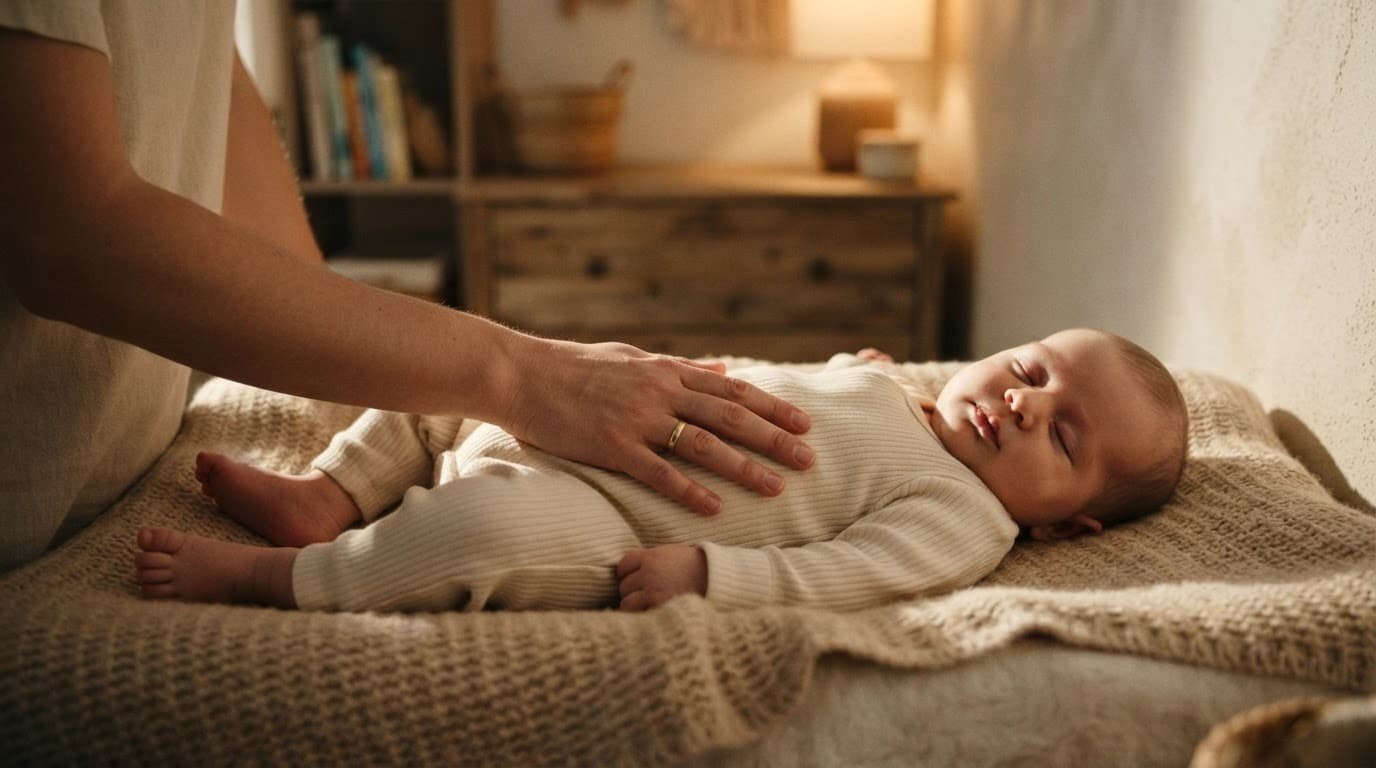
Gentle abdominal strokes and slow bicycle-like leg movements may help your baby relax during ordinary gas or mild digestive discomfort. Use a light touch while your baby lies comfortably on their back, and move slowly without pressing into the belly.
Wait until some time has passed after feeding. Massage can’t treat reflux disease, a bowel blockage, infection, or severe constipation. Stop immediately if your baby cries harder, vomits, looks pale, becomes tense, or seems to be in pain. For more guidance, review these signs of healthy baby digestion.
Support for healthy movement and body awareness
Slowly moving your baby’s arms, legs, hands, and feet can provide pleasant sensory input. Your baby may become more aware of where their body is and how it feels to move.
Massage complements tummy time, floor play, and free movement, but it doesn’t replace them or take the place of physical therapy. It also doesn’t guarantee stronger muscles or earlier milestones. Ask a healthcare professional for guidance if your baby moves one side differently, seems unusually stiff or floppy, or loses a skill. You can also track early communication and motor milestones without treating every variation as a problem.
Possible support for feeding and weight gain in vulnerable infants
Some research reports improved weight gain among clinically stable preterm infants who received supervised massage in neonatal care. A review of preterm massage studies found a modest average weight-gain benefit, but those results don’t apply automatically to every baby.
Massage isn’t a treatment for poor feeding, slow growth, or failure to thrive. If your baby was premature, medically fragile, or recently hospitalized, follow the neonatal team’s instructions before trying massage at home. The research on preterm infant massage reflects carefully selected infants and monitored settings.
Comfort for dry skin when the right product is used
A suitable fragrance-free oil may reduce friction and leave healthy skin feeling soft. Oil is optional, though, and gentle hands matter more than a special baby-massage brand.
Don’t massage over eczema flares, rashes, broken skin, or signs of infection. Patch-test a small area first, then stop at the first sign of redness, swelling, or irritation. These gentle newborn skin care habits can help protect your baby’s sensitive skin.
A predictable routine that supports early communication
Massage gives your baby repeated chances to experience pauses, touch, facial expressions, and your familiar voice. Announce each touch, wait briefly, and watch your baby’s body language before continuing.
When your baby looks away, stiffens, closes their hands, or becomes tense, pause. This routine supports responsive communication by helping you notice and answer cues. It won’t speed language development or create a particular personality, but it can add another warm moment of back-and-forth care.
How to Give a Safe, Simple Baby Massage at Home
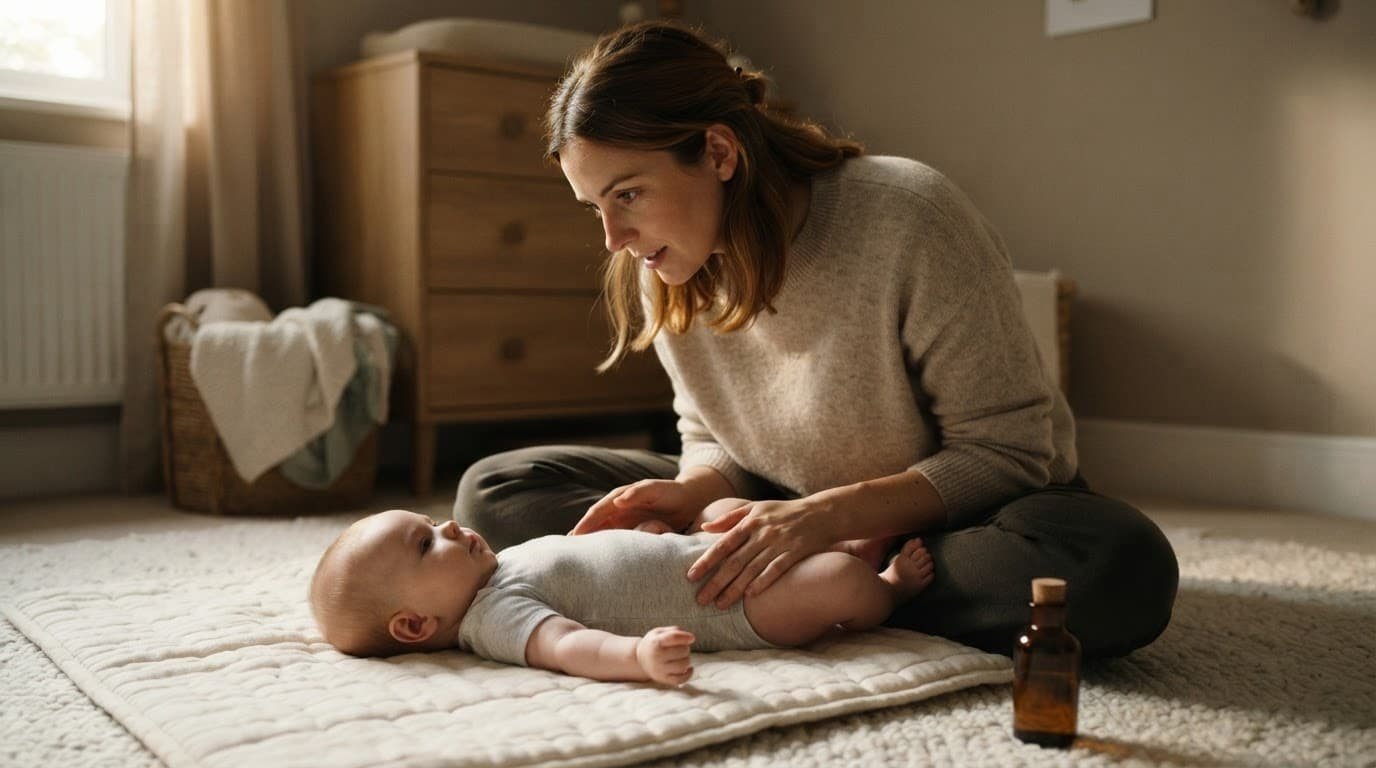
Baby massage works best when it feels like a calm conversation, not a routine you must finish. Choose a warm, quiet room, turn off distractions, and place your baby safely on a soft blanket. Wash your hands, remove rings or bracelets, and keep your nails short. If you use oil, warm a small amount between your palms first. Plain, fragrance-free oil is the safest choice, and a patch test can help you spot skin irritation before a full session. This baby massage guide in pictures offers another visual reference for gentle techniques.
Choose the right moment by watching your baby’s cues
Your baby is usually more ready when they’re awake, calm, warm, and quietly alert. Choose a time when your baby isn’t hungry, overtired, or immediately full after a feeding. Waiting about 30 to 45 minutes after a feed can reduce discomfort and spit-up. If you’re still learning your baby’s hunger patterns, review these early newborn hunger cues before starting.
Begin by showing your hands, speaking softly, and resting them still on your baby’s legs for a few seconds. This gives your baby time to recognize the contact. Welcome signals may include:
- Relaxed arms and legs, with an open body posture.
- Quiet attention, soft eye contact, or a peaceful face.
- Reaching toward you or staying settled beneath your hands.
- Even breathing and small, comfortable movements.
Your baby may need a pause before they need a stroke. Watch closely for stop signals, including yawning, hiccups, fussing, stiffening, turning away, spreading their fingers, changes in breathing, or falling asleep. Stop right away if your baby becomes unwell, upset, or uncomfortable. A short session that ends when your baby has had enough is a successful session.
Use light strokes instead of pressure or complicated moves
Start with the legs and feet because they are often easy areas for babies to accept. Use slow strokes from the upper leg toward the ankle, then make gentle circles over the sole with your thumb. Move to the arms and hands with the same light pressure, keeping your movements smooth rather than rubbing quickly.
Next, stroke across the chest with open palms, avoiding the throat and the area between the nipples and tummy. For the back, place your baby safely on their tummy only while they’re awake and supervised, then use broad, gentle strokes beside the spine. Never press directly on the spine.
Handle the abdomen with extra care. Use small clockwise circles only when your baby is comfortable, and avoid the belly button until the cord area has healed. Don’t massage joints, soft spots, injured areas, bruises, rashes, or broken skin.
Keep the first session to about five to ten minutes. You can gradually continue longer only when your baby remains relaxed and enjoys the touch. Stop between areas whenever your baby looks away or becomes tense. Your hands should feel reassuring, never forceful.
Which Oils Are Safest for Infant Massage?
Oil is optional during baby massage. Clean, warm hands work well, especially during a short first session. If you choose to use oil, pick a plain, unscented, plant-based product with a short ingredient list. The oil should reduce friction without adding perfume, essential oils, or unnecessary chemicals to your baby’s skin.
Best oils for gentle infant massage
NHS-linked baby massage guidance commonly recommends sunflower oil or grapeseed oil. Choose a plain version without added fragrance, herbs, or essential oils. Some clinical settings also consider refined sunflower oil or coconut oil suitable, especially when caring for premature or medically vulnerable infants under professional guidance.

Cold-pressed vegetable oils are often suggested for healthy babies, while a clinician may recommend a highly purified or refined product for a baby with special skin or medical needs. You can read more about healthy skincare habits for babies if you’re building a simple care routine.
Coconut oil may be a reasonable alternative in some clinical guidance, but every baby’s skin reacts differently. Keep the bottle closed, store it in a cool, dry place, and pour a small amount into your palm rather than dipping your fingers into the container repeatedly.
Oils and ingredients to avoid
Skip essential oils and fragranced products. A baby’s skin and sense of smell are sensitive, and strong scents may cause irritation or overstimulation. Even a product labeled “natural” or “made for babies” can contain perfume, botanical extracts, or preservatives that don’t suit your child.
Avoid these oils for infant massage:
- Olive oil, which is high in oleic acid and may irritate immature skin.
- Mustard oil, which may harm the developing skin barrier.
- Nut oils, including almond oil, because they can create an allergy concern.
- Peanut or groundnut oil, especially when your baby has eczema or broken skin.
- Wheat-germ oil, which may also trigger sensitivity.
- Products with mineral oil, unclear ingredients, or added fragrance.
Patch-test before the first massage
Place a tiny amount of the oil on a small area of your baby’s skin, such as the thigh, and watch for redness, swelling, bumps, or itching. If irritation appears, wash the area gently and don’t use that product again. A patch test lowers the risk of covering your baby’s skin with an oil that causes a reaction.
Wait until the umbilical cord area has healed before massaging near the belly. Also ask your pediatrician or neonatal care team before using oil on a premature baby or a baby with eczema, a rash, allergies, or broken skin. Massage should wait while skin is inflamed, weeping, infected, or painful. These common infant skin problems can help you recognize when gentle skincare needs extra care.
For a reliable starting point, choose plain unscented sunflower oil, test a small patch, and stop immediately if your baby’s skin or behavior changes.
When Baby Massage Is Not Safe, and When to Ask for Help
Baby massage should happen only when your baby is well, comfortable, and ready for touch. Skip the session if your baby has a fever, active infection, open wounds, broken or infected skin, a painful rash, or any sign of medical distress. Massage cannot replace an examination, and touch may make some symptoms harder to notice.
If your baby is under 3 months old and has a fever, contact a healthcare professional promptly. You can also review these baby fever and illness warning signs before deciding whether home care is appropriate.
Skin and behavior signs that mean stop right away
Stop the massage immediately if your baby’s skin or behavior changes. Watch for:
- Redness that does not fade soon after you stop.
- New bumps, itching, scaling, swelling, or hives.
- Blisters, oozing, or skin that becomes warm and painful.
- Crying that escalates instead of settling.
- Unusual sleepiness, limpness, or difficulty waking.
- Faster, noisy, or labored breathing.
- A baby who feels hot, looks pale, or seems generally unwell.
Swelling of the face, lips, or tongue, widespread hives, blistering, vomiting, or breathing trouble may indicate a serious allergic reaction. Seek immediate medical care for these symptoms. Call 911 if your baby struggles to breathe, turns blue or gray, becomes limp, or is hard to wake.
Before applying a new oil widely, place a tiny amount on a small area, such as the thigh. Observe the skin for irritation, and follow the product or clinician’s guidance about how long to watch. If a reaction continues, spreads, or has no clear cause, contact your pediatrician. Stop using the oil until you receive advice.
Special precautions for premature or medically fragile babies
Very premature, medically unstable, hospitalized, or medically fragile infants should receive massage only with guidance from their neonatal or pediatric care team. Their skin, temperature control, breathing, circulation, and ability to handle stimulation may differ from those of a healthy full-term baby.
A clinician may adjust when massage begins, how much pressure is safe, how long a session lasts, and whether oil is appropriate. The team may also delay massage for a baby with a bleeding disorder, active infection, unstable vital signs, complex heart or lung needs, or another serious condition.
Hospital massage programs follow clinical criteria, trained observation, and medical monitoring. Parents should not copy a neonatal-unit routine from a general online tutorial. Research on massage in premature infants also applies to carefully selected babies, not every infant born early. A review of reported adverse events in pediatric massage highlights why vulnerable babies need individualized care, rather than a standard home routine: review the evidence on pediatric massage risks.
Use extra caution after vaccination. Many infant-massage programs recommend waiting 48 to 72 hours, avoiding the injection site until soreness, swelling, or a lump has gone, and checking with the baby’s clinician first. When massage is not approved yet, bonding can still grow through your voice, approved skin-to-skin contact, holding, eye contact, and a calm presence beside your baby.
How to Make the Most of the Benefits Without Pressure
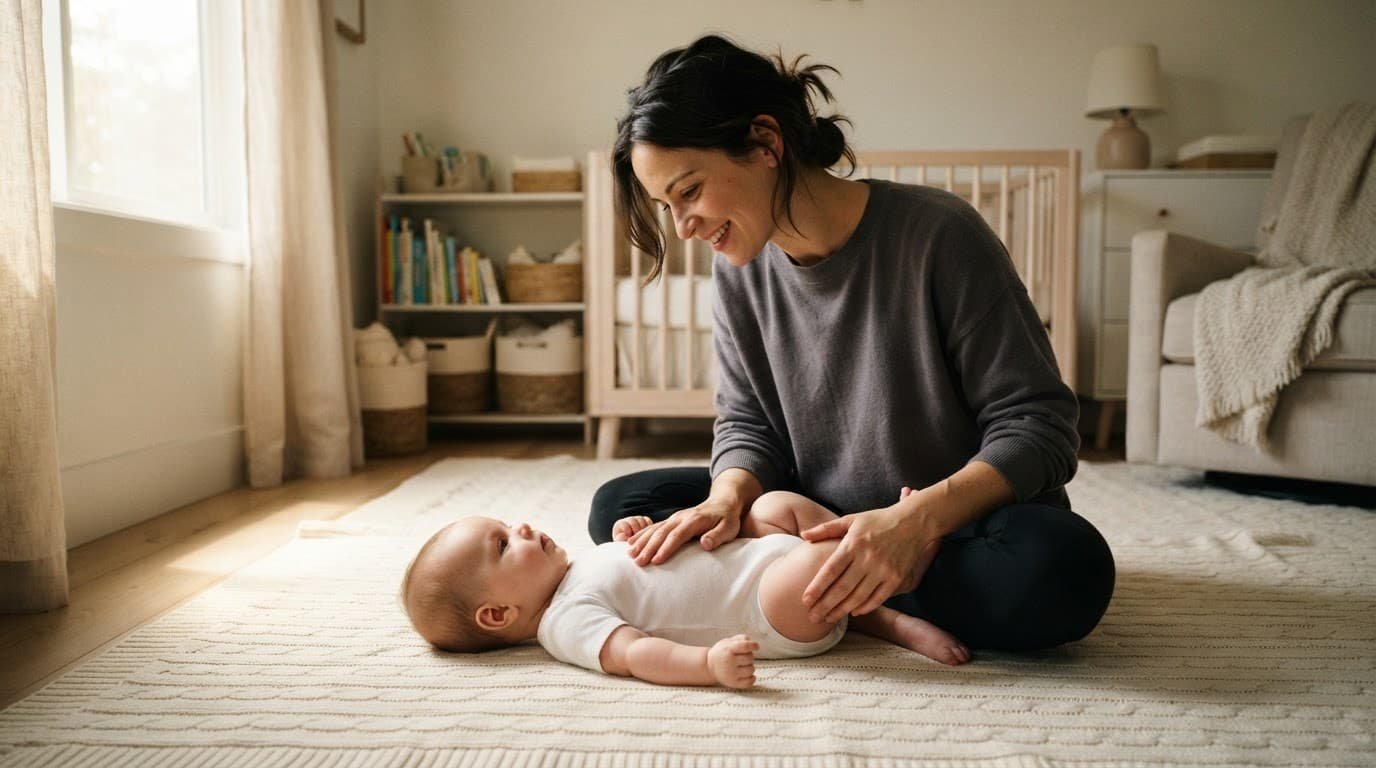
Baby massage should fit into your life, not become another task to complete. Some weeks, you may massage your baby several times. During a busy stretch, you may only offer a few gentle strokes while changing clothes or cuddling after a bath.
The goal is responsive touch, not a perfect routine. Your baby doesn’t need every body part massaged during every session. A few minutes of comfortable contact can still give you time to connect, observe, and respond.
Let your baby’s mood set the schedule
Choose a time when your baby is calm, awake, and comfortable. You might try after a diaper change, before a nap, or during a relaxed part of the evening. If your baby is hungry, overtired, sick, or overstimulated, cuddling may be a better choice.
Begin with still hands and a soft voice. Then watch what your baby does. Eye contact, relaxed limbs, and a peaceful expression may show interest. Turning away, stiffening, yawning, fussing, or pushing your hands away means your baby needs a pause or wants the session to end.
Some families prefer a daily routine, while others massage once or twice a week. Both approaches can work when they suit your baby’s temperament and your available energy. For another calming bedtime idea, try this gentle baby massage routine without treating it as a required nightly step.
Make connection more important than technique
Talk to your baby as you massage. Tell them what you’re touching, sing a familiar song, or read a short board book afterward. Your voice, facial expressions, and pauses add warmth to the experience.
You can also massage one foot while your baby holds your gaze, then stop and cuddle. Perhaps your baby only enjoys having their hands held for a moment. That response still gives you useful information about their preferences.
A successful massage ends while your baby is still comfortable, even if you only completed one small area.
If you want hands-on instruction, look for a trained infant-massage educator or ask your pediatric professional to demonstrate safe strokes. Infant Massage USA explains how certified educators learn to recognize engagement and disengagement cues, while the American Academy of Pediatrics discusses potential benefits and basic safety considerations in its baby massage guidance.
Weigh the benefits and limits
Baby massage may offer:
- More calm, focused time between you and your baby.
- A soothing routine before sleep or after bathing.
- Gentle comfort during ordinary fussiness or tension.
- More practice reading your baby’s body language.
It also has clear limits:
- Evidence is mixed, especially for healthy full-term infants.
- Oils can cause irritation, rashes, or allergic reactions.
- Some babies dislike massage, even when you use gentle pressure.
- Massage doesn’t replace feeding support, tummy time, medical care, or physical therapy.
Follow your baby’s cues, keep sessions flexible, and stop when touch no longer feels welcome. The best routine is one that leaves both of you feeling safe, connected, and unhurried.
Conclusion
Baby massage may help your baby relax, settle before sleep, enjoy gentle sensory input, and share a closer connection with you. It can also support comfort during ordinary fussiness or gas, while giving you more chances to notice your baby’s body language. The strongest takeaway is that responsive touch matters more than perfect technique. Massage should feel like a calm exchange, not a promise of specific results.
Choose a peaceful moment when your baby is awake, warm, and content. Use gentle hands and a plain, fragrance-free oil if you choose to use one. Avoid questionable oils, and stop whenever your baby turns away, stiffens, fusses, or shows any other sign that touch is no longer welcome. Gentle floor play and other newborn sensory activities can also support connection and development.
Ask your pediatrician or care team for guidance before massaging a premature or medically fragile baby, or a baby with skin concerns, illness, or a worrying symptom. On days when massage doesn’t feel right, a few quiet minutes of holding, talking, and noticing your baby can still be meaningful.

- Dry Cough in Kids: 5 Causes and Safe Solutions - September 23, 2026
- How to Help a Child Deal With Anxiety at Home - September 12, 2026
- How to Prepare Your Child for the First Day of School - September 12, 2026