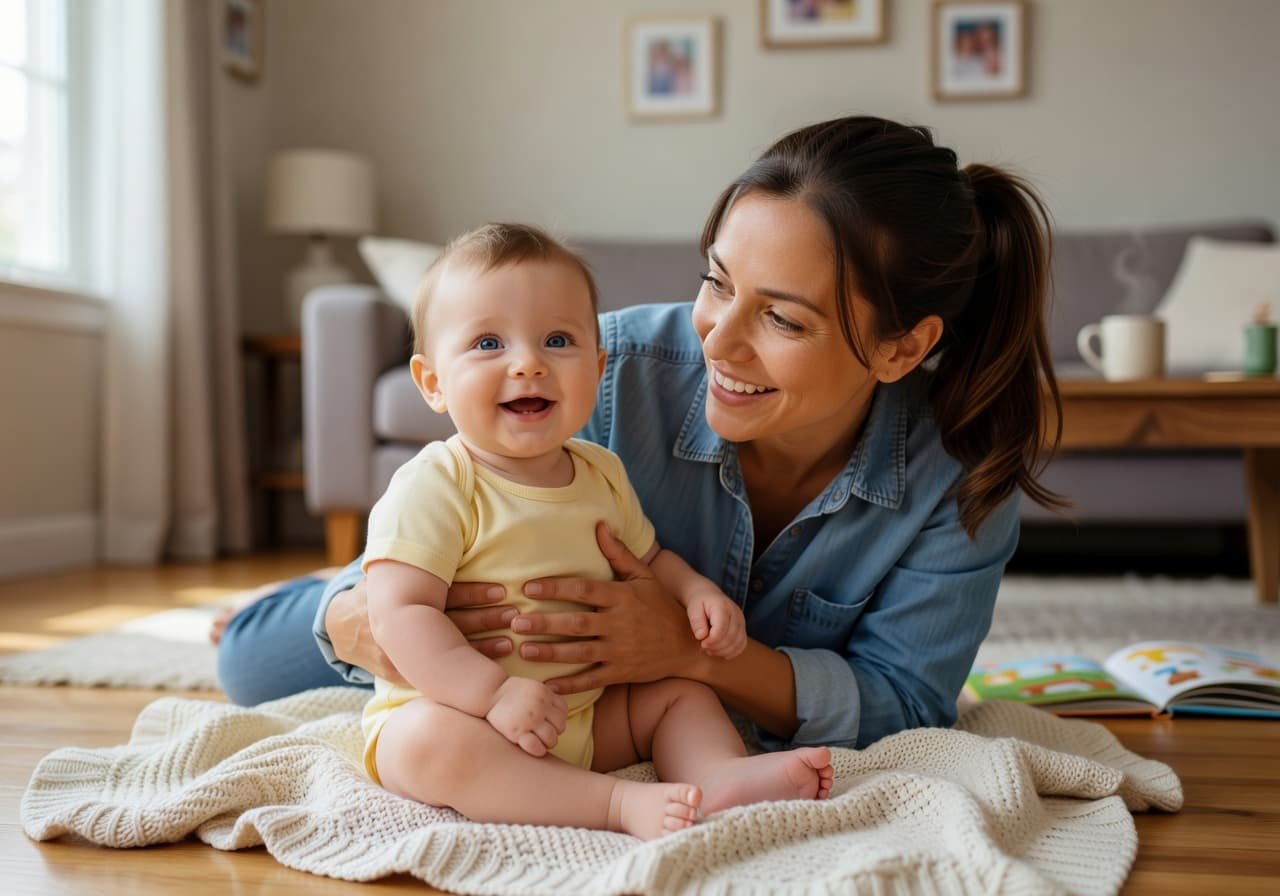
Wondering if your baby can really show love? Babies don’t love the way adults do, but they do form strong attachment bonds through safety, comfort, and trust.
You’ll start to notice small signs that your baby feels close to you, like eye contact, reaching for you, calming in your arms, and looking to you for comfort. If you want a deeper look at how early bonding builds, how to foster secure attachment with your baby is a helpful place to start.
These signs can bring a lot of reassurance, especially in the early months when everything feels new. Keep reading for the 7 clear ways your baby may be telling you, in their own way, that they feel safe and loved.
What baby love really looks like in the first year
In the first year, baby love looks small, but it feels huge. Your baby may not say “I love you,” yet their actions can tell you plenty.
What you see is attachment in motion, a growing bond built through comfort, familiarity, and trust. Eye contact, smiling, reaching, and settling in your arms are all early signs that your baby feels safe with you.

Why babies show affection through actions, not words
Babies do not have the language for feelings yet, so they use their bodies instead. They look at your face, turn toward your voice, make little coos, and calm down when you hold them close. Those are not random habits; they are early ways of saying, “You feel safe to me.”
You may also notice your baby reaching for you, relaxing on your chest, or settling faster when you pick them up. That comfort-seeking behavior matters because it shows trust. A baby who looks for you in a hard moment is already learning that you are a safe place.
Babies often show affection by wanting closeness, not by acting cheerful all the time.
Simple daily routines help build that trust. Gentle touch, warm eye contact, and predictable care all send the same message: “I am here, and you are okay.”
For more ways to build that sense of safety, bonding through gentle touch can be part of the picture too. If your baby seems calmer when you hold them, that is one of the clearest signs of early connection.
The difference between attachment and adult love
Adult love is built on choice, shared meaning, and words. Baby attachment is different. It is the early bond that helps your child feel secure enough to grow, explore, and return to you for comfort.
A good way to picture it is this, your baby treats you like home base. They may light up when they see you, settle faster in your arms, or cry when you leave the room. Those reactions are not neediness in a bad way, they are proof that your baby knows who keeps them safe.
Smiling, eye contact, and reaching for a caregiver are early social and emotional milestones for a reason. They show that your baby is not just reacting to the world, they are forming a connection with you. As Parents explains in its guide to signs your baby loves you, these tiny behaviors often appear long before any real words do.
That bond grows through repetition, like a quiet promise made again and again. Your baby learns, meal by meal, cuddle by cuddle, that you respond, and that lesson becomes the base of safety.
7 Signs Your Baby Loves You
Baby love shows up in small, repeat moments. It looks like comfort, trust, and the way your baby chooses you when they need warmth or calm.
These signs won’t always show up the same way every day. Babies grow at different speeds, and mood, sleep, hunger, and age all matter. Still, if you keep seeing these little patterns, you’re probably seeing attachment in action.

Your baby calms down faster in your arms
One of the clearest signs of trust is a baby who settles more quickly with you. Crying may not stop right away, but many babies soften faster when they hear your voice, feel your warmth, or smell your scent.
Your arms give them more than contact. They get rhythm, pressure, and familiar sounds all at once. That mix can feel like a reset button after a hard moment.
When this happens often, it shows that your baby sees you as a safe place. If your baby starts to relax when you hold them close, that’s a strong early sign of comfort and connection. For some families, nighttime closeness also helps babies settle because the parent’s presence feels familiar and reassuring.
They light up when they see your face
Babies notice faces early, and they often study the people they know best. You may catch your baby staring at you, smiling when you walk in, or easing into a calm, alert look once they spot you.
That reaction matters because your face gives them a lot of information. They read your expression, track your eyes, and learn whether the moment feels safe. A familiar face can feel like a favorite song, recognizable right away.
Some babies even smile before they can do much else. Others may show their joy with wide eyes, kicking legs, or excited arm movements. However it shows up, that burst of happiness is a lovely clue that your baby knows you and likes seeing you.
They turn toward your voice and seem to listen
Your baby may quiet down when you talk, sing, or read aloud. They might turn their head, pause their fussing, or look around as if they’re searching for you.
That response can start very early. Even newborns often react to familiar voices, and over time they begin to pay closer attention to the people they hear most. Your voice becomes a signal that comfort, food, or care may be close by.
This is one reason simple talking matters so much. You don’t need a perfect bedtime story or a long speech. A soft sentence, a silly song, or a few calm words can help your baby feel connected and safe.
A baby who listens for your voice is already learning that you matter in their world.
They reach for you or want to be held
Babies often show preference through their bodies before they can say anything. They may stretch their arms toward you, lean into your chest, or wiggle until you pick them up.
That reaching isn’t random. It usually means your baby knows who helps them feel secure. When they want your hold over someone else’s, they’re showing comfort and trust in a very direct way.
You may see this during handoffs, after naps, or in busy places. Your baby may press closer to you when they feel unsure, then relax once you hold them. Those little movements are easy to miss, but they say a lot.
They babble, coo, or make happy sounds back at you
Back-and-forth sounds are an early form of conversation. Your baby might coo when you speak, babble after you sing, or make squeals when you copy their noises.
This kind of turn-taking matters because it builds connection. Your baby learns that their sound gets a response, and that back-and-forth rhythm becomes part of bonding over time. It can feel a bit like a tiny conversation, even before words arrive.
Try to notice when your baby “talks” back. Those little exchanges, even the messy ones, show interest and trust. They are also a good sign that your baby enjoys being with you.
They get upset when you leave, then settle when you return
Separation distress can feel hard in the moment, but it often points to healthy attachment. If your baby notices when you leave and becomes upset, it usually means they know your presence matters.
The good news is that the story doesn’t end with tears. When you come back, many babies calm down faster, reach for you, or settle into your arms. That return matters just as much as the goodbye.
This doesn’t mean your baby is being difficult. It means your baby has formed a bond and expects comfort from you. Healthy attachment often includes this push and pull of missing you, then feeling better when you’re back.
They seek you out when they are tired, scared, or overwhelmed
When babies feel worn out or unsure, they often look for the person they trust most. They may nuzzle into your shoulder, clutch your shirt, bury their face in your chest, or stop fussing after you pick them up.
That behavior shows preference and comfort. Your baby is not just looking for any adult, they’re looking for the one who helps them feel safe enough to settle. A lot of babies also calm after being held for a bit, then slowly rejoin what was happening around them.
You might notice this after loud noises, new places, or long days. The pattern is simple but powerful, your baby comes to you for protection, then relaxes once they feel secure again. That is one of the clearest early signs of love.
If you want a deeper look at why this happens, secure attachment in infants explains how babies use caregivers as a safe base during the first years.
A baby who runs to you for comfort is showing trust, not weakness.
These signs don’t need to show up all at once. Even one or two can tell you a lot about the bond you share, especially when they happen again and again in everyday life.
Why some babies show these signs sooner than others
Some babies start showing affection early, while others take more time. That difference usually has more to do with age, temperament, and daily rhythms than with how much a baby loves you.
A baby who seems quiet or slow to warm up may still be deeply attached. On the other hand, an alert, social baby may flash those signs fast and often. Both patterns can be normal.
Age and stage matter more than parents think
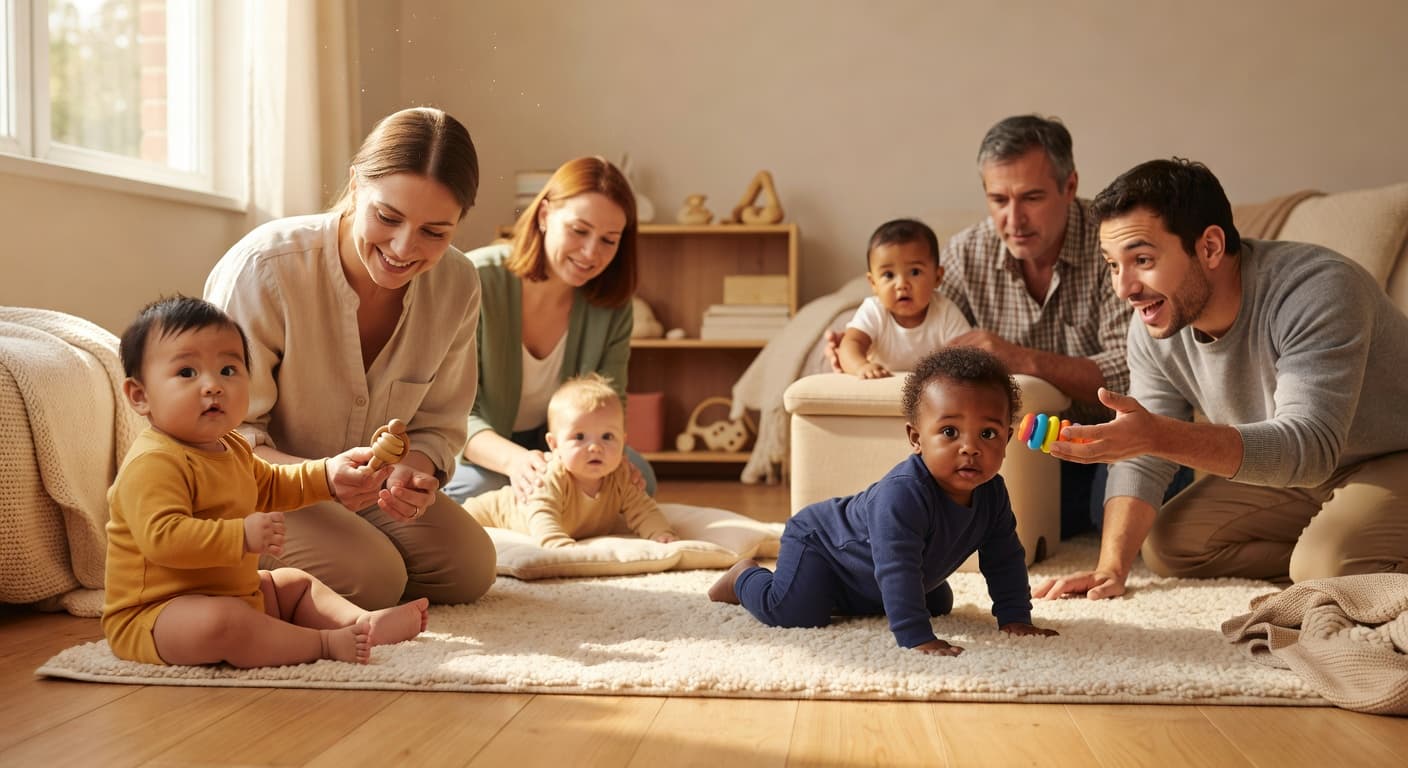
Newborns, young infants, and older babies do not show bonding the same way. A newborn may mainly calm in your arms or focus on your face, while an older baby may reach for you, babble back, or protest when you leave.
That difference can make parents worry too soon. Yet early attachment often starts with small, quiet signs before the bigger ones appear. If you want a closer look at what to expect in those first weeks, newborn development milestones can help you compare age-appropriate behavior.
Babies also move through milestones at their own pace. Sleep, growth spurts, feeding needs, and even a busy day can change how much they interact. So if your baby is not showing every sign yet, give it time and watch the pattern, not a single moment.
Temperament can change how affection shows up
Some babies are calm and observant. They watch first, then warm up slowly. Others are clingy, expressive, or quick to smile, so their affection is easier to spot.
Temperament can shape the way your baby connects with you. An easygoing baby may relax in your arms without much fuss, while a more sensitive baby may need extra soothing before they settle. Neither style is better, it just looks different.
Daily habits matter too. Babies who get plenty of gentle play and face time often show their social side earlier, especially when they feel safe and rested. Simple play ideas for babies can also support that bond in a natural way.
One missing sign does not mean the bond is weak.
Feeding needs, illness, tiredness, and overstimulation can also hide these cues for a while. If your baby is having an off day, you may see less eye contact or less reaching. What matters most is the long-term pattern of comfort, trust, and return to you for safety.
How to build a stronger bond with your baby every day
A stronger bond grows in small moments, not perfect ones. The way you feed, hold, talk to, and comfort your baby each day builds trust little by little.
That means ordinary routines matter more than fancy plans. A diaper change, a quiet cuddle, or a few soft words can all send the same message: “You’re safe with me.”
Use face-to-face time during feedings, diaper changes, and play
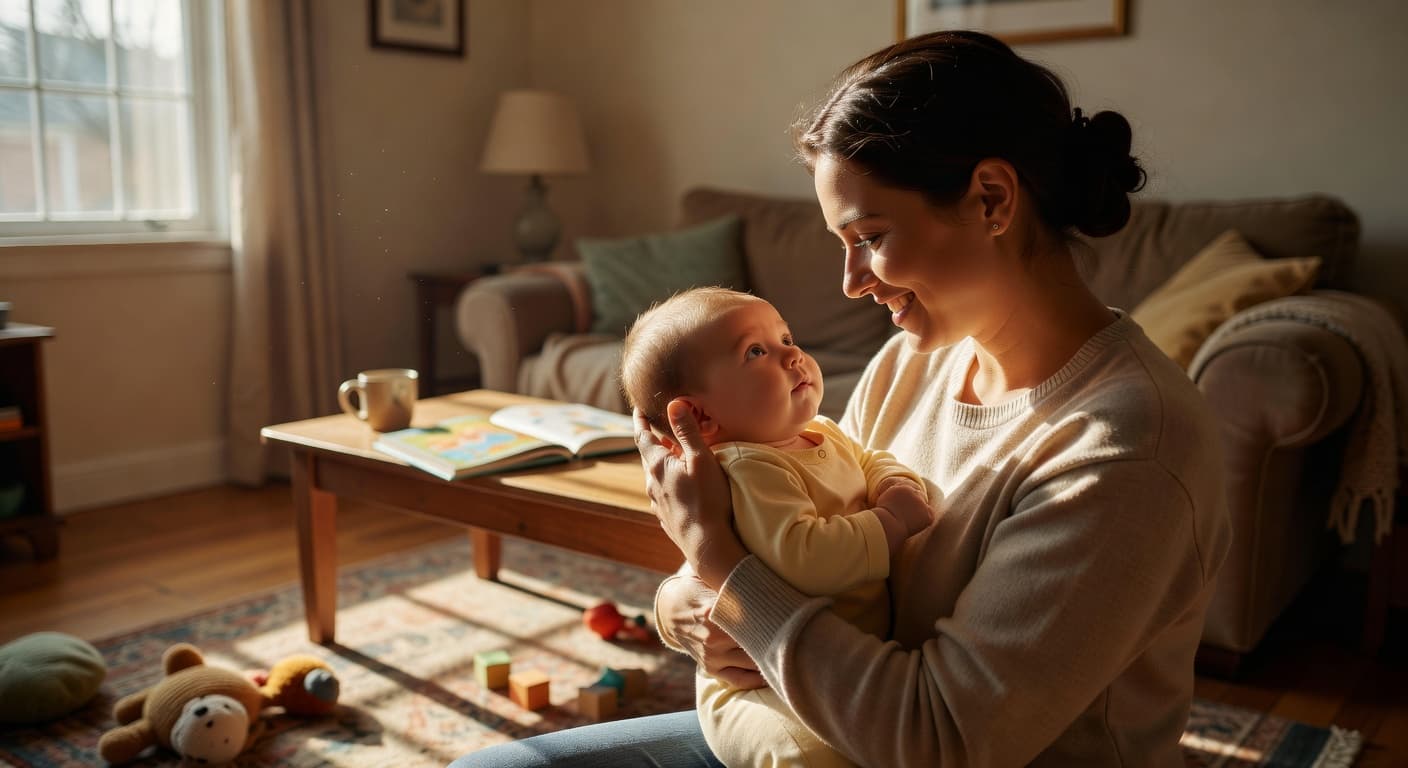
Face-to-face time helps your baby study your expression and connect your voice with comfort. During feedings, diaper changes, and play, try to slow down just enough to make eye contact and talk in a calm tone.
You don’t need a long speech. A few simple phrases, a smile, or a funny sound can make the moment feel warm and personal. Your baby learns your face the same way they learn a favorite song, through repetition and familiarity.
These tiny interactions matter because babies respond to your expressions long before they understand words. If you want a simple way to add more closeness, gentle bedtime physical contact can also help your baby feel settled and connected.
Your baby doesn’t need constant entertainment. They need your steady attention.
Try using these everyday moments to stay present:
- Make eye contact while feeding your baby.
- Talk through diaper changes in a soft, calm voice.
- Pause during play so your baby can look back at you.
- Smile when your baby coos or kicks in response.
Respond quickly and consistently to your baby’s needs
Babies feel safer when they learn that someone will come when they cry, fuss, or reach out. A quick, steady response tells your baby that their signals matter and that help is close by.
That doesn’t mean you have to respond in a perfect way every time. It means you stay predictable. Over time, that predictability builds trust, and trust makes it easier for your baby to relax in your care.
Consistency matters just as much as speed. If you soothe your baby in a similar way each day, they begin to recognize the pattern and settle more easily. Bonding with your baby often grows through this kind of repeated, reliable care.
A baby who feels heard is more likely to reach for you again. That back-and-forth, sometimes called “serve and return,” is part of how attachment grows and why your response matters so much.
Try skin-to-skin contact, singing, and calm touch
Some of the strongest bonding moments happen without words. Skin-to-skin contact, soft singing, and gentle touch can calm your baby fast and help them feel close to you.
Skin-to-skin is simple. Hold your baby against your chest when it’s safe and comfortable, and let them feel your warmth and steady heartbeat. Singing or humming while you hold them adds another layer of comfort, especially when your baby feels tired or fussy.
Calm touch also matters during ordinary care. A hand on the back, a slow rub, or a gentle sway can help your baby settle. These small habits can feel almost like a lullaby for the body.
You don’t need a long routine to make this work. A few minutes of quiet closeness can be enough, especially on busy days. For more on why this kind of contact helps, early bonding and infant development shows how simple care routines support connection over time.
Small daily routines, like feeding, cuddling, and talking, matter more than perfection. If you keep showing up with warmth and consistency, your baby learns to feel at home with you.
When to trust your instincts and ask for help
Most babies have off days. They get sleepy, fussy, distracted, or hard to read, and that alone does not mean something is wrong. Still, your instincts matter, especially when a pattern keeps repeating and your baby feels harder to reach than usual.
Signs that usually fall within normal baby behavior
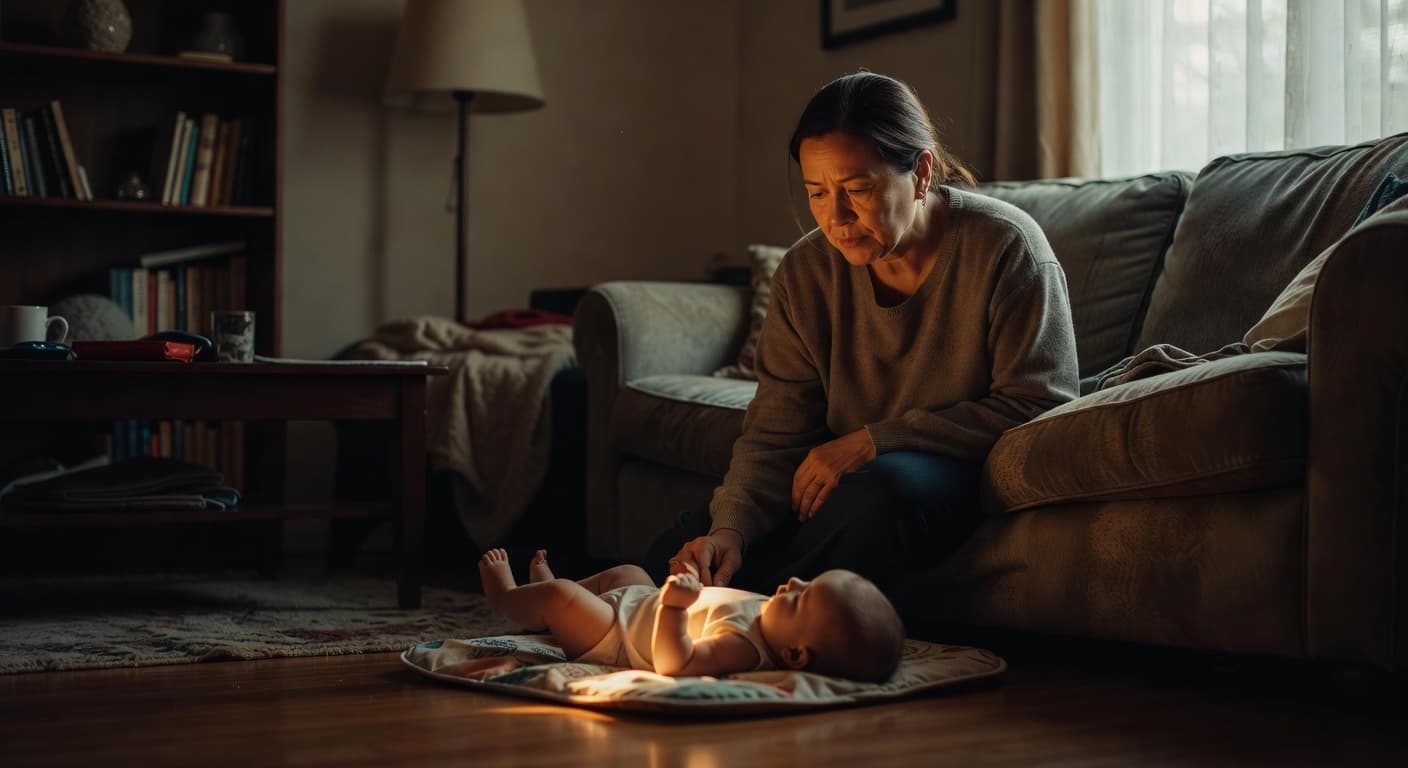
Babies change fast, so one day can look very different from the next. A baby may avoid eye contact when tired, ignore a voice when overstimulated, or cry longer during a growth spurt. That can still be part of normal development.
Some babies are also naturally intense or slow to warm up. A clingy baby may want to stay close all day, while another baby may seem quiet and watchful before they open up. If you want more support with a baby who wants extra closeness, tips for handling clinginess can help you sort out what is typical.
What matters most is the overall pattern. If your baby still relaxes with you, responds sometimes, and shows interest in faces, voices, or touch, that usually points to healthy connection.
A hard day is common. A lasting pattern is what deserves attention.
When a pediatrician check-in is a good idea
Trust your gut if something feels off for more than a short stretch. Call your pediatrician if your baby rarely makes eye contact, never responds to voices, seems unusually hard to comfort, or has lost skills they once had. Those are not things to wait on, especially if they keep happening.
It also helps to reach out if your baby shows very little interest in people, does not seek comfort when upset, or seems shut down for age. The American Academy of Pediatrics recommends regular well-baby care in the first year, which gives you a good place to bring up concerns early.
A doctor can check hearing, vision, growth, feeding, and development. Just as important, they can help you decide whether what you are seeing is a normal phase or something that needs more support. Asking early is a smart move, and it gives your baby the best chance to get help if they need it.
Conclusion
The clearest signs your baby loves you are simple, even if they feel small. They calm in your arms, smile at your face, reach for you, and look for you when they feel upset or unsure.
That is what early love looks like, safety, comfort, and trust. Babies do not need words to show it, they show it through connection, and those everyday moments matter more than perfection.
If your baby comes to you for comfort, that bond is already growing strong. Loving care, given again and again, helps that relationship deepen a little more every day.
Save the pin for later


- 20 Mountain Baby Names for Boys and Girls With Meaning - September 20, 2026
- 20 Tough Boy Names and Their Meanings - September 20, 2026
- 10 Reasons Babies Cry While Pooping and When to Worry - September 20, 2026