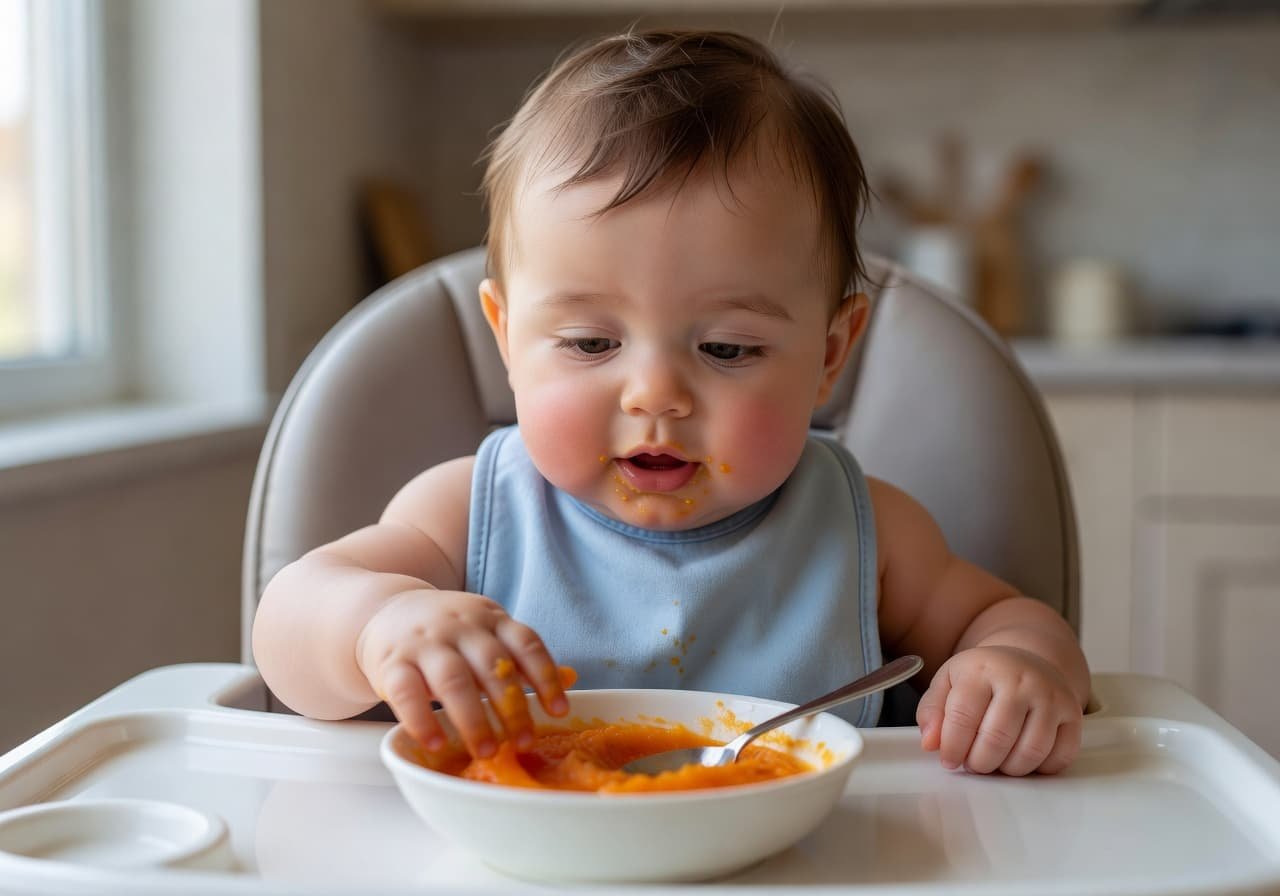
Starting solids can feel like a big step, but age is only part of the story. Many babies are ready around 6 months, and starting before 4 months is not recommended.
What matters most is whether your baby shows clear signs of readiness, like good head control, steady sitting, and interest in what you’re eating. If you want a simple guide for timing, baby feeding readiness cues can help you keep things calm and age-appropriate.
The good news is that you don’t have to guess. The signs are usually easy to spot once you know what to look for, and the list below will walk you through them.
Why readiness matters more than the calendar
Age gives you a rough guide, but your baby’s body gives the real answer. Some babies are close to ready at 5 months, while others need a little more time. That gap is normal, because growth does not happen on a fixed schedule.
Waiting for clear signs keeps mealtimes safer and calmer. When your baby can hold steady, move food well, and stay interested, solids fit beside milk feeding instead of crowding it out too soon.
Why most babies are not ready before 4 months
Before 4 months, many babies still have trouble managing food in their mouths. Their neck control, tongue movements, and swallowing skills are still developing, so solids can feel confusing or uncomfortable.
That can lead to pushing food back out, gagging, or a messy feeding that leaves everyone stressed. The CDC’s guidance on introducing solid foods notes that starting before 4 months is not recommended and that timing matters for safety.
Milk still does the heavy lifting at this stage. Solids are not meant to replace breast milk or formula right away; they come in slowly, after the baby’s body is ready.
Why about 6 months is the usual starting point
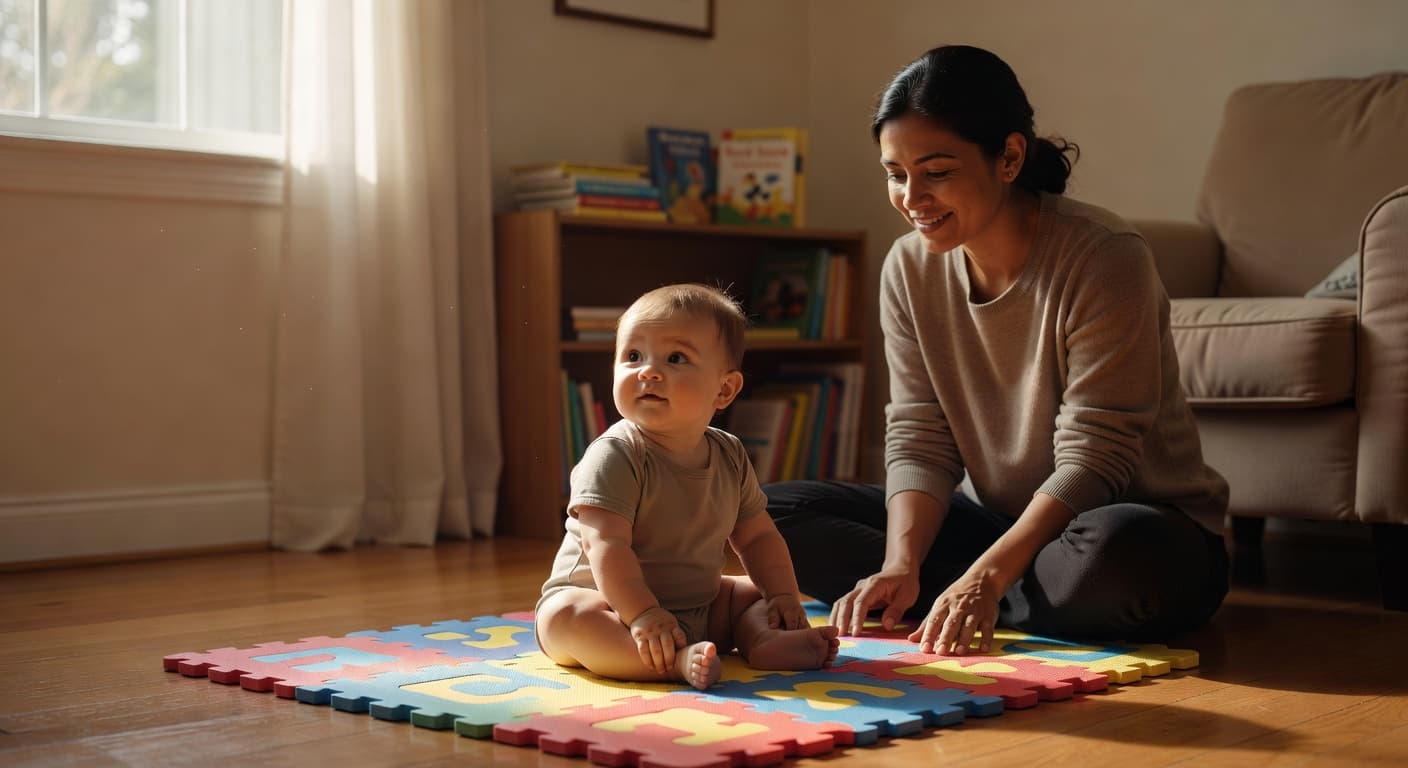
Around 6 months, many babies begin showing the strength and control needed for solids. They can sit with support, hold their head up well, and bring food toward their mouths with more purpose.
That age is common, but it is not a deadline. A baby who reaches 6 months without readiness cues still needs time, while another baby may show clear signs right on time.
Readiness matters because it tells you what your baby can handle, not just how old they are.
If you want a simple way to plan the transition, start with the signs, then let age support your decision. For later stages, healthy solid food recipes for infants can help you picture what comes after the first bites.
What happens if you start too early or too late
Starting too early can make feeding harder than it needs to be. Your baby may gag, spit food out, or seem upset because the muscles for eating are not ready yet.
Waiting without watching for signs can also cause problems. A baby who is clearly ready may get frustrated at the breast or bottle or miss some early practice with textures and self-feeding.
The middle path is simple: watch the baby, not just the calendar. When readiness shows up, solids can support your baby’s milk feeds and add a new layer of practice at the right pace.
The 10 signs your baby is ready for food
Readiness shows up in small, steady ways. Your baby does not need to do everything perfectly, but the body should look prepared for the first spoonfuls.
Watch for posture, balance, mouth movement, and interest at the table. These cues tell you more than a birthday ever could.
Your baby can sit up with little support
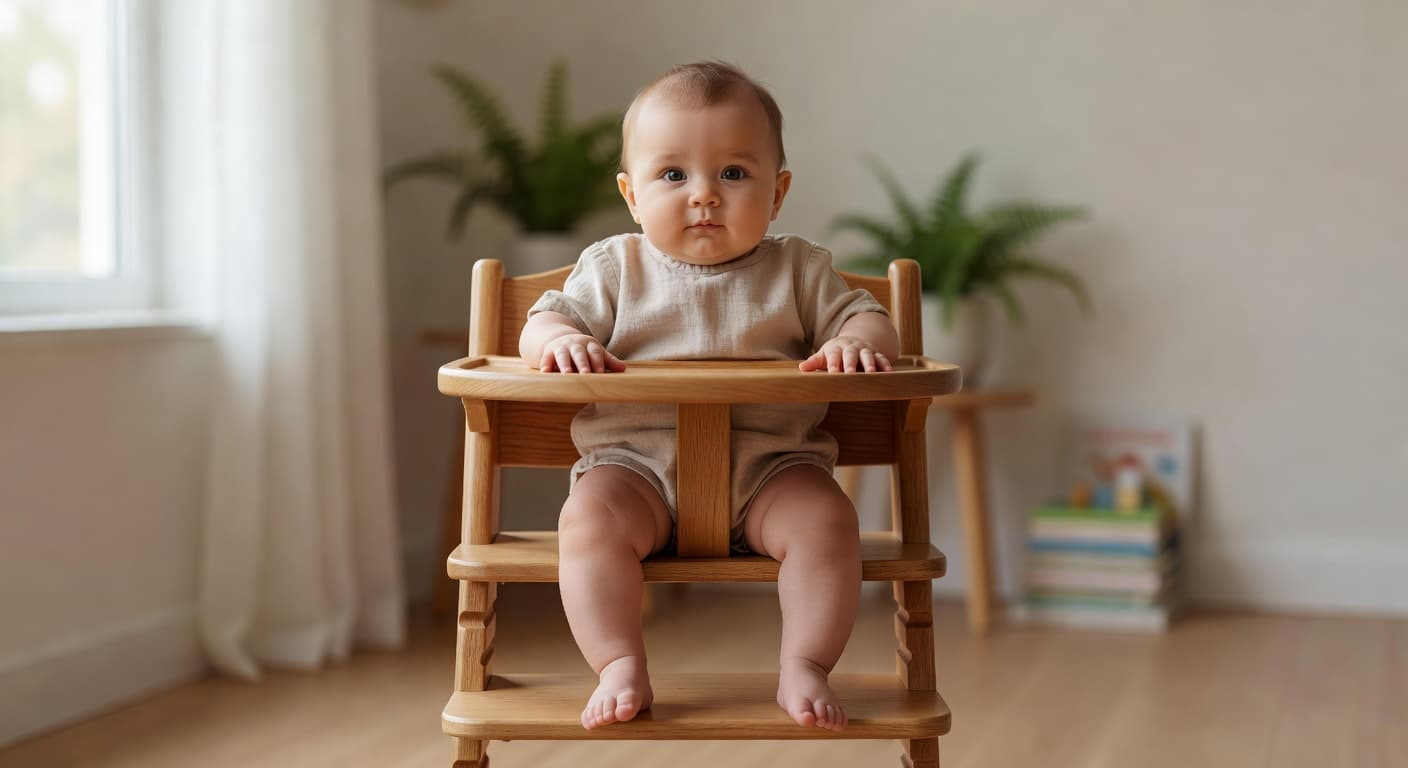
A baby who sits with only a little support has the body control needed for safer eating. Good sitting helps food go where it should, instead of sliding around a mouth that cannot hold steady yet.
Look for a straight back, a stable seat, and a head that stays above the shoulders. If your baby slumps, folds forward, or leans hard to one side, the body is still telling you to wait a little longer.
Your baby has strong head and neck control
Good head control shows up all day, not just at meals. Your baby can hold their head up during tummy time, keep it steady when you pick them up, and look around without wobbling much.
At feeding time, this matters even more. A steady head makes swallowing easier and helps your baby stay calm while learning to eat. The CDC’s guidance on introducing solid foods also lists head and neck control as a key sign of readiness.
If the head drops forward or flops back often, the muscles are still building. That baby needs more time before solids feel comfortable.
Your baby stays upright in a high chair or feeding seat
A baby who can stay upright in a high chair is showing real feeding readiness. The seat should support the hips and trunk well enough that your baby does not lean into the tray or sink into a curve.
Good posture makes a meal feel smoother. It gives your baby a steady base, so hands, mouth, and eyes can work together. It also lowers the chance of food going down the wrong way.
A slumped baby is not ready yet, even if the birthday calendar says otherwise.
Your baby opens their mouth when food comes near
This is one of the clearest signs of interest. When a spoon comes close, your baby opens their mouth on purpose instead of turning away or clamping shut.
That little open mouth is more than a cute moment. It shows curiosity, focus, and a growing ability to try new textures and tastes. The CDC’s early feeding tips include mouth opening as a readiness cue.
You may notice it when your baby watches the spoon move in. That is a simple but powerful sign that feeding is becoming more than reflex.
Your baby watches you eat or reaches for your food
Babies learn by watching, and mealtime is no different. If your baby stares at your plate, tracks your fork, or lights up when food appears, they are paying close attention.
Reaching is another strong clue. Tiny hands stretching toward your bowl or trying to grab your spoon show social interest and growing desire to join the meal. You may even notice your baby pausing to follow every bite with their eyes.
The 1,000 Days guide to first foods describes this kind of interest as part of readiness. It often looks simple, but it speaks loudly.
Your baby leans toward food or seems eager to be fed
Some babies show readiness with their whole body. They lean forward in the seat, stretch their neck toward the spoon, or kick with excitement when they see the bowl.
That eagerness usually looks easy to spot at the table. Your baby may open wide before the spoon arrives, wiggle closer when you eat, or get visibly excited when feeding starts. Those signals matter because they show attention and desire, not just hunger.
A baby who turns away or stiffens may still be unsure. Meanwhile, a baby who seems to say “yes” with their body is often closer to ready.
Your baby can bring hands or toys to their mouth
Hand-to-mouth movement is a big coordination milestone. It shows your baby can plan a motion, guide an object, and explore it with the mouth.
You may see this with fingers, teething rings, rattles, or soft toys. The movement can look clumsy at first, but it still matters because it shows control and growing body awareness.
That same skill helps with early eating. Babies who can bring things to their mouths are often better prepared to explore a spoon, a soft bite, or a new texture.
Your baby can take food from a spoon
When your baby accepts food from a spoon, the mouth is doing the job it needs to do. The lips open, the spoon enters, and your baby allows the food in instead of resisting every try.
This does not mean your baby will eat neatly. Early spoon feeds are often messy, slow, and uneven. That is normal. What matters is the ability to accept food without pushing it out every time.
A baby who takes a spoonful has crossed an important line. The feeding process is starting to make sense.
Your baby swallows food instead of pushing it back out
Some babies take food in and then spit it right back out. Others move it back and swallow it more naturally. That difference matters.
Swallowing shows the mouth is learning how to handle food. Pushing everything out with the tongue usually means the baby still needs more time. If most of the food comes back out right away, the skill is not ready yet.
A few misses are normal at first. Still, you want to see at least some swallowing happen as solids begin.
Your baby’s tongue-thrust reflex is fading
In younger babies, the tongue often pushes anything out of the mouth. That reflex helps protect them before they are ready for solids, but it gets in the way once feeding starts.
You can picture it as a quick push from the tongue that sends food back out. When that reflex fades, your baby can hold food in the mouth longer and move it around better.
If every spoonful comes right back out, wait and try again later. A fading tongue-thrust reflex is one of the clearest signs that solid food is becoming a better fit.
A quick way to read the signs together
One sign alone is helpful, but several signs together tell the real story. If your baby can sit up, hold the head steady, open the mouth, and show interest at the table, that is a strong green light.
If the body still slumps, the head wobbles, or food keeps getting pushed right back out, hold off for now. A few more weeks can make a big difference.
How to test readiness at home without turning mealtime into stress
You don’t need a formal test, and you don’t need to “get it right” on the first try. The easiest way to check readiness is to use everyday meals as a soft trial, then watch how your baby responds.
Keep the mood calm, the food tiny, and your expectations light. A baby who is ready will usually show it in small, repeatable ways, especially when feeding feels relaxed instead of rushed.
Watch your baby during family mealtimes
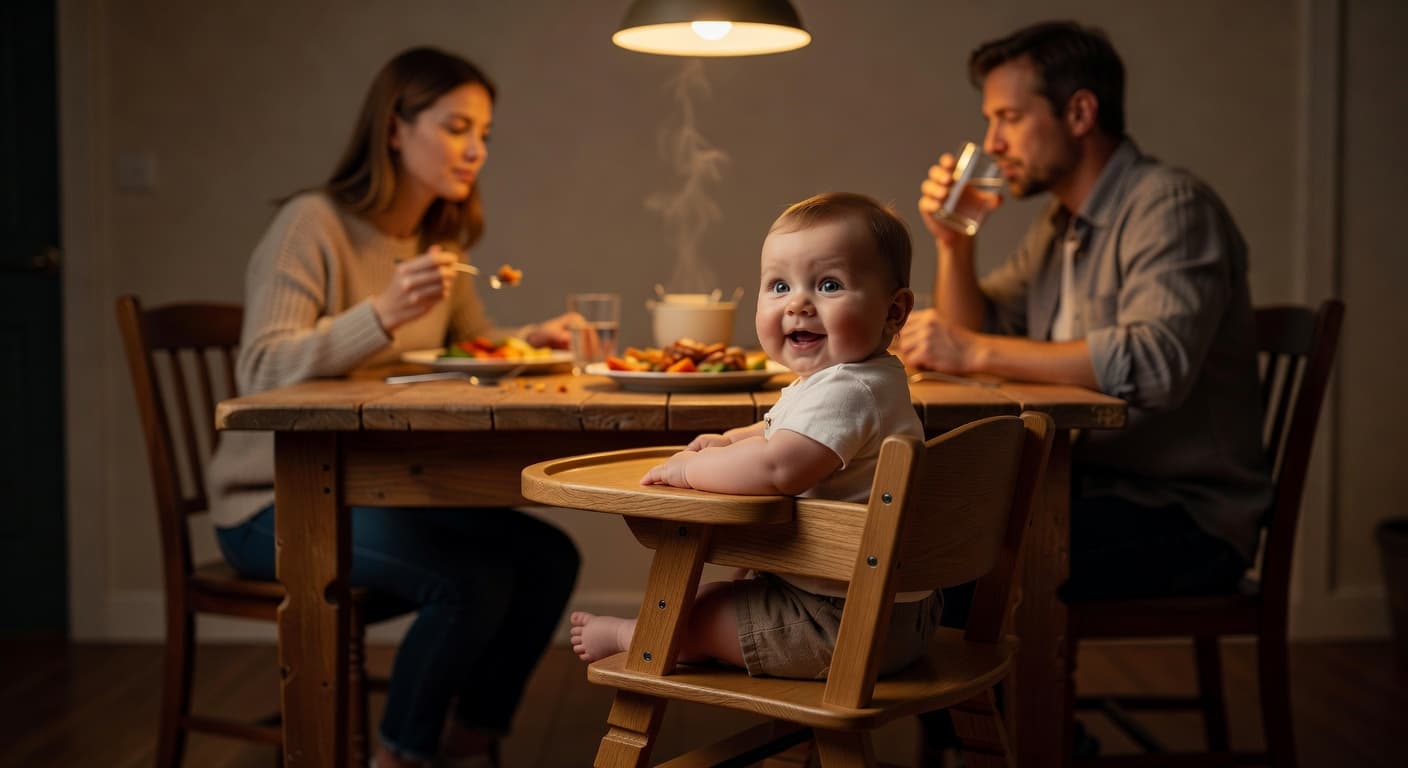
Family meals give you a natural window into your baby’s interest. Place your baby nearby in a safe seat, then eat as usual while you watch for eye contact, head control, and body movement.
A ready baby often tracks the spoon, stares at your plate, or leans toward the table. You may also notice hands reaching out or a mouth opening when food comes close. Those are simple signs of curiosity, and curiosity matters because it often comes before real eating.
Keep the moment easy. Talk, eat, and let your baby observe without pressure. If your baby turns away, gets fussy, or seems tired, that is useful too. It tells you the timing isn’t right yet.
Try a spoon, then pause and observe
Offer a tiny taste, then stop. One small spoonful is enough for a first check, because the goal is observation, not a full feeding.
Watch for a calm open mouth, a steady posture, and a swallow. Also notice what happens next. Does your baby lean in for more, or turn away after one taste? That response tells you a lot.
If the baby keeps the food in the mouth, swallows, and stays relaxed, you have a good sign. If the tongue pushes the food back out every time, or the face tightens, slow down and try again later. For more on keeping first feeds gentle, the American Academy of Pediatrics’ signs of solid food readiness is a helpful reference.
A spoon test should feel more like opening a door than forcing one. If you need a calmer plan for when a baby resists, understanding feeding refusal can help you keep stress low.
Pause as soon as your baby shows “enough” for the day. That one moment is more useful than a long, tense meal.
Look for patterns over a few days, not one moment
One good meal does not prove readiness, and one messy attempt does not rule it out. Babies have off days, just like adults do.
Watch for repeated signs across several days. Maybe your baby opens wide at the spoon most mornings, but turns away at night. Maybe they sit tall at lunch, yet slump after a short nap. Those patterns matter more than a single try.
A simple note on your phone can help. Track whether your baby:
- sat upright with less help
- opened their mouth when the spoon came near
- swallowed at least some food
- stayed calm and alert
- turned away when finished
If the same signs show up again and again, readiness is becoming clearer. If feeding stays tense, wait a little longer and try again another day. The Mayo Clinic guide to first foods also reinforces that calm, cue-based feeding works best when babies are still learning.
What to do once your baby shows the signs
Once the signs are there, keep the first steps simple. Your goal is not to build full meals right away. It is to introduce food in a calm, safe way and let your baby learn one small bite at a time.
A spoonful here and there is enough in the beginning. Milk still comes first, while solids act like practice laps around the track. If you keep that in mind, the whole process feels less heavy.
Start with soft, easy-to-manage foods
Begin with foods that are smooth, soft, and easy to swallow. Purees are a gentle first step, especially when they are thin enough to move easily in the mouth.
Good first options include mashed avocado, pureed sweet potato, cooked apples, banana, oatmeal, and smooth baby cereal. The CDC’s guide to introducing solid foods also recommends starting with soft textures that are easy for babies to handle.
Keep portions tiny at first. A teaspoon or two is plenty. You want your baby to taste and explore, not power through a big bowl.
When you prepare food, make it very soft and smooth. Remove seeds, skins, bones, and hard bits. That extra care keeps early meals safer and easier to manage.
Offer one new food at a time
Introduce new foods slowly so you can watch how your baby responds. One new food at a time makes it easier to spot a rash, tummy upset, or unusual fussiness.
It also helps you learn what your baby likes. Some babies light up for sweet potatoes right away. Others need a few tries before a new taste feels familiar.
A simple pace works well:
- Offer one new food.
- Wait a few days before adding another.
- Watch for changes in skin, stool, mood, or comfort.
- Keep notes if that helps you stay organized.
This slower rhythm gives your baby room to adjust without confusion. It also makes meal planning feel less rushed at home.
A cautious pace does not slow progress, it gives you clearer information.
Keep milk feeds as the main source of nutrition at first
At the start, breast milk or formula still does most of the work. Solids are only a small part of the picture while your baby learns how to eat.
That means you do not need to replace bottles or nursing sessions right away. Feed your baby as usual, then add small tastes of food around those milk feeds. This keeps hunger, comfort, and nutrition in balance.
For most babies, milk remains the main source of calories for months after solids begin. Solids simply add practice, taste, and texture. They are a side dish at first, not the main course.
Make mealtimes calm, short, and pressure-free
Keep the first meals short. Ten to fifteen minutes is enough for many babies, especially in the beginning. If your baby turns away, closes their mouth, or loses interest, stop and try again later.
Relaxed feeding works best when you follow your baby’s cues. Let them open wide, lean in, or refuse. All of that tells you something useful. Practice matters more than a perfect plate.
A few small habits help:
- Sit your baby upright and well supported.
- Offer food when your baby is calm and alert.
- Keep distractions low.
- Stop when your baby is done.
If you want to pair those first bites with safe, gentle textures, healthy finger foods for toddlers can give you a sense of what comes later. For now, stay focused on soft foods, small portions, and a steady pace. That is enough to begin well.
When it is best to wait and ask your pediatrician
Sometimes the clearest sign of readiness is the decision to pause. If your baby seems curious but the body still looks unsteady, waiting is the safer choice. Babies grow on different timelines, and some need a little more time before solids feel right.
A pediatrician can help if you feel stuck between “maybe ready” and “not quite yet.” That guidance matters most when feeding signs are mixed, or when your baby has health concerns that affect growth, swallowing, or muscle tone. The CDC’s solid food guidance also notes that babies should not start solids before 4 months, and most are ready closer to 6 months.

Your baby is still under 4 months old
Solids should not start this early, even if your baby watches your plate with wide eyes. Interest in food is not the same as readiness. At this age, breast milk or formula should still meet your baby’s needs, and the mouth and gut are not prepared for solids yet.
Your baby still cannot sit well or control the head
Weak posture is a sign to wait. If your baby slumps in the high chair, wobbles at the neck, or cannot hold the head steady, the muscles needed for safe eating need more time.
Your baby pushes food out every time
When food keeps coming back out, the tongue-thrust reflex may still be strong. That usually means your baby is not ready for solids yet, even if the first taste looked exciting.
If these signs keep showing up, give it a little time and try again later. If your baby is around 6 months and still seems unsteady, or if anything about feeding worries you, call your pediatrician. A short check-in can bring peace of mind and help you move at the right pace.
Conclusion
The first bites matter, but the timing matters more. When your baby can sit with support, hold the head steady, open the mouth, and swallow well, the body is ready to meet food with confidence.
Those signs are usually enough to guide you. If they are not all there yet, waiting a little longer is fine, because solids are a milestone, not a race.
Trust what you see, move at your baby’s pace, and let the first food journey stay calm, simple, and full of patience.
Save the pin for later

- 10 Reasons Babies Cry While Pooping and When to Worry - September 20, 2026
- 10 Signs Your Baby Can’t Breathe Properly - September 20, 2026
- 8 Important Steps to Bathe a Baby Safely - September 20, 2026