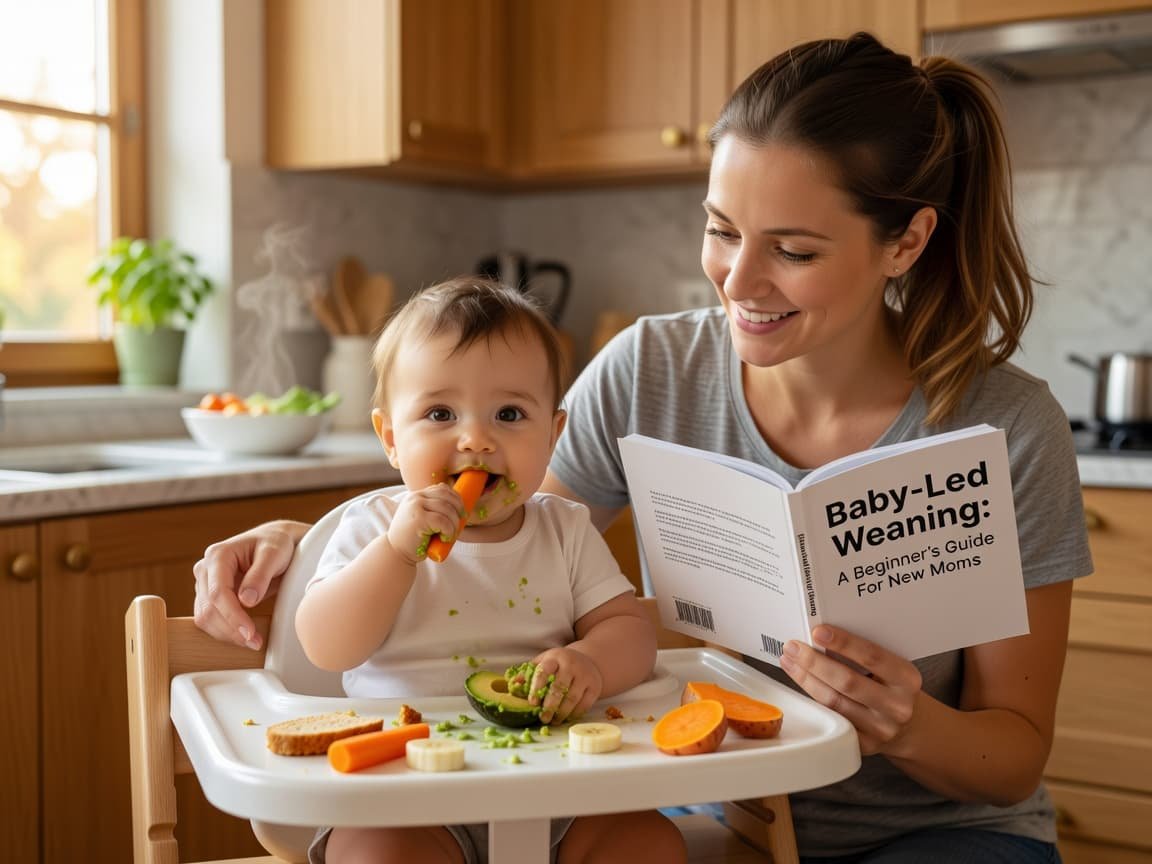
Your baby may be closer to solids than you think, even if mealtimes still look like milk-only days. Every baby moves at a different pace, but a few clear clues often show up when they’re getting ready for that first spoonful.
A strong signs your baby is ready for solid foods checklist starts with physical readiness, feeding interest, and age guidance that fits your child’s stage. If you want a simple place to start, how to know if your baby is ready for solid foods breaks down the biggest cues to watch for, including the small ones that are easy to miss.
Age matters, but it isn’t the whole story, and readiness can show up in subtle ways before your baby ever reaches for food. Next, let’s look at the signs that tell you your little one is moving toward solids.
What most babies can do around the right time for solids
Most babies are near the right time for solids around 6 months, but age alone does not tell the full story. A baby may be the right age and still need a little more time, or may show early signs of readiness that matter more than the calendar.
Readiness is about more than curiosity at the dinner table. It also means your baby can handle food safely, sit with support, and manage the new work of swallowing something thicker than milk. The CDC’s guidance on introducing solid foods makes that same point clearly, babies should show developmental signs, not just reach a certain month.
### Why age matters, but is not the whole story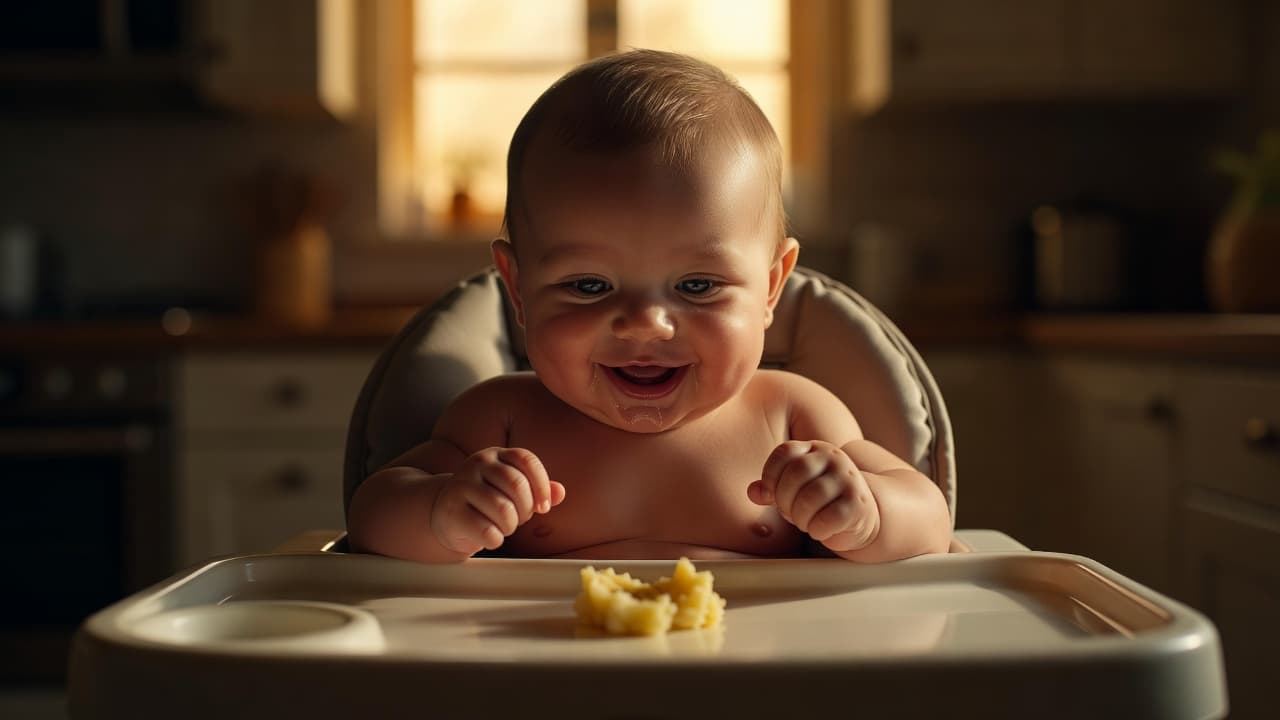
Babies younger than 4 months usually are not ready for solids. Their bodies and feeding skills are still building, and forcing food too soon can be hard on a tiny digestive system that still depends on milk.
By about 6 months, many babies begin showing stronger readiness signs. They may open their mouths when food comes near, watch meals with real interest, or seem less satisfied with milk alone. Even then, age is just the starting point.
A baby can be the “right age” and still need more time. Readiness is a mix of age, growth, and feeding skills.
If you want a practical example of first foods later on, easy solid food breakfast options can help you picture what those early meals often look like.
How your baby’s growth pattern can guide you
Steady growth often moves alongside readiness. A baby who is gaining well, holding the head steady, and sitting with support is usually showing the kind of control solids require.
Motor skills matter here too. When your baby can bring hands to mouth, stay upright in a high chair, and swallow without pushing everything back out, the body is starting to catch up with the appetite.
A simple way to read the signs is this:
- Head control means your baby can hold the head steady without wobbling.
- Sitting support means your baby can stay upright with help.
- Hand control means your baby can reach, grasp, and bring food or toys to the mouth.
- Feeding interest means your baby watches you eat and seems ready to join in.
When those pieces line up, solids often feel less like a big leap and more like the next natural step.
The physical signs your baby is ready for solid foods
A baby usually shows readiness with the body before the spoon ever gets close. These signs matter because feeding safely depends on control, not just curiosity.
Watch what your baby does in the high chair, at the table, and even while watching you eat. The clearest clues show up in posture, mouth movement, and how food stays in the mouth. For a simple feeding example, when can babies eat cooked eggs can help you picture a first soft food once readiness is there.
### Your baby can sit up with little help
Good head and neck control is one of the strongest signs your baby is ready. If your baby can sit with support and keep the head steady, spoon feeding becomes much safer.
Picture a baby in a high chair with a straight back and a calm, upright head. The body is not flopping to one side, and the chin does not keep dropping toward the chest. That kind of control tells you the baby is better able to manage food instead of letting it slide around too quickly.
This matters because swallowing solids takes more than interest. It takes balance. The American Academy of Pediatrics notes that babies should have good head control before starting solids, which is one reason posture is such a big clue. For more parent-friendly guidance, see HealthyChildren’s starting solid foods advice.
The tongue-thrust reflex is fading
Younger babies often push food back out with their tongue. That reflex protects them early on, but it also makes solids hard to handle.
When the reflex starts to fade, food can stay in the mouth long enough for a swallow. You may notice your baby takes a spoonful without immediately forcing it back out. That small change can make a big difference.
At first, the feeding may still look messy. Some spit-out food is normal. However, if your baby keeps pushing every spoonful out after several tries, the mouth may still need more time before solids feel natural.
A little mess is normal. Repeated tongue pushing is a stronger sign your baby needs more time.
Your baby opens the mouth for food and leans in
Readiness often looks like interest in motion. A baby may open the mouth when food comes near, lean forward toward the spoon, or watch each bite with sharp focus.
You can see this at the dinner table. Your baby may stare at your fork, track your mouth as you chew, or reach toward your plate with clear attention. Those moments show more than curiosity, they show the body is joining the mind.
Leaning in is especially useful to notice. A baby who turns toward food and opens wide is saying, in baby language, “I want to try that.” It is a small sign, but it often appears before the first successful bites.
Food stays in the mouth instead of coming right back out
Early success does not look neat. The first few spoonfuls may dribble down the chin, and that is fine. What matters is whether some of the food stays in the mouth long enough to be swallowed.
If your baby holds the puree, mashed banana, or soft cereal for a moment before swallowing, that is progress. If the food keeps shooting back out after several tries, the baby may not be ready yet.
A good rule is to look for improvement, not perfection. One messy meal can still be a win if your baby is learning to move food around the mouth better than before.
Feeding behavior clues that solids may be a good next step
Body control matters, but feeding behavior gives another layer of clues. Some babies start showing hunger patterns and meal-time interest that stretch beyond milk alone. When that happens, solids may be the next step soon, as long as the physical readiness signs are also in place.
### Milk feeds no longer seem as enough on their own
A baby who once seemed settled after breast milk or formula may start acting less satisfied. They might finish a feed and still look ready for more, or they may seem eager again sooner than expected. That change can point to a growing appetite, not a problem.
This does not mean you should rush into solids. Milk still stays the main food for babies under 1 year, and it should keep doing most of the work at first. Still, if your baby seems well-fed but also more curious and less fully satisfied, it can be a gentle hint that the next stage is getting closer.
A clear pattern helps more than one hungry day. Look for repeated behavior over time, then pair that with the physical signs you already noticed. For a helpful reference on hunger and fullness patterns, the CDC’s page on baby hunger and fullness cues is a simple place to compare what you see at home.
Your baby shows real interest in what you eat
Many babies act like tiny table guests long before they eat a bite. They stare at your plate, follow your fork with sharp eyes, reach for spoons, or lean toward the food as if trying to join the meal.
That curiosity matters, because it shows awareness and attention. You may also notice your baby watching chewing motions or getting excited when food appears. If that sounds familiar, baby hunger and fullness cues can help you compare those signals with common feeding behavior.
Still, interest alone is not a green light. A baby can be fascinated by food and still lack the body control needed for safe swallowing. In other words, curiosity supports readiness, but it doesn’t replace strong head control, stable sitting, and the ability to keep food in the mouth.
Feeding times are getting more predictable
Another clue appears in the rhythm of the day. Babies who are close to solids often settle into more regular milk feeds and can handle a short, simple mealtime routine without falling apart or getting overwhelmed.
You may notice your baby can sit in a high chair for a few minutes, stay calm while others eat, and seem ready to be part of the family table. That short window matters. It shows your baby can pay attention, stay upright, and take part in the mealtime flow, even if only for a little while.
If you’re also wondering what first foods might fit that stage, eggs for babies and solid food readiness is a useful next read once your child is ready for soft textures.
A baby who acts hungry, watches food closely, and settles into mealtime routines is often giving you a quiet message. The signs work best together, and that mix usually paints a much clearer picture than age alone.
Signs your baby may need more time before starting solids
Some babies look curious about food, but their bodies still need a little more time. That can be a relief, not a setback. When readiness is still missing, breast milk or formula should remain the main source of nutrition while you watch for stronger feeding skills.
A baby does not need to rush into solids just because friends, relatives, or a calendar date suggest it. Readiness shows up in the body first. When that support is missing, feeding can feel like trying to pour soup into a tilted cup.
Poor head control or slumping in the seat
If your baby cannot hold the head steady, solids are not a good idea yet. Weak head and neck control makes it harder to swallow safely, because the mouth, throat, and body need to work together in a steady position.
A baby who slumps, folds forward, or slides sideways in a seat should wait. Even with support, the body needs to stay upright enough to manage food. If your baby cannot stay upright with help, that is a clear sign to pause and keep feeding milk only for now.
The Raising Children Network’s guide to introducing solids also points parents back to developmental readiness, not just age. That kind of caution helps keep the first meals safe and calm.
Strong pushing out of food with the tongue
Many young babies push food out with the tongue. That reflex is normal early on, and it protects them before they can handle thicker textures.
Still, if every spoonful comes right back out, the mouth skills may not be ready yet. The baby may need more time to learn how to move food back, hold it, and swallow. A little spit-out is fine, but repeated pushing usually means the feeding reflex is still in charge.
Gagging, coughing, or distress during very small tastes
A tiny gag can happen when a baby meets a new texture. That is part of learning. However, frequent coughing, choking sounds, crying, or strong distress can mean the feeding is moving too fast.
Stay alert if even a small taste causes a big reaction. Slow down, stop the feeding, and try again later only when your baby seems more settled. If the reactions keep happening, wait before offering solids again and talk with your pediatrician if needed.
Small tastes should feel like practice, not a struggle.
When the body is ready, feeding looks more relaxed. Until then, patience is the safest path, and milk still does the job just fine.
How to start solids gently once the signs are there
Once your baby shows readiness, the first goal is simple: keep the move to solids calm, slow, and easy to follow. Early meals are practice sessions, not pressure tests. A few spoonfuls, soft textures, and a patient rhythm go a long way.
Start with familiar, smooth foods that are easy to swallow. Iron-fortified baby cereal, mashed banana, avocado, sweet potato, pear, or carrot puree are all gentle first choices. Many parents also begin with smooth oatmeal or well-mashed vegetables. The best first foods are soft enough that your baby does not have to work hard to manage them.
Choose soft, simple first foods
Begin with one food at a time so you can watch how your baby handles it. That makes it easier to notice a reaction, a preference, or a texture your baby handles well. It also keeps the first weeks less confusing for you.
A simple first-food menu might look like this:
- Iron-fortified cereal mixed with breast milk or formula
- Mashed fruits like banana, pear, or avocado
- Cooked vegetables such as sweet potato, carrot, or squash
- Smooth purees with no added salt or sugar
Keep each new food plain at first. Your baby does not need a big mix of flavors right away. A single, soft spoonful is enough to begin. For more feeding detail on first textures, What to Expect’s solid food guide gives a clear look at how tiny portions usually work at the start.
Keep milk as the main food at first
Solids should begin as a supplement, not a full replacement. Breast milk or formula still gives your baby most of the nutrition and hydration in the early months. Think of solids as a new skill your baby is learning, while milk keeps doing the heavy lifting.
You can offer a few spoonfuls once a day, then build slowly as your baby gets used to the idea. Over time, solids will take up more space at mealtime. At the beginning, though, milk feeds stay at the center of the day.
That balance matters because babies need a calm transition. If your baby seems hungry after a few tastes, offer the usual milk feed as well. If your baby only licks, smears, or stops after a little bit, that is still normal.
Start slow and watch your baby’s cues
Short meals work best. A few minutes is enough for the first tries, especially if your baby starts to lose interest. Offer a tiny amount, then pause and watch. Some babies eat a little, some make a wonderful mess, and some refuse the spoon altogether. All of that can happen in the same week.
Look for signs that your baby wants more, needs a break, or is finished. Turning away, closing the mouth, or fussing often means it’s time to stop. Leaning in, opening wide, or reaching for the spoon can mean your baby is ready for another taste.
Messy faces and uneven bites are part of the learning process.
A slow pace also helps your baby get used to textures without feeling rushed. The first few weeks are about comfort and trust as much as food.
Create a safe and relaxed feeding routine
A secure seat matters just as much as the food. Use a high chair with good support, keep your baby upright, and stay close the entire time. Never leave a baby alone with food, even during a short feeding.
The mood at the table should stay calm. Talk gently, smile, and let your baby explore without pressure. Babies often learn best when meals feel steady and relaxed, not loud or hurried. If you want a clear feeding reference for safe texture changes and first bites, Solid Starts has practical food-by-food guidance that many parents find helpful.
When the first meals feel easy, your baby is more likely to stay curious. That calm start can make the whole transition smoother for both of you.
Conclusion
The clearest signs your baby is ready for solid foods usually show up as a mix of body control, feeding behavior, and growing curiosity at the table. When those pieces come together, the first spoonful feels less like a big leap and more like the next small step.
Keep the pace slow and steady. Starting solids is a process, not a test your baby has to pass on one perfect day.
If the signs are not all there yet, that is fine. A little more time with milk only is perfectly okay.
Save pin for later

- Baby Development Stages: Milestones From Birth to 12 Months - September 20, 2026
- 5 Elegant Baby Pictures to Take at Home - September 20, 2026
- 14 Fun Ways New Moms Can Celebrate Their Baby Without Exercise - September 20, 2026