
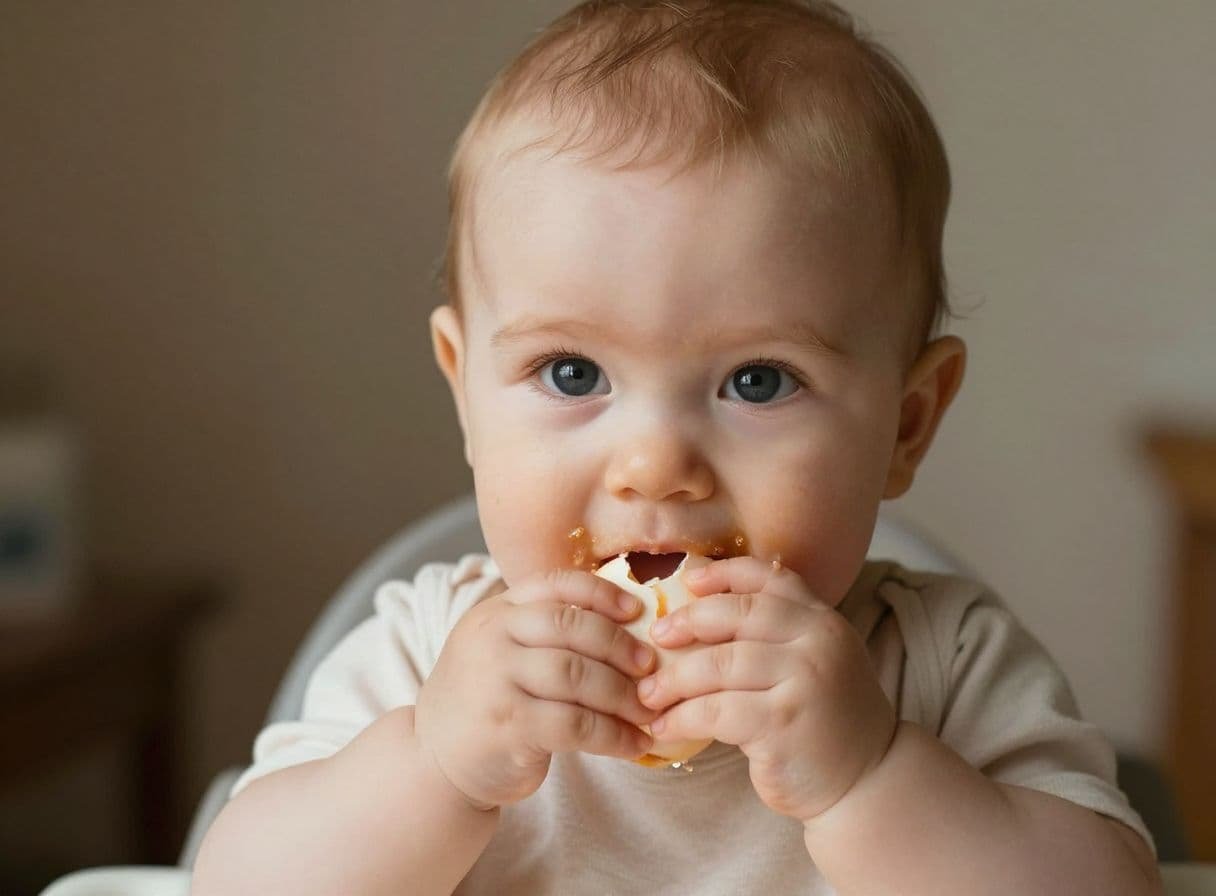
A half-boiled egg is not the safest choice for babies because the yolk can stay runny and may still carry Salmonella. Babies are more sensitive to foodborne germs, so something that looks soft and easy to eat can still cause trouble.
Parents ask this because eggs are cheap, filling, and simple to serve, especially when you’re feeding a little one who eats only small bites. The good news is that eggs can still be part of your baby’s meals, as long as they’re fully cooked, with both the white and yolk firm. If you’re looking for safer meal ideas too, healthy baby breakfast ideas can help you plan gentle options that fit your baby’s stage.
The safest next step is to pay attention to age, texture, and cooking method before offering eggs. Let’s look at when eggs are appropriate, how to cook them properly, and what to serve instead when you want a softer, safer bite.
YouTube video:
Why half-boiled eggs can be risky for babies
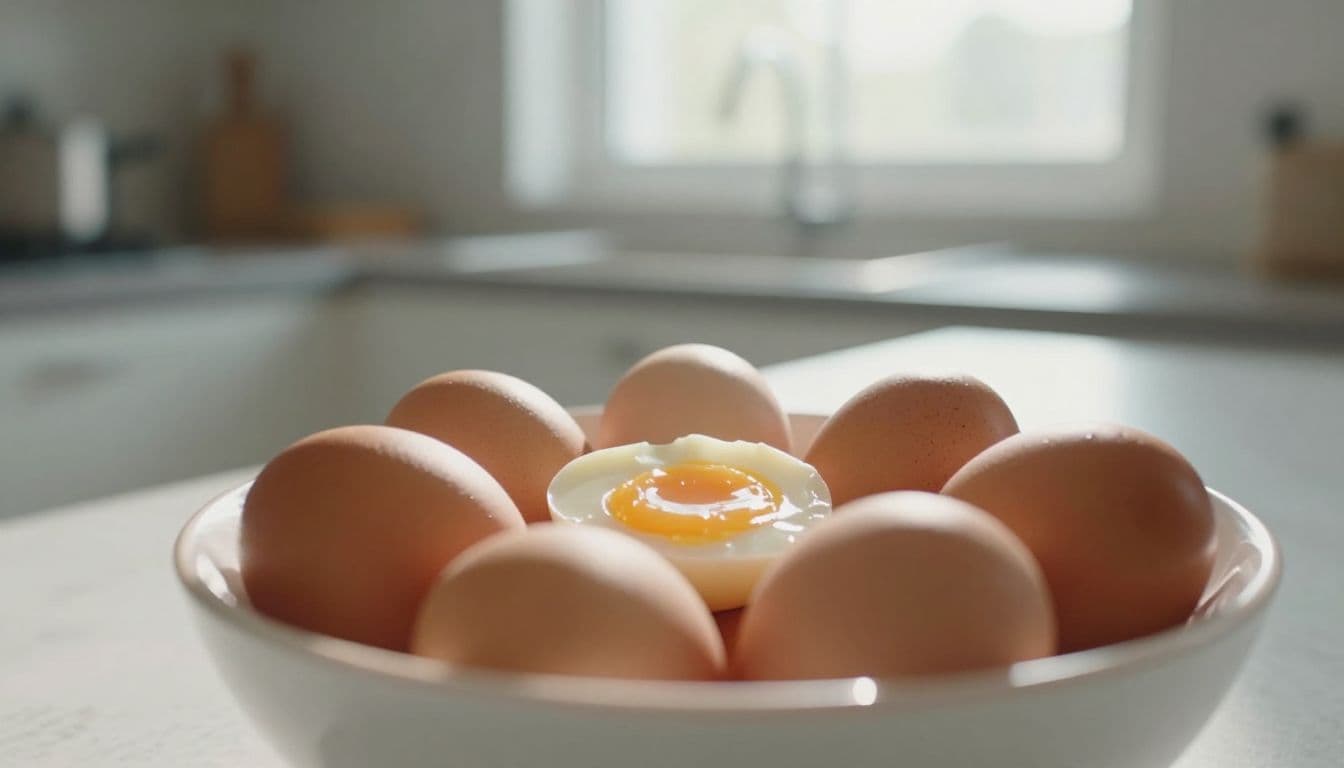
Feeding your little one is an exciting milestone, but it also requires a careful eye on what ends up on their high-chair tray. While eggs are a fantastic source of protein, serving them half-boiled or with a runny yolk creates unnecessary risks for a developing immune system. Because bacteria like Salmonella can hide inside these eggs, it is safer to ensure they are cooked all the way through to keep your baby healthy and happy.
What Salmonella can do to a baby’s body
When a baby contracts a foodborne illness like Salmonella, their small body struggles to fight it off just like an adult’s would, but often with much faster, more severe consequences. You might notice sudden changes in their temperament or digestion, though symptoms do not always appear the moment they finish a meal.
Common signs that your baby might be fighting an infection include:
- Persistent or watery diarrhea.
- Frequent vomiting or general stomach upset.
- A sudden fever or chills.
- Reduced appetite or refusal to feed.
- Irritability or visible fatigue.
Because infants are so small, even a minor illness can lead to rapid dehydration. Their bodies lose fluids much faster than yours, making it critical to watch for signs like fewer wet diapers or a dry mouth. If you notice these symptoms, it is important to contact your pediatrician right away, as babies can become quite sick before you even realize the cause. For more context on the potential risks of foodborne bacteria, you can review the guidance on Salmonella infection provided by medical experts.
Why even clean-looking eggs are not always safe
It is a common misconception that if an egg looks perfect on the outside, it is clean on the inside. You might think that scrubbing the shell or carefully cracking an egg ensures it is germ-free, but Salmonella can actually be present inside the egg itself. This happens during the formation of the egg inside the hen, meaning the bacteria are already waiting in the yolk or white before you even bring the carton home.
Because the germ is internal, no amount of exterior washing or careful handling removes the risk if the egg remains undercooked. The only effective way to neutralize these bacteria is through thorough heat. When you cook an egg until the yolk and white are completely firm, you create a safe environment for your baby to enjoy this nutritious food. Avoiding the temptation of runny or soft-boiled eggs is the best way to keep mealtime worry-free. When you are ready to prepare eggs safely, you can look into healthy egg meal ideas for babies to find recipes that ensure both high nutrition and proper cooking techniques.
When can babies start eating eggs?
Introducing your little one to solid food is a milestone full of curiosity and excitement. Eggs are often one of the first nutrient-rich foods parents choose because they are soft and easy to prepare. You can generally start offering fully cooked eggs around six months of age, provided your baby shows the necessary physical cues. While every child grows at their own pace, watching for specific signs ensures they are ready to transition from liquids to these new textures. You can find more comprehensive advice on introducing solid foods through public health guidelines to help you navigate this transition confidently.
Signs your baby may be ready for solids
Before you offer that first spoonful of egg, observe how your baby interacts with their environment. They need specific motor skills to swallow safely and enjoy their mealtime experience. If you notice they are leaning toward what you eat at the table, it is often a strong hint that their digestive system is waking up to the idea of food.
Look for these practical readiness cues:
- Steady head control: Your baby should be able to hold their head upright without needing constant support.
- Sitting with stability: They need to sit in a high chair or on your lap with minimal assistance.
- Active engagement: If they watch you eat with interest or reach for items on your plate, they are likely curious about solids.
- Motor coordination: They should be able to open their mouth when food is offered rather than pushing it away with their tongue.
Why fully cooked eggs are the safer first step
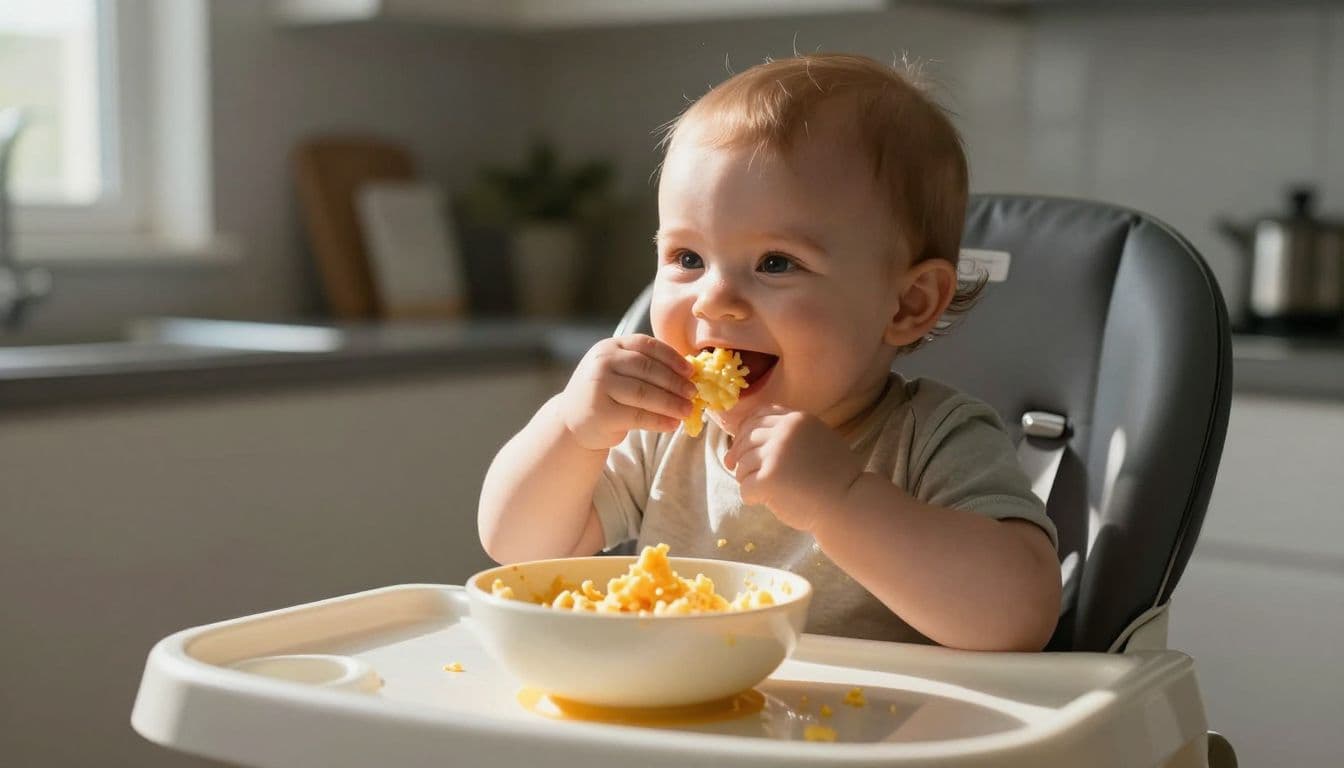
Once you confirm your baby is ready, the cooking method becomes your most important tool for safety. You might feel tempted to serve soft-boiled eggs for their creamy texture, but those runny centers harbor hidden risks. Germs like Salmonella survive in partially cooked yolks, and because a baby’s immune system is still developing, they are much more susceptible to the impact of foodborne illnesses.
The goal is to provide the protein and healthy fats of an egg without the danger. Always aim for firm textures that remove any moisture from the yolk or white. Hard-boiled eggs mashed into small, manageable pieces or well-scrambled eggs that stay firm on the fork are perfect options. You don’t need to avoid eggs entirely; you simply need to make sure the heat does the work of protecting your baby. Cooking the egg all the way through eliminates the risk while keeping the meal nutritious and gentle for a sensitive stomach. This careful approach helps you build a menu that is both safe and satisfying as your baby discovers new flavors. For more insight into developmental milestones and physical readiness, you can look at general guidance on introducing solids for additional support.
How to serve eggs safely to your baby
Making eggs a regular part of your baby’s diet is a wonderful way to introduce dense nutrition and healthy fats. Since you want to keep mealtime stress-free, the best approach is to focus on firm preparation and age-appropriate textures. By keeping the cooking process simple and the consistency soft, you help your little one learn to eat while avoiding the risks associated with raw or runny yolks.
Safe egg textures for different ages
Your baby’s ability to chew and swallow evolves quickly, so your preparation style should shift right along with them. Early on, you want textures that are effortless to manage, while older babies can handle more independence.
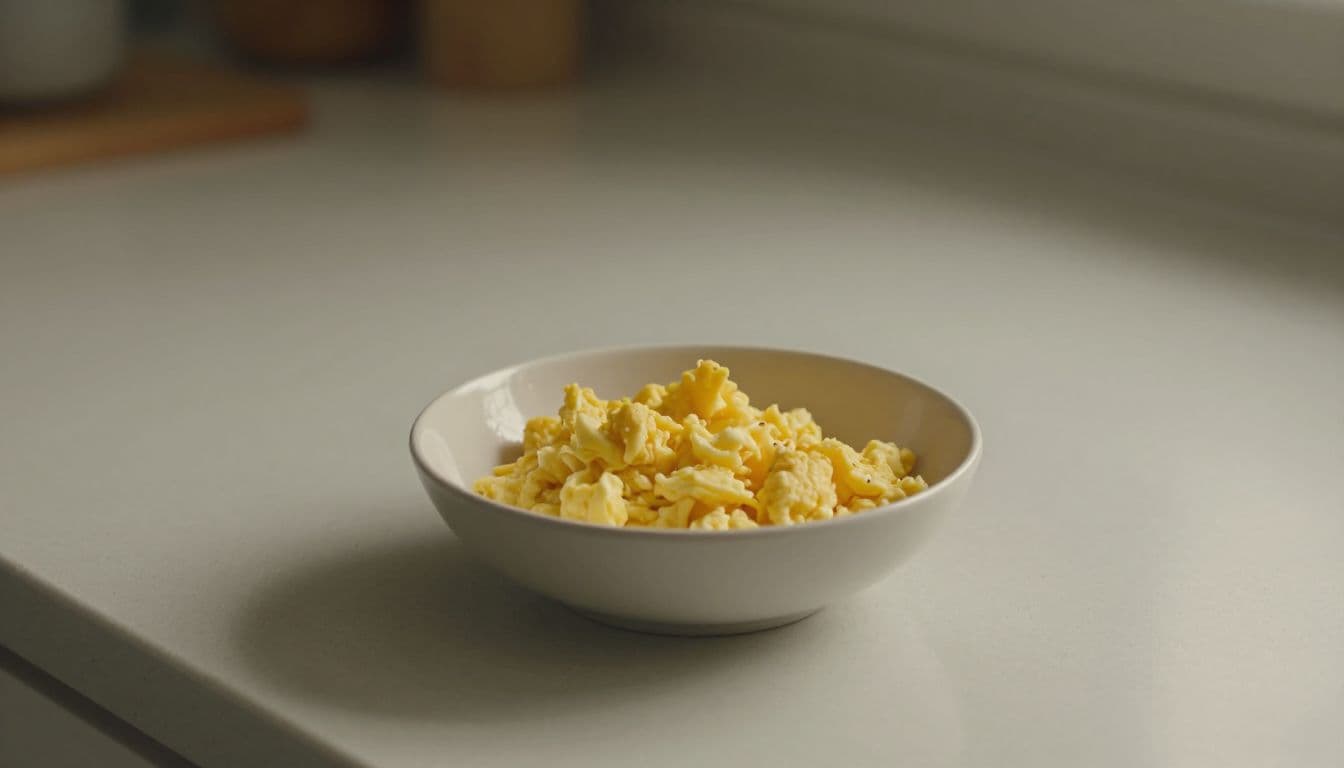
- For the youngest eaters: Start by mashing a fully cooked hard-boiled egg with a small amount of breast milk, formula, or water. This creates a smooth, spreadable consistency that is easy for them to move around their mouth.
- As they develop a pincer grasp: You can offer soft, small pieces of scrambled eggs. Ensure these pieces are moist enough to swallow easily but firm enough that they don’t turn into a sticky paste.
- For older babies: Once they become more confident, thin strips of a firm omelet provide a great way for them to practice grasping and biting on their own.
Easy ways to make egg safer and easier to eat
Keeping your kitchen routine straightforward is key when you are busy. Focus on methods that ensure heat reaches every part of the egg, which is the most reliable way to maintain safety.
Boiling is a classic, simple technique. Simply keep the egg in boiling water until the yolk is completely solid and dry, then chop it into tiny bits. If you prefer scrambling, cook the eggs in a pan until there is absolutely no liquid remaining in the center. Avoid adding butter or heavy oils if you can, as a simple non-stick pan usually does the trick. Mixing small bits of egg into finely chopped cooked vegetables or porridge also helps make the texture more palatable. Always allow the food to cool to a comfortable temperature before placing it on the high chair tray.
Foods and habits to avoid when serving eggs
Preparation is only half the battle, as your hygiene habits are just as vital to your baby’s health. You should steer clear of any dish that leaves the yolk soft, runny, or liquid, including soft-boiled eggs or homemade sauces that might contain raw egg ingredients. If the middle of the scramble still looks wet or shiny, keep it on the heat for another minute or two.
Sanitation also plays a major role in keeping your kitchen safe. Always wash your hands thoroughly with soap and warm water before handling food, and ensure your knives and cutting boards are clean. Because eggs can harbor invisible germs, it is wise to avoid cross-contamination by using dedicated utensils for your baby’s meals. Following guidelines on introducing eggs ensures you keep these risks low. Additionally, remember to maintain high standards of cleanliness when preparing other homemade baby food to keep every meal safe for your little one.
What to do if your baby already ate a half-boiled egg
If your baby has already eaten a bit of a runny or half-boiled egg, try to stay calm. Most of the time, the digestive system handles small exposures without significant trouble. One instance does not guarantee an illness, as many eggs do not actually contain harmful bacteria. However, keep a close watch on your little one over the next few days to ensure they remain their usual, happy self.

When to call a doctor right away
While you watch your baby, look for clear warning signs that indicate their system is struggling to fight off an infection. You know your baby best, so trust your instincts if they simply do not seem like themselves.
Reach out to your pediatrician immediately if you notice any of these red flags:
- Dehydration symptoms: Watch for significantly fewer wet diapers than usual, a dry mouth, no tears when crying, or sunken eyes.
- Persistent illness: Seek help if your baby has repeated vomiting, cannot keep fluids down, or experiences diarrhea that persists or worsens after a day.
- Concerning physical signs: Contact your doctor if you spot blood in their stool or if they develop a high fever.
- Behavioral changes: Pay close attention if your baby becomes unusually lethargic, weak, or hard to wake, as these are serious indicators that require professional assessment.
How to monitor your baby at home
During the next 48 hours, keep your daily routine as stable as possible. Continue offering breast milk or formula as you normally would, as maintaining hydration is your most important tool for recovery. Avoid trying any home remedies or over-the-counter medications to stop diarrhea or vomiting unless a doctor specifically tells you to do so, because these can often mask symptoms or upset a sensitive stomach even further.
Keep a mental note or a quick log of their feeding habits, temperature, and overall mood. If they seem playful, maintain their appetite, and keep up with their normal number of wet diapers, it is likely they are processing the food without issue. Understanding signs of healthy digestion in babies can provide extra context for what is normal during this time. If you feel unsure or see anything that deviates from their standard behavior, it is always safer to call your doctor for guidance rather than waiting. For further information on managing potential exposure, you can also review official advice on salmonella and eggs to help you make informed decisions.
Other egg safety questions parents often ask
Many parents reach out with specific worries once they begin adding eggs to their baby’s diet. It is normal to feel uncertain when navigating these new milestones. Focusing on how you prepare the food and watching for any changes in your little one will help you move forward with confidence.
Can babies eat egg yolk before the white?
You might hear advice suggesting that babies should only eat the yolk at first. This idea stems from the belief that whites are more likely to trigger allergies. However, current medical guidance indicates that introducing the whole egg is perfectly fine as long as it is fully cooked. The main safety priority remains the cooking process itself rather than separating parts of the egg. By serving the entire egg properly prepared, you provide your baby with the complete nutritional profile of this wholesome food.
Is scrambled egg safe for babies?
Scrambled eggs are a staple in many households because they are easy to prepare and soft for tiny mouths. This preparation is safe for your baby provided you cook the eggs until they are completely firm. You should never serve eggs that are runny, wet, or undercooked, as these textures hide potential bacteria. Aim for a soft, fluffy consistency that is easy for your baby to swallow. If you are ever unsure, simply cook the eggs for an extra minute to ensure the center is solid.
What about egg allergy signs?
Some babies show signs of an allergic reaction after eating eggs. These symptoms are different from food poisoning because they typically appear shortly after the child consumes the food. Watch closely for reactions like hives, swelling around the face or mouth, vomiting, or difficulty breathing. If you notice these warning signs, reach out to your pediatrician immediately to discuss how to manage the situation safely. Keeping these concerns separate from illness helps you identify exactly what your baby needs to stay safe and healthy.
Final Thoughts
A half-boiled egg is not the best choice for a baby. The risk of harmful bacteria is simply too high for their small, developing immune system. You can still provide your little one with the nutrition they need by serving eggs that are cooked until the yolk and white are completely firm. This simple change keeps mealtime both healthy and safe for your baby.
Stick to firm, well-cooked eggs to prevent foodborne illness. If your baby already ate an undercooked egg, keep a close eye on their behavior and digestion over the next few days. Call your pediatrician if you notice any concerning symptoms like fever, persistent vomiting, or dehydration. Trust your instincts as a parent, and prioritize safety when preparing their daily meals.
Save pin for later

- What Causes a Flat Head Shape in Babies? - September 20, 2026
- Baby Massage for Gas Pain: Step-by-Step Instructions - September 20, 2026
- Newborn Skin Peeling: Common Causes and Warning Signs - September 20, 2026