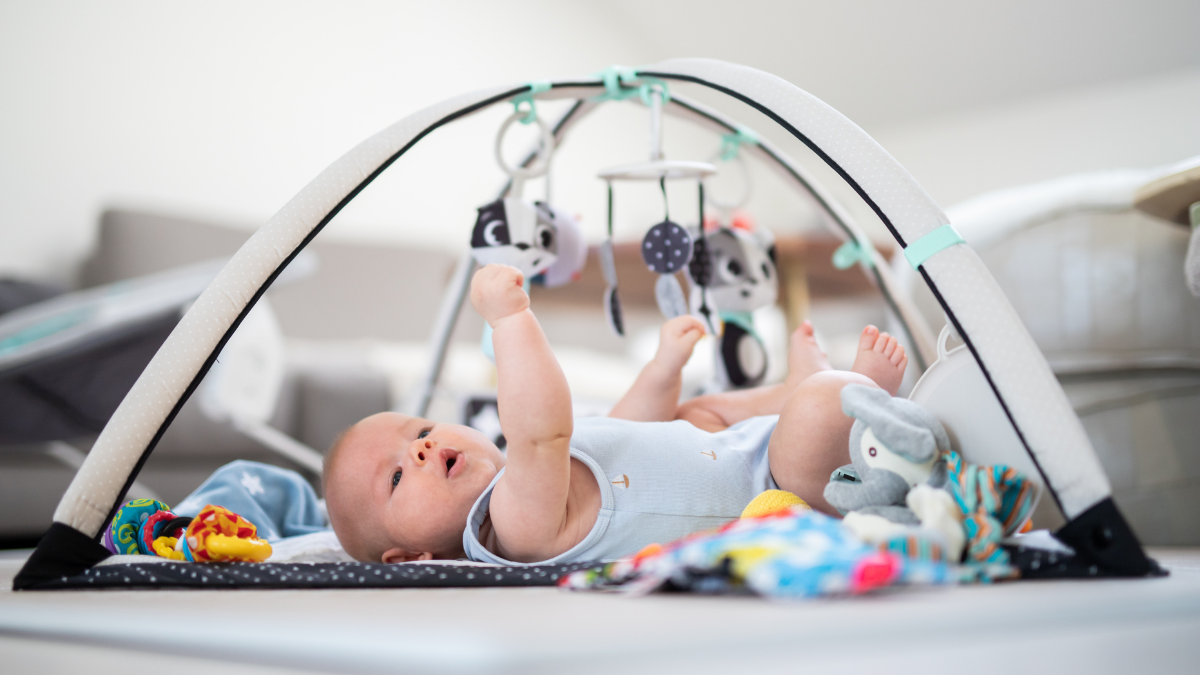

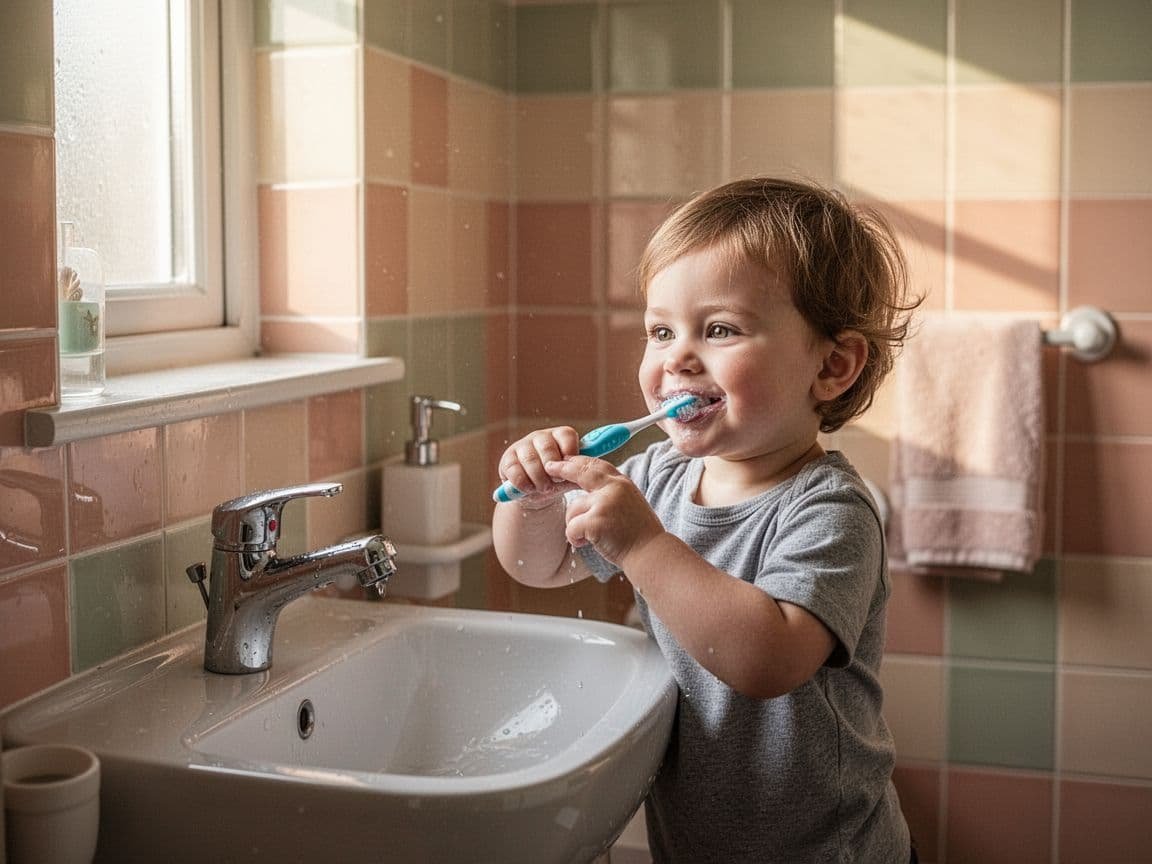
Does your toddler wake up feeling a bit stiff, wiggly, or even grumpy? You aren’t alone; those first few minutes of the day can often feel like a race against chaos. A short morning stretch routine for toddlers is a gentle way to turn that morning scramble into a calm, connected start.
The goal here isn’t to force your child into perfect yoga poses or to turn playtime into an exercise session. It is about simple, light movement that helps them wake up, improve their mood, and set a steady rhythm for the rest of the day. If you want to see how these small habits fit into your wider organized morning routines for families, let’s look at a few safe moves you can try together.
Why a morning stretch routine helps toddlers feel better fast
Starting the day with movement helps transition a child from the stillness of sleep into the busy rhythm of the morning. While these habits are just one piece of a well-managed household schedule, they offer a simple way to help your toddler feel comfortable in their own skin.

How gentle movement wakes up sleepy muscles
After hours of lying still, a toddler’s body naturally feels a bit stiff. You have likely noticed that “morning creak” yourself, and little ones experience that same sensation as their muscles adjust to being active again. Gentle stretching acts like a reset button for their limbs.
Light movement increases blood flow to muscles and joints. This boost of circulation helps them feel physically refreshed rather than groggy. When they move through simple reaches or bends, they wake up their nervous system and prepare their bodies for the day ahead. Stretching helps joints stay loose, making it easier for your toddler to bend, run, and reach throughout their play. Think of it as a brief, physical wake-up call that tells the body it is time to move.
Why the mood boost matters as much as the body benefits
A morning stretch is not just about physical flexibility; it is a powerful tool for emotional regulation. The transition from sleep to wakefulness can often trigger grumpiness or resistance in toddlers, especially when they feel rushed. A playful stretch session creates a quiet, shared moment that helps them settle their emotions before the day truly begins.
When you incorporate stretching into your morning, you offer a calm anchor in a potentially chaotic schedule. This routine provides a structured yet gentle way to connect with your child. Seeing their parent participate in the same movements helps them feel secure and ready to face the morning. It shifts the focus away from the “must-do” tasks, like dressing or eating, and moves it toward a shared activity that promotes a positive mindset. For realistic morning habits for busy mothers, this small addition can make the transition out of the bedroom significantly smoother for everyone.
What healthy movement looks like at this age
At this stage, your focus should always be on comfort and play, never on achieving peak flexibility or specific fitness goals. Toddler joints and muscles are still developing, so the goal is simply to encourage natural, pain-free movement. Intense stretching or long, deep holds have no place here.
Keep the movements short and easy. If a stretch feels like a chore or a challenge, it loses its benefit. Instead, follow your child’s lead and keep things light. You are simply helping them become aware of their own body and its ability to move, reach, and twist. These simple, recurring actions—like stretching with kids every morning—help them understand how to use their body with confidence and ease. Remember, the best result is a happy, wiggling child who feels ready to start their day with a bit of extra light.
How to build a toddler stretch routine that actually sticks
Building a habit with a toddler feels less like a strict schedule and more like a gentle, repeated invitation. When a routine is flexible, it survives the messy mornings and the grumpy wake-ups that come with raising little ones. Think of this movement as a small gift you give your child each morning, rather than another item to check off your list. By keeping the steps consistent and the atmosphere light, you teach them that moving their body is a natural, happy way to start the day.
Keep it short enough for sleepy mornings
Your goal is to sustain interest, not to run a marathon. A toddler’s attention span is short, especially right after waking, so aim for a routine that lasts between one and three minutes. Perfection is not the aim here; consistency is.
If your child is having fun and wants to keep going, feel free to extend the time. However, if they start to wiggle away or lose focus, let it go. Stopping while they are still enjoying the movement ensures they look forward to it the next morning. Short, sweet, and simple moments are far more likely to become a lasting part of your calm family morning rhythm than a long, drawn-out session that turns into a struggle.
Choose simple cues toddlers can follow
Toddlers learn best through clear, playful language that paints a picture. Skip the technical terms and use action words that describe the movement itself. Words like reach, stretch, curl, and wiggle are easy for them to grasp and follow.
Instead of saying “extend your arms overhead,” try “reach for the stars.” When it is time to bend, invite them to “curl up like a little seed.” Using playful, descriptive language helps them connect with their own body in a way that feels natural. For more ways to encourage this kind of cooperative spirit during your day, explore these positive parenting techniques for toddlers to help keep transitions smooth and stress-free. Clear cues empower your toddler to take ownership of their movements, making the routine feel less like a command and more like a game.
Make the routine feel fun instead of stiff
If your morning movement feels like a chore, you will both eventually stop doing it. The secret to making it stick is to keep it lighthearted and full of pretend play. Use music to set the tone, or assign animal names to the poses to spark their imagination. You could be a tall giraffe stretching for leaves or a wiggly snake slithering on the rug.
Use silly voices or narrate the moves to keep the engagement high. When you act out the stretches with them, you turn the routine into a shared ritual that defines your morning. Focus on the joy of the movement rather than the form. If you want to refine how you organize these small moments, reading about how to have an organized morning with toddlers can offer helpful insights on blending structure with play. When the routine feels like a playground, your toddler will naturally want to return to it.
A simple morning stretch routine for toddlers, step by step
You can transform the morning rush into a shared moment of connection with a few simple, intentional movements. This sequence moves from top to bottom, helping your toddler wake up their muscles after a long night of sleep. By keeping the pace light and playful, you turn these physical habits into a fun part of their day.

Start with big reaches and arm circles
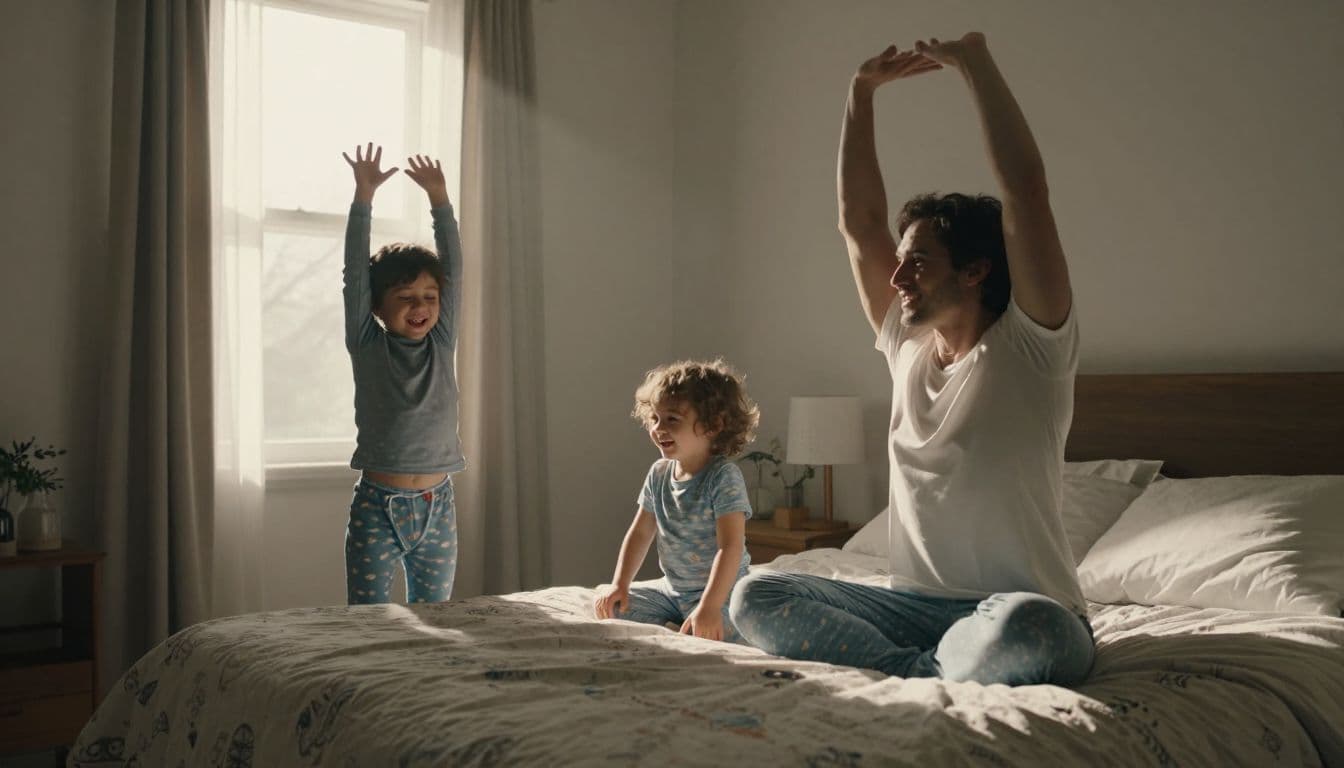
Begin by standing tall, side by side. Ask your toddler to reach their arms up toward the ceiling like they are trying to pick stars out of the sky. This simple action pulls the spine long and wakes up the upper body. Encourage them to stand on their tiptoes to get even higher, which adds a bit of balance to the fun.
Once they have reached high, lower the arms and move into circles. Start with small, tight circles at the shoulders, then let them grow wider and larger, like big windmill blades. You can narrate the motion by pretending you are airplanes or birds taking flight. These movements loosen the shoulders and chest, signaling that the day has officially begun. Regular movement is essential for kids, and consistent physical activity improves attention and memory during the hours that follow.
Add a gentle floor touch and side stretch
Now that the upper body feels loose, move toward the legs. With feet planted firmly on the ground, ask your toddler to reach down toward their toes. Remind them that they don’t need to touch the floor perfectly. A soft bend in the knees is perfectly fine. Let them hang their arms loosely like an elephant trunk, swaying side to side to help the back release any remaining stiffness from the night.
After standing back up, move into side stretches. Have your toddler reach one arm high above their head while sliding the other hand down their leg. Tilt the body gently to the side, then switch to the other arm. This creates a long line from their fingertips to their hip, helping to stretch out the sides of the torso. Keep the movements slow and steady so your little one can feel the stretch without overextending.
Use playful poses like butterfly and cat-cow
Bring the routine to the floor to explore seated and crawling movements. For the butterfly pose, have your toddler sit down and press the soles of their feet together. Their knees will naturally fall open, creating the wings of a butterfly. They can gently flutter their knees up and down, pretending to take off on a garden adventure. This helps open the hips and keeps the lower body mobile.
Transition next to a hands-and-knees position for cat-cow, which is a favorite for most kids. Ask them to round their back up high like a grumpy cat hissing, then dip their belly down low like a happy cow grazing in a field. These animal movements turn a basic spinal stretch into a game. You can find many more 100 family summer morning routines that utilize this same principle of blending movement with imagination to keep children engaged.
Finish with a calm rest pose
Wrap up your session with a quiet moment in child’s pose. Have your toddler sit back on their heels and stretch their arms forward on the floor, resting their forehead gently against the rug or mat. This posture is naturally soothing and helps the body settle. It acts as a perfect transition from the activity of stretching back into the calm, quiet rhythm you want to maintain before breakfast or dressing.
Take a few deep breaths together while they are in this position. Tell them they are a tiny, sleeping bug or a quiet little pebble. This brief pause encourages mindfulness and helps your child regulate their energy levels. Once they stand up, they will feel physically ready and emotionally grounded for whatever the day brings next.
Safety tips that keep the routine gentle and stress-free
Keeping your morning movement routine safe is about prioritizing your child’s natural comfort over any specific pose. When you treat these moments as a form of play rather than a structured workout, you naturally lower the risk of strain. Toddlers are incredibly active throughout their day, so your goal is simply to help them transition from the stillness of sleep into their morning energy with ease and joy.
Watch for signs your toddler needs to stop
You are the best judge of your child’s physical limits during these quiet morning minutes. Watch closely for non-verbal cues that suggest they have reached their limit or simply want to move on to something else. If your toddler pulls away, resists a movement, or becomes visibly frustrated, take that as a clear signal to pause or switch activities.
Pain is never the intended outcome of a stretch. If your child expresses discomfort or cries, stop the movement immediately. They do not have the vocabulary to explain a subtle ache, so watch for body language like stiffening up or trying to wiggle out of your grasp. Staying mindful of these signals helps ensure that your effective behavior management techniques remain rooted in connection rather than frustration.
Why force and deep stretching do more harm than good
Toddlers are not mini adults, and their bodies are still in a rapid phase of development. Their bones, muscles, and ligaments grow at different speeds, which makes their joints more flexible but also more sensitive to external pressure. Deep, static stretching carries risks because their bones are still supported by soft, developing growth plates. Forcing a child into a position can put unnecessary strain on these areas, potentially causing soreness or injury.
Instead of intense intensity, focus on softness and freedom. A child’s body thrives on varied movement—like running, climbing, or dancing—rather than holding a fixed, deep stretch for a long time. By avoiding the pressure to achieve perfect form, you protect their growing frame. You also create an environment where they learn to listen to their own body, which is a foundational part of teaching kids basic safety habits.
How to make sure the routine stays age-appropriate
Keeping the routine age-appropriate is simple when you focus on play instead of technique. Keep any hold to just a few seconds, as long, drawn-out poses often lead to boredom or restlessness in young children. Toddlers have short attention spans, so short bursts of movement followed by a shift in activity work best.
Use simple, natural movements that mirror their daily exploration. A reach toward the ceiling or a gentle side sway keeps the range of motion safe and within their natural limits. Always supervise your child to ensure they are steady and balanced, especially during standing stretches. By maintaining this playful, lightweight approach, you help them enjoy the benefits of physical activity guidelines while keeping the atmosphere relaxed and fun for both of you.
Easy ways to make morning stretching part of daily life
Creating a habit for your toddler is often easier when it piggybacks on something they already do. Instead of introducing a brand new, isolated event, tie these movements to the natural flow of your morning. This helps the activity feel like a normal part of life rather than another task on your to-do list. When stretching feels like a natural transition between other morning moments, your little one will quickly accept it as part of their routine.
Pair stretching with a regular morning cue
Think of a recurring signal in your house that happens every day, such as waking up, finishing breakfast, or getting dressed. You can attach your short stretch sequence to any of these moments to make it stick. For instance, try doing two or three big reaches the moment you pull the curtains open to start the day. Alternatively, you might make stretching a quick activity to perform right before heading to the bathroom or after putting on daytime clothes.
This trigger acts as a mental reminder for both you and your child. By choosing a specific time, you reduce the decision fatigue that often makes morning routines difficult to manage. If you keep the movement short and tied to a familiar cue, your toddler will soon begin to ask for their “stretchy time” whenever that moment arrives. It is about building a bridge between their sleep state and their active day.
Use praise and simple encouragement
Positive reinforcement goes a long way with toddlers who are learning to follow your lead. When your child participates, acknowledge their effort with specific, warm words that highlight their success. Tell them they did a great job reaching for the sky or that they looked just like a strong helper while swaying side to side. Your words build their confidence and help them feel proud of what their body can do.
You do not need grand gestures to make an impact. A simple smile, a high-five after finishing a pose, or a gentle comment about how much better they move after waking up is often enough. When your child feels capable and noticed, they are more likely to look forward to the next morning session. Keep your tone light and enthusiastic to show them that this time is a special way to connect before the busy day takes over.
Keep it flexible on busy days
Morning life is unpredictable, and some days will inevitably be more chaotic than others. If you are rushing to get out the door or dealing with a grumpy start, remember that a shorter version of your routine is still valuable. You can simplify the five moves into just one or two quick reaches if that is all the time you have. Consistency is about showing up for those few moments, even if the experience feels different each day.
Do not worry about completing every move perfectly or following the exact sequence. The goal is simply to maintain the rhythm and keep the positive association alive. If you miss a day entirely, don’t sweat it. Just return to your routine the next morning without pressure or guilt. A routine that survives an imperfect day is a routine that lasts, so keep it low-stress and focus on the joy of moving together for just a minute or two.
Conclusion
A morning stretch routine for toddlers doesn’t need to be long or fancy to make a real difference. These short, playful movements help loosen stiff muscles, improve their mood, and provide a calmer start for everyone.
A few minutes of gentle reaching and wiggling can become a comforting family ritual. When you keep the pace light, it stays fun rather than feeling like a chore. You are simply helping your child connect with their body while easing into the day ahead.
Save pin for later


- Baby Massage for Gas Pain: Step-by-Step Instructions - September 20, 2026
- Newborn Skin Peeling: Common Causes and Warning Signs - September 20, 2026
- Sticky Eyes in Babies: Causes, Treatment, and Warning Signs - September 20, 2026