
Children do not need long lectures or a perfect script to learn how to navigate the world. They need practical, everyday tools that help them build confidence, kindness, and strength in school, friendships, and their future careers.
These lessons are rarely learned through formal speeches. Instead, you teach them in the small, recurring moments of the day, showing your kids what matters through your own actions and calm guidance. You can explore gentle upbringing habits inspired by Japanese parents to see how consistent, quiet habits build character.
This guide explores the essential mindsets, habits, and values that help children grow into steady, capable people. For a visual look at how these behaviors appear in action, you can watch this video on teaching children valuable life lessons.
The life advice kids remember most starts with character
Character is the silent engine behind every decision a child makes. While talent or intelligence helps them solve a math problem, character determines how they treat their classmates and whether they own up to their mistakes. It is the steady foundation that guides their actions, especially when you are not around to offer advice.
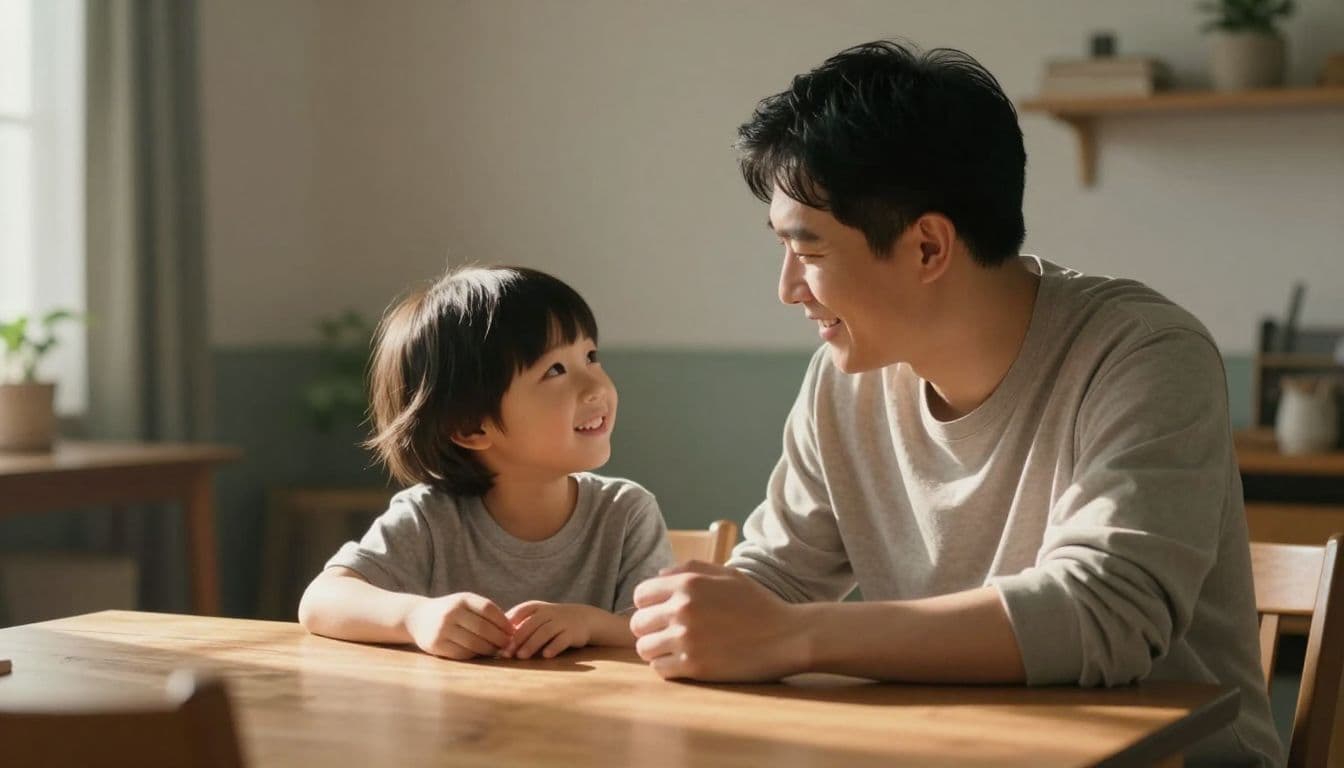
When children see you live with integrity, they learn that character is not a abstract rule but a daily practice. You can explore what children learn from parental behavior to understand how your own actions set the standard for their development.
Teach honesty even when the truth is hard
Honesty is the bedrock of trust. When your child feels safe telling the truth about a broken toy or a messy situation, they learn that integrity is more valuable than perfection.
If they accidentally break something, resist the urge to react with immediate frustration. Instead, thank them for their honesty before discussing how to fix the mess. This approach teaches them that owning up to mistakes is a sign of strength. You might find that strategies for improving child behavior include these small, honest conversations.
Honesty also involves admitting when their own feelings are complicated. If they feel jealous or angry, encourage them to name those emotions rather than hiding them. For more context on why children hide things and how to help them open up, you can review three steps to teach children about honesty.
Make kindness part of daily life
Kindness is a muscle that strengthens with repetition. It is not just about big gestures, but about the small, consistent habits that become a natural part of their personality.
Encourage your kids to notice the little things. If they see a classmate sitting alone, suggest they invite that person to join their group. If they hear someone struggling with a task, ask how they might offer help. Most importantly, show them these habits in action. Children are keen observers, and they will naturally copy how you speak to others, whether it is the cashier at the grocery store or a neighbor in need.
Show them how empathy helps people feel seen
Empathy is the ability to imagine another person’s world. It is the secret to building strong bonds and lowering conflict in friendships.
You can help your child practice this by asking simple questions. When they see a sibling cry, ask them how they think their sibling feels in that moment. Ask them what they would want if they were in the same position. These simple reflections help them move beyond their own perspective.
Empathy changes how children interact with their peers. When they realize that their words and actions have a real impact on others, they become more thoughtful and compassionate friends. For a deeper look at helping your child manage these interactions, you can watch this podcast on teaching kids to respond with empathy.
Resilience helps kids bounce back when life feels unfair
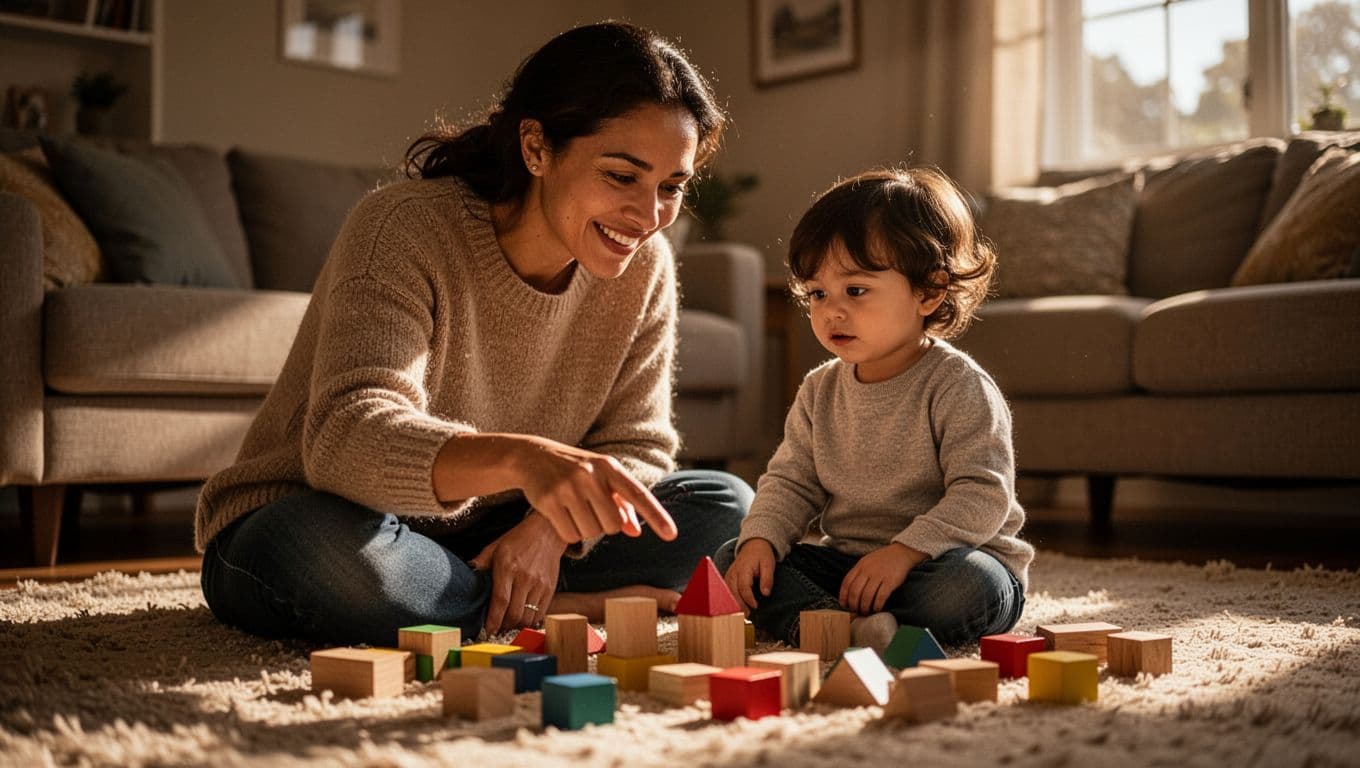
Life doesn’t always go as planned, and for a child, small setbacks can feel like mountain-sized obstacles. Whether a tower of blocks tumbles or a soccer game ends in a tough loss, these moments are not just annoyances. They are training grounds. When you allow your child to sit with the discomfort of a challenge instead of removing it for them, you provide the practice they need for the future. You can learn more about why making life too easy hinders resilience to understand how to balance support and independence.
Let them try again after failure
Failure is often the most effective teacher your child will ever have. When a task goes sideways, resist the urge to jump in and fix it immediately. If they struggle with homework, hold back the answer. Ask a question that guides them toward the solution instead. By giving them space to try again, you teach them that a mistake is not a dead end. It is simply information about what to adjust for the next attempt.
You might see this in sports, chores, or friendships. When they miss a goal or forget to fold the laundry correctly, keep your tone calm. Say something like, “That was tricky, but you learned a lot about how it works. What will you do differently next time?” This simple shift in language transforms a moment of frustration into an opportunity for growth. You can see how to help kids recover from failure by focusing on these small, constructive resets.
Praise effort more than results
It is tempting to celebrate only the perfect grades or the winning scores. However, focusing on the outcome alone can make kids fear risk, as they worry that anything less than perfection will disappoint you. When you shift your praise toward their effort, you build a foundation for long-term confidence. You show them that working hard and staying patient are the traits that actually move them forward.
Try to notice the grit they display. Use phrases like, “I saw how hard you worked to finish that project, even when you felt stuck,” or “You really took your time to figure that out.” This validates their process. It helps them understand that their capability comes from their persistence, not just their natural talents. For more on this approach, read about how to foster a growth mindset in children to help them value the journey of learning.
Help them name big feelings without fear
Emotions can be overwhelming for children who do not yet have the words to describe them. When your child feels angry, sad, or worried, they often express these feelings through physical outbursts. By helping them name their emotions, you provide a tool that calms their behavior. Giving a feeling a name makes it manageable rather than terrifying.
Create a home where all emotions are welcome and safe to discuss. If your child is struggling, try to step in before they reach a breaking point. You might say, “I see you look very frustrated because that toy isn’t working,” or “You seem worried about school tomorrow.” When you name the feeling for them, it creates a bridge for them to talk about their internal state. This simple practice prevents many meltdowns and teaches your child that they have power over their reactions. For additional perspectives on this, see this resilience guide for parents regarding emotional growth.
Teach your kids how to think before they act
Teaching children to hit the pause button on their impulses is one of the most valuable gifts you can give them. It shifts them from reactive participants in their own lives to thoughtful decision-makers. While it is natural for kids to act on immediate feelings, you can provide the framework they need to slow down and consider their options. By modeling self-control for your children, you show them that this skill is not just for childhood, but for every stage of life.
Small pauses can lead to better choices
A heated moment is often the worst time to make a decision. When emotions run high, the brain’s logic center tends to switch off. Teaching your child to stop for a breath or count to ten gives their brain time to reconnect, helping them avoid saying or doing things they later regret.
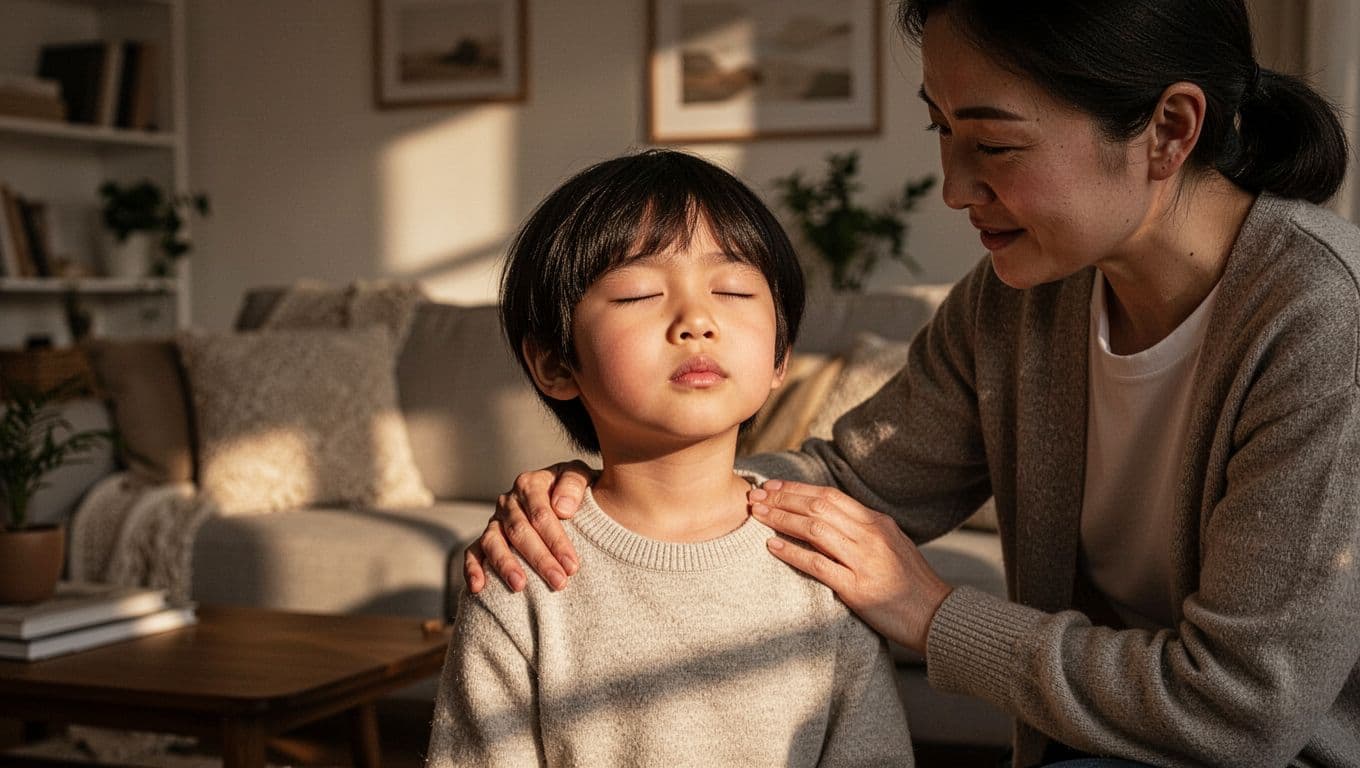
You can turn this into a simple family habit by practicing during calm times. When they feel frustrated, encourage them to step away from the situation or simply walk to the other side of the room. This physical distance acts as a reset button. For younger kids, you might suggest they “take five” by counting slowly or just closing their eyes to reset their focus. These strategies for teaching children self-control reinforce the idea that they always have a choice before they react.
Teach them to think about consequences
Every action triggers a ripple effect. Helping your child trace the path from their choice to the outcome builds long-term awareness. If they forget to finish their homework, they might lose their free time later. If they say something unkind to a friend, they lose the trust that keeps that friendship strong.
Focus on these cause-and-effect patterns rather than just doling out punishments. Ask them questions like, “What do you think will happen if we do this?” or “How might your friend feel if you take that toy?” When they understand that their words and actions influence the people around them, they become more intentional. This awareness prevents careless mistakes and keeps them grounded in the reality of their social world.
Remind them that good choices build trust
Trust is not a one-time event, but a collection of small moments. It is built when your child does what they say they will do, over and over again. When they are dependable at home, with their schoolwork, and in their friendships, people naturally start to count on them.
Use encouraging language to point out when they make a solid, responsible choice. Let them know you notice their reliability. When they realize that their actions are the bricks used to build their reputation, they will take more pride in the decisions they make. You can find useful emotional intelligence activities for better self-control to keep this conversation ongoing in a way that feels supportive rather than demanding. Your goal is to help them see that integrity is a reward in itself because it grants them more freedom and deeper connections with others.
Guide them toward healthy relationships and wise friendships
The people your children choose to spend time with often shape their identity more than any lecture. Friendships act as a mirror, reflecting a child’s self-worth and social confidence back at them. When they surround themselves with positive influences, they learn to value themselves. You can observe how these early connections set the tone for their future social habits.
Teach them how to choose good friends
Friendship is not just about who sits next to your child in class. It is about finding peers who lift them up rather than pull them down. A healthy friend is someone who shows kindness, offers honest support, and treats your child with respect. These relationships encourage your child to be their true self without the need for performance or pretense.
Look for signs that a friendship is growing in a positive direction. Does your child come home feeling energized or drained? A true friend celebrates wins and offers comfort during tough times. Conversely, watch for warning signs that indicate a toxic dynamic. If you notice constant gossip, teasing, or subtle pressure to act in ways that go against your family values, talk to your child about these behaviors.
Help them understand that it is okay to distance themselves from people who make them feel small. Friendships should be a source of security, not a constant state of anxiety. When they learn to recognize healthy social patterns early on, they gain the confidence to walk away from connections that don’t serve their growth.
Show them how to set boundaries with respect
Boundaries are the invisible walls that protect a child’s emotional and physical space. They are not a sign of rudeness; they are a necessary tool for maintaining healthy interactions. Teach your child that it is perfectly acceptable to say no to requests that make them uncomfortable. Whether they need to protect their personal belongings or simply require a moment of solitude, setting limits helps them stay in charge of their own experience.
Children often test boundaries with parents first. You can support their development by respecting their limits, too. When you listen to their request for quiet time or acknowledge their need for space, you teach them that their voice matters. This mutual respect creates a safe environment where they feel empowered to enforce their own boundaries with friends and classmates.
Encourage them to practice these skills in low-stakes situations. If a peer pushes them too far during a game, help them find the words to express their discomfort clearly. Walking away from hurtful behavior is a powerful move that protects their peace. By modeling this balance between kindness and firmness, you give them the tools to navigate social challenges with grace.
Teach them to give and receive respect
Respect is the foundation of every strong home and lasting friendship. It is not a trait reserved only for adults, but a basic expectation for how human beings treat one another. When your child learns to listen, wait for their turn to speak, and use polite language, they show others that they value their perspective.

Respect truly shines when people disagree. Help your child understand that they can have a different opinion than a friend while still treating that person with care. This maturity calms potential conflicts before they grow into arguments. It teaches them that their relationships are more important than being right.
Modeling this behavior at home provides the best classroom. When you treat your child with the same respect you expect from them, they learn how to mirror that behavior in their social world. A home built on mutual consideration becomes a training ground for the kind of capable, empathetic people they will become in the future.
The best advice often comes from what parents do every day
Children are observant students of human nature. They spend their waking hours watching how you move through the world, often absorbing your values long before they understand your words. You are their primary reference point for how to handle life. Because of this, your daily actions carry more weight than any lecture you could possibly deliver.
Model the habits you want them to copy
Your children watch how you resolve conflict, how you treat strangers, and how you handle stress. If you tell them to stay calm but explode when you get stuck in traffic, they will notice the difference. They learn honesty when they see you admit a mistake at work rather than blaming a coworker. They learn the value of promises when they see you prioritize a commitment you made, even when it is inconvenient.
These small, silent lessons accumulate over time. Think of it as a mirror reflecting your true priorities. If you want a child who speaks gently, practice a soft tone when you are frustrated. If you want a child who owns their mistakes, be the first to apologize when you are wrong. Your behavior is the blueprint they use to build their own character. When your actions align with the lessons you teach, you make those values real for them.
Use short conversations to teach big lessons
You don’t need a formal sit-down to impart wisdom. Some of the most significant lessons happen during the gaps in a busy day. Use the car ride home from school or a quiet moment while preparing dinner to touch on what matters. Keep these chats brief and light, as these moments work best when they feel natural rather than forced.
A quick comment during a meal can stay with a child far longer than a long speech. You might mention how you helped a neighbor or why you chose to stay patient with a difficult task. These short stories give your child a peek into your thinking. Repeat these positive messages often, letting them sink in over time. When you use these small pockets of time to connect, you show your children that life lessons are part of everyday living, not just something kept for special occasions. By keeping your message simple and consistent, you ensure your guidance remains accessible, helping them grow into steady and thoughtful people who know how to navigate the world with grace.
Conclusion
The best life advice for kids is simple, steady, and lived out through your daily actions. You teach them the most about honesty, kindness, resilience, empathy, and self-control when you practice these values in front of them every day. Your kids are always watching, so your consistent behavior is the strongest lesson they receive.
Focus on progress rather than perfection as you guide them. Keep teaching in those ordinary moments that happen between the school drop-off and the bedtime routine. Each small interaction helps them grow into capable, thoughtful people who know how to navigate the world with grace.
Save pin for later


- Sticky Eyes in Babies: Causes, Treatment, and Warning Signs - September 20, 2026
- Baby Development Stages: Milestones From Birth to 12 Months - September 20, 2026
- 5 Elegant Baby Pictures to Take at Home - September 20, 2026