

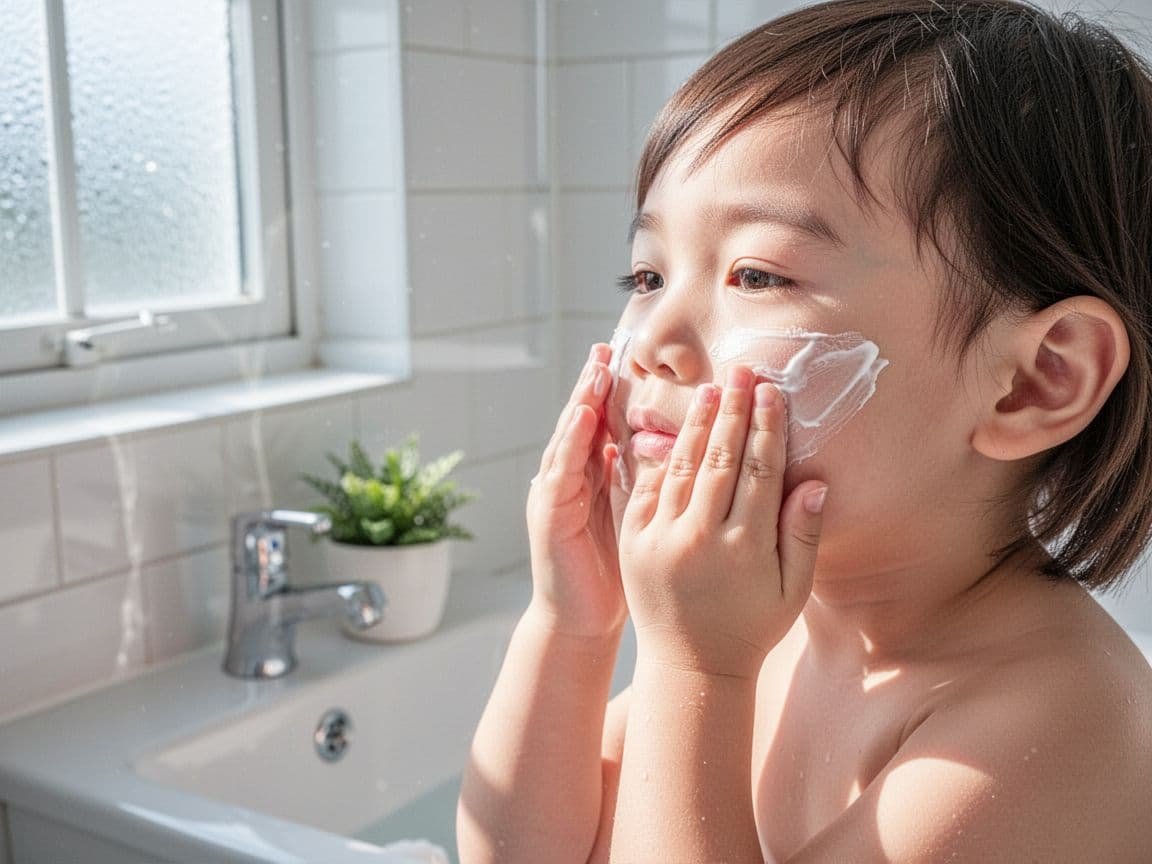
Taking care of your child’s skin doesn’t require a vanity full of products or complicated steps. Kids simply need a gentle, daily approach that protects their skin barrier while fitting naturally into your family life. Establishing a simple skin care routine for kids is less about beauty and more about teaching healthy hygiene habits that last a lifetime.
The right routine depends on your child’s age, specific skin type, and daily activities like sports or outdoor play. Whether you are managing oily skin or just starting with basic sun protection, consistency makes the process feel easy and stress-free. If you already use tips for a smoother morning start for your daily schedule, this new habit will feel like a natural extension of your morning flow.
In the following sections, we will walk through easy morning and nighttime routines, offer guidance on choosing the right products, and clarify when you should consult a pediatrician or dermatologist. By keeping things practical and reassuring, you can help your child feel confident and comfortable in their own skin every single day.
What a kid-friendly skin care routine really needs
Establishing a skin care habit for your child is less about perfection and more about protection. Young skin is naturally resilient, yet it remains sensitive to harsh chemicals and excessive scrubbing. You want to prioritize the integrity of the skin barrier, which is the body’s first line of defense against the outside world.
Why simple beats complicated for children
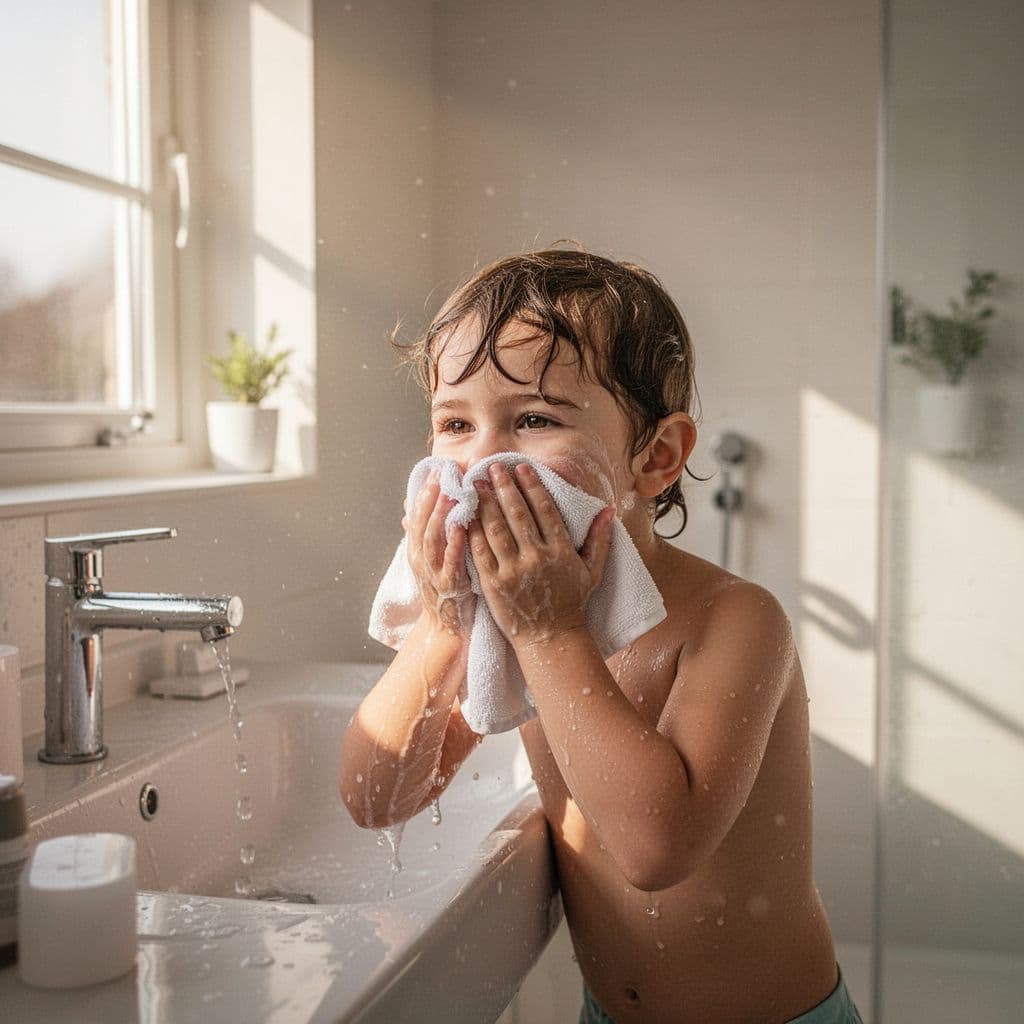
It is tempting to replicate the multi-step routines you see online, but children do not need a shelf full of serums and masks. Using too many products at once often leads to irritation, redness, and confusion. Young skin doesn’t have the same environmental exposure or hormonal shifts that adult skin faces.
Complexity makes a routine difficult to maintain. When a process feels like a chore, children are more likely to skip it. Focus on three pillars instead: gentle cleansing, simple hydration, and sun protection. By keeping the number of products low, you minimize the risk of reactions and help your child learn the basics without feeling overwhelmed.
How age changes the routine
Your approach should evolve alongside your child. Younger children, like toddlers, typically require only water or a mild, soap-free cleanser during bath time. Moisturizer is only necessary if they show signs of dryness or eczema.
As children reach their preteen years, their needs begin to shift. Hormones often cause increased oil production, sweat, and the onset of early acne. At this stage, you might introduce a dedicated daily facial cleanser to use twice a day. If you are helping your older child build their habits, consider an affordable skincare routine for teenagers that keeps their growing skin clear without being harsh. Even for older kids, sticking to a small, manageable set of products remains the most effective strategy.
Signs your child needs extra care
Sometimes even the most gentle products can cause a reaction. Pay close attention to how their skin feels and looks after a wash. Common signs that a routine might be too aggressive include:
- Persistent redness or flaking skin
- Stinging or burning sensations during application
- Itching or unexplained rashes
- Sudden, widespread breakouts
If you notice these issues, stop the new products and return to basic hydration. It is always helpful to follow best practices for your baby’s skin health when selecting your initial products, as these are often the safest and most gentle options. If irritation continues, consult a pediatrician or dermatologist to rule out sensitivities or more specific skin conditions. Remember, you want your child to associate self-care with comfort, not discomfort.
The best morning skin care routine for kids
A morning routine for children should be fast, effective, and encouraging. Because young skin changes throughout the day, sticking to a consistent but simple plan sets the stage for healthy habits later in life. You only need a few minutes to support their skin health before they head off to school or outdoor activities.
Start with a gentle cleanse only when needed
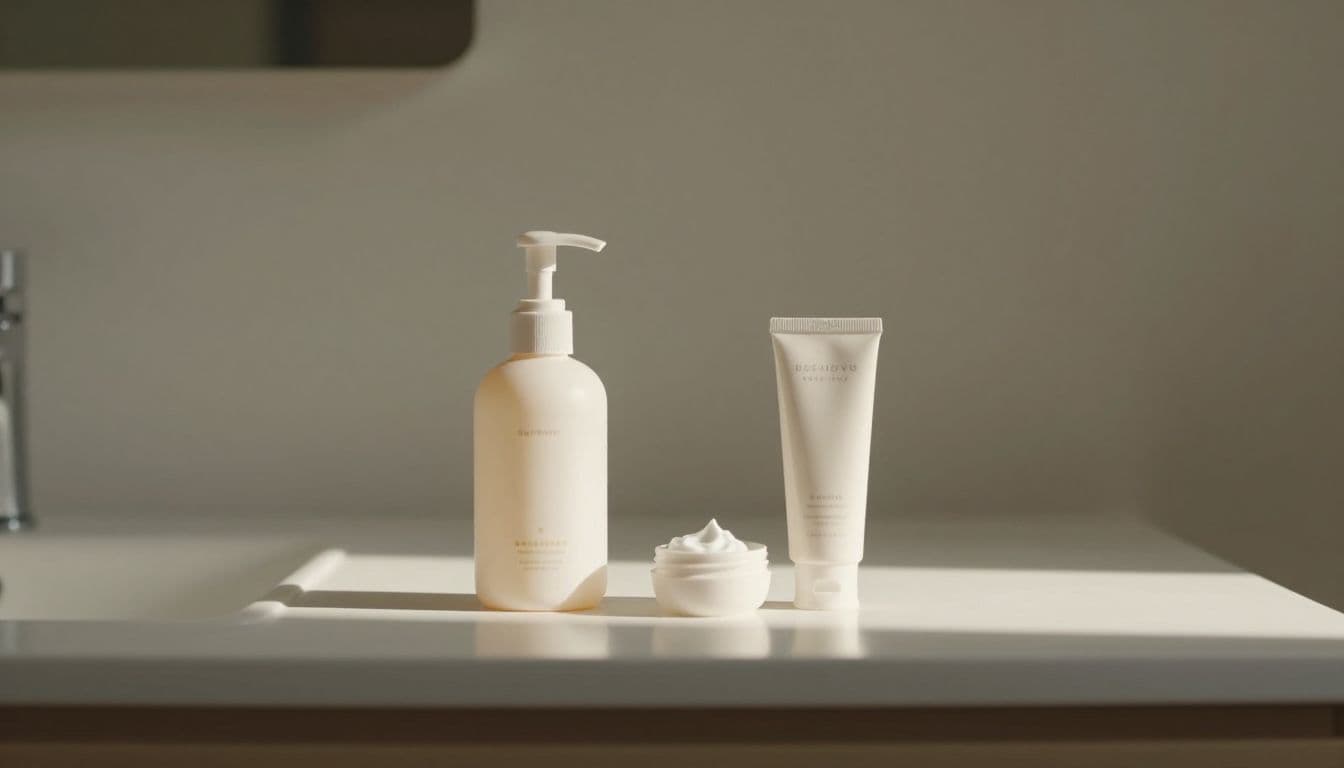
Most children do not require a heavy wash every morning. If their face feels clean, simply splashing with lukewarm water is enough to refresh the skin without stripping away natural oils. This light touch prevents unnecessary dryness and keeps their routine quick and stress-free.
If your child plays hard or experiences hormonal shifts that leave their skin oily, sweaty, or dirty, incorporate a mild, fragrance-free cleanser. Choose a formula designed for sensitive skin to avoid irritation. Gently massage the cleanser onto the skin using your fingertips and rinse thoroughly with warm water. As noted in the parents guide for healthy skin, using lukewarm water instead of hot temperatures helps maintain the skin barrier without causing redness.
Moisturizer helps protect soft, dry skin
After washing, moisture is the secret to keeping young skin supple and comfortable. Applying a light, fragrance-free moisturizer while the skin is still slightly damp helps lock in hydration effectively. This step is particularly beneficial for kids who deal with dry cheeks, especially during the cold winter months or after a hot bath.
Think of moisturizer as a thin, protective layer that guards the skin against everyday environmental stressors. Focus on products that are free from dyes or harsh perfumes, which can often trigger sensitivities in children. By making this a regular part of their morning, you teach them to notice when their skin feels tight or dry and how to respond to it. If you need help finding the right balance for your child’s specific skin type, these daily skin care essentials provide helpful context on what to look for on product labels.
Sunscreen should be part of the daytime routine
Sun protection is the most important step for growing skin. Even on cloudy days, UV rays can reach the skin, so make broad-spectrum SPF 30 or higher a non-negotiable part of the morning flow. Apply it generously to the face, ears, and any other exposed areas before your child leaves for school, recess, or weekend family outings.
Consistency is key when it comes to sun safety. If you apply sunscreen as a standard morning task, it eventually feels as normal as brushing their teeth. Teach your child to reach for the bottle before they run out the door, as this builds independence while keeping their skin safe from sun damage. For more details on maintaining safe habits as they grow, take a look at this simple guide for young skin. Making this small investment now prevents long-term damage and ensures they stay comfortable while spending time outdoors.
A simple nighttime routine that helps skin reset
The end of the day is a perfect time to help your child settle down while resetting their skin from the day’s activities. A brief, calm routine works wonders to wash away sweat, outdoor dirt, and any lingering sunscreen residue. Keeping the process quick and quiet ensures it feels like a soothing ritual rather than a chore. This gentle transition helps them unwind and prepares them for a restful night of sleep.
Wash off the day without scrubbing
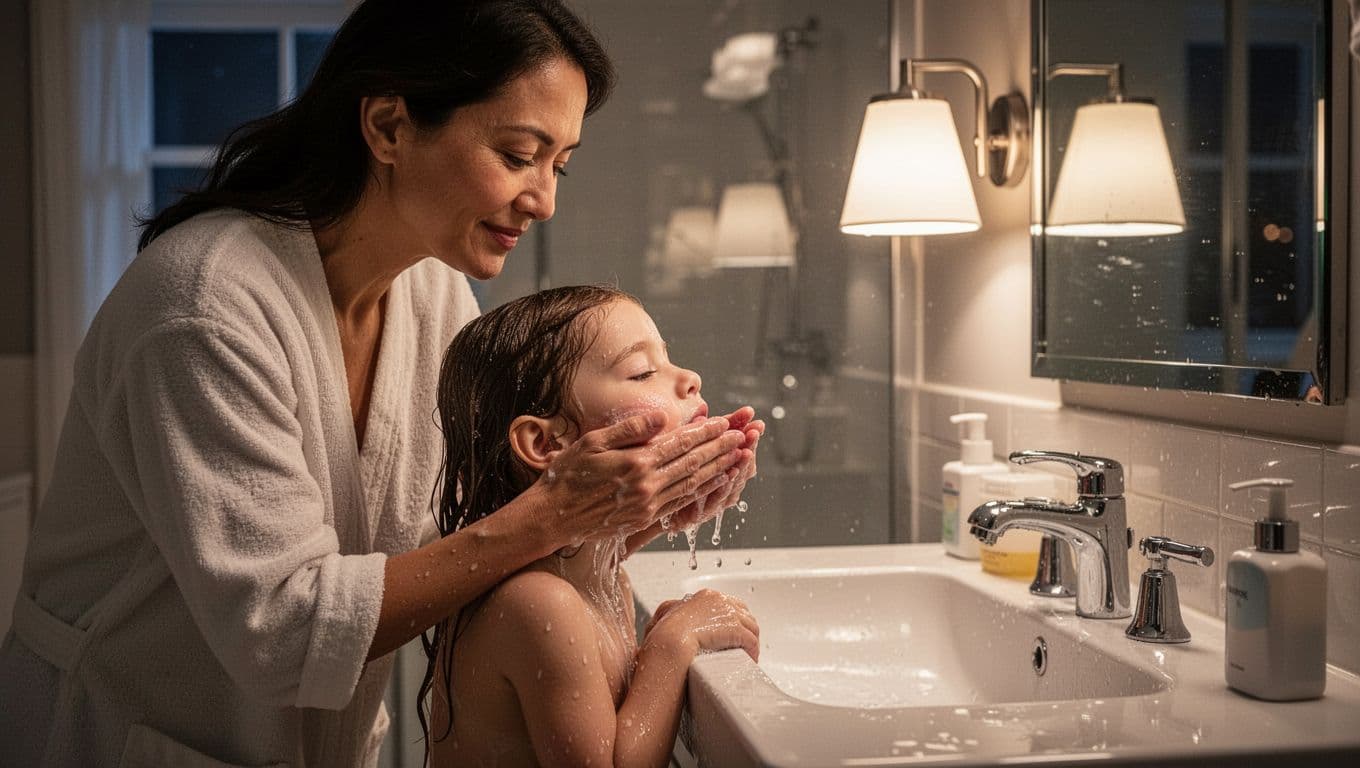
Your child’s skin acts as a shield against the world all day long. By the time evening arrives, it likely holds sweat, dust, and sunscreen that needs to be rinsed away. Avoid the urge to use a rough washcloth or a harsh scrub to get them clean. Young skin is delicate, and physical scrubbing often causes tiny tears or unnecessary inflammation.
Use your own clean hands to massage a mild cleanser across their face. This method is far gentler than any fabric and allows you to feel exactly where they might have sensitive spots. Thoroughly rinse with lukewarm water, as hot water can strip away natural oils and leave skin feeling tight or itchy. Focus on simple, effective cleansing that leaves their face refreshed and ready for rest.
Use moisturizer to support the skin barrier
Once the skin is clean and patted dry, it often craves a bit of extra hydration. Bedtime is a perfect opportunity to replenish moisture, especially if your child deals with dry patches or seasonal irritation. A light, fragrance-free cream helps seal in natural hydration while they sleep, supporting the skin barrier as it naturally repairs itself overnight.
Focus the moisturizer on the areas that need it most, such as the cheeks or around the nose. You do not need to apply a heavy layer to achieve results. Just a small amount provides a protective, comfortable shield. If you are looking for specific techniques to help your family manage these habits, the best practices for nighttime routines offer more context on keeping things simple. When skin feels soft and nourished, your child is likely to feel more comfortable, which contributes to a better overall toddler bedtime routine guide.
Make the routine easy enough to repeat
Consistency is the secret ingredient for any habit to stick. When a skin care routine becomes a predictable part of the evening rhythm, children stop fighting the process and start accepting it as a natural step toward bed. Aim for a short, simple sequence that takes only a few minutes.
If the routine involves too many steps or products, it quickly becomes a battle that neither of you wants to fight. Keep their supplies in one accessible place so they can help with the process. Over time, this daily rhythm teaches them the importance of personal care without making it feel like a heavy burden. Simple, repeated actions build long-term confidence and ensure that healthy skin becomes a permanent, stress-free part of their life.
How to choose products that are safe and gentle for kids
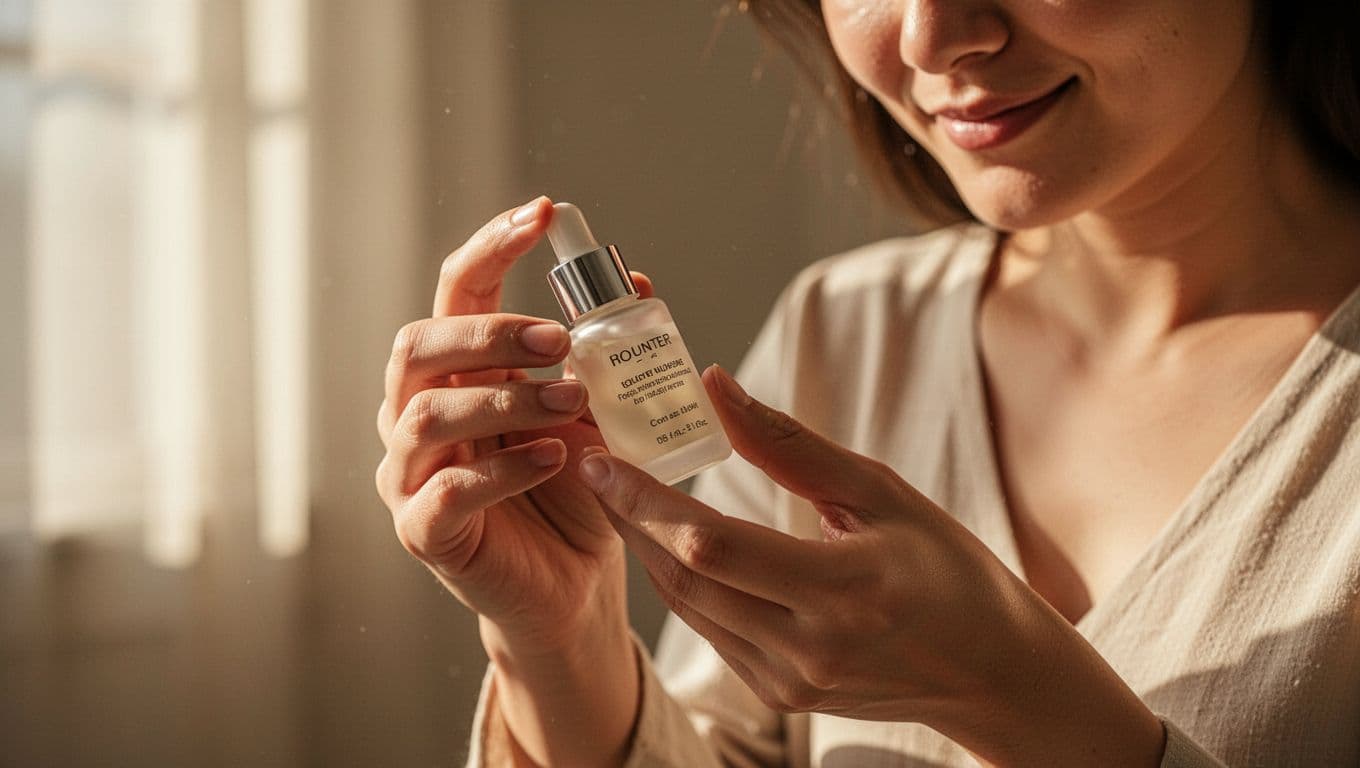
Selecting products for your child is an act of care. Because children have thinner and more absorbent skin than adults, they often react more intensely to chemicals or strong additives. Less is usually better, so start with a minimalist mindset and stick to simple, effective items. When you shop, take a moment to look at the back of the bottle rather than just the front.
Ingredients and labels that usually work best
Learning to read labels helps you cut through marketing fluff. Focus on brands that prioritize clear, transparent ingredient lists. If you feel uncertain about a product, you can see what to look for in baby skincare labels to gain better confidence during your next shopping trip.
Look for these key terms on the packaging:
- Fragrance-free: This means the product lacks synthetic scents that often irritate young skin. Many products labeled “unscented” may still contain masking fragrances, so prioritize those explicitly labeled fragrance-free.
- Gentle cleanser: Look for formulas that don’t produce heavy foam. These cleansers lift away dirt without washing away the natural protective oils that keep skin healthy.
- Lightweight moisturizer: A good moisturizer should hydrate without feeling heavy or greasy. These options are ideal for daily use and absorb quickly, making them easy to incorporate into a busy morning.
- Broad-spectrum sunscreen: This label means the product protects against both UVA and UVB rays. It is a necessary safeguard for children spending time outdoors.
- Non-comedogenic: If your preteen or teen has oily or acne-prone skin, this term is useful. It means the formula is specifically designed to be less likely to clog pores, which helps prevent unwanted breakouts.
Ingredients and habits to skip
Marketing trends often push complex products onto kids, but these can cause more harm than good. You want to avoid any item that triggers discomfort or stinging. Even if a colorful bottle looks appealing, check the ingredient list for harsh additives that serve no purpose for young skin.
Avoid these common culprits:
- Strong exfoliants: Scrubs, beads, or chemical acids are often too abrasive for thin, growing skin. These products create micro-tears that lead to redness and long-term sensitivity.
- Heavily scented products: Perfumes, essential oils, and synthetic dyes are common sources of allergic reactions. These ingredients don’t improve skin health and often dry out the barrier.
- Stinging sensations: A product should never burn, tingle, or sting during application. If your child complains of discomfort, stop using the item immediately and wash it away with lukewarm water.
Patch testing before using a new product
Even the most gentle, “natural” product might cause an unexpected reaction. A patch test is a simple way to stay cautious. Apply a small amount of the new product to your child’s inner forearm or behind their ear. Wait at least 24 hours to see if any redness, itching, or swelling develops.
Testing one product at a time is the safest approach. If you introduce three new items at once, you won’t know which one caused a reaction if a problem pops up. If you notice persistent issues after a test, it’s worth reviewing tips for bathing babies with delicate skin to ensure your base routine is solid before adding extra products. By taking these small, thoughtful steps, you protect your child while helping them learn to care for their own skin with confidence.
Special skin care needs for active kids, dry skin, and breakouts
Every child has a unique rhythm to their day. Some children spend hours on the soccer field, while others might struggle with dry skin during cold winter months. Recognizing these shifts allows you to adjust their routine without turning it into a complex production. You simply need to pivot your approach to match their specific needs.
After sports, sweat, and outdoor play
Physical activity is wonderful for children, but it often leaves skin feeling sticky and uncomfortable. Sweat, along with outdoor dirt and grass, builds up on the surface of the skin after a long day of play. When left alone, this mixture can clog pores and cause mild irritation. You should help your child rinse their face as soon as they get home from practice or outdoor fun.
A simple rinse with lukewarm water is often enough to wash away the day. If your child is prone to breakouts or has been sweating heavily, use a mild, fragrance-free cleanser to ensure the skin is truly clean. Avoid harsh scrubbing, as this often does more harm than good. A gentle touch with your fingertips is all that is needed to lift away debris. Keeping a small bottle of cleanser in your gym bag or near the bathroom sink makes this quick task feel like an easy habit.
When a child’s skin is dry or sensitive
Harsh weather and indoor heating often leave young skin feeling tight or flaky. You might notice dry patches on their cheeks, hands, or around the mouth during colder months. To manage this, focus on how you handle bath time. Shorter baths using lukewarm water help keep the skin barrier intact. Hot water, although soothing at first, strips away natural oils that keep skin soft.
Always apply a rich, fragrance-free moisturizer while the skin is still slightly damp after a bath. This locks in essential hydration and helps soothe any irritation caused by chilly air or wind. If your child has sensitive skin, choose products that are free of dyes and perfumes to minimize the risk of a reaction. Helping them feel comfortable in their own skin, especially when the seasons change, keeps them focused on their day rather than itchy or irritated patches.
What to do when acne starts showing up
Watching your child navigate the onset of puberty is a significant milestone, and skin changes often accompany this transition. Tweens may notice oily skin or their first few breakouts as hormones begin to shift. This is a normal part of growing up, but it often requires a slight shift in your approach. While basic care remains the foundation, you might need to introduce targeted products if simple cleansing doesn’t keep their pores clear.
Start by introducing a gentle cleanser designed to remove excess oil without drying out the skin. If breakouts persist, look for products containing salicylic acid or benzoyl peroxide. These ingredients help unclog pores and reduce redness effectively. Since these treatments can be strong, start slow to see how their skin responds. It is helpful to speak with a pediatrician or dermatologist if you feel overwhelmed by the options or if the breakouts become persistent. Teaching your child how to manage these changes now helps them build a positive relationship with their personal hygiene for years to come.
Small daily habits that make a kid’s skin care routine work better
Great skin care is rarely about the products on the shelf. It is about the rhythm of the day and the small habits that keep dirt and irritation at bay. When you integrate these steps into existing chores, they stop being tasks and start being second nature. You build a foundation where hygiene feels automatic rather than forced.
Turn skin care into a simple family habit
The secret to success is anchoring skin care to moments that already happen. If your child brushes their teeth every morning and night, place their gentle face wash right next to their toothbrush. This creates a visual reminder that bridges the gap between oral care and skin care. While they wait for the sink to fill or finish scrubbing, they can splash their face without breaking their flow.
Mornings are often a rush, so keep the process brief. A quick rinse followed by a pea-sized amount of moisturizer is enough to prep their skin for the day ahead. You can even make it a shared moment by doing your own routine alongside them. Seeing you take care of your skin teaches them that self-care is a normal, healthy part of being a person.
At night, frame skin care as the final step of winding down. After pajamas are on and toys are put away, the bathroom becomes a quiet zone. Use this time to help them wash away the day’s sweat and sunscreen. Changing their pillowcase at least once a week also prevents oil buildup from settling back onto their skin while they sleep. These small, quiet rituals turn a busy day into a peaceful, clean finish.
Teach kids not to touch or pick their skin
Children explore the world with their hands. Those same hands pick up dirt, germs, and oils throughout the day. When they rest their chin on their palm or pick at a tiny bump, they often push bacteria deeper into their pores. This is how minor irritation turns into a lasting mark or a bigger breakout.
Explain the situation in a way they can visualize. Tell them that their skin is like a delicate garden. When they poke at it, they are essentially walking through the flowerbeds. Their hands carry invisible visitors that don’t belong on their face. If they feel a bump, encourage them to tell you instead of touching it themselves.
Keep their fingernails trimmed short to minimize damage if they accidentally scratch while sleeping. If you notice them picking during homework or screen time, gently redirect their hands with a fidget toy or by having them hold a stress ball. It is a simple shift that keeps their skin safe while giving their hands something else to do.
Know when to ask a pediatrician or dermatologist
Sometimes a routine isn’t enough, and that is perfectly okay. You are the best observer of your child’s health. If you notice changes that persist, there is no need to guess or try a cabinet full of stronger treatments. Reach out to a professional when you see signs that simple, gentle care isn’t fixing the problem.
Look for red flags like a rash that refuses to fade or dryness that becomes painful and cracked. If your child develops acne that seems to worsen despite your best efforts, a doctor can help identify if it is hormonal or related to a skin condition. Even a small change in skin texture or color is a valid reason to schedule a quick checkup.
A doctor can provide clarity that gives you peace of mind. They might suggest a specific medicated wash or simply confirm that your current path is correct. You don’t need to navigate these hurdles alone. Early intervention keeps minor issues from becoming major frustrations, ensuring your child stays comfortable and confident in their own skin.
Conclusion
The best skin care routine for your child relies on simplicity. A gentle cleanser, a basic moisturizer, and consistent sun protection are all you need to keep their skin healthy. These habits do not require fancy products or a large time investment. Instead, focus on building small rituals that prioritize comfort and long-term protection.
Success comes from consistency and observation. Watch how your child reacts to new products and keep the routine easy enough for them to follow independently. If you notice persistent irritation or skin issues that do not improve with basic care, consult a pediatrician or dermatologist for guidance. Your steady attention helps your child feel comfortable and confident in their own skin every day.
Save pin for later


- Baby Massage for Gas Pain: Step-by-Step Instructions - September 20, 2026
- Newborn Skin Peeling: Common Causes and Warning Signs - September 20, 2026
- Sticky Eyes in Babies: Causes, Treatment, and Warning Signs - September 20, 2026